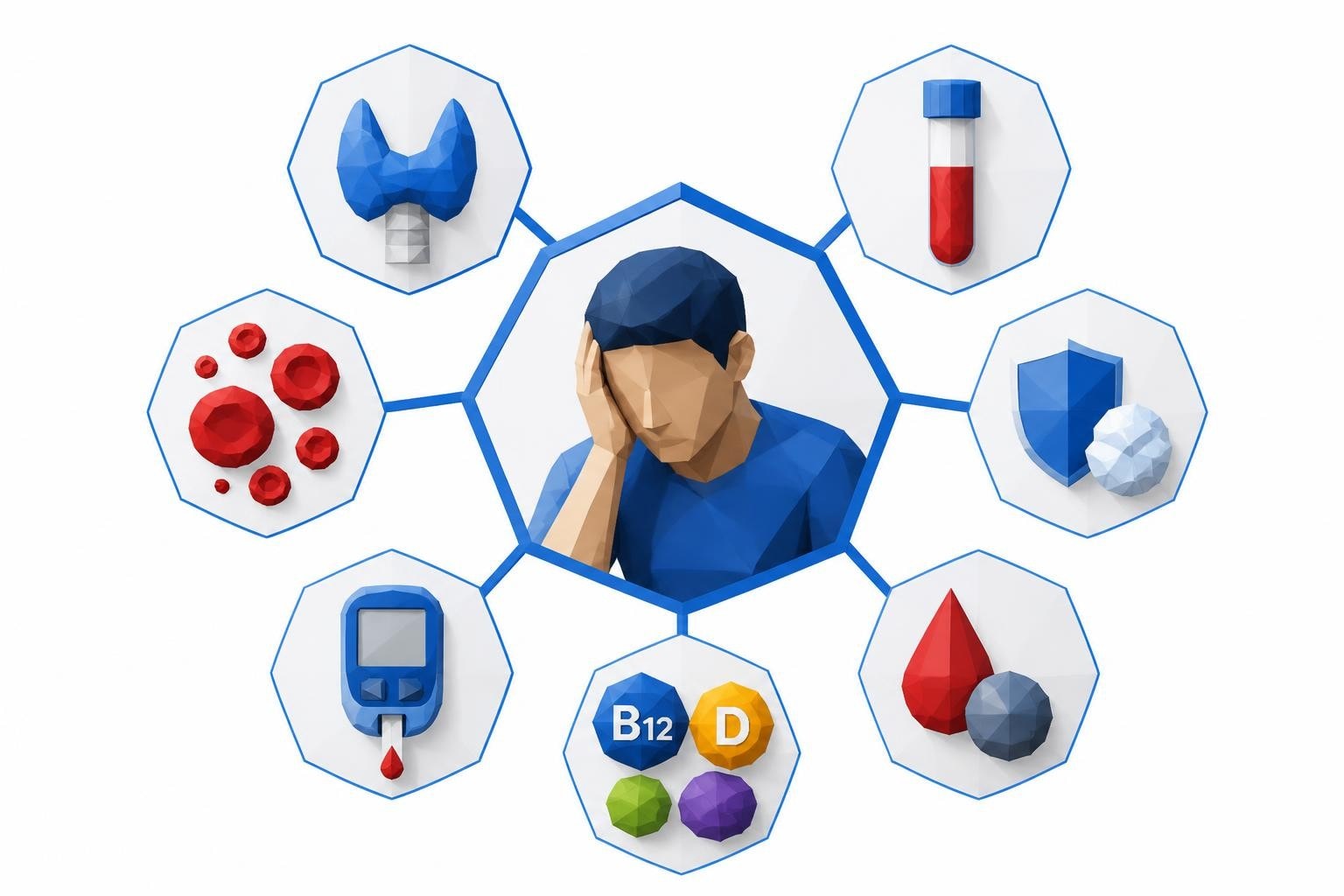
Persistent fatigue affects millions of Americans, leaving them searching for answers about why they feel exhausted despite adequate sleep. While occasional tiredness is normal, chronic fatigue that interferes with daily activities warrants investigation. The key to understanding unexplained fatigue often lies in comprehensive laboratory testing that evaluates multiple body systems simultaneously.
Big picture
Understanding labs for fatigue starts with knowing what to test and why it matters:
- Fatigue has numerous potential causes, including thyroid dysfunction, anemia, vitamin deficiencies, diabetes, and autoimmune conditions that only blood tests can identify definitively
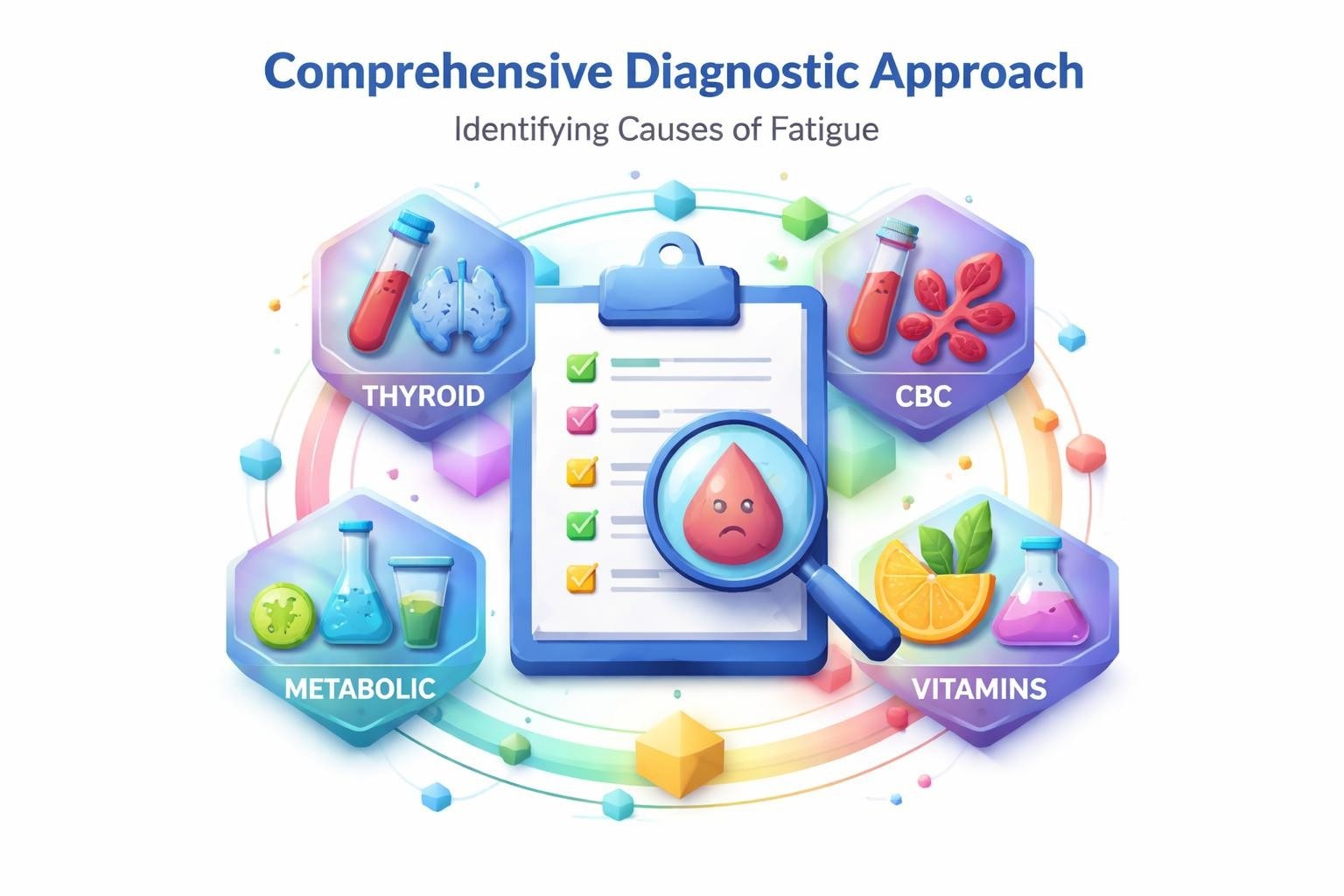
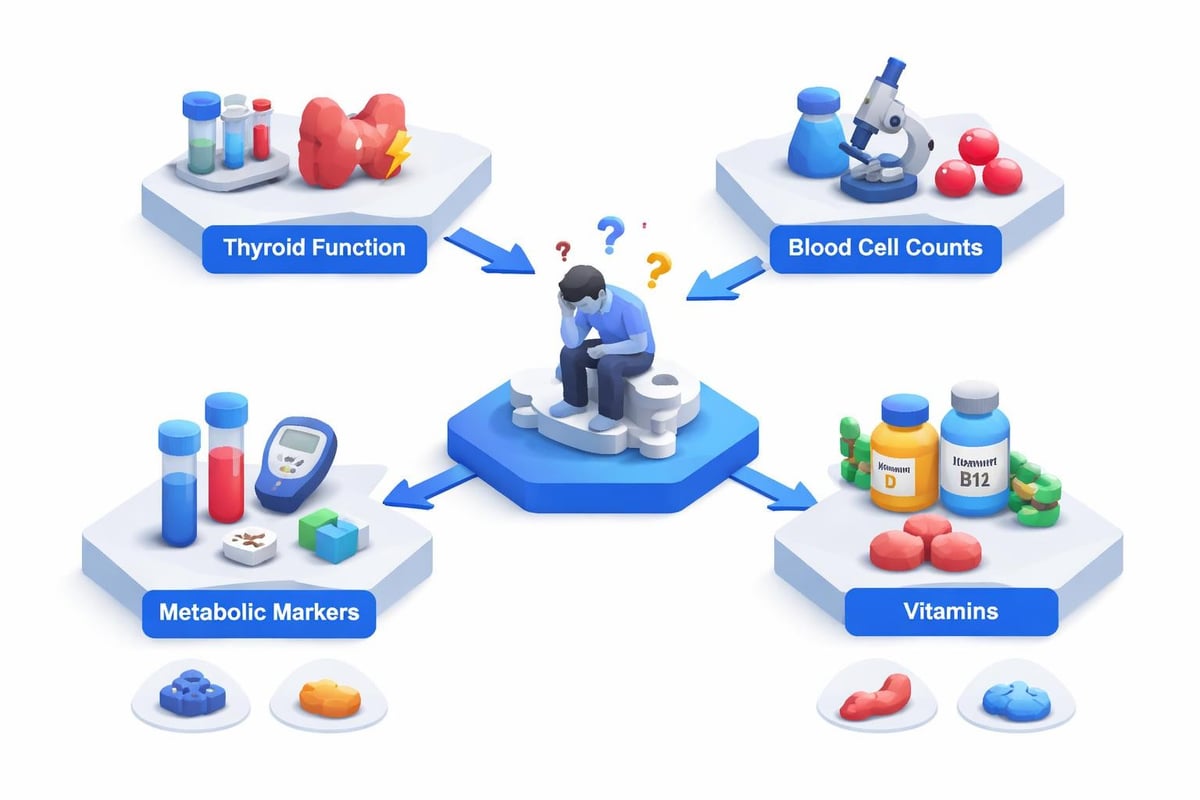
- Comprehensive fatigue testing typically includes thyroid panels, complete blood counts, metabolic panels, iron studies, and vitamin levels to evaluate different body systems
- Anyone experiencing persistent exhaustion lasting more than two weeks, fatigue that worsens with activity, or tiredness accompanied by other symptoms should consider laboratory evaluation
- Self-pay lab testing makes it possible to order tests without waiting for a doctor's appointment, allowing faster access to answers
- Results from labs for fatigue provide actionable data that helps identify specific deficiencies or imbalances requiring targeted treatment
- Taking control of your health through direct-access testing empowers you to understand your body and advocate for appropriate care
Understanding Why Laboratory Testing Matters for Fatigue
Fatigue presents a diagnostic challenge because it stems from diverse underlying conditions. Unlike acute symptoms that point to specific organs or systems, exhaustion can result from hormonal imbalances, nutritional deficiencies, metabolic disorders, or chronic diseases.
Blood tests provide objective measurements that reveal what physical examinations and symptom discussions cannot. Laboratory tests recommended for patients presenting with fatigue include foundational screenings that evaluate the most common causes of persistent tiredness.
The value of comprehensive testing lies in its ability to identify multiple potential issues simultaneously. A single symptom like fatigue might indicate low iron, hypothyroidism, vitamin B12 deficiency, or early diabetes. Without laboratory confirmation, treatment becomes guesswork rather than targeted intervention.
When to Consider Labs for Fatigue
Timing matters when pursuing laboratory evaluation. Not every instance of tiredness requires blood work, but certain patterns indicate the need for investigation.
Consider testing if you experience:
- Fatigue persisting longer than two weeks despite adequate rest
- Exhaustion that significantly impacts work, relationships, or daily activities
- Tiredness accompanied by weight changes, mood alterations, or cognitive difficulties
- Energy crashes that worsen after physical or mental exertion
- Morning fatigue that doesn't improve throughout the day
Self-directed testing through platforms offering affordable lab test pricing eliminates barriers that delay diagnosis. Traditional healthcare routes often require multiple appointments before reaching the testing phase, extending the time before identifying treatable conditions.
Core Laboratory Tests for Evaluating Fatigue
A strategic approach to labs for fatigue begins with foundational tests that screen broad categories of potential causes. Building outward from these core evaluations creates a comprehensive picture of physiological function.
Recommended Panel
Energy & Fatigue Panel
Save $4.5Fatigue has many causes - this panel tests for the most common ones: thyroid dysfunction, iron deficiency, vitamin deficiencies, anemia, and metabolic issues. Stop guessing, start knowing.
Includes 36 biomarkers
$72
Fasting required
Thyroid Function Assessment
Thyroid hormones regulate metabolism, energy production, and countless cellular processes. Both hypothyroidism (underactive thyroid) and hyperthyroidism (overactive thyroid) cause significant fatigue, though through different mechanisms.
Essential thyroid markers include:
| Test | Purpose | What It Reveals |
|---|---|---|
| TSH (Thyroid Stimulating Hormone) | Primary screening tool | Overall thyroid function status |
| Free T4 | Active thyroid hormone | Actual hormone available to cells |
| Free T3 | Most potent thyroid hormone | Conversion efficiency and cellular activity |
| TPO Antibodies | Autoimmune markers | Hashimoto's thyroiditis presence |
Recommended Panel
Complete Thyroid Panel
Save $3Our most comprehensive thyroid panel includes all 5 essential markers: TSH, Free T4, Free T3, Reverse T3, and both thyroid antibodies. Get the complete picture of your thyroid health.
Includes 6 biomarkers
$84
Subclinical thyroid dysfunction often escapes diagnosis because TSH alone doesn't reveal the complete picture. Comprehensive panels that include Free T3 and Free T4 identify cases where conversion problems exist despite normal TSH levels.
Complete Blood Count and Iron Studies
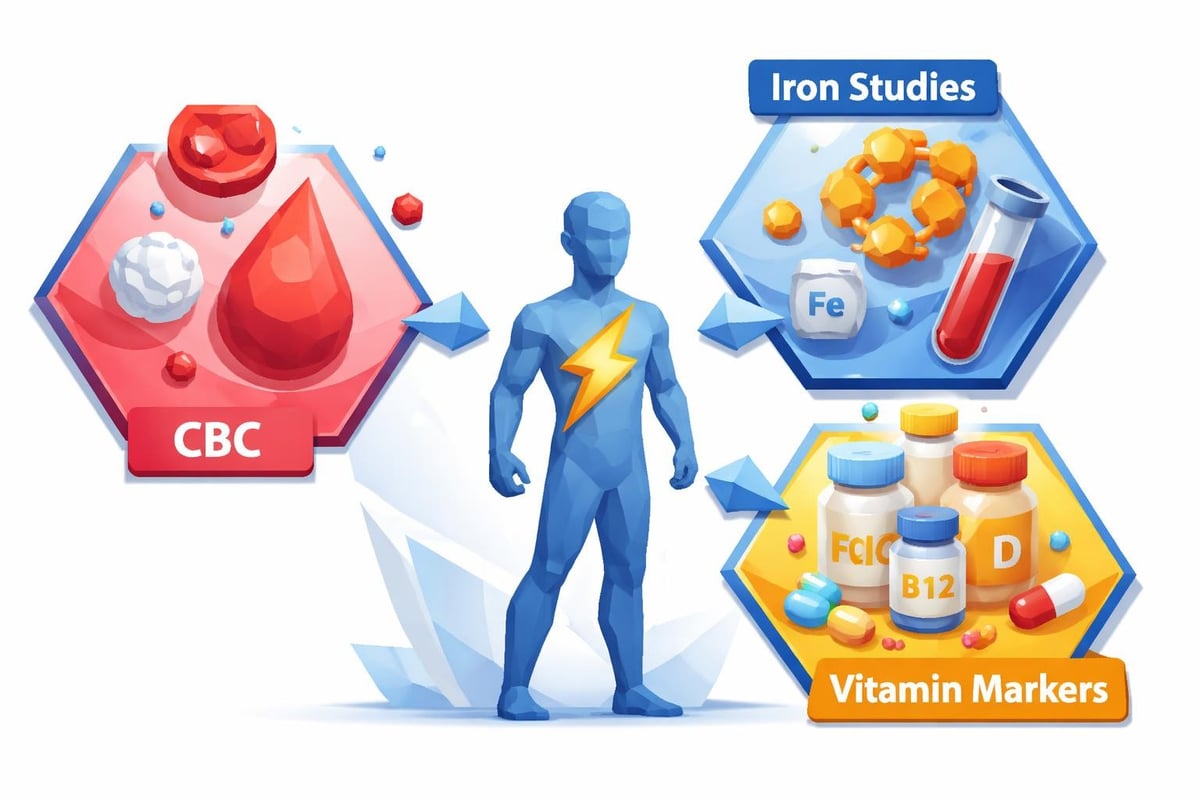
Anemia ranks among the most common treatable causes of fatigue. A complete blood count (CBC) evaluates red blood cells, white blood cells, and platelets, revealing various conditions affecting energy levels.
Iron studies extend beyond basic CBC results. Components of a comprehensive laboratory workup for fatigue include ferritin, serum iron, total iron binding capacity, and transferrin saturation. These measurements distinguish between iron deficiency anemia, anemia of chronic disease, and other blood-related disorders.
Women of reproductive age, vegetarians, and individuals with gastrointestinal conditions face higher risks for iron deficiency. Even borderline-low ferritin levels can cause significant fatigue before anemia develops.
Metabolic and Nutritional Evaluation
Energy production depends on proper metabolic function and adequate nutritional resources. Labs for fatigue must assess how efficiently the body converts food into usable energy and whether nutritional deficiencies limit this process.
Comprehensive Metabolic Panel
A comprehensive metabolic panel (CMP) evaluates kidney function, liver enzymes, electrolytes, and blood glucose. These measurements reveal organ dysfunction, electrolyte imbalances, and metabolic disorders that manifest as fatigue.
Key CMP components relevant to energy:
- Glucose levels: Identify diabetes or hypoglycemia causing energy fluctuations
- Kidney markers (creatinine, BUN): Detect waste accumulation affecting energy
- Liver enzymes (ALT, AST): Reveal liver dysfunction impacting metabolism
- Electrolytes (sodium, potassium, calcium): Assess balance necessary for cellular function
Abnormal glucose regulation creates the classic energy roller coaster. High blood sugar causes initial fatigue, while reactive hypoglycemia creates crashes hours after meals. Identifying these patterns through fasting glucose and hemoglobin A1C testing enables dietary and medical interventions.
Vitamin and Mineral Assessment
Specific nutrient deficiencies directly impair energy production at the cellular level. Laboratory tests for patients with low energy and fatigue should include vitamin D, vitamin B12, folate, and magnesium.
Vitamin D deficiency affects approximately 40% of Americans and correlates strongly with fatigue, muscle weakness, and mood disturbances. Optimal levels for energy typically exceed the minimum threshold for bone health, making measurement essential for treatment targets.
Vitamin B12 and folate enable red blood cell production and neurological function. Deficiencies cause fatigue through multiple mechanisms, including impaired oxygen delivery and nervous system dysfunction. Vegetarians, individuals over 60, and those taking certain medications face elevated deficiency risks.
Recommended Panel
Vitamin & Mineral Panel
Save $5This panel tests the most commonly deficient nutrients: Vitamin D, B12, Folate, Iron (with complete iron studies), Ferritin, and Magnesium - the building blocks your body needs to function optimally.
Includes 9 biomarkers
$64
Fasting required
Hormone Testing Beyond Thyroid Function
While thyroid hormones significantly impact energy, other endocrine systems contribute to fatigue when disrupted. Sex hormones, stress hormones, and metabolic hormones all influence daily energy levels.
Sex Hormone Evaluation
For women, fluctuating estrogen and progesterone affect energy throughout menstrual cycles and during perimenopause. Low testosterone impacts both men and women, though normal ranges differ significantly between sexes.
Hormone patterns affecting fatigue:
- Low testosterone: Reduces energy, motivation, and muscle strength in men and women
- Estrogen dominance: Creates fatigue alongside other symptoms like weight gain and mood swings
- Low progesterone: Affects sleep quality, indirectly increasing daytime tiredness
- DHEA deficiency: Reduces stress resilience and overall vitality
Testing hormone levels provides context for fatigue that coincides with reproductive transitions or stress periods. Self-directed testing offers particular value here, as many physicians dismiss hormonal causes in younger patients or attribute symptoms solely to aging.
Cortisol and Adrenal Function
Chronic stress dysregulates cortisol production, creating patterns that contribute to persistent fatigue. Both high cortisol (from constant stress) and low cortisol (from burnout) impair energy regulation.
Standard cortisol testing measures morning levels, but some practitioners recommend four-point salivary cortisol to assess daily patterns. This reveals whether cortisol follows healthy rhythms or demonstrates problematic elevations or deficiencies throughout the day.
Inflammatory and Autoimmune Markers
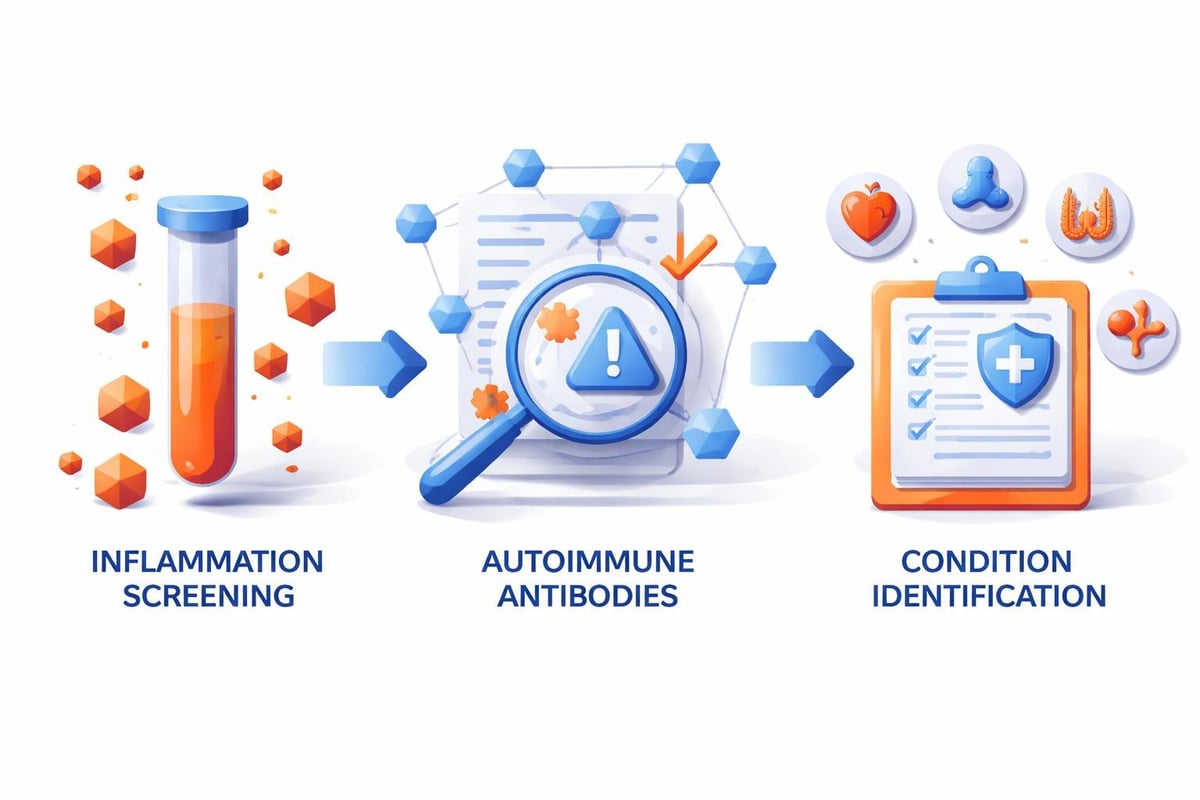
Chronic inflammation and autoimmune conditions frequently present with fatigue as a primary symptom. Initial laboratory evaluations for patients complaining of fatigue should consider inflammatory markers when other tests don't reveal clear causes.
Inflammation Testing
C-reactive protein (CRP) and erythrocyte sedimentation rate (ESR) measure inflammation levels. Elevated markers suggest underlying inflammatory processes that drain energy through immune system activation.
High-sensitivity CRP provides more precise measurements for cardiovascular risk assessment but also reveals low-grade chronic inflammation affecting energy. Persistent elevation warrants investigation into autoimmune conditions, chronic infections, or inflammatory diseases.
Autoimmune Screening
Conditions like rheumatoid arthritis, lupus, and celiac disease cause significant fatigue before other symptoms become prominent. Antinuclear antibodies (ANA), rheumatoid factor, and tissue transglutaminase antibodies screen for common autoimmune disorders.
The connection between genetic risk factors for chronic fatigue syndrome and autoimmune conditions continues emerging through research. While specialized genetic testing isn't yet clinically standard, screening for known autoimmune markers provides actionable information.
Specialized Testing for Persistent Cases
When standard labs for fatigue don't reveal definitive answers, additional specialized testing may provide insights. These evaluations address less common but significant causes of chronic exhaustion.
Advanced Nutrient Testing
Beyond basic vitamin panels, some individuals benefit from testing methylmalonic acid (more sensitive for B12 deficiency), homocysteine (assesses B vitamin metabolism), and red blood cell magnesium (more accurate than serum levels).
Zinc deficiency affects immune function and energy production but often escapes routine screening. Athletes, vegetarians, and individuals with digestive disorders should consider zinc evaluation.
Infectious Disease Markers
Chronic viral infections like Epstein-Barr virus (EBV), cytomegalovirus (CMV), and Lyme disease cause prolonged fatigue. Antibody testing distinguishes between past exposure and active infection requiring treatment.
Reactivated EBV particularly affects individuals under significant stress or with compromised immune systems. Testing both IgM (acute infection) and IgG (past infection) antibodies clarifies whether EBV contributes to current symptoms.
Interpreting Results and Next Steps
Receiving laboratory results represents just the beginning of addressing fatigue. Understanding what numbers mean and how they interact creates the foundation for effective intervention.
Working with Reference Ranges
Laboratory reference ranges indicate typical values found in general populations, but optimal ranges for energy often differ from merely "normal" results. For example, ferritin above 50 ng/mL typically prevents fatigue better than levels in the 10-30 ng/mL range, despite both falling within standard references.
Optimal ranges for energy-related markers:
| Test | Standard Range | Optimal for Energy |
|---|---|---|
| Ferritin | 12-150 ng/mL (women) | >50 ng/mL |
| Vitamin D | 30-100 ng/mL | 50-80 ng/mL |
| TSH | 0.4-4.0 mIU/L | 0.5-2.0 mIU/L |
| Vitamin B12 | >200 pg/mL | >400 pg/mL |
Getting tests without insurance allows you to pursue optimal levels rather than waiting until values become severely abnormal.
Creating an Action Plan
Abnormal results require targeted interventions. Iron deficiency responds to supplementation and dietary changes. Thyroid dysfunction needs medical management. Vitamin D deficiency corrects through supplementation and sun exposure.
Multiple abnormalities demand prioritization. Address the most severe deficiencies first, then retest after 6-12 weeks to confirm improvement and identify remaining issues. This iterative approach prevents overwhelming changes while tracking what interventions work.
Key Takeaways
Essential insights about labs for fatigue:
- Comprehensive testing evaluating thyroid function, blood counts, metabolic health, vitamins, and hormones provides the most complete picture of fatigue causes
- Thyroid panels should include TSH, Free T4, and Free T3 at minimum, with antibodies when autoimmune conditions are suspected
- Iron studies extend beyond basic anemia screening, as low ferritin causes fatigue before red blood cell counts drop
- Vitamin D, B12, and magnesium deficiencies frequently contribute to persistent tiredness and respond well to supplementation
- Optimal laboratory values for energy often differ from standard reference ranges, requiring knowledgeable interpretation
- Self-directed testing through accessible platforms eliminates delays in diagnosis and treatment
- Results guide specific interventions rather than trial-and-error approaches to addressing fatigue
FAQ
What are the most important labs for fatigue?
The most essential labs for fatigue include a complete thyroid panel (TSH, Free T4, Free T3), complete blood count with iron studies (including ferritin), comprehensive metabolic panel, and vitamin levels (D, B12, folate). These tests evaluate the most common treatable causes of persistent exhaustion. Many people benefit from starting with a comprehensive energy and fatigue panel that includes these core measurements.
How long does it take to get results from fatigue testing?
Most standard labs for fatigue return results within 1-3 business days when ordered through efficient testing services. Basic panels like thyroid function, metabolic panels, and blood counts typically process fastest. Specialized tests for antibodies, hormones, or infectious diseases may require additional processing time. The quick turnaround helps you begin addressing identified issues without extended waiting periods.
Can I order labs for fatigue without seeing a doctor first?
Yes, self-pay laboratory services allow you to order comprehensive fatigue testing without requiring a doctor's visit or prescription. This approach provides faster access to diagnostic information while reducing costs associated with multiple office visits. You receive the same laboratory-quality results that physicians order, empowering you to understand your health status and make informed decisions about seeking treatment for any identified abnormalities.
How much do comprehensive labs for fatigue typically cost?
The cost of labs for fatigue varies based on which tests you include, but comprehensive panels typically range from $200-500 when ordered directly through self-pay services. This pricing significantly undercuts costs when billing through insurance due to transparent pricing without markup. Individual tests cost less, allowing you to customize testing based on suspected causes. Transparent lab test pricing helps you make informed decisions about which evaluations provide the best value.
What should I do if my fatigue labs come back normal?
Normal standard labs for fatigue don't necessarily mean everything is optimal for energy production. Review whether results fall in optimal ranges rather than just within reference ranges. Consider whether testing addressed all relevant categories, as some causes like chronic stress, sleep disorders, or mental health conditions don't show in blood work. Specialized testing for nutrient metabolism, detailed hormone panels, or inflammatory markers may reveal issues missed by basic screening.
Do I need to fast before getting labs for fatigue?
Fasting requirements depend on which specific tests your panel includes. Glucose, lipid panels, and comprehensive metabolic panels require 8-12 hours of fasting for accurate results. Thyroid tests, complete blood counts, and most vitamin levels don't require fasting. When ordering multiple tests simultaneously, fasting ensures all measurements remain accurate. Check specific requirements when scheduling your blood draw to avoid needing to reschedule or repeat testing.
How often should I retest after starting treatment for issues found in fatigue labs?
Retesting timelines depend on what abnormalities were identified and what treatments you started. Thyroid medication adjustments typically require retesting after 6-8 weeks. Iron supplementation benefits from rechecking after 8-12 weeks. Vitamin D levels should be reassessed after 2-3 months of supplementation. This follow-up testing confirms that interventions are working and helps fine-tune treatment to achieve optimal levels rather than just normal ranges.
Understanding the root causes of your fatigue starts with comprehensive laboratory testing that evaluates multiple body systems simultaneously. When you identify specific deficiencies, imbalances, or dysfunctions through targeted blood work, you can pursue evidence-based treatments rather than guessing at solutions. Justlabs makes this process straightforward by offering direct access to comprehensive fatigue panels at transparent prices, with results delivered in 1-3 days so you can take control of your energy and wellbeing without unnecessary delays.