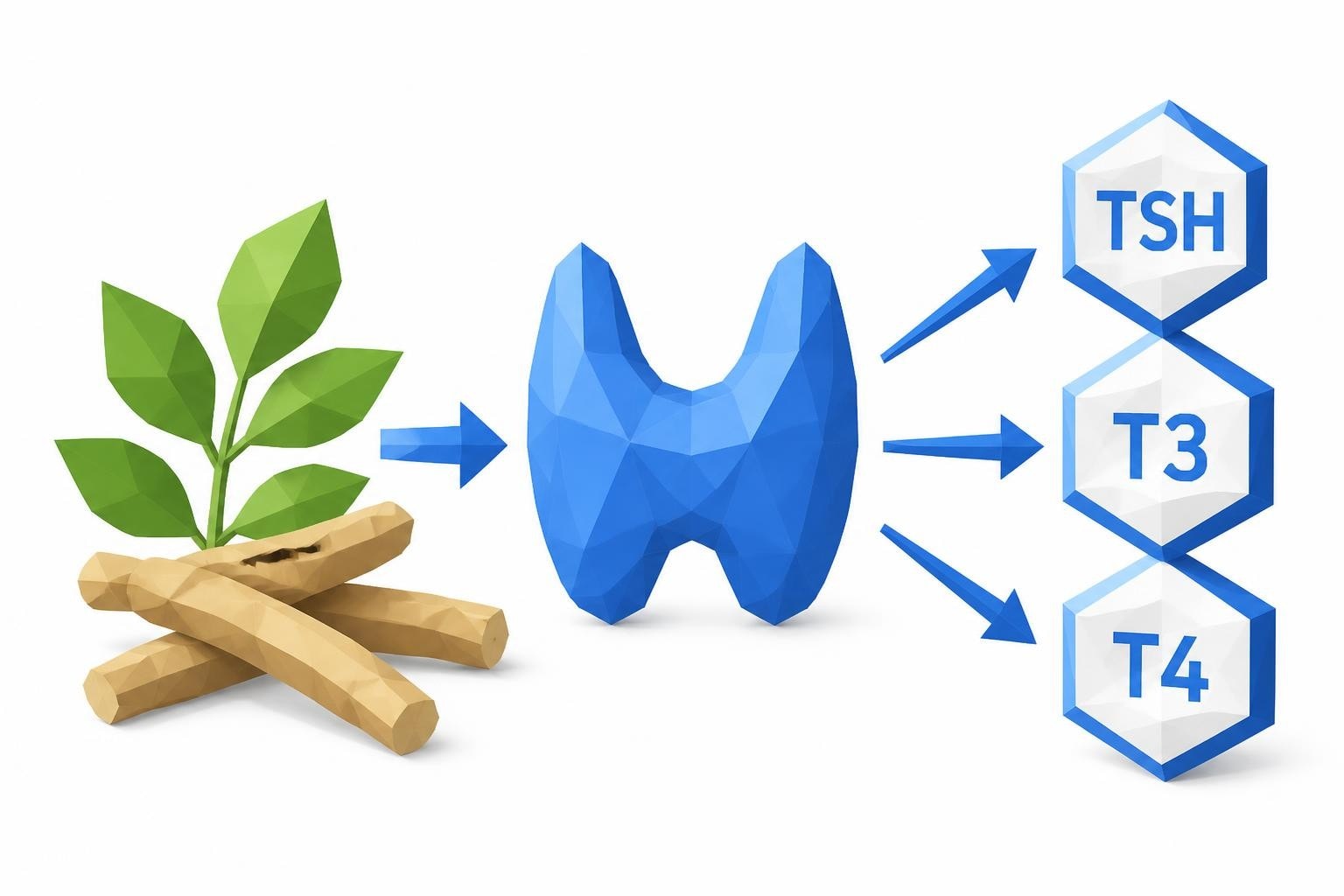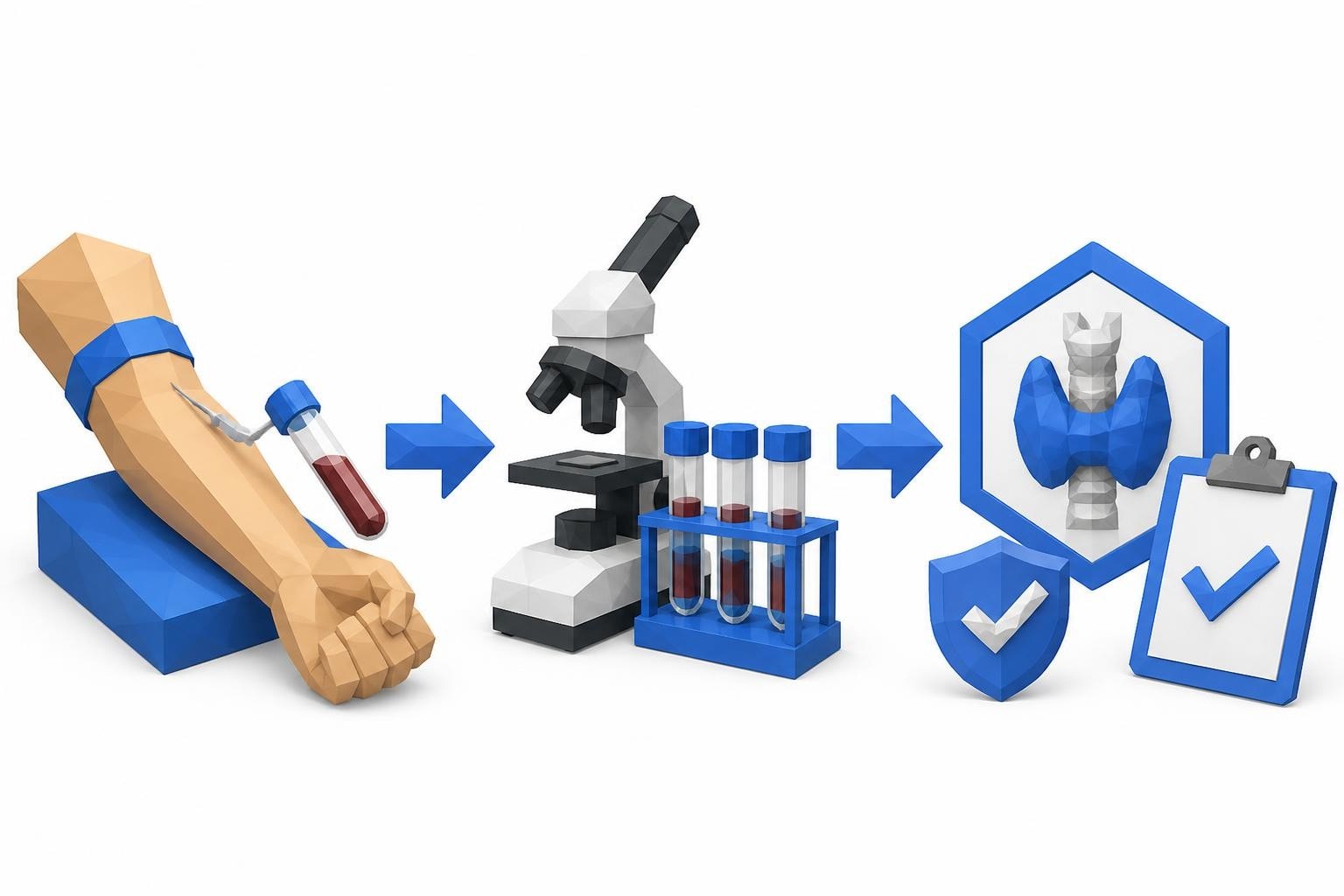
Understanding your thyroid health often requires more than a single blood test. While many people are familiar with thyroid-stimulating hormone (TSH) testing, the thyroglobulin antibodies test plays a crucial role in diagnosing autoimmune thyroid conditions and monitoring patients after thyroid cancer treatment. This specialized antibody test measures immune proteins that can interfere with thyroid function and complicate the interpretation of other thyroid markers. Whether you're investigating unexplained symptoms or following up after thyroidectomy, knowing when and why to order this test empowers you to take control of your health journey.
What Are Thyroglobulin Antibodies
Thyroglobulin antibodies (TgAb) are proteins produced by your immune system that mistakenly target thyroglobulin, a protein made exclusively by thyroid cells. In a healthy immune system, antibodies defend against foreign invaders like bacteria and viruses. However, in autoimmune conditions, these antibodies attack the body's own tissues.
Thyroglobulin itself serves as the building block for thyroid hormones. Your thyroid gland produces this large protein and stores it in follicles, where it's broken down to release T3 and T4 hormones as needed. When thyroglobulin antibodies are present, they bind to this protein and can trigger inflammation, disrupt hormone production, and interfere with laboratory measurements.
The Two Primary Thyroid Antibodies
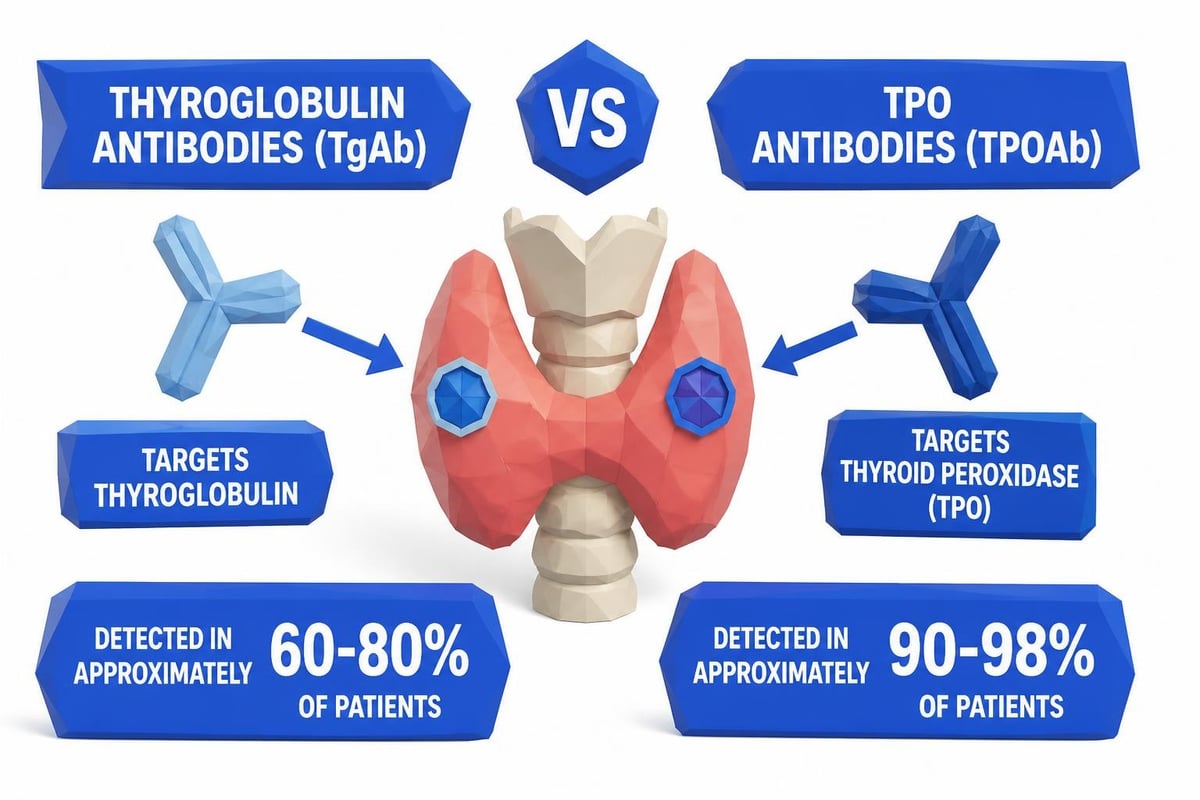
When evaluating autoimmune thyroid disease, physicians typically assess two distinct antibody types:
- Thyroid peroxidase antibodies (TPO): Target the enzyme responsible for thyroid hormone synthesis
- Thyroglobulin antibodies (TgAb): Target the protein storage form of thyroid hormones
- Combined presence: Many patients have both antibodies, though not always in equal levels — a single TPO and TG antibody test covers both
TPO antibodies are found in approximately 90% of Hashimoto's thyroiditis cases, making them the most common marker. However, about 10-20% of patients with Hashimoto's disease test positive for thyroglobulin antibodies while showing negative TPO results. This subset of patients would be missed if only TPO antibodies were measured, highlighting why comprehensive testing matters.
When You Need a Thyroglobulin Antibodies Test
The thyroglobulin antibodies test serves two primary clinical purposes that require different testing strategies and interpretation frameworks.
Diagnosing Autoimmune Thyroid Disease
Healthcare providers order this test when investigating possible Hashimoto's thyroiditis, particularly when:
- You have symptoms of hypothyroidism (fatigue, weight gain, cold sensitivity, dry skin)
- Your TSH levels are elevated but TPO antibodies return negative
- Thyroid ultrasound shows patterns consistent with autoimmune disease
- You have a family history of autoimmune thyroid conditions
- Other autoimmune diseases are already present
According to MedlinePlus, testing for both TPO and thyroglobulin antibodies provides the most complete picture of autoimmune thyroid activity. Some patients develop TgAb years before TPO antibodies appear, making early detection possible when both markers are assessed.
If you've already tested with TPO antibodies positive but TSH normal, adding thyroglobulin antibodies helps confirm the autoimmune process and assess disease severity.
Monitoring After Thyroid Cancer Treatment
For patients who've undergone thyroidectomy for differentiated thyroid cancer, the thyroglobulin antibodies test becomes essential for accurate surveillance. After complete thyroid removal, thyroglobulin levels should be undetectable because no thyroid tissue remains to produce this protein.
However, thyroglobulin antibodies interfere with thyroglobulin measurements, causing falsely low results that could mask cancer recurrence. The American Thyroid Association professional guidelines recommend measuring TgAb alongside thyroglobulin at every follow-up appointment.
| Clinical Scenario | Testing Frequency | What Rising TgAb Suggests |
|---|---|---|
| Post-thyroidectomy surveillance | Every 6-12 months | Possible residual thyroid tissue or recurrence |
| Stable undetectable Tg and TgAb | Annually after 5 years | Continue monitoring per guidelines |
| Detectable TgAb after surgery | Every 3-6 months initially | Antibodies may take years to decline |
Understanding Your Test Results
Interpreting thyroglobulin antibodies test results requires context from your medical history, other thyroid markers, and the specific laboratory reference range used.
Reference Ranges and Measurement Methods
Most laboratories report thyroglobulin antibodies as either:
- Negative: Below the laboratory's cutoff (typically <4 IU/mL)
- Positive: Above the threshold, with specific values reported
- Borderline: Near the cutoff, may require repeat testing
Different laboratory methods use varying reference ranges, so always compare your results to the specific range provided with your report. The American Thyroid Association notes that standardization efforts continue to improve consistency across testing platforms.
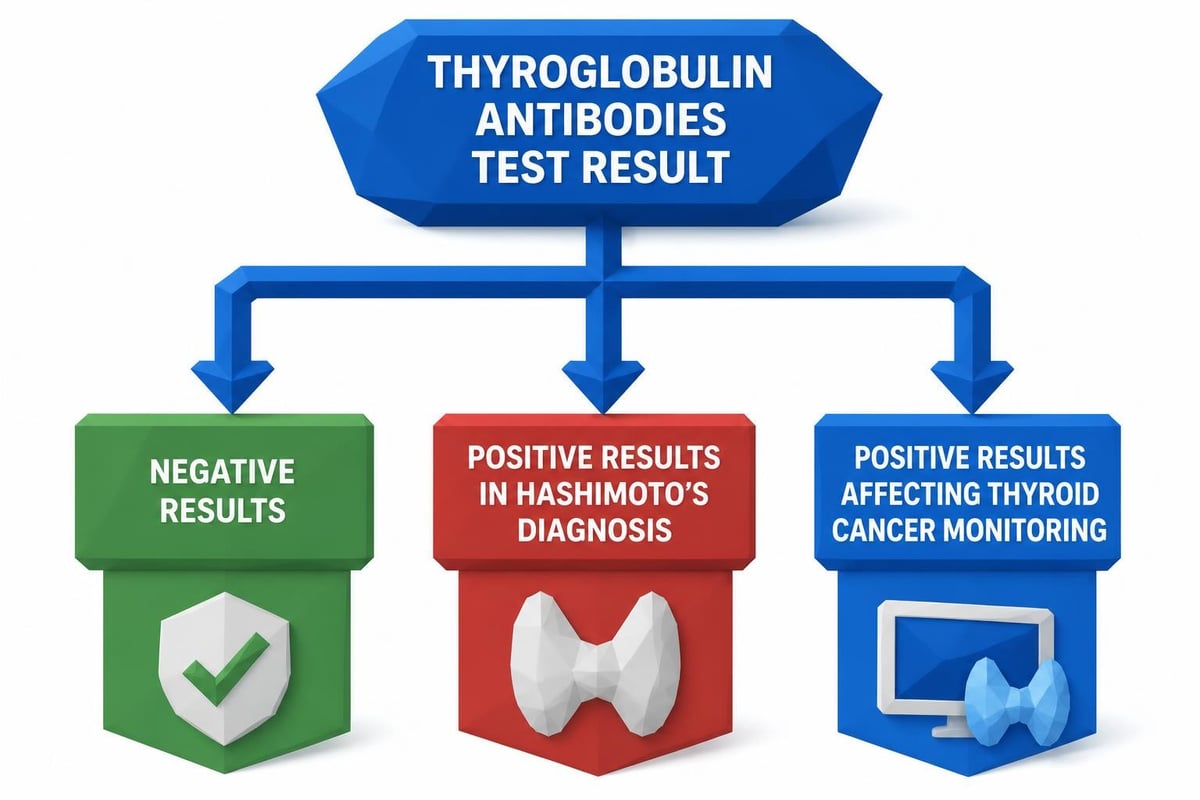
What Positive Results Mean
When your thyroglobulin antibodies test shows elevated levels, interpretation depends on your clinical situation:
In Hashimoto's diagnosis: Positive TgAb supports autoimmune thyroid disease, especially when combined with:
- Elevated TSH or low free T4
- Thyroid gland enlargement or nodules
- Symptoms consistent with hypothyroidism
- Positive TPO antibodies (though not required)
In thyroid cancer monitoring: Detectable TgAb after thyroidectomy indicates:
- Laboratory measurements of thyroglobulin may be unreliable
- Alternative monitoring methods may be needed
- Antibody levels themselves become a tumor marker
- Rising TgAb trends suggest possible recurrence
The TPO-Negative, TgAb-Positive Pattern
Some patients present with a puzzling combination: clear symptoms of Hashimoto's thyroiditis, negative TPO antibodies, but positive thyroglobulin antibodies. This pattern occurs in approximately 5-10% of Hashimoto's cases and represents a diagnostically important subset.
These patients often experience:
- Gradual thyroid gland destruction similar to TPO-positive patients
- Progressive decline in thyroid function over months to years
- Response to the same treatment approaches as typical Hashimoto's
- Eventual need for thyroid hormone replacement therapy
Research suggests TgAb-only positive patients may have a slightly different disease course, sometimes with slower progression. However, the long-term outcomes and treatment needs remain essentially the same as patients with both antibody types present.
How Thyroglobulin Antibodies Interfere With Testing
One of the most clinically significant aspects of thyroglobulin antibodies involves their impact on laboratory measurements. This interference creates challenges for both diagnosis and cancer surveillance.
Immunoassay Interference Mechanisms
Most laboratories measure thyroglobulin using immunoassay methods that rely on antibodies to detect and quantify the protein. When a patient's own thyroglobulin antibodies are present, they compete with the test antibodies, leading to falsely low or undetectable thyroglobulin results.
This interference occurs through several mechanisms:
- TgAb binds to thyroglobulin before test antibodies can attach
- Immune complexes form that aren't recognized by the assay
- Different antibody specificities create variable interference patterns
- High antibody levels cause more severe measurement errors
A PubMed Central review on thyroglobulin assay interferences documents how mass spectrometry methods can overcome these limitations, though these advanced techniques aren't yet widely available in routine clinical practice.
Clinical Implications for Cancer Monitoring
For thyroid cancer patients, antibody interference creates a dangerous blind spot. A falsely low thyroglobulin result might suggest successful treatment when cancer has actually recurred. This is why guidelines mandate measuring thyroglobulin antibodies alongside thyroglobulin at every surveillance visit.
When TgAb is present, physicians employ alternative monitoring strategies:
- Trend monitoring: Watch for rising TgAb levels over time, which may indicate growing thyroid tissue
- Imaging surveillance: Rely more heavily on neck ultrasound and radioiodine scans
- Mass spectrometry: Use antibody-independent measurement methods when available
- Extended follow-up: Continue monitoring even with undetectable standard thyroglobulin measurements
Getting Tested: What to Expect
The thyroglobulin antibodies test follows the same simple process as other blood tests, requiring minimal preparation and offering quick turnaround times.
Test Preparation and Procedure
No special preparation is typically required before your thyroglobulin antibodies test. You can eat normally and take your regular medications unless specifically instructed otherwise by your healthcare provider. The test involves:
- A standard blood draw from a vein in your arm
- Collection of one or two small vials of blood
- Minimal discomfort lasting just a few seconds
- No recovery time needed afterward
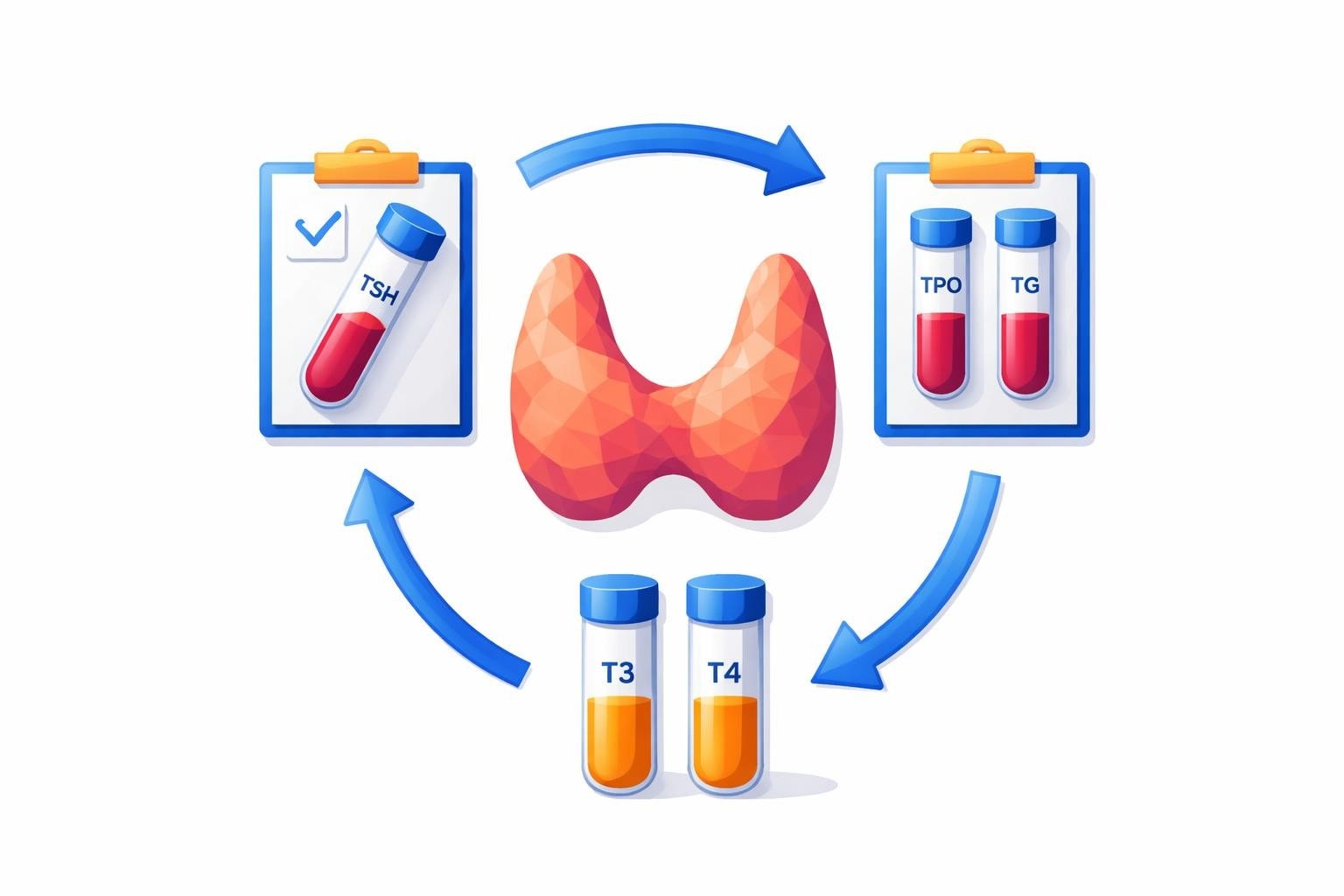
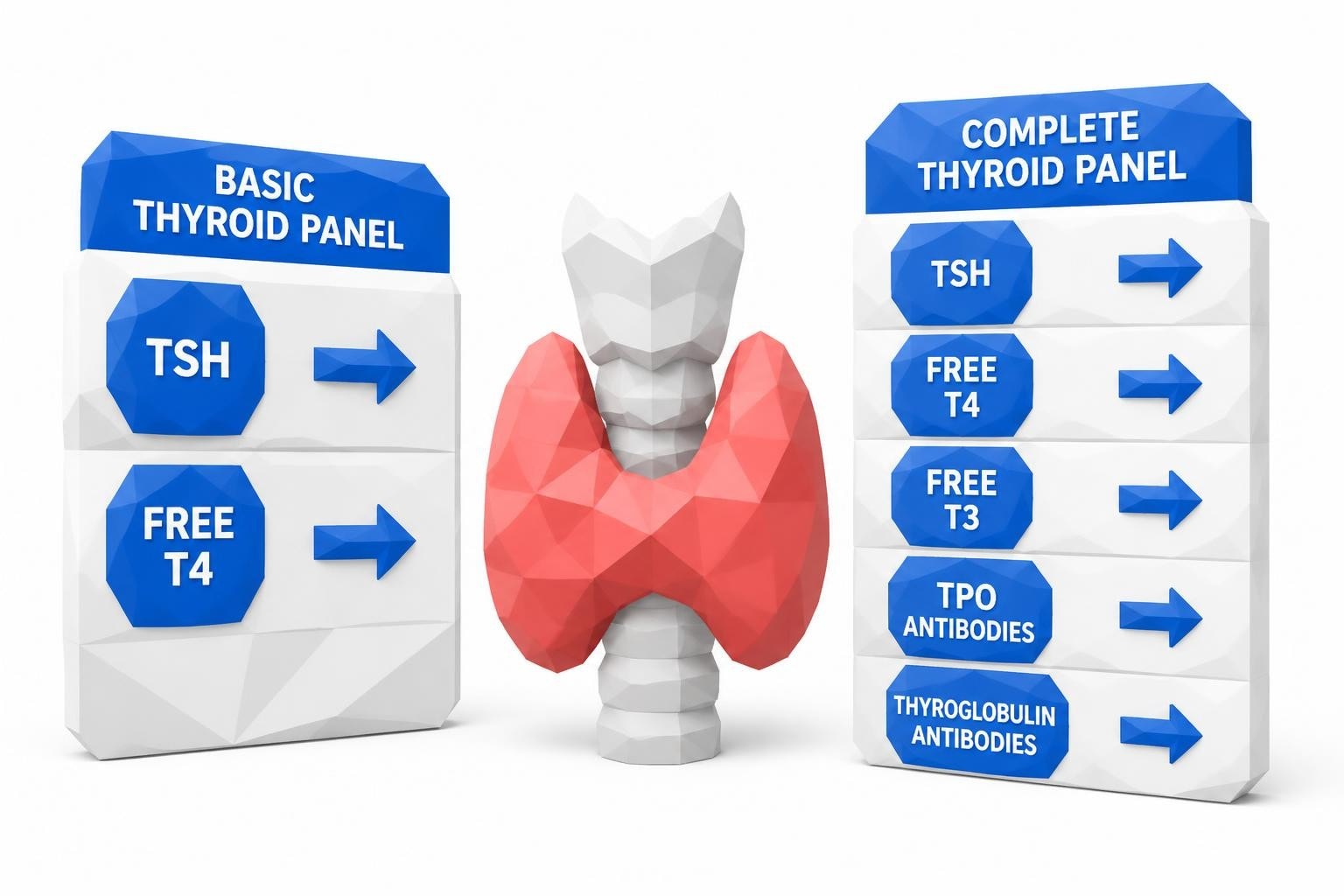
Some patients choose to have multiple thyroid markers measured simultaneously, which requires only a single blood draw. Testing panels typically include TSH, free T4, TPO antibodies, and thyroglobulin antibodies for comprehensive assessment.
Accessing Testing Through Justlabs
Recommended Test
Thyroglobulin Antibodies
Thyroglobulin antibodies target thyroglobulin protein in the thyroid gland. Elevated levels indicate autoimmune thyroid disease and are also important for thyroid cancer monitoring.
Includes 1 biomarkers
$15
Modern healthcare increasingly allows patients to order their own laboratory tests without requiring a doctor's visit first. This approach offers several advantages:
- Transparent pricing: Know the exact cost before testing
- Rapid results: Receive findings within 1-3 days
- Convenient locations: Choose from thousands of collection sites nationwide
- No insurance hassles: Self-pay eliminates claim denials and surprise bills
When exploring available lab tests, you'll find individual thyroid markers as well as comprehensive panels that bundle related tests at package pricing. The process works entirely online, from test selection through result delivery.
Comprehensive Thyroid Antibody Panels
Rather than ordering tests individually, many patients benefit from comprehensive panels that assess multiple aspects of thyroid function and autoimmunity simultaneously.
Components of Hashimoto's Testing Panels
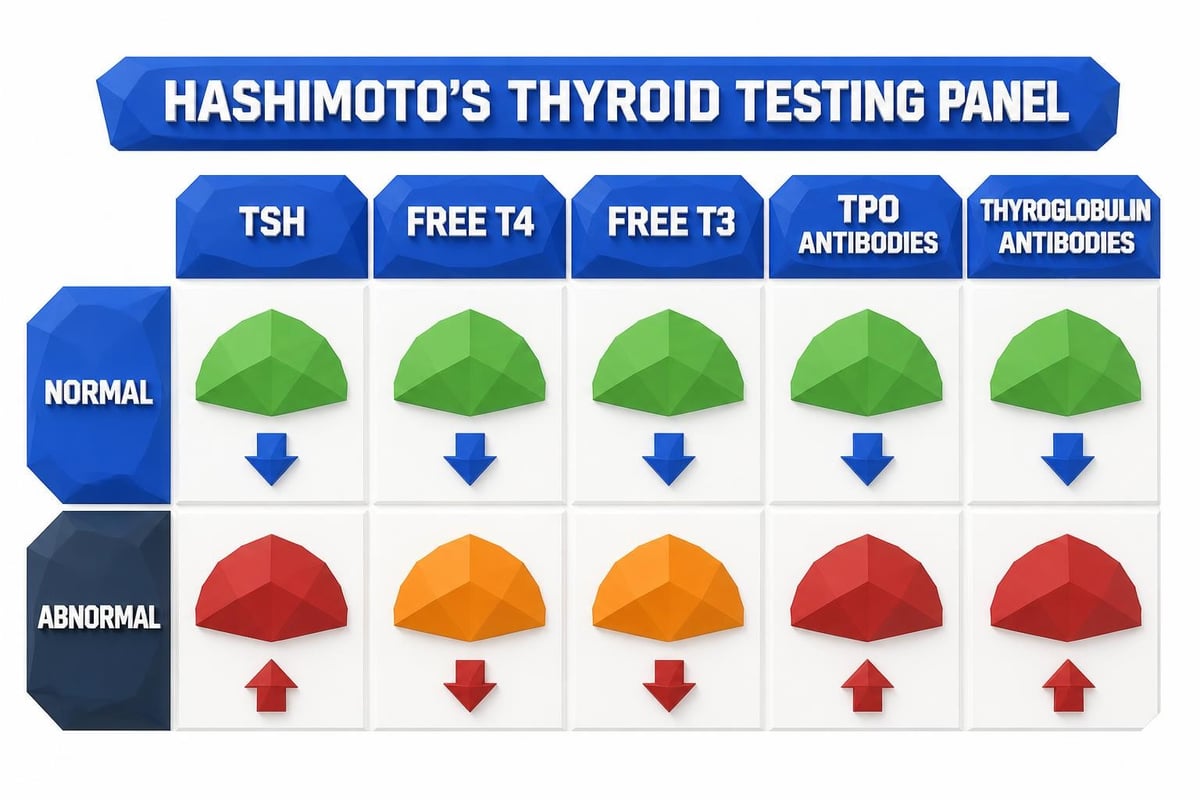
A complete Hashimoto's evaluation typically includes:
| Test Component | Purpose | What It Reveals |
|---|---|---|
| TSH | Thyroid function screening | Overall thyroid gland activity level |
| Free T4 | Actual hormone production | Available thyroxine in circulation |
| Free T3 | Active hormone status | Converted, biologically active form |
| TPO antibodies | Primary autoimmune marker | Most common Hashimoto's antibody |
| Thyroglobulin antibodies | Secondary autoimmune marker | Catches TPO-negative cases |
Recommended Panel
Hashimoto's Panel
Save $3The definitive panel for diagnosing Hashimoto's thyroiditis - the #1 cause of hypothyroidism. Tests both major thyroid antibodies that indicate autoimmune thyroid disease.
Includes 5 biomarkers
$58
Testing all these markers together provides a complete picture of both thyroid function and autoimmune activity. This comprehensive approach prevents the need for multiple blood draws and reveals patterns that single tests might miss.
Timing of Follow-Up Testing
After your initial thyroglobulin antibodies test, the frequency of repeat testing depends on your specific situation:
For Hashimoto's monitoring:
- Retest every 6-12 months to assess disease progression
- More frequent testing if symptoms worsen or treatment changes
- Annual testing once stable on thyroid hormone replacement
- Antibody levels may remain elevated indefinitely even with treatment
For thyroid cancer surveillance:
- Test every 3-6 months for the first two years after surgery
- Every 6-12 months for years 3-5
- Annually thereafter if results remain stable
- More frequent if antibody levels rise or imaging shows concerns
Cost Considerations and Access
Understanding the financial aspects of thyroid testing helps you make informed healthcare decisions and avoid unexpected bills.
Traditional Testing Costs
When ordered through traditional healthcare channels with insurance, thyroid antibody testing costs vary dramatically based on:
- Your specific insurance plan and deductible status
- Whether the test is considered medically necessary
- Which laboratory your doctor uses
- Geographic location and local market rates
Many patients face surprise bills months after testing when insurance denies coverage or applies charges to high deductibles. For those comparing options, understanding lab test pricing transparency helps budget accurately.
Self-Pay Testing Advantages
Direct-access laboratory testing through platforms like Justlabs offers predictable costs and eliminates insurance complications. Benefits include:
- Fixed, transparent pricing: Know the exact cost upfront
- No hidden fees: What you see is what you pay
- No insurance required: Ideal for high-deductible plans or uninsured patients
- Faster access: No waiting for doctor appointments or insurance authorization
Patients can easily find nearby lab locations for convenient sample collection, often with same-day or next-day appointment availability.
Factors That Affect Antibody Levels
Several variables influence thyroglobulin antibody levels beyond the presence of autoimmune disease or thyroid cancer.
Natural Fluctuations and Trends
Thyroglobulin antibodies don't remain perfectly stable over time. Normal biological variation causes:
- Day-to-day fluctuations of 10-20% in antibody levels
- Gradual decline over years in some Hashimoto's patients
- Occasional spontaneous spikes without clear triggers
- Slow decline after thyroidectomy, sometimes taking 3-5 years
For this reason, clinicians focus on trends over time rather than single measurements. A recent review on immunoassay interferences emphasizes the importance of using the same laboratory and testing method for serial measurements to ensure comparability.
Medications and Treatments
Certain treatments affect thyroglobulin antibody levels:
- Thyroid hormone replacement: May slightly reduce antibody levels over time, though the effect is modest
- Immunosuppressive medications: Can decrease antibodies but aren't typically used solely for this purpose
- Thyroidectomy: Removes the target antigen, causing antibodies to gradually decline
- Radioactive iodine: May temporarily increase antibodies due to thyroid tissue destruction
Demographics and Risk Factors
Some populations show higher rates of thyroglobulin antibodies:
- Women develop thyroid antibodies 5-10 times more often than men
- Risk increases with age, particularly after age 60
- Family history significantly elevates likelihood
- Smoking may increase antibody production
- Other autoimmune conditions raise risk (type 1 diabetes, celiac disease, rheumatoid arthritis)
Clinical Applications Beyond Diagnosis
While diagnosis and cancer monitoring represent the primary uses for thyroglobulin antibodies testing, several additional clinical scenarios benefit from antibody assessment.
Pregnancy and Fertility Considerations
Thyroid antibodies, including TgAb, appear in 10-15% of women of reproductive age. Their presence associates with:
- Higher risk of miscarriage, particularly in the first trimester
- Increased likelihood of postpartum thyroiditis
- Greater risk of developing hypothyroidism during or after pregnancy
- Possible subtle effects on fertility even with normal thyroid function
Obstetricians increasingly screen high-risk women for thyroid antibodies early in pregnancy or when planning conception. The Testing.com thyroglobulin overview explains how TgAb testing fits into prenatal care for patients with autoimmune concerns.
Predicting Thyroid Dysfunction
The presence of thyroglobulin antibodies in people with currently normal thyroid function carries predictive value. Studies show that antibody-positive individuals with normal TSH develop overt hypothyroidism at rates of:
- 2-4% per year with isolated antibody positivity
- 5-10% per year when antibodies coincide with subclinical hypothyroidism (elevated TSH, normal T4)
- Higher rates when both TPO and TgAb are positive together
This predictive information helps physicians decide on monitoring frequency and discuss long-term health planning with patients.
Research and Emerging Applications
Ongoing research explores additional roles for thyroglobulin antibodies testing:
- Assessing thyroid autoimmunity in patients with chronic hives (urticaria)
- Evaluating autoimmune polyglandular syndromes
- Monitoring patients on immune checkpoint inhibitor cancer therapies
- Investigating connections between thyroid autoimmunity and mood disorders
Related reading
Understanding the thyroglobulin antibodies test empowers you to make informed decisions about your thyroid health, whether you're investigating unexplained symptoms or monitoring after cancer treatment. Testing for both TgAb and TPO antibodies provides the most complete assessment of autoimmune thyroid disease, catching cases that single-marker testing would miss. Justlabs makes accessing these important diagnostic tools simple and affordable, offering transparent pricing and rapid results without the need for insurance or doctor visits, putting control of your health journey directly in your hands.
References
Dwivedi SN, Kalaria T, Buch H. Thyroid autoantibodies. J Clin Pathol. 2023 Jan;76(1):19-28. doi: 10.1136/jcp-2022-208290. PMID: 36270794. https://pubmed.ncbi.nlm.nih.gov/36270794/
Fröhlich E, Wahl R. Thyroid Autoimmunity: Role of Anti-thyroid Antibodies in Thyroid and Extra-Thyroidal Diseases. Front Immunol. 2017;8:521. doi: 10.3389/fimmu.2017.00521. PMID: 28536577. https://pubmed.ncbi.nlm.nih.gov/28536577/
Links MH, Links TP, Zandee WT, Muller Kobold AC. Thyroglobulin and thyroglobulin antibodies in differentiated thyroid cancer: interpretation, challenges, and future perspectives. J Mol Endocrinol. 2026 May 1;76(4). doi: 10.1530/JME-25-0217. PMID: 42047636. https://pubmed.ncbi.nlm.nih.gov/42047636/
Gianoukakis AG. Thyroglobulin antibody status and differentiated thyroid cancer: what does it mean for prognosis and surveillance?. Curr Opin Oncol. 2015 Jan;27(1):26-32. doi: 10.1097/CCO.0000000000000149. PMID: 25390556. https://pubmed.ncbi.nlm.nih.gov/25390556/
Bucci I, Giuliani C, Di Dalmazi G, Formoso G, Napolitano G. Thyroid Autoimmunity in Female Infertility and Assisted Reproductive Technology Outcome. Front Endocrinol (Lausanne). 2022;13:768363. doi: 10.3389/fendo.2022.768363. PMID: 35721757. https://pubmed.ncbi.nlm.nih.gov/35721757/
Biondi B, Cappola AR, Cooper DS. Subclinical Hypothyroidism: A Review. JAMA. 2019 Jul 9;322(2):153-160. doi: 10.1001/jama.2019.9052. PMID: 31287527. https://pubmed.ncbi.nlm.nih.gov/31287527/