
Many people assume celiac disease always presents with obvious digestive problems like diarrhea, bloating, or stomach pain. However, a significant portion of individuals with celiac disease experience few or no gastrointestinal symptoms at all. This condition, known as silent celiac disease, affects an estimated 50-60% of celiac patients and makes diagnosis challenging without proper laboratory testing. The silent celia ttg antibody test without gut symptoms has become an essential diagnostic tool for identifying these cases that would otherwise go undetected for years.
Understanding Silent Celiac Disease
Silent celiac disease occurs when the immune system attacks the small intestine in response to gluten consumption, yet the patient experiences minimal or no digestive symptoms. The intestinal damage still occurs at the microscopic level, but individuals may not feel the typical gastrointestinal distress associated with classic celiac disease.
This presentation creates a diagnostic dilemma. Without obvious symptoms pointing toward celiac disease, many people live for years or decades with undiagnosed autoimmune damage. The condition continues silently destroying intestinal villi, leading to malabsorption of critical nutrients and potential long-term complications.
Why Silent Celiac Goes Undiagnosed
The absence of gut symptoms means most patients never suspect gluten as the culprit behind their health issues. They may visit multiple specialists for seemingly unrelated problems without anyone connecting the dots to celiac disease.
Healthcare providers traditionally screen for celiac disease when patients present with digestive complaints. When someone comes in complaining of fatigue, joint pain, or unexplained anemia, celiac testing often isn't on the diagnostic radar. This oversight allows silent celiac to progress undetected.

The Role of TTG Antibody Testing
The tissue transglutaminase (TTG) antibody test measures IgA antibodies that the immune system produces when someone with celiac disease consumes gluten. This blood test serves as the primary screening tool for celiac disease, regardless of symptom presentation.
Key advantages of TTG antibody testing include:
- High sensitivity (93-96%) for detecting celiac disease
- Non-invasive blood test requiring no special preparation
- Objective measurement independent of symptom reporting
- Cost-effective screening before more invasive procedures
- Ability to detect disease even in asymptomatic individuals
The silent celia ttg antibody test without gut symptoms works by identifying the autoimmune response occurring in the body, even when the patient feels relatively normal. This makes it invaluable for detecting cases that would never be found through symptom-based screening alone.
How TTG Testing Works
When someone with celiac disease eats gluten, their immune system mistakenly attacks an enzyme called tissue transglutaminase. The body produces antibodies against this enzyme, which can be measured through a simple blood draw.
The test specifically looks for IgA antibodies, which are the most common type produced in celiac disease. Some testing panels also include TTG IgG antibodies to catch the small percentage of patients who are IgA deficient.
Results typically come back within 1-3 days, providing quick answers for patients concerned about celiac disease. Elevated TTG antibody levels indicate an immune response consistent with celiac disease and warrant further investigation through intestinal biopsy.
Who Should Consider Silent Celiac Testing
Many individuals walking around with undiagnosed silent celiac disease would benefit from proactive screening. Certain populations face higher risk and should strongly consider getting tested, even without digestive symptoms.
| Risk Category | Why Testing Matters | Recommended Frequency |
|---|---|---|
| First-degree relatives | 10-15% risk if parent or sibling has celiac | At diagnosis and every 2-3 years |
| Type 1 diabetes patients | 6-8% prevalence of celiac disease | At diagnosis and annually |
| Thyroid disorder patients | Higher autoimmune disease correlation | Every 2-3 years |
| Unexplained anemia cases | Celiac causes iron malabsorption | When anemia doesn't respond to treatment |
| Osteoporosis/bone loss | Calcium and vitamin D malabsorption | With initial bone density screening |
The Celiac Disease Foundation recommends screening for anyone with related autoimmune conditions, unexplained nutritional deficiencies, or family history of celiac disease.
Non-Gastrointestinal Symptoms That Warrant Testing
Silent celiac disease often manifests through symptoms that seem completely unrelated to the digestive system. Recognizing these red flags can prompt appropriate testing.
Common non-gut symptoms include:
- Persistent fatigue despite adequate sleep
- Unexplained iron-deficiency anemia (low ferritin)
- Recurring mouth ulcers or canker sores
- Dermatitis herpetiformis (itchy skin rash)
- Peripheral neuropathy or tingling sensations
- Balance problems or ataxia
- Chronic headaches or migraines
- Depression or anxiety
- Infertility or recurrent miscarriage
- Low bone density or early osteoporosis
If you're experiencing several of these symptoms without clear explanation, the silent celia ttg antibody test without gut symptoms could provide important answers. Many people discover their celiac diagnosis only after years of treating individual symptoms without addressing the root cause.
Getting Tested Without Traditional Healthcare Barriers
One major obstacle to diagnosing silent celiac disease is the healthcare system itself. When symptoms don't clearly point to celiac disease, getting a doctor to order the appropriate tests can be challenging and time-consuming.
Traditional testing pathways require scheduling appointments, convincing providers of testing necessity, dealing with insurance authorization, and potentially facing high out-of-pocket costs. For silent celiac cases where the connection isn't obvious, doctors may be reluctant to order screening tests.
Direct Access Laboratory Testing
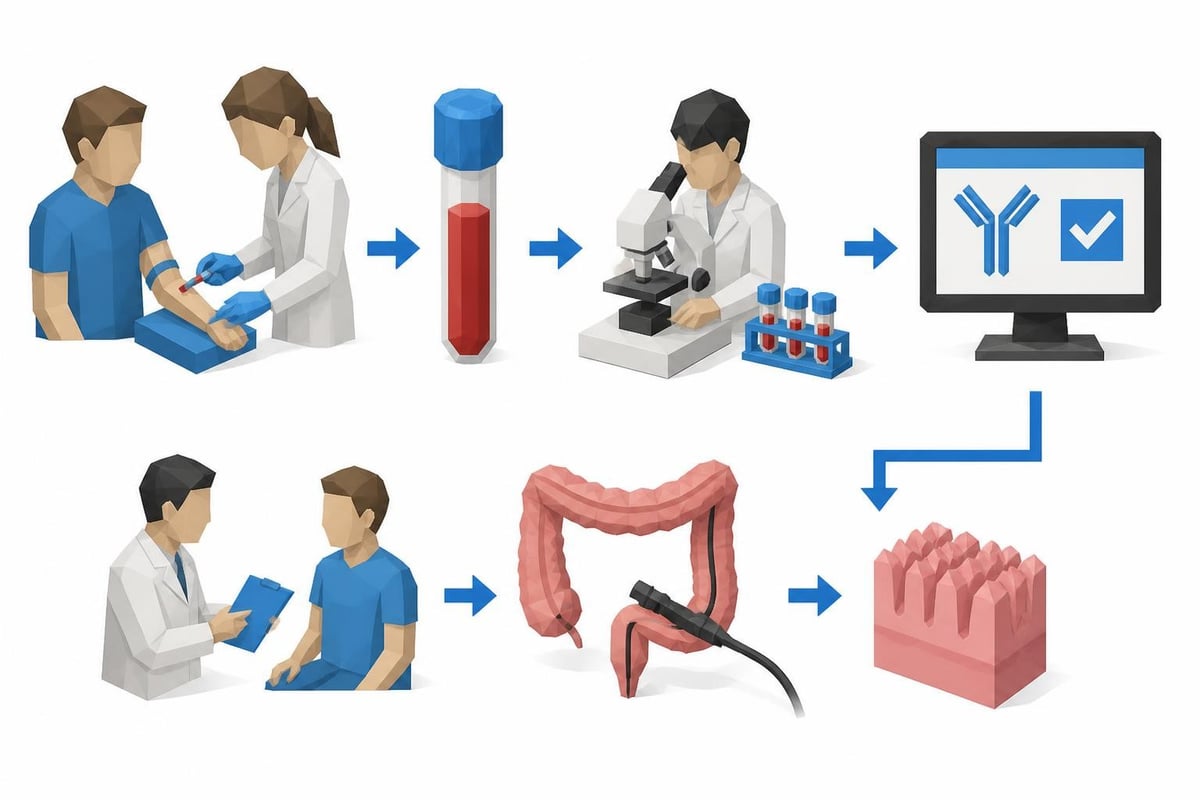
Modern direct-access lab testing removes these barriers by allowing individuals to order labs without a doctor visit. This approach empowers patients to take control of their health screening based on their own concerns and family history.
The process streamlines testing significantly:
- Order online - Select the TTG antibody test through an online platform
- Visit a lab - Get blood drawn at a convenient patient service center
- Receive results - Access detailed results within 1-3 days
- Consult if needed - Share positive results with healthcare provider for next steps
This model proves particularly valuable for silent celiac testing because it doesn't require symptom-based justification. Someone with a family history of celiac disease or unexplained fatigue can simply order the test based on reasonable health concerns.
Recommended Test
TTG IgG and IgA
The most accurate blood test for celiac disease screening. Measures antibodies your body produces in response to gluten if you have celiac disease.
Includes 2 biomarkers
$45
Interpreting TTG Antibody Test Results
Understanding what your test results mean is crucial for taking appropriate next steps. TTG antibody tests report numerical values that indicate the level of antibodies present in your blood.
Normal vs. Elevated Results
Normal TTG antibody levels typically fall below 4 U/mL, though exact reference ranges vary by laboratory. A normal result suggests celiac disease is unlikely, though it doesn't completely rule it out, especially if you've already reduced gluten intake.
Weakly positive results (4-10 U/mL) fall in a gray zone and may warrant retesting or additional antibody tests. These borderline results could indicate early celiac disease or require confirmation with other markers.
Strongly positive results (>10 U/mL) strongly suggest active celiac disease and typically lead to referral for endoscopic biopsy. The higher the antibody level, the more likely intestinal damage is present.
| Result Range | Interpretation | Recommended Action |
|---|---|---|
| <4 U/mL | Negative | No immediate concern; retest if symptomatic |
| 4-10 U/mL | Weakly positive | Additional testing; consider EMA antibodies |
| >10 U/mL | Positive | Gastroenterology referral for biopsy |
| >100 U/mL | Strongly positive | High likelihood of celiac; urgent GI consult |
It's important to remember that the silent celia ttg antibody test without gut symptoms follows the same interpretation guidelines as testing in symptomatic patients. Elevated antibodies indicate immune system activation regardless of how you feel physically.
The Importance of Testing While Eating Gluten
One critical factor affects test accuracy: you must be consuming gluten regularly for accurate results. The TTG antibody test detects active immune response to gluten, so if you've already eliminated gluten from your diet, antibody levels may drop to normal ranges even if you have celiac disease.
For accurate testing, consume gluten-containing foods (equivalent to 1-2 slices of bread) daily for at least 6-8 weeks before testing. This ensures sufficient immune activation for antibody detection.
Beyond Initial Screening: Confirming the Diagnosis
A positive TTG antibody test represents strong evidence of celiac disease but isn't considered definitive on its own. The diagnostic gold standard remains small intestinal biopsy performed during an endoscopic procedure.
The Path from Blood Test to Diagnosis
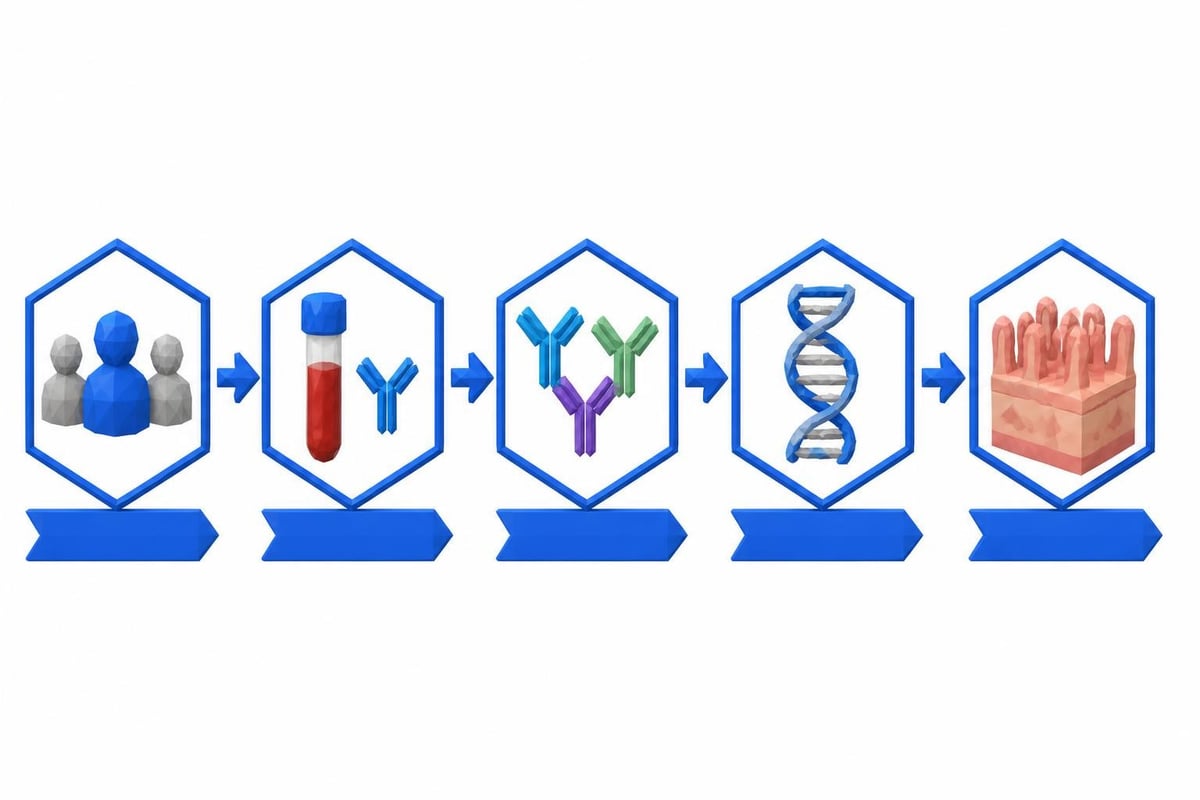
After a positive silent celia ttg antibody test without gut symptoms, the typical diagnostic pathway includes:
- Consultation with gastroenterologist - Discuss test results and medical history
- Additional antibody testing - May include EMA, DGP, or total IgA levels
- Upper endoscopy with biopsy - Visual examination and tissue sampling
- Histological analysis - Pathologist examines tissue for villous atrophy
- Genetic testing (if needed) - HLA-DQ2/DQ8 genes help exclude celiac disease
The entire diagnostic process typically takes several weeks to complete. Understanding how lab testing works helps you prepare for each step and understand why multiple tests may be necessary.
Long-Term Health Implications of Undiagnosed Silent Celiac
Even without obvious symptoms, silent celiac disease causes real damage with serious long-term consequences. The intestinal damage impairs nutrient absorption, creating cascading health effects throughout the body.
Potential complications include:
- Osteoporosis - Calcium and vitamin D malabsorption weakens bones
- Anemia - Poor iron, folate, and B12 absorption
- Infertility - Nutrient deficiencies affect reproductive health
- Neurological problems - Vitamin B12 deficiency damages nerves
- Increased cancer risk - Particularly intestinal lymphoma
- Other autoimmune diseases - Type 1 diabetes, thyroid disease
- Liver disease - Elevated liver enzymes and fatty liver
These complications develop gradually over years of undiagnosed disease. Early detection through proactive screening prevents much of this damage, making the silent celia ttg antibody test without gut symptoms a potentially life-changing diagnostic tool.
Quality of Life Improvements After Diagnosis
Many people with silent celiac disease don't realize they feel unwell until they start feeling better. After diagnosis and dietary modification, patients often report improvements in energy, mood, concentration, and overall well-being they hadn't recognized were compromised.
The strict gluten-free diet required for celiac disease management allows intestinal healing and restoration of normal nutrient absorption. Most patients see significant improvement within weeks to months of eliminating gluten.
Cost Considerations for Silent Celiac Testing
Healthcare costs represent a significant barrier for many people considering testing, especially when symptoms aren't severe or obvious. Understanding testing costs helps with planning and decision-making.
Traditional insurance-based testing involves copays, deductibles, and potential denials if the insurer doesn't consider testing medically necessary for your symptom profile. The actual lab test pricing you face depends heavily on your insurance coverage and whether you've met your deductible.
Transparent Self-Pay Pricing
Self-pay laboratory testing offers price transparency that insurance-based testing cannot match. You know the exact cost upfront without surprise bills or denied claims.
Many testing services, including specialized celiac panels like the Celiac Disease Panel, qualify as FSA/HSA eligible tests, allowing you to use pre-tax health savings dollars for screening. This reduces effective cost for many patients while maintaining testing accessibility.
For individuals without insurance or with high-deductible plans, self-pay testing often proves more affordable than going through insurance. The elimination of administrative overhead reduces overall costs significantly.
Taking Control of Your Health Through Proactive Screening
Silent celiac disease demonstrates why symptom-based medicine alone isn't sufficient. Waiting for obvious problems before screening means missing conditions that cause progressive damage despite minimal symptoms.
Proactive health screening shifts the paradigm from reactive treatment to preventive detection. When you understand your risk factors, whether family history, autoimmune conditions, or concerning symptoms that don't quite add up, you can pursue testing without waiting for severe manifestations.
The silent celia ttg antibody test without gut symptoms exemplifies modern preventive medicine. It detects disease before major complications develop, when intervention is most effective. This approach saves suffering, prevents complications, and reduces long-term healthcare costs.
Taking action means:
- Recognizing your personal risk factors
- Understanding that celiac disease doesn't always cause gut symptoms
- Accessing appropriate screening tests promptly
- Following through with additional testing if results are positive
- Implementing dietary changes under medical guidance
The power of early detection cannot be overstated. Finding silent celiac disease before it causes osteoporosis, severe anemia, or other serious complications fundamentally changes health trajectories.
Recommended Test
Celiac Disease Panel
This comprehensive panel screens for celiac disease using multiple antibody markers, providing thorough coverage for both standard and IgA-deficient patients.
Includes 5 biomarkers
$85
Making Testing Accessible and Convenient
Modern laboratory testing has evolved beyond the traditional doctor-referral model. Patients now have options for accessing testing that fit their schedules, budgets, and preferences.
Finding where to get lab tests near you has never been easier, with patient service centers located throughout most communities. These facilities offer convenient hours, quick service, and professional sample collection.
The simplified process removes obstacles that previously prevented people from pursuing important health screening. No longer do you need to schedule multiple appointments, take time off work for doctor visits, or navigate complex insurance authorizations just to get a simple blood test.
Understanding Your Results
Getting test results is just the first step. Understanding lab results requires knowing what the numbers mean, what ranges are normal, and what actions to take based on your specific values.
Quality testing services provide clear explanations alongside numerical results, helping patients interpret findings in context. This educational approach empowers informed health decisions and productive conversations with healthcare providers when needed.
For TTG antibody testing specifically, results come with reference ranges and indications of what positive findings suggest. This information guides next steps, whether that's reassurance that celiac disease is unlikely or guidance to pursue confirmatory testing with a gastroenterologist.
Silent celiac disease affects millions of people who never suspect gluten as the source of their health problems, yet a simple blood test can identify this hidden condition before serious complications develop. Proactive screening through TTG antibody testing empowers individuals to take control of their health, especially when traditional healthcare pathways create barriers to testing. Justlabs makes this essential screening accessible with convenient online ordering, transparent pricing, and quick results delivered in 1-3 days, helping you get the answers you need without the usual hassles of insurance and doctor visits.