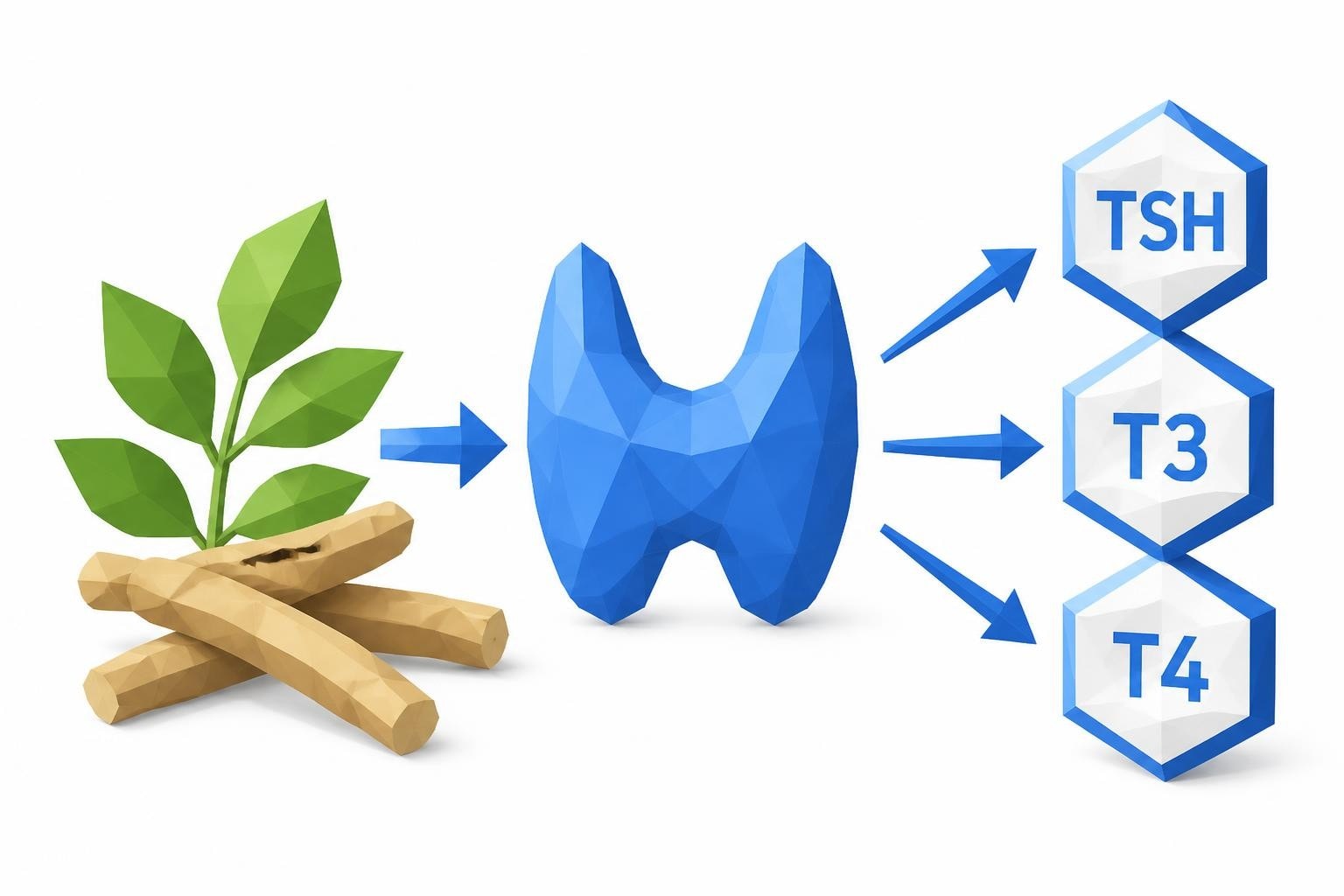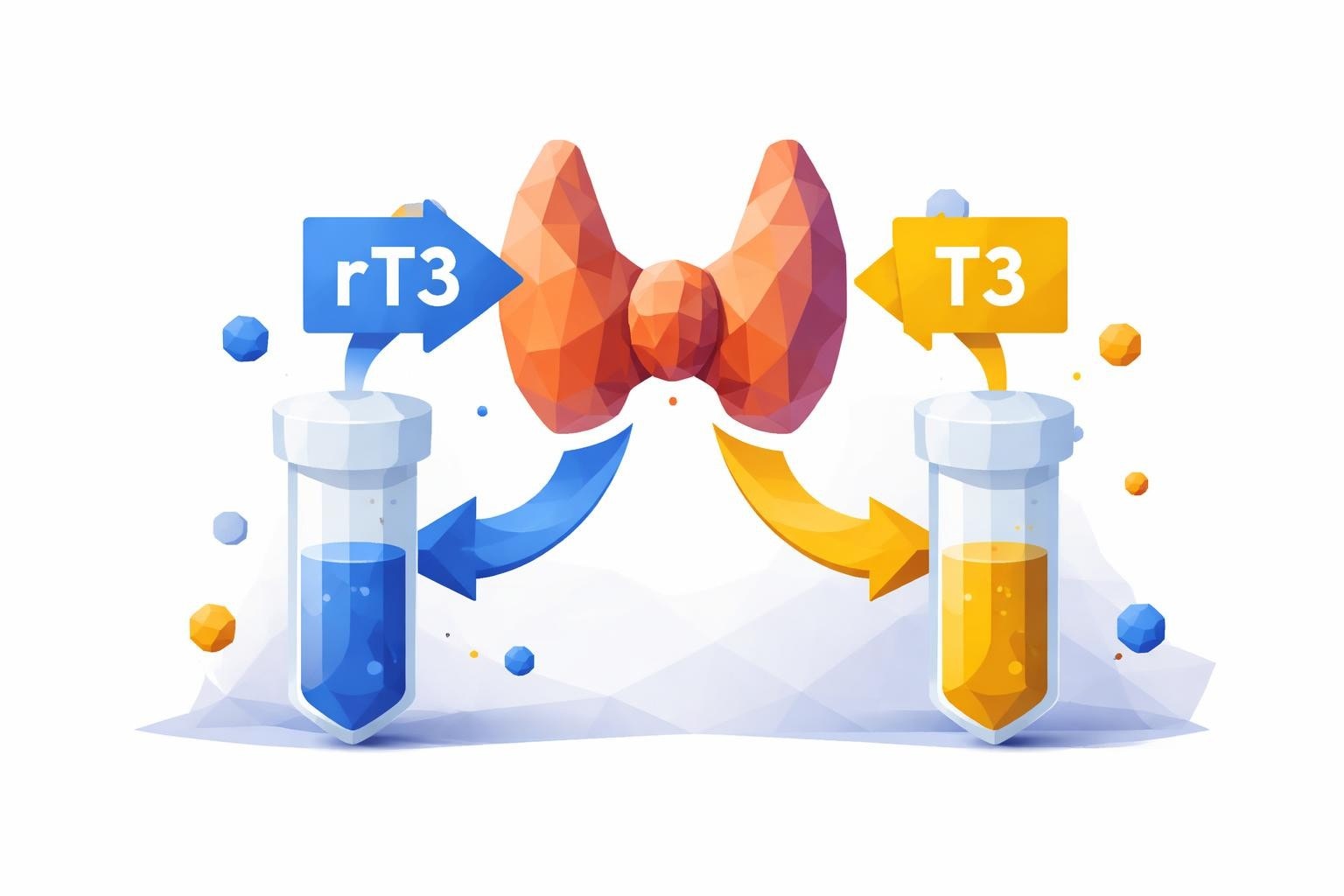
Understanding your thyroid health requires more than just basic screening tests. When you reverse T3 test order online, you gain access to a crucial marker that reveals whether your body is properly converting thyroid hormones into their active forms. This specialized test has become increasingly accessible through direct-to-consumer lab services, allowing you to monitor thyroid function without traditional insurance barriers or lengthy doctor appointments.
Big Picture
- Reverse T3 is an inactive form of thyroid hormone that your body produces during stress, illness, or metabolic dysfunction, blocking the effects of active T3 hormone
- Testing matters because high reverse T3 levels can explain persistent fatigue, weight gain, and other hypothyroid symptoms even when standard TSH tests appear normal
- Anyone with unexplained symptoms despite normal thyroid tests, chronic stress, metabolic syndrome, or autoimmune conditions may benefit from reverse T3 screening
- Direct online ordering eliminates the need for doctor referrals and insurance pre-approval, giving you faster access to results typically within 1-3 business days
- Taking action means comparing your reverse T3 to free T3 ratios and working with healthcare providers to address underlying conversion issues through nutrition, stress management, or medication adjustments
- Cost transparency through self-pay services makes this specialized test affordable without surprise billing from insurance networks
Understanding Reverse T3 and Why It Matters
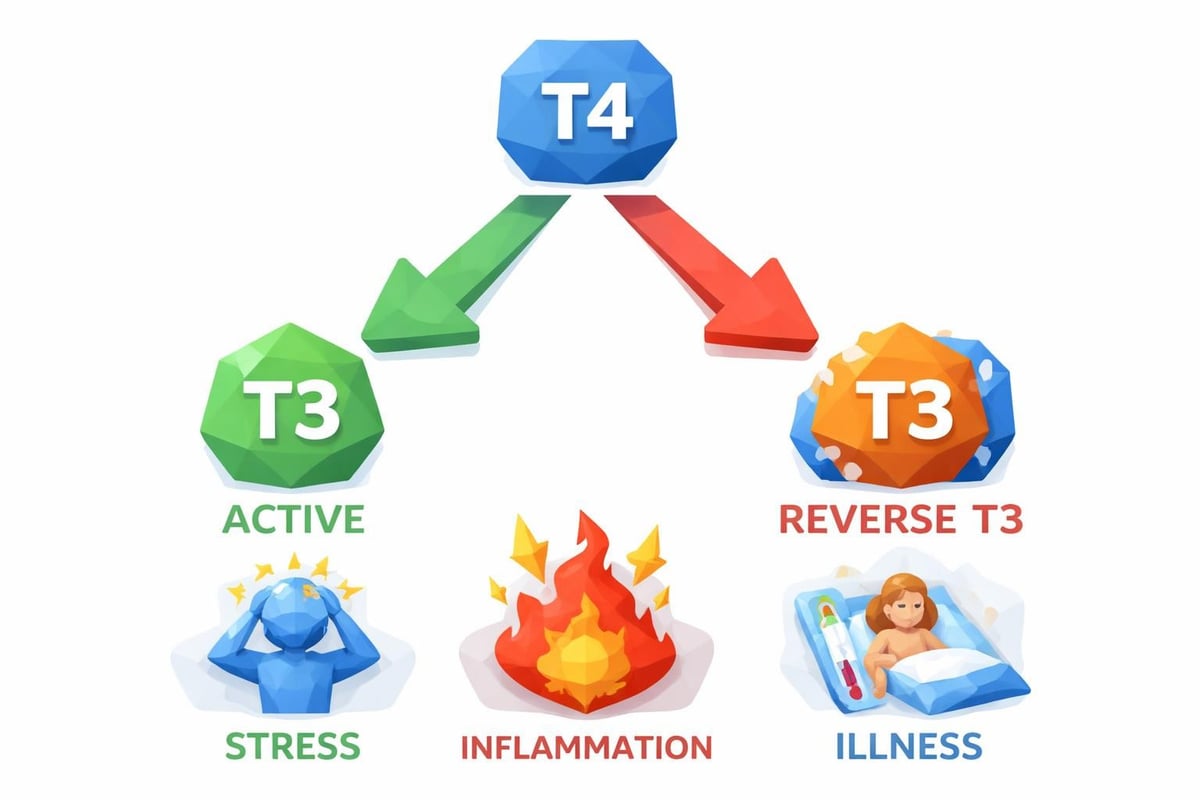
Your thyroid produces primarily T4 hormone, which your body must convert to active T3 to regulate metabolism, energy, and countless cellular functions. During this conversion process, some T4 transforms into reverse T3 instead of active T3.
Reverse T3 (rT3) is biochemically similar to active T3 but functions as a metabolic brake rather than an accelerator. When reverse T3 levels climb too high, this inactive hormone occupies thyroid receptors throughout your body, blocking active T3 from doing its job.
Common Causes of Elevated Reverse T3
Several factors can trigger excessive reverse T3 production:
- Chronic psychological or physical stress
- Severe calorie restriction or fasting
- Chronic inflammation from autoimmune conditions
- Liver or kidney dysfunction
- Certain medications including beta blockers and corticosteroids
- Serious acute illness or surgery
- Heavy metal toxicity
- Insulin resistance and metabolic syndrome
The American Thyroid Association outlines thyroid function tests and their clinical applications, noting that reverse T3 provides insight into peripheral thyroid hormone metabolism.
When You Should Consider Testing Reverse T3
Standard thyroid panels typically include only TSH and sometimes free T4. These tests miss the complete picture of thyroid hormone activity at the cellular level.
You should consider whether to reverse T3 test order online if you experience:
Persistent hypothyroid symptoms with normal TSH:
- Unexplained weight gain or inability to lose weight
- Chronic fatigue despite adequate sleep
- Brain fog and difficulty concentrating
- Cold intolerance and low body temperature
- Hair loss or thinning
- Constipation and digestive issues
Specific health conditions:
- Chronic stress or adrenal dysfunction
- Type 2 diabetes or prediabetes
- Chronic fatigue syndrome or fibromyalgia
- Autoimmune thyroid disease (Hashimoto's or Graves')
- Recent major illness, surgery, or trauma
The Free T3 to Reverse T3 Ratio
Testing reverse T3 alone provides limited information. The relationship between your free T3 and reverse T3 levels reveals whether thyroid hormone conversion is optimal.
| Ratio (Free T3:Reverse T3) | Interpretation | Typical Symptoms |
|---|---|---|
| Greater than 20 | Optimal conversion | Good energy, healthy metabolism |
| 15-20 | Borderline | Mild fatigue, some metabolic issues |
| 10-15 | Poor conversion | Moderate hypothyroid symptoms |
| Less than 10 | Severe conversion issues | Significant fatigue, weight problems |
Children's Minnesota provides detailed guidance on reverse T3 testing interpretation and clinical significance for various patient populations.
How to Reverse T3 Test Order Online
Modern lab testing services have streamlined the process of ordering specialized tests without traditional healthcare gatekeepers. The convenience of ordering labs without a doctor has made thyroid testing more accessible than ever.
Recommended Test
Reverse T3
Reverse T3 (rT3) is an inactive form of thyroid hormone produced when the body diverts T4 conversion away from active T3. Elevated levels may indicate stress, illness, or thyroid conversion problems.
Includes 1 biomarkers
$28
Step-by-Step Ordering Process
1. Select Your Test Online
Browse available thyroid tests and choose either standalone reverse T3 or comprehensive thyroid panels that include multiple markers. Many people benefit from ordering free T3, free T4, TSH, and reverse T3 together for complete assessment.
2. Complete Your Order
Provide basic information and payment. Self-pay services offer transparent pricing without insurance complications. You'll receive a lab requisition form immediately after purchase.
3. Visit a Collection Site
Choose from thousands of patient service centers nationwide, typically Quest Diagnostics or LabCorp locations. No appointment is usually necessary. Bring your requisition form and photo ID.
4. Receive Your Results
Most reverse T3 tests return within 1-3 business days. Results arrive through a secure online portal where you can view, download, and share them with healthcare providers.
The process of how it works for direct-access lab testing removes traditional barriers while maintaining professional laboratory standards and accuracy.
Comprehensive Thyroid Testing Panels
While you can reverse T3 test order online as a standalone marker, comprehensive panels provide better diagnostic value by revealing the complete thyroid picture.
Recommended Panel
Complete Thyroid Panel
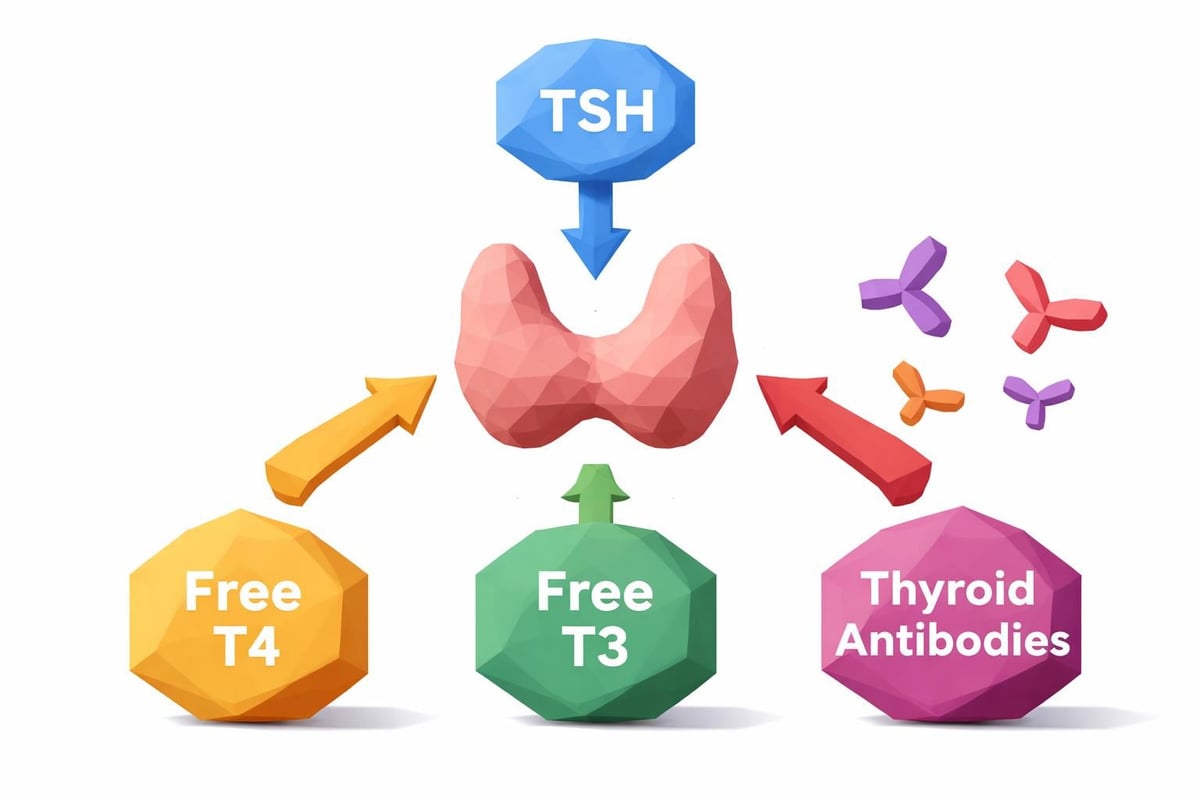
Save $3Our most comprehensive thyroid panel includes all 5 essential markers: TSH, Free T4, Free T3, Reverse T3, and both thyroid antibodies. Get the complete picture of your thyroid health.
Includes 6 biomarkers
$84
Components of Complete Thyroid Assessment
Essential markers include:
- TSH (Thyroid Stimulating Hormone) - Signals from your pituitary gland telling the thyroid to produce hormones
- Free T4 - The storage form of thyroid hormone circulating in your bloodstream
- Free T3 - The active thyroid hormone that powers your metabolism
- Reverse T3 - The inactive form that blocks thyroid hormone activity
- TPO Antibodies - Markers of autoimmune thyroid attack
- Thyroglobulin Antibodies - Additional autoimmune markers specific to Hashimoto's thyroiditis
This combination reveals not just whether your thyroid produces hormones, but whether your body converts them properly and whether autoimmune processes interfere with function.
Choosing Between Individual Tests and Panels
Consider your specific situation when deciding between standalone reverse T3 testing and comprehensive panels:
| Choose Individual Reverse T3 | Choose Complete Thyroid Panel |
|---|---|
| Already have recent TSH, T4, T3 results | First-time thyroid testing |
| Monitoring known conversion issues | Unexplained symptoms |
| Following up after treatment changes | Family history of thyroid disease |
| Budget-conscious repeat testing | Want complete baseline assessment |
| Healthcare provider requested specific test | Autoimmune symptoms present |
Quest Diagnostics offers reverse T3 testing using advanced LC-MS/MS methodology for precise measurement of this hormone marker.
Understanding Your Reverse T3 Results
Laboratory results arrive with reference ranges, but interpreting reverse T3 requires understanding context and relationships with other thyroid markers.
Standard Reference Ranges
Most laboratories report reverse T3 in nanograms per deciliter (ng/dL) with typical reference ranges:
- Normal range: 9.2-24.1 ng/dL
- Optimal range: 10-15 ng/dL for most individuals
- Elevated: Above 20 ng/dL often indicates conversion problems
However, the absolute number matters less than the ratio between free T3 and reverse T3. LabCorp provides detailed information on their reverse T3 testing methodology and expected values.
Calculating Your Ratio
To determine your free T3 to reverse T3 ratio:
- Obtain your free T3 result (typically measured in pg/mL)
- Obtain your reverse T3 result (convert to ng/dL if needed)
- Divide free T3 by reverse T3
- Multiply by 100 for easier interpretation
Example calculation:
- Free T3: 3.2 pg/mL
- Reverse T3: 18 ng/dL
- Ratio: (3.2 ÷ 18) × 100 = 17.8
This ratio of 17.8 falls in the borderline range, suggesting mild thyroid hormone conversion issues that may benefit from intervention.
What Affects Reverse T3 Levels
Multiple physiological and lifestyle factors influence how your body produces and clears reverse T3. Understanding these variables helps you interpret results and identify potential root causes.
Metabolic and Nutritional Factors
Your nutritional status significantly impacts thyroid hormone conversion:
- Selenium deficiency reduces the enzyme activity needed to convert T4 to T3
- Zinc deficiency impairs thyroid hormone production and conversion
- Iron deficiency affects thyroid peroxidase enzyme function
- Low protein intake provides insufficient amino acids for hormone production
- Chronic calorie restriction triggers survival mode, raising reverse T3 to slow metabolism
Stress and Cortisol Connection
Chronic stress elevates cortisol, which directly increases reverse T3 production. This physiological response helped our ancestors survive famine and danger by slowing metabolism to conserve energy.
In modern life, constant psychological stress, inadequate sleep, over-exercise, and inflammatory diets create the same hormonal response without the survival benefit.
The University of Washington's test guide explains the relationship between stress hormones and reverse T3 elevation in clinical settings.
Cost Considerations for Reverse T3 Testing
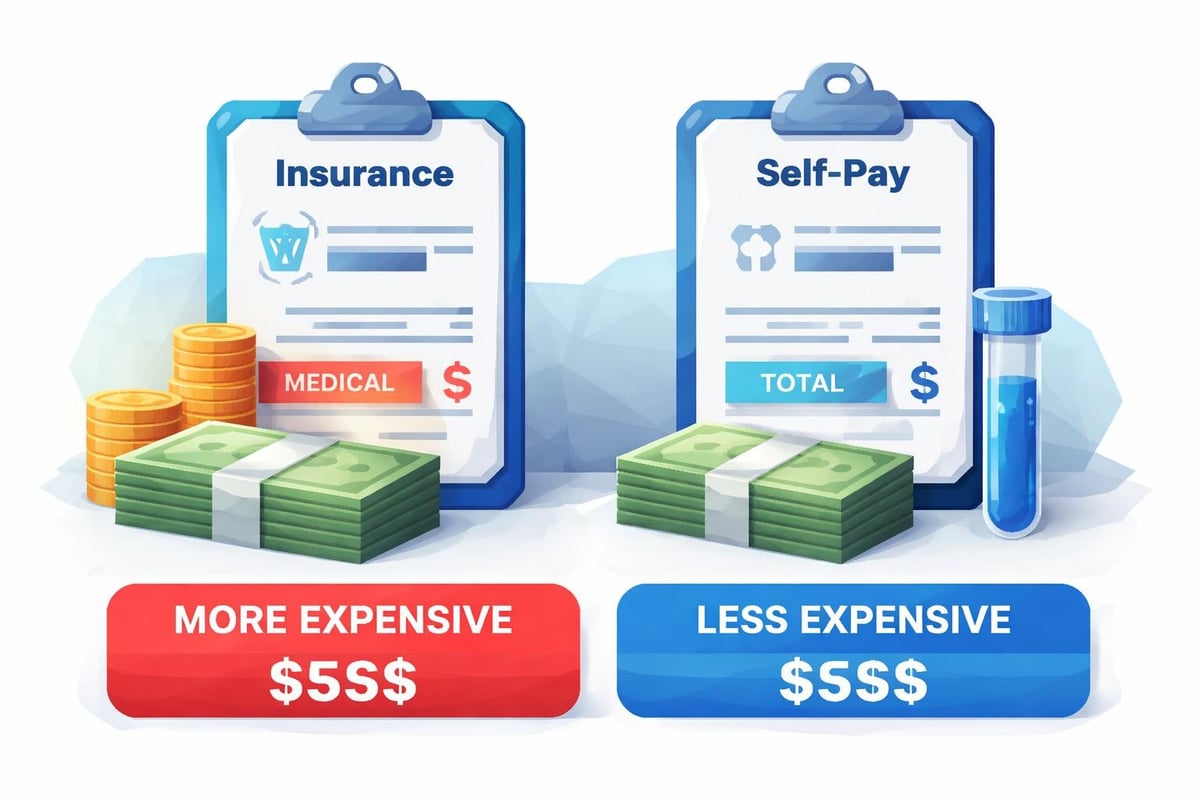
Traditional healthcare routes often make specialized thyroid testing expensive and complicated. Insurance coverage for reverse T3 varies widely, and many policies classify it as unnecessary or experimental.
Self-Pay Pricing Benefits
When you reverse T3 test order online through direct-access services, you encounter transparent pricing without insurance complications:
Advantages of self-pay testing:
- Know the exact cost before ordering
- No surprise bills from out-of-network providers
- No need for insurance pre-authorization
- Results belong to you, not insurance records
- Often cheaper than insurance copays and deductibles
Many people find that labs without insurance cost less than expected, especially when avoiding facility fees and provider markup that insurance-based testing includes.
Using FSA and HSA Funds
Lab tests qualify as eligible medical expenses for both Flexible Spending Accounts (FSA) and Health Savings Accounts (HSA). When you reverse T3 test order online, you can use these pre-tax dollars to reduce effective costs.
Understanding your FSA and HSA eligible tests options helps maximize healthcare benefits while maintaining control over your testing decisions.
Taking Action After Testing
Discovering elevated reverse T3 or poor conversion ratios represents the beginning of your health journey, not the end. Several evidence-based approaches can help normalize thyroid hormone conversion.
Nutritional Interventions
Selenium supplementation at 200 mcg daily supports the deiodinase enzymes that convert T4 to T3 and clear excess reverse T3. Brazil nuts provide natural selenium, though supplementation ensures consistent dosing.
Zinc and iron optimization through testing and targeted supplementation addresses common deficiencies that impair thyroid function. Testing these minerals alongside thyroid markers provides comprehensive metabolic assessment.
Adequate protein and calorie intake signals your body that resources are abundant, reducing the stress response that elevates reverse T3.
Lifestyle Modifications
Stress management techniques including meditation, yoga, adequate sleep, and reduced over-exercise help lower cortisol and normalize thyroid hormone conversion. Marshfield Labs details how chronic stress impacts reverse T3 levels in clinical populations.
Medical Treatment Options
Some individuals require medication adjustments:
- Adding T3 medication (liothyronine) provides active hormone directly, bypassing conversion issues
- Adjusting T4 medication dosing based on free T3 levels rather than just TSH
- Treating underlying conditions such as insulin resistance, chronic inflammation, or adrenal dysfunction
- Addressing medication interactions that may impair thyroid hormone conversion
Working with knowledgeable healthcare providers who understand thyroid hormone metabolism ensures appropriate treatment decisions based on your complete clinical picture.
Key Takeaways
- Reverse T3 measures the inactive form of thyroid hormone that blocks metabolism and energy production when levels rise too high
- Standard thyroid panels often miss conversion problems, making reverse T3 testing valuable for anyone with persistent symptoms despite normal TSH results
- The ratio between free T3 and reverse T3 matters more than reverse T3 levels alone, with optimal ratios above 20 indicating healthy thyroid hormone activity
- Direct online ordering through self-pay services provides affordable access to specialized thyroid testing without insurance barriers or doctor referrals
- Multiple factors influence reverse T3 including chronic stress, nutritional deficiencies, inflammation, and metabolic dysfunction
- Taking action after testing includes nutritional support, stress management, lifestyle changes, and potentially medication adjustments based on your complete thyroid profile
FAQ
How accurate is reverse T3 testing?
Modern laboratories use highly accurate liquid chromatography-tandem mass spectrometry (LC-MS/MS) methodology for reverse T3 measurement. This technique provides precise quantification with minimal cross-reactivity. HNL Lab Medicine describes their testing methodology and quality control measures ensuring reliable results.
Do I need to fast before a reverse T3 test?
Fasting is not required for reverse T3 testing. You can eat normally before blood collection. However, if you're ordering a comprehensive panel that includes glucose or lipid measurements, fasting may be necessary for those specific markers. Check your test requirements before your appointment.
How often should I retest reverse T3?
Retest every 8-12 weeks when making therapeutic interventions to address elevated levels. Once levels normalize and symptoms improve, annual monitoring is typically sufficient unless symptoms return. Frequent testing without treatment changes provides little clinical value.
Can medications affect reverse T3 levels?
Yes, several medications influence reverse T3 production. Beta blockers, corticosteroids, and some antidepressants can elevate levels. Certain supplements including high-dose biotin may interfere with test accuracy and should be discontinued 48-72 hours before testing.
What time of day should I test reverse T3?
Reverse T3 shows less circadian variation than TSH, making testing time less critical. However, consistency matters when monitoring trends. Testing at the same time of day for baseline and follow-up measurements improves comparison accuracy.
Is reverse T3 testing covered by insurance?
Insurance coverage for reverse T3 varies significantly by plan and provider. Many insurers classify it as experimental or not medically necessary, denying coverage even with physician orders. Understanding lab test pricing for self-pay options often reveals competitive costs compared to insurance-based testing with copays and deductibles.
Can children have reverse T3 testing?
Yes, children can undergo reverse T3 testing when clinically indicated. Pediatric reference ranges differ from adult values, and interpretation should account for age, development, and clinical presentation. Consult with pediatric endocrinology for proper evaluation.
What's the difference between reverse T3 and T3 uptake?
These are completely different tests. Reverse T3 measures the inactive form of thyroid hormone in your blood. T3 uptake (also called T3 resin uptake) is an older test that estimates binding protein levels, not actual thyroid hormones. Modern free T3 testing has largely replaced T3 uptake.
Testing reverse T3 provides crucial insight into thyroid hormone metabolism that standard panels miss, helping explain persistent symptoms despite normal TSH results. When you reverse T3 test order online through JustLabs, you gain fast, affordable access to this specialized test with transparent pricing and results in 1-3 days. Skip the insurance hassles and doctor referrals while taking control of your thyroid health with convenient direct-access testing.