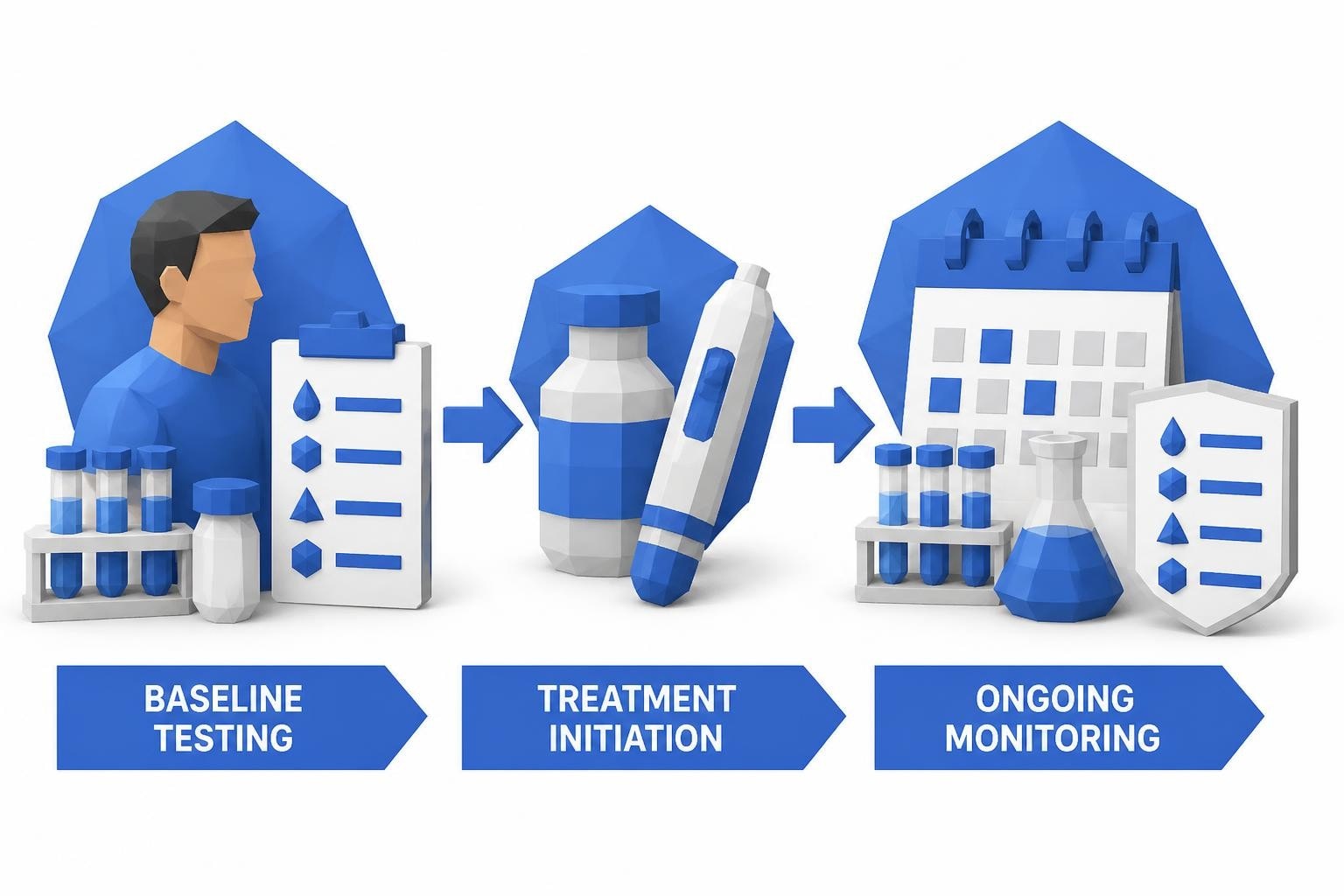
GLP-1 receptor agonists like Ozempic, Wegovy, Mounjaro, and Zepbound have transformed diabetes management and weight loss treatment since their introduction. These medications work by mimicking the action of naturally occurring GLP-1 hormones to regulate blood sugar, reduce appetite, and promote weight loss. However, effective monitoring through regular laboratory testing remains essential to ensure both safety and efficacy throughout treatment. Understanding which labs to monitor during GLP-1 treatment helps patients and healthcare providers optimize therapeutic outcomes while identifying potential complications early.
Essential Baseline Laboratory Testing
Before initiating GLP-1 therapy, comprehensive baseline testing establishes a reference point for monitoring treatment response and detecting adverse effects. These initial measurements provide crucial information about organ function and metabolic status.
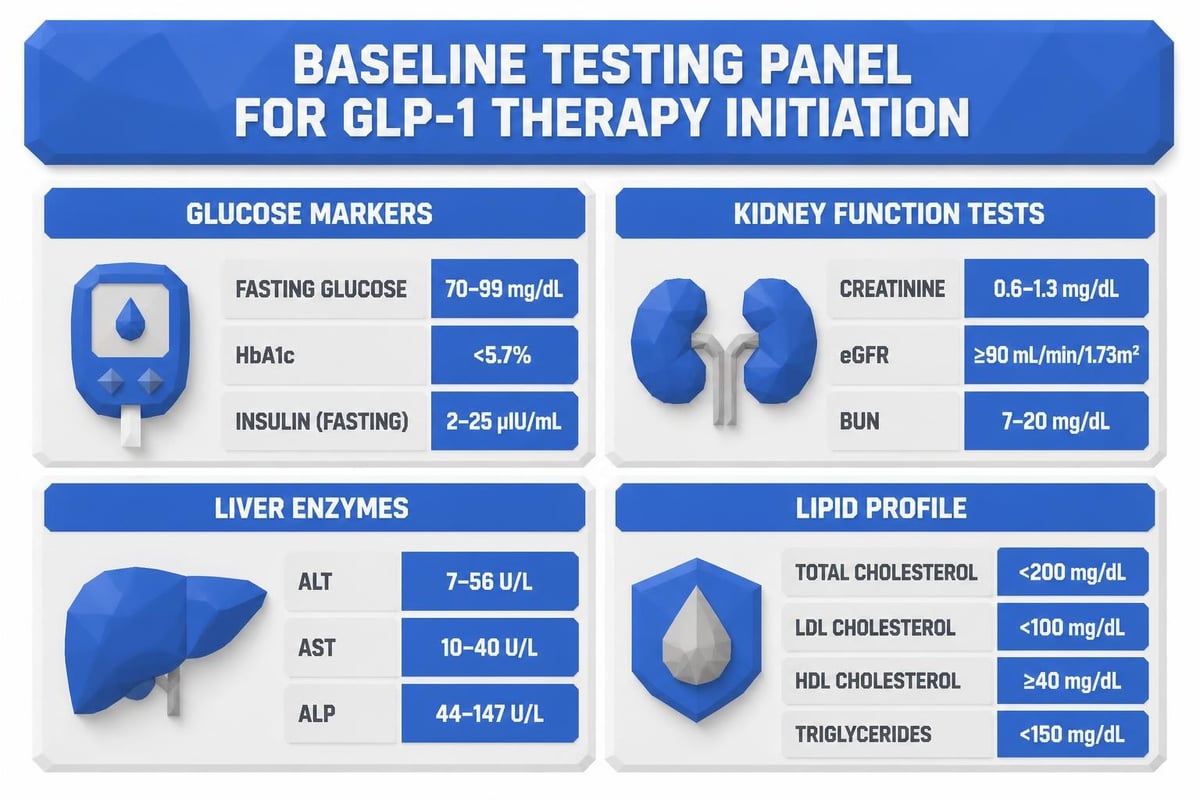
Glucose and Metabolic Markers
Blood glucose and hemoglobin A1c measurements form the foundation of GLP-1 medication monitoring. Fasting glucose levels indicate current blood sugar control, while A1c reflects average glucose levels over the preceding three months. For patients with diabetes, baseline A1c helps determine treatment efficacy targets, typically aiming for levels below 7% for most adults.
Key baseline glucose markers include:
- Fasting blood glucose
- Hemoglobin A1c (HbA1c)
- Fasting insulin (optional, for insulin resistance assessment)
- C-peptide (in specific cases to evaluate pancreatic function)
Patients without diabetes also benefit from these measurements, as they establish metabolic health status and help predict treatment response. Some individuals may have undiagnosed prediabetes or insulin resistance that becomes apparent through comprehensive testing.
Kidney Function Monitoring
Renal function assessment represents one of the most critical aspects of labs to monitor during GLP-1 treatment. GLP-1 medications affect kidney function through multiple mechanisms, including changes in filtration rate, fluid balance, and direct effects on renal tissue.
Comprehensive Renal Panel
The basic metabolic panel (BMP) or comprehensive metabolic panel (CMP) provides essential information about kidney health. Regular monitoring of kidney function helps detect early signs of renal impairment that may require dose adjustments or medication changes.
| Test | Purpose | Normal Range | Monitoring Frequency |
|---|---|---|---|
| Serum Creatinine | Kidney filtration | 0.6-1.2 mg/dL | Baseline, 3 months, then every 6 months |
| eGFR | Overall kidney function | >60 mL/min | Baseline, 3 months, then every 6 months |
| Blood Urea Nitrogen | Protein metabolism, kidney function | 7-20 mg/dL | Baseline, 3 months, then every 6 months |
| Electrolytes | Fluid balance | Varies by electrolyte | Baseline, 3 months, then every 6 months |
Patients experiencing significant weight loss, dehydration, or gastrointestinal side effects may require more frequent kidney function monitoring. The prescribing clinician determines appropriate testing intervals based on individual risk factors and treatment response.
Recommended Test
Comprehensive Metabolic Panel
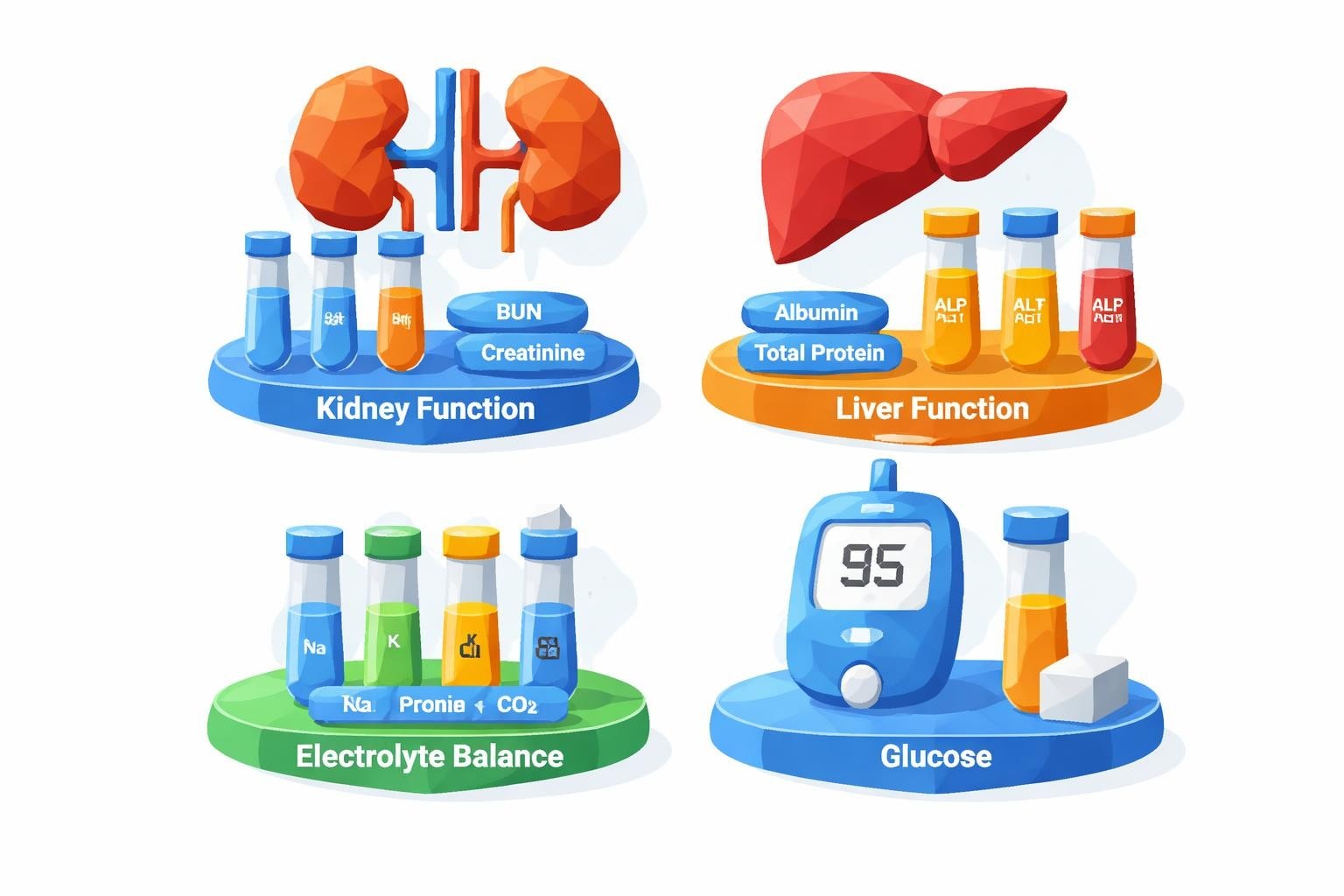
The CMP is a widely used screening test that provides important information about your metabolism, including blood sugar, electrolyte balance, kidney function, and liver health.
Includes 16 biomarkers
$9.5
Fasting required
Urine Analysis Considerations
Urinalysis and urine albumin-to-creatinine ratio testing may be recommended for patients with diabetes or existing kidney disease. These tests detect early kidney damage before significant changes appear in blood work. Microalbuminuria often serves as an early warning sign of diabetic kidney disease progression.
Liver Function Assessment
Hepatic function testing ensures the liver tolerates GLP-1 medications appropriately and helps identify potential adverse effects on liver health.
The comprehensive metabolic panel typically includes liver enzymes, but a dedicated hepatic function panel may be necessary for patients with known liver conditions or risk factors. Understanding baseline liver function becomes particularly important for patients with non-alcoholic fatty liver disease (NAFLD), as GLP-1 medications may improve this condition.
Essential liver function tests include:
- Alanine aminotransferase (ALT)
- Aspartate aminotransferase (AST)
- Alkaline phosphatase (ALP)
- Total bilirubin
- Albumin
Elevated liver enzymes before treatment may improve as patients lose weight and metabolic health enhances. However, significant elevations require investigation and may influence medication selection. Your healthcare provider will interpret these results within the context of your overall health status and treatment goals.
Lipid Profile Monitoring
Cholesterol and triglyceride levels often improve during GLP-1 treatment, particularly as weight loss occurs and metabolic health enhances. Regular lipid monitoring tracks cardiovascular risk reduction and treatment benefits.
Standard Lipid Panel Components
A complete lipid panel measures total cholesterol, LDL cholesterol, HDL cholesterol, and triglycerides. These measurements help assess cardiovascular disease risk and monitor treatment response. Many patients see improvements in lipid profiles within three to six months of starting GLP-1 therapy.
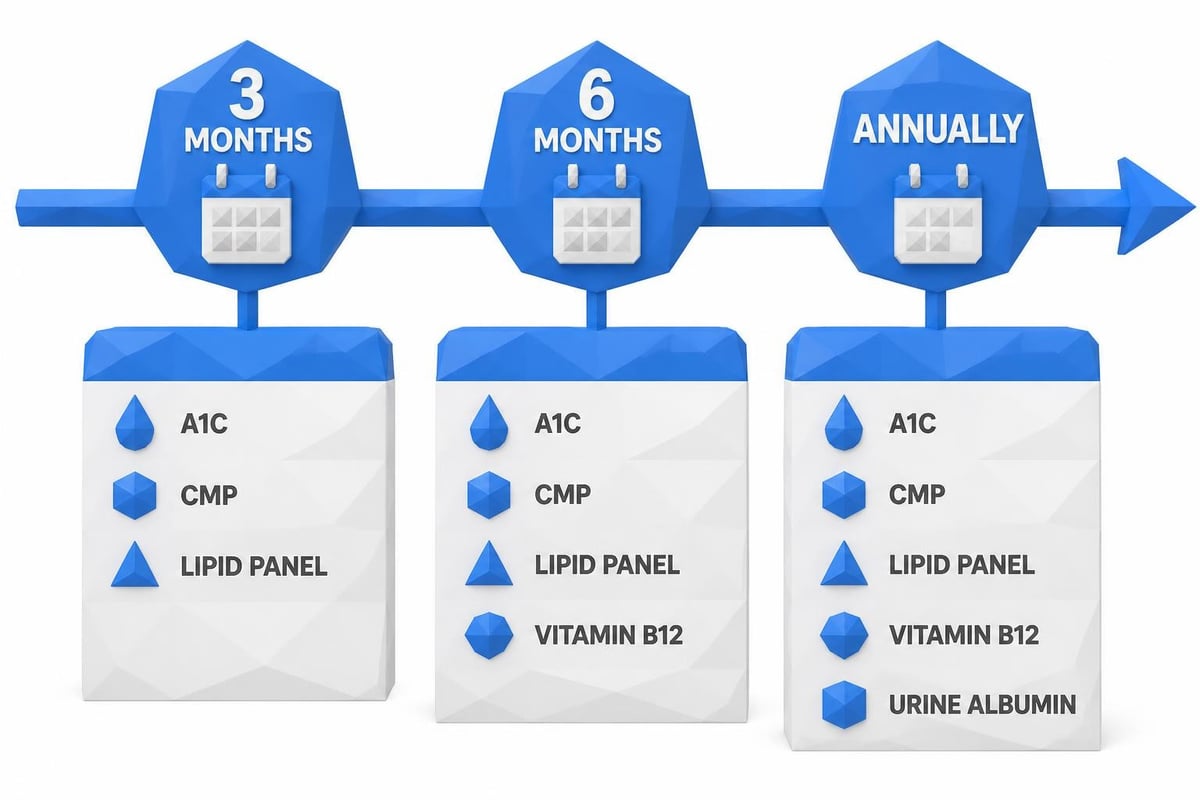
Accessing affordable lab testing without insurance enables regular monitoring without excessive costs. Baseline lipid testing followed by repeat measurements at six months and annually helps track progress and guide additional interventions if needed.
Patients with pre-existing lipid abnormalities or cardiovascular disease may require more frequent monitoring. The prescribing clinician may adjust statin therapy or other lipid-lowering medications based on response to GLP-1 treatment and overall cardiovascular risk profile.
Nutritional Markers and Deficiency Screening
Weight loss and reduced food intake during GLP-1 therapy increase the risk of nutritional deficiencies. Monitoring key nutritional markers helps prevent complications and maintain overall health during treatment.
Vitamin and Mineral Assessment
Several vitamins and minerals deserve particular attention during GLP-1 treatment. Understanding comprehensive blood work requirements ensures appropriate nutritional monitoring throughout therapy.
Priority nutritional markers:
- Vitamin B12: Essential for nerve function and blood cell production
- Vitamin D: Important for bone health and immune function
- Iron and ferritin: Critical for oxygen transport and energy levels
- Folate: Necessary for cell division and DNA synthesis
- Magnesium: Supports muscle and nerve function
Baseline nutritional testing identifies existing deficiencies that may worsen during treatment. Patients experiencing significant appetite reduction or food aversion face higher deficiency risks and may benefit from supplementation guided by laboratory results.
Recommended Panel
Vitamin & Mineral Panel
Save $5This panel tests the most commonly deficient nutrients: Vitamin D, B12, Folate, Iron (with complete iron studies), Ferritin, and Magnesium - the building blocks your body needs to function optimally.
Includes 9 biomarkers
$64
Fasting required
Protein Status Evaluation
Total protein and albumin measurements assess protein nutrition status. Rapid weight loss without adequate protein intake may lead to muscle loss and nutritional complications. Some clinicians recommend baseline and periodic assessment of prealbumin or total protein levels, particularly in patients losing weight rapidly.
Pancreatic Function Markers
While not routinely ordered for all patients, certain pancreatic markers provide valuable information in specific situations. Lipase and amylase measurements help evaluate pancreatic health, particularly important given the rare but serious risk of pancreatitis with GLP-1 medications.
Patients experiencing persistent abdominal pain should receive prompt evaluation including pancreatic enzyme testing. History of pancreatitis, gallstones, or high triglycerides increases monitoring importance. Your prescribing clinician determines whether pancreatic function testing is appropriate based on individual risk factors.
Thyroid Function Considerations
Thyroid function monitoring becomes particularly relevant for patients taking medications like Ozempic or Mounjaro. Baseline thyroid-stimulating hormone (TSH) testing establishes normal function, and some clinicians recommend periodic monitoring during long-term treatment.
| Thyroid Test | Purpose | When to Test |
|---|---|---|
| TSH | Overall thyroid function | Baseline, then as indicated |
| Free T4 | Thyroid hormone level | If TSH abnormal |
| Thyroid antibodies | Autoimmune thyroid disease | If symptoms present |
Patients with pre-existing thyroid conditions require continued monitoring of thyroid function throughout GLP-1 treatment. Medication adjustments may be necessary as weight changes affect thyroid hormone requirements.
Frequency and Timing of Laboratory Monitoring
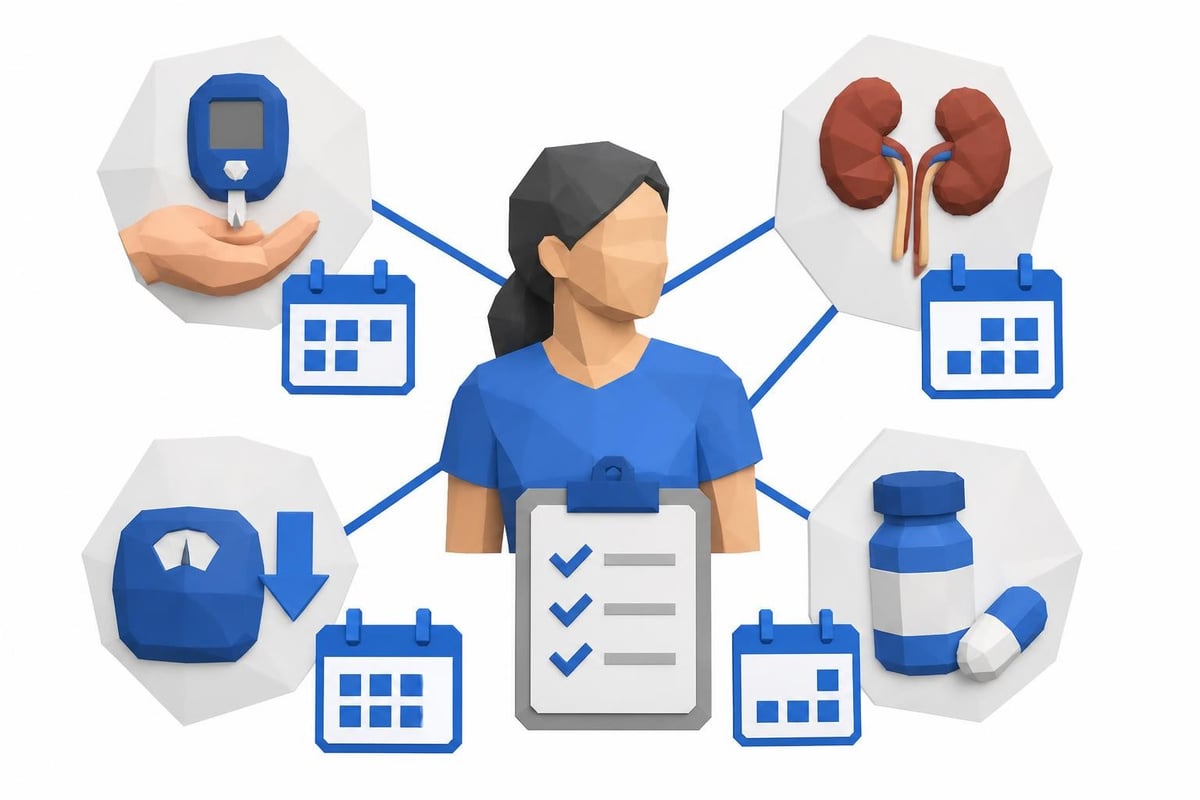
The optimal schedule for labs to monitor during GLP-1 treatment varies based on individual health status, medication type, and treatment response. Most protocols recommend comprehensive baseline testing followed by structured monitoring intervals.
Standard Monitoring Schedule
Baseline (before starting treatment):
- Complete metabolic panel
- Lipid panel
- Hemoglobin A1c
- Nutritional markers
- Thyroid function (TSH)
Three months after initiation:
- Metabolic panel (kidney and liver function)
- Hemoglobin A1c (for diabetes patients)
- Assessment of any identified abnormalities
Six months and annually:
- Complete metabolic panel
- Lipid panel
- Hemoglobin A1c
- Nutritional markers as indicated
- Additional testing based on symptoms or concerns
Patients with diabetes typically require more frequent A1c monitoring, often every three months initially, then every six months once stable control is achieved. Understanding when laboratory testing is recommended helps ensure appropriate monitoring without excessive testing.
Recommended Panel
GLP1 Monitoring Panel
Save $2.55 essential blood tests to monitor your health on GLP-1 medications like Ozempic, Wegovy, Mounjaro, and Zepbound. Covers liver function, blood sugar, cholesterol, thyroid, and blood counts — everything your provider wants to see.
Includes 39 biomarkers
$37
Fasting required
Special Monitoring Situations
Certain clinical scenarios require modified or enhanced laboratory monitoring during GLP-1 treatment. Recognizing these situations ensures optimal safety and treatment outcomes.
Rapid Weight Loss
Patients losing weight quickly (more than 2-3 pounds weekly) may benefit from more frequent nutritional and electrolyte monitoring. Rapid weight loss increases risks of gallstone formation, electrolyte imbalances, and nutritional deficiencies.
Gastrointestinal Side Effects
Persistent nausea, vomiting, or diarrhea may cause dehydration and electrolyte disturbances. Patients experiencing significant gastrointestinal symptoms should have kidney function and electrolytes checked to ensure adequate hydration and normal mineral balance.
Pre-existing Conditions
Patients with chronic kidney disease, liver disease, or heart failure require individualized monitoring protocols. Comprehensive monitoring approaches help manage these complex cases safely.
Interpreting Results and Next Steps
Laboratory values provide important information, but interpretation requires clinical expertise. All medication decisions should be made in consultation with your prescribing healthcare provider who understands your complete medical history and treatment goals.
Abnormal results don't automatically mean stopping GLP-1 therapy. Many changes can be managed through dose adjustments, additional medications, supplementation, or dietary modifications. Some laboratory changes actually indicate positive treatment effects, such as improving liver enzymes in patients with fatty liver disease.
When to Contact Your Provider
Contact your healthcare provider if you experience:
- Persistent nausea or vomiting
- Severe abdominal pain
- Signs of dehydration
- Unusual fatigue or weakness
- Changes in urination patterns
- Unexplained symptoms
Your provider may order additional laboratory testing to evaluate symptoms and guide treatment adjustments. Convenient access to lab testing enables timely monitoring when concerns arise between scheduled appointments.
Optimizing Your Monitoring Strategy
Successful GLP-1 treatment relies on partnership between patients and healthcare providers, with regular laboratory monitoring serving as a critical communication tool. Understanding which tests matter and why helps patients participate actively in their care.
Cost considerations affect testing compliance for many patients. Transparent pricing for lab tests makes regular monitoring more accessible, helping ensure safety throughout treatment. Self-pay testing options provide flexibility for patients managing healthcare costs while maintaining appropriate monitoring standards.
Working with your prescribing clinician to establish an individualized monitoring plan ensures appropriate testing frequency based on your specific health needs. Some patients require more frequent monitoring due to pre-existing conditions or medication side effects, while others may follow standard protocols with excellent results.
Regular laboratory monitoring during GLP-1 treatment protects your health while maximizing treatment benefits. These medications offer significant advantages for diabetes management and weight loss, but responsible use requires attention to key health markers throughout therapy. Your healthcare team relies on laboratory data to make informed decisions about dose adjustments, supplementation needs, and treatment continuation.
Regular laboratory monitoring ensures safe and effective GLP-1 treatment by tracking glucose control, organ function, and nutritional status throughout therapy. Understanding labs to monitor during GLP-1 treatment empowers patients to participate actively in their healthcare while preventing complications. Justlabs provides convenient access to essential lab testing with transparent pricing and quick results, making it easy to maintain appropriate monitoring without the hassle of insurance approvals or unnecessary doctor visits. Take control of your health monitoring today and ensure your GLP-1 treatment delivers optimal results safely.
Related Reading


References
Rosen CJ, Ingelfinger JR. GLP-1 Receptor Agonists. N Engl J Med. 2026 Apr 2;394(13):1313-1324. doi: 10.1056/NEJMra2500106. PMID: 41931049. https://pubmed.ncbi.nlm.nih.gov/41931049/
Kristensen SL, Rørth R, Jhund PS, Docherty KF, Sattar N, Preiss D, Køber L, Petrie MC, McMurray JJV. Cardiovascular, mortality, and kidney outcomes with GLP-1 receptor agonists in patients with type 2 diabetes: a systematic review and meta-analysis of cardiovascular outcome trials. Lancet Diabetes Endocrinol. 2019 Oct;7(10):776-785. doi: 10.1016/S2213-8587(19)30249-9. PMID: 31422062. https://pubmed.ncbi.nlm.nih.gov/31422062/
Sanyal AJ, Newsome PN, Kliers I, Østergaard LH, Long MT, Kjær MS, Cali AMG, Bugianesi E, Rinella ME, Roden M, Ratziu V, ESSENCE Study Group. Phase 3 Trial of Semaglutide in Metabolic Dysfunction-Associated Steatohepatitis. N Engl J Med. 2025 Jun 5;392(21):2089-2099. doi: 10.1056/NEJMoa2413258. PMID: 40305708. https://pubmed.ncbi.nlm.nih.gov/40305708/
Chiang CH, Jaroenlapnopparat A, Colak SC, Yu CC, Xanthavanij N, Wang TH, See XY, Lo SW, Ko A, Chang YC, Song J, Hsia YP, Chiang CH. Glucagon-Like Peptide-1 Receptor Agonists and Gastrointestinal Adverse Events: A Systematic Review and Meta-Analysis. Gastroenterology. 2025 Nov;169(6):1268-1281. doi: 10.1053/j.gastro.2025.06.003. PMID: 40499738. https://pubmed.ncbi.nlm.nih.gov/40499738/
Neeland IJ, Linge J, Birkenfeld AL. Changes in lean body mass with glucagon-like peptide-1-based therapies and mitigation strategies. Diabetes Obes Metab. 2024 Sep;26 Suppl 4:16-27. doi: 10.1111/dom.15728. PMID: 38937282. https://pubmed.ncbi.nlm.nih.gov/38937282/