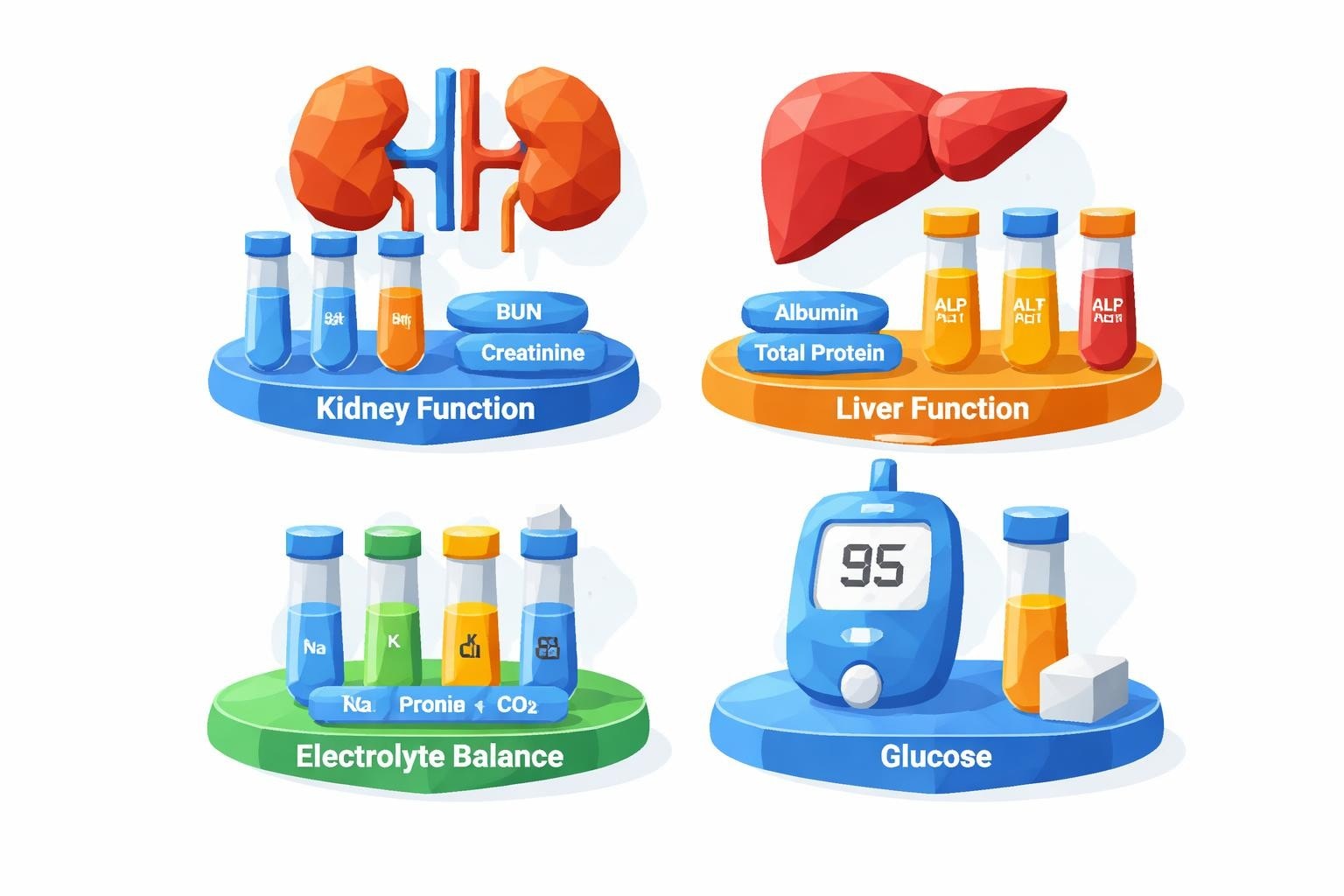
Understanding what does a comprehensive metabolic panel test for is essential for anyone seeking to monitor their overall health status. This blood test measures 14 specific markers that provide valuable insights into kidney function, liver health, electrolyte balance, and blood sugar levels. The comprehensive metabolic panel (CMP) serves as a foundational screening tool that healthcare providers rely on to detect potential health issues, monitor chronic conditions, and evaluate how well vital organs are functioning. Whether you're managing an existing condition or simply want to establish a health baseline, knowing what this panel reveals can empower you to make informed decisions about your wellbeing.
The Four Core Categories of CMP Testing
The comprehensive metabolic panel divides into four distinct categories, each targeting specific aspects of metabolic function. These groupings help healthcare providers identify patterns and correlate results across related systems.
Kidney Function Markers
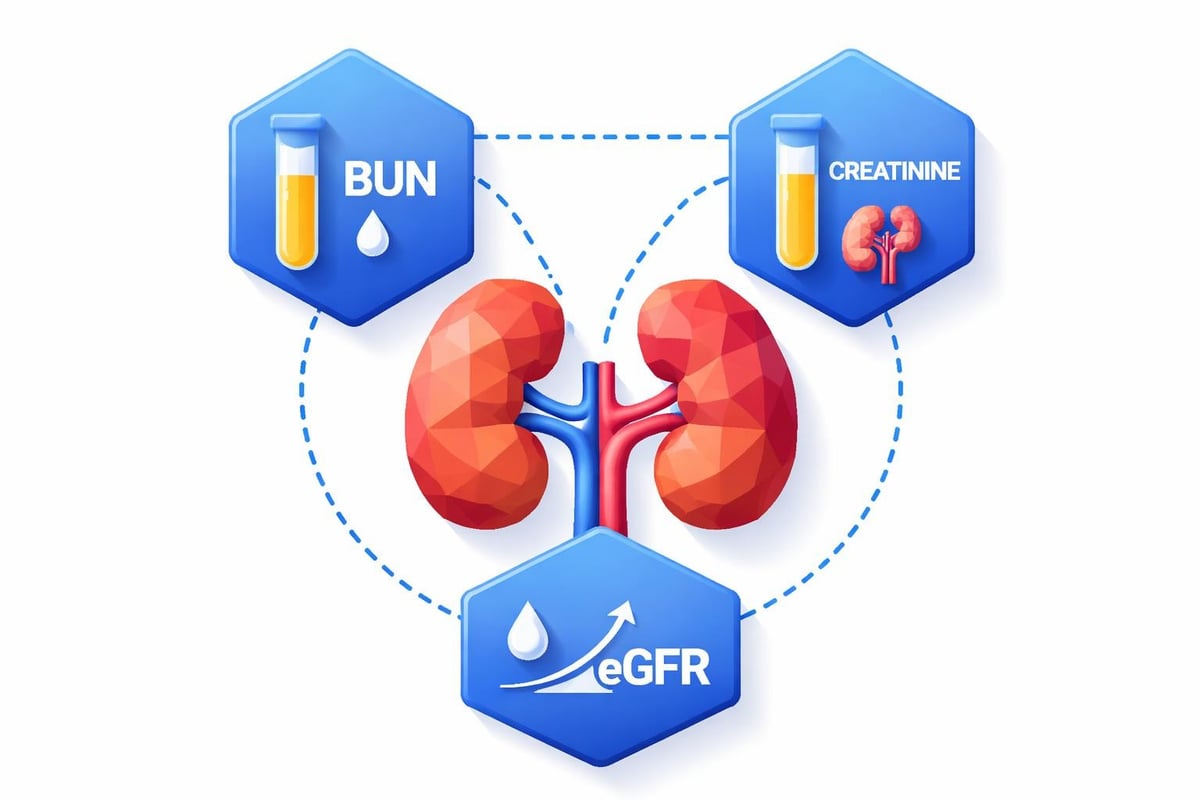
Blood Urea Nitrogen (BUN) measures the amount of nitrogen in your blood that comes from urea, a waste product created when your body breaks down protein. Elevated BUN levels may indicate kidney dysfunction, dehydration, or excessive protein intake, while low levels might suggest liver disease or malnutrition.
Creatinine represents another waste product filtered by the kidneys, produced from the normal breakdown of muscle tissue. According to MedlinePlus, creatinine levels provide critical information about kidney filtration capacity.
Estimated Glomerular Filtration Rate (eGFR) calculates how efficiently your kidneys filter blood. This calculation uses your creatinine level combined with age, sex, and race to estimate kidney function. An eGFR below 60 for three months or more indicates chronic kidney disease.
Liver Function and Protein Markers
Albumin serves as the most abundant protein in blood plasma, produced exclusively by the liver. This protein maintains fluid balance, transports hormones and medications, and supports tissue growth and repair. Low albumin may indicate liver disease, kidney disease, or malnutrition.
Total Protein measures all proteins in your blood, including albumin and globulins. The ratio between these proteins helps identify specific conditions affecting protein production or loss.
Alkaline Phosphatase (ALP) exists in several body tissues, with highest concentrations in the liver, bones, and bile ducts. Elevated ALP often signals liver problems, bone disorders, or bile duct obstruction.
Alanine Aminotransferase (ALT) primarily exists in the liver and releases into the bloodstream when liver cells are damaged. WebMD explains that ALT is particularly sensitive for detecting liver inflammation or injury.
Aspartate Aminotransferase (AST) appears in the liver, heart, muscles, and other tissues. While less liver-specific than ALT, elevated AST combined with high ALT strongly suggests liver damage.
Total Bilirubin forms when red blood cells break down naturally. The liver processes bilirubin for elimination through bile. High bilirubin causes jaundice and may indicate liver disease, bile duct problems, or excessive red blood cell breakdown.
Electrolyte Balance Indicators
Electrolytes regulate numerous bodily functions, from nerve signals to muscle contractions and hydration status.
- Sodium maintains fluid balance and supports nerve and muscle function
- Potassium controls heart rhythm, muscle contractions, and nerve signals
- Chloride works with sodium to maintain fluid balance and stomach acid production
- Carbon Dioxide (Bicarbonate) helps regulate blood pH and breathing efficiency
| Electrolyte | Normal Range | Primary Function |
|---|---|---|
| Sodium | 136-144 mEq/L | Fluid balance, nerve function |
| Potassium | 3.5-5.0 mEq/L | Heart rhythm, muscle contraction |
| Chloride | 96-106 mEq/L | Acid-base balance |
| CO2 | 20-29 mEq/L | pH regulation |
Blood Sugar Measurement
Glucose represents your blood sugar level at the time of testing. This single measurement indicates how well your body processes sugar and can reveal diabetes risk or existing blood sugar control issues. Medical News Today notes that glucose testing within a CMP provides screening value, though additional tests may be needed for definitive diabetes diagnosis.
Common Reasons for Ordering a Comprehensive Metabolic Panel
Healthcare providers order CMPs for multiple clinical scenarios. Routine health screenings form the most common reason, particularly during annual physical examinations or before surgical procedures. The panel establishes baseline values when you're healthy, creating reference points for future comparisons.
Monitoring chronic conditions represents another frequent application. People with diabetes, hypertension, kidney disease, or liver conditions typically need regular CMP testing to track disease progression and treatment effectiveness.
Medication management often requires CMP monitoring because many medications affect kidney function, liver enzymes, or electrolyte balance. Drugs like blood pressure medications, diuretics, and certain antibiotics necessitate periodic testing.
Symptom investigation prompts CMP ordering when patients experience:
- Unexplained fatigue or weakness
- Persistent nausea or vomiting
- Confusion or altered mental status
- Irregular heartbeat
- Excessive thirst or urination
- Abdominal pain or swelling
Those seeking affordable lab testing without insurance can access CMP testing directly, making it easier to monitor health proactively.
Recommended Test
Comprehensive Metabolic Panel
The CMP is a widely used screening test that provides important information about your metabolism, including blood sugar, electrolyte balance, kidney function, and liver health.
Includes 16 biomarkers
$9.5
Fasting required

Interpreting Your CMP Results
Understanding what does a comprehensive metabolic panel test for extends beyond knowing the 14 markers to interpreting what abnormal results might indicate. Results appear as numeric values alongside reference ranges, which vary slightly between laboratories based on testing methods and patient demographics.
Patterns That Indicate Kidney Issues
Multiple kidney markers moving together often provides more diagnostic value than single abnormalities. Elevated BUN and creatinine with decreased eGFR strongly suggests reduced kidney function. The BUN-to-creatinine ratio also offers insights: a high ratio may indicate dehydration or bleeding in the digestive tract, while a normal ratio with both values elevated points toward kidney disease.
Liver Function Patterns
Liver-related markers create distinct patterns based on the type of liver problem. Hepatocellular injury from conditions like hepatitis shows dramatically elevated ALT and AST, often exceeding normal limits by 10-25 times. Cholestatic patterns from bile duct obstruction produce very high ALP and bilirubin with moderately elevated aminotransferases.
UCSF Health provides detailed information about how these patterns help differentiate between various liver conditions.
Electrolyte Imbalance Indicators
Electrolyte abnormalities rarely occur in isolation. Sodium and chloride often move together because they're closely linked in maintaining fluid balance. Potassium abnormalities require immediate attention because significant deviations can cause dangerous heart rhythm problems.
| Finding | Possible Causes |
|---|---|
| Low sodium | Excessive fluid intake, heart failure, kidney disease, SIADH |
| High sodium | Dehydration, diabetes insipidus, excessive salt intake |
| Low potassium | Diuretic use, vomiting, diarrhea, certain medications |
| High potassium | Kidney disease, medication side effects, excessive supplementation |
Preparation and Testing Process
Most CMP tests require fasting for 8-12 hours before the blood draw. This means no food or drinks except water during that period. Fasting ensures accurate glucose measurements and prevents temporary changes in other markers caused by recent meals.
The blood collection process takes just a few minutes. A healthcare professional draws blood from a vein in your arm, typically collecting one or two small tubes. The sample goes to a laboratory where automated analyzers measure all 14 components simultaneously.
Results typically become available within 1-3 days, though some urgent situations may warrant same-day processing. When you order tests through Justlabs, you receive results quickly through a secure online portal, along with reference ranges for easy interpretation.
Cost Considerations and Access
Understanding what does a comprehensive metabolic panel test for also involves knowing the financial aspects. Traditional healthcare routes often involve multiple appointments, insurance coordination, and unpredictable costs. The final bill may include separate charges for the doctor visit, lab processing, and facility fees.
Self-pay options through services specializing in transparent lab test pricing eliminate these complications. Direct-to-consumer testing allows you to see the exact cost upfront, often at prices significantly lower than insurance-based testing after deductibles and copays.

Benefits of Direct Access Testing
Those who choose to order labs without a doctor gain several advantages:
- Speed: Schedule testing at your convenience without waiting for appointments
- Privacy: Maintain confidentiality without involving multiple healthcare providers
- Control: Decide which tests you need based on your health goals
- Clarity: Understand costs before testing rather than receiving surprise bills
Additionally, many direct-access providers accept FSA and HSA payments, making the expense eligible for tax-advantaged healthcare spending.
When to Retest and Follow-Up
The frequency of CMP testing depends on your individual health situation. Healthy adults with no known conditions typically need testing every 1-3 years as part of routine wellness screenings. People with chronic conditions may require monthly or quarterly testing to monitor disease stability and treatment response.
Abnormal results always warrant follow-up, but the urgency varies. Mildly elevated liver enzymes might prompt lifestyle modifications and retesting in 3-6 months. Severely abnormal kidney function or dangerous electrolyte imbalances require immediate medical attention and possibly same-day intervention.
Your healthcare provider considers several factors when recommending retest timing:
- Degree of abnormality
- Rate of change from previous results
- Presence of symptoms
- Current medications
- Other health conditions
Special Populations and Considerations
Certain groups require modified interpretation of CMP results. Older adults naturally experience some decline in kidney function, so age-adjusted reference ranges provide more accurate assessment. The eGFR calculation automatically accounts for age differences.
Pregnant women undergo significant physiological changes affecting multiple CMP components. Blood volume expansion dilutes some markers, while hormonal shifts alter kidney and liver function. Specialized pregnancy reference ranges ensure appropriate interpretation.
Athletes and bodybuilders often show elevated creatinine due to higher muscle mass, not kidney problems. Similarly, creatine supplementation can raise creatinine levels without indicating dysfunction. Context matters when interpreting results.
People taking certain medications need consideration of drug effects on test results. Diuretics alter electrolytes and kidney markers, while statins may elevate liver enzymes. Cigna's health resource discusses medication interactions with CMP components.
Beyond the Numbers: Clinical Correlation
While understanding what does a comprehensive metabolic panel test for involves knowing the 14 markers, effective interpretation requires clinical correlation. Lab values never exist in isolation-they must be considered alongside your symptoms, medical history, physical examination findings, and other test results.
False positives occur when test results appear abnormal but no actual disease exists. Temporary factors like dehydration, recent exercise, or laboratory error can create misleading values. This is why healthcare providers often recommend confirming abnormal results with repeat testing.
Subclinical abnormalities represent values outside the normal range without causing symptoms. These findings may indicate early disease stages or may simply reflect individual variation. Trending results over time often provides more insight than single measurements.
The comprehensive metabolic panel serves as a screening tool, not a definitive diagnostic test. Abnormal results typically lead to additional, more specific testing to pinpoint exact diagnoses. For instance, elevated liver enzymes might prompt viral hepatitis testing, imaging studies, or liver biopsy.
Integrating CMP Into Your Health Management Strategy
Proactive health monitoring increasingly involves direct access to diagnostic testing. Understanding what does a comprehensive metabolic panel test for empowers you to take charge of your health without necessarily waiting for symptoms or annual doctor visits.
Baseline establishment early in adult life creates valuable reference points. Your personal baseline may differ from population averages while still being completely normal for you. Tracking changes from your baseline often reveals problems earlier than comparing to general reference ranges.
Periodic monitoring helps catch problems before they become serious. Many conditions like chronic kidney disease and diabetes develop gradually over years. Regular CMP testing can identify concerning trends when interventions are most effective.
Recommended Panel
Comprehensive Wellness Panel
Save $4.5Our most thorough health screening covers blood cells, organ function, cholesterol, thyroid, blood sugar, vitamin D, inflammation, and iron - everything you need for a complete health picture.
Includes 44 biomarkers
$94
Fasting required
Lifestyle validation provides objective feedback about health improvements. After implementing diet changes, exercise programs, or stress reduction techniques, CMP results can confirm whether these efforts are producing measurable benefits.
Those interested in understanding lab results more deeply can access educational resources that explain how to interpret findings and recognize patterns requiring attention.
The Role of Technology in Modern Lab Testing
Modern CMP testing benefits from significant technological advances. Automated analyzers process thousands of samples daily with remarkable precision and consistency. Quality control measures ensure accuracy across different laboratories and testing platforms.
Digital result delivery has transformed how people access their health information. Secure online portals provide test results within days, often with graphical displays showing how your values compare to reference ranges and your previous results. This transparency enables more informed conversations with healthcare providers.
SingleCare discusses how comprehensive metabolic panels fit into broader health screening strategies, emphasizing the value of accessible, affordable testing options.
Mobile health integration allows some platforms to sync lab results with health tracking apps, creating comprehensive personal health records. This integration helps identify correlations between lab values and daily activities, symptoms, or interventions.
The comprehensive metabolic panel's 14 markers provide essential insights into kidney function, liver health, electrolyte balance, and glucose control-fundamental aspects of overall wellness. By understanding what each component measures and how results interact, you can make informed decisions about your health management. Whether you need routine screening, chronic disease monitoring, or symptom evaluation, Justlabs offers convenient access to CMP testing with transparent pricing, quick results, and no insurance hassles, putting you in control of your health journey.