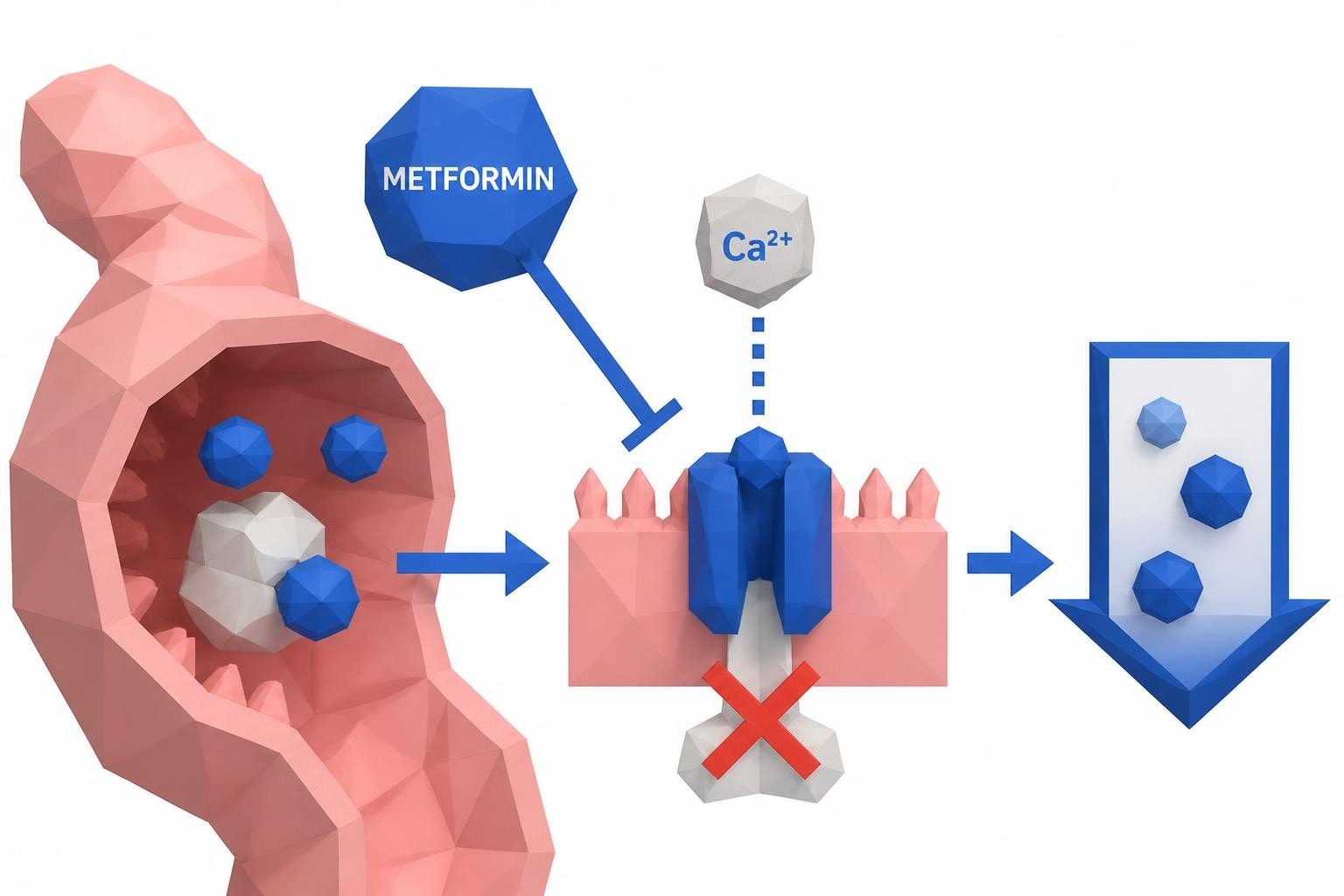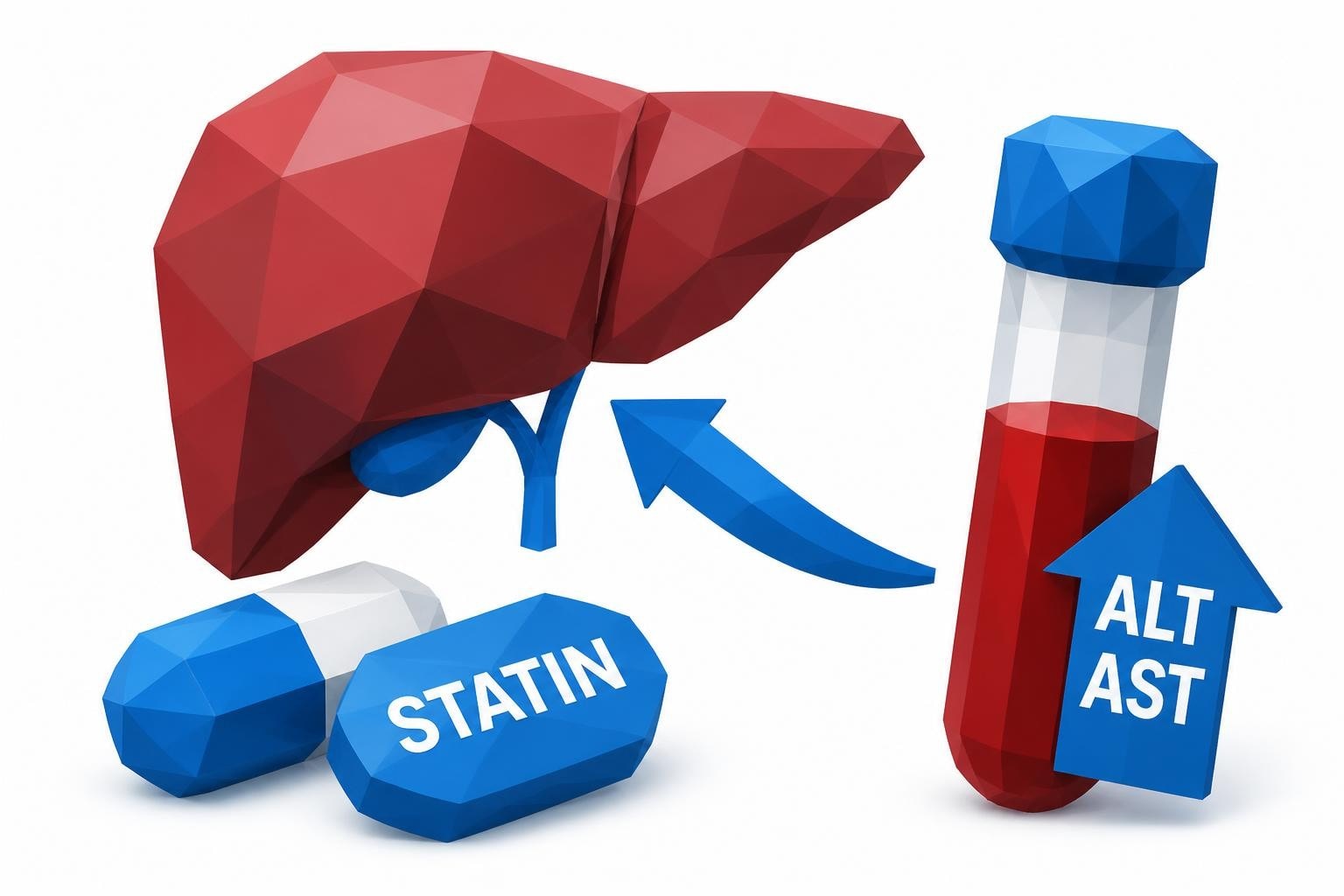
Millions of Americans take statin medications to manage cholesterol and reduce cardiovascular risk, yet many don't realize these drugs can alter liver enzyme levels on routine blood tests. If you're taking a statin or considering starting one, understanding how statins affect your liver enzyme results helps you interpret your lab work correctly, know when changes matter, and maintain safe, effective therapy. This knowledge empowers you to track your health proactively and make informed decisions about monitoring.
Big picture
- Statins commonly cause mild liver enzyme elevations in about 1-3% of users, typically within the first few months of therapy, with ALT and AST values rising to 1-3 times the upper limit of normal.
- Most elevations are temporary and harmless, often resolving on their own even if you continue the medication, and serious liver injury from statins is extremely rare (less than 1 in 100,000).
- Baseline and periodic monitoring of liver function tests helps catch significant changes early, with clinical guidelines recommending testing before starting therapy and selectively during treatment.
- Not all enzyme changes require stopping statins, as the cardiovascular benefits often outweigh mild laboratory abnormalities, especially in patients with pre-existing liver conditions like fatty liver disease.
- Getting tested without insurance through services like Justlabs makes it easier to monitor your liver enzymes on your own schedule at transparent prices.
Understanding Liver Enzymes and What They Measure
Liver enzymes are proteins that facilitate chemical reactions in your liver cells. When these cells are damaged or stressed, enzymes leak into your bloodstream, where they can be detected through laboratory testing.
The two primary enzymes used to assess liver health are alanine aminotransferase (ALT) and aspartate aminotransferase (AST). ALT is found predominantly in the liver, making it a more specific marker for liver injury. AST exists in multiple tissues including the liver, heart, and muscles, so elevations can reflect damage to various organs.
Normal Ranges and What Elevations Mean
Laboratory reference ranges vary slightly by testing facility, but typical upper limits are:
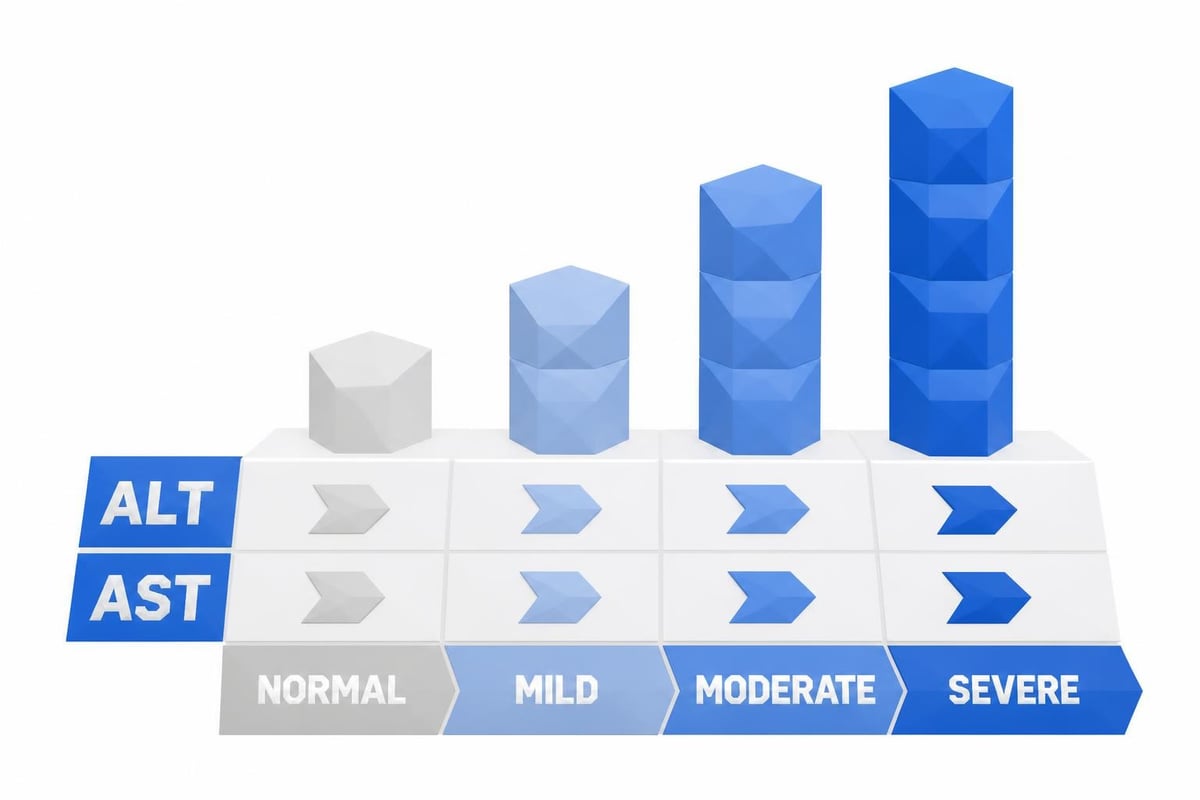
| Enzyme | Normal Range (U/L) | Mild Elevation | Moderate Elevation | Severe Elevation |
|---|---|---|---|---|
| ALT | 7-55 | 1-3x upper limit | 3-5x upper limit | >5x upper limit |
| AST | 8-48 | 1-3x upper limit | 3-5x upper limit | >5x upper limit |
When doctors evaluate how statins affect your liver enzyme results, they focus on the degree of elevation and the pattern over time. A single mildly elevated reading often warrants repeat testing rather than immediate concern.
How Statins Interact with Liver Function
Statins work by inhibiting HMG-CoA reductase, an enzyme in the liver that produces cholesterol. Because the liver is the primary site of statin metabolism and action, it's not surprising that these medications can influence liver enzyme levels.
The mechanism behind statin-related enzyme elevations isn't entirely understood, but several factors contribute:
- Adaptive metabolic response where the liver adjusts to the drug's presence
- Direct cellular stress from high concentrations of the medication within liver cells
- Idiosyncratic reactions in genetically susceptible individuals
- Pre-existing conditions that make the liver more vulnerable to drug effects
According to the FDA prescribing information for atorvastatin, persistent elevations of serum transaminases have been noted in clinical trials, though serious liver injury remains exceedingly rare.
Time Course of Enzyme Changes
Most statin-related liver enzyme elevations occur within the first 12 weeks of therapy or after dose increases. This timing makes baseline testing and early follow-up particularly valuable.
Pattern variations include:
- Early transient rise that normalizes within weeks despite continued therapy
- Persistent mild elevation that remains stable at 1-2 times the upper limit
- Progressive increase requiring medication adjustment or discontinuation
- Late-onset changes occurring after months or years of stable therapy
Understanding these patterns helps clarify when enzyme changes reflect a concerning trend versus an expected, benign response.
Clinical Guidelines for Monitoring Liver Enzymes on Statins
Professional medical organizations have refined their recommendations for monitoring how statins affect your liver enzyme results based on decades of safety data.
The NICE guidelines on cardiovascular risk provide practical advice that has influenced global practice. Current consensus recommendations include:
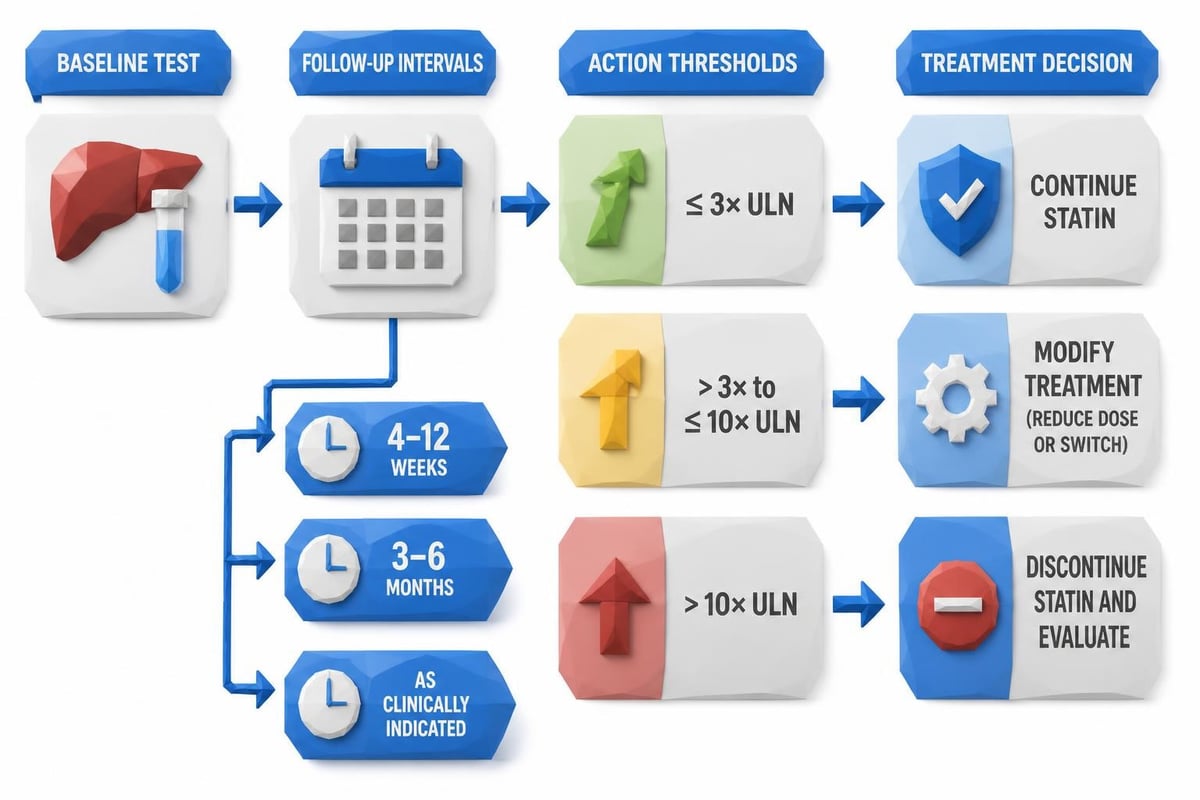
Baseline Testing
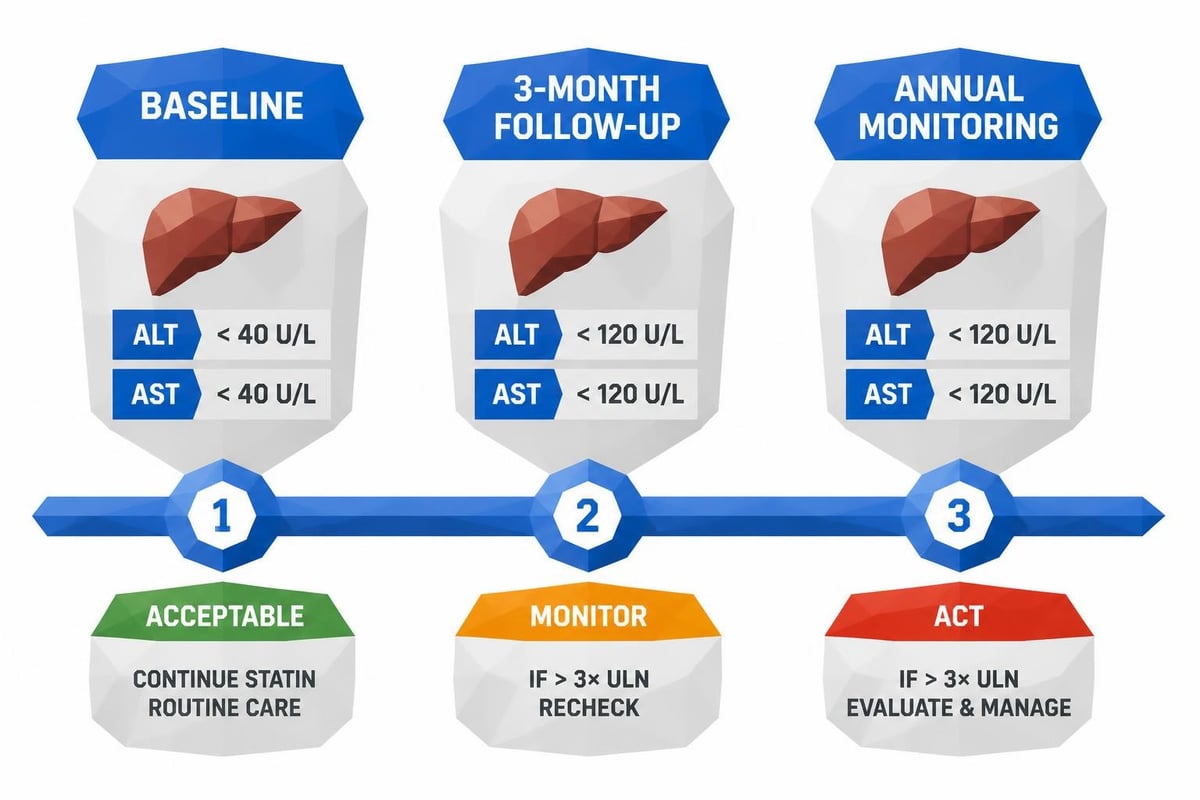
Test ALT before starting any statin to establish your personal reference point. This allows meaningful comparison if elevations occur later. If baseline ALT is elevated, investigate the cause before attributing future changes to the statin.
Follow-Up Testing Strategy
Within 3 months of starting therapy or increasing the dose, repeat ALT testing. If results remain within normal limits, routine scheduled monitoring isn't necessary for most patients.
Annual testing may be considered for patients with risk factors such as:
- History of liver disease
- Regular alcohol consumption
- Concurrent medications metabolized by the liver
- Pre-existing mild enzyme elevations
The NHS Specialist Pharmacy Service monitoring guidance emphasizes that universal periodic testing in asymptomatic patients doesn't prevent serious liver injury and may lead to unnecessary discontinuation of beneficial therapy.
Recommended Panel
Advanced Heart Health Panel
Save $6Go beyond basic cholesterol testing. This advanced panel includes the markers cardiologists use to assess true cardiovascular risk: ApoB, Lp(a), homocysteine, and inflammation.
Includes 10 biomarkers
$86
Fasting required
When Enzyme Elevations Should Prompt Action
Not every increase in liver enzymes requires stopping your statin. Clinical decision-making balances the degree of elevation against cardiovascular risk and the availability of alternative treatments.
Thresholds for Continuing Therapy
Below 3 times the upper limit of normal: Continue the statin and recheck in 4-6 weeks. Many patients remain stable at this level or see spontaneous improvement. If ALT stabilizes below 3x upper limit, ongoing therapy is generally safe.
3 times the upper limit or higher: Consider reducing the dose or switching to a different statin. Retest in 4-6 weeks. If enzymes continue to rise or symptoms develop, discontinuation is warranted.
| ALT Level | Recommended Action | Follow-Up Timing |
|---|---|---|
| <1.5x ULN | Continue current dose | Routine (annual if any) |
| 1.5-3x ULN | Continue, recheck | 4-6 weeks |
| 3-5x ULN | Reduce dose or switch statin | 2-4 weeks |
| >5x ULN | Stop statin, investigate | 1-2 weeks |
Symptoms That Warrant Immediate Attention
Laboratory values don't tell the complete story. Contact your healthcare provider promptly if you develop:
- Unusual fatigue or weakness
- Loss of appetite
- Upper abdominal pain
- Dark urine or pale stools
- Yellowing of skin or eyes (jaundice)
These symptoms could indicate more significant liver dysfunction requiring immediate evaluation, though they remain exceptionally rare with statin therapy.
Statins in Patients with Pre-Existing Liver Conditions
One of the most important developments in understanding how statins affect your liver enzyme results is recognizing that mild-to-moderate liver disease doesn't necessarily preclude statin use.
Non-Alcoholic Fatty Liver Disease (NAFLD)
NAFLD affects nearly one-quarter of American adults and commonly coexists with conditions requiring statin therapy. Research published in a systematic review on statins in NAFLD demonstrates that statins are safe in this population and may actually improve liver enzyme levels over time.
Patients with fatty liver disease who start statins often see:
- Reduction in baseline ALT elevations as metabolic health improves
- No increased risk of progression to more serious liver disease
- Cardiovascular benefits that outweigh theoretical hepatic risks
The NHS guidance on using statins in liver impairment confirms that statins can be initiated cautiously in stable chronic liver disease with appropriate monitoring.
Chronic Hepatitis and Cirrhosis
Statins are generally avoided in decompensated cirrhosis or acute liver failure. In stable, compensated liver disease, lower doses can often be used safely with closer monitoring.
The key principle: the severity and stability of liver disease matter more than the mere presence of baseline enzyme elevations.
Distinguishing Statin Effects from Other Causes
When liver enzymes rise during statin therapy, it's essential to consider alternative explanations before attributing the change solely to the medication.
Common non-statin causes of elevated ALT and AST include:
- Alcohol consumption (even moderate amounts in some individuals)
- Viral hepatitis (hepatitis B, C, or acute viral infections)
- Non-alcoholic fatty liver disease (independent of statin use)
- Other medications including acetaminophen, antibiotics, and supplements
- Muscle injury (elevated AST with CK elevation, often from exercise or other muscle conditions)
- Metabolic conditions such as hemochromatosis or Wilson disease
A detailed clinical review of statin-induced liver injury patterns notes that true statin hepatotoxicity typically shows a hepatocellular pattern with ALT elevation predominating over alkaline phosphatase.
Comprehensive Testing Approach
When investigating enzyme elevations, a comprehensive metabolic panel provides broader context by including:
- Bilirubin levels
- Alkaline phosphatase
- Total protein and albumin
- Kidney function markers
This broader view helps distinguish liver-specific issues from systemic metabolic changes.
Different Statins and Their Liver Impact Profiles
Not all statins affect liver enzymes equally. Individual medications show varying rates of transaminase elevation in clinical trials.
Comparative Risk Profiles
Atorvastatin and simvastatin at higher doses show slightly higher rates of enzyme elevation compared to other statins. Rosuvastatin, pravastatin, and pitavastatin demonstrate lower rates of liver enzyme changes in head-to-head studies.
Fluvastatin is extensively metabolized by the liver but paradoxically shows favorable safety in patients with mild liver disease. The specific enzyme pathways involved influence how each medication affects hepatic function.
Switching between statins can resolve enzyme elevations while maintaining cholesterol control. Your physician can select an alternative agent based on your specific response pattern.
Practical Steps for Self-Monitoring
Understanding how statins affect your liver enzyme results empowers you to take an active role in monitoring your health safely and efficiently.
Establishing Your Baseline
Before starting statin therapy, get comprehensive liver enzyme testing. This creates your personal reference point. Services offering lab tests without insurance make baseline testing accessible without requiring a doctor's visit.
Timing Your Follow-Up Tests
Schedule your first follow-up test 8-12 weeks after starting therapy or changing doses. If that result is normal, annual testing (or testing driven by symptoms) is typically sufficient unless you have additional risk factors.
Keeping Records
Maintain a personal log of your test results including:
- Date of test
- ALT and AST values with reference ranges
- Current statin dose
- Any symptoms or changes in other medications
- Other relevant test results (cholesterol panel, kidney function)
This documentation helps you and your healthcare provider spot trends and make informed decisions about continuing, adjusting, or stopping therapy.
Cost-Effective Monitoring Without Insurance
Regular monitoring of how statins affect your liver enzyme results shouldn't be financially burdensome. Traditional healthcare pathways often involve expensive office visits and opaque pricing for routine lab work.
Direct-access laboratory services change this equation by offering:
- Transparent pricing published upfront with no hidden fees
- No insurance requirements that complicate billing and increase costs
- Fast results typically available within 1-3 days
- Convenient ordering through online platforms without scheduling doctor appointments
By using affordable lab test pricing, you can monitor your liver enzymes at recommended intervals without financial stress, ensuring you don't skip important safety checks due to cost concerns.
Interpreting Results and Next Steps
When you receive your liver enzyme results, context determines whether action is needed. A single mildly elevated value with no symptoms typically warrants repeat testing in 4-6 weeks rather than immediate medication changes.
Questions to Ask
When reviewing results, consider:
-
How does this compare to my baseline? A small increase from your personal normal matters more than comparison to population averages.
-
What's the trend? Stable mild elevation differs from progressive increase.
-
Are both ALT and AST elevated proportionally? Disproportionate AST elevation might suggest muscle involvement rather than pure liver effects.
-
Have I changed anything else? New supplements, medications, alcohol consumption, or dietary changes can all influence results.
Resources for understanding lab results can help you interpret your findings in context and prepare informed questions for your healthcare provider.
Key Takeaways
Understanding how statins affect your liver enzyme results enables safer, more confident medication use while maintaining cardiovascular protection. Most enzyme elevations are mild, temporary, and clinically insignificant. Serious liver injury from statins remains exceptionally rare, occurring in fewer than 1 in 100,000 patients.
Baseline testing before starting therapy and selective follow-up at 3 months catches the vast majority of clinically relevant changes. Mild elevations below 3 times the upper limit of normal typically don't require stopping your medication, especially when cardiovascular benefits are substantial.
Pre-existing liver conditions like fatty liver disease don't automatically exclude statin use. Many patients with elevated baseline enzymes actually see improvement with statin therapy as their metabolic health improves.
Proactive self-monitoring through accessible, affordable lab testing gives you control over your health data and ensures you don't miss important safety checks due to access or cost barriers.
FAQ
How often should I test my liver enzymes while taking a statin?
Test ALT before starting therapy to establish your baseline. Repeat testing 8-12 weeks after beginning treatment or increasing your dose. If results are normal, further routine testing isn't necessary for most patients unless you have additional risk factors like pre-existing liver disease or take multiple medications. Annual testing is reasonable for higher-risk individuals.
Can I continue taking my statin if my liver enzymes are slightly elevated?
Yes, in most cases. Elevations below 3 times the upper limit of normal without symptoms typically don't require stopping your medication. Your healthcare provider may recommend repeating the test in 4-6 weeks to assess the trend. The cardiovascular benefits of statin therapy often outweigh mild laboratory abnormalities, particularly if values stabilize.
What's the difference between ALT and AST in statin monitoring?
ALT is more specific to the liver, while AST is found in multiple tissues including heart and muscle. When evaluating how statins affect your liver enzyme results, disproportionately elevated AST compared to ALT might suggest muscle involvement rather than liver injury. Both enzymes are typically measured together to provide complete context.
Do all statins affect liver enzymes the same way?
No. Different statins show varying rates of enzyme elevation in clinical trials. Atorvastatin and simvastatin at higher doses show slightly higher rates compared to rosuvastatin, pravastatin, or pitavastatin. If you develop enzyme elevations on one statin, switching to an alternative often resolves the issue while maintaining cholesterol control.
Should I stop my statin if I have fatty liver disease?
Generally no. Current evidence shows that statins are safe in non-alcoholic fatty liver disease and may actually improve liver enzyme levels over time. Many patients with fatty liver disease have cardiovascular risk factors that make statin therapy particularly beneficial. Monitor your enzymes appropriately, but fatty liver disease itself isn't a contraindication to statin use.
Can I test my liver enzymes without seeing a doctor?
Yes. Direct-access laboratory services allow you to order lab tests without a doctor visit. You can order liver enzyme testing online, visit a nearby lab location for the blood draw, and receive results within days. This approach is particularly useful for routine monitoring when you're already established on stable therapy.
What symptoms should prompt immediate liver enzyme testing?
Contact your healthcare provider and consider testing if you develop unusual fatigue, loss of appetite, upper abdominal pain, dark urine, pale stools, or yellowing of skin or eyes. These symptoms could indicate liver dysfunction requiring evaluation, though serious liver injury from statins remains extremely rare.
How long do enzyme elevations typically last after stopping a statin?
Most statin-related enzyme elevations normalize within 4-8 weeks of discontinuing the medication. If enzymes remain elevated longer, other causes should be investigated. In many cases, however, mild elevations resolve even if you continue the statin, as the liver adapts to the medication.
Monitoring how statins affect your liver enzyme results is a straightforward but important aspect of safe cholesterol management. With baseline testing, selective follow-up at appropriate intervals, and attention to significant changes, you can maintain effective therapy while protecting your liver health. Justlabs makes this monitoring accessible and affordable by offering transparent pricing on liver function tests without requiring insurance or doctor visits, putting you in control of your health data with results in 1-3 days.