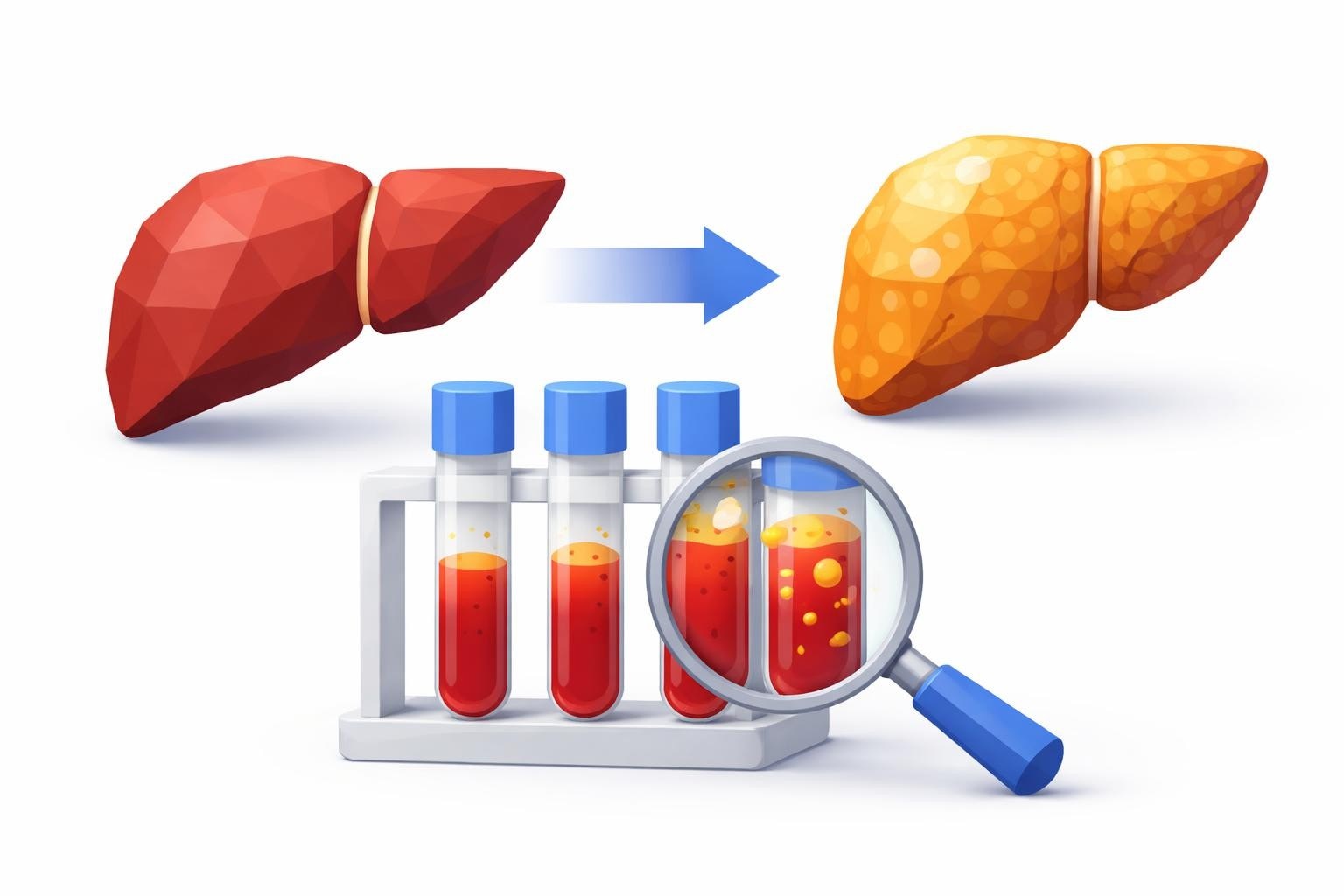
Nonalcoholic fatty liver disease (NAFLD) silently affects approximately 80 to 100 million Americans, making it one of the most prevalent liver conditions in the United States. The troubling aspect of this disease is its stealthy nature: most people have no symptoms until significant liver damage has occurred. Fatty liver lab tests represent the most effective way to detect this condition early, when lifestyle changes can still prevent progression to more serious complications like cirrhosis or liver failure. Understanding which tests to order and how to interpret results empowers individuals to take control of their liver health before irreversible damage occurs.
Understanding Fatty Liver Disease and Why Testing Matters
Nonalcoholic fatty liver disease develops when excess fat accumulates in liver cells without alcohol consumption as the primary cause. This fat buildup triggers inflammation and cellular damage over time. The condition exists on a spectrum, starting with simple fatty liver (steatosis) and potentially advancing to nonalcoholic steatohepatitis (NASH), fibrosis, and eventually cirrhosis.
The challenge with NAFLD lies in its silent progression. Most individuals experience no noticeable symptoms during the early stages when intervention is most effective. By the time symptoms like fatigue, abdominal discomfort, or jaundice appear, substantial liver damage may have already occurred.
Risk Factors That Warrant Screening
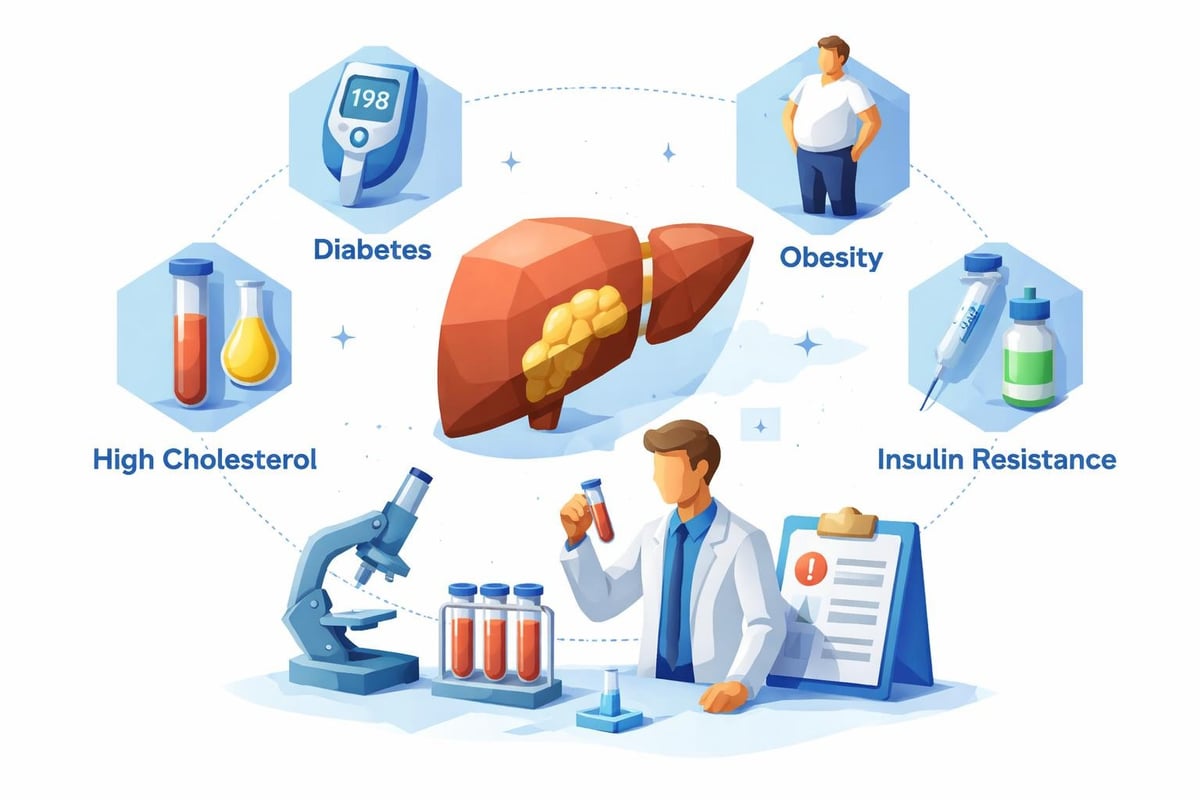
Several conditions and lifestyle factors significantly increase your risk of developing fatty liver disease:
- Type 2 diabetes or prediabetes
- Obesity or being overweight, particularly with abdominal fat distribution
- Insulin resistance and metabolic syndrome
- High cholesterol or triglyceride levels
- High blood pressure
- Polycystic ovary syndrome (PCOS)
- Sleep apnea
- Hypothyroidism
- Age over 50 years
Individuals with multiple risk factors should strongly consider regular fatty liver lab tests even without symptoms. The National Institute of Diabetes and Digestive and Kidney Diseases outlines the diagnostic process for NAFLD, emphasizing early detection through routine screening.
Essential Blood Tests for Fatty Liver Detection
Fatty liver lab tests typically begin with a comprehensive blood panel that evaluates liver function and metabolic health. These tests measure specific enzymes and substances that indicate liver damage or dysfunction.
Liver Function Tests (LFTs)
The most common starting point involves a liver function panel that measures several key enzymes:
| Test Name | Normal Range | What It Indicates |
|---|---|---|
| ALT (Alanine Aminotransferase) | 7-56 U/L | Liver cell damage; elevated in NAFLD |
| AST (Aspartate Aminotransferase) | 10-40 U/L | Liver inflammation; less specific than ALT |
| ALP (Alkaline Phosphatase) | 44-147 U/L | Bile duct function; may elevate with liver disease |
| Bilirubin (Total) | 0.1-1.2 mg/dL | Liver processing ability; elevated indicates dysfunction |
| Albumin | 3.5-5.5 g/dL | Liver synthetic function; decreased in advanced disease |
ALT and AST are particularly significant in fatty liver disease. Research on liver function tests and metabolic-associated fatty liver disease demonstrates that even values within the upper normal range may indicate early disease. The AST/ALT ratio also provides diagnostic clues: a ratio less than 1 typically suggests NAFLD, while a ratio greater than 2 may indicate alcoholic liver disease or cirrhosis.
Recommended Test
Hepatic Function Panel
A comprehensive 7-biomarker panel that evaluates liver health by measuring enzymes, proteins, and bilirubin levels.
Includes 7 biomarkers
$8
Metabolic Panel Tests
Since fatty liver disease closely links to metabolic dysfunction, comprehensive testing should include:
- Fasting glucose and hemoglobin A1C: These tests identify diabetes or prediabetes, major contributors to NAFLD. Getting an A1C test helps monitor long-term blood sugar control.
- Lipid panel: Measures total cholesterol, LDL, HDL, and triglycerides, which often show abnormalities in fatty liver patients.
- Insulin levels: Fasting insulin tests can reveal insulin resistance before diabetes develops.
Many individuals find that ordering lab tests without insurance provides a more affordable option for regular monitoring, especially when tracking multiple metabolic markers over time.
Recommended Panel
Complete Metabolic Health Panel
Save $3.5This comprehensive panel evaluates all aspects of metabolic health: organ function, cholesterol, blood sugar, insulin resistance, and inflammation - the key drivers of chronic disease.
Includes 26 biomarkers
$50
Fasting required
Advanced Diagnostic Tests for Fatty Liver Assessment
When initial fatty liver lab tests suggest liver dysfunction, more specialized testing helps determine disease severity and guide treatment decisions.
FIB-4 Index and NAFLD Fibrosis Score
These calculated scores use existing blood test results combined with age to estimate fibrosis risk:
FIB-4 Index Formula: (Age × AST) / (Platelet Count × √ALT)
- Score <1.30: Low risk of advanced fibrosis
- Score 1.30-2.67: Indeterminate risk, further testing needed
- Score >2.67: High risk of advanced fibrosis
NAFLD Fibrosis Score incorporates age, BMI, platelet count, albumin, AST/ALT ratio, and presence of diabetes or impaired fasting glucose. These non-invasive tools help identify patients who need more intensive evaluation without immediately requiring liver biopsy.
Enhanced Liver Fibrosis (ELF) Test
The ELF test measures three blood biomarkers that correlate with liver scarring:
- Hyaluronic acid (HA)
- Procollagen III amino-terminal peptide (PIIINP)
- Tissue inhibitor of metalloproteinase 1 (TIMP-1)
This specialized panel provides more detailed assessment of fibrosis progression than standard liver function tests alone. Comprehensive resources on fatty liver disease evaluation describe how laboratory studies complement imaging and clinical assessment.
Imaging Studies That Complement Laboratory Testing
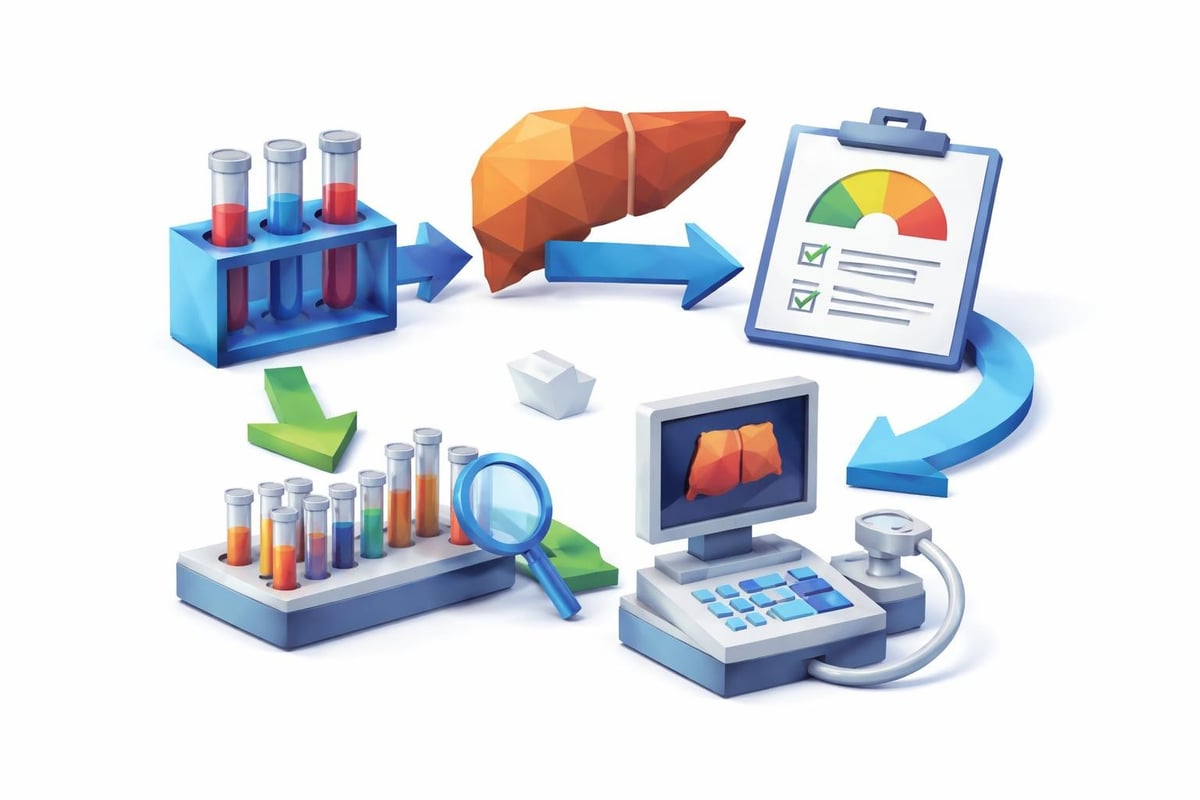
While blood tests provide crucial information about liver function and metabolic health, imaging studies visualize fat accumulation and structural changes within the liver itself.
Ultrasound
Abdominal ultrasound represents the most common first-line imaging test for suspected fatty liver disease. This non-invasive, radiation-free procedure can detect moderate to severe fat accumulation (affecting more than 20-30% of liver tissue). However, ultrasound has limitations:
- Cannot reliably detect mild steatosis
- Cannot distinguish between simple fatty liver and NASH
- Operator-dependent accuracy
- Less effective in obese patients
FibroScan (Transient Elastography)
This specialized ultrasound technology measures liver stiffness, which correlates with fibrosis severity. FibroScan also quantifies fat content through controlled attenuation parameter (CAP) scoring. The test provides numerical results that help stage disease severity:
| Stiffness (kPa) | Fibrosis Stage |
|---|---|
| <7.0 | F0-F1 (Minimal) |
| 7.0-9.5 | F2 (Moderate) |
| 9.5-12.5 | F3 (Severe) |
| >12.5 | F4 (Cirrhosis) |
MRI-Based Assessments
Magnetic resonance imaging provides the most accurate non-invasive assessment of liver fat content and fibrosis. MRI-PDFF (proton density fat fraction) can detect even small amounts of liver fat, while MR elastography measures liver stiffness similarly to FibroScan but with greater accuracy. The primary drawback involves cost and availability.
When Liver Biopsy Becomes Necessary
Pathologic diagnosis of fatty liver disease sometimes requires direct tissue examination through liver biopsy, particularly when non-invasive tests yield inconclusive results or suggest advanced disease. A small tissue sample allows pathologists to:
- Definitively diagnose NASH versus simple steatosis
- Accurately stage fibrosis severity
- Identify concurrent liver conditions
- Guide treatment decisions for advanced cases
Biopsy is typically reserved for specific situations:
- Conflicting results between blood tests and imaging studies
- Suspected advanced fibrosis or cirrhosis
- Evaluation for clinical trial participation
- Ruling out other liver diseases
- Patients with multiple risk factors and abnormal test results
The procedure carries small risks including bleeding, infection, and pain, which is why physicians prefer non-invasive fatty liver lab tests for initial screening and monitoring.
Interpreting Your Test Results
Understanding what fatty liver lab tests reveal requires context beyond simply comparing numbers to reference ranges. Patterns across multiple tests provide more meaningful information than individual values in isolation.
Reading Your Liver Enzyme Results
Elevated ALT with normal or mildly elevated AST typically indicates NAFLD, especially when accompanied by metabolic risk factors. The degree of elevation correlates somewhat with disease severity, though many people with significant liver fat accumulation maintain relatively normal enzymes.
Questions on diagnosis and management of NAFLD address common concerns about interpreting lab values. Even persistently elevated enzymes within the upper normal range may warrant investigation in patients with risk factors.
Understanding Trends Over Time
A single set of abnormal results provides less information than tracking values over months or years. Progressive elevation of liver enzymes suggests worsening liver damage, while stable or improving values indicate successful lifestyle interventions or treatment.
Regular monitoring through affordable lab test pricing makes it feasible to track trends without the financial burden of insurance deductibles or copays for each test.
Testing Frequency Recommendations
How often you should repeat fatty liver lab tests depends on your initial results, risk factors, and whether you've made lifestyle changes.
For Initial Screening
Individuals with risk factors but no prior testing should establish a baseline with comprehensive metabolic and liver function panels. This initial assessment identifies whether further investigation is needed.
For Confirmed Fatty Liver
After diagnosis, testing frequency varies:
- Every 3-6 months: During active weight loss or lifestyle modification to monitor improvement
- Every 6-12 months: For stable disease without concerning features
- Every 3 months: When liver enzymes are significantly elevated or fibrosis markers suggest progression
Diagnostic evaluation of NAFLD emphasizes the importance of serial testing to detect disease progression early.
For Advanced Disease
Patients with confirmed fibrosis or cirrhosis require more intensive monitoring, potentially including quarterly liver function tests and biannual imaging studies to screen for complications including hepatocellular carcinoma.
The Convenience of Direct-Access Testing
Traditional healthcare often creates barriers to regular monitoring. Insurance requirements, lengthy appointment scheduling, and high costs through insurance deductibles discourage people from getting the frequent testing needed to catch fatty liver disease early.
Self-pay lab testing removes these obstacles by allowing individuals to order tests online without a doctor's visit. This approach offers several advantages:
- Immediate access: Order tests when you're ready rather than waiting weeks for appointments
- Transparent pricing: Know the exact cost upfront without insurance complexity
- Quick results: Most results available within 1-3 days
- Convenient locations: Choose from thousands of patient service centers nationwide
- No insurance billing: Avoid deductibles, copays, and surprise bills
For individuals managing fatty liver disease through lifestyle changes, this accessibility enables more frequent monitoring to verify that interventions are working. Testing for NAFLD becomes more practical when logistical and financial barriers are removed.
Additional Tests to Consider
Beyond standard liver function panels, several complementary tests provide valuable context for fatty liver assessment.
Thyroid Function
Hypothyroidism contributes to metabolic dysfunction and fatty liver development. A thyroid panel measuring TSH, T3, and T4 helps identify this treatable condition.
Complete Blood Count (CBC)
A CBC measuring red blood cells, white blood cells, and platelets can reveal complications of advanced liver disease. Decreased platelet counts may indicate portal hypertension from cirrhosis.
Iron Studies
While rare, hereditary hemochromatosis (iron overload) can coexist with or mimic fatty liver disease. Ferritin, serum iron, and transferrin saturation tests screen for this genetic condition.
Autoimmune Markers
When standard fatty liver patterns don't fully explain abnormal liver tests, checking for autoimmune hepatitis through ANA (antinuclear antibody) and SMA (smooth muscle antibody) tests rules out concurrent conditions.
Recommended Test
GGT (Gamma-Glutamyl Transferase)
GGT is a liver enzyme that's particularly sensitive to alcohol use and bile duct problems. It's often elevated before other liver enzymes and can help determine the cause of elevated ALP (alkaline phosphatase).
Includes 1 biomarkers
$5
Making Sense of Complex Results
Understanding lab results can feel overwhelming when multiple values fall outside normal ranges. Several strategies help interpret complex fatty liver lab tests:
-
Focus on patterns: Multiple mildly abnormal values related to metabolic function often indicate NAFLD more reliably than a single markedly elevated enzyme.
-
Consider clinical context: Test results must be interpreted alongside symptoms, medical history, and physical examination findings.
-
Calculate risk scores: Use FIB-4 and NAFLD Fibrosis Score calculators to integrate multiple values into actionable risk assessments.
-
Track changes: Compare current results to previous tests to identify trends.
-
Consult healthcare providers: While direct-access testing provides autonomy, discussing results with a physician ensures appropriate follow-up.
Cost Considerations for Regular Monitoring
Managing fatty liver disease requires ongoing testing, potentially for years or decades. Cost becomes a significant factor in maintaining consistent monitoring.
Traditional healthcare billing creates unpredictable expenses. A "simple blood test" through insurance might cost $50 or $500 depending on deductible status, contracted rates, and billing practices. This uncertainty discourages regular testing.
Transparent self-pay pricing provides budget certainty. Comprehensive metabolic panels, liver function tests, and lipid panels typically cost $30-80 through direct-access laboratories, with no hidden fees or surprise bills. Many FSA and HSA accounts cover these tests, providing additional savings.
For someone monitoring fatty liver disease quarterly, annual testing costs might total $200-400 through self-pay services versus $1,000-3,000 through traditional insurance-based care (depending on deductible and copay structure).
Taking Action Based on Test Results
Fatty liver lab tests provide information, but results only matter if they prompt appropriate action. Different result patterns warrant different responses.
Normal Results with Risk Factors
If you have diabetes, obesity, or metabolic syndrome but normal liver enzymes and metabolic markers, continue lifestyle modifications and retest annually to catch early changes.
Mildly Elevated Enzymes
ALT values 1.5-2 times the upper limit of normal suggest early fatty liver disease. Focus on:
- Weight loss of 7-10% of body weight
- Regular physical activity (150+ minutes weekly)
- Reduced refined carbohydrates and added sugars
- Improved sleep quality
- Retest in 3-6 months to assess improvement
Moderately to Severely Elevated Enzymes
Values more than twice the upper limit of normal require medical evaluation to rule out other liver conditions and assess disease severity. Imaging studies and possibly specialist referral become important next steps.
Evidence of Advanced Fibrosis
High FIB-4 scores or imaging suggesting cirrhosis warrant immediate gastroenterology or hepatology consultation for specialized management and complication screening.
Regular fatty liver lab tests represent your best defense against silent liver damage affecting tens of millions of Americans. Early detection through comprehensive blood work enables lifestyle interventions that can reverse fat accumulation and prevent progression to serious complications. Whether you're screening due to risk factors or monitoring known disease, convenient access to testing removes barriers to proactive health management. Justlabs makes regular liver health monitoring simple and affordable with transparent pricing, online ordering, and results delivered within days, empowering you to take control of your metabolic and liver health without navigating insurance complexity or waiting for appointments.