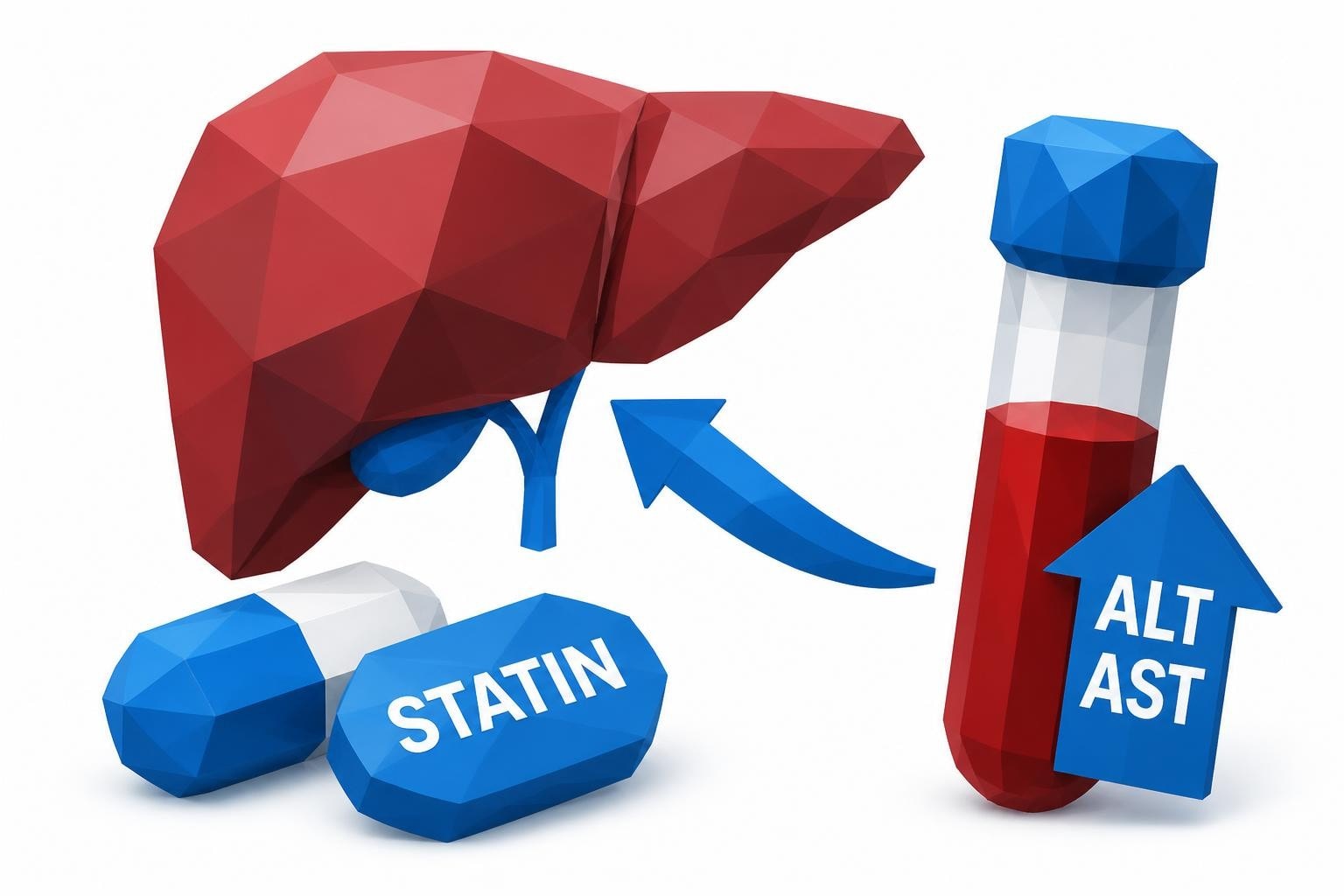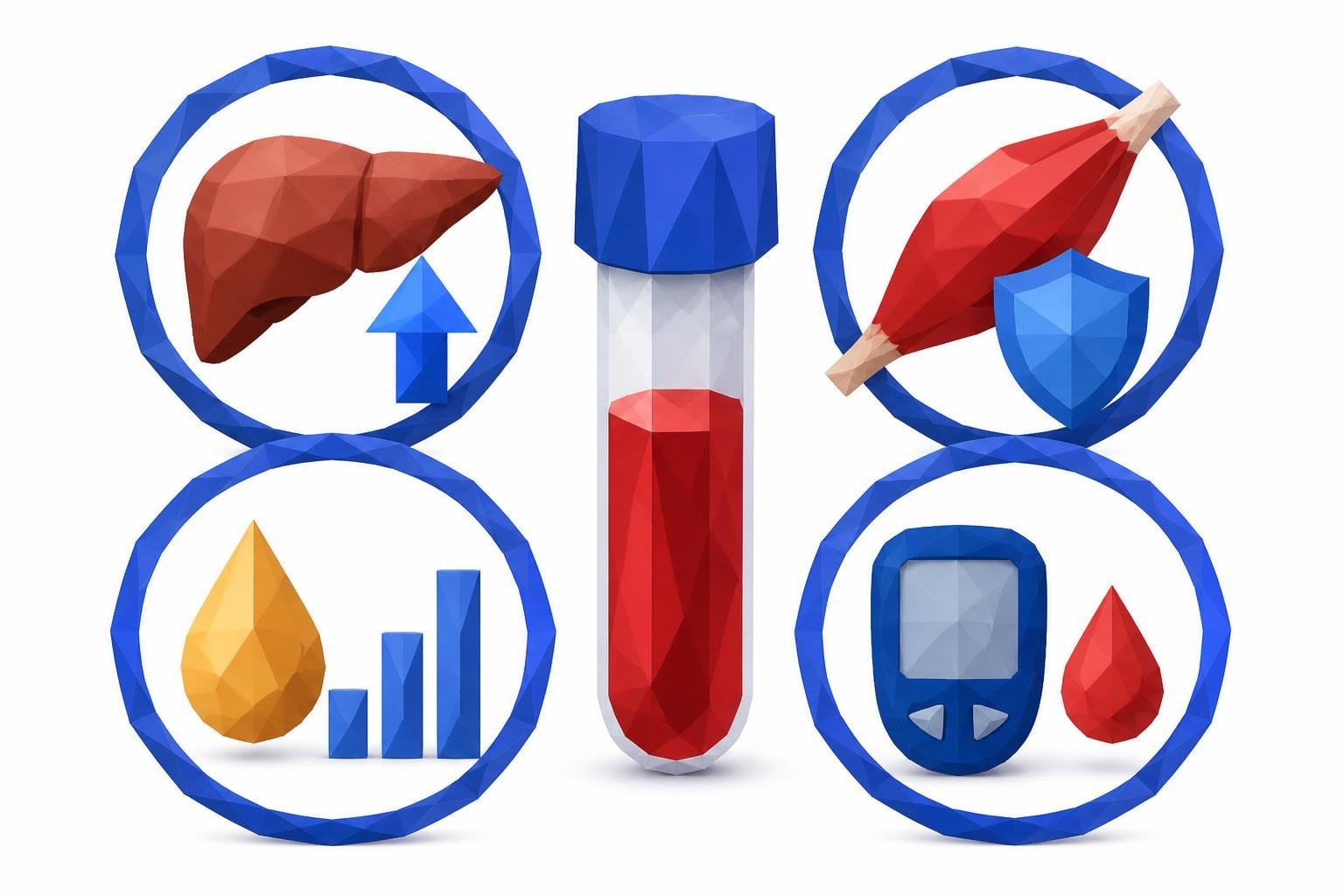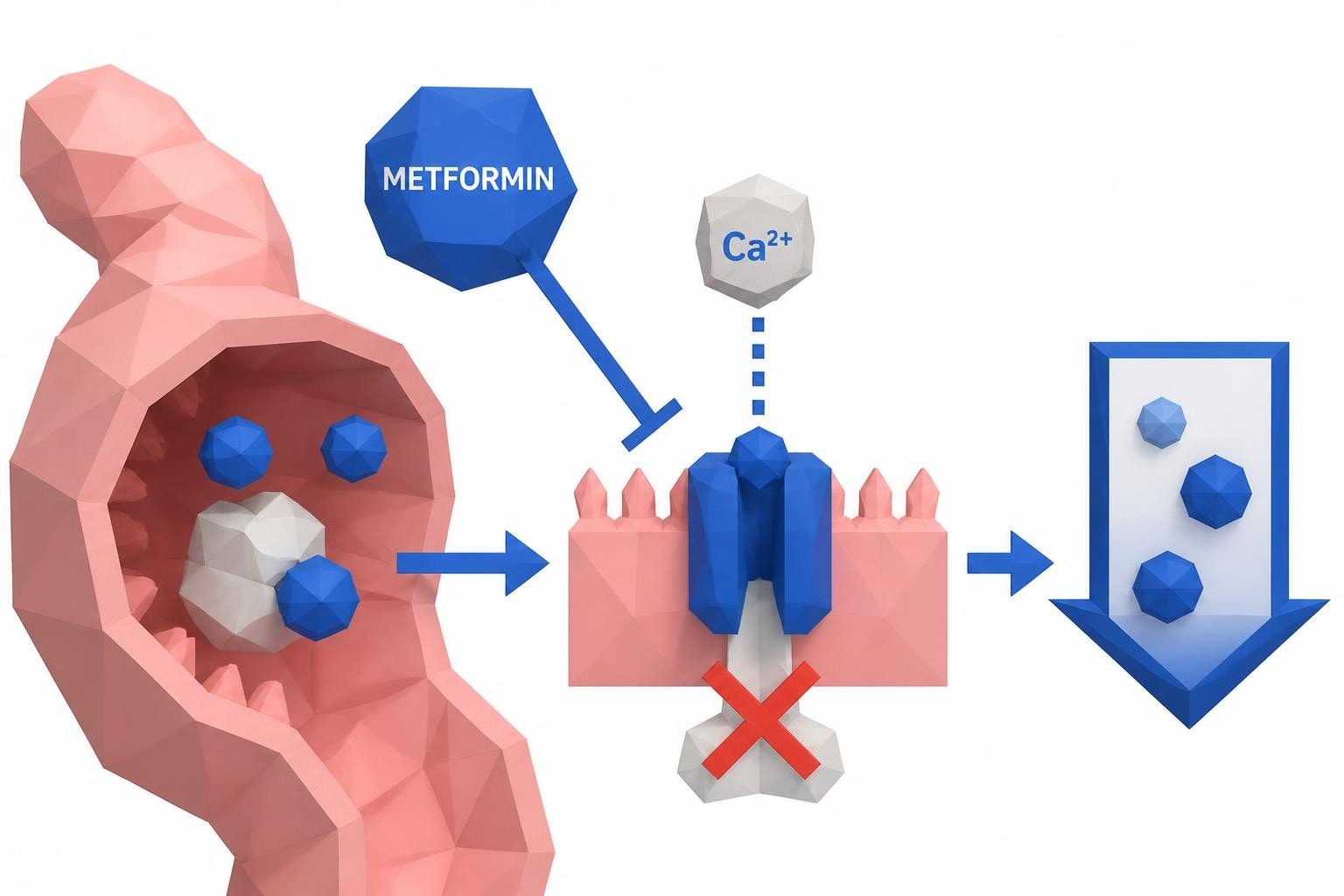
Millions of Americans take statin medications to manage their cholesterol levels and reduce cardiovascular risk. While these medications have proven effective, some users experience muscle pain, weakness, or fatigue. This has led to growing interest in coenzyme Q10 (CoQ10) supplementation and testing, as statins may deplete this essential nutrient. Understanding the connection between statins and CoQ10 levels, along with the role of laboratory testing, can help patients make informed decisions about their health management strategies.
The Biochemical Connection Between Statins and CoQ10
Statin medications work by inhibiting an enzyme called HMG-CoA reductase, which plays a central role in cholesterol synthesis within the liver. This mechanism effectively lowers LDL cholesterol levels and reduces cardiovascular event risk. However, this same biochemical pathway also produces coenzyme Q10, an essential compound involved in cellular energy production.
When statins block HMG-CoA reductase, they simultaneously reduce the body's natural production of both cholesterol and CoQ10. This unintended consequence occurs because both molecules share the mevalonate pathway during their biosynthesis. The reduction in CoQ10 levels varies among individuals and depends on factors including statin type, dosage, duration of use, and individual metabolic differences.
Understanding CoQ10's Role in the Body
CoQ10 serves multiple critical functions throughout the body's cells:
- Energy production: CoQ10 is essential for mitochondrial ATP synthesis, the process that generates cellular energy
- Antioxidant protection: It helps neutralize free radicals and protect cell membranes from oxidative damage
- Cardiovascular support: High concentrations exist in the heart muscle due to its substantial energy requirements
- Muscle function: Skeletal muscles rely on adequate CoQ10 for optimal performance and recovery
The tissues with the highest energy demands, particularly the heart, brain, kidneys, and skeletal muscles, contain the greatest concentrations of this coenzyme. When levels decline, these energy-intensive tissues may experience functional impacts first.

Muscle Symptoms and CoQ10 Depletion
Between 10 and 29 percent of statin users report muscle-related symptoms, ranging from mild discomfort to severe myopathy. These symptoms typically include:
- Muscle pain (myalgia)
- Muscle weakness
- Muscle cramping
- General fatigue
- Exercise intolerance
Researchers have theorized that CoQ10 depletion contributes to these statin-associated muscle symptoms. The hypothesis suggests that reduced CoQ10 levels impair mitochondrial function in muscle cells, leading to decreased energy production and increased oxidative stress. This cellular energy deficit could manifest as the muscle pain and weakness some patients experience.
However, the scientific evidence supporting this connection remains mixed. Research from Harvard Health indicates that CoQ10 supplements are unlikely to alleviate muscle-related side effects in most statin users. Multiple randomized controlled trials have failed to demonstrate consistent benefits from CoQ10 supplementation for reducing statin-associated muscle symptoms.
The Evidence Gap
Despite the biological plausibility of the CoQ10-muscle symptom connection, clinical studies have produced inconsistent results. Some potential explanations for this discrepancy include:
- Measurement challenges: Blood CoQ10 levels may not accurately reflect tissue concentrations where energy production occurs
- Multifactorial causes: Statin-related muscle symptoms likely involve multiple mechanisms beyond CoQ10 depletion
- Individual variation: Some patients may be more susceptible to CoQ10 depletion than others
- Study design limitations: Many trials have been small or short-term, limiting their ability to detect effects
The Cleveland Clinic notes that while some patients report subjective improvement with CoQ10 supplementation, conclusive evidence supporting its use for muscle pain relief remains lacking.
Laboratory Testing Options for CoQ10
CoQ10 testing for statin users has become more accessible through both traditional medical settings and direct-access laboratory services. These tests measure CoQ10 concentrations in blood serum or plasma, providing insight into circulating levels of this coenzyme.
What CoQ10 Tests Measure
Standard CoQ10 blood tests quantify the amount of coenzyme Q10 present in the bloodstream. Quest Diagnostics offers CoQ10 testing that measures this biomarker to assess potential deficiency states. The test typically requires a simple blood draw with minimal preparation.
| Test Component | Measurement Type | Clinical Application |
|---|---|---|
| Total CoQ10 | Quantitative serum level | Identifies potential deficiency |
| Reference range | Age and lab-specific | Compares individual results to population norms |
| Sample type | Blood serum or plasma | Standard venipuncture collection |
| Turnaround time | 1-3 days typical | Allows for timely clinical decisions |
Most laboratories report CoQ10 levels in micrograms per milliliter (μg/mL) or micromoles per liter (μmol/L). Normal ranges vary by laboratory and testing methodology, but generally fall between 0.4 and 1.9 μg/mL for adults.
Important Limitations of CoQ10 Testing
While CoQ10 testing for statin users provides useful information, several important limitations must be considered:
Serum levels may not reflect tissue concentrations. Blood CoQ10 measurements indicate circulating levels but do not directly measure concentrations within muscle cells, heart tissue, or other organs where the coenzyme performs its primary functions. This disconnect between blood levels and tissue status limits the test's clinical utility.
No standardized deficiency threshold exists. Unlike many other nutrients with well-established deficiency ranges, CoQ10 lacks universally accepted cutoff values for clinical deficiency. Different laboratories use varying reference ranges, making interpretation challenging.
Limited correlation with symptoms. Research has not consistently demonstrated a strong relationship between measured CoQ10 levels and the presence or severity of muscle symptoms in statin users. Some individuals with low levels remain asymptomatic, while others with normal levels experience significant discomfort.
Timing and variability factors. CoQ10 levels can fluctuate based on recent dietary intake, supplement use, time of day, and other variables. A single measurement may not accurately represent a person's typical status.
When CoQ10 Testing May Be Considered
Despite these limitations, certain clinical scenarios may warrant CoQ10 testing for statin users. Healthcare providers and patients might consider testing in the following situations:
- Persistent muscle symptoms: Patients experiencing ongoing muscle pain, weakness, or fatigue while taking statins who have not responded to other interventions
- Evaluation before supplementation: Individuals considering CoQ10 supplementation who want baseline measurements to track changes
- High-dose statin therapy: People taking higher statin doses or particularly potent formulations who may face greater depletion risk
- Multiple cardiovascular medications: Patients on combination therapies that might compound CoQ10 reduction
- Unexplained fatigue: Individuals experiencing significant energy deficits without clear alternative explanations
The availability of affordable lab testing options has made CoQ10 assessment more accessible for patients who want to monitor their levels without the expense and delay of traditional insurance-based testing.
The Role of Direct-Access Testing
Self-pay laboratory services have transformed how patients can access health information. For individuals taking statins who want to check their CoQ10 status, direct-access testing offers several advantages:
- No physician order required: Patients can request testing independently based on their concerns
- Transparent pricing: Costs are clearly stated upfront without insurance complexity
- Rapid results: Most tests return results within one to three days
- Convenient ordering: Online platforms streamline the test selection and appointment process
- Personal health tracking: Results can be saved and compared over time
These services complement rather than replace traditional medical care. Test results should always be reviewed with qualified healthcare providers who can interpret findings within the context of a patient's complete medical history and current treatments.
Interpreting Results and Next Steps
When CoQ10 test results become available, patients face decisions about whether and how to respond. Understanding the limitations and implications of these measurements helps guide appropriate action.
Reading Your CoQ10 Test Results
Most laboratory reports will show your measured CoQ10 level alongside a reference range. Results typically fall into three categories:
| Result Category | Typical Range | Interpretation Considerations |
|---|---|---|
| Below reference range | Less than 0.4 μg/mL | May indicate deficiency but tissue levels unknown |
| Within reference range | 0.4 to 1.9 μg/mL | Suggests adequate circulating levels |
| Above reference range | Greater than 1.9 μg/mL | Often seen with supplementation |
Low CoQ10 levels do not automatically require intervention. Many individuals with below-range values remain asymptomatic and healthy. The presence of symptoms matters more than the number alone.
Normal levels do not exclude CoQ10-related problems. As mentioned previously, blood measurements may not reflect tissue concentrations where functional impacts occur.
Discussing Results With Healthcare Providers
Any decisions about medication changes or supplement addition should involve consultation with qualified clinicians. This principle applies regardless of where testing was obtained or what results showed.
Healthcare providers can help patients:
- Interpret findings contextually: Placing test results within the framework of overall health status, symptoms, and cardiovascular risk
- Evaluate treatment options: Considering whether CoQ10 supplementation, statin dose adjustment, or alternative medications might be appropriate
- Monitor for interactions: Ensuring supplements do not interfere with other medications or create adverse effects
- Track progress: Determining whether follow-up testing or symptom monitoring would be beneficial
The relationship between CoQ10 and statins involves complex biochemistry that benefits from professional medical interpretation rather than self-directed changes.

Supplementation Considerations
Many statin users wonder whether they should take CoQ10 supplements regardless of testing results. While supplementation is generally considered safe, several factors warrant consideration.
Typical Supplementation Protocols
When healthcare providers recommend CoQ10 supplementation for statin users, typical protocols include:
- Dosage range: 100 to 200 milligrams daily, though some protocols use higher amounts
- Formulation: Ubiquinol (reduced form) may have better absorption than ubiquinone (oxidized form)
- Timing: Taking supplements with meals containing fat enhances absorption
- Duration: Benefits, if they occur, may require several weeks to months of consistent use
Cost considerations matter. Quality CoQ10 supplements represent an ongoing expense that may or may not produce tangible benefits for individual users. The evidence remains inconclusive regarding whether supplementation relieves statin-associated muscle symptoms.
Safety Profile
CoQ10 supplements have demonstrated a favorable safety profile in most research studies. Side effects are uncommon and typically mild when they occur, potentially including:
- Digestive upset
- Headache
- Insomnia
- Skin rash
More significantly, CoQ10 may interact with certain medications, particularly blood thinners like warfarin. This potential for interaction underscores the importance of medical supervision when adding supplements to existing medication regimens.
The Evolving Landscape of Statin Therapy
Understanding CoQ10 testing for statin users requires context about current statin use recommendations. Recent analysis of dyslipidemia guidelines shows evolving approaches to statin therapy among U.S. adults, with implications for how many people may encounter concerns about CoQ10 depletion.
As statin prescribing patterns change and more people use these medications for longer durations, questions about long-term effects and optimization strategies become increasingly relevant. CoQ10 monitoring represents one tool among many for personalizing statin therapy and addressing patient concerns.
Personalized Medicine Approaches
Modern healthcare increasingly emphasizes individualized treatment strategies based on patient-specific factors. For statin therapy, this might include:
Genetic testing: Some individuals have genetic variations affecting how they metabolize statins or produce CoQ10
Symptom monitoring: Systematic tracking of muscle pain, weakness, and fatigue helps identify concerning patterns
Biomarker assessment: Beyond CoQ10, other markers like creatine kinase (CK) help evaluate muscle effects
Medication optimization: Adjusting statin type, dose, or frequency to balance efficacy with tolerability
Direct-access laboratory services support this personalized approach by making it easier for patients to obtain relevant testing when they have concerns. Understanding how lab testing works helps patients navigate their options effectively.
Making Informed Decisions About Testing
Patients taking statins who are considering CoQ10 testing should weigh several factors in their decision-making process.
Questions to Consider
- Do I have symptoms that concern me? Testing makes more sense for symptomatic individuals than asymptomatic ones
- What would I do with the results? Consider whether findings would change your management approach
- What is my overall cardiovascular risk? High-risk patients may prioritize continuing statins regardless of CoQ10 levels
- Can I afford testing and potential supplementation? Factor in both immediate and ongoing costs
- Have I discussed this with my healthcare provider? Professional input helps contextualize testing decisions
Alternative Approaches
Before pursuing CoQ10 testing for statin users, some alternative strategies might be explored:
- Lifestyle modifications: Exercise adjustments, adequate hydration, and proper sleep may reduce muscle symptoms
- Statin timing changes: Taking medication at different times of day helps some people
- Dose optimization: Lower doses or less frequent dosing might maintain benefits while reducing side effects
- Medication alternatives: Different statin types affect individuals differently; switching medications sometimes resolves symptoms
These approaches can be attempted before or alongside testing, depending on symptom severity and patient preferences.
Practical Testing Access
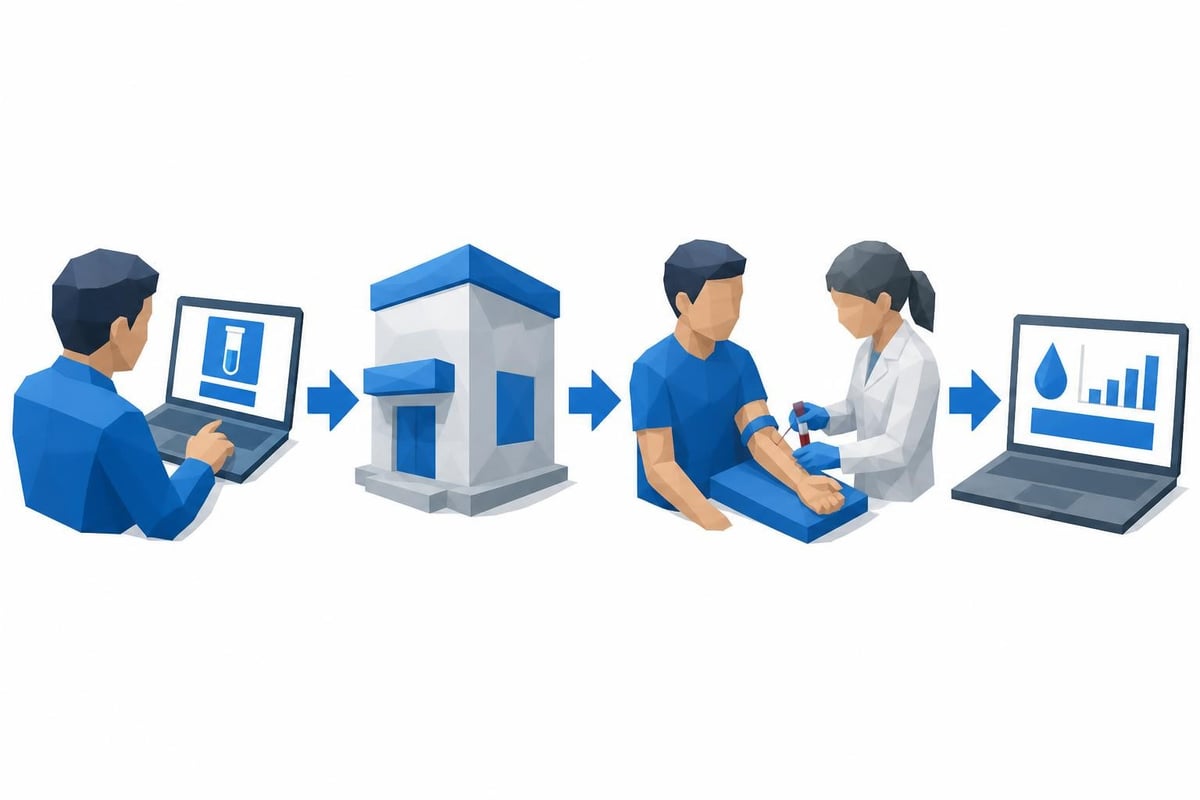
For individuals who decide that CoQ10 testing aligns with their health management goals, accessing testing has become straightforward through modern laboratory services. The process typically involves selecting the desired test, scheduling a convenient appointment at a nearby collection facility, providing a blood sample, and receiving results electronically within days.
Transparent pricing models eliminate uncertainty about testing costs, allowing patients to make informed financial decisions alongside their health choices. This transparency stands in contrast to traditional insurance-based testing, where actual costs often remain unclear until after services are rendered.
The combination of accessibility, affordability, and rapid turnaround makes monitoring health parameters more practical for people managing chronic conditions like elevated cholesterol. While testing alone does not solve health problems, it provides data that can inform conversations with healthcare providers and support shared decision-making about treatment approaches.
CoQ10 testing for statin users offers one tool for investigating muscle symptoms and optimizing cardiovascular medication regimens, though evidence supporting supplementation benefits remains limited. Understanding both the potential value and clear limitations of this testing helps patients make informed decisions about monitoring their health while on statin therapy. If you're interested in checking your CoQ10 levels or exploring other biomarkers relevant to your health management, JustLabs provides convenient access to laboratory testing with transparent pricing, no insurance hassles, and results delivered within days to support informed discussions with your healthcare team.