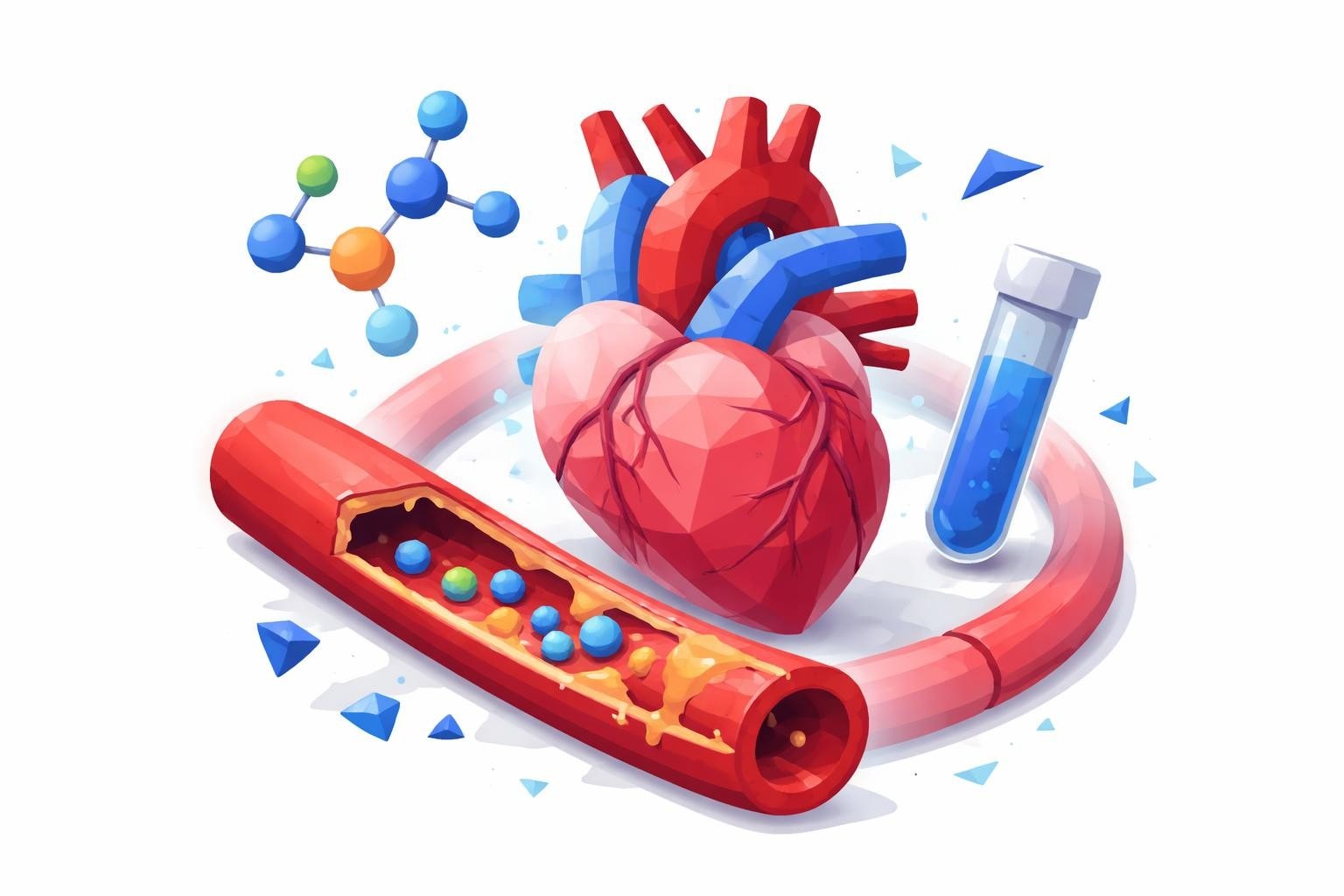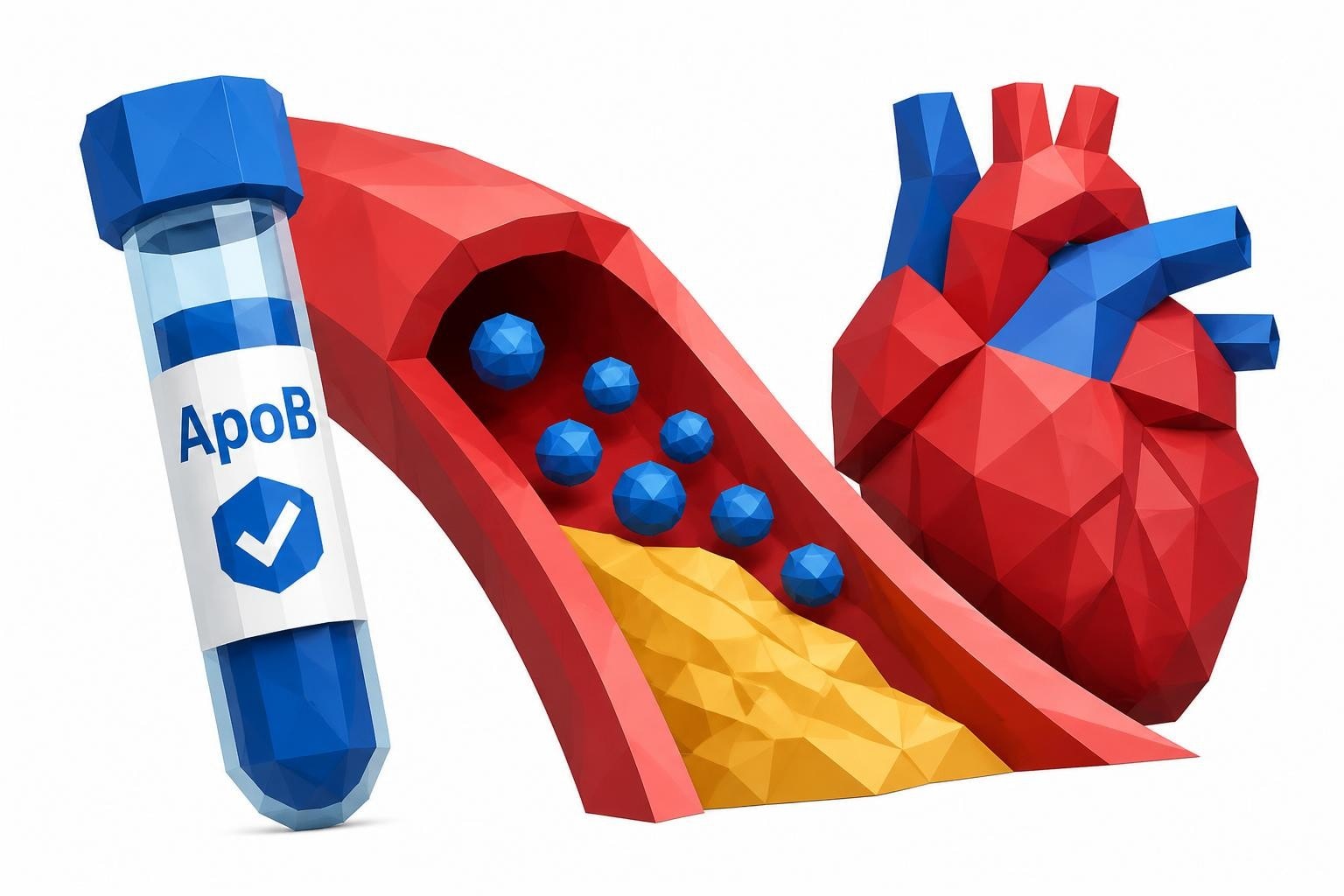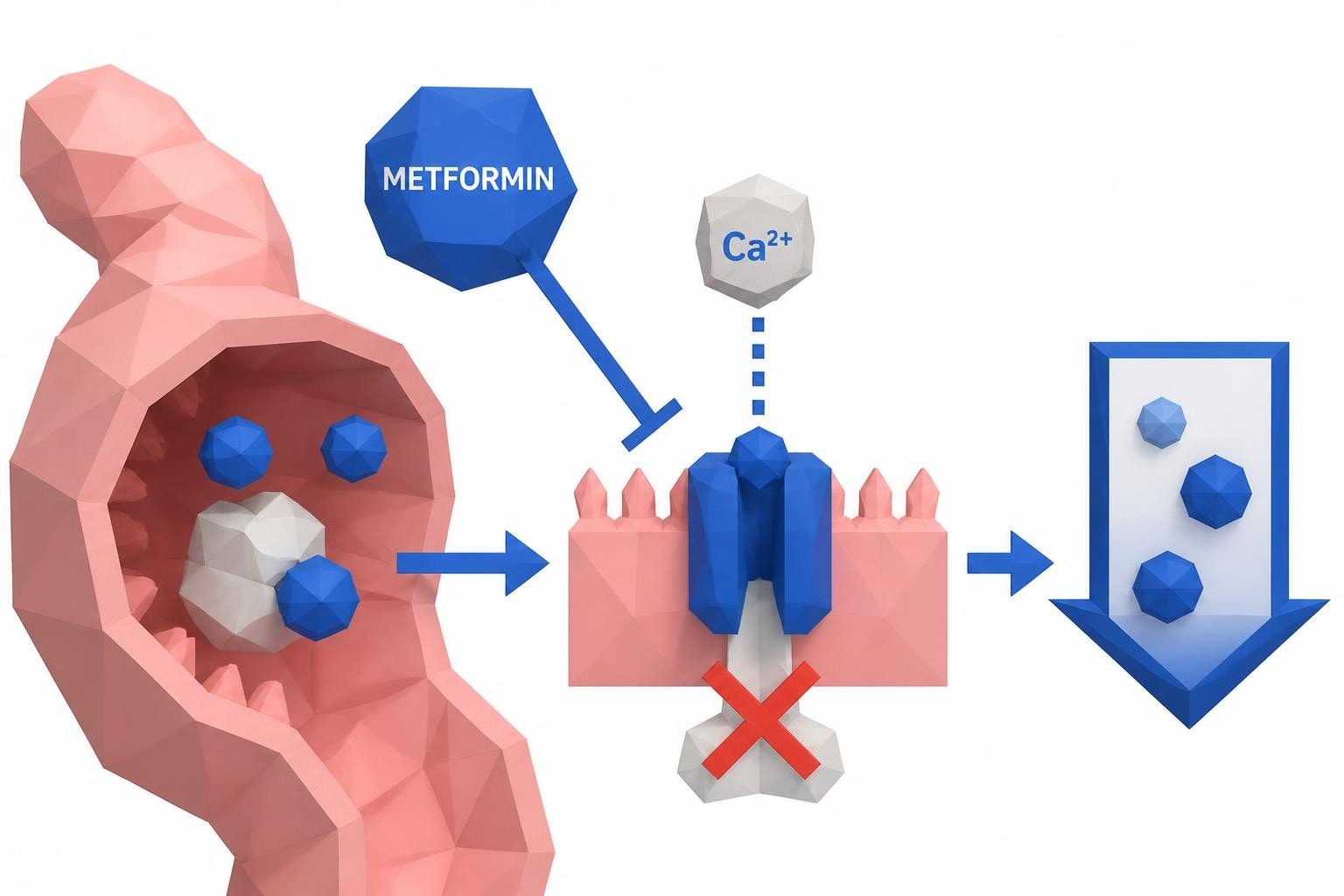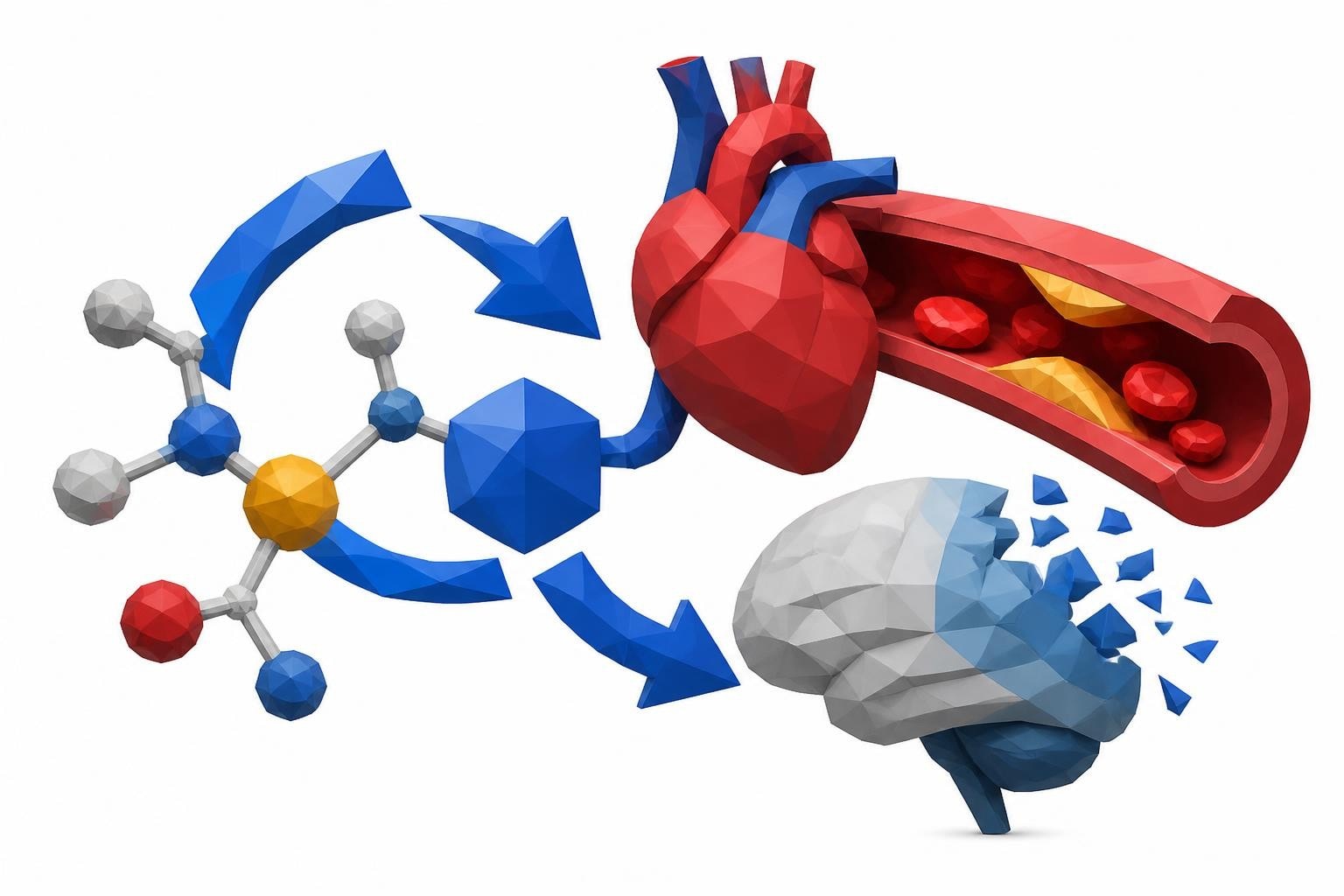
Understanding your cardiovascular and neurological health requires monitoring more than just cholesterol and blood pressure. Homocysteine, an amino acid produced during methionine metabolism, has emerged as a crucial biomarker that provides insight into both heart and brain function. This homocystein cardiovascular brain health marker reveals critical information about your methylation processes, vascular integrity, and risk for serious health conditions. Despite its significance, homocysteine testing remains underutilized in routine health assessments, leaving many people unaware of potential risks that could be addressed through simple interventions.
What Is Homocysteine and Why Does It Matter
Homocysteine is a sulfur-containing amino acid that your body produces naturally when breaking down methionine, an essential amino acid found in protein-rich foods. Under normal circumstances, your body converts homocysteine back into beneficial compounds through methylation pathways that require vitamins B6, B12, and folate.
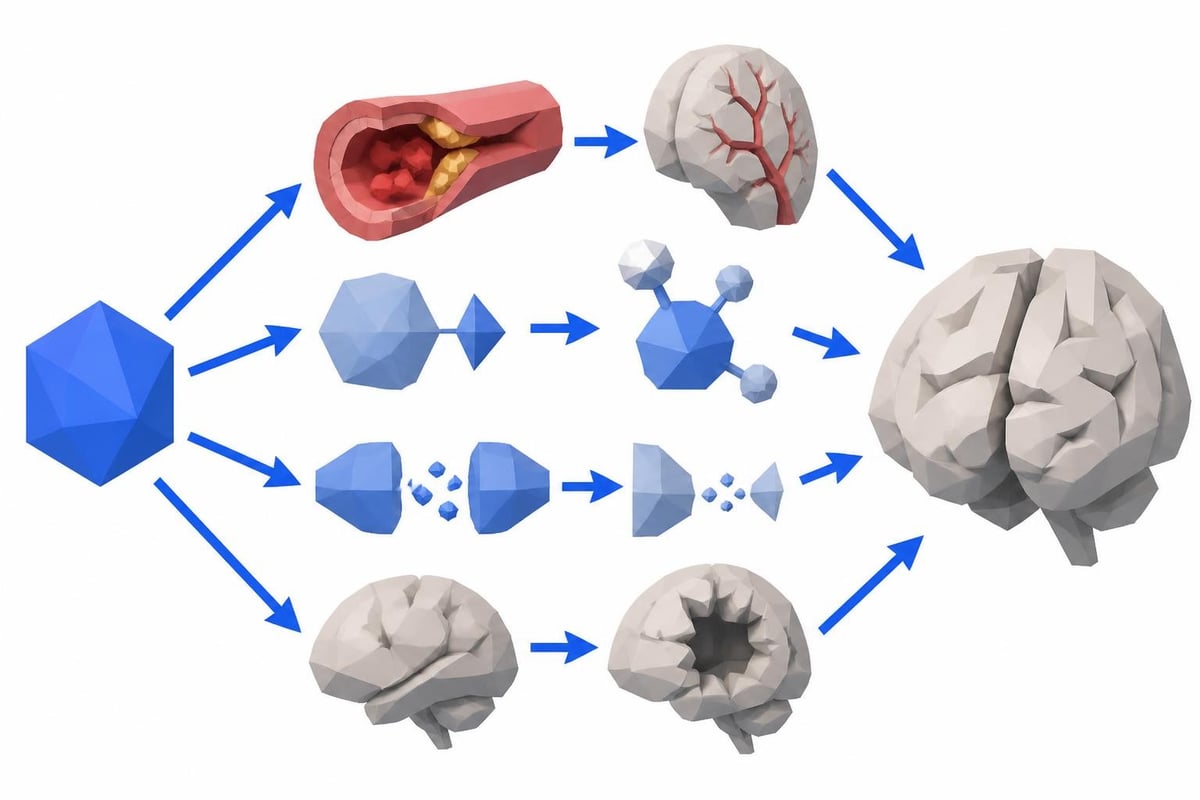
When these conversion processes malfunction, homocysteine accumulates in your bloodstream. Elevated homocysteine levels can damage blood vessel linings, promote inflammation, and interfere with cellular methylation processes essential for DNA repair, neurotransmitter production, and detoxification.
Research has established homocysteine as an underordered cardiovascular risk marker that deserves greater attention in preventive health strategies. The homocystein cardiovascular brain health marker provides unique insights that traditional lipid panels and glucose tests cannot reveal.
The Methylation Connection
Methylation represents one of your body's most fundamental biochemical processes, affecting everything from gene expression to neurotransmitter synthesis. Homocysteine sits at the center of methylation pathways, serving as both a product and substrate of these reactions.
When methylation functions optimally, homocysteine levels remain low. Disruptions to this delicate balance, whether from nutrient deficiencies, genetic variations, or lifestyle factors, cause homocysteine to rise and methylation to suffer.

Homocysteine's Impact on Cardiovascular Health
The relationship between homocysteine and cardiovascular disease has been extensively documented through decades of research. Elevated homocysteine damages endothelial cells that line your blood vessels, initiating a cascade of harmful processes.
This amino acid promotes oxidative stress, inflammatory responses, and arterial stiffness. It interferes with nitric oxide production, compromising your blood vessels' ability to dilate properly. Over time, these effects contribute to atherosclerosis, blood clot formation, and increased cardiovascular event risk.
A comprehensive Mendelian randomization study on homocysteine and cardiovascular disease has provided valuable insights into the causal relationships between elevated levels and heart disease outcomes.
Quantifying Your Risk
Understanding homocysteine levels requires knowing optimal ranges and associated risk categories:
| Homocysteine Level | Classification | Cardiovascular Risk |
|---|---|---|
| Less than 8 µmol/L | Optimal | Minimal |
| 8-10 µmol/L | Normal | Low |
| 11-14 µmol/L | Moderate | Moderate |
| 15-30 µmol/L | Intermediate | High |
| Above 30 µmol/L | Severe | Very High |
Studies indicate that each 5 µmol/L increase in homocysteine correlates with approximately a 20% increase in cardiovascular disease risk. This makes the homocystein cardiovascular brain health marker particularly valuable for risk stratification.
Many conventional medical practices only test homocysteine when specific symptoms arise, yet proactive monitoring enables early intervention before damage accumulates. Accessing lab testing without insurance makes it easier to include homocysteine in your regular health monitoring routine.
Brain Health and Cognitive Function
The connection between homocysteine and neurological health proves equally compelling as its cardiovascular effects. Your brain requires extensive methylation activity for neurotransmitter production, myelin maintenance, and cellular energy generation.
Elevated homocysteine interferes with these critical processes while simultaneously damaging the delicate blood vessels supplying your brain with oxygen and nutrients. This dual mechanism explains why high homocysteine levels correlate strongly with cognitive decline, dementia risk, and stroke incidence.
Research examining homocysteine's role in brain health demonstrates that individuals with elevated levels experience accelerated brain atrophy and faster cognitive deterioration compared to those with optimal levels.
Neurodegenerative Disease Risk
Multiple studies have identified elevated homocysteine as a modifiable risk factor for Alzheimer's disease and vascular dementia. The mechanisms underlying this relationship include:
- Direct neurotoxic effects on brain cells
- Impaired cerebral blood flow
- Increased oxidative stress and inflammation
- Disrupted neurotransmitter synthesis
- Compromised blood-brain barrier integrity
Individuals with homocysteine levels above 14 µmol/L face double the risk of developing Alzheimer's disease compared to those maintaining optimal levels below 10 µmol/L. This significant association positions homocysteine as a homocystein cardiovascular brain health marker with profound implications for long-term cognitive wellness.
Factors That Influence Homocysteine Levels
Understanding what drives homocysteine elevation helps you make informed decisions about testing and intervention strategies. Multiple factors influence your levels, many of which you can modify through lifestyle adjustments.
Nutritional Deficiencies
B vitamin status represents the most significant determinant of homocysteine levels. According to comprehensive resources on homocysteine facts, deficiencies in folate, vitamin B12, or vitamin B6 directly impair your body's ability to process homocysteine efficiently.
Modern dietary patterns, characterized by processed foods and inadequate vegetable consumption, frequently fall short of optimal B vitamin intake. Vegetarians and vegans face particular risk for B12 deficiency since this nutrient occurs primarily in animal products.
Recommended Panel
Vitamin & Mineral Panel
Save $5This panel tests the most commonly deficient nutrients: Vitamin D, B12, Folate, Iron (with complete iron studies), Ferritin, and Magnesium - the building blocks your body needs to function optimally.
Includes 9 biomarkers
$64
Fasting required
Genetic Variations
MTHFR gene polymorphisms affect approximately 40% of the population and reduce the efficiency of folate conversion to its active form. Individuals carrying these genetic variants require higher folate intake to maintain optimal homocysteine levels.
Other genetic factors influencing homocysteine metabolism include variations in genes encoding:
- Cystathionine beta-synthase (CBS)
- Methionine synthase (MTR)
- Methionine synthase reductase (MTRR)
Testing for these variations helps personalize nutritional interventions, though the homocystein cardiovascular brain health marker itself provides actionable information regardless of genetic status.
Lifestyle and Medical Factors
Several additional factors contribute to elevated homocysteine:
| Factor Category | Specific Contributors |
|---|---|
| Lifestyle | Smoking, excessive alcohol consumption, sedentary behavior, chronic stress |
| Medications | Metformin, proton pump inhibitors, certain anticonvulsants, methotrexate |
| Medical Conditions | Kidney disease, hypothyroidism, inflammatory bowel disease, psoriasis |
| Demographics | Advancing age, male gender, postmenopausal status |
Understanding these influences helps identify why your levels might be elevated and guides appropriate intervention strategies. When ordering labs without a doctor, you can proactively monitor how lifestyle changes affect your biomarkers.
Testing and Monitoring Strategies
Homocysteine testing involves a simple blood draw that measures circulating levels in micromoles per liter (µmol/L). The test requires no special preparation, though some practitioners recommend fasting for consistency across multiple measurements.
When to Test
Most health-conscious individuals benefit from baseline homocysteine measurement by age 40, with earlier testing warranted for those with:
- Family history of cardiovascular disease or dementia
- Personal history of blood clots or stroke
- Known MTHFR or other methylation gene variants
- Chronic digestive issues affecting nutrient absorption
- Vegetarian or vegan dietary patterns
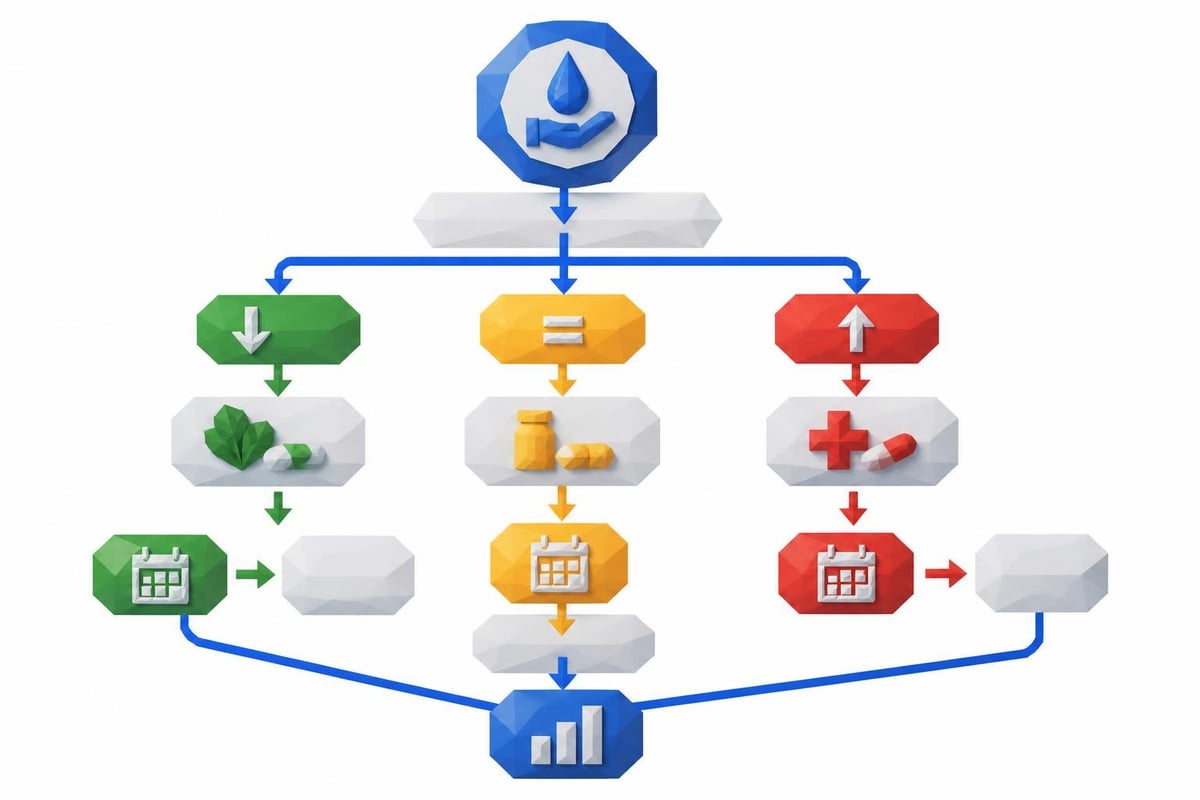
After establishing your baseline, retesting intervals depend on initial results and intervention strategies. Individuals implementing nutritional changes should retest after 8-12 weeks to assess effectiveness.
The homocystein cardiovascular brain health marker provides maximum value when tracked alongside other relevant biomarkers. Understanding lab results in context helps you make informed health decisions based on comprehensive data rather than isolated values.
Recommended Test
Homocysteine
A blood test measuring homocysteine, an amino acid linked to cardiovascular risk and B vitamin status (B12, folate, B6).
Includes 1 biomarkers
$23
Fasting required
Interpreting Results
While conventional reference ranges classify homocysteine levels up to 15 µmol/L as "normal," functional medicine practitioners advocate for much tighter targets. Optimal levels fall between 5-7 µmol/L, where cardiovascular and cognitive protection appears strongest.
Results above 10 µmol/L warrant nutritional assessment and intervention, even if your doctor considers them acceptable. Research examining homocysteine metabolism for predictive medicine supports this more aggressive optimization approach.
Strategies to Optimize Homocysteine Levels
Elevated homocysteine responds remarkably well to targeted interventions, making it one of the most actionable health markers you can monitor. Most individuals achieve significant reductions through nutritional strategies alone.
B Vitamin Supplementation
Supplementing with active forms of B vitamins represents the cornerstone of homocysteine reduction:
- Methylfolate (5-MTHF): 400-800 mcg daily, the active folate form that bypasses MTHFR limitations
- Methylcobalamin: 500-1000 mcg daily, the active B12 form superior to cyanocobalamin
- Pyridoxal-5-phosphate (P5P): 25-50 mg daily, the active B6 form
Studies consistently demonstrate that B vitamin supplementation reduces homocysteine by 25-30% on average. Some individuals achieve reductions exceeding 50% when addressing previously undiagnosed deficiencies.
Dietary Approaches
Food-based strategies support optimal homocysteine metabolism through:
- Consuming folate-rich leafy greens, legumes, and cruciferous vegetables
- Including B12 sources like fish, poultry, eggs, and fortified foods
- Eating B6-rich foods including salmon, chicken, potatoes, and bananas
- Limiting methionine-rich animal proteins to moderate portions
- Reducing alcohol consumption that depletes B vitamins
A comprehensive review of homocysteine's role in cardiovascular disease development emphasizes the preventive potential of dietary modification alongside supplementation.
Lifestyle Modifications
Supporting methylation through lifestyle changes amplifies nutritional interventions:
- Regular physical activity improves B vitamin metabolism
- Stress management preserves methylation capacity
- Adequate sleep supports cellular repair processes
- Smoking cessation eliminates a major homocysteine elevator
- Maintaining healthy kidney function ensures proper homocysteine clearance
These approaches work synergistically, meaning combining multiple strategies produces better results than any single intervention alone. The homocystein cardiovascular brain health marker improves most dramatically when addressing all contributing factors simultaneously.
Integration With Comprehensive Health Assessment
Homocysteine testing delivers maximum value when incorporated into broader health monitoring strategies rather than viewed in isolation. This biomarker interacts with and reflects numerous other physiological systems.
Complementary Biomarkers
Consider testing homocysteine alongside:
| Test Category | Specific Tests | Relationship to Homocysteine |
|---|---|---|
| Cardiovascular | Lipid panel, hs-CRP, Lp(a) | Comprehensive cardiovascular risk assessment |
| Metabolic | Glucose, insulin, HbA1c | Metabolic syndrome connections |
| Nutritional | Vitamin B12, folate, vitamin D | Direct methylation support assessment |
| Thyroid | TSH, free T4, free T3 | Thyroid function affects homocysteine metabolism |
| Inflammatory | hs-CRP, homocysteine together | Combined vascular inflammation markers |
Exploring available lab tests helps you design a comprehensive assessment tailored to your specific health goals and concerns. Many people appreciate the convenience of transparent lab test pricing when planning their health monitoring strategy.
Recommended Panel
Advanced Heart Health Panel
Save $6Go beyond basic cholesterol testing. This advanced panel includes the markers cardiologists use to assess true cardiovascular risk: ApoB, Lp(a), homocysteine, and inflammation.
Includes 10 biomarkers
$86
Fasting required
Personalized Health Optimization
The beauty of monitoring the homocystein cardiovascular brain health marker lies in its responsiveness to intervention. Unlike genetic risk factors you cannot modify, homocysteine levels typically improve dramatically within weeks of implementing appropriate strategies.
This immediate feedback creates powerful motivation for maintaining healthy habits. Tracking your levels over time reveals whether your nutritional and lifestyle approaches effectively support optimal methylation and vascular health.
Resources explaining what homocysteine measures and associated health risks provide valuable context for understanding your results and planning next steps.
Taking Control of Your Vascular and Cognitive Future
The evidence linking elevated homocysteine to cardiovascular disease and cognitive decline continues strengthening as research progresses. What remains clear is that this homocystein cardiovascular brain health marker provides actionable information that empowers you to reduce disease risk through measurable interventions.
Unlike many health risks that develop silently over decades, homocysteine elevation signals problems while you still have time to intervene effectively. Testing allows you to identify and address methylation issues before they manifest as serious disease.
The accessibility of modern lab testing has made monitoring this critical biomarker easier than ever. You no longer need to wait for a doctor's order or navigate insurance complications to access important health information. Detailed information about key takeaways on homocysteine reinforces the importance of testing and optimization.
Proactive Health Management
Taking charge of your health through regular biomarker monitoring represents a fundamental shift from reactive symptom treatment to proactive wellness optimization. The homocystein cardiovascular brain health marker exemplifies this approach by revealing cardiovascular and neurological risks years before symptoms appear.
By testing regularly and implementing evidence-based interventions, you create opportunities to preserve vascular health, maintain cognitive function, and extend your healthspan significantly. The relatively simple interventions required to optimize homocysteine make it one of the most favorable risk factors to address.
Modern approaches to ordering labs without doctor involvement remove traditional barriers that prevented routine monitoring of markers like homocysteine. This democratization of health information empowers individuals to make data-driven decisions about their wellness strategies.
Monitoring homocysteine provides crucial insights into your cardiovascular and brain health that standard testing often misses. This powerful biomarker responds well to nutritional and lifestyle interventions, making it one of the most actionable health metrics you can track. Justlabs makes it simple to access homocysteine testing and other important biomarkers without insurance complications or doctor visits, delivering results in 1-3 days so you can take control of your health optimization journey with affordable, transparent pricing.