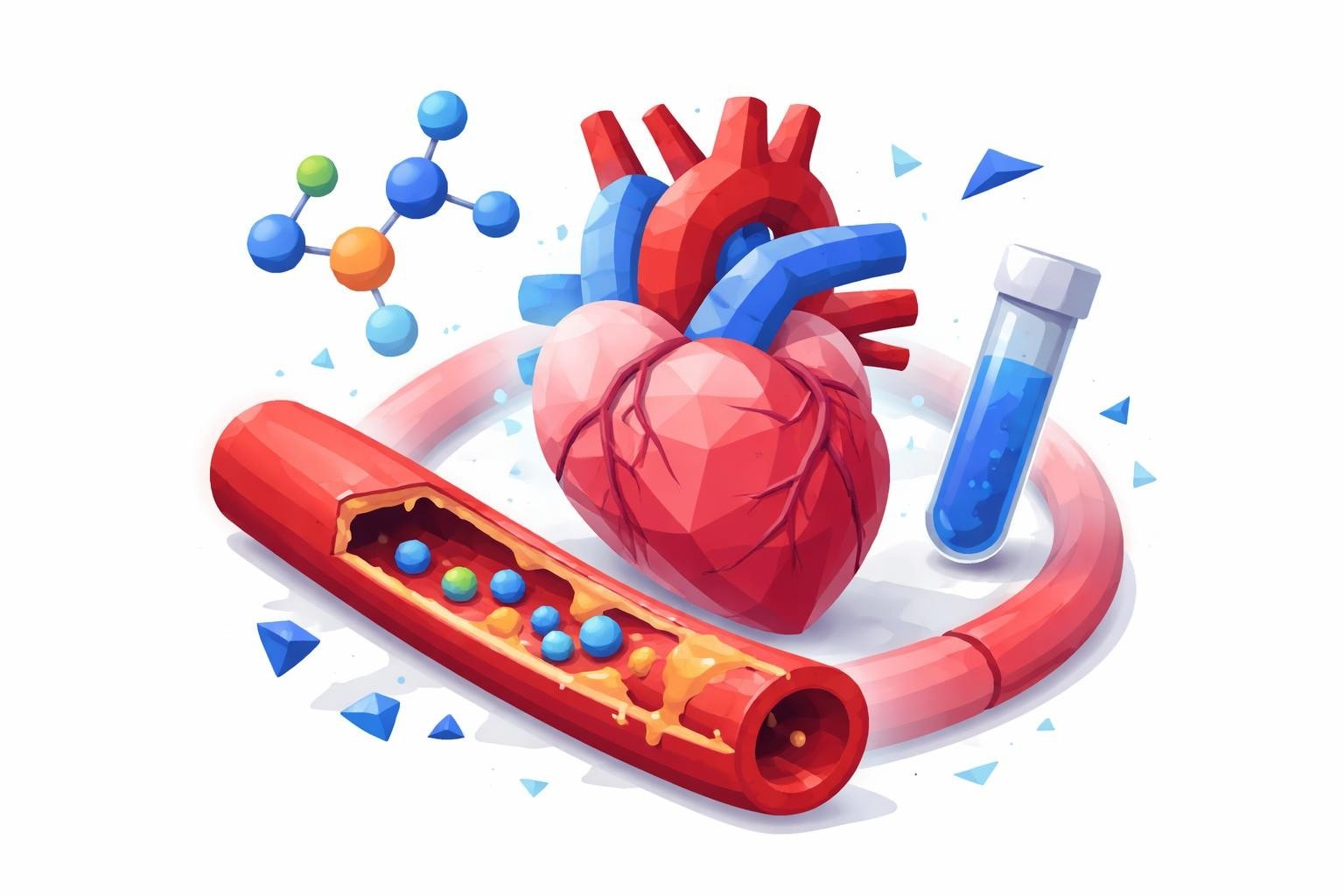
A homocysteine lab test measures the amount of homocysteine, a sulfur-containing amino acid, in your blood. This simple blood test provides valuable insights into your cardiovascular health, vitamin status, and overall metabolic function, helping identify potential health risks before symptoms appear.
Big Picture
- What it measures: The homocysteine lab test quantifies the level of homocysteine in your blood, an amino acid produced when your body breaks down methionine from protein-rich foods
- Why it matters: Elevated homocysteine levels can damage blood vessel walls, increase blood clot formation, and raise your risk of heart disease, stroke, and other vascular problems
- Who should consider testing: People with a family history of heart disease, vitamin B deficiencies, kidney disease, or those experiencing unexplained cardiovascular symptoms
- Vitamin connection: High homocysteine often indicates deficiencies in vitamins B6, B12, or folate, which are essential for proper homocysteine metabolism
- Actionable next step: If you have cardiovascular risk factors or a family history of early heart disease, consider ordering lab tests without a doctor to establish your baseline homocysteine level
Understanding Homocysteine and Its Role in Your Body
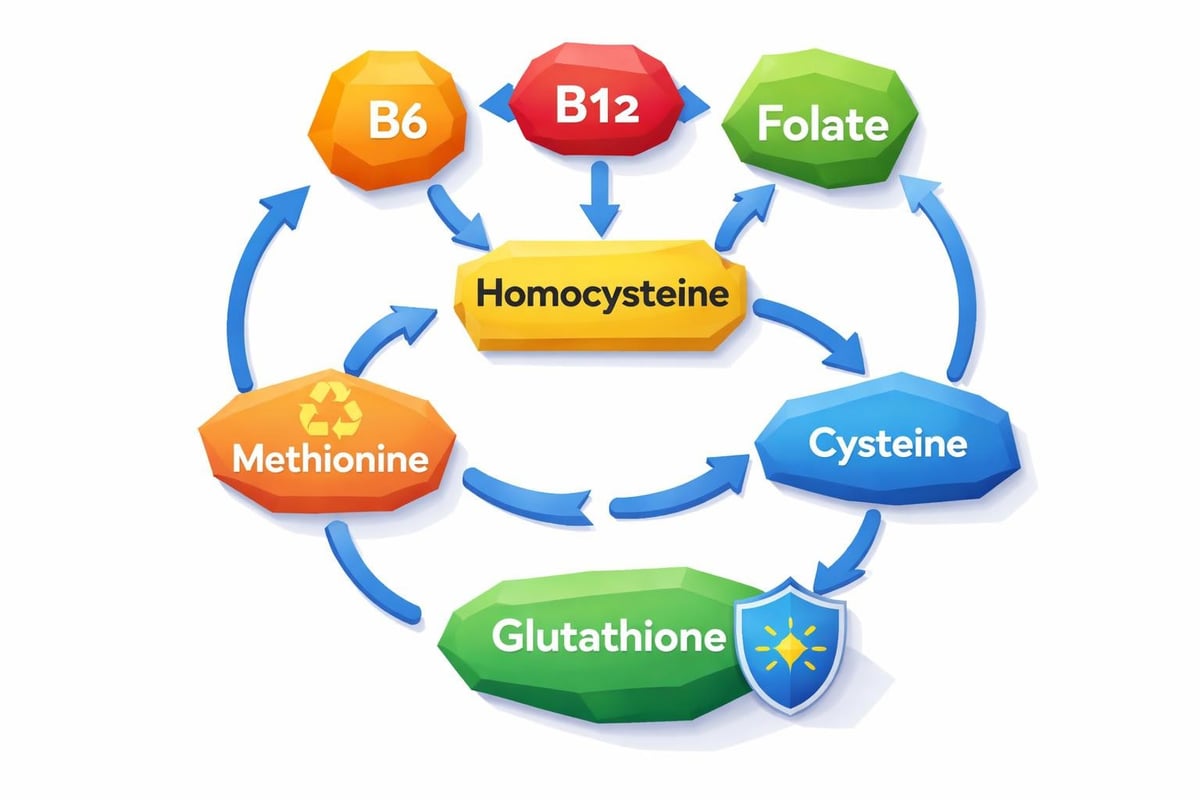
Homocysteine is a naturally occurring amino acid that your body produces during methionine metabolism. Methionine comes from dietary proteins like meat, fish, dairy, and eggs. Under normal circumstances, your body quickly converts homocysteine into other beneficial substances using B vitamins as cofactors.
When this conversion process functions properly, homocysteine levels remain low and pose no health concerns. However, various factors can disrupt this metabolic pathway, causing homocysteine to accumulate in your bloodstream.
The Metabolism Process
Your body uses two primary pathways to process homocysteine:
Remethylation pathway: Vitamin B12 and folate help convert homocysteine back into methionine, which your body can use for protein synthesis and other essential functions.
Transsulfuration pathway: Vitamin B6 facilitates the conversion of homocysteine into cysteine, another amino acid that serves as a building block for proteins and antioxidants.
When you lack adequate amounts of these B vitamins, or when genetic variations affect enzyme function, homocysteine begins to accumulate. This accumulation can damage your vascular system over time.
Why Healthcare Providers Order Homocysteine Testing
The homocysteine test serves multiple diagnostic purposes, making it a valuable tool for assessing various health conditions. Healthcare providers typically order this test when evaluating cardiovascular risk or investigating vitamin deficiencies.
Cardiovascular Risk Assessment
Research has established strong connections between elevated homocysteine levels and cardiovascular disease. High homocysteine can:
- Damage the inner lining of arteries (endothelial dysfunction)
- Promote inflammation in blood vessel walls
- Increase oxidative stress throughout the vascular system
- Enhance platelet aggregation, raising clot formation risk
- Accelerate atherosclerotic plaque development
These effects combine to significantly increase your risk of heart attack, stroke, and peripheral vascular disease. Understanding cardiovascular test results helps you take proactive steps toward heart health.
Vitamin Deficiency Detection
Since B vitamins play crucial roles in homocysteine metabolism, elevated levels often signal nutritional deficiencies. The homocysteine lab test can reveal:
- Vitamin B12 deficiency, common in older adults and vegetarians
- Folate deficiency, which may occur with poor diet or malabsorption
- Vitamin B6 insufficiency, though less common than B12 or folate deficiencies
Special Medical Situations
| Clinical Scenario | Testing Purpose |
|---|---|
| Family history of early heart disease | Identify genetic predisposition to elevated homocysteine |
| Recurrent miscarriages | Assess homocysteine as a potential contributing factor |
| Chronic kidney disease | Monitor homocysteine elevation due to impaired clearance |
| Inflammatory bowel disease | Check for vitamin malabsorption affecting homocysteine levels |
The Testing Process and What to Expect
Getting a homocysteine lab test is straightforward and requires minimal preparation. The procedure follows standard blood collection protocols used for most laboratory tests.
Preparation Requirements
Most healthcare providers recommend fasting for 8-12 hours before your homocysteine test. Fasting helps ensure accurate results by minimizing dietary influences on your homocysteine levels.
You should continue taking any prescribed medications unless your healthcare provider instructs otherwise. However, inform the testing facility about all medications and supplements you're taking, as some may influence results.
Collection Procedure
A healthcare professional will:
- Clean the puncture site with an antiseptic solution
- Insert a small needle into a vein, typically in your arm
- Collect blood into one or more specialized tubes
- Apply pressure and a bandage to the puncture site
The entire process takes just a few minutes. According to Testing.com's homocysteine information, the blood sample requires special handling to prevent artificial elevation of homocysteine levels during processing.
Result Timeline
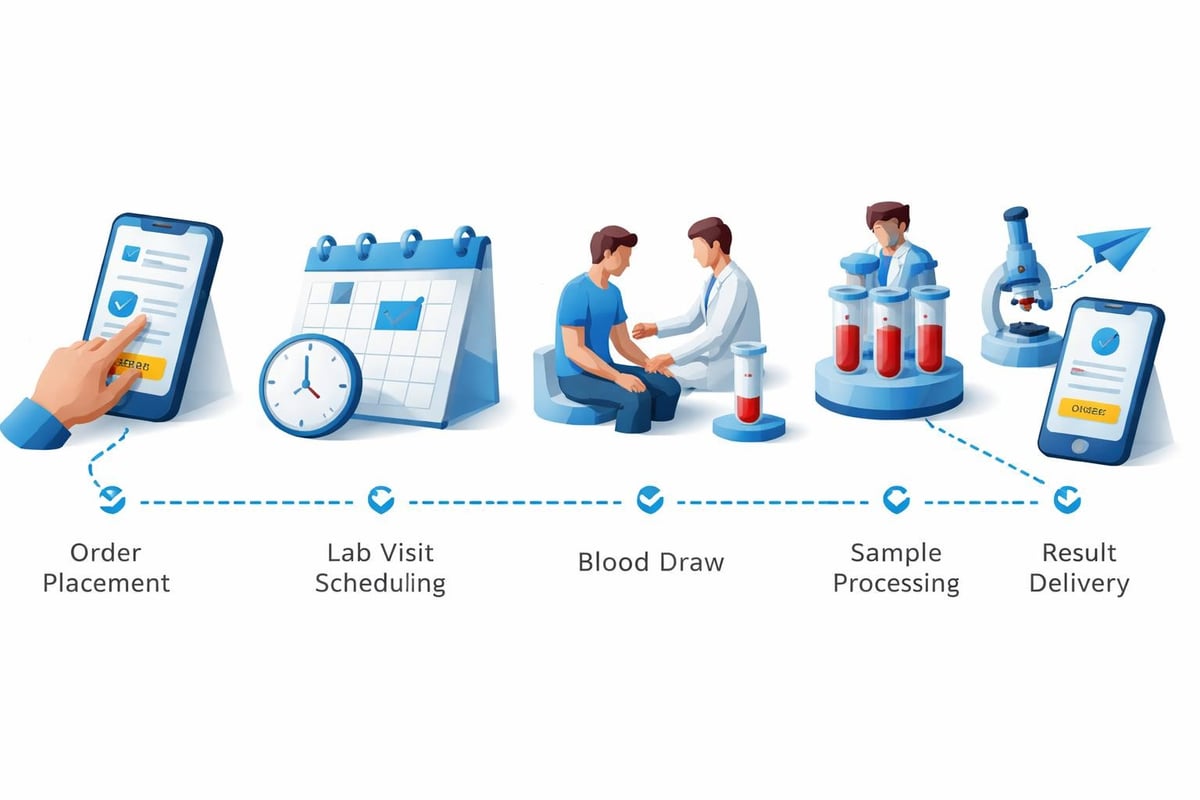
When you get lab tests through accessible options, results typically become available within 1-3 days. The laboratory measures homocysteine concentration in micromoles per liter (μmol/L).
Interpreting Your Homocysteine Results
Understanding what your homocysteine lab test results mean helps you make informed decisions about your health. Reference ranges vary slightly between laboratories, but general guidelines remain consistent.
Normal Range Classifications
Optimal: 5-7 μmol/L Most healthcare providers consider these levels ideal for cardiovascular health. Values in this range suggest adequate B vitamin status and efficient homocysteine metabolism.
Normal: 7-15 μmol/L These levels fall within the standard reference range for most laboratories. While not alarming, values at the higher end may warrant monitoring.
Moderate elevation: 15-30 μmol/L This range indicates moderately elevated homocysteine that may increase cardiovascular risk. Healthcare experts at My ADLM recommend investigating underlying causes and considering intervention.
Severe elevation: Above 30 μmol/L These high levels require immediate attention and investigation for genetic disorders, severe vitamin deficiencies, or other medical conditions.
Factors Affecting Results
Many variables can influence your homocysteine levels:
- Age: Levels typically increase with age
- Gender: Men generally have higher levels than women
- Kidney function: Impaired kidney function reduces homocysteine clearance
- Medications: Certain drugs, including methotrexate and anticonvulsants, can raise levels
- Lifestyle factors: Smoking and excessive coffee consumption may elevate homocysteine
Health Implications of Elevated Homocysteine
When your homocysteine lab test reveals elevated levels, understanding the potential health consequences becomes essential. High homocysteine doesn't just affect one body system but can impact multiple aspects of your health.
Cardiovascular Consequences
Research consistently demonstrates links between elevated homocysteine and increased cardiovascular disease risk. Each 5 μmol/L increase in homocysteine may raise heart disease risk by approximately 20-30%.
The mechanisms behind this increased risk include:
- Endothelial damage: Homocysteine directly injures the cells lining blood vessels, creating sites where atherosclerotic plaques can form
- Inflammation promotion: Elevated levels trigger inflammatory responses that further damage vascular tissue
- Thrombosis enhancement: High homocysteine increases blood clotting tendency, raising stroke and heart attack risk
Neurological Effects
Beyond cardiovascular concerns, elevated homocysteine may affect brain health. Studies suggest associations between high homocysteine levels and:
- Increased risk of cognitive decline
- Higher rates of dementia and Alzheimer's disease
- Greater likelihood of depression
- Potential links to neural tube defects in developing fetuses
Bone Health Considerations
Emerging research indicates that elevated homocysteine might compromise bone strength by:
- Interfering with collagen cross-linking in bone matrix
- Increasing bone fragility
- Potentially raising fracture risk, particularly in older adults
Lowering Elevated Homocysteine Levels
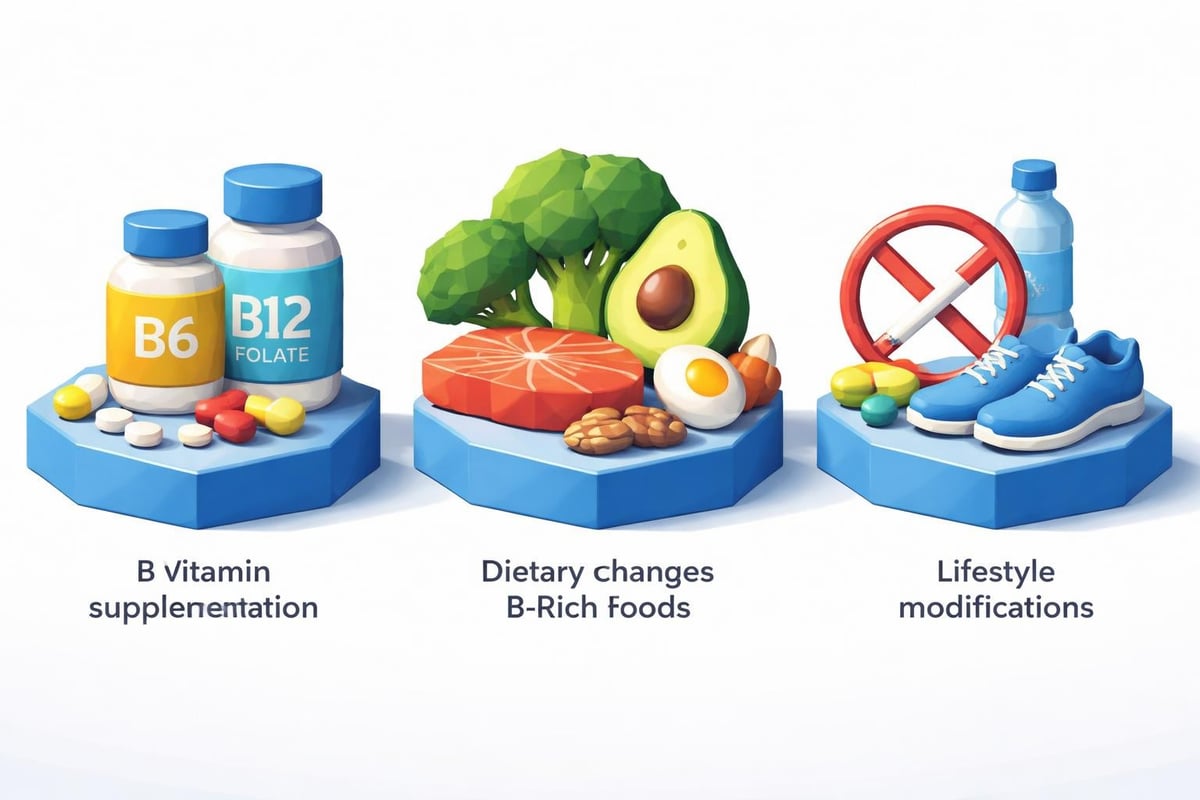
If your homocysteine lab test shows elevated levels, several evidence-based strategies can help reduce them. Most interventions focus on addressing vitamin deficiencies and making lifestyle modifications.
B Vitamin Supplementation
Since B vitamin deficiencies frequently cause elevated homocysteine, supplementation often proves highly effective:
| Vitamin | Typical Dose | Expected Effect |
|---|---|---|
| Folic acid | 400-1000 μg daily | Can reduce levels by 25% or more |
| Vitamin B12 | 500-1000 μg daily | Particularly effective for deficiency-related elevation |
| Vitamin B6 | 25-50 mg daily | Supports transsulfuration pathway function |
Many people benefit from combination B-complex supplements that provide all three vitamins together. According to HealthLabs' homocysteine testing guide, supplementation can significantly reduce levels within weeks to months.
Dietary Modifications
Increasing your intake of foods rich in B vitamins supports healthy homocysteine metabolism:
- Folate sources: Leafy green vegetables, legumes, fortified grains, citrus fruits
- B12 sources: Meat, fish, poultry, eggs, dairy products, fortified plant-based alternatives
- B6 sources: Poultry, fish, potatoes, chickpeas, bananas, fortified cereals
Lifestyle Changes
Beyond nutrition, several lifestyle modifications can help lower homocysteine:
- Quit smoking: Tobacco use raises homocysteine levels
- Moderate coffee intake: Excessive coffee consumption may elevate levels
- Regular exercise: Physical activity supports healthy metabolism
- Limit alcohol: Heavy drinking can interfere with B vitamin absorption and utilization
Who Should Consider Homocysteine Testing
While not part of routine screening for everyone, specific groups benefit significantly from homocysteine testing. Understanding whether you fall into these categories helps you make informed testing decisions.
High-Risk Populations
Family history concerns: If close relatives experienced heart attacks, strokes, or cardiovascular disease before age 55 (men) or 65 (women), testing provides valuable risk assessment information.
Known cardiovascular disease: People with diagnosed heart disease, peripheral artery disease, or previous stroke should monitor homocysteine as part of comprehensive cardiovascular management.
Chronic conditions: Those with kidney disease, diabetes, or inflammatory bowel disorders face higher risks of elevated homocysteine due to impaired metabolism or vitamin malabsorption.
Reproductive Health Situations
Women experiencing recurrent pregnancy loss may benefit from homocysteine testing. Elevated levels have been associated with:
- Increased miscarriage risk
- Higher rates of pregnancy complications
- Potential neural tube defects in developing fetuses
Testing before conception allows for intervention that may improve pregnancy outcomes.
Unexplained Symptoms
Consider testing if you experience:
- Unusual fatigue despite adequate rest
- Cognitive difficulties or memory problems
- Premature graying of hair (a possible B12 deficiency sign)
- Numbness or tingling in extremities
Cost Considerations and Accessibility
Understanding the financial aspects of homocysteine testing helps you plan for this important health assessment. Traditional healthcare routes often involve multiple costs that can add up quickly.
Traditional Healthcare Costs
When ordered through conventional channels, homocysteine testing typically involves:
- Office visit copay or fee ($50-200)
- Laboratory test fee ($50-150)
- Potential insurance deductible amounts
- Follow-up visit costs for result discussion
Insurance coverage varies considerably. Some plans cover homocysteine testing only when specific diagnostic criteria are met, while others may deny coverage entirely for preventive screening.
Direct-Access Testing Advantages
Self-pay lab testing services eliminate many traditional barriers:
Transparent pricing: You know the exact cost upfront without surprise bills or insurance negotiations. Understanding lab test pricing helps you budget effectively.
No doctor visit required: Skip the office visit and associated fees while still accessing professional laboratory testing.
Quick results: Most direct-access services deliver results within 1-3 days, comparable to or faster than traditional ordering methods.
Convenient scheduling: Choose when and where to have your blood drawn based on your schedule.
Key Takeaways
- The homocysteine lab test measures an amino acid that, when elevated, indicates increased cardiovascular risk and potential vitamin B deficiencies
- Normal levels typically range from 5-15 μmol/L, with levels above 15 μmol/L warranting investigation and potential intervention
- B vitamin supplementation (particularly B12, folate, and B6) effectively reduces elevated homocysteine in most cases
- People with family history of early heart disease, chronic conditions, or unexplained cardiovascular symptoms should consider testing
- Direct-access laboratory services provide affordable, convenient testing without requiring insurance or doctor visits
- Results typically become available within 1-3 days, allowing you to take prompt action based on findings
FAQ
How accurate is the homocysteine lab test?
The homocysteine lab test is highly accurate when performed in certified laboratories using standard methodology. Laboratory Corporation testing utilizes immunoassay or chromatography methods with excellent precision. However, proper sample handling is critical, as homocysteine levels can increase artificially if blood samples aren't processed quickly or stored correctly.
Can I eat before a homocysteine test?
Most healthcare providers recommend fasting for 8-12 hours before your homocysteine lab test. While some sources suggest fasting isn't absolutely necessary, it helps ensure the most accurate results by eliminating dietary variables. According to Access Labs' testing information, you can drink water during the fasting period, but avoid food, coffee, and other beverages.
How often should I retest my homocysteine levels?
Retesting frequency depends on your initial results and interventions. If your first test shows normal levels and you have no risk factors, retesting every 2-3 years during routine health assessments may suffice. For elevated levels, retest 8-12 weeks after starting supplementation or dietary changes to assess intervention effectiveness. People with persistently elevated levels despite treatment may need quarterly monitoring.
Does the homocysteine test require any special preparation besides fasting?
Beyond the recommended 8-12 hour fast, minimal special preparation is needed. Continue taking prescribed medications unless instructed otherwise by your healthcare provider. Inform the testing facility about all medications and supplements, particularly those containing B vitamins, as they may influence results. Avoid smoking and excessive exercise immediately before testing, as these can temporarily affect levels.
What's the difference between homocysteine testing and other cardiovascular markers?
The homocysteine lab test provides unique information distinct from standard cardiovascular markers. While cholesterol panels assess lipid levels and C-reactive protein measures inflammation, homocysteine specifically evaluates amino acid metabolism and vitamin status. Resources like School Titers' homocysteine information explain how this test complements rather than replaces other cardiovascular assessments, providing a more comprehensive risk profile.
Can medications affect homocysteine levels?
Yes, several medications can influence homocysteine levels. Methotrexate, used for cancer and autoimmune conditions, often raises levels by interfering with folate metabolism. Some anticonvulsants, including phenytoin and carbamazepine, may elevate homocysteine. Certain cholesterol-lowering drugs and diabetes medications can also affect levels. Always inform your healthcare provider or testing facility about all medications you're taking.
Is homocysteine testing covered by insurance?
Insurance coverage for homocysteine testing varies significantly by plan and indication. Some insurers cover testing when ordered for specific medical reasons, such as investigating recurrent blood clots or known cardiovascular disease. However, many plans deny coverage for preventive or screening purposes. Memorial Medical Center's testing guidelines note that medical necessity documentation often determines coverage decisions.
What happens if my homocysteine stays elevated despite treatment?
Persistently elevated homocysteine despite adequate B vitamin supplementation may indicate genetic variations affecting homocysteine metabolism, such as MTHFR mutations. Your healthcare provider might recommend genetic testing to identify these variations. Additionally, reassess medication lists, kidney function, and thyroid status, as these factors can contribute to resistant elevations. Some people require higher supplement doses or prescription-strength B vitamins.
Understanding your homocysteine levels provides valuable insights into your cardiovascular health and nutritional status, empowering you to take proactive steps toward better health outcomes. Whether you're monitoring known risk factors or establishing a baseline for future comparison, accessing affordable testing has never been easier. Justlabs makes it simple to order your homocysteine lab test online with transparent pricing, no insurance requirements, and results delivered in just 1-3 days, putting you in control of your health journey.