When your heart suddenly races, skips a beat, or pounds in your chest, the experience can be unsettling. While many people associate heart palpitations with cardiac issues, thyroid dysfunction represents one of the most common yet frequently overlooked causes. Understanding the relationship between thyroid health and heart rhythm is essential for proper diagnosis and effective treatment.
Big picture
- Heart palpitations are sensations where you become aware of your heartbeat, which may feel like racing, fluttering, pounding, or skipping beats
- Thyroid hormones directly regulate heart rate and rhythm, making both hyperthyroidism (excess) and hypothyroidism (deficiency) potential triggers for palpitations
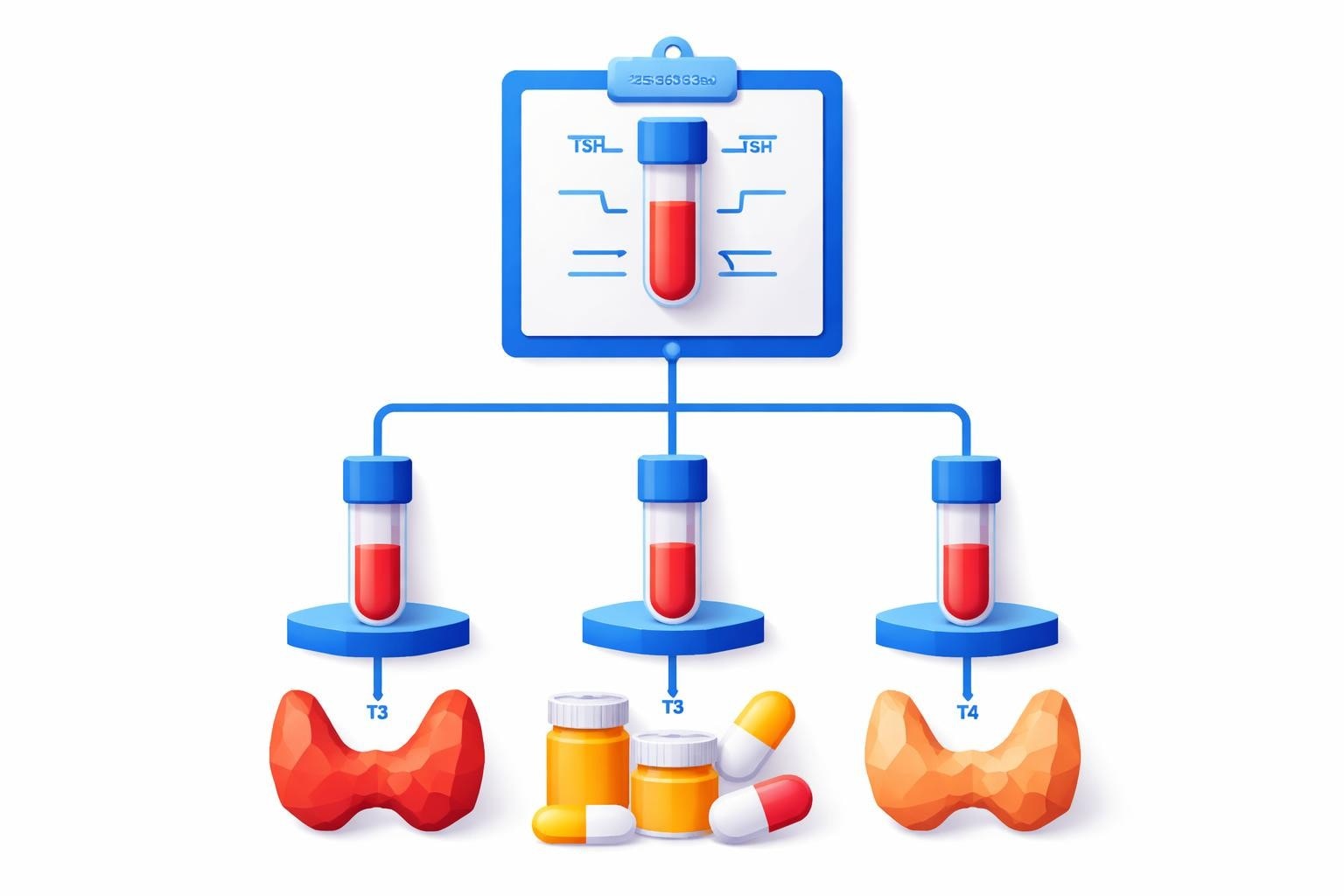
- A comprehensive heart palpitations workup thyroid evaluation involves multiple blood tests measuring TSH, free T4, free T3, and thyroid antibodies to identify dysfunction
- Approximately 60% of patients with hyperthyroidism experience palpitations as a primary symptom, while some hypothyroid patients also report irregular heartbeats
- Early detection through lab testing allows for prompt treatment before thyroid-related palpitations progress to more serious cardiac complications
- Take action by getting baseline thyroid testing if you experience unexplained palpitations, especially when accompanied by weight changes, temperature sensitivity, or energy fluctuations
Understanding the Thyroid-Heart Connection
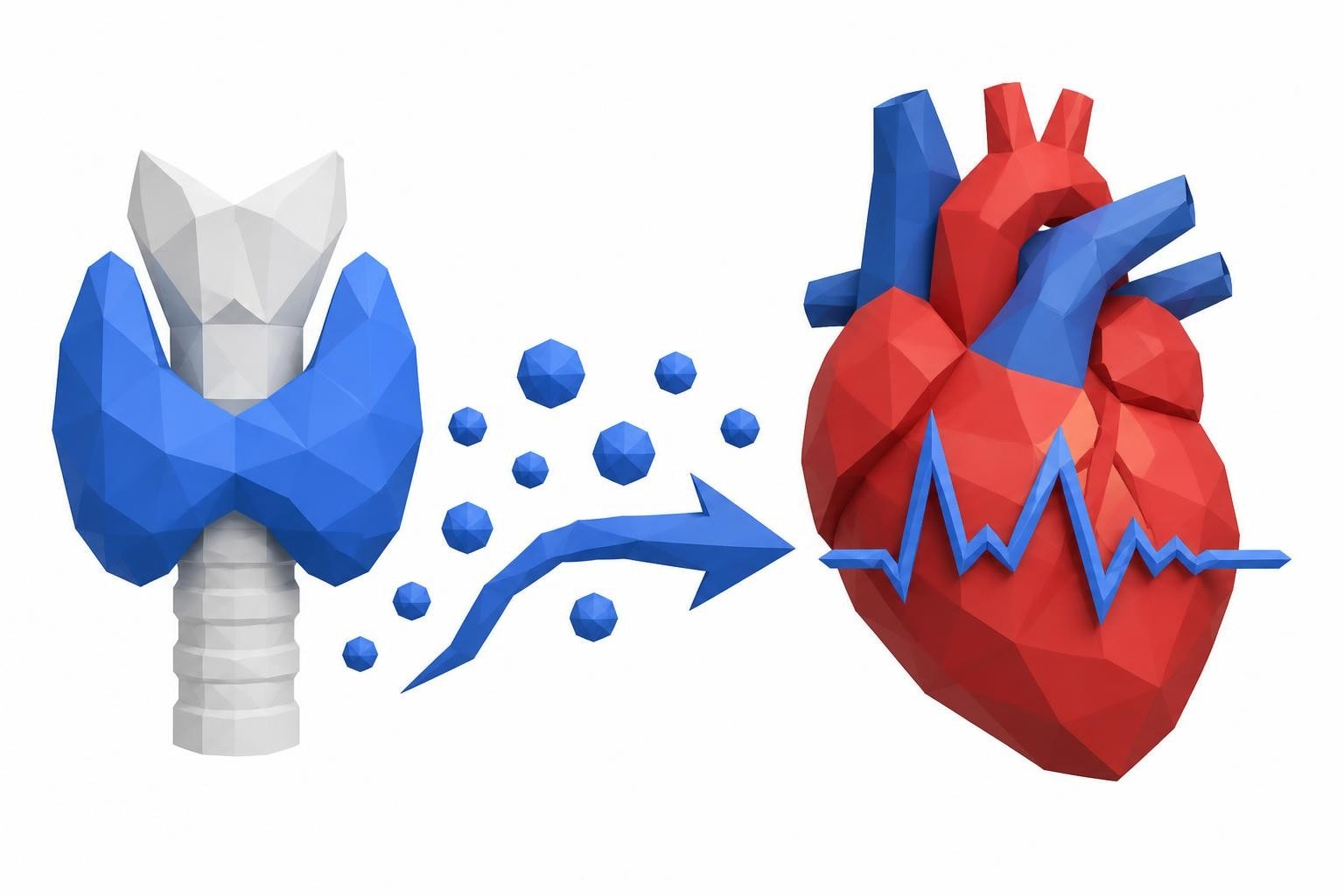
The thyroid gland produces hormones that regulate metabolism throughout your entire body, including your cardiovascular system. These hormones influence heart rate, cardiac output, and the force of heart contractions.
When thyroid hormone levels become imbalanced, your heart responds accordingly. Harvard Health Publishing explores the phenomenon of heart palpitations and notes that endocrine disorders rank among the top non-cardiac causes requiring investigation.
How Hyperthyroidism Triggers Palpitations
Excess thyroid hormone accelerates your metabolism and overstimulates the cardiovascular system. This creates several mechanisms for palpitations:
- Increased heart rate (tachycardia) with resting pulse often exceeding 100 beats per minute
- Enhanced sensitivity to adrenaline and stress hormones
- Elevated cardiac output forcing the heart to work harder
- Atrial fibrillation risk increases significantly with untreated hyperthyroidism
Patients with hyperthyroidism often describe a persistent awareness of their heartbeat, even during rest. The sensation may intensify during physical activity or stressful situations.
Hypothyroidism and Heart Rhythm
While less common than with hyperthyroidism, hypothyroidism can also cause palpitations through different mechanisms. Low thyroid hormone levels may lead to:
- Compensatory increases in heart rate to maintain adequate circulation
- Electrolyte imbalances affecting cardiac conduction
- Elevated cholesterol contributing to cardiovascular strain
- Fluid retention around the heart (pericardial effusion)
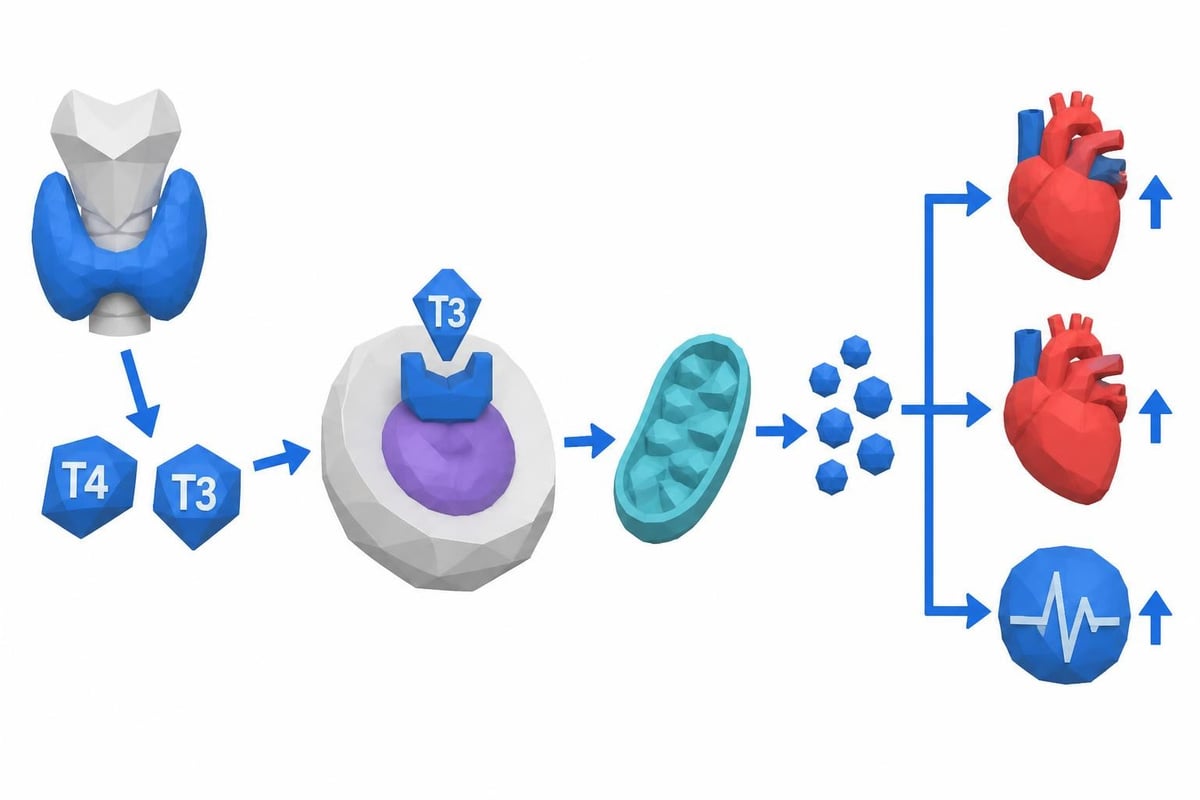
Essential Lab Tests for Heart Palpitations Workup Thyroid Evaluation
A thorough heart palpitations workup thyroid assessment requires specific blood tests that measure different aspects of thyroid function. Understanding which tests to order helps ensure comprehensive evaluation.
Thyroid Stimulating Hormone (TSH)
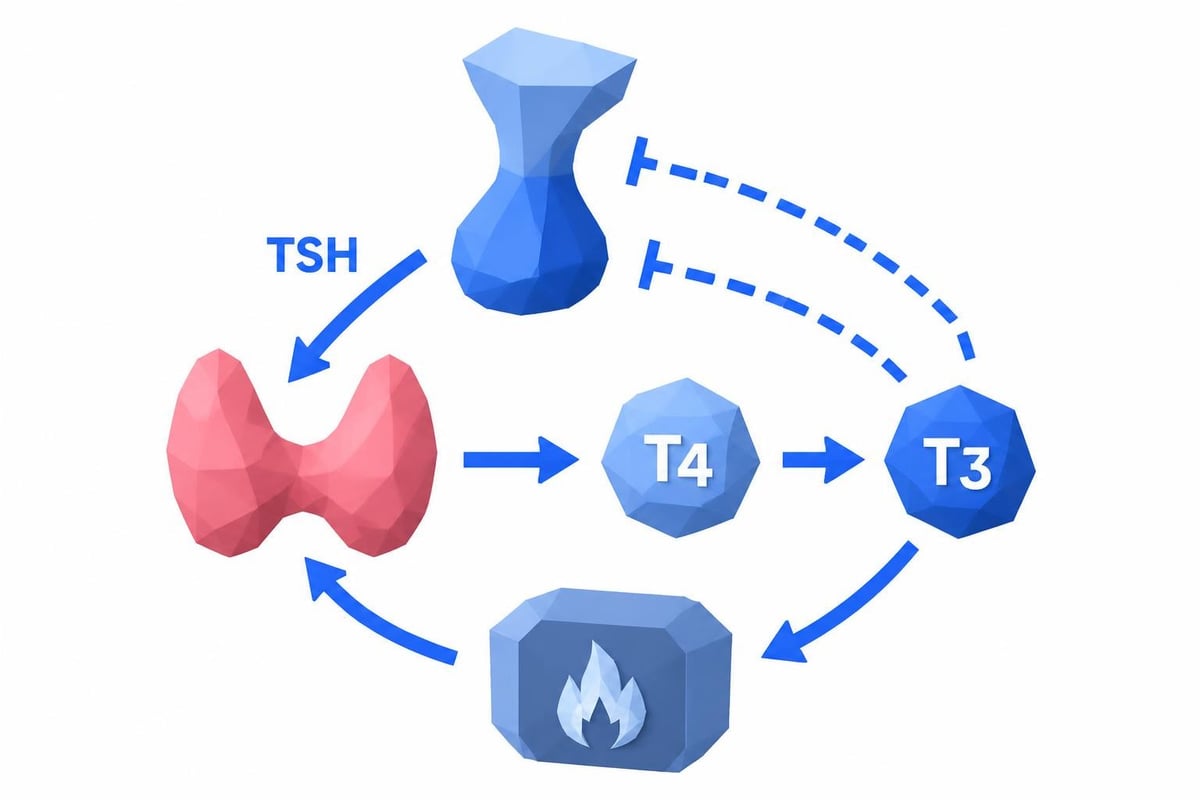
TSH serves as the first-line screening test for thyroid dysfunction. Produced by the pituitary gland, TSH regulates thyroid hormone production.
Recommended Test
TSH (Thyroid Stimulating Hormone)
The TSH test is the gold standard for evaluating thyroid function. It's the first test doctors order when thyroid problems are suspected.
Includes 1 biomarkers
$9
Normal ranges typically fall between 0.4 and 4.0 mIU/L, though optimal levels may vary. Low TSH suggests hyperthyroidism, while elevated TSH indicates hypothyroidism. However, TSH alone doesn't provide the complete picture.
Free T4 and Free T3
These tests measure the active, unbound thyroid hormones circulating in your bloodstream. Free T4 (thyroxine) converts to free T3 (triiodothyronine), the more potent form.
Recommended Test
Free T4 (Thyroxine)
Free T4 measures the unbound, active form of thyroxine - the main hormone produced by your thyroid gland. Unlike total T4, free T4 is not affected by protein levels and gives a more accurate picture of thyroid function.
Includes 1 biomarkers
$9
Recommended Test
Free T3 (Triiodothyronine)
Free T3 measures the unbound, most active form of thyroid hormone. T3 is 3-4 times more potent than T4 and directly affects metabolism, heart rate, body temperature, and energy levels.
Includes 1 biomarkers
$14
For patients experiencing palpitations, both measurements matter because some individuals have normal TSH but abnormal T3 or T4 levels.
Thyroid Antibody Testing
Autoimmune conditions like Hashimoto's thyroiditis and Graves' disease cause many thyroid disorders. Antibody tests identify these conditions:
Recommended Test
TPO Antibodies (Thyroid Peroxidase)
TPO antibodies are markers of autoimmune thyroid disease. Elevated levels indicate Hashimoto's thyroiditis, the most common cause of hypothyroidism in the United States.
Includes 1 biomarkers
$14
Recommended Test
Thyroglobulin Antibodies
Thyroglobulin antibodies target thyroglobulin protein in the thyroid gland. Elevated levels indicate autoimmune thyroid disease and are also important for thyroid cancer monitoring.
Includes 1 biomarkers
$15
| Test | What It Measures | Significance for Palpitations |
|---|---|---|
| TSH | Pituitary regulation of thyroid | First indicator of dysfunction |
| Free T4 | Primary thyroid hormone | Direct measure of thyroid output |
| Free T3 | Active thyroid hormone | Most metabolically active form |
| TPO Antibodies | Autoimmune thyroid attack | Identifies Hashimoto's or Graves' |
| Thyroglobulin Antibodies | Additional autoimmune marker | Confirms autoimmune involvement |
When to Pursue a Heart Palpitations Workup Thyroid Assessment
Not every instance of palpitations requires immediate testing, but certain patterns and accompanying symptoms warrant investigation. UCSF Health offers information on the causes, symptoms, diagnosis, and treatment of heart palpitations that helps distinguish concerning cases.
Red Flag Symptoms
Seek medical evaluation if palpitations occur alongside:
- Unexplained weight loss or gain (10+ pounds in a month)
- Persistent fatigue despite adequate rest
- Heat or cold intolerance
- Tremors in your hands
- Changes in bowel habits
- Menstrual irregularities
- Sleep disturbances
- Anxiety or mood changes
Frequency and Duration Considerations
The pattern of your palpitations provides important diagnostic clues. Document these details:
- How often palpitations occur (daily, weekly, monthly)
- How long each episode lasts (seconds, minutes, hours)
- What triggers them (exercise, stress, caffeine, rest)
- Associated symptoms during episodes
- Time of day when they're most common
This information helps healthcare providers determine the urgency and scope of testing needed.
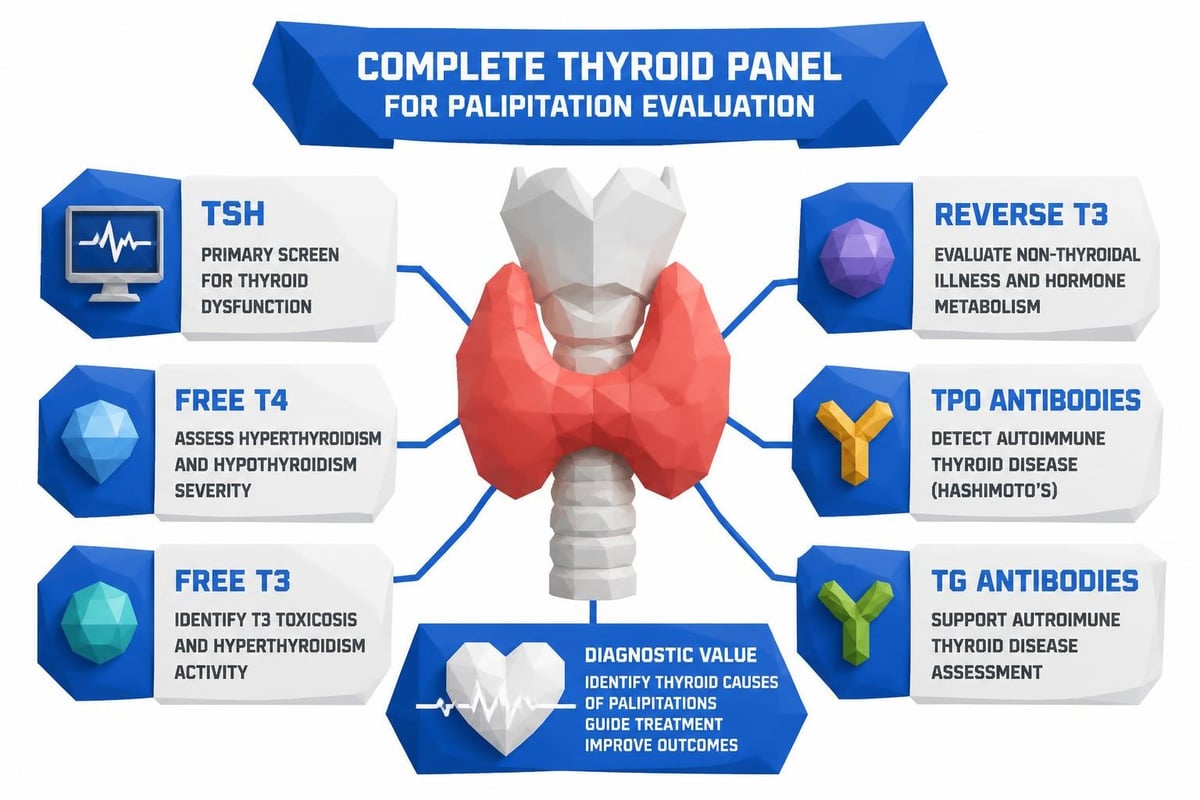
Comprehensive Thyroid Panel Options
Several testing approaches exist for evaluating thyroid function in patients with palpitations. The choice depends on symptom severity, medical history, and initial findings.
Recommended Panel
Basic Thyroid Panel
Save $2This panel includes the 3 essential thyroid markers: TSH, Free T4, and Free T3. The perfect starting point for evaluating thyroid function without unnecessary tests.
Includes 3 biomarkers
$30
Basic Thyroid Panel
A basic panel includes TSH and free T4, providing fundamental insight into thyroid status. This approach works well for initial screening in patients without complex presentations.
Advantages: Cost-effective, widely available, quick results
Limitations: May miss subtle T3 abnormalities or autoimmune conditions
Complete Thyroid Panel
For a more thorough heart palpitations workup thyroid evaluation, comprehensive panels add free T3, reverse T3, and antibody testing.
Recommended Panel
Complete Thyroid Panel
Save $3Our most comprehensive thyroid panel includes all 5 essential markers: TSH, Free T4, Free T3, Reverse T3, and both thyroid antibodies. Get the complete picture of your thyroid health.
Includes 6 biomarkers
$84
This broader assessment identifies nuanced dysfunctions that basic panels might overlook. Penn Medicine provides an overview of heart palpitations, noting that complete endocrine evaluation often reveals underlying causes.
Specialized Testing for Autoimmune Thyroid Disease
When autoimmune thyroid conditions are suspected, specialized panels focus on antibody markers and inflammatory indicators.
Recommended Panel
Hashimoto's Panel
Save $3The definitive panel for diagnosing Hashimoto's thyroiditis - the #1 cause of hypothyroidism. Tests both major thyroid antibodies that indicate autoimmune thyroid disease.
Includes 5 biomarkers
$58
These panels prove particularly valuable when:
- Family history includes autoimmune diseases
- Symptoms fluctuate between hyper and hypothyroid states
- Previous basic testing showed borderline results
- Palpitations coincide with other autoimmune symptoms
Accessing Affordable Thyroid Testing
The cost and accessibility of lab testing often presents barriers to proper diagnosis. Traditional healthcare routes involving multiple doctor visits, insurance preauthorization, and facility fees can delay necessary evaluation.
Direct-access lab testing eliminates these obstacles. Services that allow you to order labs without a doctor provide several advantages:
- Transparent pricing with costs known upfront
- No insurance complications or surprise bills
- Fast results typically within 1-3 days
- Convenient scheduling at thousands of locations nationwide
For patients experiencing palpitations who need quick answers, this approach significantly reduces the time from symptom onset to diagnosis.
Cost Comparison Considerations
Understanding lab testing costs helps you make informed decisions about where to get tested. The price differences between providers can be substantial.
| Testing Approach | Average Cost Range | Time to Results |
|---|---|---|
| Hospital lab with insurance | $200-800+ (after copay/deductible) | 3-7 days |
| Private lab with insurance | $150-600+ (after copay/deductible) | 2-5 days |
| Direct-access self-pay | $75-250 | 1-3 days |
Direct-access testing often costs less than insurance copays and deductibles while delivering faster results. Many services also accept FSA and HSA payments, adding another layer of affordability.
Interpreting Your Heart Palpitations Workup Thyroid Results
Once you receive test results, understanding what the numbers mean enables informed conversations with healthcare providers. However, interpretation requires context beyond just reference ranges.
TSH Interpretation Nuances
Standard reference ranges don't tell the whole story. A TSH of 3.5 mIU/L falls within the normal range but might be suboptimal for someone experiencing symptoms.
Consider these factors:
- Previous baseline levels (your personal normal)
- Symptom presence despite "normal" results
- Trends over time (rising or falling)
- Pregnancy or medication status
Free T4 and Free T3 Patterns
The relationship between T4 and T3 reveals conversion efficiency. Some patients have adequate T4 but insufficient T3 due to conversion problems.
Common patterns include:
- High T4, low T3: Conversion dysfunction
- Low T4, low T3: Primary hypothyroidism
- High T4, high T3: Hyperthyroidism
- Normal T4, high T3: T3 toxicosis
Paloma Health discusses the link between thyroid problems and heart palpitations, emphasizing that optimal ranges matter more than just avoiding abnormal flags.
Additional Tests to Consider Alongside Thyroid Evaluation
A complete heart palpitations workup thyroid investigation sometimes requires complementary testing to rule out other causes or identify contributing factors.
Cardiac-Specific Tests
Even when thyroid dysfunction seems likely, cardiac evaluation may be warranted:
- Electrocardiogram (EKG) to assess heart rhythm and electrical patterns
- Holter monitor for 24-48 hour continuous rhythm recording
- Echocardiogram to evaluate heart structure and function
- Cardiac enzyme tests to rule out heart muscle damage
Electrolyte and Nutrient Panels
Electrolyte imbalances and nutrient deficiencies can both cause palpitations and affect thyroid function. Key tests include:
- Magnesium levels (often low in palpitation patients)
- Potassium and calcium (critical for heart rhythm)
- Vitamin B12 and folate (impact cardiac and thyroid health)
- Iron studies (ferritin) (anemia causes compensatory tachycardia)
Zinc deficiency specifically affects thyroid hormone conversion and should be evaluated in comprehensive workups.
Recommended Test
Zinc
Zinc is an essential trace mineral involved in over 300 enzymatic reactions, including immune function, wound healing, thyroid hormone production, and testosterone synthesis.
Includes 1 biomarkers
$20
Comprehensive Metabolic and Inflammation Markers
Broader metabolic panels provide context for thyroid dysfunction:
Recommended Panel
Complete Metabolic Health Panel
Save $3.5This comprehensive panel evaluates all aspects of metabolic health: organ function, cholesterol, blood sugar, insulin resistance, and inflammation - the key drivers of chronic disease.
Includes 26 biomarkers
$50
Fasting required
These tests identify diabetes, kidney dysfunction, liver problems, and other conditions that may contribute to symptoms or complicate treatment.
Follow-Up Testing and Monitoring
Initial thyroid testing represents just the first step. Ongoing monitoring ensures treatment effectiveness and catches changes early.
Timing of Repeat Tests
The frequency of follow-up testing depends on several factors:
| Situation | Recommended Retest Interval |
|---|---|
| Newly diagnosed, starting treatment | 6-8 weeks after medication adjustment |
| Stable on treatment | Every 6-12 months |
| Symptoms returning | 4-6 weeks or as symptoms dictate |
| Medication dosage change | 6-8 weeks after change |
| Pregnancy with thyroid condition | Every 4-6 weeks |
What to Monitor
Beyond TSH, comprehensive monitoring tracks multiple markers to ensure optimal management. Don't assume a normal TSH means everything is fine if symptoms persist.
Track these elements:
- All thyroid hormone levels (TSH, free T4, free T3)
- Antibody levels if autoimmune disease present
- Heart rate and blood pressure trends
- Symptom diary (palpitation frequency, severity, triggers)
- Weight and energy levels
Key Takeaways
A proper heart palpitations workup thyroid evaluation involves comprehensive lab testing that goes beyond basic TSH measurement. Multiple markers including free T4, free T3, and thyroid antibodies provide the complete picture needed for accurate diagnosis.
Remember these essential points:
- Thyroid dysfunction causes palpitations through direct effects on heart rate, rhythm, and contractility
- Both hyperthyroidism and hypothyroidism can trigger palpitations, though through different mechanisms
- Comprehensive testing identifies subtle dysfunctions that basic panels miss
- Direct-access lab testing offers an affordable, convenient alternative to traditional healthcare routes
- Follow-up monitoring ensures treatment effectiveness and catches changes before symptoms worsen
- Accompanying tests for cardiac function, electrolytes, and nutrients provide valuable diagnostic context
FAQ
Can thyroid problems cause heart palpitations even with normal TSH?
Yes, absolutely. Some patients have normal TSH but abnormal free T3 or free T4 levels, a condition sometimes called subclinical thyroid dysfunction. Additionally, TSH reference ranges are broad, and your optimal level might differ from the general population average. This is why comprehensive thyroid panels that measure all hormone levels provide better diagnostic accuracy than TSH alone.
How quickly will palpitations improve after starting thyroid treatment?
Timeline varies significantly between individuals. Some patients notice improvement within 2-4 weeks of starting appropriate thyroid medication, while others require 2-3 months for complete resolution. The speed depends on the severity of thyroid dysfunction, medication dosage accuracy, and individual metabolism. Regular monitoring and dosage adjustments optimize the treatment timeline.
Should I stop my thyroid medication if palpitations worsen?
Never stop thyroid medication without medical guidance. Worsening palpitations might indicate over-treatment (too much medication), but abruptly stopping can cause dangerous hormone fluctuations. Contact your healthcare provider immediately if palpitations intensify after starting or adjusting medication. They may recommend dosage adjustment or additional cardiac evaluation.
What's the difference between TSH and free T4 testing?
TSH measures the pituitary hormone that signals your thyroid gland to produce hormones, while free T4 measures the actual thyroid hormone circulating in your blood. Think of TSH as the thermostat and T4 as the temperature. TSH responds to T4 levels through feedback regulation. Both measurements together provide more diagnostic value than either alone.
Can I get thyroid testing without seeing a doctor first?
Yes, direct-access lab services allow you to order comprehensive thyroid panels without requiring a doctor's visit or prescription. This approach provides quick access to testing when you're experiencing symptoms like palpitations. Understanding how it works helps you navigate the self-directed testing process efficiently. Results come back within 1-3 days, and you can share them with any healthcare provider for treatment discussion.
How often should I retest thyroid levels if I have palpitations?
Testing frequency depends on your situation. If you're newly diagnosed or adjusting medication, retest every 6-8 weeks until stable. Once symptoms resolve and levels stabilize, testing every 6-12 months maintains appropriate monitoring. However, if palpitations return or worsen, retest within 4-6 weeks regardless of your regular schedule.
Are palpitations from thyroid problems dangerous?
Most thyroid-related palpitations aren't immediately dangerous but shouldn't be ignored. Untreated hyperthyroidism can progress to atrial fibrillation, a serious arrhythmia that increases stroke risk. Seek immediate medical attention if palpitations occur with chest pain, severe shortness of breath, fainting, or dizziness.
Can stress affect both thyroid function and palpitations?
Yes, stress impacts both systems. Chronic stress affects thyroid hormone production and conversion while also triggering palpitations through adrenaline release. This creates a cycle where stress worsens thyroid function, thyroid dysfunction increases stress sensitivity, and both contribute to palpitations. Managing stress through lifestyle modifications complements medical treatment for optimal results.
Understanding the connection between thyroid health and heart palpitations empowers you to take control of your diagnosis and treatment. Comprehensive lab testing provides the essential data needed to identify thyroid dysfunction as the root cause of your symptoms. If you're experiencing unexplained palpitations and want quick, affordable access to thyroid testing, Justlabs offers complete thyroid panels with transparent pricing and results within 1-3 days, eliminating the delays and uncertainties of traditional testing routes.