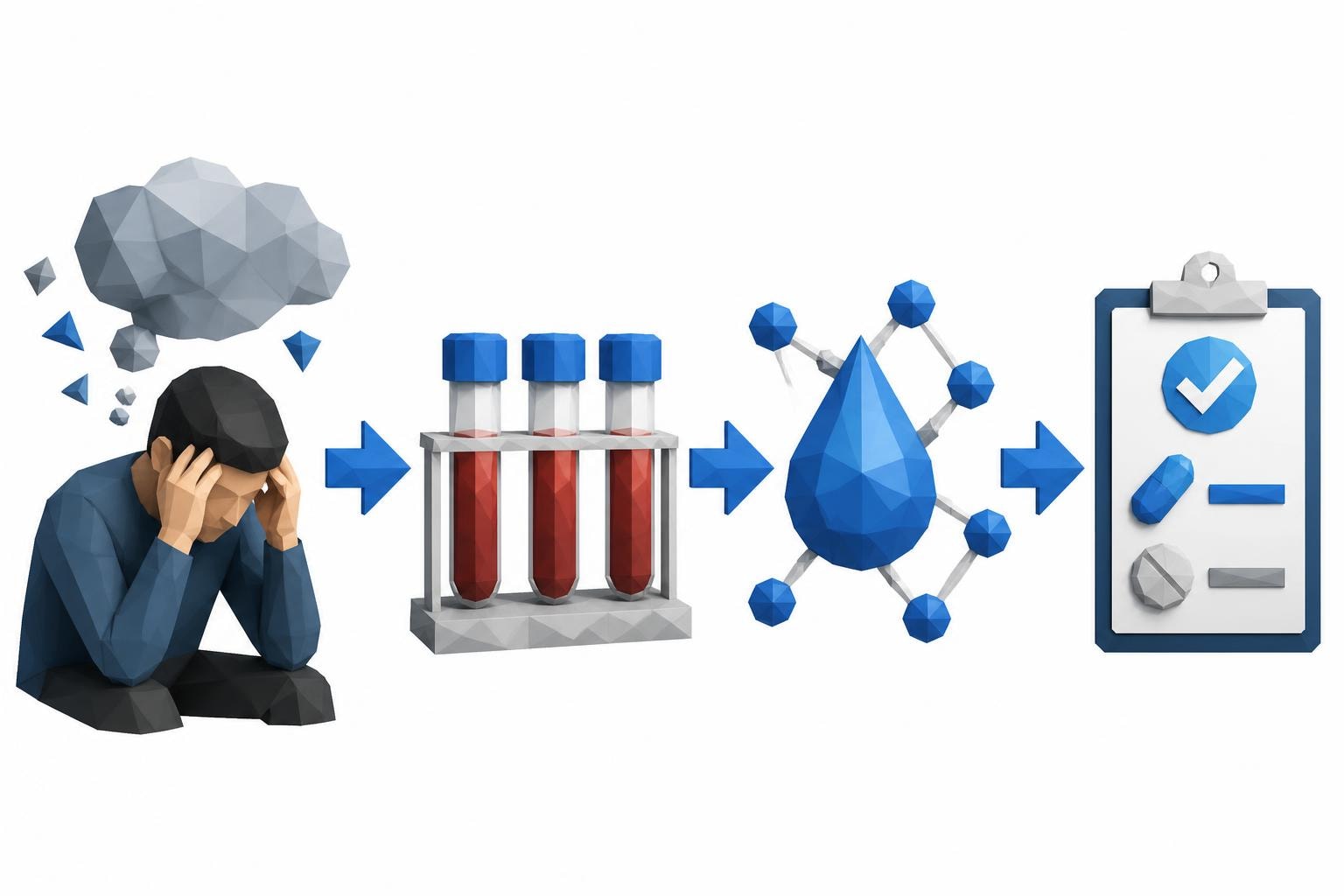
Anxiety affects millions of Americans, manifesting as persistent worry, racing thoughts, and physical symptoms that disrupt daily life. While anxiety is often addressed through therapy and medication, an important diagnostic step frequently gets overlooked: ruling out medical conditions that can mimic or contribute to anxiety symptoms. Blood tests for anxiety serve this critical purpose, helping identify underlying health issues that may be driving your mental health struggles. Understanding when and why to pursue laboratory testing can be the difference between treating symptoms and addressing root causes.
Understanding the Medical Basis of Anxiety Symptoms
Anxiety doesn't always originate in the mind alone. Numerous physiological conditions produce symptoms that mirror anxiety disorders, from rapid heartbeat and sweating to intrusive thoughts and panic. This overlap makes differential diagnosis essential before committing to long-term mental health treatment.
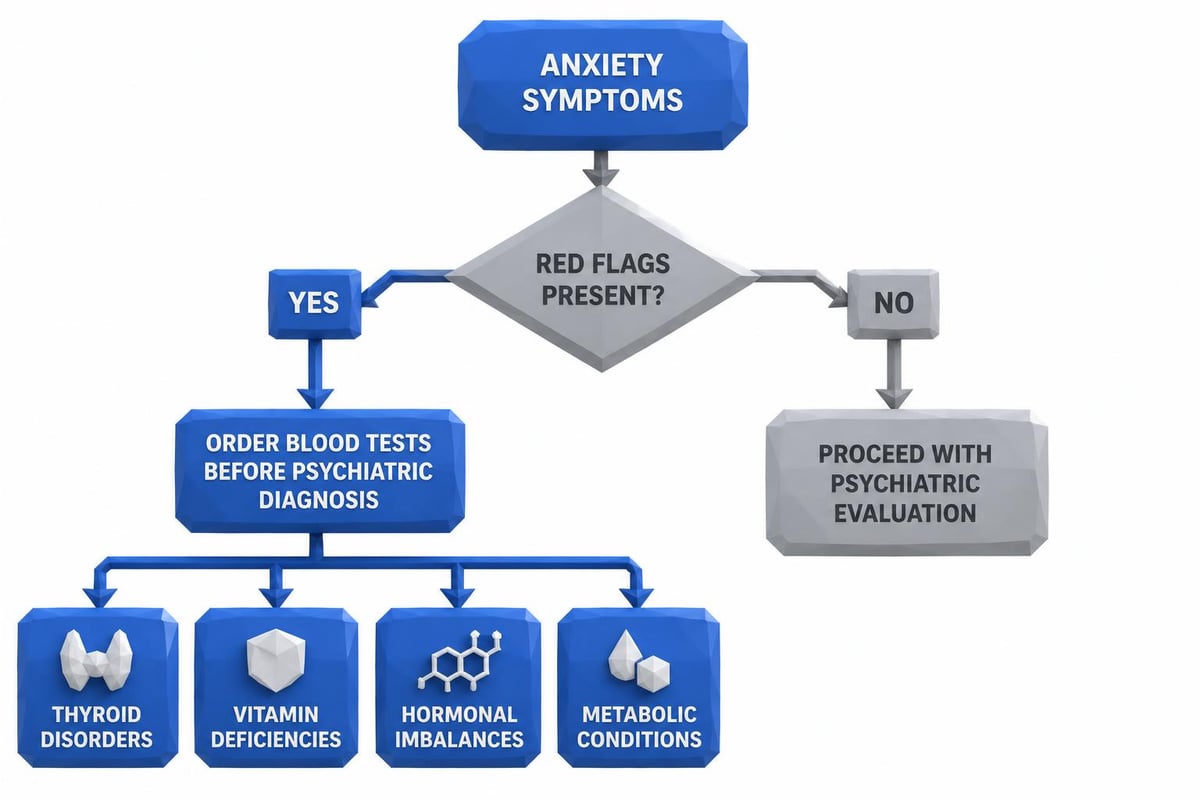
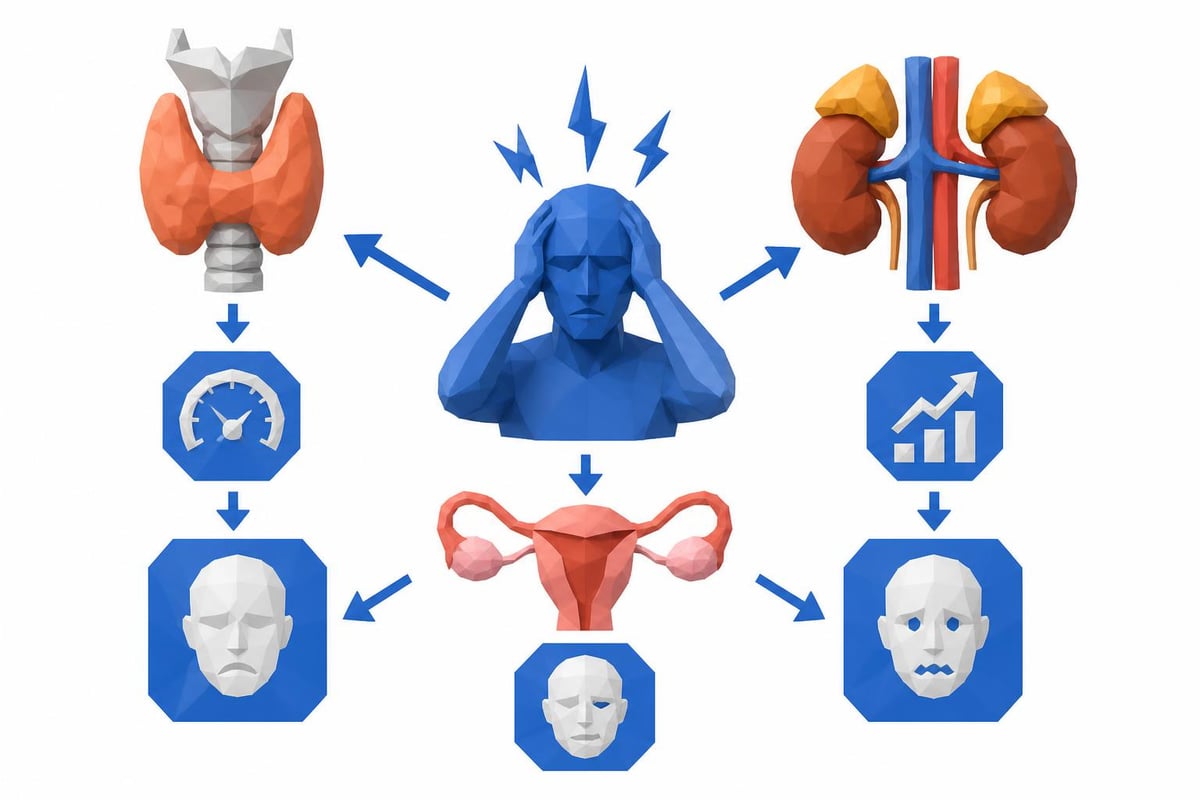
Medical conditions affecting hormone levels, nutrient status, and metabolic function frequently present with anxiety-like symptoms. Thyroid disorders, for instance, can cause nervousness, irritability, and difficulty concentrating. Similarly, vitamin deficiencies may trigger mood changes that resemble generalized anxiety disorder. Blood tests for anxiety help distinguish between primary psychiatric conditions and secondary symptoms caused by treatable medical issues.
When Physical Symptoms Suggest Medical Testing
Certain presentation patterns warrant immediate laboratory investigation. If your anxiety appeared suddenly without significant life stressors, accompanied by unexplained weight changes, fatigue, or temperature sensitivity, medical causes become more likely.
Consider pursuing blood work when you experience:
- Anxiety onset coinciding with new physical symptoms
- Treatment-resistant anxiety that doesn't respond to conventional therapy
- Family history of thyroid disease, diabetes, or autoimmune conditions
- Symptoms that worsen at specific times (morning, after meals, during menstrual cycle)
- Physical manifestations like tremors, palpitations, or excessive sweating
Research institutions have made significant progress in this area. Scientists have developed blood tests that examine biomarkers to objectively assess anxiety risk and severity, representing a major advancement in anxiety diagnosis.
Key Biomarkers That Influence Anxiety Levels
Laboratory testing for anxiety-related conditions examines multiple systems simultaneously. Rather than a single "anxiety test," healthcare providers order panels that evaluate hormones, nutrients, and metabolic markers known to affect mental health.
Thyroid Function Panel
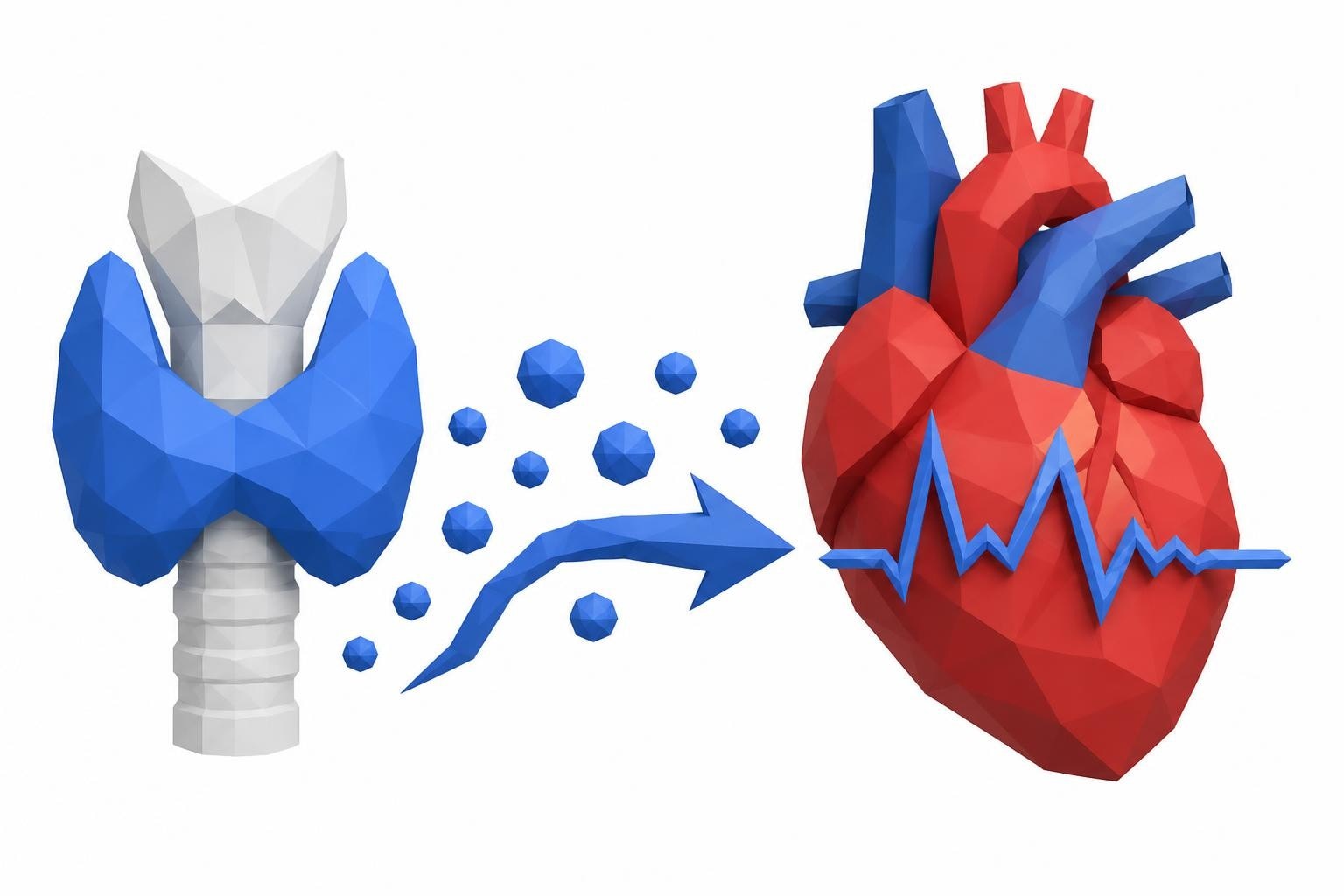
Thyroid hormones regulate metabolism, energy production, and neurotransmitter function. Both hyperthyroidism and hypothyroidism can trigger anxiety symptoms, making thyroid panel testing a fundamental component of anxiety workups.
Key thyroid markers include:
- TSH (Thyroid Stimulating Hormone): Primary screening test for thyroid function
- Free T4: Measures active thyroid hormone circulating in blood
- Free T3: Reflects thyroid hormone available to cells
- Thyroid antibodies: Identifies autoimmune thyroid conditions
| Thyroid Condition | Common Anxiety Symptoms | TSH Level | T4/T3 Levels |
|---|---|---|---|
| Hyperthyroidism | Nervousness, panic, racing thoughts | Low | Elevated |
| Hypothyroidism | Depression, anxiety, mental fog | Elevated | Low |
| Hashimoto's | Fluctuating mood, irritability | Variable | Variable |
Vitamin and Mineral Deficiencies
Nutritional status directly impacts neurotransmitter production and nervous system function. Deficiencies in specific vitamins and minerals correlate strongly with increased anxiety symptoms.
Blood tests for anxiety workups commonly include:
- Vitamin D: Low levels associated with mood disorders and seasonal anxiety
- Vitamin B12: Essential for nerve function and mental clarity
- Magnesium: Regulates stress response and nervous system activity
- Iron and ferritin: Deficiency causes fatigue and exacerbates anxiety
According to comprehensive health resources, several blood biomarkers can identify nutritional deficiencies and hormonal imbalances contributing to anxiety symptoms.
Recommended Test
Vitamin D, 25-Hydroxy
Vitamin D deficiency affects over 40% of Americans. This test measures your vitamin D status, essential for bone health, immune function, mood, and much more.
Includes 2 biomarkers
$25
Hormonal Imbalances and Anxiety Connection
Hormones serve as chemical messengers throughout the body, profoundly influencing mood regulation and stress response. Several endocrine conditions produce anxiety as a primary symptom.
Cortisol and Stress Response
Cortisol, the primary stress hormone, follows a natural daily rhythm. Chronic elevation or disruption of this pattern generates persistent anxiety symptoms. Testing typically measures:
- Morning cortisol: Baseline stress hormone level
- DHEA-S: Counterbalances cortisol, supports stress resilience
- 24-hour cortisol: Identifies abnormal patterns throughout the day
Elevated cortisol may indicate Cushing's syndrome or chronic stress syndrome. Conversely, insufficient cortisol production in Addison's disease can manifest with anxiety and fatigue.
Recommended Test
Cortisol, Total
Cortisol is your body's primary stress hormone, produced by the adrenal glands. This test measures total cortisol levels to assess adrenal function and stress response.
Includes 1 biomarkers
$15
Sex Hormones and Mood Regulation
Estrogen, progesterone, and testosterone significantly impact neurotransmitter systems involved in anxiety regulation. Women often notice anxiety fluctuations corresponding to menstrual cycles, pregnancy, or menopause.
Hormone markers worth checking:
- Estradiol (primary estrogen)
- Progesterone (calming hormone)
- Testosterone (affects mood in both sexes)
- FSH and LH (reproductive hormone regulation)
Blood Sugar Regulation and Anxiety Symptoms
Glucose metabolism problems create a cascade of symptoms that closely resemble anxiety disorders. Blood sugar fluctuations trigger adrenaline release, causing physical sensations identical to panic attacks.
Testing for Metabolic Issues
Standard metabolic testing evaluates how your body processes glucose and maintains energy levels. These tests identify prediabetes, diabetes, and reactive hypoglycemia.
Essential metabolic markers include:
- Fasting glucose: Baseline blood sugar level
- Hemoglobin A1C: Three-month average glucose exposure
- Fasting insulin: Insulin resistance indicator
- Comprehensive metabolic panel: Kidney function, electrolytes, liver enzymes
Many individuals experience anxiety symptoms during blood sugar drops, particularly 2-4 hours after meals. This reactive hypoglycemia produces shakiness, sweating, rapid heartbeat, and intense worry that mimics panic disorder.
| Blood Sugar Pattern | Physical Symptoms | Psychological Symptoms | Testing Strategy |
|---|---|---|---|
| Hypoglycemia | Trembling, sweating, hunger | Panic, confusion, irritability | Glucose during symptoms |
| Hyperglycemia | Frequent urination, thirst | Restlessness, difficulty concentrating | A1C, fasting glucose |
| Insulin resistance | Weight gain, fatigue | Brain fog, mood swings | Fasting insulin, glucose |
Inflammatory Markers and Mental Health
Emerging research reveals strong connections between systemic inflammation and psychiatric symptoms. Chronic inflammation affects brain function, neurotransmitter production, and stress hormone regulation.
Blood tests for anxiety increasingly include inflammatory markers to assess this pathway. C-reactive protein (CRP) and homocysteine levels indicate inflammation that may contribute to mood disorders.
Inflammation-related tests:
- High-sensitivity CRP
- Homocysteine
- Erythrocyte sedimentation rate (ESR)
- Complete blood count with differential
Autoimmune conditions particularly warrant investigation when anxiety appears alongside joint pain, skin changes, or unexplained fatigue. Conditions like lupus, rheumatoid arthritis, and celiac disease frequently present with neuropsychiatric symptoms before physical manifestations become obvious.
Accessing Anxiety-Related Blood Testing
Traditional pathways to laboratory testing require physician visits, insurance authorization, and often lengthy wait times. These barriers prevent many people from investigating potential medical causes of their anxiety symptoms.
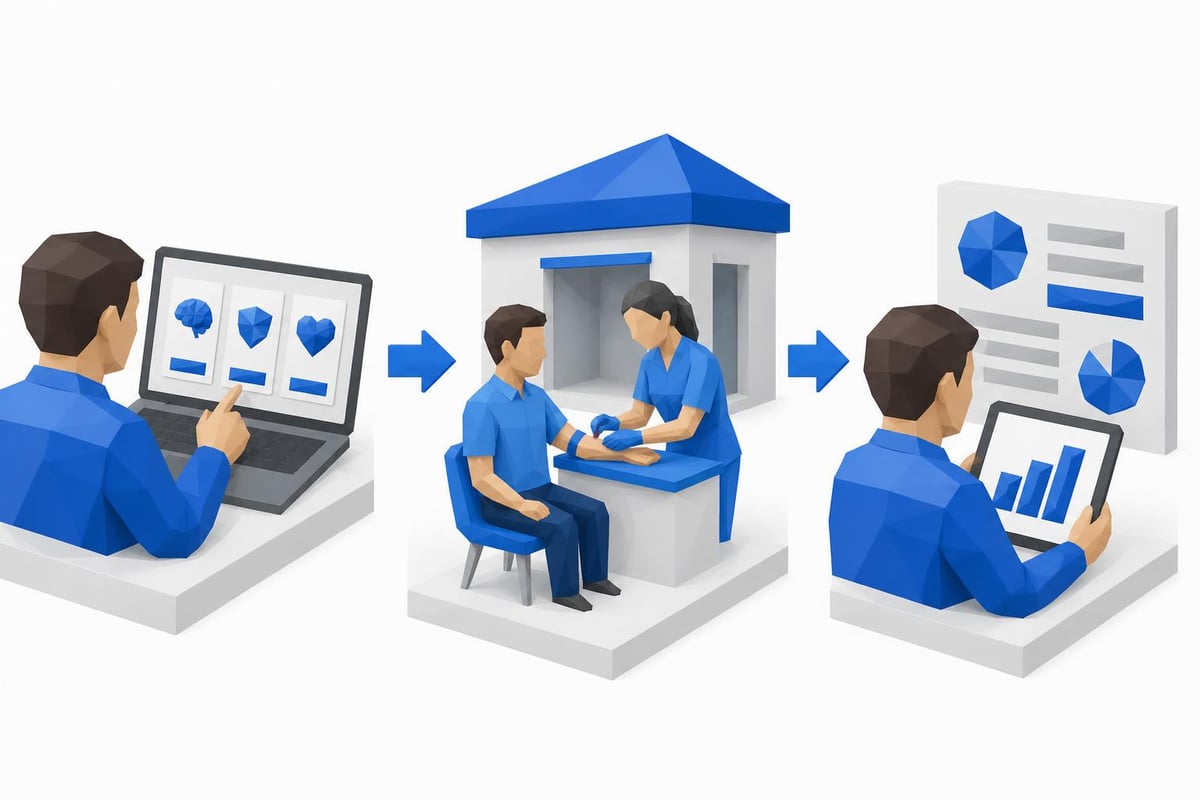
Modern self-pay lab testing services have transformed healthcare access. By allowing direct test ordering, these services empower individuals to pursue answers without navigating complex insurance requirements or waiting for referrals.
Benefits of Direct Access Testing
When you order labs without a doctor through transparent platforms, several advantages emerge:
- Speed: Results typically available within 1-3 days
- Transparency: Clear pricing before ordering eliminates surprise bills
- Convenience: Visit local collection sites on your schedule
- Comprehensiveness: Order multiple panels simultaneously
The Indiana University School of Medicine made headlines with their development of a blood test that examines biomarkers to objectively determine anxiety risk and severity, demonstrating the growing scientific foundation for biological anxiety assessment.
Interpreting Your Anxiety-Related Test Results
Laboratory values arrive with reference ranges, but understanding what numbers mean for your specific symptoms requires context. Blood tests for anxiety don't diagnose anxiety disorders themselves but reveal contributing factors.
Working With Your Results
After receiving test results, several patterns may emerge:
- All values normal: Suggests primary psychiatric anxiety requiring mental health treatment
- Single abnormality: Indicates specific deficiency or imbalance to address
- Multiple abnormalities: Points toward systemic condition requiring comprehensive treatment
- Borderline values: May warrant retesting or monitoring over time
Resources for understanding lab results help you make sense of numbers and identify which values need attention. However, abnormal results always warrant professional interpretation, particularly when multiple systems show dysfunction.
Common Result Patterns
Different medical conditions produce characteristic laboratory patterns:
Hypothyroidism pattern:
- Elevated TSH
- Low free T4
- Possible vitamin D deficiency
- Elevated cholesterol
Adrenal dysfunction pattern:
- Abnormal cortisol levels
- Low DHEA-S
- Electrolyte imbalances
- Low blood pressure
Nutritional deficiency pattern:
- Low vitamin B12
- Low vitamin D
- Low ferritin
- Possible low magnesium
The Role of Comprehensive Testing Panels
Rather than ordering individual tests, comprehensive panels provide broader insight into overall health status. This approach increases the likelihood of identifying unexpected contributing factors.
Standard anxiety workup panels might include:
- Complete blood count (CBC)
- Comprehensive metabolic panel (CMP)
- Thyroid function tests (TSH, Free T4, Free T3)
- Vitamin D, B12, and folate
- Iron panel with ferritin
- Cortisol
- Fasting glucose and insulin
Some individuals benefit from expanded testing based on symptoms and history. Those with digestive issues might add celiac screening. People with family histories of diabetes should include hemoglobin A1C.
According to clinical diagnostic guidelines, comprehensive physical examination and laboratory testing play crucial roles in ruling out medical conditions that may mimic or contribute to anxiety symptoms.
Recommended Panel
Complete Thyroid Panel
Save $3Our most comprehensive thyroid panel includes all 5 essential markers: TSH, Free T4, Free T3, Reverse T3, and both thyroid antibodies. Get the complete picture of your thyroid health.
Includes 6 biomarkers
$84
Moving Forward With Test Results
Blood tests for anxiety serve as investigative tools, not definitive answers. Abnormal results guide treatment but rarely provide complete explanations for complex mental health experiences.
Next Steps After Testing
When tests reveal abnormalities:
For thyroid issues:
- Consult endocrinologist or primary care provider
- Begin appropriate thyroid medication
- Retest in 6-8 weeks to assess response
- Monitor anxiety symptoms alongside thyroid treatment
For nutritional deficiencies:
- Implement targeted supplementation
- Address dietary patterns
- Retest after 3 months
- Track symptom changes throughout correction
For hormonal imbalances:
- Specialist referral based on specific hormones affected
- Consider hormone replacement when appropriate
- Lifestyle modifications to support hormone balance
- Regular monitoring during treatment
When Tests Return Normal
Normal laboratory values don't invalidate your anxiety experience. They simply indicate that currently detectable medical conditions aren't driving your symptoms. This information guides you toward appropriate mental health resources.
Many people find relief in knowing their physical health is sound, allowing them to focus on psychological interventions without worry about missed diagnoses. Therapy, medication, and lifestyle changes remain effective treatments even when blood work appears normal.
Recent developments in neuroscience research on anxiety blood testing suggest that future biomarker panels may detect subtle biological variations associated with primary anxiety disorders, further expanding diagnostic capabilities.
Cost Considerations for Anxiety Testing
Healthcare expenses create significant barriers for many Americans. Insurance coverage for anxiety-related blood work varies widely, with some plans requiring substantial copays or denying tests deemed "not medically necessary."
Transparent lab test pricing eliminates uncertainty. Knowing costs upfront allows informed decisions about which tests provide the best value for your situation.
Budget-Friendly Testing Strategies
Prioritize testing based on symptoms and likelihood of finding actionable results:
Essential first-tier tests:
- TSH (thyroid screening)
- Vitamin D
- Comprehensive metabolic panel
- Complete blood count
Second-tier based on symptoms:
- Full thyroid panel if TSH abnormal
- Iron studies if fatigue prominent
- Cortisol if stress-related patterns noted
- Sex hormones if cycle-related symptoms
Some tests qualify for payment using health savings accounts or flexible spending accounts. FSA and HSA eligible tests provide tax advantages when available, reducing effective costs.
Regional Access to Testing Services
Geographic location shouldn't determine healthcare access, yet rural and underserved areas often lack convenient testing facilities. Understanding where to get lab tests in your area ensures you can access necessary services regardless of location.
National networks of collection sites provide coverage across most regions. After ordering tests online, you can visit conveniently located facilities for blood draw appointments. This model combines digital convenience with local accessibility.
Limitations of Current Anxiety Blood Testing
Honesty about testing limitations prevents unrealistic expectations. While blood tests for anxiety help identify medical contributors, they cannot currently diagnose primary anxiety disorders through biological markers alone.
Current limitations include:
- No single biomarker definitively indicates anxiety disorder
- Reference ranges may not capture individual optimal levels
- Some relevant markers (neurotransmitters) aren't measurable through standard blood tests
- Test results represent single time points, missing fluctuations
- Psychological and social factors aren't detectable through laboratory analysis
Research continues advancing. Studies examining whether anxiety can be measured through blood tests discuss both promising developments and current challenges in using biomarkers for anxiety diagnosis.
Despite limitations, ruling out medical causes through comprehensive testing provides valuable information that guides appropriate treatment selection and improves outcomes.
Understanding when blood tests for anxiety can identify underlying medical conditions empowers you to take charge of your health comprehensively. Whether your results reveal treatable deficiencies or confirm that your anxiety stems from other sources, testing provides clarity that guides next steps. Justlabs makes accessing affordable, transparent lab testing simple, delivering results within 1-3 days so you can move forward with answers rather than uncertainty.
Related Reading


References
Lee SY, Pearce EN. Hyperthyroidism: A Review. JAMA. 2023 Oct 17;330(15):1472-1483. doi: 10.1001/jama.2023.19052. PMID: 37847271. https://pubmed.ncbi.nlm.nih.gov/37847271/
Lekurwale V, Acharya S, Shukla S, Kumar S. Neuropsychiatric Manifestations of Thyroid Diseases. Cureus. 2023 Jan;15(1):e33987. doi: 10.7759/cureus.33987. PMID: 36811059. https://pubmed.ncbi.nlm.nih.gov/36811059/
Markun S, Gravestock I, Jäger L, Rosemann T, Pichierri G, Burgstaller JM. Effects of Vitamin B12 Supplementation on Cognitive Function, Depressive Symptoms, and Fatigue: A Systematic Review, Meta-Analysis, and Meta-Regression. Nutrients. 2021 Mar 12;13(3). doi: 10.3390/nu13030923. PMID: 33809274. https://pubmed.ncbi.nlm.nih.gov/33809274/