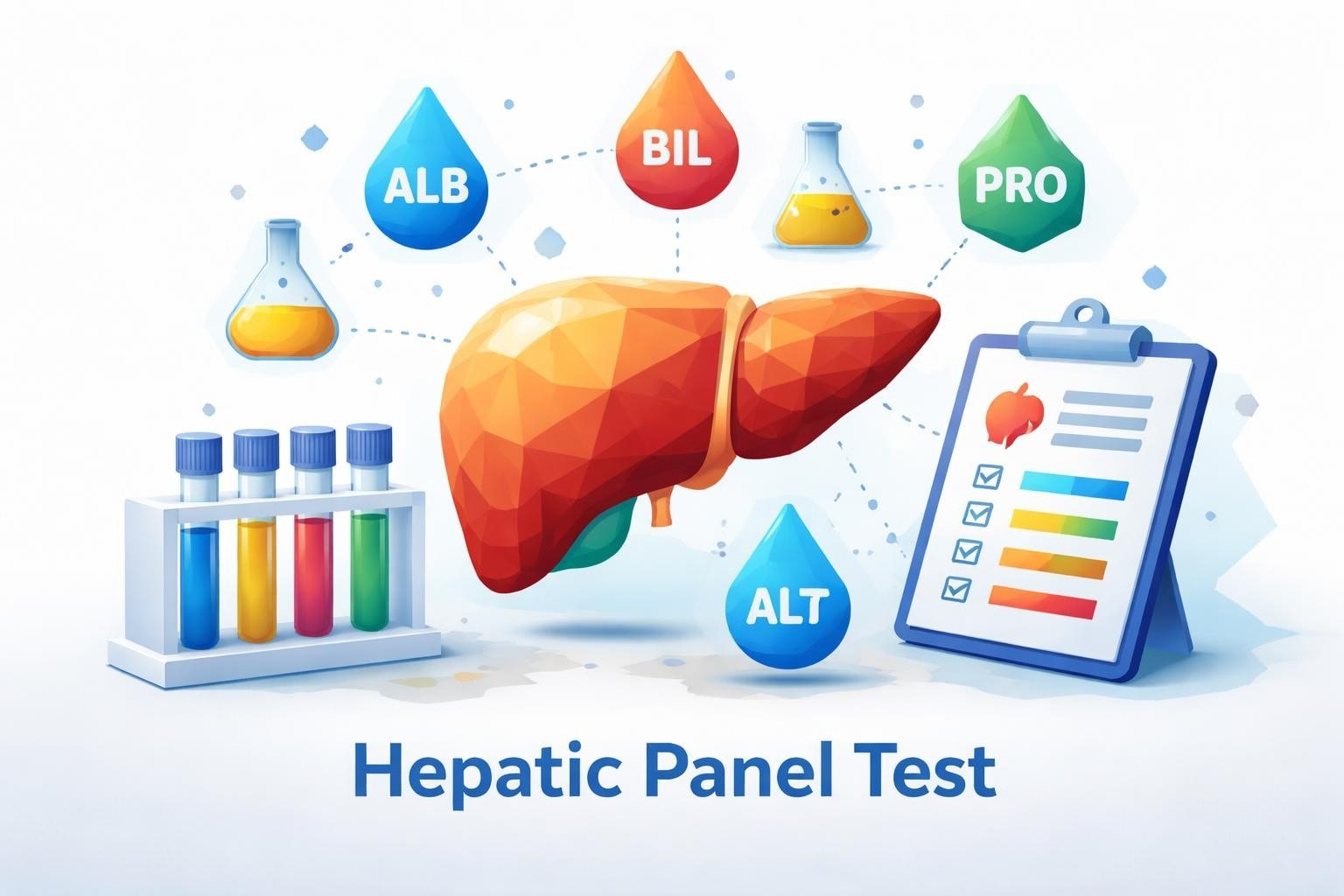
When most people think about liver health testing, they immediately consider markers like ALT and AST. However, gamma-glutamyl transferase represents a ggt underrated liver marker that provides unique insights into liver function, alcohol consumption, medication effects, and metabolic health. This enzyme offers a window into conditions that other standard liver tests might miss, making it an essential component of comprehensive health monitoring. Understanding GGT's role can help you make more informed decisions about your health screening strategy.
What Makes GGT Different From Other Liver Enzymes
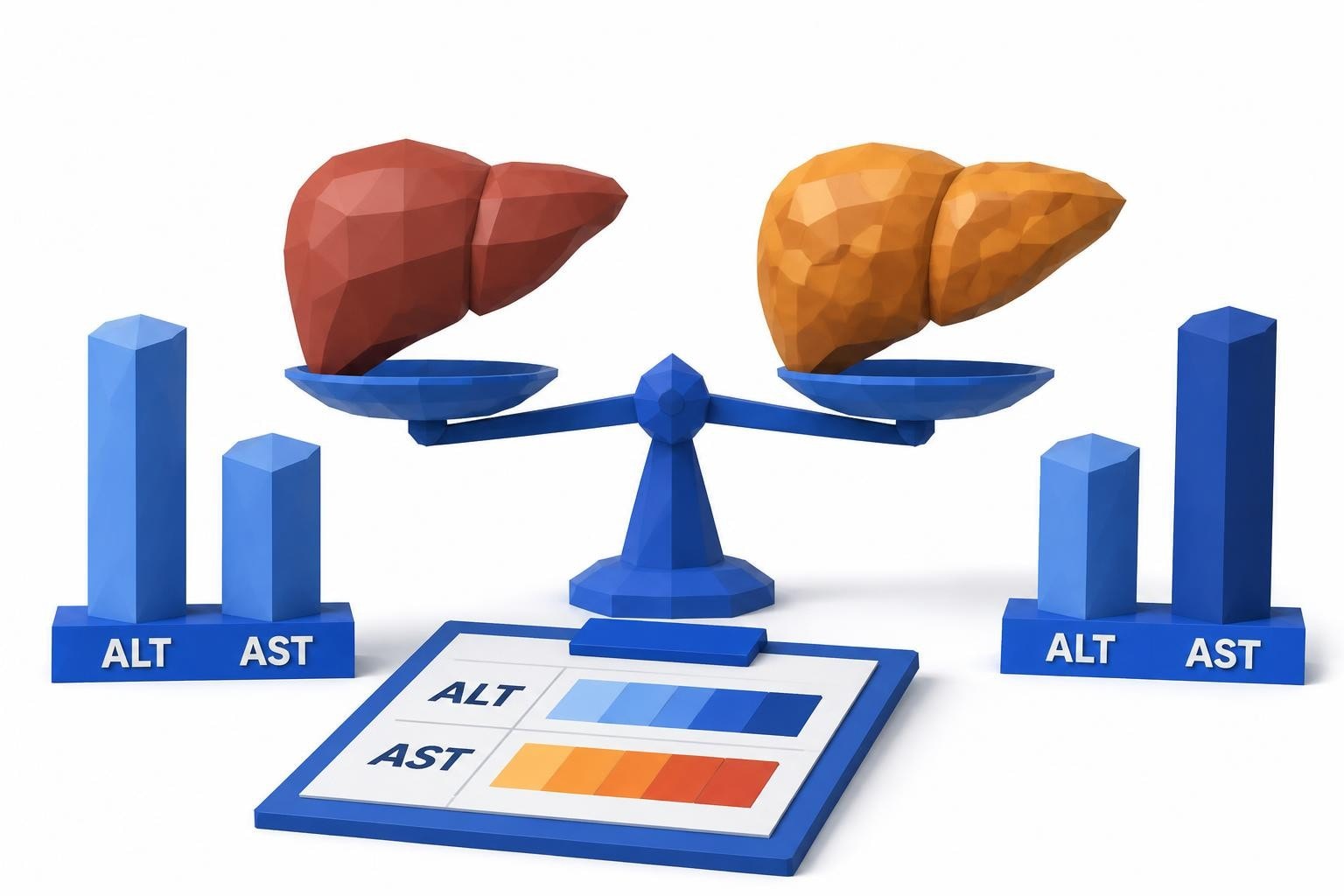
Gamma-glutamyl transferase functions differently than the commonly recognized liver enzymes. While ALT and AST primarily indicate liver cell damage, GGT serves as a sensitive marker for bile duct function and cellular oxidative stress. This enzyme plays a crucial role in glutathione metabolism, which protects cells from oxidative damage.
The gamma-glutamyl transferase test measures the concentration of this enzyme in your blood. Located primarily in liver cells and bile duct linings, GGT elevation can signal problems before other markers show abnormalities.
Understanding GGT's Unique Sensitivity
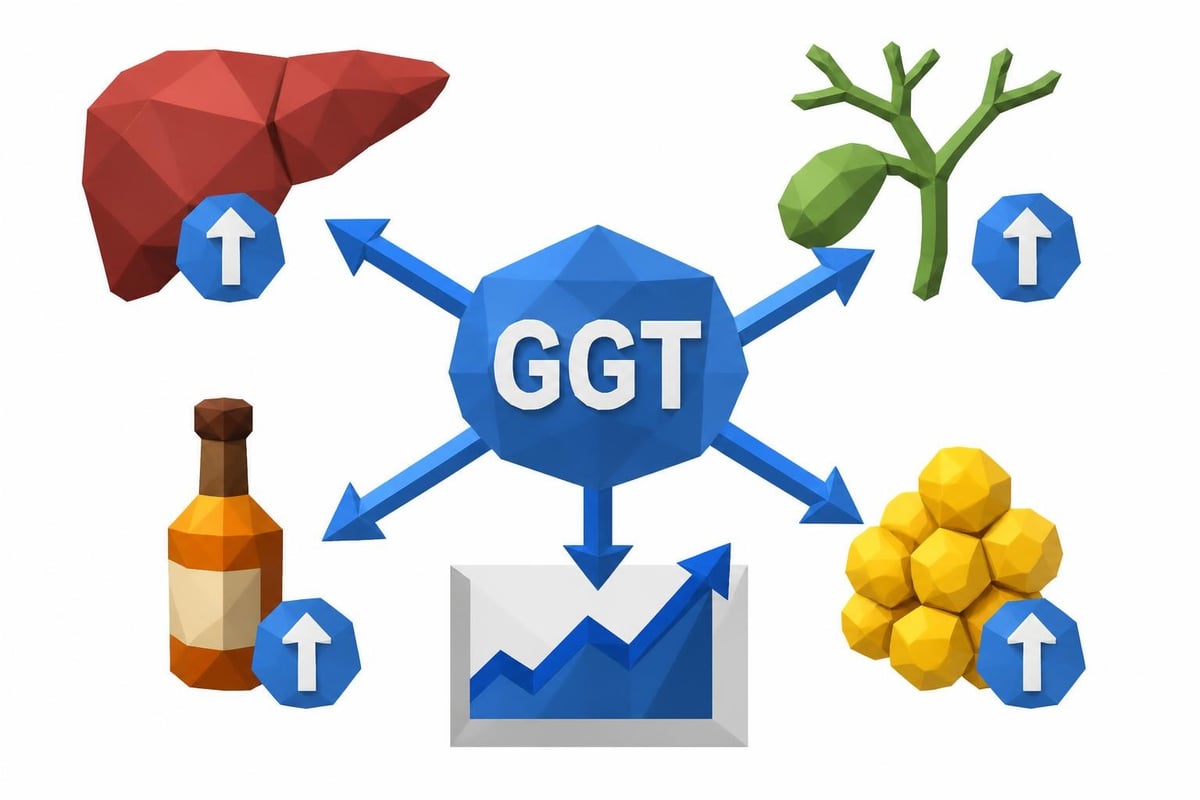
Unlike other liver enzymes, GGT responds to a broader range of physiological stressors:
- Alcohol consumption at any level
- Medication effects, particularly statins and certain antibiotics
- Bile duct obstruction or cholestasis
- Fatty liver disease in early stages
- Oxidative stress throughout the body
This versatility makes the ggt underrated liver marker particularly valuable for preventive health screening. Many individuals with normal ALT and AST values show elevated GGT, indicating underlying metabolic dysfunction that warrants attention.
GGT as a Window Into Alcohol Consumption
One of the most clinically significant applications of GGT testing involves alcohol use assessment. Even moderate alcohol consumption can elevate GGT levels, making this enzyme remarkably sensitive for detecting drinking patterns. This characteristic establishes GGT as a ggt underrated liver marker for evaluating alcohol-related health risks.
Research demonstrates that GGT increases in response to regular alcohol intake, often before other liver enzymes show changes. The enzyme typically rises within days of consistent drinking and returns to normal levels after several weeks of abstinence, so how long you abstain from alcohol before a liver function test determines whether your result reflects your baseline or your last few drinks. This responsiveness provides objective data about recent alcohol consumption patterns.
Clinical Applications for Alcohol Monitoring
Healthcare providers utilize GGT measurements in various contexts:
| Application | GGT Response | Timeline |
|---|---|---|
| Social drinking detection | Moderate elevation | 2-3 weeks of regular use |
| Heavy alcohol use | Significant elevation | Days to weeks |
| Abstinence monitoring | Gradual decline | 2-6 weeks after stopping |
| Relapse detection | Rapid re-elevation | Within days of resuming |
When ordering lab tests without insurance, including GGT in your panel provides valuable baseline data. This marker's sensitivity makes it useful for anyone concerned about alcohol's impact on their health, even if consumption seems moderate.
The Medical News Today resource on GGT explains how physicians interpret these results in the context of overall liver health assessment. Combining GGT with other markers creates a comprehensive picture of liver function.
The Statin Connection: Medication-Induced GGT Changes
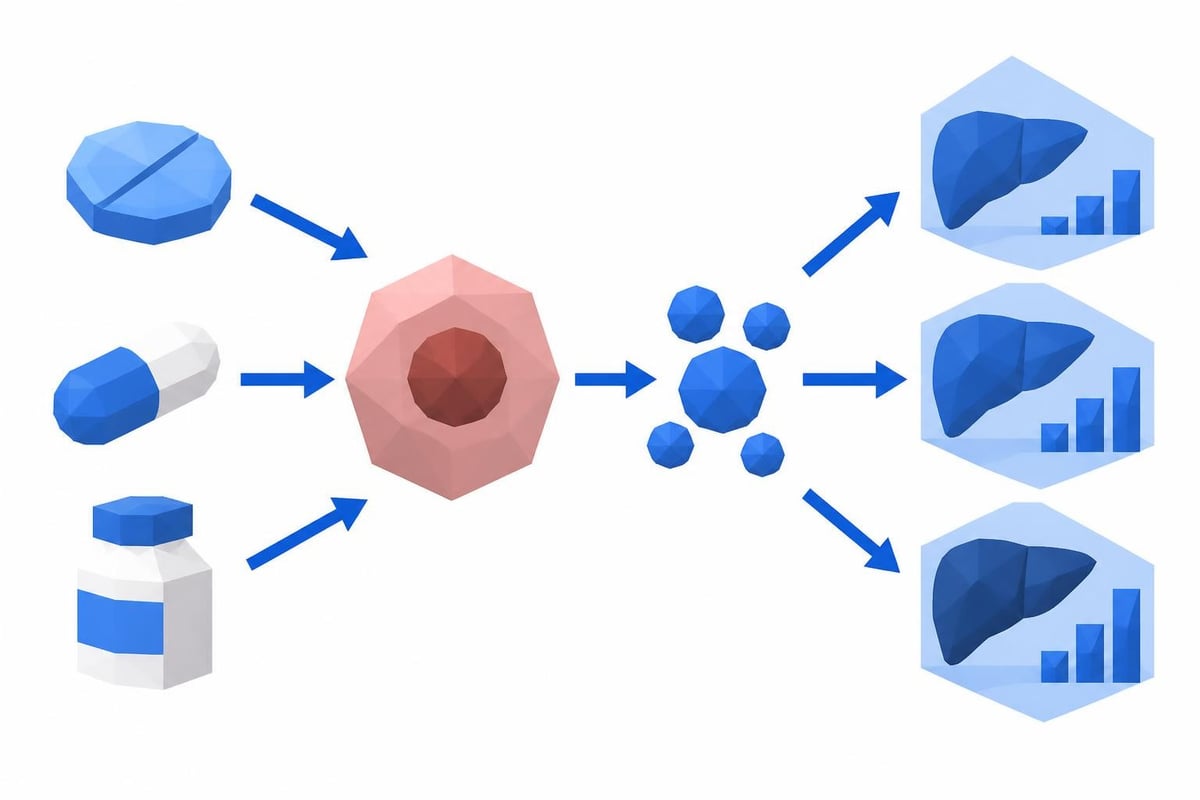
Statins represent one of the most prescribed medication classes in America, yet their impact on GGT often goes unrecognized. This makes GGT a ggt underrated liver marker for monitoring medication effects. While statins effectively lower cholesterol, they can induce mild to moderate GGT elevation in some individuals.
The mechanism involves increased hepatic enzyme production as the liver processes these medications. Most statin-related GGT increases remain mild and don't indicate serious liver damage. However, monitoring these changes helps healthcare providers differentiate between medication effects and underlying liver disease.
Distinguishing Statin Effects From Liver Disease
Statin-induced GGT elevation typically presents with specific characteristics:
- Mild elevation (usually less than 2-3 times the upper normal limit)
- Stable over time without progressive increases
- Normal or minimally elevated ALT and AST (see how statins affect ALT and AST results)
- Resolution or improvement with dose adjustment
Patients taking statins benefit from periodic GGT monitoring to ensure medication tolerance. When you order labs without a doctor through direct-access testing services, you can proactively track these changes between routine appointments.
Other medications also affect GGT levels, including certain antibiotics, anti-seizure medications, and even some over-the-counter pain relievers when used chronically. Knowing your baseline GGT before starting new medications provides valuable comparison data.
GGT and Insulin Resistance: A Metabolic Connection
Perhaps the most overlooked aspect of this ggt underrated liver marker involves its relationship with insulin resistance and metabolic syndrome. Elevated GGT levels correlate strongly with insulin resistance, even in individuals without obvious liver disease or diabetes.
The research on GGT as a marker for cardiovascular disease and metabolic syndrome reveals compelling associations. People with higher GGT levels within the normal range face increased risks for developing type 2 diabetes, cardiovascular disease, and metabolic syndrome.
The Oxidative Stress Connection
GGT's role in glutathione metabolism links it directly to oxidative stress, a key driver of insulin resistance:
- Increased oxidative stress disrupts insulin signaling pathways
- Elevated GGT reflects the body's attempts to manage this stress
- Progressive insulin resistance develops as protective mechanisms fail
- Metabolic syndrome emerges with multiple risk factors clustering together
This progression explains why GGT often elevates years before fasting glucose or hemoglobin A1c show abnormalities. For individuals concerned about diabetes risk, monitoring GGT alongside traditional markers like the A1C test provides earlier warning signals.
GGT Reference Ranges and Metabolic Risk
Understanding optimal versus acceptable GGT levels helps assess metabolic health:
| Category | GGT Level (U/L) | Metabolic Significance |
|---|---|---|
| Optimal | Below 25 (men), Below 18 (women) | Minimal metabolic risk |
| Low-normal | 25-40 (men), 18-30 (women) | Slightly increased risk |
| High-normal | 40-60 (men), 30-45 (women) | Moderate metabolic concerns |
| Elevated | Above 60 (men), Above 45 (women) | Significant metabolic dysfunction |
The comprehensive guide to GGT on Levels explores these ranges in detail, explaining how even high-normal values warrant lifestyle modifications. Many healthcare providers miss this connection because GGT remains technically "normal" despite indicating metabolic problems.
Non-Alcoholic Fatty Liver Disease Detection
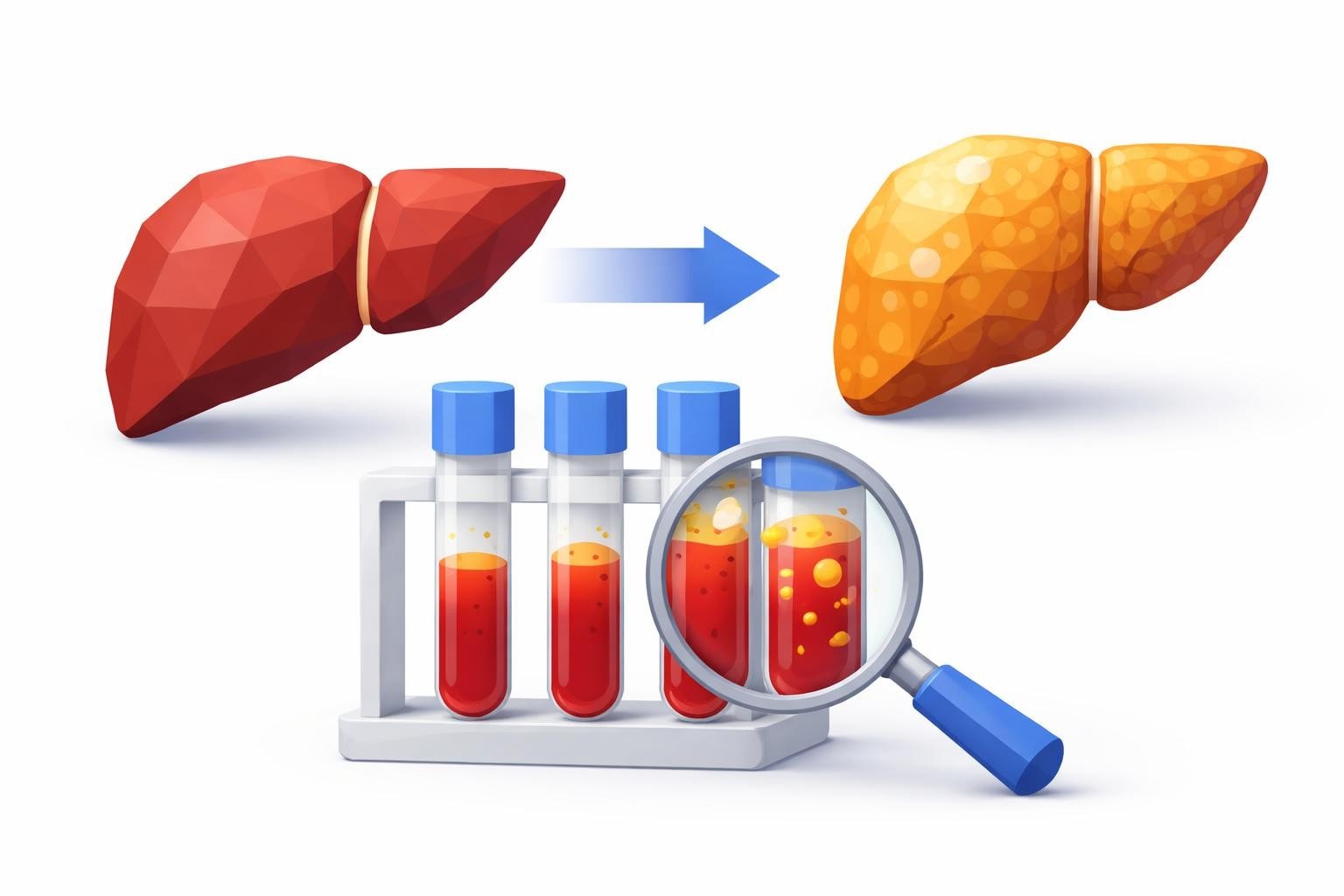
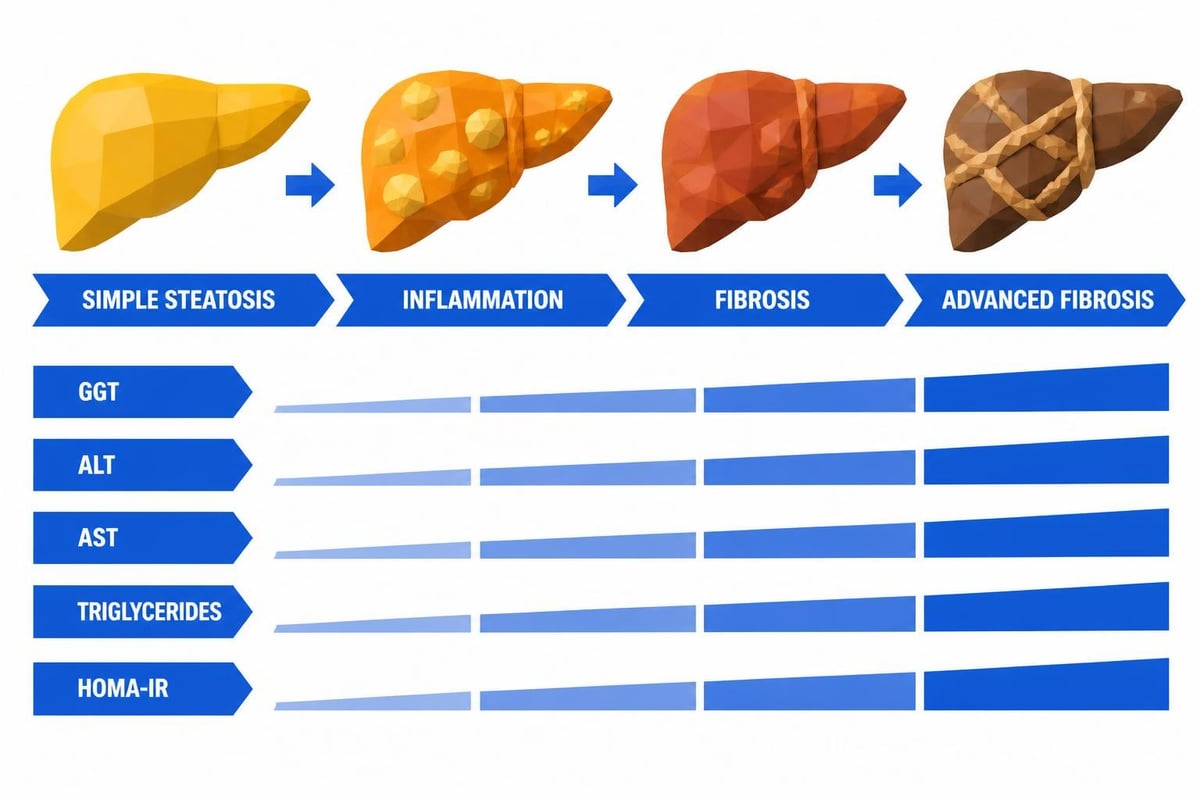
Non-alcoholic fatty liver disease (NAFLD) has reached epidemic proportions, affecting nearly one-third of American adults. GGT serves as a ggt underrated liver marker for detecting this condition in its early stages, often before imaging studies or other enzymes show abnormalities.
NAFLD develops when excess fat accumulates in liver cells without significant alcohol consumption as the cause. The condition strongly associates with obesity, insulin resistance, and metabolic syndrome. GGT elevation in this context reflects both the liver's metabolic stress and ongoing oxidative damage.
Individuals with metabolic risk factors benefit from GGT screening as part of comprehensive liver assessment. When combined with other markers and clinical history, GGT helps identify NAFLD candidates who need further evaluation through imaging or specialized testing.
Early Detection Advantages
Catching fatty liver disease early provides opportunities for intervention before progression to more serious conditions:
- Dietary modifications can reverse early-stage fat accumulation
- Exercise programs improve insulin sensitivity and reduce liver fat
- Weight loss of just 5-10% significantly benefits liver health
- Metabolic optimization prevents progression to cirrhosis
Access to affordable lab test pricing makes regular monitoring feasible for at-risk individuals. Early detection through GGT screening costs far less than treating advanced liver disease complications.
Beyond the Liver: Systemic Health Implications
While classified as a liver enzyme, GGT's implications extend throughout the body. This characteristic reinforces its status as a ggt underrated liver marker with broader health significance. The evolving understanding of GGT's functions reveals connections to cardiovascular health, kidney function, and overall mortality risk.
Elevated GGT independently predicts cardiovascular events, even after controlling for traditional risk factors like cholesterol, blood pressure, and smoking. The enzyme's relationship with oxidative stress and inflammation helps explain these associations. Chronic low-grade inflammation damages blood vessels and promotes atherosclerosis development.
Cardiovascular Risk Assessment
Including GGT in cardiovascular risk evaluation provides additional prognostic information:
- Higher GGT levels correlate with increased heart attack risk
- Stroke incidence rises with GGT elevation
- Heart failure risk increases across the GGT spectrum
- Overall cardiovascular mortality shows dose-response relationship with GGT
The integrative medicine perspective on GGT emphasizes these systemic connections, advocating for comprehensive interpretation beyond simple liver function assessment.
Practical Testing Considerations
Understanding when and how to test GGT maximizes this marker's clinical utility. As a ggt underrated liver marker, GGT deserves inclusion in more health screening panels than it currently receives. Most people never have their GGT measured unless specific liver concerns arise.
Who Should Consider GGT Testing
Several groups particularly benefit from GGT measurement:
- Anyone with metabolic syndrome components
- Individuals taking statins or other hepatically-metabolized medications
- People with family history of liver disease
- Those with regular alcohol consumption
- Individuals with unexplained fatigue or abdominal discomfort
- Anyone monitoring weight loss progress
Recommended Test
GGT (Gamma-Glutamyl Transferase)
GGT is a liver enzyme that's particularly sensitive to alcohol use and bile duct problems. It's often elevated before other liver enzymes and can help determine the cause of elevated ALP (alkaline phosphatase).
Includes 1 biomarkers
$5
Modern direct-access testing makes GGT measurement convenient and affordable. You can easily find lab locations offering comprehensive metabolic panels that include this important marker.
Interpreting Results in Context
GGT values require thoughtful interpretation considering multiple factors:
| Factor | Impact on GGT | Interpretation Notes |
|---|---|---|
| Age | Increases with age | Higher normal ranges for older adults |
| Gender | Higher in men | Different reference ranges apply |
| Body weight | Increases with obesity | Correlates with BMI and waist circumference |
| Medications | Variable effects | Consider timing relative to medication changes |
| Recent alcohol | Rapid elevation | May reflect acute consumption |
The understanding lab results resource helps individuals interpret their GGT values alongside other markers. Context matters significantly when determining whether elevation requires intervention or simply monitoring.
Lowering Elevated GGT Levels
When GGT testing reveals elevation, specific interventions can normalize levels and reduce associated health risks. The approach depends on identifying underlying causes while implementing general health optimization strategies. This makes the ggt underrated liver marker actionable rather than merely informative.
Lifestyle Modifications That Work
Evidence supports several effective strategies for reducing GGT:
- Eliminate or minimize alcohol consumption - Most impactful intervention for alcohol-related elevation
- Improve insulin sensitivity through dietary changes and exercise
- Achieve modest weight loss if overweight or obese
- Optimize medication regimens with healthcare provider guidance
- Increase antioxidant intake through colorful vegetables and fruits
- Implement stress reduction practices like meditation or yoga
Physical activity deserves special emphasis. Regular exercise improves insulin sensitivity, reduces liver fat, and lowers oxidative stress - all factors that influence GGT levels. Even moderate activity like brisk walking for 30 minutes daily produces measurable benefits.
Dietary Strategies
Specific nutritional approaches help reduce GGT elevation:
- Mediterranean diet patterns with emphasis on olive oil, fish, vegetables
- Reduce refined carbohydrates and added sugars
- Increase fiber intake from whole grains, legumes, vegetables
- Coffee consumption (moderate amounts show GGT-lowering effects)
- Limit processed foods high in inflammatory omega-6 fatty acids
Tracking progress through periodic retesting provides motivation and confirms intervention effectiveness. The ability to order follow-up tests conveniently supports consistent monitoring during lifestyle modification efforts.
GGT in Preventive Health Screening
The preventive medicine value of GGT measurement cannot be overstated. As a ggt underrated liver marker, it identifies subclinical dysfunction years before diseases manifest clinically. This early warning capability aligns perfectly with modern preventive health philosophies emphasizing intervention before disease development.
Comprehensive health screening should include GGT alongside traditional markers like cholesterol panels, glucose measurements, and complete blood counts. The relatively low cost and high information yield make GGT testing highly cost-effective for risk stratification.
Population studies consistently demonstrate GGT's predictive value for multiple chronic diseases. People with GGT in the highest quartile of the normal range face significantly elevated risks compared to those in the lowest quartile. This gradient effect means that optimizing GGT toward lower normal values produces tangible health benefits.
Building Your Preventive Testing Strategy
Creating an effective screening approach incorporates GGT thoughtfully:
- Establish baseline values in your 20s or 30s when healthy
- Retest annually if metabolic risk factors present
- Monitor every 2-3 years for low-risk individuals
- Increase frequency when implementing lifestyle changes
- Combine with complementary markers for comprehensive assessment
The available test menu at direct-access laboratories typically includes GGT as part of comprehensive metabolic or liver function panels, making routine monitoring straightforward and economical.
Integration With Other Biomarkers
GGT rarely exists in isolation when evaluating health status. This ggt underrated liver marker provides maximum value when interpreted alongside complementary measurements. Understanding these relationships enhances clinical decision-making and personal health management.
Synergistic Marker Combinations
Certain biomarker combinations provide enhanced diagnostic and prognostic information:
- GGT + ALT + AST = Comprehensive liver enzyme profile
- GGT + Fasting insulin + Glucose = Metabolic health assessment
- GGT + hsCRP + Lipid panel = Cardiovascular risk evaluation
- GGT + Hemoglobin A1c + Fasting glucose = Diabetes screening panel
These combinations reveal patterns that single markers miss. For example, isolated GGT elevation with normal ALT/AST suggests alcohol use, medication effects, or early metabolic dysfunction rather than acute liver injury.
The discussion on GGT at Lamkin Clinic emphasizes these interpretive nuances, explaining how experienced practitioners use GGT alongside other data points to construct comprehensive health pictures. This integrative approach prevents oversimplification and supports more accurate risk assessment.
GGT deserves recognition as far more than a simple liver enzyme, offering crucial insights into alcohol consumption, medication effects, insulin resistance, and overall metabolic health. By incorporating this underrated marker into your health monitoring strategy, you gain early warning signals that enable proactive intervention before serious conditions develop. Justlabs makes accessing comprehensive lab testing including GGT measurement simple and affordable, with transparent pricing, no insurance requirements, and results delivered within 1-3 days - empowering you to take control of your health through informed, data-driven decisions.