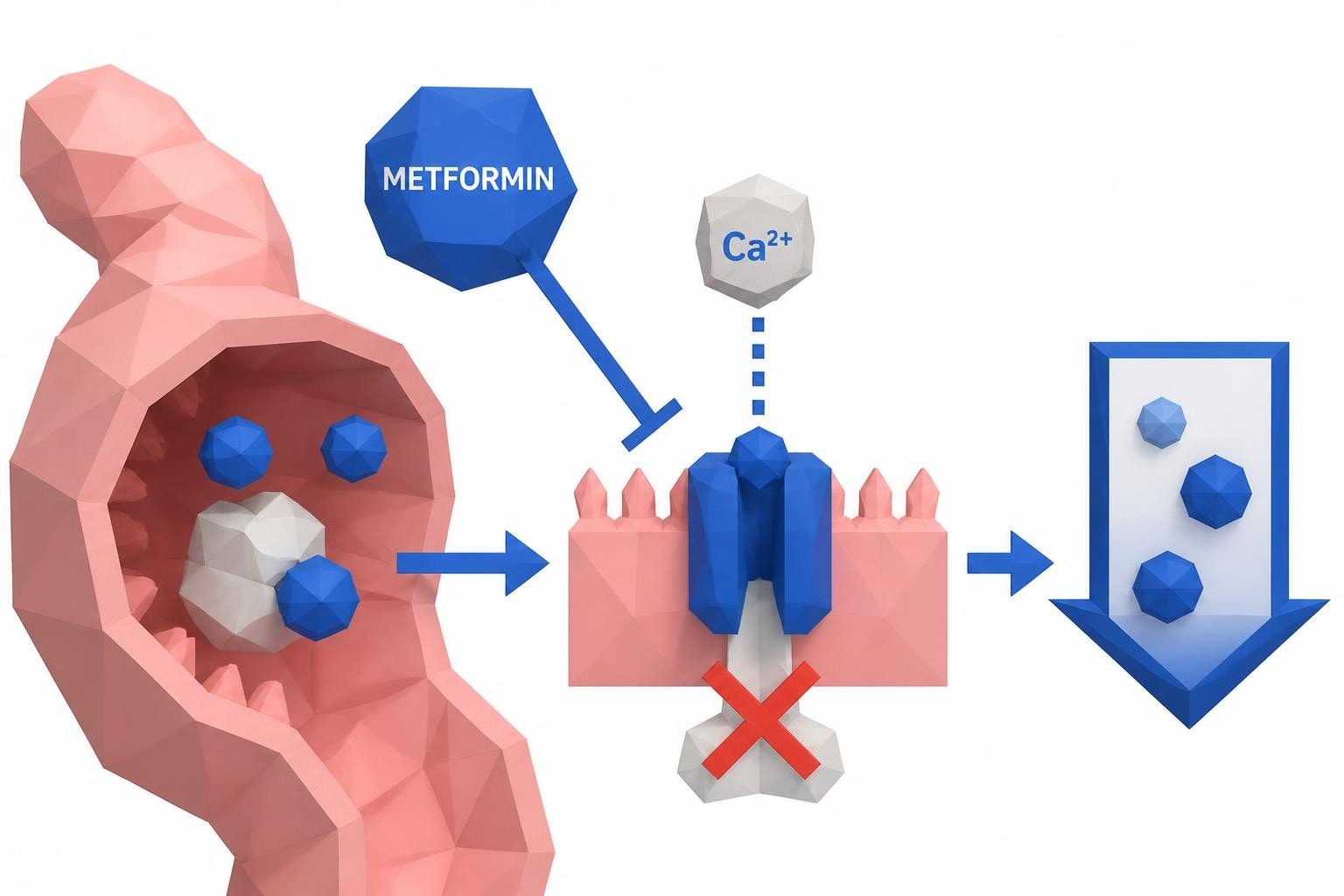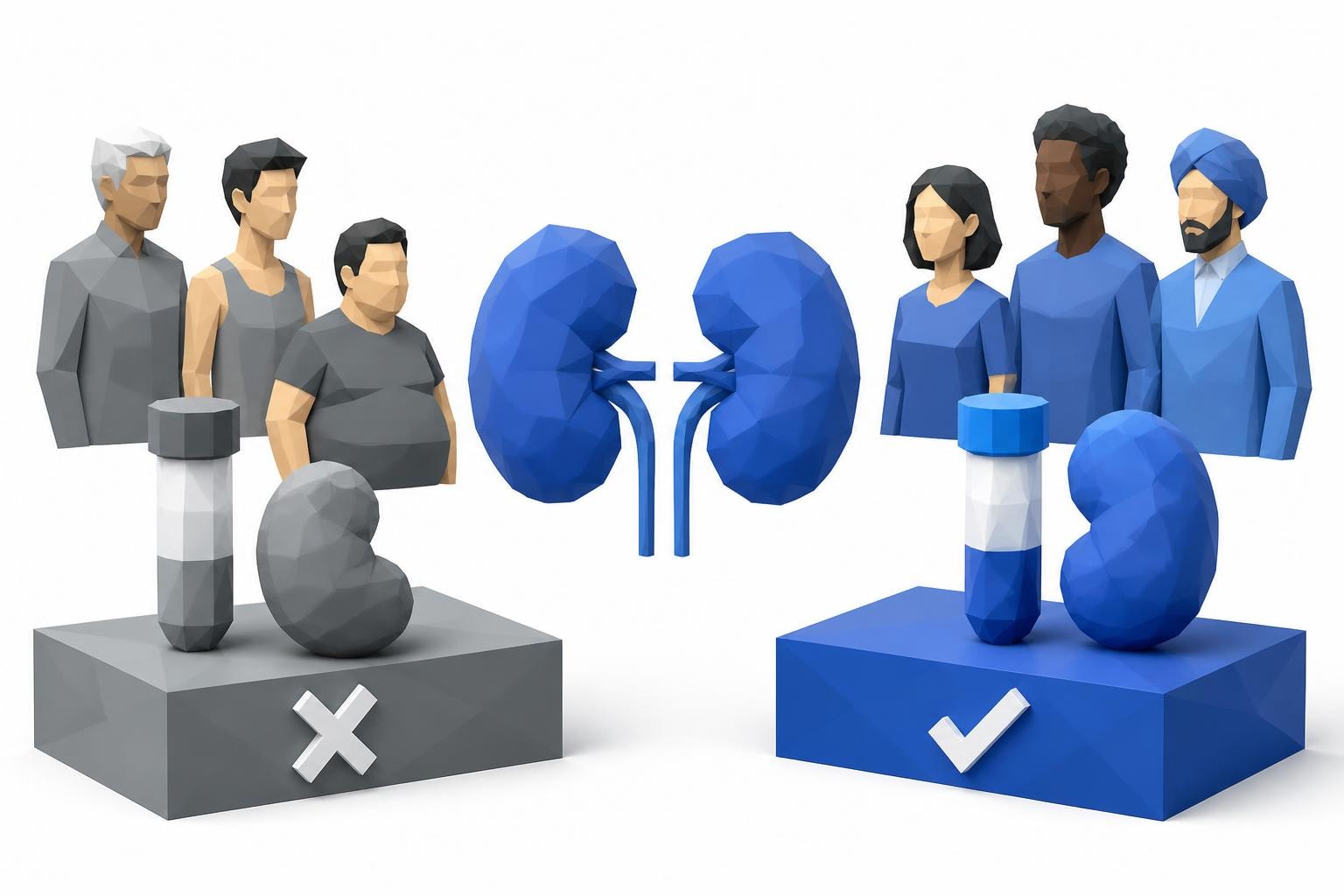
Kidney function testing has relied on the same standard biomarker for decades, but medical science has identified a more accurate alternative. While creatinine-based tests remain the default option in most healthcare settings, cystatin C offers superior accuracy for assessing kidney health across diverse patient populations. Understanding the differences between these two testing methods can help you make informed decisions about monitoring your kidney function, especially if traditional tests may not provide the complete picture for your specific circumstances.
Big picture
- Cystatin C is a protein produced by all cells in your body at a constant rate, making it an excellent biomarker for kidney function that isn't affected by muscle mass, diet, or age in the same way creatinine is
- Traditional creatinine tests can miss early kidney disease in certain populations, including older adults, people with lower muscle mass, vegetarians, and those with chronic illnesses that affect muscle composition
- The cystatin C test measures glomerular filtration rate (GFR) more accurately than creatinine alone, helping detect kidney problems earlier and providing better risk assessment for cardiovascular events
- Anyone concerned about kidney health should consider cystatin C testing, particularly those with diabetes, high blood pressure, family history of kidney disease, or other risk factors
- You can access cystatin C testing without insurance barriers through self-pay lab testing services, allowing you to monitor your kidney health proactively at transparent, affordable prices
- Take action by discussing cystatin C with your healthcare provider or ordering the test directly to establish your baseline kidney function and track changes over time
Understanding Why Cystatin C A Better Kidney Test
The medical community has increasingly recognized that cystatin c a better kidney test compared to traditional methods. The National Kidney Foundation explains that cystatin C is a protein produced by all nucleated cells throughout the body at a relatively constant rate. Your kidneys filter this protein from the bloodstream, making its blood concentration an excellent indicator of how well your kidneys are functioning.
How Kidney Function Tests Work
When your kidneys work properly, they filter waste products and excess substances from your blood while retaining essential nutrients and proteins. The glomerular filtration rate (GFR) measures how much blood your kidneys filter each minute, serving as the primary indicator of kidney health.
Traditional tests calculate estimated GFR (eGFR) using creatinine levels combined with factors like age, sex, and race. Creatinine is a waste product from normal muscle metabolism, so its blood levels should remain relatively stable when kidneys function normally.
However, this approach has significant limitations:
- Muscle mass directly affects creatinine production, making results unreliable for bodybuilders, frail elderly patients, amputees, or those with muscle-wasting conditions
- Dietary protein intake influences creatinine levels, particularly in people who consume large amounts of cooked meat
- Certain medications interfere with creatinine measurements without actually affecting kidney function
- Age-related muscle loss can mask declining kidney function in older adults

The Scientific Evidence Behind Cystatin C
Research demonstrates why cystatin c a better kidney test for many clinical situations. A comprehensive review published in the National Library of Medicine examined the advantages and limitations of using cystatin C to estimate GFR, finding that it provides more reliable kidney function assessment across diverse populations.
Superior Accuracy in Diverse Populations
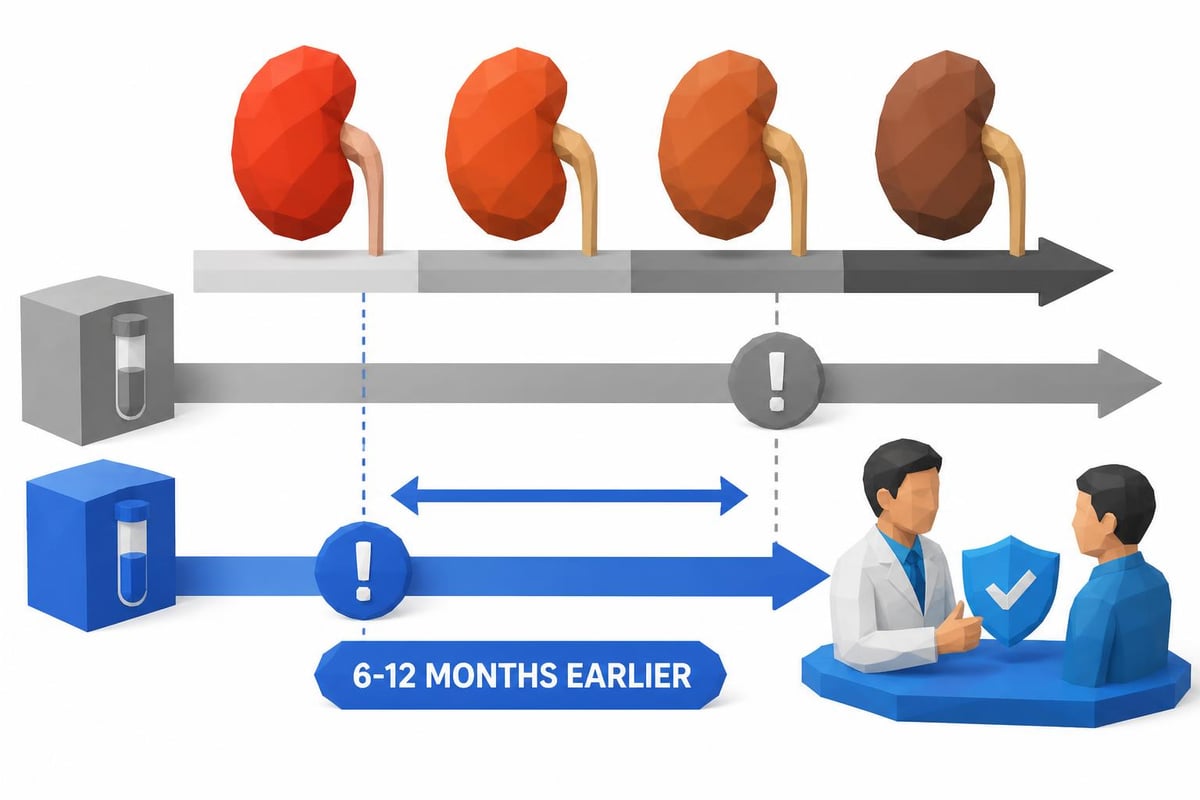
Studies have consistently shown that cystatin C-based eGFR calculations detect kidney disease earlier than creatinine-based methods. According to research on GFR estimation accuracy, cystatin C was slightly more accurate than creatinine in estimating kidney function, particularly for identifying moderate chronic kidney disease.
The advantages become even more pronounced when combining both biomarkers. Using cystatin C alongside creatinine provides the most accurate GFR estimates, helping clinicians identify patients at higher risk for kidney disease progression and cardiovascular events.
| Testing Method | Accuracy Level | Best Used For |
|---|---|---|
| Creatinine alone | Moderate | General screening in average muscle mass patients |
| Cystatin C alone | High | Patients with abnormal muscle mass, elderly, special populations |
| Combined (both markers) | Highest | Comprehensive assessment, high-risk patients, confirming borderline results |
Clinical Applications and Benefits
The American Kidney Fund highlights several scenarios where cystatin C testing proves particularly valuable:
- Elderly patients who may have lost muscle mass with age
- Bodybuilders or athletes with above-average muscle mass
- People following vegetarian or vegan diets that affect creatinine levels
- Patients with chronic illnesses causing muscle wasting
- Individuals taking certain medications that interfere with creatinine tests
- Children and adolescents with varying growth patterns
When Should You Consider Cystatin C Testing
Understanding when cystatin c a better kidney test for your specific situation helps you make informed healthcare decisions. While traditional creatinine testing remains appropriate for many people, certain circumstances warrant the more accurate assessment cystatin C provides.
High-Risk Populations
People with diabetes, hypertension, or family history of kidney disease benefit significantly from cystatin C testing. These conditions increase kidney disease risk, making early detection crucial for preventing progression. The enhanced sensitivity of cystatin C can identify problems before creatinine levels become abnormal.
Cardiovascular disease patients also gain valuable insights from cystatin C testing. Research shows that cystatin C levels predict cardiovascular events more accurately than creatinine-based eGFR, providing additional risk stratification beyond traditional markers.
Monitoring Treatment and Progression
For patients already diagnosed with kidney disease, cystatin C offers advantages in monitoring disease progression and treatment effectiveness. The CKD-EPI Cystatin C Equation provides standardized GFR estimation that remains reliable across different stages of kidney disease.
Healthcare providers use cystatin C testing to:
- Confirm borderline or unexpected creatinine results
- Assess kidney function before prescribing medications that require dose adjustment
- Monitor patients undergoing chemotherapy or other nephrotoxic treatments
- Evaluate kidney function in potential organ donors
- Guide decisions about dialysis initiation
Cost and Accessibility Considerations
Understanding the practical aspects of obtaining cystatin C testing helps you access this valuable diagnostic tool. While cost has historically been a barrier, the landscape has changed significantly in recent years.
Traditional Healthcare System Challenges
Insurance coverage for cystatin C testing varies widely. Some insurers cover it only for specific indications, while others require prior authorization or limit testing frequency. These restrictions can delay diagnosis and create financial uncertainty for patients.
The typical retail price for cystatin C testing through traditional channels ranges from $50 to $150, though patients often don't know the cost until after receiving their explanation of benefits. This lack of transparency makes healthcare planning difficult.
Self-Pay Testing Advantages
Direct access lab testing has transformed how Americans approach kidney health monitoring. When you order lab tests without a doctor's visit, you gain several advantages:
- Transparent pricing that you know upfront before ordering
- No insurance hassles or surprise bills after testing
- Faster results typically available within 1-3 days
- Convenient access without lengthy appointment waits
- Complete test selection based on your health priorities
The cost of lab testing through self-pay services often proves more affordable than traditional channels, especially when considering insurance deductibles, copays, and the value of your time.
Interpreting Your Cystatin C Results
Once you receive your test results, understanding what the numbers mean helps you take appropriate action. Cystatin C levels are measured in milligrams per liter (mg/L), with normal ranges typically falling between 0.6 and 1.3 mg/L for most laboratories.
Reference Ranges and eGFR Calculation
Your cystatin C level gets converted into an estimated GFR using specialized equations like the CKD-EPI Cystatin C formula. This calculation provides a more clinically relevant number showing how efficiently your kidneys filter blood.
| eGFR Stage | Kidney Function | eGFR Value | Clinical Significance |
|---|---|---|---|
| Stage 1 | Normal or high | 90+ | Normal kidney function |
| Stage 2 | Mildly decreased | 60-89 | Mild reduction, monitor regularly |
| Stage 3a | Mild to moderate | 45-59 | Moderate reduction, may need treatment |
| Stage 3b | Moderate to severe | 30-44 | Significant reduction, specialist referral |
| Stage 4 | Severely decreased | 15-29 | Severe reduction, prepare for kidney failure |
| Stage 5 | Kidney failure | <15 | Dialysis or transplant needed |
Factors Affecting Results
While cystatin C proves more stable than creatinine, certain conditions can still influence levels. According to comprehensive testing information, thyroid disorders, corticosteroid use, and high levels of inflammation may affect cystatin C measurements.
However, these influences are typically less significant than the factors affecting creatinine. The research by Anders Grubb emphasizes that cystatin C remains indispensable for accurate kidney disease evaluation despite these minor limitations.
Combining Cystatin C With Other Kidney Tests
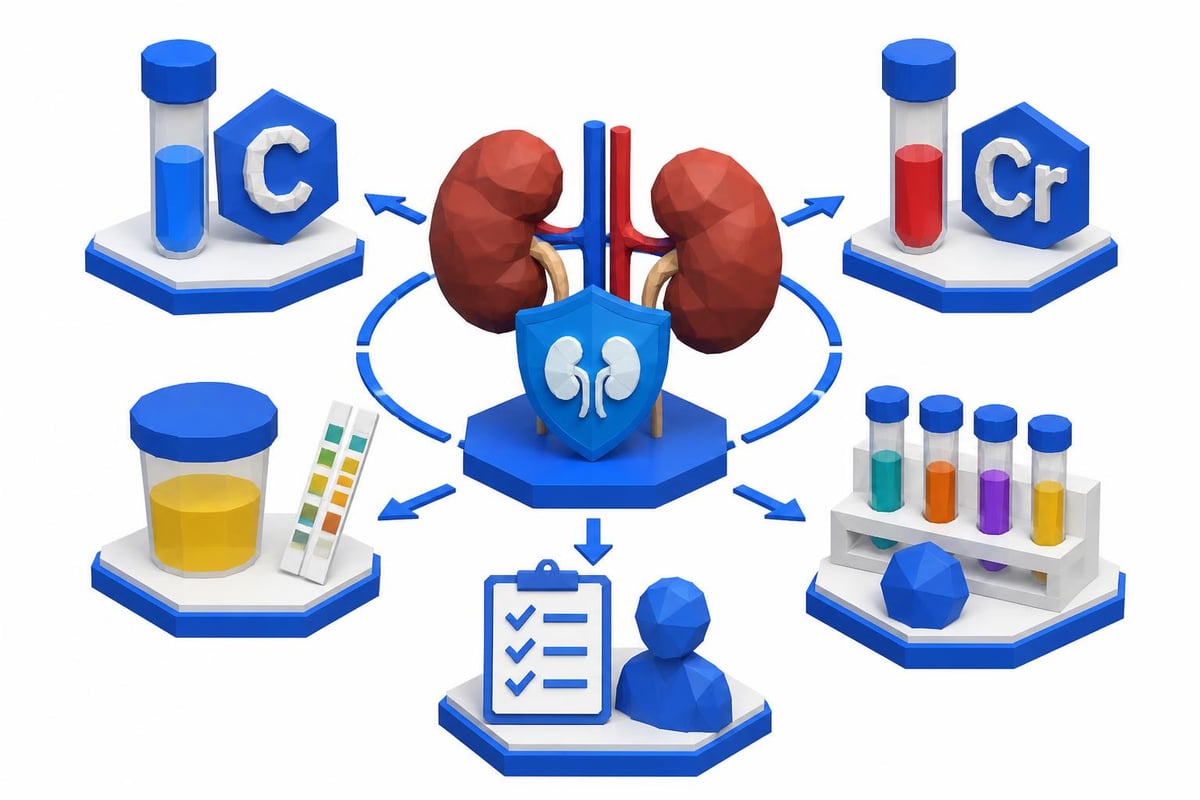
Maximum diagnostic accuracy comes from comprehensive kidney function assessment. While cystatin c a better kidney test than creatinine alone, combining multiple biomarkers provides the most complete picture of kidney health.
Complete Metabolic Panel Integration
A standard metabolic panel includes creatinine, blood urea nitrogen (BUN), electrolytes, and other markers that provide context for kidney function. Adding cystatin C to this panel enhances diagnostic precision without requiring additional blood draws.
This comprehensive approach helps identify:
- Early kidney disease before symptoms develop
- Acute kidney injury from medications, infections, or dehydration
- Electrolyte imbalances related to kidney dysfunction
- Diabetes complications affecting kidney health
- Medication effects requiring dose adjustments
Urinalysis and Additional Testing
Combining blood tests with urinalysis provides complementary information. Protein in urine (albuminuria) often appears before GFR declines, while blood tests quantify the degree of kidney function loss.
Some patients benefit from additional specialized testing including:
- Kidney imaging (ultrasound, CT, or MRI)
- Kidney biopsy for unclear diagnoses
- Genetic testing for inherited kidney diseases
- Cardiovascular risk markers
Access to affordable lab test pricing makes comprehensive kidney health monitoring feasible for more people, enabling proactive health management before problems become severe.
Taking Action With Your Test Results
Knowledge becomes powerful only when paired with appropriate action. After confirming that cystatin c a better kidney test for your situation and receiving results, several pathways forward exist depending on your findings.
Normal Results
Even normal kidney function deserves attention and maintenance. Protecting your kidneys through lifestyle choices prevents future problems:
- Maintain healthy blood pressure below 120/80 mmHg
- Control blood sugar levels if diabetic
- Stay well-hydrated with adequate water intake
- Limit NSAID pain reliever use
- Avoid excessive protein intake
- Exercise regularly to maintain cardiovascular health
- Manage stress through healthy coping mechanisms
Establishing baseline kidney function through periodic testing helps detect changes early. Annual or biannual testing makes sense for people with risk factors, while those without risk factors might test every 2-3 years.
Abnormal Results Requiring Follow-Up
Elevated cystatin C or reduced eGFR requires medical evaluation. Your healthcare provider will likely recommend:
- Repeat testing to confirm results and rule out temporary factors
- Comprehensive evaluation including urinalysis, imaging, and additional blood tests
- Medication review to identify nephrotoxic drugs
- Blood pressure optimization as the primary intervention for most kidney disease
- Dietary modifications including sodium and protein restriction if appropriate
- Specialist referral to a nephrologist for advanced kidney disease
Early intervention significantly improves outcomes. Many kidney disease patients can slow or even halt progression with appropriate treatment, avoiding dialysis and transplantation.
Key Takeaways
Modern kidney health assessment requires understanding why cystatin c a better kidney test than traditional creatinine methods alone. This advanced biomarker provides superior accuracy across diverse patient populations, detecting kidney disease earlier and more reliably than conventional testing. While creatinine testing continues serving as the standard screening tool, cystatin C offers critical advantages for elderly patients, those with abnormal muscle mass, people following specific diets, and anyone seeking the most accurate kidney function assessment available.
The combination of both biomarkers delivers optimal diagnostic precision, helping healthcare providers identify kidney problems before they progress to serious complications. Access barriers have decreased significantly with self-pay testing options offering transparent pricing and convenient ordering without insurance requirements. Whether you're monitoring existing kidney conditions, assessing cardiovascular risk, or establishing baseline health metrics, cystatin C testing provides valuable information that traditional tests might miss.
Understanding your kidney function empowers proactive health management. The kidneys perform critical functions beyond waste removal, including blood pressure regulation, red blood cell production, and bone health maintenance. Protecting these vital organs through early detection and appropriate intervention prevents complications affecting your entire body. Regular monitoring combined with healthy lifestyle choices gives you the best chance of maintaining kidney function throughout your life.
FAQ
What is cystatin C and why is it important for kidney health?
Cystatin C is a protein produced by all cells in your body at a constant rate. Your kidneys filter it from your bloodstream, making blood levels an excellent indicator of kidney function. Unlike creatinine, cystatin C production isn't affected by muscle mass, diet, or age in the same ways, making it a more reliable marker for diverse patient populations.
How does cystatin C testing differ from standard creatinine tests?
Standard creatinine tests can be influenced by muscle mass, diet, age, and certain medications, potentially masking kidney problems or creating false abnormal results. Cystatin C testing provides more accurate kidney function assessment regardless of these factors. The most accurate approach combines both markers for comprehensive evaluation.
Who should consider getting a cystatin C test?
People with diabetes, high blood pressure, cardiovascular disease, or family history of kidney disease benefit from cystatin C testing. It's particularly valuable for elderly patients, bodybuilders, vegetarians, those with chronic illnesses affecting muscle mass, and anyone with borderline or unexpected creatinine results. Anyone concerned about kidney health can request this test.
Can I get cystatin C testing without seeing a doctor first?
Yes, self-pay lab testing services allow you to order cystatin C tests directly without a doctor's visit. You simply order online, visit a nearby lab for blood draw, and receive results within 1-3 days. This approach provides convenient access with transparent pricing, though you should discuss any abnormal results with a healthcare provider.
How much does cystatin C testing cost?
Cystatin C testing through traditional healthcare channels typically costs $50-$150, though insurance coverage varies and final costs may be unpredictable. Self-pay lab testing services offer transparent, upfront pricing that's often more affordable than insurance-based testing when considering deductibles and copays. The ability to compare prices and know costs before testing provides significant financial clarity.
How often should I test my cystatin C levels?
Testing frequency depends on your individual risk factors and current kidney health status. People with diabetes, hypertension, or existing kidney disease typically benefit from testing every 3-6 months. Those with risk factors but normal kidney function might test annually or biannually. People without risk factors can establish baseline kidney function and retest every 2-3 years.
What do my cystatin C results mean?
Normal cystatin C levels typically range from 0.6 to 1.3 mg/L, though reference ranges vary slightly between laboratories. Your level gets converted into an estimated GFR showing how efficiently your kidneys filter blood. Higher cystatin C levels indicate lower kidney function. Your healthcare provider can interpret results in the context of your complete health picture.
Can cystatin C detect kidney disease earlier than creatinine?
Yes, research shows cystatin C often detects declining kidney function 6-12 months earlier than creatinine-based testing. This early detection window allows earlier intervention, potentially slowing or stopping kidney disease progression before significant damage occurs. The enhanced sensitivity proves particularly valuable for high-risk populations requiring close monitoring.
Understanding that cystatin c a better kidney test than traditional methods empowers you to take control of your kidney health through more accurate monitoring. Whether you're establishing baseline kidney function, managing existing conditions, or addressing specific risk factors, this advanced biomarker provides the precision modern healthcare demands. Justlabs makes cystatin C testing accessible with transparent pricing, convenient ordering, and results delivered in 1-3 days, helping you monitor your health proactively without insurance barriers or lengthy doctor appointments.