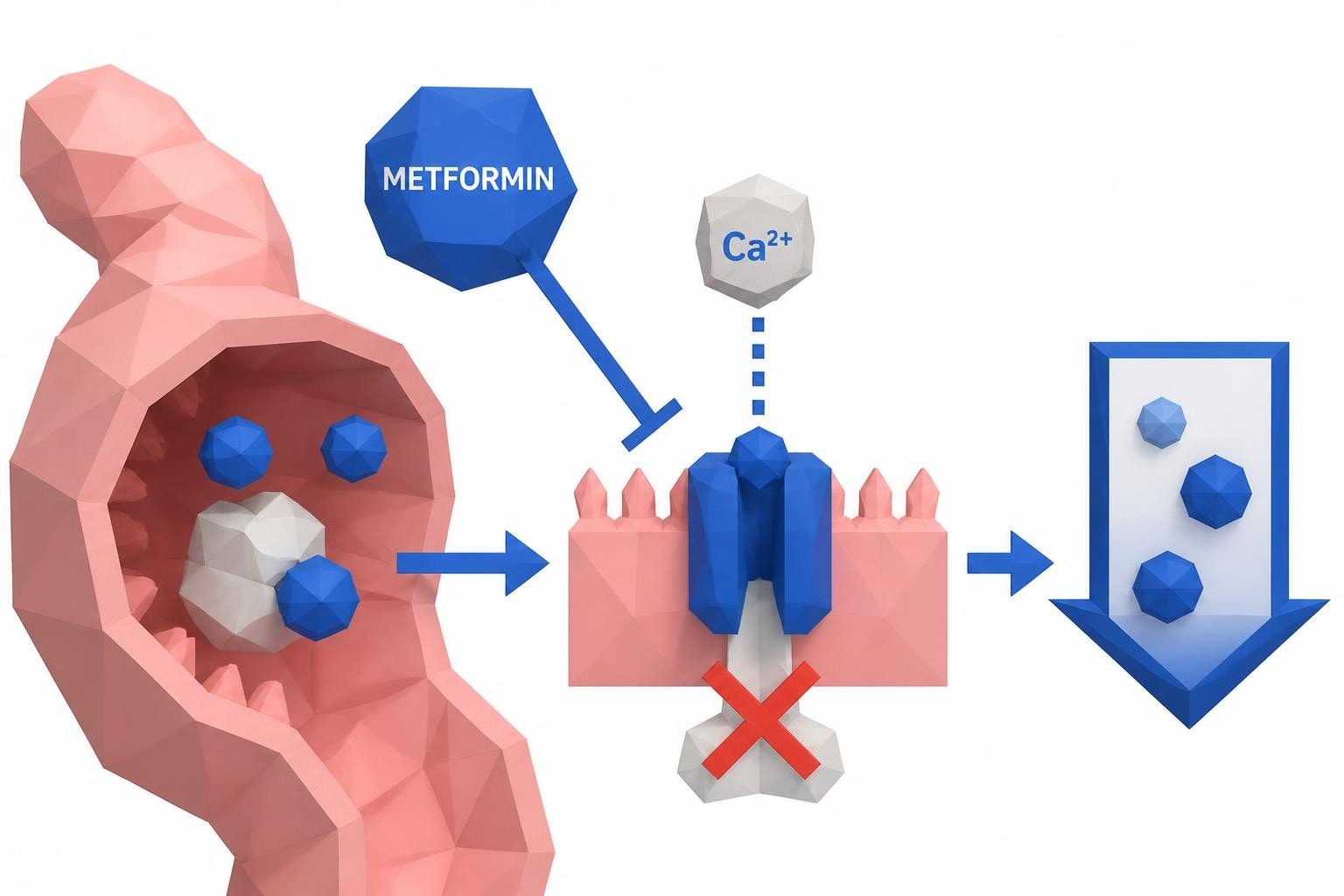
Statins have become one of the most widely prescribed medications in the United States, with over 40 million Americans taking these cholesterol-lowering drugs to reduce cardiovascular risk. While statins are generally safe and effective, proper monitoring through regular blood work is essential to ensure the medication is working as intended and to catch potential side effects early. Understanding which tests to request and when to schedule them empowers patients to take an active role in their health management.
Big picture
- Statins lower cholesterol by blocking an enzyme your liver uses to produce cholesterol, reducing your risk of heart attack and stroke
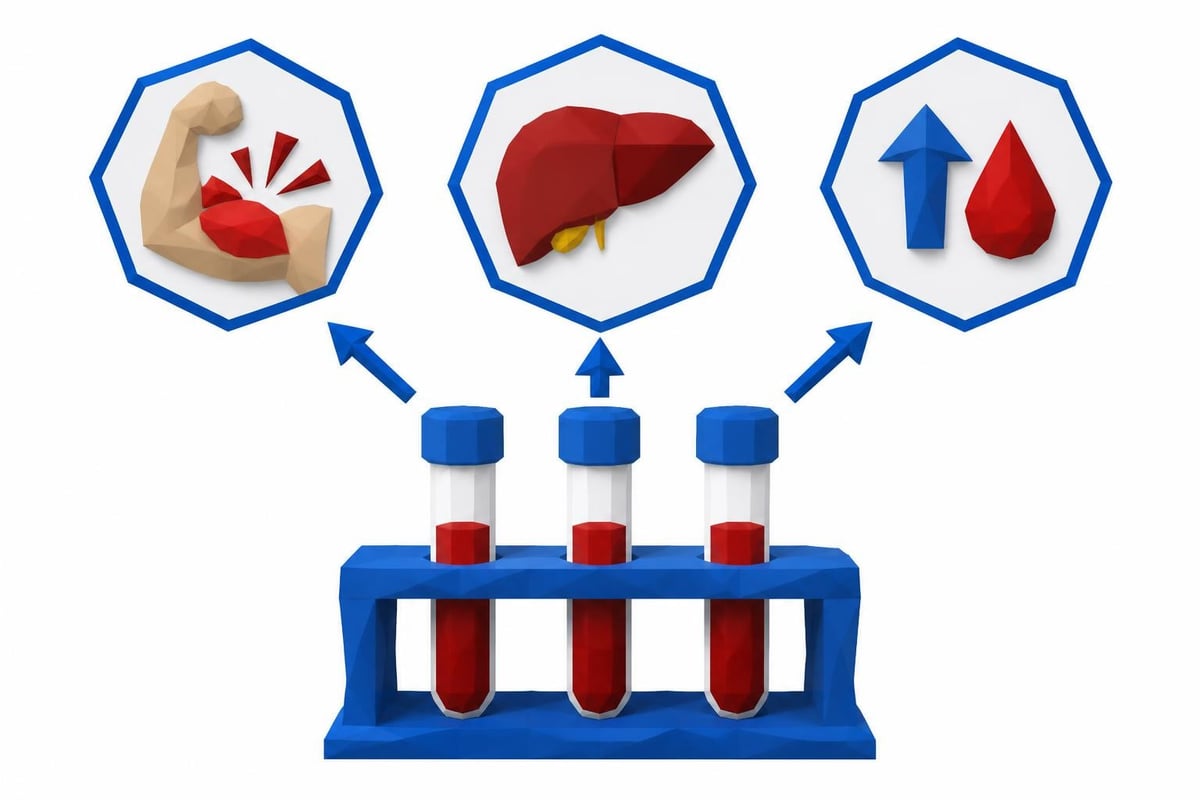
- Regular blood work monitors both effectiveness and safety, tracking whether your cholesterol levels are improving and whether your liver or muscles are experiencing adverse effects
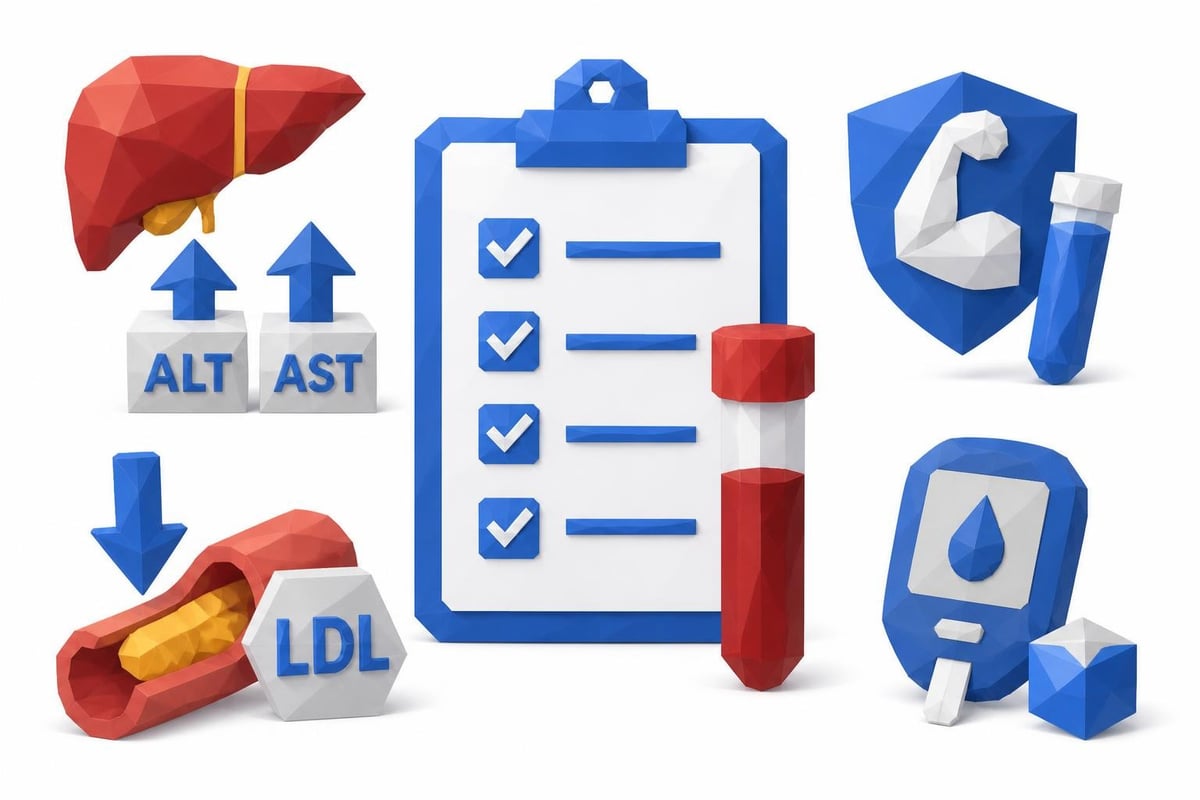
- Key tests include liver function tests (ALT, AST), creatine kinase for muscle health, lipid panels for cholesterol levels, and glucose for diabetes risk
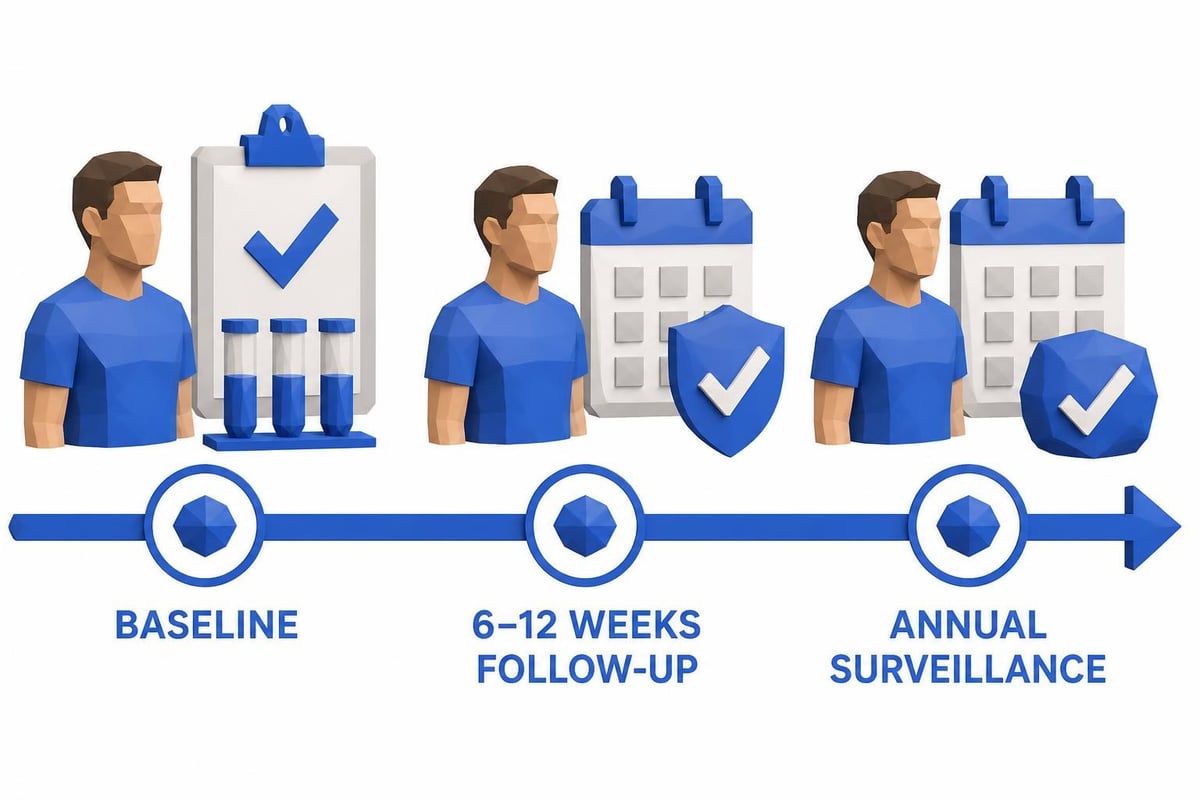
- Baseline testing before starting statins establishes your starting point, with follow-up tests typically recommended at 6-12 weeks and then annually
- Most people can order these monitoring tests directly without requiring a doctor's visit, making it easier to stay on track with recommended surveillance
- Early detection of side effects through blood work allows for dosage adjustments or medication changes before serious complications develop
Understanding Why Monitoring Matters
The USPSTF recommendations on statin use emphasize that while statins provide significant cardiovascular benefits, they require appropriate patient selection and monitoring. Blood work to monitor while taking statins serves two critical purposes: confirming therapeutic effectiveness and detecting potential adverse effects.
Statins work by inhibiting HMG-CoA reductase, the rate-limiting enzyme in cholesterol synthesis. This mechanism effectively lowers LDL cholesterol by 30-50% in most patients, but individual responses vary considerably. Without regular lipid panels, you cannot verify whether your current dose is achieving target cholesterol levels or whether adjustments are needed.
Safety Surveillance Through Laboratory Testing
Beyond effectiveness, monitoring blood work helps identify two primary categories of statin-related adverse effects: hepatotoxicity and myopathy. While serious liver injury from statins is rare (occurring in fewer than 1 in 100,000 patients), elevated liver enzymes occur more frequently and warrant attention. Similarly, muscle-related side effects range from mild myalgia to rare but serious rhabdomyolysis, with creatine kinase levels serving as an objective marker of muscle damage.
The FDA prescribing information for statins specifies that liver enzyme testing should be performed before initiating therapy and as clinically indicated thereafter. Modern guidelines have evolved from requiring routine periodic monitoring to more targeted testing based on symptoms and risk factors.
Essential Blood Tests for Statin Users
Lipid Panel: The Primary Effectiveness Measure
A comprehensive lipid panel measures total cholesterol, LDL cholesterol, HDL cholesterol, and triglycerides. This test remains the cornerstone of blood work to monitor while taking statins because it directly measures whether the medication is achieving its therapeutic goal.
Testing schedule for lipid panels:
- Baseline measurement before starting statins
- Follow-up test 6-12 weeks after initiation
- Annual testing once stable on medication
- Additional testing if dose is adjusted
Your target LDL cholesterol depends on your cardiovascular risk profile. High-risk individuals (those with existing heart disease or diabetes) typically aim for LDL below 70 mg/dL, while moderate-risk patients may target levels below 100 mg/dL. The lipid panel results guide whether your current statin dose is sufficient or requires adjustment.
| Risk Category | Target LDL-C | Target Non-HDL-C |
|---|---|---|
| Very High Risk | <70 mg/dL | <100 mg/dL |
| High Risk | <100 mg/dL | <130 mg/dL |
| Moderate Risk | <130 mg/dL | <160 mg/dL |
| Low Risk | <160 mg/dL | <190 mg/dL |
Liver Function Tests: Monitoring Hepatotoxicity
Alanine aminotransferase (ALT) and aspartate aminotransferase (AST) are the primary liver enzymes monitored in statin users. These enzymes normally reside inside liver cells but leak into the bloodstream when liver cells are damaged or stressed.
The NICE guidelines on lipid modification recommend measuring liver transaminases before starting statins and repeating the test within 3 months of starting treatment and at 12 months. However, they do not recommend routine monitoring beyond this point unless patients develop symptoms or risk factors emerge.
Interpreting liver enzyme elevations:
- Elevations less than 3 times the upper limit of normal are common and usually do not require stopping statins
- Elevations exceeding 3 times the upper limit warrant dose reduction or temporary discontinuation
- Liver enzymes typically normalize within weeks to months after stopping the medication
- Reintroducing statins at a lower dose or trying a different statin is often successful
Many patients experience mild, transient elevations in liver enzymes during the first few months of treatment that resolve spontaneously. This pattern does not predict future liver injury and generally does not require medication cessation.
Creatine Kinase: The Muscle Safety Marker
Creatine kinase (CK) is an enzyme found predominantly in muscle tissue. When muscle cells break down (a process called rhabdomyolysis in its severe form), CK levels rise dramatically. Monitoring CK is particularly important because muscle-related side effects are the most common reason patients discontinue statins.
According to the NHS guidance on statin monitoring, CK should be measured before starting statins if the patient has unexplained muscle pain, if they are at increased risk of muscle effects, or if symptoms develop during treatment.
When to check CK levels:
- Baseline measurement in patients with risk factors for myopathy
- Any time muscle pain, tenderness, or weakness develops
- Before increasing to high-intensity statin doses
- In patients taking medications that interact with statins
CK levels can vary significantly based on recent physical activity, so timing matters. Avoid strenuous exercise for 48 hours before testing, as this can artificially elevate results and lead to unnecessary concern.
Secondary Monitoring: Glucose and Additional Markers
Blood Glucose and Diabetes Risk
Statins modestly increase the risk of developing type 2 diabetes, particularly in patients with pre-existing risk factors such as obesity, metabolic syndrome, or impaired fasting glucose. This effect is dose-dependent, with higher-intensity statins carrying slightly greater risk.
Recommended glucose monitoring includes:
- Fasting glucose or HbA1c before starting statins
- Annual glucose testing, especially in higher-risk patients
- More frequent monitoring if pre-diabetic at baseline
The cardiovascular benefits of statins far outweigh the small diabetes risk for most patients. However, awareness allows for early lifestyle interventions and closer glucose monitoring when indicated. For those interested in understanding genetic factors affecting cholesterol metabolism, exploring ApoE genotype and its relationship to cholesterol provides valuable insights.
Thyroid Function Testing
Hypothyroidism can cause elevated cholesterol levels that may be mistaken for primary hyperlipidemia. Before attributing high cholesterol solely to diet or genetics, many physicians check thyroid-stimulating hormone (TSH) to rule out thyroid dysfunction as a contributing factor.
Recommended Panel
Basic Thyroid Panel
Save $2This panel includes the 3 essential thyroid markers: TSH, Free T4, and Free T3. The perfect starting point for evaluating thyroid function without unnecessary tests.
Includes 3 biomarkers
$30
If you have unexplained muscle symptoms while taking statins, thyroid testing becomes even more important, as hypothyroidism itself can cause muscle pain and weakness that might be incorrectly attributed to statin side effects.
Optimal Testing Schedules and Frequencies
The frequency of blood work to monitor while taking statins has evolved significantly over the past decade. Earlier guidelines recommended frequent routine monitoring, but contemporary evidence suggests a more targeted approach based on individual risk factors and symptoms.
Initial Monitoring Phase
Before starting statins:
- Complete lipid panel
- Liver function tests (ALT, AST)
- Fasting glucose or HbA1c
- Creatine kinase (if risk factors present)
- TSH (if not recently checked)
6-12 weeks after starting:
- Lipid panel to assess response
- Liver function tests
- Additional tests only if symptoms develop
This initial follow-up is crucial because it confirms whether the prescribed dose achieves your target cholesterol levels or requires adjustment. Many patients need dose titration during this phase.
Maintenance Monitoring
Once you're stable on a statin dose that effectively controls your cholesterol without causing side effects, monitoring becomes less intensive:
| Test Type | Frequency | Notes |
|---|---|---|
| Lipid Panel | Annually | More often if not at goal |
| Liver Enzymes | As clinically indicated | Not routinely required |
| Creatine Kinase | Only with symptoms | Routine monitoring not recommended |
| Glucose/HbA1c | Annually | Especially if diabetes risk factors |
The shift away from routine liver enzyme monitoring reflects accumulating evidence that serious hepatotoxicity is extremely rare and that routine testing does not predict or prevent liver injury better than symptom-based testing.
When to Test Outside the Routine Schedule
Certain situations warrant additional blood work regardless of your scheduled monitoring:
- Development of muscle pain, tenderness, or weakness
- Unexplained fatigue or malaise
- Dark-colored urine
- Starting a new medication that may interact with statins
- Significant changes in diet, exercise, or weight
Ordering labs without a doctor's visit makes it convenient to get tested promptly when symptoms arise, rather than waiting for a scheduled appointment.
Managing Abnormal Results
Elevated Liver Enzymes
If your ALT or AST rises above the upper limit of normal but remains below 3 times this threshold, your physician will typically continue monitoring without changing your medication. Many cases resolve spontaneously.
Management options include:
- Recheck in 4-6 weeks to assess trend
- Reduce statin dose
- Continue current dose with closer monitoring
- Investigate other potential causes of elevation
If liver enzymes exceed 3 times the upper limit of normal, most clinicians will discontinue the statin temporarily, recheck enzymes in 2-4 weeks, and consider restarting at a lower dose or switching to a different statin once levels normalize.
Elevated Creatine Kinase
CK elevation management depends on the degree of elevation and presence of symptoms:
| CK Level | Symptoms Absent | Symptoms Present |
|---|---|---|
| <4x ULN | Continue, monitor | Consider stopping |
| 4-10x ULN | Reduce dose, monitor closely | Stop medication |
| >10x ULN | Stop medication immediately | Stop, hydrate, monitor renal function |
Most cases of statin-associated muscle symptoms occur without CK elevation, while many patients with elevated CK remain asymptomatic. Both the absolute CK level and clinical symptoms guide treatment decisions.
Inadequate LDL Reduction
If your LDL cholesterol remains above target despite statin therapy, several strategies may help:
- Increase statin dose (if tolerating current dose well)
- Switch to a higher-intensity statin
- Add a second cholesterol-lowering medication (ezetimibe, PCSK9 inhibitor)
- Intensify lifestyle modifications (diet, exercise, weight loss)
- Investigate secondary causes of high cholesterol
Before intensifying therapy, verify medication adherence and rule out interfering factors such as high-fat diet, significant weight gain, or newly developed hypothyroidism.
Cost Considerations and Access to Testing
Traditional healthcare routes for monitoring blood work involve scheduling doctor appointments, obtaining test orders, and navigating insurance coverage. This process can be time-consuming and expensive, particularly for patients with high-deductible insurance plans.
Understanding lab test pricing helps you budget for necessary monitoring. The typical costs for essential statin monitoring tests when paying out-of-pocket are often more transparent and affordable than navigating insurance co-pays and deductibles.
Self-Pay Testing Advantages
Benefits of direct-access lab testing:
- No appointment required to obtain test orders
- Transparent, upfront pricing
- Results typically available within 1-3 days
- Convenient scheduling at local collection sites
- Ability to share results with your physician
Many patients find that labs without insurance through self-pay services cost less than their insurance co-pays, especially when combining multiple tests into a comprehensive monitoring panel.
Recommended Panel
Advanced Heart Health Panel
Save $6Go beyond basic cholesterol testing. This advanced panel includes the markers cardiologists use to assess true cardiovascular risk: ApoB, Lp(a), homocysteine, and inflammation.
Includes 10 biomarkers
$86
Fasting required
Special Considerations for Different Statin Types
Different statins vary in their potency, metabolism, and potential for drug interactions, which may influence monitoring strategies. High-intensity statins (atorvastatin 40-80 mg, rosuvastatin 20-40 mg) lower LDL more dramatically but may require closer monitoring initially.
Drug Interactions Affecting Monitoring
Certain medications increase statin blood levels by interfering with their metabolism, raising the risk of muscle and liver side effects. If you start taking any of the following while on statins, consider checking liver enzymes and CK:
- Fibrates (especially gemfibrozil)
- Certain antibiotics (clarithromycin, erythromycin)
- Antifungal medications (itraconazole, ketoconazole)
- Immunosuppressants (cyclosporine)
- Some HIV medications
The comparison between testing options can help you understand different approaches to obtaining these important monitoring tests.
Patient Empowerment Through Knowledge
Understanding blood work to monitor while taking statins transforms you from a passive medication recipient into an active participant in your healthcare. Knowing which tests to request, when to schedule them, and how to interpret results enables informed conversations with your healthcare provider.
Action steps for effective monitoring:
- Keep a personal record of all test results
- Note the date, dose, and any symptoms at each testing point
- Track trends over time rather than focusing on single values
- Ask questions when results fall outside expected ranges
- Don't skip monitoring even when feeling well
Many patients find it helpful to understand lab results more deeply, allowing them to recognize patterns and ask more targeted questions during medical consultations.
Key Takeaways
Blood work to monitor while taking statins encompasses several essential tests that work together to ensure both medication effectiveness and patient safety. The lipid panel confirms that your cholesterol levels are improving as intended, while liver function tests and creatine kinase monitoring detect potential adverse effects before they become serious.
Modern monitoring strategies emphasize baseline testing before starting statins, follow-up testing at 6-12 weeks to verify effectiveness, and then annual surveillance for most patients. More frequent or additional testing is warranted when symptoms develop, doses change, or new medications that might interact with statins are introduced.
The evolution toward symptom-based rather than routine monitoring for liver enzymes and creatine kinase reflects growing evidence about the rarity of serious statin-related organ damage. However, this shift makes patient awareness of concerning symptoms even more important, as you become the first line of detection for potential problems.
Access to convenient, affordable testing through self-pay laboratory services removes barriers that previously prevented optimal monitoring. Rather than waiting for scheduled doctor appointments or navigating insurance authorization, patients can now proactively order necessary tests when needed.
FAQ
How often should I get blood work done while taking statins?
Most patients should have a complete lipid panel 6-12 weeks after starting statins or changing doses, then annually once stable. Liver function tests are recommended before starting and within the first 3-12 months. Additional testing is needed only if symptoms develop or risk factors change.
Do I need to fast before statin monitoring blood work?
Fasting is required for accurate lipid panel results, particularly triglycerides. You should fast for 9-12 hours before the blood draw, consuming only water. Liver function tests and creatine kinase do not require fasting, but they're often done simultaneously with lipids for convenience.
What symptoms should prompt immediate blood testing while on statins?
New muscle pain, tenderness, or weakness warrant immediate creatine kinase testing. Unexplained fatigue, dark urine, yellowing of skin or eyes, or abdominal pain should trigger liver function testing. Don't wait for your next scheduled test if these symptoms appear.
Can I order statin monitoring tests without seeing my doctor?
Yes, many laboratory services now offer direct-access testing without requiring a doctor's order. You can order lipid panels, liver function tests, and creatine kinase measurements independently. However, sharing results with your physician remains important for medication management decisions.
What CK level is dangerous while taking statins?
CK levels more than 10 times the upper limit of normal, especially with symptoms, require immediate statin discontinuation and medical evaluation. Levels between 4-10 times normal warrant dose reduction and close monitoring. Mild elevations (less than 4 times normal) without symptoms typically don't require stopping the medication.
Will my liver enzymes return to normal if I stop statins?
In most cases, yes. Liver enzyme elevations from statins are usually transient and reversible. ALT and AST typically normalize within 2-4 weeks after stopping the medication, though this timeline can vary. Permanent liver damage from statins is extremely rare.
Should I check my thyroid when starting statins?
Checking thyroid function (TSH) before starting statins is recommended if it hasn't been tested recently, especially if you have unexplained fatigue or other thyroid symptoms. Hypothyroidism can cause high cholesterol and muscle symptoms that might be confused with statin side effects.
How much does statin monitoring blood work cost?
Costs vary significantly by location and testing method. A lipid panel typically costs $30-50, liver function tests $25-40, and creatine kinase $15-30 when ordered through self-pay services. Bundling tests often reduces the per-test cost. Insurance coverage varies widely depending on your plan and deductible status.
Regular monitoring through appropriate blood work ensures that statins continue working effectively while minimizing the risk of adverse effects. Understanding which tests you need and when to schedule them empowers you to take control of your cardiovascular health. If you need convenient access to statin monitoring tests without the hassle of insurance approvals or doctor visits, Justlabs offers transparent pricing and fast results, making it easy to stay on top of your essential health markers.