
Understanding your genetic predisposition to Alzheimer's disease has become increasingly accessible in 2026, with the APOE gene standing as one of the most significant genetic markers for this neurodegenerative condition. The connection between apoe genotype alzheimer risk has transformed how individuals approach preventive healthcare, enabling proactive lifestyle modifications based on genetic profiles. As laboratory testing becomes more convenient and affordable, people can now access critical genetic information that was once limited to specialized research settings.
What Is APOE and Why Does It Matter?
The APOE gene provides instructions for making a protein called apolipoprotein E, which combines with fats in the body to form molecules called lipoproteins. These lipoproteins are responsible for packaging cholesterol and other fats and carrying them through the bloodstream. APOE plays a crucial role in lipid metabolism and has far-reaching effects on brain health, cardiovascular function, and overall metabolic processes.
Everyone inherits two copies of the APOE gene, one from each parent, creating different possible combinations that influence health outcomes throughout life. The three main variants are APOE ε2, APOE ε3, and APOE ε4, with ε3 being the most common form found in the general population.
The Three APOE Variants
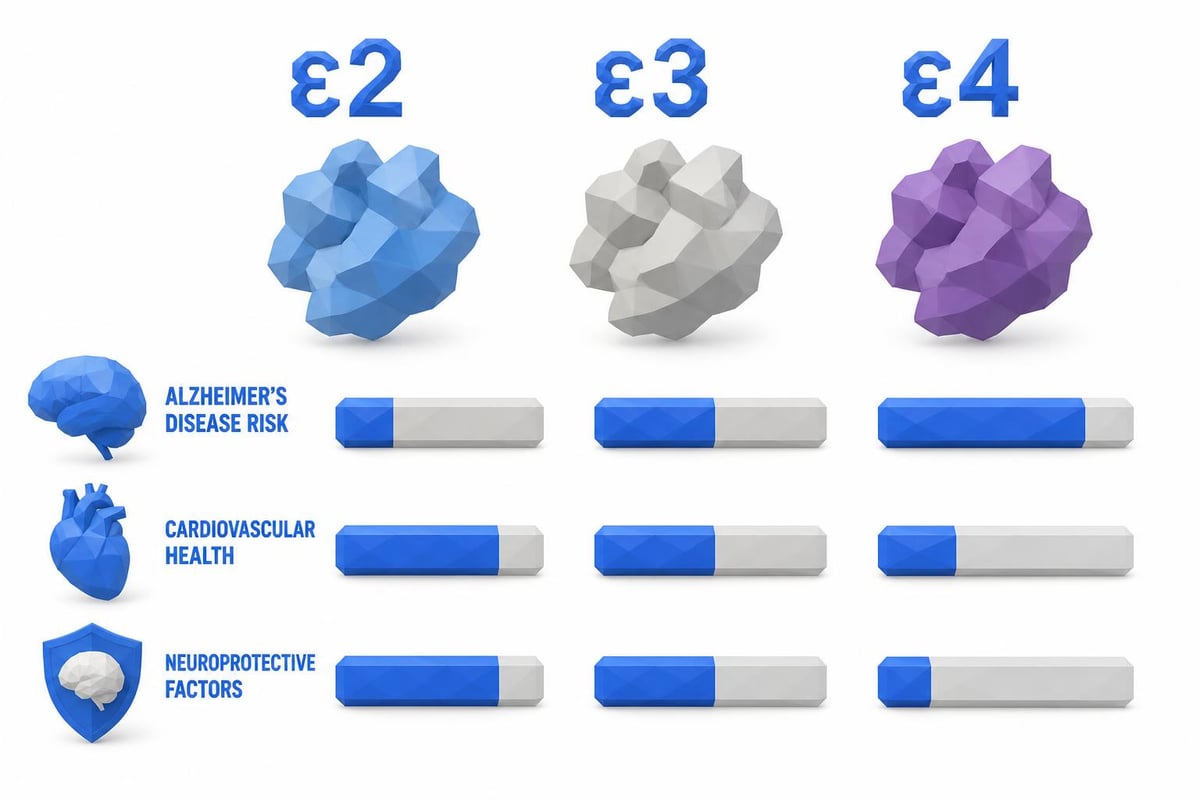
APOE ε2 is the least common variant and may provide some protective effects against Alzheimer's disease. However, it can increase the risk of type III hyperlipoproteinemia, a condition affecting cholesterol metabolism.
APOE ε3 represents the most neutral form, considered the "standard" variant with neither increased nor decreased Alzheimer's risk compared to the general population baseline.
APOE ε4 is the variant most strongly associated with increased Alzheimer's risk and represents the primary focus of research into the apoe genotype alzheimer connection.
APOE Genotype and Alzheimer's Disease Risk
The relationship between specific APOE variants and Alzheimer's disease represents one of the most well-established genetic risk factors in neurodegenerative research. Individuals carrying one copy of the APOE ε4 allele have approximately three times the risk of developing Alzheimer's compared to those with the ε3/ε3 genotype. Those with two copies of ε4 face an even more significant risk increase, with some studies suggesting up to 12 times greater likelihood.
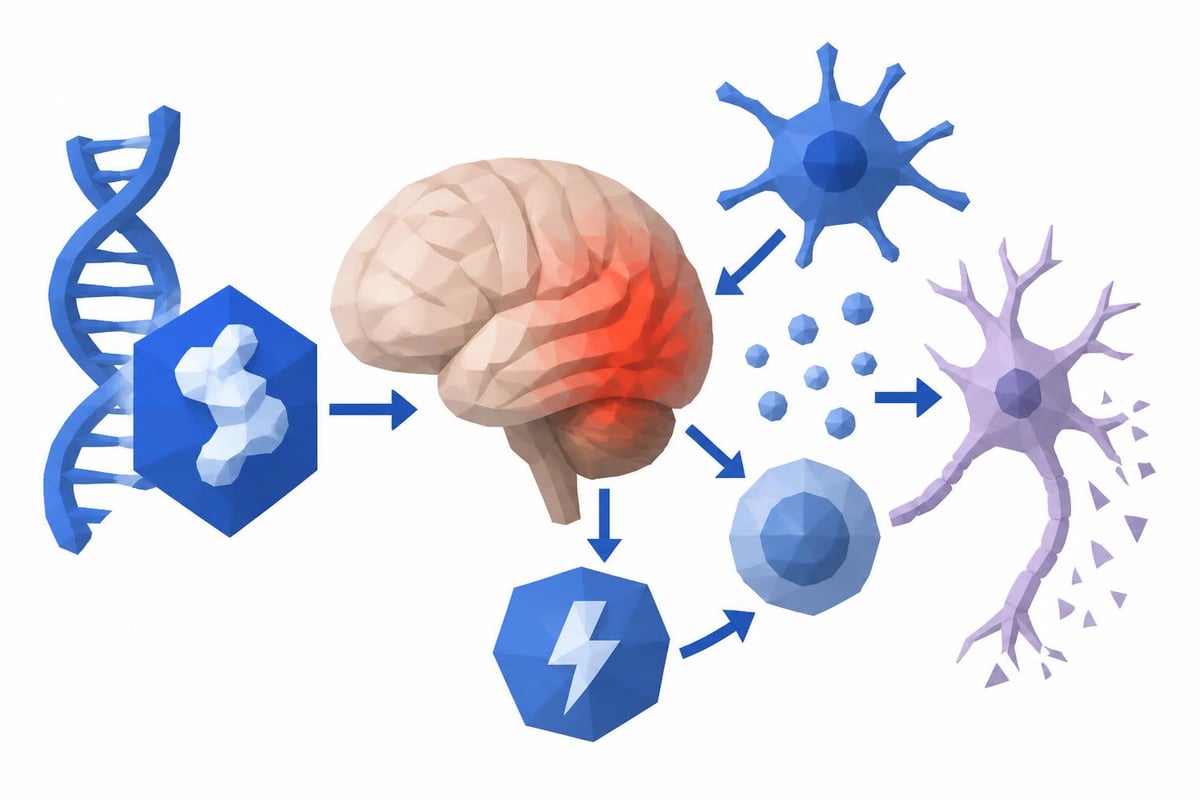
Research into the pathobiology of apolipoprotein E has revealed multiple mechanisms through which this gene influences brain health. The ε4 variant appears to reduce the brain's ability to clear beta-amyloid plaques, one of the hallmark features of Alzheimer's disease pathology.
| APOE Genotype | Alzheimer's Risk Level | Approximate Population Frequency |
|---|---|---|
| ε2/ε2 | Reduced risk | 1% |
| ε2/ε3 | Reduced risk | 12% |
| ε3/ε3 | Average risk | 60% |
| ε3/ε4 | Increased risk (3x) | 23% |
| ε4/ε4 | Significantly increased (12x) | 2% |
Understanding your APOE status doesn't provide a definitive diagnosis. Many people with the ε4 variant never develop Alzheimer's disease, while some individuals without this variant do develop the condition. The apoe genotype alzheimer relationship represents probability rather than certainty.
Testing for APOE Genotype
Modern genetic testing has made APOE genotyping straightforward and accessible. The test requires a simple blood sample or cheek swab, which is analyzed to identify which two APOE variants an individual carries. Laboratory testing services now offer genetic panels that include APOE genotyping alongside other health markers, providing comprehensive insights into genetic risk factors.
What to Expect from APOE Testing
The testing process begins with sample collection, which takes only minutes at a certified laboratory or collection site. Once collected, the sample undergoes DNA extraction and genetic sequencing to identify the specific APOE variants present. Results typically become available within several days to two weeks, depending on the testing facility and methodology used.
- No special preparation required before the test
- Quick sample collection process
- Detailed reports explaining genotype results
- Integration possibilities with broader health assessments
- Professional interpretation recommended for understanding implications
Understanding lab results becomes particularly important with genetic testing, as the implications extend beyond simple positive or negative outcomes. The nuanced nature of genetic risk requires context and often benefits from professional guidance.

Beyond Alzheimer's: APOE and Cardiovascular Health
While the apoe genotype alzheimer connection dominates public awareness, APOE variants significantly influence cardiovascular disease risk as well. The ε4 variant associates with higher cholesterol levels and increased risk of heart disease, while the ε2 variant may lower cholesterol but can cause other lipid abnormalities in certain individuals.
Understanding the role of APOE in lipid transport reveals why this gene affects multiple body systems. Apolipoprotein E facilitates the clearance of lipoproteins from the bloodstream, and different variants perform this function with varying efficiency.
Cardiovascular Implications by Genotype
People with APOE ε4 tend to have higher LDL cholesterol levels and may respond differently to dietary fats compared to those with other genotypes. This creates opportunities for personalized nutrition and prevention strategies based on genetic information.
The ε2 variant generally associates with lower cholesterol levels, which might seem beneficial. However, in some cases, it can lead to triglyceride accumulation and increased risk of type III hyperlipoproteinemia, particularly when combined with other metabolic factors.
APOE Genotype and Dietary Response
Interactions between APOE alleles and diet have emerged as a critical area of personalized nutrition research. Individuals with different APOE genotypes metabolize dietary fats differently, respond uniquely to various macronutrient ratios, and may benefit from tailored dietary interventions.
Nutritional Recommendations by Genotype
For APOE ε4 carriers:
- Emphasize omega-3 fatty acids from fish and plant sources
- Limit saturated fat intake more strictly than general population
- Increase antioxidant-rich foods like berries and leafy greens
- Consider Mediterranean-style dietary patterns
- Monitor cholesterol levels more frequently
For APOE ε2 carriers:
- Be cautious with very low-fat diets
- Focus on healthy fat quality rather than extreme restriction
- Monitor triglyceride levels regularly
- Consider professional guidance for fat intake optimization
For APOE ε3/ε3 individuals:
- Follow standard healthy eating guidelines
- Maintain balanced macronutrient intake
- Focus on overall dietary quality
| Dietary Factor | ε4 Carriers | ε3/ε3 | ε2 Carriers |
|---|---|---|---|
| Saturated Fat Sensitivity | High | Moderate | Low |
| Omega-3 Benefit | Significant | Moderate | Moderate |
| Cholesterol Response | Elevated | Standard | Reduced |
Inflammation, Infection, and APOE
Emerging research has explored connections between systemic inflammation and APOE alleles in Alzheimer's disease development. The ε4 variant may amplify inflammatory responses in the brain, potentially accelerating neurodegeneration when combined with chronic inflammation or certain infections.
This understanding has prompted investigations into anti-inflammatory interventions as potential preventive strategies, particularly for individuals carrying the ε4 variant. Managing chronic inflammation through lifestyle factors becomes especially relevant for those with elevated genetic risk.
Progression Patterns and Timeline Differences
Event-based models analyzing APOE effects on Alzheimer's progression have revealed that different genotypes not only affect risk but also influence disease timeline and pattern. Carriers of the ε4 variant tend to develop symptoms earlier and may experience faster progression once cognitive decline begins.
Age-Related Risk Considerations
The impact of APOE genotype on Alzheimer's risk varies significantly with age. The ε4 variant shows strongest risk elevation in individuals aged 55-70, with somewhat diminished relative risk in those over 80. This age-dependent effect suggests complex interactions between genetic predisposition and environmental factors accumulated over decades.
Practical Applications of APOE Testing
Knowing your APOE genotype empowers several actionable health decisions. Early awareness allows implementation of preventive strategies years or decades before potential symptom onset, maximizing the window for intervention.
Lifestyle modifications based on genotype include:
- Cognitive engagement: Regular mental stimulation through learning, puzzles, and social interaction
- Physical exercise: Aerobic activity showing particular benefit for ε4 carriers
- Sleep optimization: Quality sleep supporting amyloid clearance from the brain
- Stress management: Chronic stress potentially accelerating neurodegeneration
- Cardiovascular health: Aggressive management of blood pressure, cholesterol, and diabetes
Transparent pricing for genetic testing has made these insights accessible without requiring insurance authorization or physician referrals, though medical consultation remains valuable for interpreting results and developing personalized plans.
Combining APOE with Other Biomarkers
The apoe genotype alzheimer relationship becomes even more informative when combined with other biomarkers. Integrating APOE status with tau protein measurements, amyloid imaging, and brain structure analysis provides a more complete picture of neurological health and risk trajectory.
Complementary assessments include:
- Cardiovascular risk panels (lipids, inflammatory markers)
- Metabolic health indicators (glucose, insulin sensitivity)
- Nutritional status markers (vitamin D, B vitamins, omega-3 index)
- Cognitive function testing (baseline establishment)
- Brain imaging studies (structural and functional assessments)
Quick turnaround times for laboratory testing enable individuals to efficiently gather this complementary information alongside genetic results, creating comprehensive health profiles.
Limitations and Considerations
APOE genotype testing carries important limitations. The test reveals predisposition rather than destiny, and many factors beyond genetics influence Alzheimer's development. Environmental exposures, lifestyle choices, other genetic variants, and chance all play substantial roles.
Psychological Considerations
Learning about elevated genetic risk can cause anxiety or distress for some individuals. The decision to undergo APOE testing should consider personal ability to manage potentially concerning information and commitment to acting on results through preventive measures.
Support resources and professional counseling may benefit those processing high-risk genetic results. The information can also affect family members who share genetic heritage, creating broader implications beyond the individual tested.
Current Research and Future Directions
Ongoing research integrating APOE status with advanced neuroimaging continues revealing new insights into how this gene influences brain structure and function throughout life. Scientists are investigating targeted therapies specifically designed for different APOE genotypes, moving toward truly personalized medicine for neurodegenerative diseases.
Molecular approaches to understanding APOE in neurodegeneration are exploring therapeutic strategies that could potentially modify the gene's effects or compensate for variant-specific vulnerabilities. These developments may eventually transform APOE from simply a risk marker into a therapeutic target.
Making Testing Decisions
Deciding whether to pursue APOE genotype testing involves weighing personal circumstances, family history, and readiness to act on results. Those with strong family histories of Alzheimer's disease may find particular value in understanding their genetic profile, while others may prefer not to know.
Consider testing if you:
- Have family history of Alzheimer's disease
- Want to optimize preventive strategies
- Are committed to lifestyle modifications based on results
- Can manage potentially elevated risk information
- Wish to participate in research or clinical trials
Testing may not be right if you:
- Would experience significant anxiety from results
- Have no intention of modifying lifestyle regardless of findings
- Lack access to resources for preventive interventions
- Prefer not to have genetic information in medical records
Exploring available testing options provides clarity on what specific genetic panels include and how APOE testing fits within broader health assessment strategies.
Understanding the apoe genotype alzheimer connection empowers informed decisions about brain health, cardiovascular prevention, and personalized nutrition strategies based on genetic predisposition. Whether you're exploring testing options or already know your APOE status, acting on genetic insights through lifestyle modifications offers the most immediate path toward risk reduction. Justlabs provides accessible, affordable genetic testing with quick result delivery, making it easier than ever to understand your genetic health profile and take proactive steps toward long-term wellness.