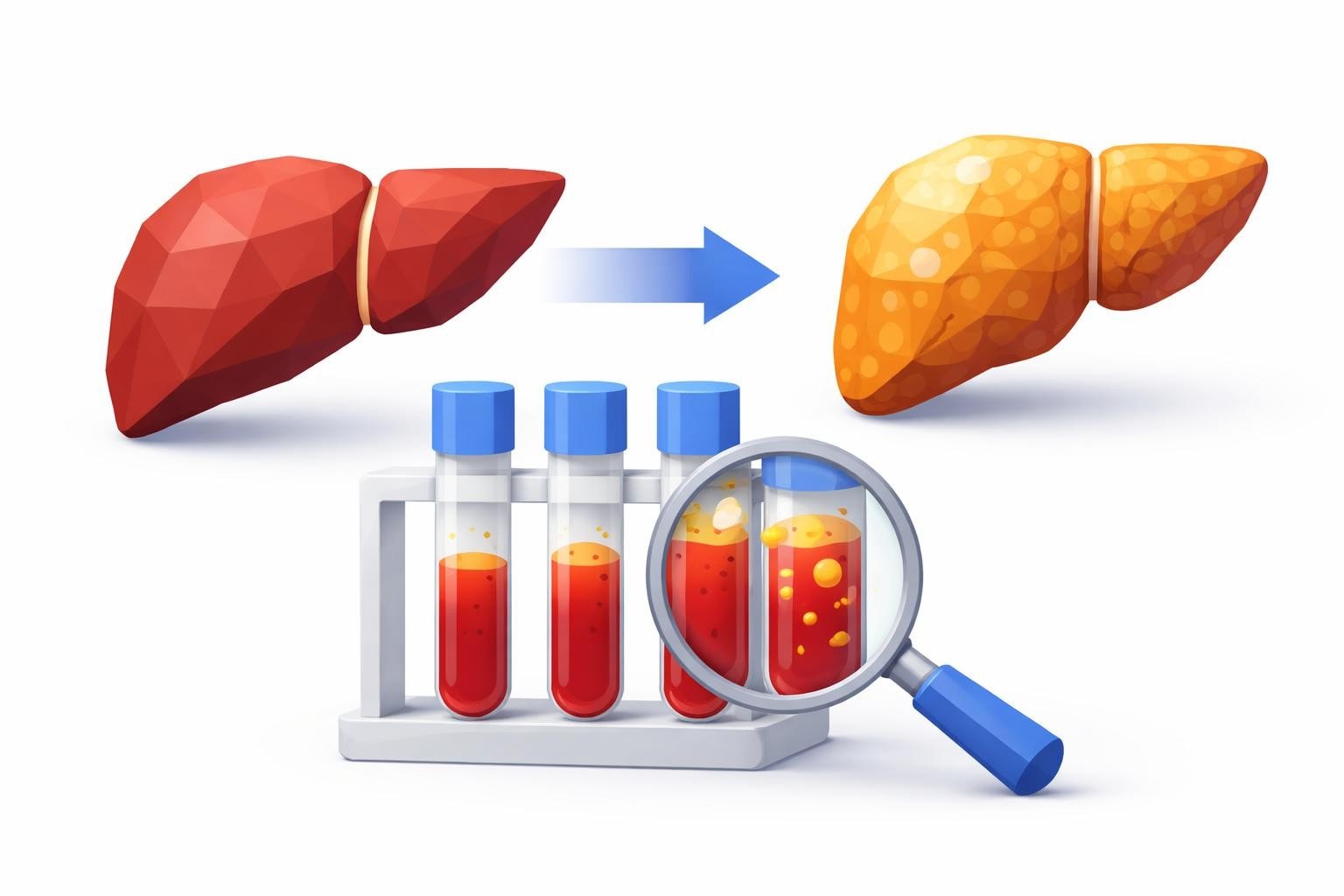
Fatty liver disease has become one of the most common liver conditions in the United States, affecting approximately one in three adults. While this condition often develops silently without noticeable symptoms, a blood test to catch and track fatty liver provides an accessible and effective way to identify the disease early and monitor its progression. Early detection through routine blood work can prevent serious complications such as cirrhosis, liver failure, and cardiovascular disease. Understanding which blood tests detect fatty liver and how to interpret the results empowers individuals to take control of their liver health before irreversible damage occurs.
Understanding Fatty Liver Disease and Why Blood Testing Matters
Nonalcoholic fatty liver disease (NAFLD), now increasingly referred to as metabolic dysfunction-associated steatotic liver disease (MASLD), occurs when fat accumulates in liver cells despite little to no alcohol consumption. This condition develops primarily due to metabolic factors including obesity, insulin resistance, type 2 diabetes, and high cholesterol levels.
The challenge with fatty liver disease lies in its asymptomatic nature during early stages. Most people discover they have the condition only after routine blood work reveals elevated liver enzymes or during imaging performed for unrelated reasons. Diagnostic procedures for NAFLD typically begin with blood tests that measure liver function and related metabolic markers.
The Silent Progression from Simple Steatosis to Advanced Disease
Fatty liver disease exists on a spectrum. Simple steatosis involves fat accumulation without significant inflammation or liver cell damage. However, approximately 20% of people with NAFLD develop nonalcoholic steatohepatitis (NASH), characterized by inflammation and liver cell injury. NASH can progress to fibrosis, cirrhosis, and even liver cancer.
Early detection through blood testing offers several critical advantages:
- Identifies at-risk individuals before symptoms appear
- Enables lifestyle modifications that can reverse simple steatosis
- Establishes baseline values for monitoring disease progression
- Reduces the need for invasive liver biopsies
- Facilitates timely medical intervention when necessary
Primary Blood Tests Used to Detect Fatty Liver
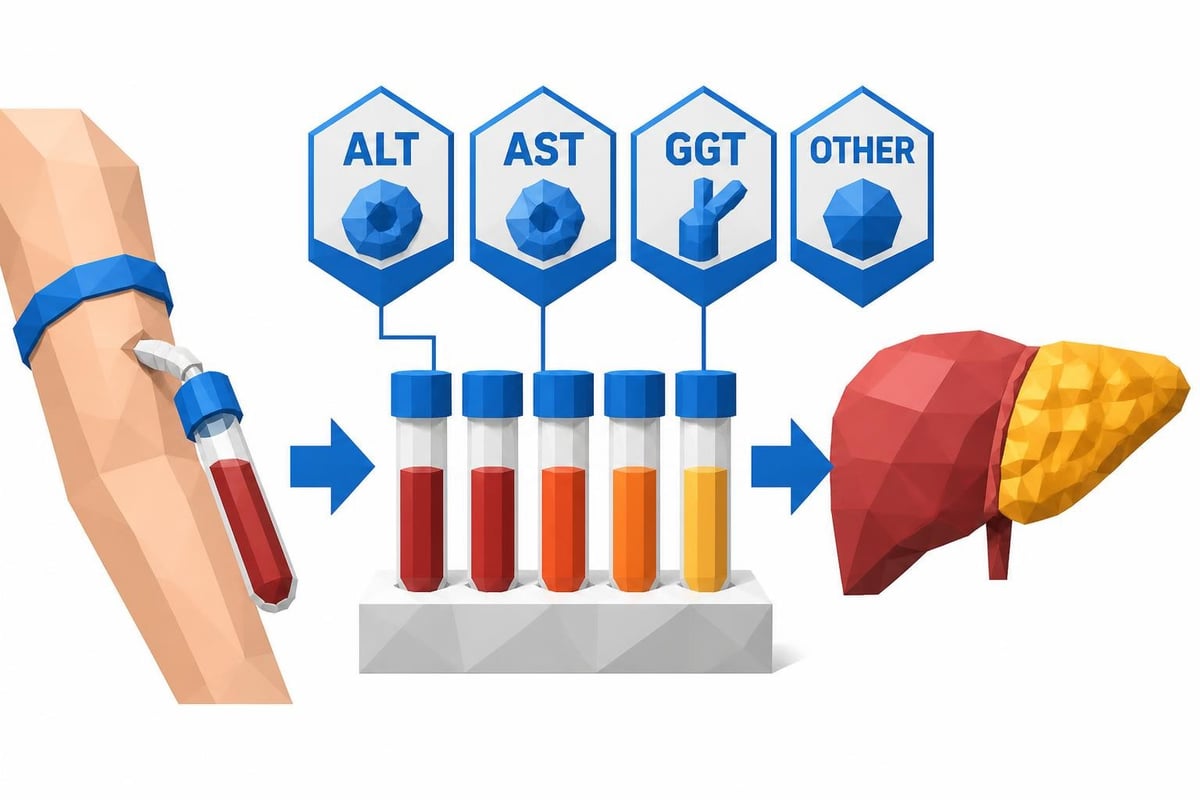
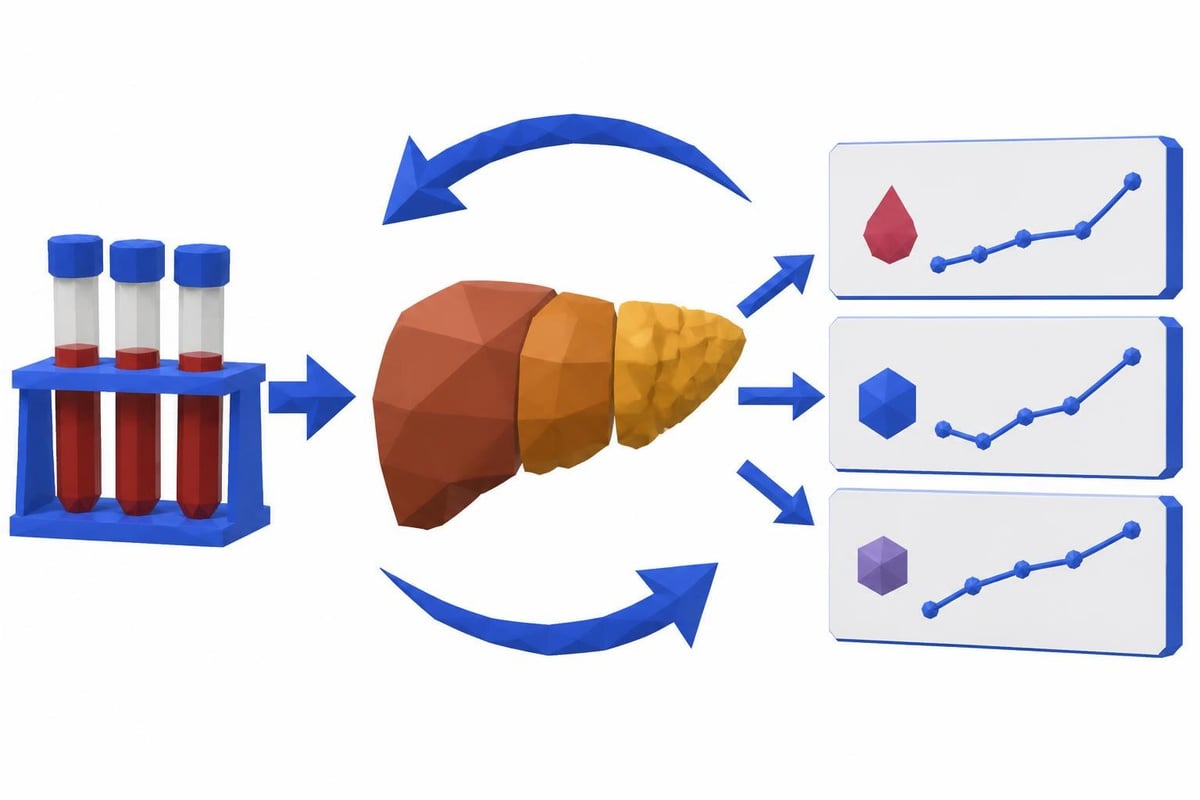
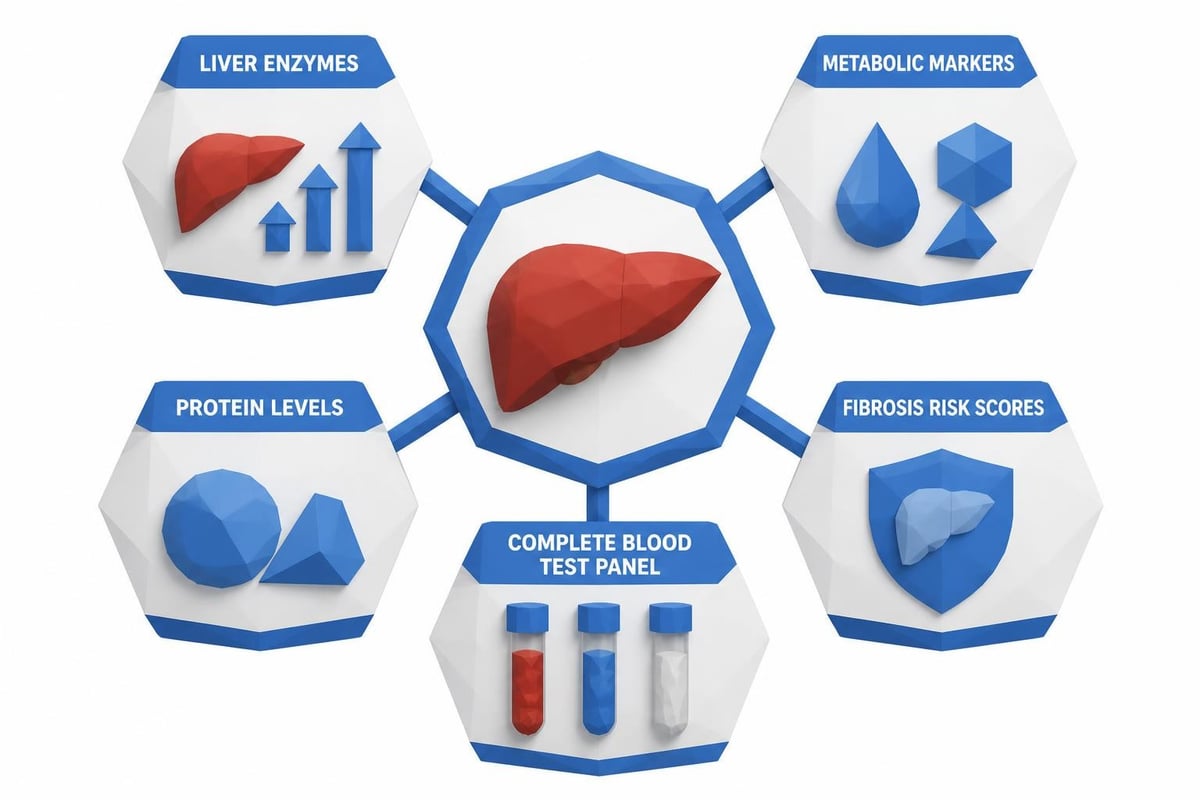
A blood test to catch and track fatty liver typically involves a panel of liver function tests and metabolic markers. These tests measure various enzymes, proteins, and substances that indicate how well the liver performs its essential functions.
Liver Enzyme Tests: The First Line of Detection
Liver enzymes serve as the primary screening tools for detecting liver damage. When liver cells become damaged or inflamed, they release these enzymes into the bloodstream at elevated levels.
| Enzyme | Normal Range | What It Indicates |
|---|---|---|
| ALT (Alanine Aminotransferase) | 7-56 U/L | Primary indicator of liver cell damage; most specific for liver issues |
| AST (Aspartate Aminotransferase) | 10-40 U/L | Measures liver and muscle damage; less liver-specific than ALT |
| ALP (Alkaline Phosphatase) | 44-147 U/L | Indicates bile duct obstruction or bone disorders |
| GGT (Gamma-Glutamyl Transferase) | 9-48 U/L | Sensitive marker for alcohol-related liver damage and bile duct problems |
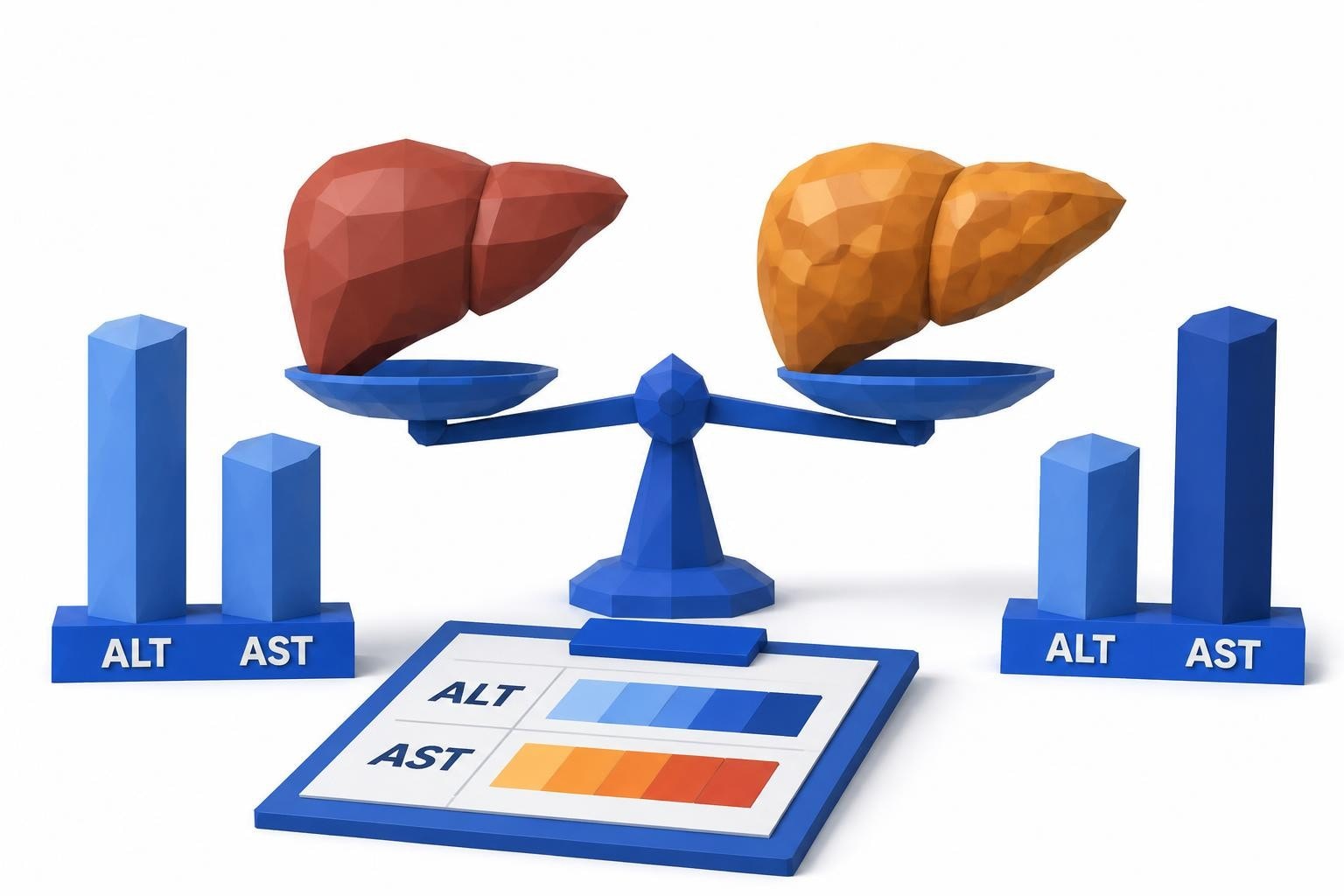
Blood tests for fatty liver focus particularly on ALT and AST levels, as these enzymes become elevated when liver cells are damaged. In fatty liver disease, ALT typically rises more than AST, creating an AST/ALT ratio of less than 1.0. This ratio helps distinguish NAFLD from alcoholic liver disease, where AST usually exceeds ALT.
Additional Blood Markers for Comprehensive Assessment
Beyond basic liver enzymes, several other blood tests provide valuable information about liver health and metabolic function:
Albumin and total protein measure the liver's ability to produce essential proteins. Low albumin levels may indicate advanced liver disease or protein malnutrition.
Bilirubin levels assess how effectively the liver processes waste products. Elevated bilirubin can signal liver dysfunction or bile duct obstruction.
INR (International Normalized Ratio) evaluates blood clotting function, which depends on clotting factors produced by the liver. An elevated INR suggests impaired liver function.
Platelet count helps identify advanced liver disease, as cirrhosis often causes low platelet levels due to portal hypertension and spleen enlargement.
Advanced Biomarker Testing for Fatty Liver Prediction and Monitoring
Recent research has identified sophisticated biomarkers that can predict fatty liver disease years before symptoms develop. A groundbreaking study revealed that a blood test measuring five specific proteins can predict the risk of developing fatty liver disease up to 16 years before symptoms appear.
Emerging Protein Markers
These advanced tests analyze protein patterns in the blood that correlate with metabolic dysfunction and liver fat accumulation. While not yet widely available in routine clinical practice, these predictive tests represent the future of preventive liver health assessment.
The five protein markers identified in recent research include proteins involved in:
- Lipid metabolism regulation
- Inflammatory response pathways
- Insulin signaling and glucose metabolism
- Liver cell regeneration and repair
- Oxidative stress and cellular damage
Metabolic Panels That Support Fatty Liver Diagnosis
Comprehensive metabolic testing provides crucial context for fatty liver risk assessment. These tests identify the underlying metabolic conditions that drive liver fat accumulation.
Lipid panel components:
- Total cholesterol (optimal: below 200 mg/dL)
- LDL cholesterol (optimal: below 100 mg/dL)
- HDL cholesterol (optimal: above 60 mg/dL)
- Triglycerides (optimal: below 150 mg/dL)
Glucose metabolism markers:
- Fasting blood glucose (normal: 70-99 mg/dL)
- Hemoglobin A1C (normal: below 5.7%)
- Fasting insulin levels
- HOMA-IR (insulin resistance index)
Elevated triglycerides and glucose levels combined with abnormal liver enzymes strongly suggest fatty liver disease linked to metabolic syndrome.
Recommended Panel
Complete Metabolic Health Panel
Save $3.5This comprehensive panel evaluates all aspects of metabolic health: organ function, cholesterol, blood sugar, insulin resistance, and inflammation - the key drivers of chronic disease.
Includes 26 biomarkers
$50
Fasting required
Non-Invasive Fibrosis Scoring Systems
While basic blood tests identify liver inflammation, determining the degree of liver scarring (fibrosis) traditionally required a liver biopsy. However, several validated scoring systems now use blood test results to estimate fibrosis risk without invasive procedures.
FIB-4 Index Calculation
The FIB-4 index combines age, AST, ALT, and platelet count to predict significant fibrosis. This calculation has been extensively validated and is widely used in clinical practice.
FIB-4 = (Age × AST) / (Platelet Count × √ALT)
| FIB-4 Score | Interpretation | Recommended Action |
|---|---|---|
| Below 1.30 | Low probability of advanced fibrosis | Continue monitoring with lifestyle modification |
| 1.30-2.67 | Indeterminate risk | Consider additional testing or specialist referral |
| Above 2.67 | High probability of advanced fibrosis | Refer to hepatologist for evaluation |
NAFLD Fibrosis Score
This scoring system incorporates six variables: age, BMI, hyperglycemia/diabetes status, AST/ALT ratio, platelet count, and albumin level. It provides three risk categories: low, indeterminate, and high probability of advanced fibrosis.
APRI Score
The AST to Platelet Ratio Index (APRI) offers a simpler calculation using just AST level and platelet count. While less sensitive than FIB-4, APRI provides a quick assessment tool for screening purposes.
Getting a Blood Test to Catch and Track Fatty Liver Without Insurance
Traditional healthcare pathways often require multiple doctor visits and insurance authorization before obtaining liver function tests. This process creates delays and barriers for individuals seeking proactive health monitoring.
Ordering lab tests without a doctor has become increasingly accessible through direct-to-consumer lab testing services. These platforms allow individuals to select and purchase specific tests online, visit a local lab for blood collection, and receive results within days.
Benefits of Self-Directed Lab Testing
The transparent pricing model for lab tests eliminates the uncertainty and hidden costs often associated with insurance-based testing. Individuals know exactly what they will pay before ordering, with no surprise bills or denied claims.
Key advantages include:
- No insurance required or doctor's order needed
- Clear, upfront pricing without hidden fees
- Convenient online ordering process
- Results delivered in 1-3 days
- Access to the same certified labs used by physicians
- Ability to track trends over time with regular testing
For those concerned about costs, many comprehensive liver function panels are eligible for FSA/HSA reimbursement, making proactive health monitoring more affordable.
Recommended Test
Hepatic Function Panel
A comprehensive 7-biomarker panel that evaluates liver health by measuring enzymes, proteins, and bilirubin levels.
Includes 7 biomarkers
$8
How to Interpret Your Blood Test Results
Receiving blood test results without proper context can create confusion and anxiety. Understanding lab results requires knowledge of reference ranges, individual risk factors, and the clinical significance of abnormal values.
When Liver Enzymes Are Elevated
Mildly elevated ALT or AST (1-2 times the upper limit of normal) commonly occurs in fatty liver disease. However, enzyme levels do not always correlate with disease severity. Some people with significant liver damage maintain near-normal enzyme levels, while others with simple steatosis show elevated values.
Factors affecting liver enzyme interpretation:
- Time of day: Enzyme levels fluctuate throughout the day
- Recent exercise: Intense physical activity raises AST levels
- Medications: Many drugs cause temporary enzyme elevations
- Body weight: Obesity independently affects enzyme levels
- Concurrent conditions: Muscle disorders, thyroid disease, and celiac disease impact results
Tracking Trends Over Time
A single abnormal result provides limited information. Serial testing every 3-6 months reveals patterns that indicate disease progression, stability, or improvement. Diagnostic approaches for fatty liver emphasize the importance of monitoring trends rather than focusing on isolated values.
Create a personal health record documenting:
- Date of each test
- All liver enzyme values (ALT, AST, ALP, GGT)
- Metabolic markers (glucose, lipids, A1C)
- Weight and BMI at time of testing
- Lifestyle factors (diet changes, exercise, medications)
Lifestyle Modifications That Improve Blood Test Results
The most powerful intervention for fatty liver disease involves lifestyle modification. Research consistently demonstrates that weight loss of 7-10% significantly reduces liver fat and improves liver enzyme levels in most individuals with NAFLD.
Dietary Changes That Impact Blood Markers
Specific dietary patterns influence both liver fat accumulation and blood test results:
Mediterranean diet components:
- Extra virgin olive oil as primary fat source
- Abundant vegetables, fruits, and whole grains
- Moderate fish and poultry consumption
- Limited red meat and processed foods
- Moderate wine consumption (if not contraindicated)
Foods that improve liver health:
- Coffee (2-3 cups daily reduces fibrosis risk)
- Green tea (rich in catechins with hepatoprotective properties)
- Nuts and seeds (provide healthy fats and vitamin E)
- Fatty fish (omega-3 fatty acids reduce inflammation)
- Cruciferous vegetables (support liver detoxification)
Exercise's Impact on Liver Function
Regular physical activity improves insulin sensitivity, reduces liver fat, and enhances metabolic health even without significant weight loss. Both aerobic exercise and resistance training provide benefits.
Recommended exercise guidelines:
- 150 minutes of moderate-intensity aerobic activity weekly
- Resistance training 2-3 days per week
- High-intensity interval training for enhanced fat burning
- Daily movement and reduced sedentary time
Frequency of Testing and Long-Term Monitoring
Determining how often to repeat a blood test to catch and track fatty liver depends on initial results, risk factors, and treatment response.
Testing Schedule Recommendations
| Clinical Situation | Testing Frequency |
|---|---|
| Normal baseline with risk factors | Every 12 months |
| Mildly elevated enzymes | Every 6 months |
| Active lifestyle modification | Every 3-4 months |
| Indeterminate fibrosis score | Every 6 months with specialist care |
| Advanced fibrosis or cirrhosis | Every 3 months with hepatologist |
Individuals implementing aggressive lifestyle changes benefit from more frequent testing to assess intervention effectiveness and maintain motivation. Seeing concrete improvements in liver enzymes and metabolic markers reinforces positive behavior changes.
Combining Blood Tests with Imaging
While blood tests provide valuable information about liver function and fibrosis risk, imaging studies offer complementary data about liver structure and fat content. Ultrasound, CT scans, and MRI can quantify liver fat percentage and detect advanced fibrosis.
However, imaging studies cost significantly more than blood tests and typically require physician orders. For routine monitoring and screening, blood tests offer an accessible and cost-effective first step. Abnormal blood results then justify more expensive imaging procedures when necessary.
When to Seek Medical Evaluation
Self-directed testing empowers proactive health management, but certain results require professional medical evaluation. Understanding when to consult a healthcare provider ensures appropriate care for serious conditions.
Seek immediate medical attention for:
- ALT or AST levels exceeding 10 times the upper limit of normal
- Jaundice (yellowing of skin or eyes)
- Severe abdominal pain or swelling
- Unexplained weight loss or fatigue
- Dark urine or pale stools
- Easy bruising or bleeding
Schedule a medical consultation for:
- Persistently elevated liver enzymes over multiple tests
- FIB-4 score above 2.67 or high NAFLD fibrosis score
- Concurrent metabolic conditions (diabetes, obesity)
- Family history of liver disease
- Failure to improve with lifestyle modifications
A hepatologist or gastroenterologist specializes in liver disorders and can provide comprehensive evaluation, advanced diagnostic procedures, and treatment recommendations tailored to individual circumstances.
The Role of Medications and Supplements
Currently, no FDA-approved medications specifically treat fatty liver disease in most patients. Treatment focuses primarily on managing underlying conditions like diabetes, high cholesterol, and obesity. However, several medications show promise in clinical trials.
Medications Under Investigation
Pharmaceutical research is actively developing therapies targeting the molecular mechanisms driving fatty liver disease progression. Several drug candidates have demonstrated the ability to reduce liver fat and improve fibrosis in clinical trials.
Supplements with Potential Benefits
While supplements cannot replace lifestyle modification, some show evidence of supporting liver health:
Vitamin E (800 IU daily) improves liver enzymes and histology in some NASH patients, though prolonged use raises concerns about increased mortality risk in certain populations.
Omega-3 fatty acids reduce liver fat and triglycerides, though effects on liver enzymes and fibrosis remain unclear.
Milk thistle has been used traditionally for liver health, but clinical evidence remains mixed regarding its effectiveness for fatty liver disease.
Always consult a healthcare provider before starting supplements, as they can interact with medications and may not be appropriate for everyone.
Cost Considerations and Accessibility
Understanding the financial aspects of fatty liver testing helps individuals make informed decisions about their health monitoring strategy. Traditional insurance-based testing often involves copays, deductibles, and authorization requirements that create cost uncertainty.
Lab testing without insurance provides predictable pricing and eliminates billing complications. A comprehensive metabolic panel including liver function tests typically costs between $30-$100 through self-pay services, compared to several hundred dollars billed through insurance.
This transparent pricing model particularly benefits:
- Individuals with high-deductible health plans
- Those between jobs or insurance coverage gaps
- People seeking baseline testing before symptoms develop
- Anyone wanting to track health metrics without involving insurance
- Individuals concerned about test results affecting future insurability
By removing financial and administrative barriers, accessible lab testing enables more people to monitor their liver health proactively rather than waiting until symptoms appear or a doctor orders testing.
Regular monitoring through a blood test to catch and track fatty liver provides essential information for maintaining liver health and preventing disease progression. Early detection combined with lifestyle modifications can reverse simple steatosis and prevent serious complications. Justlabs makes proactive liver health monitoring accessible with affordable, transparent pricing, convenient online ordering, and rapid results delivery, empowering you to take control of your health without the barriers of traditional healthcare systems.