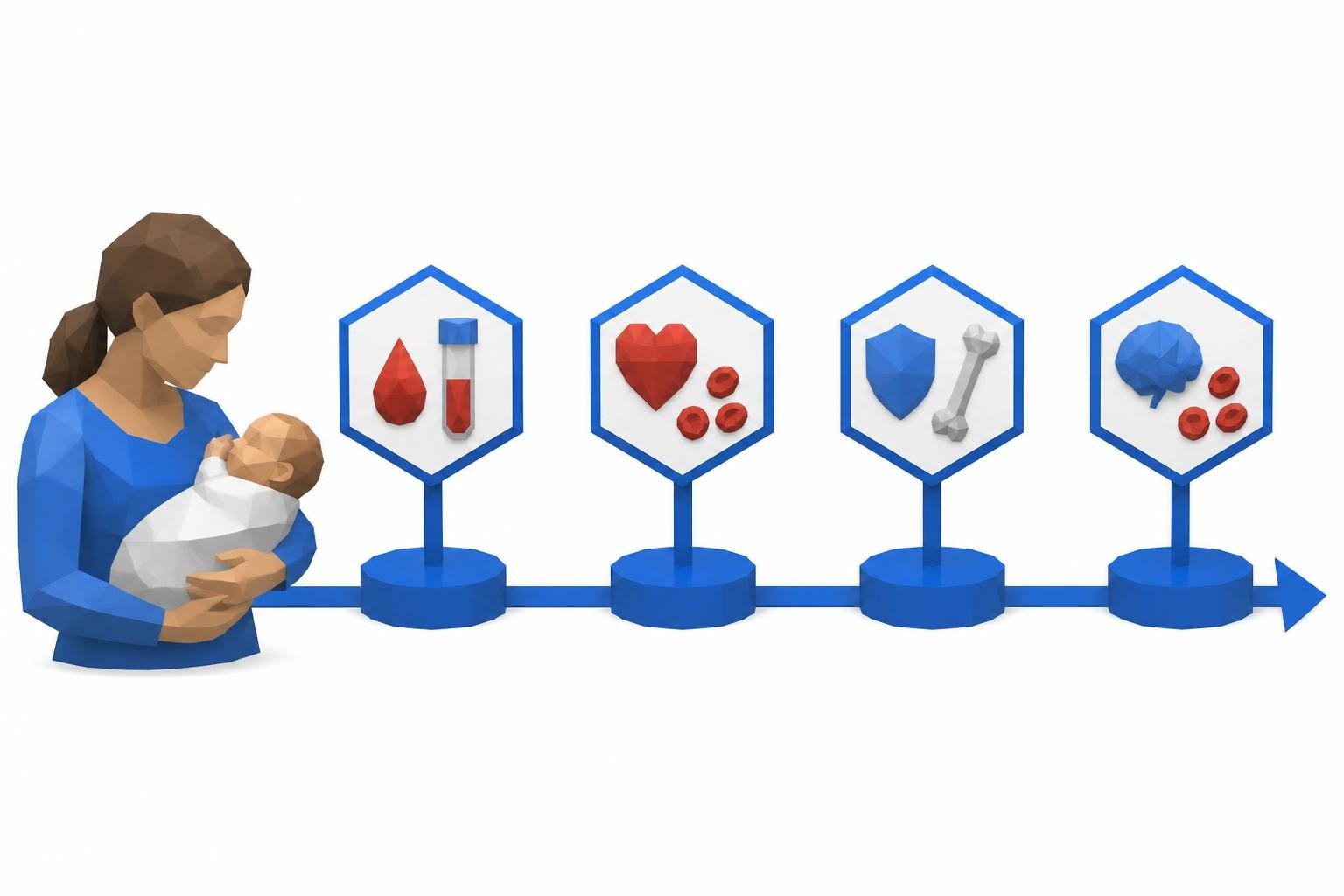
The postpartum period represents a critical window when your body undergoes dramatic physiological changes as it recovers from pregnancy and childbirth. While routine postpartum visits typically focus on physical healing and infant care, comprehensive blood testing often gets overlooked despite its crucial role in identifying potential health complications early.
Big picture
- Postpartum blood work screens for complications like anemia, thyroid dysfunction, infection, and metabolic changes that commonly arise after delivery but may not cause obvious symptoms initially
- New mothers face elevated risks for conditions including iron deficiency (affecting up to 50% of postpartum women), thyroid disorders, diabetes progression, and hypertensive complications in the weeks and months following birth
- Early detection through lab testing allows for timely intervention before minor imbalances develop into serious health issues that could impact your ability to care for yourself and your baby
- Most standard postpartum care doesn't automatically include comprehensive blood work unless specific symptoms or complications arise, leaving many treatable conditions undiagnosed
- Self-directed lab testing through services like Justlabs enables proactive monitoring without waiting for insurance approval or scheduling multiple doctor appointments during an already demanding time
Understanding the Postpartum Recovery Period
The fourth trimester-the twelve weeks following delivery-places unprecedented demands on your body. Your blood volume decreases by nearly 50%, hormone levels fluctuate dramatically, and your metabolism recalibrates to pre-pregnancy function. These shifts create vulnerability windows where underlying conditions may emerge or worsen.
Traditional postpartum care typically includes a single six-week checkup focused primarily on physical healing of delivery-related injuries and contraception counseling. According to WHO guidelines on postnatal care, comprehensive assessment should extend beyond this single visit to address the full spectrum of maternal recovery needs.
When Blood Testing Becomes Essential
Most healthcare providers don't routinely order comprehensive postpartum blood work every new mother should consider unless specific risk factors or symptoms appear. This reactive approach means subtle deficiencies or imbalances might progress undetected for months.
Certain situations warrant immediate laboratory evaluation:
- Heavy bleeding during or after delivery
- Pregnancy complicated by gestational diabetes, preeclampsia, or HELLP syndrome
- Cesarean section or operative vaginal delivery
- Symptoms suggesting infection, anemia, or thyroid dysfunction
- Pre-existing autoimmune or metabolic conditions
However, even uncomplicated deliveries can mask developing issues that only blood work reveals.
Essential Iron Studies and Complete Blood Count
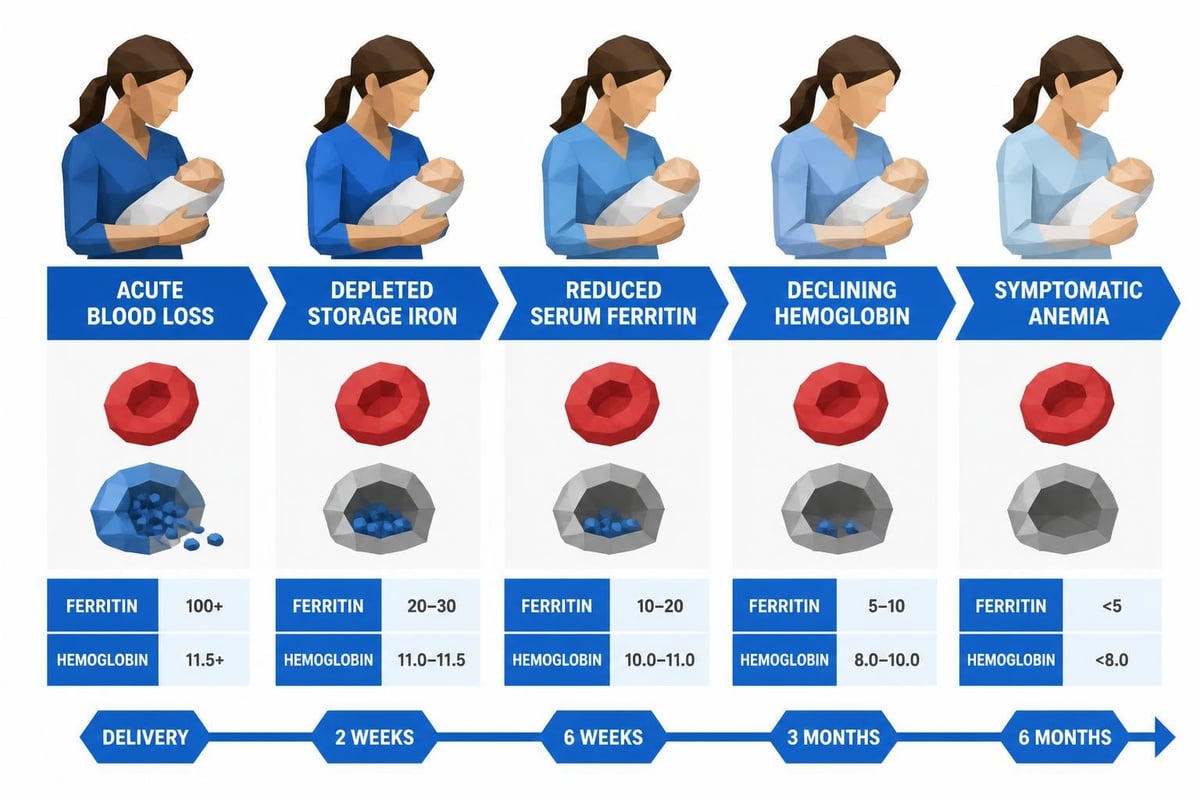
Iron deficiency stands as the most common postpartum nutritional deficiency, affecting approximately half of all new mothers. Blood loss during delivery-averaging 500ml for vaginal birth and 1000ml for cesarean-depletes iron stores that were already taxed by pregnancy's increased demands.
Components of Comprehensive Iron Assessment
A complete blood count (CBC) provides the foundation for evaluating postpartum blood work every new mother should consider for anemia screening. However, CBC alone doesn't tell the complete story.
| Test Component | What It Measures | Normal Postpartum Range | Clinical Significance |
|---|---|---|---|
| Hemoglobin | Oxygen-carrying capacity | 12-16 g/dL | Low values indicate anemia |
| Hematocrit | Percentage of blood volume as red cells | 36-48% | Confirms hemoglobin findings |
| MCV (Mean Corpuscular Volume) | Red blood cell size | 80-100 fL | Small cells suggest iron deficiency |
| Ferritin | Iron storage levels | 15-150 ng/mL | Most sensitive early marker |
| TIBC/Transferrin Saturation | Iron transport capacity | Variable | Distinguishes iron deficiency types |
Ferritin deserves special attention because levels can drop to deficient ranges while hemoglobin remains technically normal. This pre-anemic state causes fatigue, brain fog, and reduced physical stamina-symptoms often dismissed as "normal" postpartum exhaustion.
Timing Iron Studies Strategically
Testing iron levels at multiple intervals captures the recovery trajectory. Baseline testing within the first two weeks establishes your starting point, particularly important if you experienced significant bleeding. Follow-up testing at 6-8 weeks reveals whether dietary intake and any supplementation adequately restore reserves.
For mothers who are breastfeeding, continued monitoring through six months postpartum helps prevent depletion, as lactation requires approximately 0.5-1mg of additional iron daily.
Thyroid Function Testing
Postpartum thyroiditis affects 5-10% of new mothers, yet frequently goes undiagnosed because its symptoms-fatigue, weight changes, mood disturbances, temperature sensitivity-overlap significantly with normal postpartum adjustment challenges.
The Postpartum Thyroid Timeline
Thyroid dysfunction typically follows a predictable pattern. The thyrotoxic phase appears 1-4 months postpartum as inflammation damages thyroid cells, releasing stored hormone into circulation. This causes anxiety, palpitations, heat intolerance, and unexpected weight loss despite adequate calorie intake.
The subsequent hypothyroid phase emerges 4-8 months postpartum when the damaged gland cannot produce sufficient hormone. Symptoms shift to depression, cold intolerance, constipation, and difficulty losing pregnancy weight.
Essential thyroid tests include:
- TSH (Thyroid Stimulating Hormone) - the primary screening test
- Free T4 - measures circulating active hormone
- Free T3 - assesses conversion and metabolic activity
- Thyroid antibodies (TPO and thyroglobulin) - identifies autoimmune involvement
Recommended Panel
Complete Thyroid Panel
Save $3Our most comprehensive thyroid panel includes all 5 essential markers: TSH, Free T4, Free T3, Reverse T3, and both thyroid antibodies. Get the complete picture of your thyroid health.
Includes 6 biomarkers
$84
Women with personal or family history of thyroid disease, Type 1 diabetes, or other autoimmune conditions face elevated risk. The NICE postnatal care guidance recommends targeted screening for these high-risk populations.
Understanding the distinction between normal versus optimal lab ranges becomes particularly important for thyroid testing, as values in the "normal" range may still cause symptomatic dysfunction during the metabolically demanding postpartum period.
Metabolic Health and Glucose Monitoring
Gestational diabetes resolves after delivery in most cases, but it marks significantly increased lifetime diabetes risk. Approximately 50% of women with gestational diabetes develop Type 2 diabetes within 10 years, with the highest risk occurring in the first postpartum year.
Recommended Glucose Testing Schedule
Current guidelines recommend glucose testing 6-12 weeks postpartum for all women with gestational diabetes. However, a single test provides only a snapshot view of an evolving metabolic picture.
Comprehensive metabolic assessment includes:
- Fasting glucose - baseline blood sugar after overnight fast
- Hemoglobin A1c - average glucose over preceding 3 months
- Fasting insulin - assesses insulin resistance
- Lipid panel - evaluates cardiovascular risk factors
For women with normal results, annual screening continues indefinitely. Prediabetic or diabetic results warrant more frequent monitoring and immediate intervention.
Even women without gestational diabetes may experience metabolic shifts postpartum. Weight retention, sleep deprivation, stress, and dietary changes during the demanding newborn period can trigger insulin resistance and glucose dysregulation.
Recommended Panel
Comprehensive Diabetes Panel
This panel detects diabetes and prediabetes at every stage. Includes lipids because diabetes dramatically increases heart disease risk.
Includes 10 biomarkers
$35
Fasting required
Blood Pressure and Related Laboratory Markers
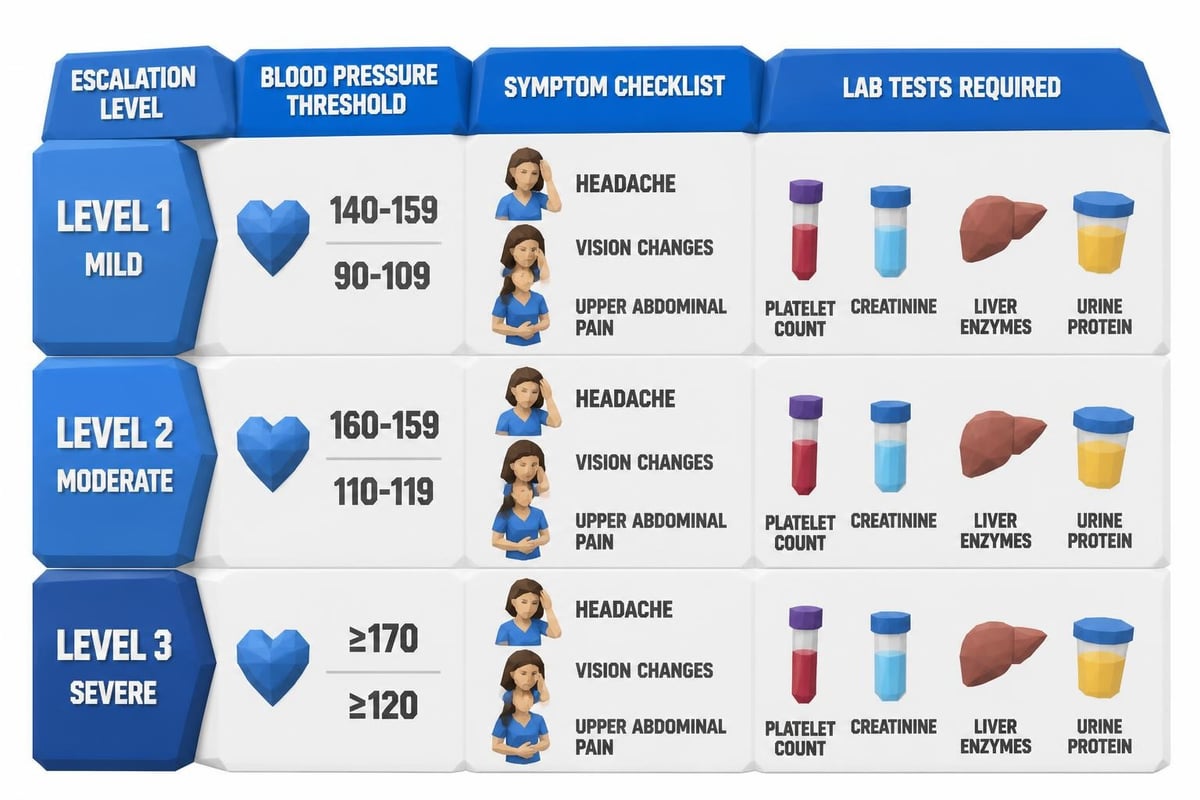
Hypertensive disorders complicate approximately 10% of pregnancies, and the risk doesn't end at delivery. Postpartum preeclampsia can develop up to 6 weeks after birth, even in women without pregnancy hypertension.
Research on postpartum hypertensive disorders demonstrates that comprehensive laboratory evaluation plays a crucial role in diagnosis and monitoring. Essential tests include complete blood count (platelets specifically), comprehensive metabolic panel (kidney and liver function), and urine protein assessment.
Laboratory Indicators of Concern
| Test | Warning Threshold | Clinical Significance |
|---|---|---|
| Platelets | <100,000/μL | Suggests HELLP syndrome or DIC |
| Creatinine | >1.1 mg/dL | Indicates kidney involvement |
| AST/ALT | >2x normal | Liver damage from preeclampsia |
| LDH | Elevated | Hemolysis or tissue damage |
| Urine protein | >300mg/24hr | Diagnostic for preeclampsia |
Women with pregnancy-related hypertension require close monitoring throughout the postpartum period, with particular vigilance during the first week when preeclampsia risk peaks.
Infection Markers and Inflammatory Indicators
Postpartum infections represent a leading cause of maternal mortality, yet early signs can be subtle. Endometritis, mastitis, urinary tract infections, and wound infections all require prompt identification and treatment.
When infection is suspected, comprehensive blood work helps differentiate between normal postpartum changes and pathological processes. Studies on maternal sepsis and infection detail which biomarkers provide the most reliable diagnostic information.
Infection-related tests include:
- Complete blood count with differential (elevated white blood cells with left shift)
- C-reactive protein (CRP) - non-specific inflammation marker
- Procalcitonin - more specific for bacterial infection
- Blood cultures - identifies causative organisms in severe cases
- Lactate - assesses tissue perfusion in sepsis
Understanding how to interpret these results becomes crucial when deciding whether symptoms warrant urgent medical attention or represent normal recovery. Services that provide clear explanations help new mothers navigate this complexity; understanding lab results removes guesswork from the interpretation process.
Vitamin and Mineral Status
Pregnancy and lactation create extraordinary nutritional demands that often persist into the postpartum period. Beyond iron, several micronutrients deserve attention through targeted testing.
Vitamin D Assessment
Vitamin D deficiency affects up to 50% of postpartum women, particularly those with limited sun exposure, darker skin tones, or who live in northern latitudes. Adequate vitamin D supports immune function, bone health, and mood regulation-all critical during postpartum recovery.
Testing 25-hydroxyvitamin D levels provides accurate assessment of vitamin D status. Optimal levels for postpartum mothers, especially those breastfeeding, range from 40-60 ng/mL, higher than standard reference ranges.
B Vitamin Screening
Vitamin B12 and folate support red blood cell production, neurological function, and energy metabolism. Deficiency symptoms-fatigue, weakness, cognitive fog-mirror common postpartum complaints, making laboratory confirmation essential.
Breastfeeding mothers following vegetarian or vegan diets face particular risk for B12 deficiency, as plant foods provide minimal bioavailable B12. Testing both serum B12 and methylmalonic acid (a functional marker of B12 status) captures deficiency more accurately than B12 alone.
Recommended Panel
Vitamin & Mineral Panel
Save $5This panel tests the most commonly deficient nutrients: Vitamin D, B12, Folate, Iron (with complete iron studies), Ferritin, and Magnesium - the building blocks your body needs to function optimally.
Includes 9 biomarkers
$64
Fasting required
Making Postpartum Testing Accessible
Traditional barriers to comprehensive postpartum blood work every new mother should consider include cost concerns, insurance authorization requirements, and scheduling difficulties during the demanding newborn period. Self-pay laboratory services address these obstacles by providing direct access to testing without requiring doctor's orders or insurance approval.
The ability to order labs without a doctor streamlines the process significantly. Rather than waiting weeks for appointments, explaining symptoms, and hoping your provider agrees testing is warranted, you can proactively monitor recovery markers on your own timeline.
Cost transparency represents another crucial advantage. Insurance coverage for postpartum laboratory testing varies dramatically, and surprise bills create additional stress for new parents. Labs without insurance provide upfront pricing, allowing you to budget appropriately and prioritize testing based on your specific risk factors and symptoms.
Strategic Testing Timeline
A practical approach to postpartum blood work every new mother should consider involves strategic timing based on physiological recovery phases:
Week 2: Baseline assessment
- Complete blood count
- Iron panel (ferritin, iron, TIBC)
- Comprehensive metabolic panel
Week 6-8: Standard postpartum interval
- Thyroid panel (TSH, Free T4, Free T3)
- Glucose/diabetes screening (if gestational diabetes)
- Follow-up iron studies
- Vitamin D
Month 3-4: Extended recovery checkpoint
- Repeat thyroid testing (hypothyroid phase timing)
- Inflammatory markers if symptoms present
- Vitamin B12 and folate
Month 6-12: Long-term health baseline
- Comprehensive metabolic panel
- Lipid panel
- Hemoglobin A1c
- Annual screening establishment
This schedule provides comprehensive monitoring while spacing tests to capture different recovery phases and optimize value.
Interpreting Results in Postpartum Context
Laboratory reference ranges typically reflect values for non-pregnant, non-postpartum adults. However, pregnancy creates lasting physiological changes that may take months to fully resolve, meaning "normal" postpartum values don't always align with standard ranges.
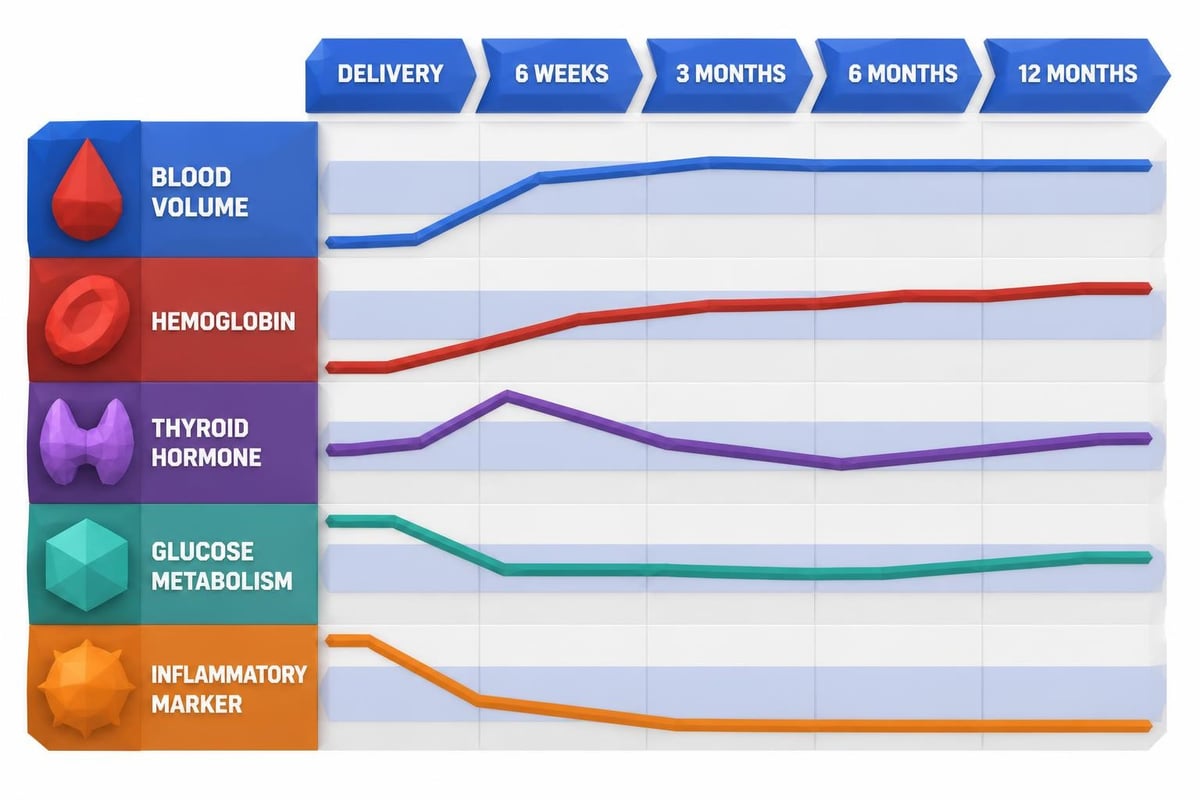
For example, hemoglobin naturally runs lower during pregnancy due to plasma volume expansion. While blood volume normalizes by 6-8 weeks postpartum, iron stores may remain depleted for months, meaning marginally "normal" hemoglobin with low ferritin indicates functional deficiency requiring treatment.
Similarly, thyroid values fluctuate throughout the postpartum year. A TSH that appears normal at 6 weeks might be significantly abnormal at 4 months as postpartum thyroiditis evolves through different phases.
Working with healthcare providers who understand postpartum-specific laboratory interpretation ensures results receive appropriate clinical context rather than cookie-cutter assessment.
Key Takeaways
Comprehensive postpartum blood work every new mother should consider extends far beyond routine six-week checkups. Iron studies identify the extremely common but often overlooked iron deficiency that affects energy, cognition, and overall recovery. Thyroid testing catches the 5-10% of mothers who develop postpartum thyroiditis, a condition that frequently goes undiagnosed due to symptom overlap with normal postpartum adjustment.
Metabolic monitoring proves essential for the 50% of gestational diabetes patients who progress to Type 2 diabetes, with the first postpartum year representing the highest-risk window. Blood pressure-related laboratory markers help identify the potentially life-threatening complication of postpartum preeclampsia, which can develop up to six weeks after delivery.
Infection markers provide objective data when symptoms suggest complications, while vitamin and mineral testing addresses nutritional depletion from pregnancy and lactation. Strategic timing of these tests-at 2 weeks, 6-8 weeks, 3-4 months, and 6-12 months-captures different recovery phases and physiological processes.
Traditional healthcare delivery often creates barriers to comprehensive testing through insurance requirements, appointment availability, and provider reluctance to order "unnecessary" labs. Direct-access laboratory services remove these obstacles, allowing proactive health monitoring on your timeline rather than waiting for symptoms to worsen.
The postpartum period demands extraordinary physical and emotional resources. Ensuring your body has adequate nutritional reserves, stable hormone function, and resolution of pregnancy-related conditions provides the foundation for meeting these demands while protecting long-term health.
FAQ
When should I get my first postpartum blood work done?
Baseline testing within the first two weeks postpartum establishes your starting point, particularly for iron levels after delivery blood loss. However, if you experienced complications during pregnancy or delivery, your healthcare provider may recommend immediate testing before hospital discharge. For routine monitoring, the traditional six-week postpartum visit provides an appropriate checkpoint for comprehensive screening, though earlier testing offers advantages for detecting and addressing deficiencies promptly.
Does insurance cover postpartum laboratory testing?
Insurance coverage varies significantly based on your specific plan, whether testing is considered "medically necessary," and if your provider orders it as part of routine care or for specific symptoms. Many insurance plans cover the standard six-week postpartum visit but may not authorize comprehensive laboratory panels without documented medical necessity. Self-pay options through services offering transparent pricing often cost less than insurance co-pays and deductibles while providing greater test selection flexibility.
What symptoms suggest I need postpartum blood work?
Concerning symptoms include persistent fatigue beyond normal newborn-related sleep deprivation, unexplained anxiety or depression, difficulty losing weight despite diet and exercise efforts, unusual weight loss with increased appetite, heart palpitations, temperature sensitivity, headaches with vision changes, severe abdominal pain, fever, or signs of infection at cesarean incision or episiotomy sites. However, many postpartum conditions develop without obvious symptoms, making proactive screening valuable even when feeling relatively well.
Can I get postpartum lab testing without seeing my doctor first?
Yes, direct-access laboratory services allow you to order comprehensive postpartum blood work every new mother should consider without requiring a doctor's appointment or prescription. This approach proves particularly valuable when your provider doesn't consider testing necessary but you want proactive monitoring, or when scheduling constraints make timely appointments difficult during the demanding newborn period. Results can then be shared with your healthcare provider for interpretation and any necessary follow-up care.
How much does comprehensive postpartum blood work cost?
Costs vary based on which specific tests you select, but comprehensive panels typically range from $100-400 when using self-pay laboratory services with transparent pricing. Individual tests like TSH cost $20-40, complete blood count $15-30, and comprehensive metabolic panels $25-50. This transparent pricing model allows you to prioritize tests based on your risk factors and budget, often costing substantially less than insurance-based testing with co-pays, deductibles, and surprise billing.
Should I test my thyroid even if I feel fine?
Thyroid testing deserves consideration for all postpartum mothers, not only those with symptoms. Postpartum thyroiditis affects 5-10% of new mothers, and early symptoms often get attributed to normal postpartum adjustment, sleep deprivation, or stress. Women with personal or family history of thyroid disease, Type 1 diabetes, or other autoimmune conditions face elevated risk warranting proactive screening. Testing at 6-8 weeks and again at 3-4 months captures both the thyrotoxic and hypothyroid phases of postpartum thyroiditis.
What iron tests do I need beyond basic hemoglobin?
While hemoglobin screening (part of a complete blood count) identifies anemia, it misses earlier stages of iron depletion. Comprehensive iron assessment includes ferritin (the most sensitive early marker of depleted stores), serum iron, total iron binding capacity (TIBC), and transferrin saturation. Ferritin can drop to deficient levels causing symptoms while hemoglobin remains technically normal. This complete picture guides more effective supplementation and prevents progression to symptomatic anemia.
How long do postpartum lab results take?
Standard turnaround time for most routine postpartum panels ranges from 1-3 days, with basic tests like CBC and comprehensive metabolic panel often available within 24 hours. More specialized testing including vitamin levels, detailed thyroid antibodies, or hormonal panels may require 3-5 days. The convenience of quick results allows timely intervention when abnormalities appear, rather than waiting weeks for appointments and additional days for laboratory processing through traditional healthcare channels.
Monitoring your health through comprehensive postpartum blood work every new mother should consider empowers you to address deficiencies and complications early, when intervention proves most effective. Rather than dismissing fatigue, mood changes, or physical symptoms as inevitable consequences of new motherhood, laboratory testing provides objective data revealing whether underlying medical issues require attention. Justlabs makes this proactive approach accessible by offering direct online ordering of comprehensive lab panels at transparent prices, with results delivered in 1-3 days and no insurance or doctor visit required. Taking charge of your postpartum recovery through strategic laboratory monitoring supports both your immediate wellbeing and long-term health.