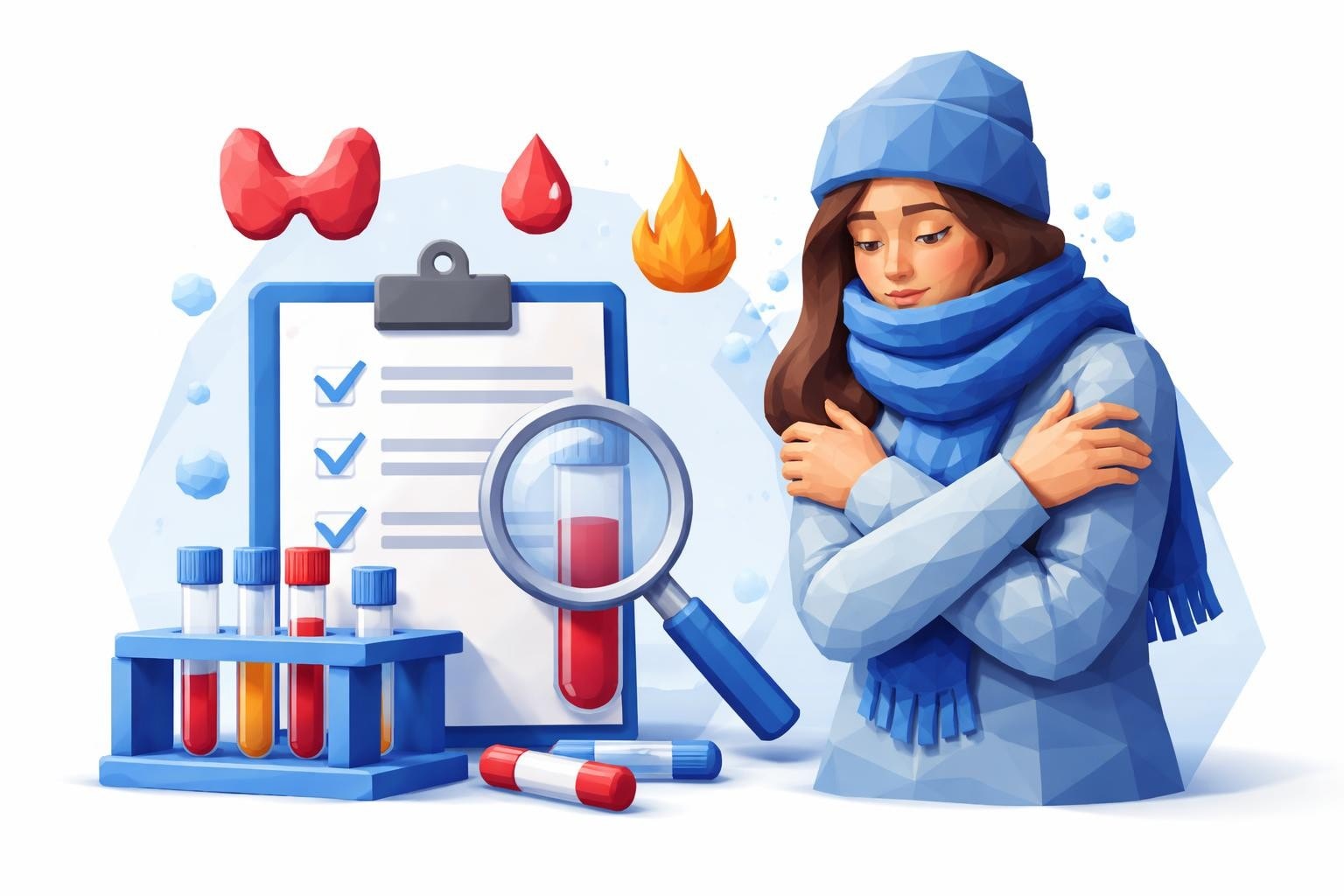
If you find yourself reaching for a sweater while everyone else seems comfortable, you're not alone. Constant coldness affects millions of people and often signals an underlying health issue that deserves attention. While occasional chills are normal, persistent cold intolerance can indicate conditions ranging from thyroid dysfunction to anemia. Understanding why am I always cold requires looking beyond simple explanations and examining the complex systems that regulate body temperature. Lab testing provides the most direct path to identifying these underlying causes, offering clarity when symptoms become disruptive to daily life.
Understanding Cold Intolerance and Body Temperature Regulation
Your body maintains a core temperature around 98.6°F through a sophisticated regulatory system involving your thyroid gland, circulatory system, and metabolism. When this system functions optimally, you barely notice the mechanisms at work. However, when something disrupts this balance, you may experience persistent coldness that no amount of layering can fix.
Cold intolerance differs from simply preferring warmer temperatures. It manifests as an inability to warm up even in heated environments, constantly cold hands and feet, or feeling significantly colder than those around you. Cleveland Clinic identifies several primary reasons for this condition, including anemia, hypothyroidism, poor circulation, and low body fat.
The question "why am I always cold" often leads people to dismiss their symptoms as inconsequential. This approach overlooks potentially serious health conditions that worsen without intervention. Your body's temperature regulation system relies on adequate thyroid hormone production, sufficient iron levels, proper circulation, and balanced nutrition. When any component fails, your ability to generate and maintain warmth suffers.
Thyroid Dysfunction: The Most Common Culprit
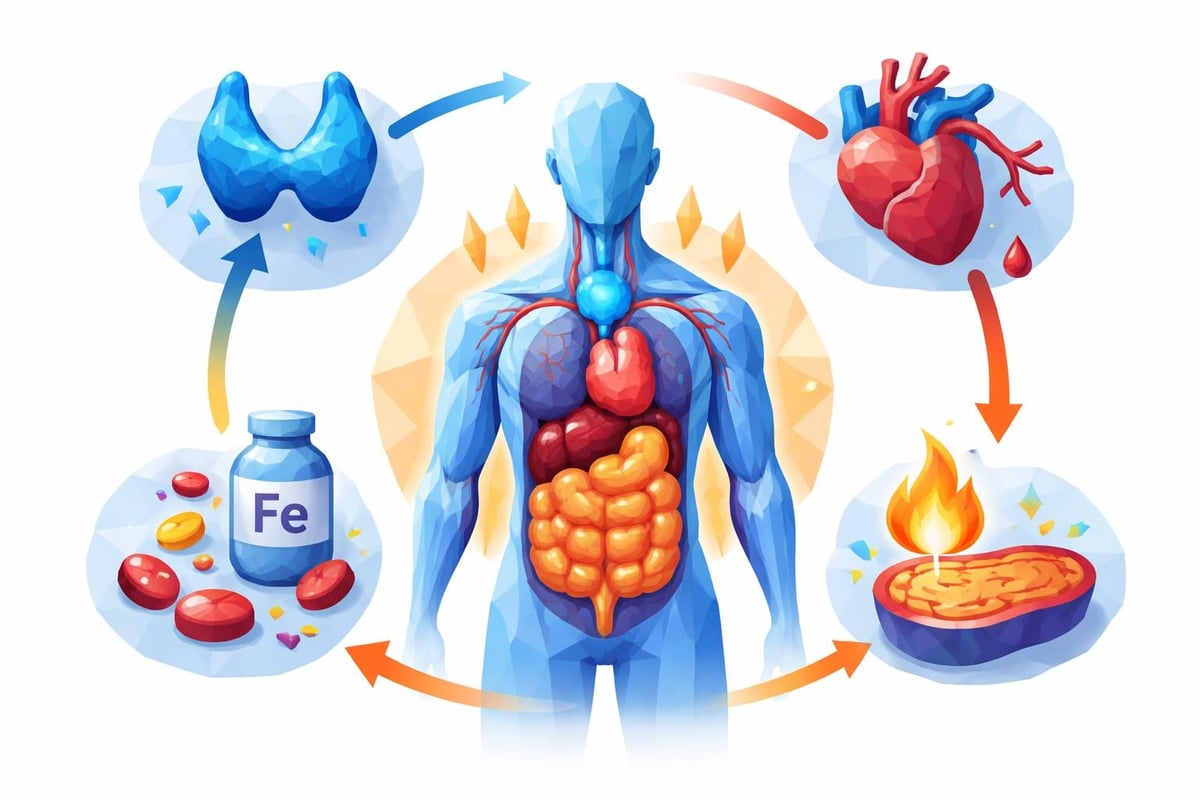
Thyroid disorders represent the leading medical cause of persistent coldness. Your thyroid gland produces hormones that regulate metabolism, directly influencing how your body generates heat. When thyroid hormone production drops below normal levels, a condition called hypothyroidism develops, slowing metabolic processes throughout your body.
Symptoms Beyond Cold Intolerance
Hypothyroidism rarely presents with cold sensitivity alone. Most people experience a constellation of symptoms that develop gradually over months or years:
- Unexplained weight gain despite unchanged eating habits
- Persistent fatigue that doesn't improve with rest
- Dry skin and brittle hair
- Depression or mood changes
- Muscle weakness and joint pain
- Constipation
- Brain fog and difficulty concentrating
The subtle onset of these symptoms often prevents people from recognizing a pattern. You might attribute weight gain to aging, fatigue to busy schedules, and cold sensitivity to poor circulation. However, when these symptoms cluster together, thyroid dysfunction becomes a likely explanation.
Essential Thyroid Lab Tests
Diagnosing thyroid problems requires specific blood tests that measure hormone levels. The most comprehensive approach includes:
| Test Name | What It Measures | Why It Matters |
|---|---|---|
| TSH (Thyroid Stimulating Hormone) | Pituitary signal to thyroid gland | Primary screening tool; elevated TSH indicates hypothyroidism |
| Free T4 | Active thyroid hormone in blood | Shows actual hormone availability to cells |
| Free T3 | Most active thyroid hormone | Reveals conversion efficiency from T4 to T3 |
| Thyroid Antibodies | Autoimmune markers | Identifies Hashimoto's thyroiditis as underlying cause |
A TSH blood test serves as the standard screening tool for thyroid dysfunction. However, TSH alone doesn't always reveal the complete picture. Some people have normal TSH levels but low Free T3, explaining persistent symptoms. Comprehensive thyroid panels provide more detailed information, allowing for accurate diagnosis and targeted treatment.
Recommended Panel
Complete Thyroid Panel
Save $3Our most comprehensive thyroid panel includes all 5 essential markers: TSH, Free T4, Free T3, Reverse T3, and both thyroid antibodies. Get the complete picture of your thyroid health.
Includes 6 biomarkers
$84
Harvard Health notes that hypothyroidism becomes more common with age, particularly affecting women. Subclinical hypothyroidism, where TSH rises slightly but remains in the "normal" range, can still cause significant symptoms including cold intolerance.
Iron Deficiency and Anemia
Iron deficiency anemia ranks second only to thyroid problems as a cause of persistent coldness. Iron plays a critical role in oxygen transport throughout your body. Red blood cells use iron-containing hemoglobin to carry oxygen from your lungs to every tissue. When iron levels drop, oxygen delivery becomes compromised, reducing your cells' ability to produce energy and heat.
How Anemia Causes Cold Sensitivity
Understanding why am I always cold when anemic requires examining cellular metabolism. Your cells burn glucose and fat to produce energy through processes requiring adequate oxygen. Without sufficient iron, hemoglobin levels fall, reducing oxygen availability. This creates an energy deficit that manifests as fatigue, weakness, and impaired heat generation.
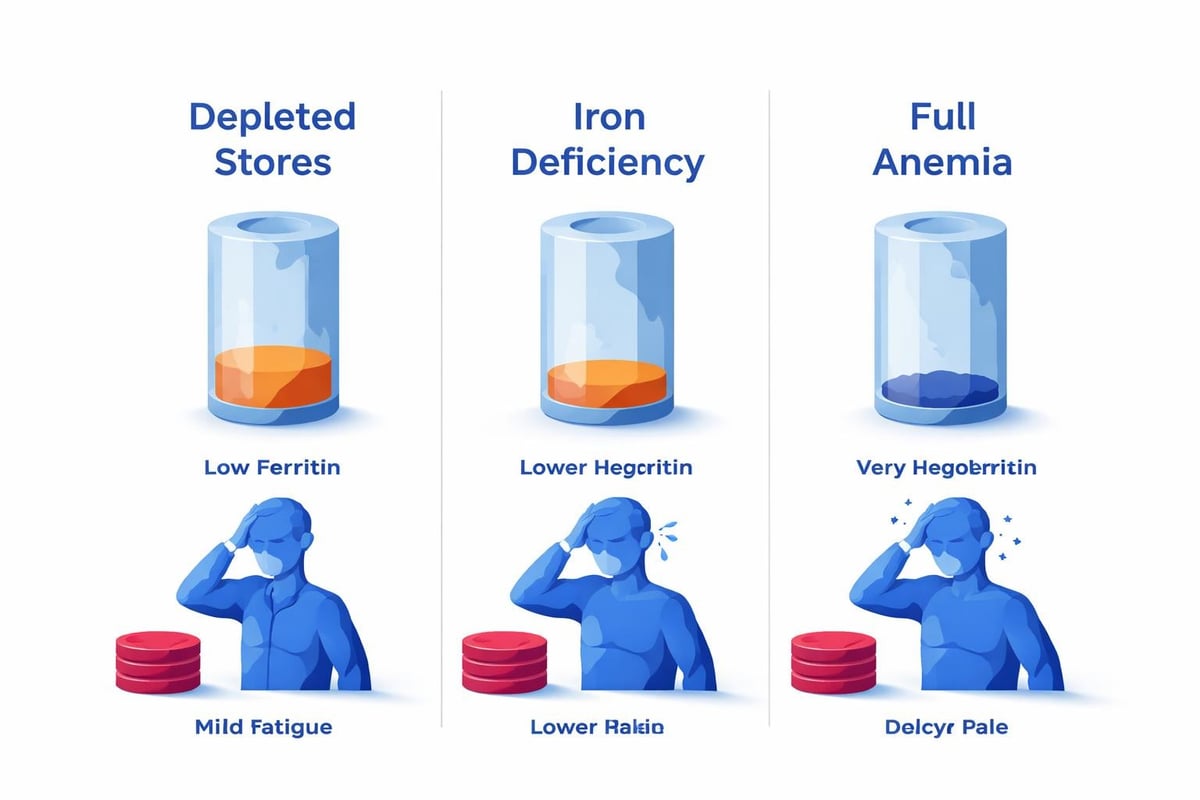
Iron deficiency develops through three progressive stages:
- Depleted iron stores: Ferritin levels drop while hemoglobin remains normal
- Iron-deficient erythropoiesis: Red blood cell production becomes impaired
- Iron deficiency anemia: Hemoglobin falls below normal ranges
Many people experience symptoms during stages one and two, long before anemia appears on standard blood tests. This explains why someone might feel constantly cold despite "normal" test results that only measure hemoglobin.
Comprehensive Iron Testing
Proper iron evaluation requires multiple markers beyond basic hemoglobin measurement:
- Complete Blood Count (CBC): Measures hemoglobin, hematocrit, and red blood cell indices
- Ferritin: Reflects total body iron stores; most sensitive early indicator
- Serum Iron: Shows iron circulating in bloodstream
- Total Iron Binding Capacity (TIBC): Indicates how much iron your blood can transport
- Transferrin Saturation: Percentage of iron-binding sites occupied
Women of childbearing age face higher iron deficiency risk due to menstrual blood loss. Medical News Today explains that even mild iron deficiency can cause cold intolerance, fatigue, and reduced exercise tolerance before progressing to clinical anemia.
Recommended Test
Ferritin
Ferritin is the best indicator of your body's iron stores. Low ferritin is one of the most common causes of fatigue, especially in women.
Includes 1 biomarkers
$10
Circulation Problems and Vascular Health
Poor circulation creates cold extremities and overall temperature sensitivity. Your cardiovascular system distributes warm blood throughout your body, maintaining consistent temperature from core to periphery. When circulation becomes compromised, blood flow to hands, feet, and skin decreases, causing persistent coldness.
Peripheral Artery Disease and Atherosclerosis
Arterial narrowing from plaque buildup restricts blood flow to extremities. This condition, called peripheral artery disease (PAD), typically affects legs and feet first. Beyond coldness, PAD causes leg pain during walking, slow-healing wounds, and color changes in affected areas.
Raynaud's phenomenon represents another circulation-related cause of cold sensitivity. This condition causes blood vessels in fingers and toes to constrict excessively in response to cold or stress. During episodes, affected areas turn white or blue, then red as blood flow returns.
Diabetes and Microvascular Complications
Diabetes affects circulation through multiple mechanisms. High blood sugar damages small blood vessels throughout the body, reducing blood flow to extremities. Diabetic neuropathy impairs nerve function, disrupting temperature sensation and regulation. The combination creates significant cold intolerance that worsens as diabetes progresses.
Screening for circulation problems and diabetes includes:
- Fasting glucose and hemoglobin A1C to assess blood sugar control
- Lipid panel to evaluate cholesterol and cardiovascular risk
- Comprehensive metabolic panel for kidney function and electrolyte balance
Understanding your metabolic health through affordable lab testing helps identify circulation problems before they cause serious complications.
Recommended Panel
Comprehensive Diabetes Panel
This panel detects diabetes and prediabetes at every stage. Includes lipids because diabetes dramatically increases heart disease risk.
Includes 10 biomarkers
$35
Fasting required
Nutritional Deficiencies Beyond Iron
Several vitamin and mineral deficiencies contribute to cold intolerance through their effects on metabolism, circulation, and thyroid function.
Vitamin B12 Deficiency
Vitamin B12 supports red blood cell production, nerve function, and energy metabolism. Deficiency causes a specific type of anemia called megaloblastic anemia, where red blood cells become abnormally large and dysfunctional. Beyond anemia, B12 deficiency damages nerves, creating numbness, tingling, and impaired temperature regulation.
Vegetarians, vegans, and people over 50 face elevated B12 deficiency risk. Stomach acid reduction from aging or medications like proton pump inhibitors impairs B12 absorption from food.
Vitamin D and Metabolic Function
Vitamin D influences thyroid function, immune regulation, and overall metabolism. Recent research suggests that vitamin D deficiency may contribute to cold intolerance through its effects on metabolic rate and inflammation. Testing vitamin D levels provides valuable information, especially for people with limited sun exposure.
Magnesium and Temperature Regulation
Magnesium participates in over 300 enzymatic reactions, including those governing metabolism and circulation. Deficiency impairs thyroid hormone production and reduces circulation efficiency. Unfortunately, standard blood tests don't accurately reflect total body magnesium stores, making clinical evaluation important.
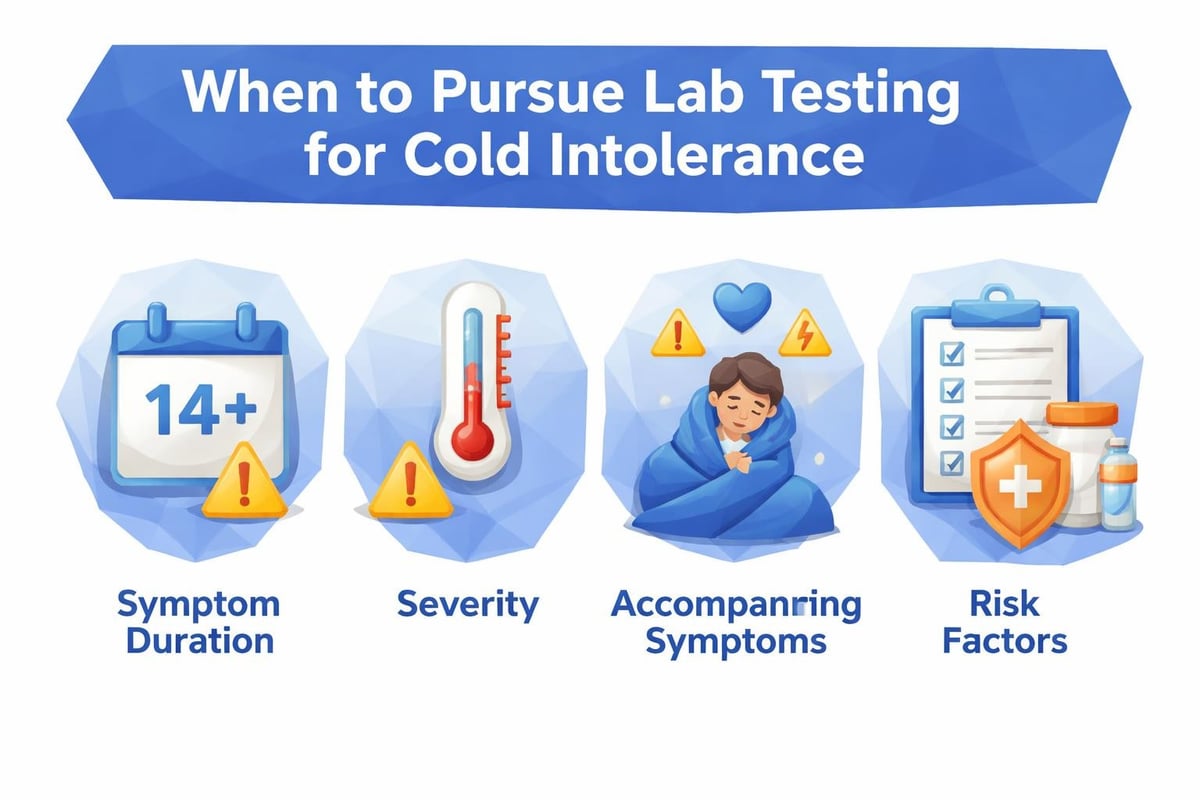
When to Seek Lab Testing for Cold Intolerance
Determining whether your cold sensitivity warrants investigation depends on symptom severity, duration, and associated signs. Consider lab testing when:
- Cold intolerance persists for more than a few weeks
- You feel significantly colder than others in the same environment
- Cold sensitivity interferes with daily activities or sleep
- Additional symptoms suggest thyroid, anemia, or metabolic problems
- You have risk factors for thyroid disease or iron deficiency
Healthline emphasizes that persistent cold intolerance deserves medical evaluation rather than simple acceptance as personal preference or normal variation.
Comprehensive Lab Panel for Cold Intolerance
Answering why am I always cold through lab testing requires a strategic approach that evaluates the most common underlying causes. A comprehensive initial panel should include:
Tier One: Essential Screening
| Test Category | Specific Tests | Conditions Detected |
|---|---|---|
| Thyroid Function | TSH, Free T4, Free T3 | Hypothyroidism, subclinical thyroid dysfunction |
| Complete Blood Count | Hemoglobin, hematocrit, MCV, MCH | Anemia (all types) |
| Iron Studies | Ferritin, serum iron, TIBC | Iron deficiency with or without anemia |
| Metabolic Panel | Glucose, kidney function, electrolytes | Diabetes, kidney disease, mineral imbalances |
Tier Two: Extended Evaluation
When initial testing doesn't reveal clear answers, extended panels provide additional insights:
- Thyroid antibodies (TPO and thyroglobulin) for autoimmune thyroid disease
- Vitamin B12 and folate for additional anemia causes
- Vitamin D for metabolic and immune function
- Lipid panel for cardiovascular and circulation assessment
- Inflammatory markers (CRP, ESR) for systemic inflammation
Accessing comprehensive testing without insurance barriers becomes easier through services that offer transparent lab test pricing. This approach eliminates the gatekeeping that often delays diagnosis and treatment.
Gender Differences in Cold Sensitivity
Women report feeling cold more frequently than men, a difference rooted in biology rather than perception. Several factors contribute to this pattern:
Metabolic Rate: Men generally have higher basal metabolic rates due to greater muscle mass. Muscle tissue generates more heat than fat tissue, giving men a metabolic advantage in temperature regulation.
Hormonal Influences: Estrogen affects blood vessel constriction and body temperature regulation. Hormonal fluctuations during menstrual cycles create variations in temperature perception, with some women feeling colder during certain cycle phases.
Iron Status: Women of reproductive age lose iron monthly through menstruation, creating higher deficiency risk. This partially explains why women more frequently experience cold intolerance related to anemia.
Body Composition: Women naturally carry higher body fat percentages than men. While fat provides insulation, it doesn't generate heat like muscle tissue. Women also tend to have colder extremities as blood preferentially flows to the core to protect vital organs.
TIME magazine reports that these gender differences extend to workplace comfort, with women preferring temperatures several degrees warmer than men in shared spaces.
Age-Related Changes in Temperature Regulation
Cold sensitivity often increases with age due to multiple physiological changes. Older adults experience reduced metabolic rates, decreased muscle mass, and impaired circulation. Thyroid function naturally declines with aging, increasing hypothyroidism risk, particularly in women over 60.
Blood vessel elasticity decreases with age, reducing circulation efficiency to extremities. Skin becomes thinner, providing less insulation. Medications commonly prescribed for older adults, including beta blockers and certain blood pressure medications, can worsen cold sensitivity by affecting circulation and metabolism.
Nutritional absorption decreases with age, raising deficiency risk for B12, iron, and vitamin D. Reduced stomach acid production impairs mineral absorption, while dietary limitations common among older adults compound nutritional gaps.
Taking Action on Cold Intolerance
Understanding why am I always cold requires moving beyond speculation to objective testing. While lifestyle factors like clothing choices, room temperature, and activity level play roles, persistent cold intolerance typically signals an underlying medical condition requiring diagnosis and treatment.
The path forward involves:
- Document your symptoms: Track when you feel coldest, associated symptoms, and factors that improve or worsen coldness
- Assess your risk factors: Consider family history of thyroid disease, dietary patterns affecting iron intake, menstrual blood loss, medications, and chronic conditions
- Order appropriate lab tests: Start with comprehensive thyroid and iron testing, expanding based on initial results
- Review results with healthcare context: Optimal ranges differ from reference ranges; subclinical abnormalities often cause symptoms
Modern lab testing services eliminate traditional barriers to diagnosis. You can order comprehensive tests directly, receive results within days, and use them to guide conversations with healthcare providers or make informed decisions about treatment approaches.
Beyond Lab Results: Addressing Underlying Causes
Lab testing identifies problems but represents just the beginning of addressing cold intolerance. Treatment depends entirely on the underlying cause revealed through testing.
Thyroid Treatment Approaches
Hypothyroidism responds well to thyroid hormone replacement with levothyroxine (synthetic T4). Some people require combination therapy with T3 to achieve optimal symptom relief. Treatment requires regular monitoring through repeat thyroid testing, typically every 6-8 weeks initially, then annually once stable.
Dosing precision matters significantly. Under-replacement leaves symptoms unresolved, while over-replacement creates hyperthyroid symptoms and long-term health risks. Affordable thyroid panel testing facilitates the monitoring necessary for optimal treatment adjustment.
Iron Repletion Strategies
Treating iron deficiency involves both supplementation and addressing underlying causes of loss or malabsorption. Oral iron supplements effectively restore iron stores over 2-3 months, though they frequently cause digestive side effects. Intravenous iron provides faster repletion with fewer side effects for severe deficiency or absorption problems.
Dietary strategies support iron repletion:
- Consume iron-rich foods including red meat, poultry, fish, legumes, and fortified cereals
- Pair plant-based iron sources with vitamin C to enhance absorption
- Avoid calcium supplements and tea with iron-rich meals, as they inhibit absorption
- Consider cooking with cast iron cookware to increase dietary iron
Follow-up testing after 8-12 weeks of supplementation confirms treatment effectiveness and guides duration of therapy.
Optimizing Circulation
Improving circulation requires addressing underlying cardiovascular conditions while adopting lifestyle modifications:
- Regular aerobic exercise strengthens the cardiovascular system and improves peripheral circulation
- Smoking cessation removes a major cause of blood vessel constriction
- Managing diabetes and cholesterol through diet, medication, and lifestyle prevents further vascular damage
- Compression stockings help return blood from lower extremities
- Staying hydrated maintains blood volume and flow
Persistent cold intolerance signals your body needs attention, whether through thyroid dysfunction, iron deficiency, circulation problems, or nutritional gaps. Lab testing provides the clarity needed to move from wondering "why am I always cold" to implementing effective solutions. Justlabs makes this diagnostic process accessible by offering convenient, affordable lab testing without insurance requirements or doctor visits, delivering results in 1-3 days so you can take control of your health and finally find lasting warmth.