Are you experiencing unexplained fatigue, weight changes, or mood swings? These symptoms can be confusing, but your thyroid may hold the answers.
The ft3 blood test is a powerful tool for understanding your thyroid health, especially in 2026. By checking your FT3 levels, you can gain clarity on symptoms that standard thyroid tests sometimes miss.
In this guide, you will learn what the ft3 blood test measures, why it matters, how it is performed, how to interpret results, and what steps to take next.
Let this handbook give you the knowledge and confidence to take control of your thyroid health.
Understanding the FT3 Blood Test
Are you searching for answers about unexplained fatigue, mood changes, or stubborn weight shifts? The ft3 blood test could be the key to unlocking the mystery behind your thyroid symptoms. This section will help you understand what the ft3 blood test measures, why it matters, and how it can empower your health decisions.
What Is FT3 and Why Is It Important?
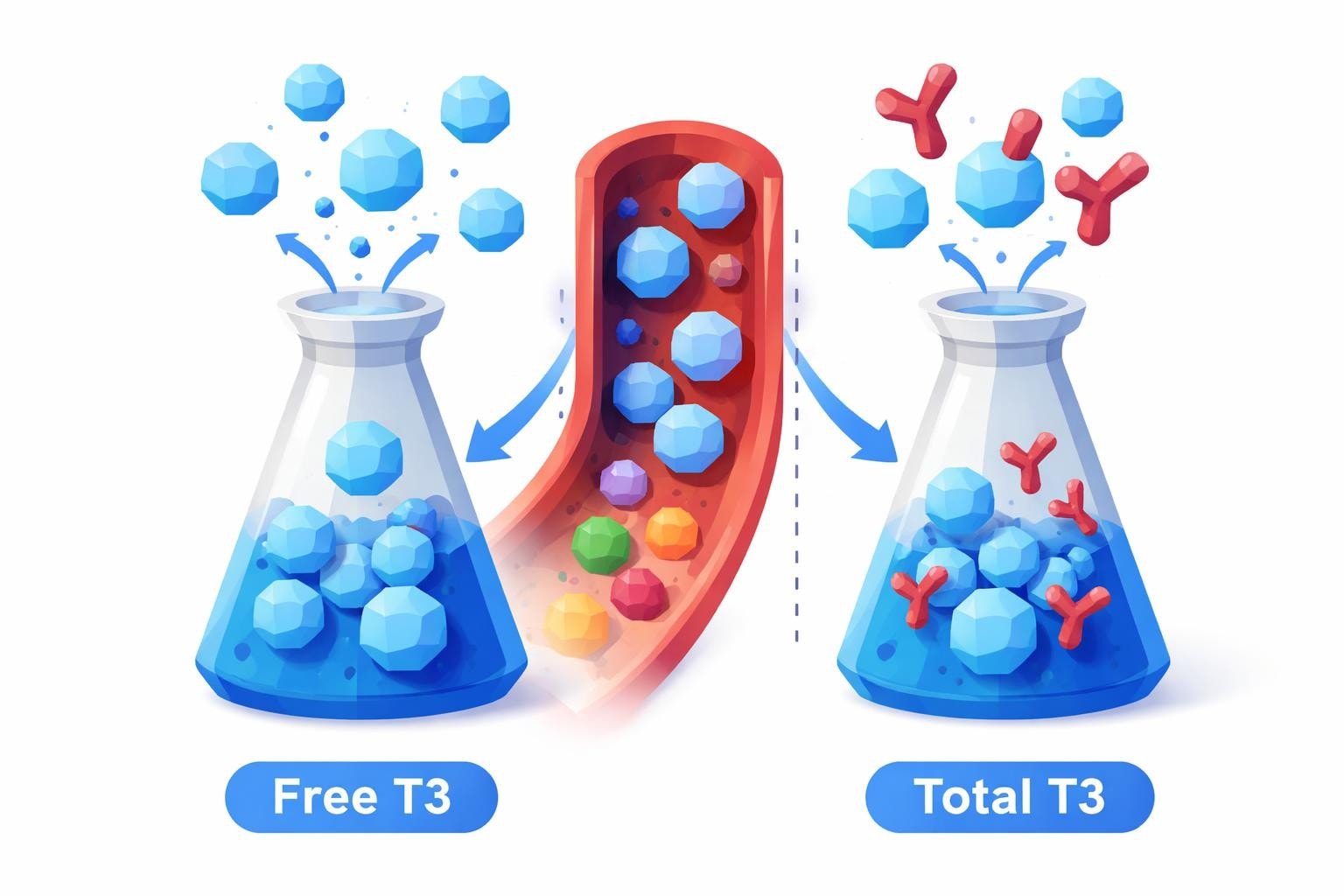
FT3, or Free Triiodothyronine, is one of the most active thyroid hormones in your body. It plays a crucial role in regulating metabolism, energy production, and how your cells use oxygen. Unlike total T3, which measures both bound and unbound hormone, the ft3 blood test specifically measures the hormone that is “free” and available for your body’s immediate use.
Why does this distinction matter? Most of your T3 travels in the blood attached to proteins, making it inactive. Only the free portion can actually reach your cells and do its job. That’s why doctors often rely on the ft3 blood test when trying to get a clearer picture of thyroid health.
FT3 is part of a larger hormone cascade. The pituitary gland releases TSH (thyroid-stimulating hormone), which tells your thyroid to make T4 and T3. T4 is mostly a storage form, while T3—especially free T3—acts as the main driver of metabolism. Measuring FT3 alongside TSH and FT4 (free thyroxine) provides a more complete view of thyroid function.
Thyroid disorders are more common than many realize, affecting an estimated 20 million Americans. Sometimes, people experience classic thyroid symptoms, like low energy or hair loss, but their TSH and FT4 tests look normal. In these cases, the ft3 blood test can reveal subtle issues that other tests might miss. For example, someone with ongoing fatigue could have a borderline low FT3, even if other labs are in the normal range. For a deeper dive, you can read this Understanding Free T3 Test resource.
Free T3 (Triiodothyronine)
1 biomarkers
How the FT3 Test Works
The ft3 blood test is a straightforward procedure done at a laboratory or clinic. A healthcare provider will draw a small sample of blood, usually from your arm. The lab then measures how much free T3 is circulating in your bloodstream.
Modern labs use advanced techniques like immunoassay or liquid chromatography-mass spectrometry (LC-MS/MS) to analyze your sample. These methods have become even more accurate in 2026, helping ensure reliable results.
Reference ranges for FT3 typically fall between 2.0 and 4.4 pg/mL, but these numbers can vary from lab to lab and may depend on factors like age, gender, or pregnancy. It’s important to remember that the ft3 blood test is only one piece of the puzzle. Doctors interpret your results alongside TSH, FT4, your symptoms, and sometimes repeat the test or order additional labs for clarity.
You usually don’t need to fast before an ft3 blood test, but always follow your lab’s instructions. Morning blood draws are sometimes preferred for consistency, especially if you are on thyroid medication. If your results fall outside the typical range, your healthcare provider may recommend follow-up testing or adjustments to your treatment plan.
For those seeking clarity about their thyroid health, JustLabs offers a convenient self-pay option for the ft3 blood test, with transparent pricing and access to nationwide labs.
Why and When FT3 Testing Is Ordered
Understanding when to consider an ft3 blood test is key for anyone dealing with unexplained symptoms or uncertain thyroid results. The decision to order this test is often driven by persistent concerns that standard thyroid labs do not fully explain. Let us explore the most common reasons your healthcare provider may suggest an ft3 blood test, and how it fits into the broader picture of thyroid health.
Common Symptoms and Conditions Prompting FT3 Testing
The ft3 blood test is frequently recommended for people experiencing ongoing symptoms that could point to thyroid dysfunction. These may include:
- Fatigue that persists despite adequate sleep
- Unexplained weight gain or loss
- Hair thinning or loss
- Anxiety or mood swings
- Irregular menstrual cycles
- Sensitivity to cold or heat
These symptoms can be subtle or overlap with other health issues. The ft3 blood test helps clarify whether thyroid hormone activity could be the underlying cause, especially when conventional labs like TSH and FT4 appear normal.
Certain thyroid disorders are especially linked to FT3 levels. Hyperthyroidism, where the thyroid is overactive, often shows elevated FT3. Hypothyroidism, or underactive thyroid, might present with low FT3, particularly in more severe cases. Subclinical thyroid disease, which may not show clear abnormal results on TSH or FT4, can sometimes be revealed through FT3 testing.
There are also rare conditions, such as T3 toxicosis, where FT3 is high but other thyroid hormones are not. In these scenarios, the ft3 blood test becomes crucial for accurate diagnosis and management.
FT3 testing is commonly used to resolve ambiguous results. For example, someone may have normal TSH and FT4 but still feel unwell. Studies suggest that up to 15 percent of hypothyroid patients continue to have symptoms despite "normal" labs, and FT3 measurement can provide additional insight.
If you are on thyroid hormone replacement, especially medications containing T3, your doctor may order the ft3 blood test to monitor treatment response and prevent overtreatment. In some cases, unexplained symptoms or changes in health may prompt your provider to include FT3 as part of a broader thyroid evaluation.
For those interested in direct access to testing, you can learn more about how to order labs without a doctor, which includes FT3 and other thyroid panels.
Recommended Panel
Complete Thyroid Panel
Save $3Our most comprehensive thyroid panel includes all 5 essential markers: TSH, Free T4, Free T3, Reverse T3, and both thyroid antibodies. Get the complete picture of your thyroid health.
Includes 6 biomarkers
$84
How FT3 Complements Other Thyroid Tests
The ft3 blood test is not typically used in isolation. Instead, it works alongside TSH and FT4 to create a more complete view of thyroid function. Each test measures a different aspect of thyroid hormone activity.
Here is a simple comparison:
| Test | What it Measures | Typical Use |
|---|---|---|
| TSH | Pituitary hormone signaling thyroid | First-line screening |
| FT4 | Free thyroxine, main circulating hormone | Confirms hypo/hyperthyroidism |
| FT3 | Free triiodothyronine, active form | Assesses persistent symptoms, monitors therapy |
A full thyroid panel, including the ft3 blood test, is often more informative than a single test. For instance, high FT3 with low TSH may indicate hyperthyroidism, while low FT3 with normal TSH and FT4 could reflect non-thyroidal illness or medication effects.
Recommended Panel
Basic Thyroid Panel
Save $2This panel includes the 3 essential thyroid markers: TSH, Free T4, and Free T3. The perfect starting point for evaluating thyroid function without unnecessary tests.
Includes 3 biomarkers
$30
FT3 is especially valuable for tracking how well your treatment is working. It can help detect if you are getting too much or too little thyroid hormone, which is important for long-term health.
Providers may recommend repeat testing or additional panels if your FT3 results are out of range or if your symptoms change. Monitoring over time, rather than relying on a single result, gives the best picture of your thyroid health.
If you are exploring self-pay or direct-to-consumer options, JustLabs offers transparent pricing for the ft3 blood test and full thyroid panels.
The FT3 Blood Test Process: Step-by-Step
Navigating the ft3 blood test process can feel overwhelming if you are new to thyroid testing. Understanding what to expect at each stage helps you prepare and ensures you get the most accurate results possible. Below, you will find a step-by-step guide covering preparation, the testing experience, and convenient online options.
Preparing for Your FT3 Test
Preparation for your ft3 blood test is usually straightforward. Most labs do not require fasting, but always check your specific lab’s instructions before your appointment. Morning appointments can be beneficial, as thyroid hormone levels may fluctuate throughout the day. Consistency in timing helps your healthcare provider interpret your results more accurately.
It is important to discuss any medications you are taking with your provider. Thyroid medications, especially those containing T3, can impact your ft3 blood test results. You may be advised to delay your dose until after your blood draw or to maintain a consistent routine for future comparison. Always follow your healthcare provider’s advice regarding medication timing.
Here is a quick table summarizing key pre-test considerations:
| Preparation Step | Recommendation |
|---|---|
| Fasting | Usually not required, confirm with your lab |
| Time of Day | Morning recommended for consistency |
| Medication Timing | Ask your provider about timing thyroid medications |
| Hydration | Stay hydrated for easier blood draw |
| Test Ordering | Can be ordered by doctor, telehealth, or self-pay |
You can order the ft3 blood test through your physician, a telehealth service, or directly from self-pay lab services. Insurance may cover the test, but more people are opting for self-pay options for convenience and transparency. Be sure to verify your coverage or out-of-pocket costs in advance.
What to Expect During the Test
When you arrive for your ft3 blood test, a trained technician will guide you through the process. The test itself involves a standard blood draw, usually from a vein in your arm. The procedure is quick, typically lasting just a few minutes.
To help reduce anxiety and ensure a smooth experience, try these simple steps:
- Stay well-hydrated before your appointment
- Wear loose clothing for easy access to your arm
- Practice deep breathing if you feel nervous
After the blood sample is collected, it is sent to the lab for analysis. Results are often available within one to three days, depending on the lab’s processing time and your location. Your healthcare provider will review your results in context with other thyroid markers, such as TSH and FT4, to give you a full picture of your thyroid health.
The ft3 blood test is an important part of the overall thyroid panel. It helps identify subtle thyroid issues that may not show up on other tests. If you are unsure about what your results mean, many labs and clinics provide resources to help you interpret your results in context with your symptoms.
Order FT3 Testing Online with JustLabs
For those seeking convenience, JustLabs offers a straightforward way to order an ft3 blood test and full thyroid panels online. You do not need a doctor’s visit or insurance. Pricing is transparent, and you can access testing at over 2,200 Quest Diagnostics locations nationwide.
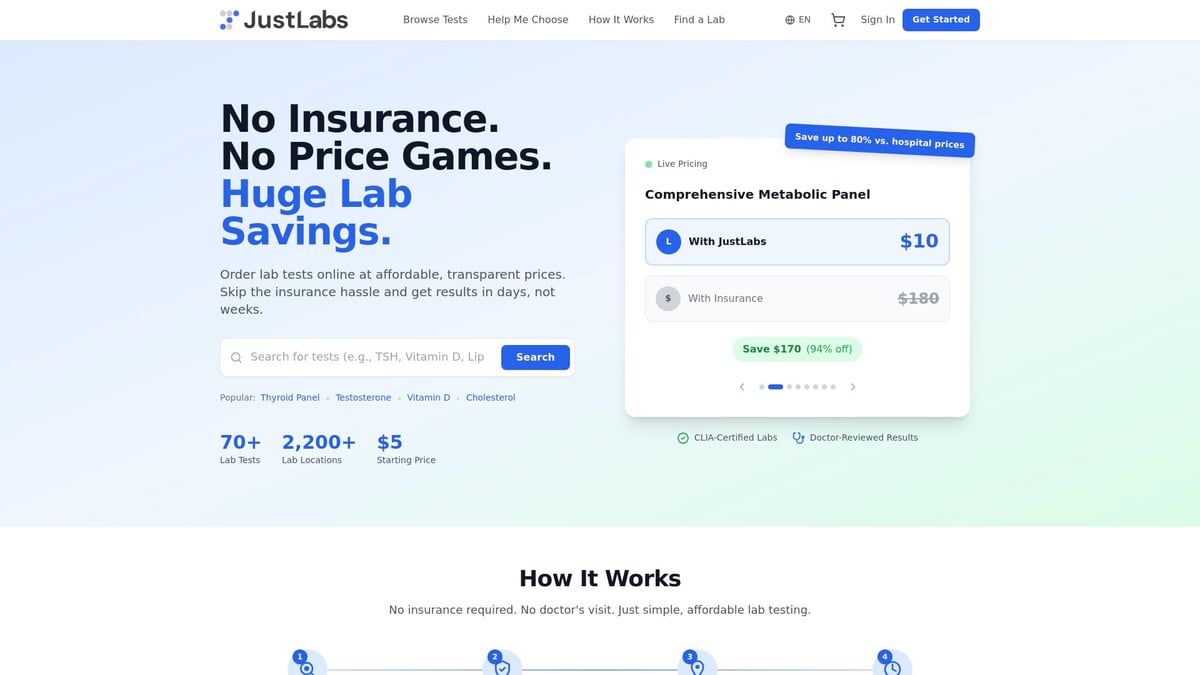
Your results are reviewed by a physician and come with clear explanations, making it easy to understand your numbers. If you want to learn more about the cost and components of thyroid panel tests, including FT3, check out the Thyroid Panel Pricing Guide.
Choosing a self-pay option like JustLabs empowers you to take charge of your thyroid health on your own terms, with no hidden fees or long waits.
Recommended Panel
Hashimoto's Panel
Save $2The definitive panel for diagnosing Hashimoto's thyroiditis - the #1 cause of hypothyroidism. Tests both major thyroid antibodies that indicate autoimmune thyroid disease.
Includes 5 biomarkers
$58
Interpreting FT3 Results: What Your Numbers Mean
Understanding your ft3 blood test results is a crucial step in managing thyroid health. These numbers can seem confusing, but knowing what they mean can help you and your healthcare provider make informed choices. Let’s break down what your FT3 levels really tell you.
Understanding Reference Ranges and Variability
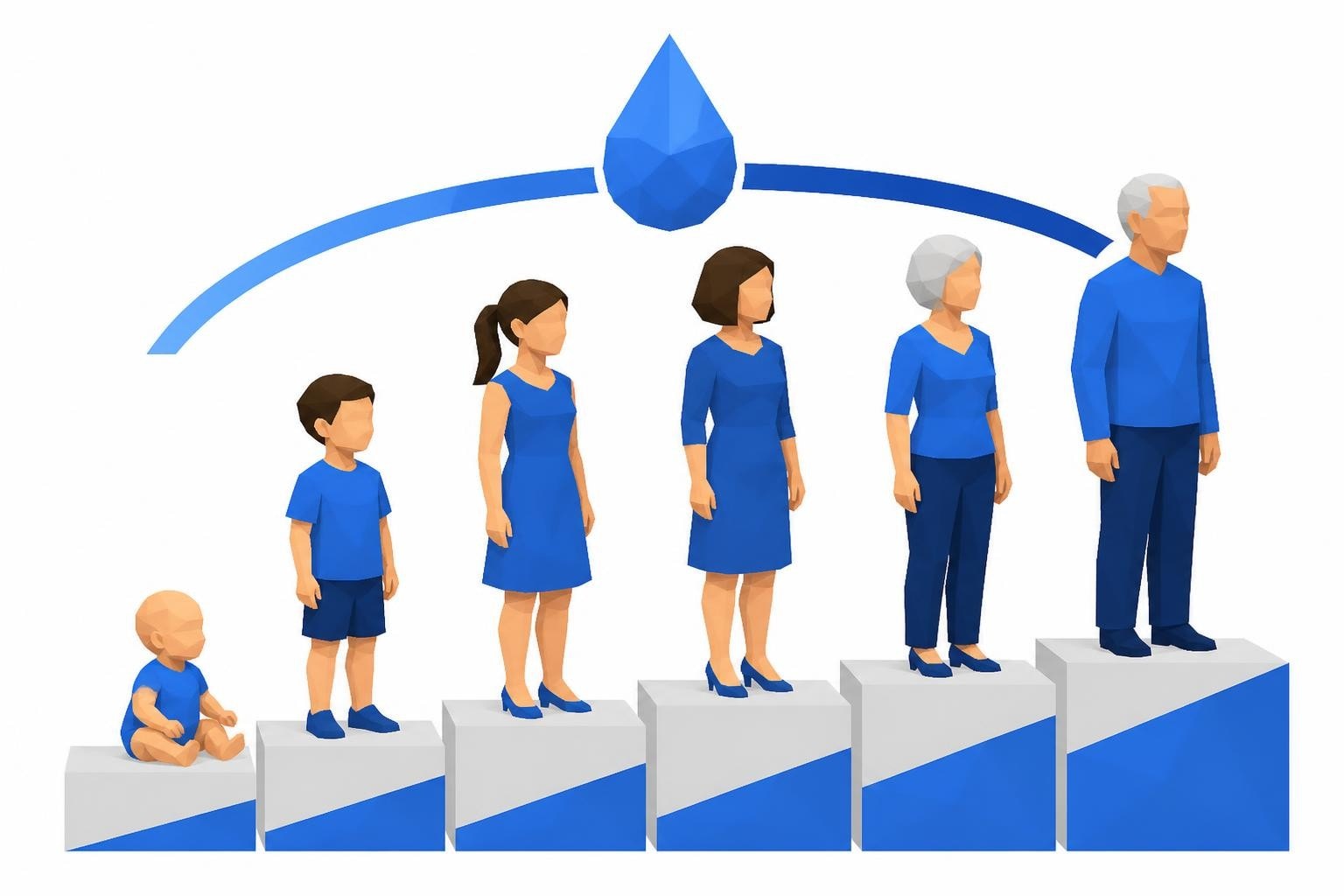
The ft3 blood test measures free triiodothyronine, the active form of T3 hormone circulating in your blood. Reference ranges for FT3 typically fall between 2.0 and 4.4 pg/mL, but these values can differ by laboratory, age, gender, and even pregnancy status.
For example, a healthy adult might have an FT3 of 3.0 pg/mL, while an older adult or someone pregnant could have slightly different “normal” values. Laboratories set their own reference ranges based on the equipment, population studied, and methodology used. This means what’s considered “normal” at one lab may be slightly higher or lower at another.
A helpful way to think about FT3 results is to focus on trends. If your ft3 blood test result slowly moves outside your usual range over several tests, it may be more meaningful than a single reading. Always review your results in the context of your symptoms and other thyroid markers.
| Factor | Possible Impact on FT3 Range |
|---|---|
| Age | Lower in older adults |
| Gender | May slightly differ |
| Pregnancy | May decrease in later stages |
| Lab methodology | Minor differences possible |
Your healthcare provider will interpret your FT3 level using these variables, not just the number alone.
What High FT3 May Suggest
A high ft3 blood test result can point to several possible conditions. Most commonly, elevated FT3 is seen in hyperthyroidism, where the thyroid gland produces too much hormone. Graves’ disease, a common cause of hyperthyroidism, often leads to high FT3 and low TSH.
Symptoms you might notice with high FT3 include a rapid heartbeat, anxiety, unexpected weight loss, sweating, tremors, or feeling hot when others do not. Sometimes, high FT3 happens when people take too much thyroid medication, especially those containing T3. Certain medications and rare conditions, like a thyroid nodule that makes extra hormone, can also raise FT3.
Interpreting high FT3 is always done alongside TSH and FT4. For instance, if your TSH is suppressed and FT3 is high, this can confirm hyperthyroidism. But if other thyroid levels are normal, your provider may look for other explanations or repeat the ft3 blood test to confirm.
Here are some common causes of high FT3:
- Overactive thyroid (hyperthyroidism)
- Graves’ disease
- Excess thyroid hormone medication
- Some medications (like amiodarone)
- Rare pituitary disorders or thyroid nodules
If your FT3 is only slightly above the reference range, your provider will consider your symptoms and overall health before making any changes to your care plan.
What Low FT3 May Suggest
A low ft3 blood test result is often linked to hypothyroidism, where the thyroid does not produce enough hormone. However, low FT3 can also occur in people with severe illness, a situation sometimes called “non-thyroidal illness” or “sick euthyroid syndrome.” In these cases, FT3 drops as the body’s way of conserving energy during stress or illness.
Symptoms of low FT3 can include tiredness, weight gain, feeling cold, constipation, dry skin, and low mood. Medications such as steroids or beta blockers can also lower FT3. Sometimes, even if TSH and FT4 are normal, FT3 may be low, especially during chronic illness or after major surgery.
Common causes of low FT3:
- Underactive thyroid (hypothyroidism)
- Severe or chronic illness
- Certain medications (steroids, beta blockers)
- Recovery from a major health event
It’s important to remember that a low ft3 blood test does not always mean you have thyroid disease. Your provider will interpret this result in the context of your full thyroid panel, current health, and any recent illnesses.
Context Matters: FT3 in Combination with Other Markers
FT3 is just one piece of the thyroid puzzle. The ft3 blood test is best interpreted alongside TSH and FT4, which together provide a fuller picture of thyroid function. For example, a person with low FT3 but normal TSH and FT4 may not have thyroid disease at all, especially if they are recovering from illness.
Providers may repeat testing or order additional labs if results are unclear. For more details on interpreting your lab results in context, visit Interpreting Lab Test Results.
Recommended Panel
Hashimoto's Panel
Save $2The definitive panel for diagnosing Hashimoto's thyroiditis - the #1 cause of hypothyroidism. Tests both major thyroid antibodies that indicate autoimmune thyroid disease.
Includes 5 biomarkers
$58
When to Seek Medical Advice
Any abnormal ft3 blood test result, or persistent symptoms like fatigue, weight changes, or mood swings, should prompt a conversation with your healthcare provider. Remember, lab values are only part of your thyroid story. Your symptoms, history, and other test results all matter.
If you ever feel unwell or have questions about your results, reach out to a medical professional. Self-pay options like JustLabs make it easy to access FT3 testing with clear pricing and rapid results, empowering you to take charge of your thyroid health.
Next Steps After Your FT3 Test
Receiving your ft3 blood test results is an important milestone in your thyroid health journey. Whether your numbers fall within the reference range or show an abnormality, knowing what to do next can make a significant difference for your well-being.
Following Up on Abnormal Results
If your ft3 blood test reveals results outside the typical reference range, your next steps should focus on clarification and collaboration with your healthcare provider. Abnormal FT3 values do not always mean you have a thyroid disorder, since FT3 levels can naturally vary by age, sex, and even life stage. For example, FT3 levels and lifespan changes research shows that what is "normal" may shift as we age, making context essential.
Your provider may recommend repeating the ft3 blood test to confirm the findings. Additional thyroid tests, such as TSH and FT4, are often ordered to provide a more complete picture. In some cases, thyroid antibody testing or imaging studies may be needed, especially if your symptoms persist or the results remain unclear.
If you are already on thyroid medication, your doctor might adjust your dose based on both your lab values and your symptoms. For example, a patient with high FT3 may need a different approach than someone with low FT3, especially if they experience symptoms like rapid heartbeat or fatigue. Each situation is unique and should be managed with personalized care.
It is also important to track your symptoms over time and share any changes with your provider. Keeping a health journal can help you notice trends and prepare for follow-up visits. Remember, the ft3 blood test is one tool among many, and your overall health story is what guides treatment decisions.
Free T3 (Triiodothyronine)
1 biomarkers
Lifestyle and Monitoring Considerations
Ongoing monitoring is key to managing thyroid health after your ft3 blood test. Regularly reassessing your symptoms, repeating labs as advised, and maintaining open communication with your care team can help you stay on top of changes.
Lifestyle choices also play a significant role in supporting thyroid function. Good nutrition, stress management, and medication adherence are all important factors. For individuals managing weight or metabolic issues, studies like FT3 and metabolic syndrome in obesity highlight the connection between FT3 levels and metabolic health, underlining the value of a holistic approach.
Consider keeping a health journal to document symptoms, medication timing, and daily habits. This record can be invaluable when discussing your progress with your provider or when considering adjustments to your care plan.
If you are using self-pay services, such as JustLabs, you benefit from transparent pricing and direct access to ft3 blood test ordering. This convenience can make it easier to monitor your thyroid health on your schedule, with results that are easy to understand and share.
Engage proactively in your health journey. By staying informed, maintaining healthy habits, and working closely with your healthcare provider, you can make the most of your ft3 blood test results and support your overall well-being.
Related tests on JustLabs: thyroid panel
FT3 Blood Testing: Trends and Innovations
The landscape of thyroid testing is changing rapidly, and the ft3 blood test is at the center of these advances. In 2026, patients and healthcare providers have more tools than ever to understand thyroid health with precision and confidence.
Free T3 (Triiodothyronine)
1 biomarkers
Advances in FT3 Testing Technology
Recent years have brought notable improvements to the ft3 blood test. Modern laboratories are now using highly accurate methods like liquid chromatography-mass spectrometry (LC-MS/MS). This technology provides more reliable FT3 measurements, even at low concentrations, compared to older immunoassays.
Direct-to-consumer testing is also on the rise. Patients can now order a ft3 blood test online, visit a local lab, and access their results without waiting for a traditional doctor's appointment. This shift gives individuals more control over their thyroid health journey.
The clinical importance of FT3 continues to expand. Research now links FT3 levels to outcomes in various health scenarios. For example, a recent meta-analysis on low FT3 and COVID-19 prognosis highlights the value of measuring FT3 in critical illnesses. As a result, clinicians are increasingly considering FT3 when evaluating complex or persistent symptoms.
Standardization is also improving across laboratories. Reference ranges are becoming more consistent, making it easier to compare results and track trends over time. These advances help ensure that the ft3 blood test delivers actionable insights for both routine monitoring and specialized care.
Empowering Patients with Accessible Testing
The ft3 blood test is now more accessible than ever. Transparent pricing, clear test explanations, and fast turnaround times are becoming the norm. Patients can use self-pay options or insurance to access testing, removing barriers to essential thyroid information.
Online platforms allow individuals to order a ft3 blood test or a full thyroid panel from home. Results are often reviewed by a physician and delivered with easy-to-understand explanations. This empowers patients to take an active role in their health, monitor symptoms, and make informed decisions alongside their healthcare providers.
The trend toward patient-driven healthcare is expected to grow. Expanded lab networks, digital health tools, and personalized recommendations are shaping the future of thyroid testing. As more people become aware of the importance of thyroid health, early detection and regular monitoring with tests like the ft3 blood test are likely to become standard practice.
Looking ahead, services like JustLabs offer convenient, self-pay access to FT3 and comprehensive thyroid panels. With innovations in technology and care delivery, patients have more autonomy and peace of mind as they navigate their thyroid health.
Now that you understand how crucial FT3 testing can be for managing your thyroid health, you might be wondering about your next step. Thanks to advances in self-pay lab testing, you don’t have to wait for a doctor’s order or deal with insurance hassles—JustLabs makes it easy for you to take charge. You can review transparent pricing, access a wide selection of thyroid tests, and get fast, doctor-reviewed results that help you make informed choices. If you’re ready to move forward and see your options, you can Order Tests online quickly and securely.
Recommended Panel
Complete Thyroid Panel
Save $3Our most comprehensive thyroid panel includes all 5 essential markers: TSH, Free T4, Free T3, Reverse T3, and both thyroid antibodies. Get the complete picture of your thyroid health.
Includes 6 biomarkers
$84