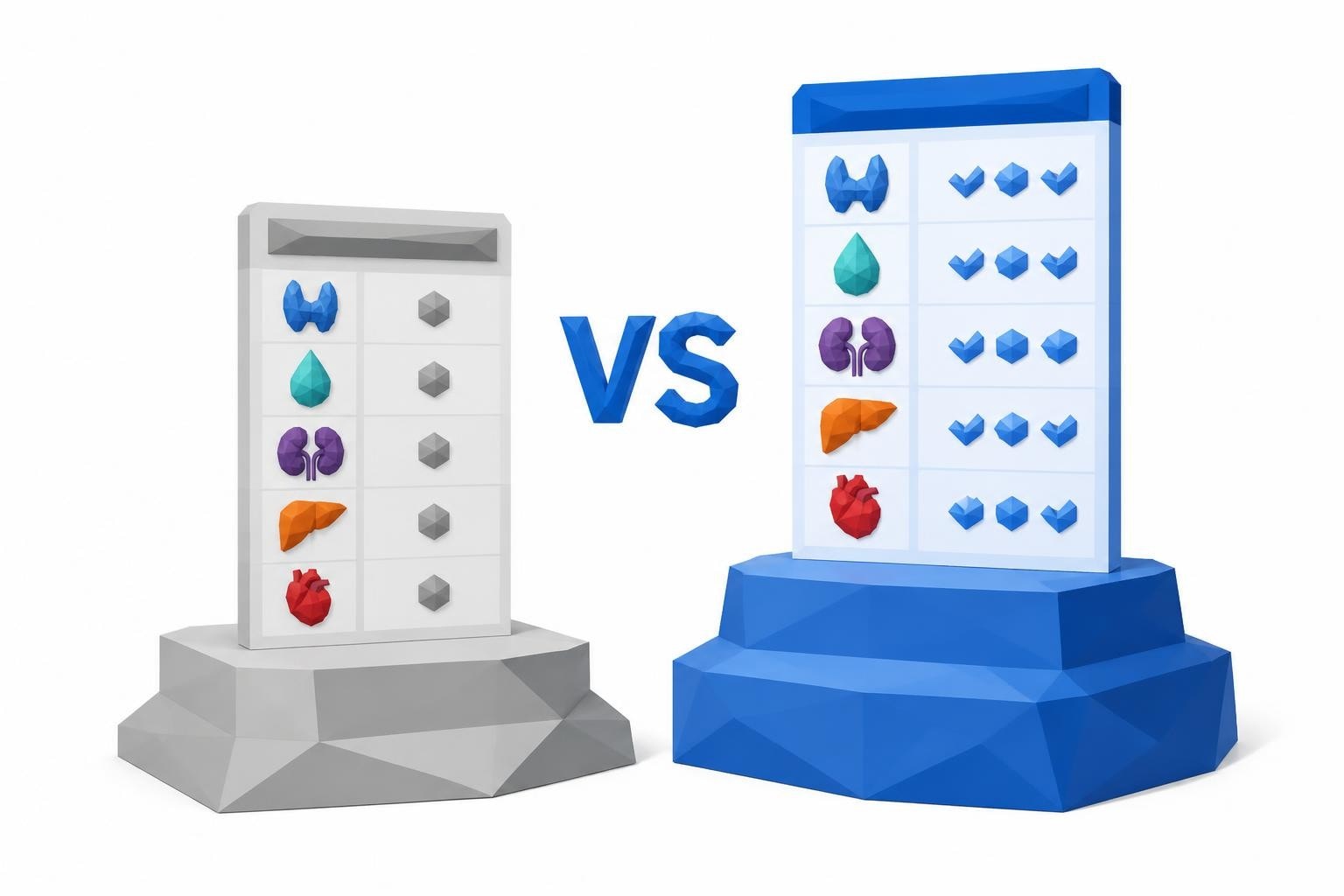
When it comes to preventive health testing, understanding the difference between basic versus comprehensive wellness panels can save you money while ensuring you get the right level of health insight. Both panel types serve important roles in health monitoring, but they differ significantly in scope, cost, and the information they provide about your body's systems. Making an informed choice requires understanding exactly what biomarkers each panel includes and how those markers relate to your specific health goals.
What Defines a Basic Wellness Panel
A basic wellness panel focuses on fundamental health markers that provide a snapshot of your overall health status. These panels typically include essential blood work that screens for common health concerns and establishes baseline values for future comparison.
Core Components of Basic Panels
Most basic wellness panels include a complete blood count (CBC), which measures red blood cells, white blood cells, hemoglobin, and platelets. This foundational test reveals potential issues with anemia, infection, immune system disorders, and blood clotting problems.
The basic metabolic panel (BMP) is another staple component, testing eight key markers:
- Glucose (blood sugar)
- Calcium
- Sodium
- Potassium
- Carbon dioxide (bicarbonate)
- Chloride
- Blood urea nitrogen (BUN)
- Creatinine
These markers assess kidney function, electrolyte balance, and blood sugar levels. According to Everlywell's comparison of metabolic panels, the BMP provides essential information about metabolic health but offers limited insight into liver function and other body systems.
Lipid Panel Inclusion
Basic wellness panels typically incorporate a lipid panel measuring total cholesterol, LDL cholesterol, HDL cholesterol, and triglycerides. This cardiovascular assessment identifies risk factors for heart disease and stroke, making it crucial for adults of all ages.

Understanding Comprehensive Wellness Panels
Comprehensive wellness panels expand significantly beyond basic testing to provide a more detailed picture of your health across multiple body systems. These panels typically include all markers from basic panels plus additional tests that screen for conditions that might not be apparent through basic testing alone.
Additional Metabolic and Liver Markers
The key difference when comparing basic versus comprehensive wellness panels lies in the expanded testing scope. Comprehensive panels upgrade from a basic metabolic panel to a comprehensive metabolic panel (CMP), which adds six liver and protein markers:
| Marker Category | Specific Tests | Health Insight |
|---|---|---|
| Liver Enzymes | ALT, AST, ALP | Liver function and damage |
| Protein Levels | Total protein, Albumin | Nutritional status, liver/kidney function |
| Bilirubin | Total bilirubin | Liver function, red blood cell breakdown |
These additional markers help identify liver disease, hepatitis, cirrhosis, and other conditions affecting liver health. As noted by Levels' detailed panel comparison, this expanded testing provides critical information about organ function that basic panels miss entirely.
Thyroid Function Assessment
Comprehensive panels typically include thyroid testing, which is absent from most basic panels. The thyroid-stimulating hormone (TSH) test screens for hypothyroidism and hyperthyroidism, conditions affecting metabolism, energy levels, weight, and mood.
Some comprehensive panels also measure:
- Free T4 (thyroxine)
- Free T3 (triiodothyronine)
- Thyroid antibodies
These markers provide a complete picture of thyroid function, helping identify conditions that affect millions of Americans yet often go undiagnosed for years.
Vitamin and Nutrient Status
Many comprehensive wellness panels incorporate vitamin D testing, given that vitamin D deficiency affects approximately 42% of American adults. This marker influences bone health, immune function, mood regulation, and chronic disease risk.
Advanced comprehensive panels may also test:
- Vitamin B12
- Folate
- Iron studies (ferritin, iron, TIBC)
- Magnesium
Biomarker Breakdown: Side-by-Side Comparison
Understanding exactly which markers differentiate basic versus comprehensive wellness panels helps you assess whether the additional cost provides meaningful value for your health monitoring needs.
Complete Marker Inventory
| Test Category | Basic Panel | Comprehensive Panel |
|---|---|---|
| Complete Blood Count | ✓ | ✓ |
| Glucose | ✓ | ✓ |
| Kidney Markers (BUN, Creatinine) | ✓ | ✓ |
| Electrolytes (Na, K, Cl, CO2) | ✓ | ✓ |
| Calcium | ✓ | ✓ |
| Lipid Panel | ✓ | ✓ |
| Liver Enzymes (ALT, AST, ALP) | ✗ | ✓ |
| Protein Markers (Total Protein, Albumin) | ✗ | ✓ |
| Bilirubin | ✗ | ✓ |
| Thyroid (TSH) | ✗ | ✓ |
| Vitamin D | ✗ | ✓ |
| Iron Studies | ✗ | ✓ (often) |
This expanded testing in comprehensive panels provides substantially more information about liver health, thyroid function, nutritional status, and metabolic processes that basic panels cannot assess.

How Additional Markers Enhance Health Insight
The extra biomarkers included in comprehensive wellness panels serve specific diagnostic and monitoring purposes that justify the higher cost for many individuals.
Liver Health Detection
Liver disease often develops silently without obvious symptoms until significant damage occurs. The liver enzymes and protein markers in comprehensive panels detect early signs of:
- Fatty liver disease
- Hepatitis
- Cirrhosis
- Medication-induced liver damage
- Alcohol-related liver injury
Early detection through comprehensive testing allows for lifestyle modifications or treatment before irreversible damage occurs. This proactive approach is especially valuable for individuals taking medications metabolized by the liver or those with risk factors like obesity or alcohol consumption.
Thyroid Dysfunction Identification
Thyroid disorders affect approximately 20 million Americans, yet an estimated 60% remain undiagnosed. The thyroid testing included in comprehensive panels identifies conditions causing:
- Unexplained weight changes
- Persistent fatigue
- Depression or anxiety
- Hair loss
- Temperature sensitivity
- Menstrual irregularities
According to My Care Labs' wellness panel comparison, thyroid testing proves particularly valuable for women over 35, individuals with family history of thyroid disease, and anyone experiencing unexplained symptoms despite normal basic lab results.
Nutritional Deficiency Screening
The vitamin and nutrient testing in comprehensive panels identifies deficiencies that contribute to chronic health problems. Vitamin D deficiency correlates with increased risk of osteoporosis, cardiovascular disease, diabetes, and certain cancers. Similarly, iron deficiency causes fatigue, weakness, and cognitive impairment that significantly impact quality of life.
When you order labs without a doctor, access to comprehensive nutritional testing empowers you to address deficiencies through supplementation or dietary changes before developing serious complications.
Cost-Benefit Analysis for Different Health Profiles
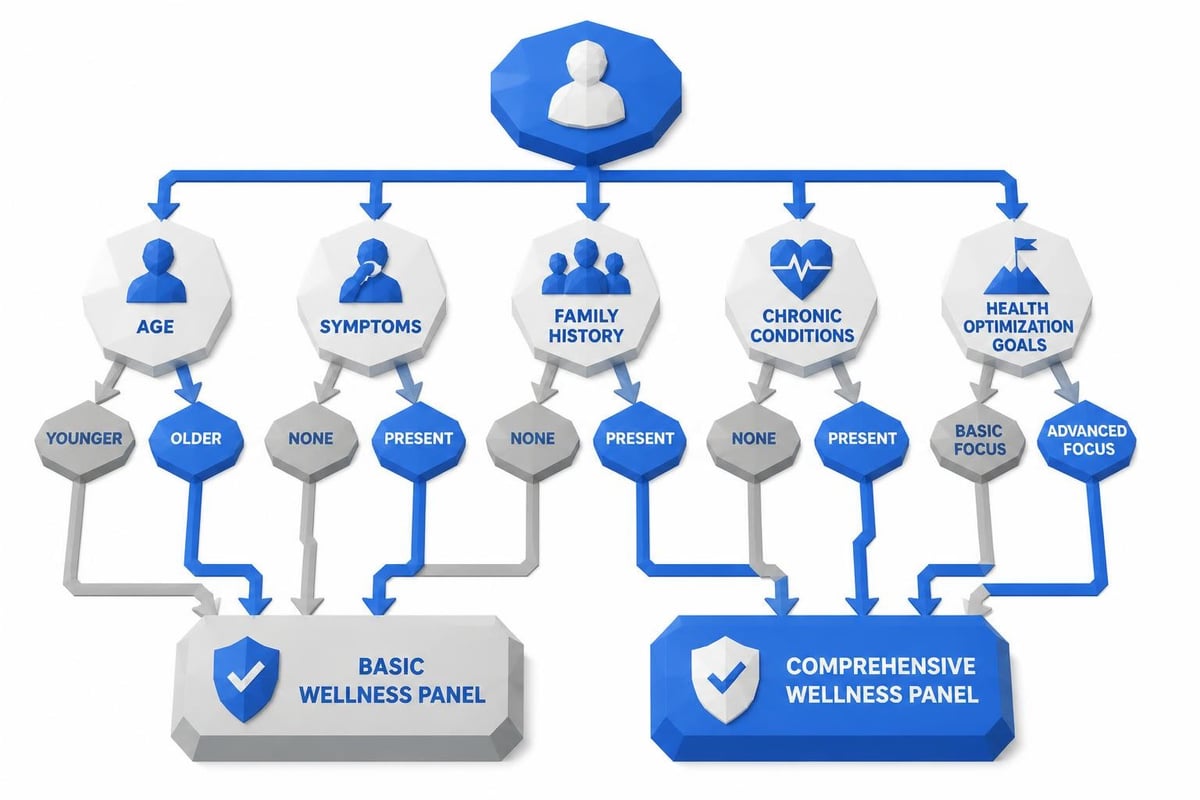
Choosing between basic versus comprehensive wellness panels requires weighing the additional cost against your personal health situation, risk factors, and health optimization goals.
When Basic Panels Suffice
Basic wellness panels provide adequate screening for:
Healthy Young Adults (Ages 18-30)
- No chronic conditions
- No concerning symptoms
- Annual routine screening
- Limited family health history
Cost-Conscious Individuals
- Tight budgets
- Recent comprehensive testing
- Specific marker monitoring only
Basic panels effectively track essential health markers over time without unnecessary expense. For individuals without symptoms or risk factors, annual basic testing establishes health trends while maintaining affordability.
Who Benefits From Comprehensive Testing
Comprehensive wellness panels deliver significant value for specific populations:
Individuals with chronic conditions requiring broader monitoring across multiple organ systems benefit from the expanded marker set. The comprehensive approach detects complications early and guides treatment adjustments.
People experiencing unexplained symptoms like fatigue, weight changes, or mood disturbances need the broader testing scope to identify underlying causes that basic panels miss. Thyroid dysfunction, vitamin deficiencies, and liver problems often present with vague symptoms requiring comprehensive testing for diagnosis.
Those with significant family history of thyroid disease, liver conditions, or metabolic disorders should invest in comprehensive panels for early detection of hereditary conditions.
Adults over 40 face increased risk for multiple health conditions that comprehensive panels effectively screen. The broader testing becomes increasingly valuable as chronic disease risk rises with age.
Individuals optimizing athletic performance or longevity benefit from the detailed metabolic, hormonal, and nutritional information comprehensive panels provide. This data enables targeted interventions for performance enhancement and preventive health strategies. Going further, the biomarkers inside a longevity and aging panel are judged against tighter optimal ranges rather than the standard reference ranges used on routine wellness panels.
Real-World Pricing Considerations
The cost difference between basic versus comprehensive wellness panels typically ranges from $50 to $200, depending on the specific tests included and the testing provider. At JustLabs, the Basic Wellness Panel is $30 and the Comprehensive Wellness Panel is $94, each plus the one $18 order fee ($48 vs. $112 all-in), a difference of $64. Transparent lab test pricing allows you to evaluate whether the additional markers justify the higher expense for your situation.
Value Assessment Framework
Consider these factors when evaluating panel costs:
- Number of additional markers: Count how many extra tests the comprehensive panel includes
- Relevance to your health concerns: Assess whether those specific markers address your symptoms or risk factors
- Frequency of testing: Comprehensive panels may be worthwhile annually, while basic panels work for more frequent monitoring
- Insurance versus self-pay: When using labs without insurance, self-pay pricing often makes comprehensive panels surprisingly affordable
The incremental cost per additional marker often decreases significantly when bundled in comprehensive panels compared to ordering individual tests separately.
Interpreting Results From Different Panel Types
Understanding how to read and act on results differs between basic and comprehensive wellness panels due to the varying complexity and scope of information provided.
Basic Panel Results
Basic wellness panel results typically yield straightforward interpretations with clear reference ranges. Out-of-range values in glucose, lipids, or kidney markers often prompt specific follow-up actions like dietary changes, medication adjustments, or additional testing.
The limited scope of basic panels means abnormal results sometimes require additional testing to determine underlying causes. For example, an elevated glucose level identifies potential diabetes but doesn't explain why blood sugar is high or assess related metabolic complications.
Comprehensive Panel Insights
Comprehensive panels provide contextual information that helps explain interconnected health issues. For instance, elevated liver enzymes combined with high triglycerides and low vitamin D might indicate fatty liver disease, prompting lifestyle interventions addressing multiple markers simultaneously.
The thyroid, liver, and nutritional markers in comprehensive panels often reveal root causes of symptoms that basic testing cannot identify. This diagnostic efficiency can actually save money by avoiding multiple rounds of limited testing and accelerating appropriate treatment.
Resources like understanding lab results help you interpret comprehensive panel data and identify patterns requiring professional consultation versus self-managed interventions.
Strategic Testing Schedules
Optimizing your testing strategy involves using both basic and comprehensive panels strategically based on timing and health status.
Annual Comprehensive Baseline
Many health-conscious individuals benefit from annual comprehensive wellness panels that establish detailed baselines across all major body systems. This yearly snapshot tracks long-term trends and detects emerging issues early.
Quarterly or Semi-Annual Basic Monitoring
Between comprehensive tests, basic panels effectively monitor key markers at lower cost. This approach works well for tracking specific concerns like blood sugar management, cholesterol response to medications, or kidney function during chronic disease management.
Symptom-Driven Comprehensive Testing
New or worsening symptoms warrant comprehensive panel testing regardless of your regular schedule. The broader marker set efficiently investigates multiple potential causes simultaneously.
Making Your Panel Selection
Choosing between basic versus comprehensive wellness panels ultimately depends on balancing thoroughness against cost within your personal health context.
Questions to Guide Your Decision
Ask yourself these questions:
- Do I have unexplained symptoms that basic testing hasn't addressed?
- Am I over 40 or entering a higher-risk age group?
- Does my family history include thyroid, liver, or metabolic diseases?
- Am I managing chronic conditions requiring broader monitoring?
- Have previous basic panels shown borderline or concerning values?
- Am I optimizing health proactively rather than just screening for disease?
Affirmative answers to multiple questions suggest comprehensive panels provide better value despite higher upfront costs. The JustLabs FAQ addresses common questions about panel selection and testing procedures.
Customization Options
Some testing services allow customizing panels by adding specific markers to basic packages. This middle-ground approach lets you target particular concerns-like adding TSH to a basic panel if thyroid symptoms emerge-without paying for a full comprehensive panel.
Understanding how lab testing works when ordering directly helps you make informed decisions about which markers matter most for your health goals. Services offering FSA/HSA eligible tests can make comprehensive panels more affordable by using tax-advantaged healthcare funds.
Understanding basic versus comprehensive wellness panels empowers you to select testing that matches your health needs and budget while avoiding both over-testing and missing critical health information. The decision centers on evaluating which additional markers-thyroid function, liver enzymes, protein levels, and nutritional status-provide actionable insights for your specific situation. Whether you need routine monitoring with a basic panel or deeper health assessment through comprehensive testing, JustLabs offers transparent pricing and convenient access to both options, delivering results in 1-3 days without insurance hassles or doctor appointments.