
Understanding your vitamin A status requires precision testing that measures retinol, the active form of this essential nutrient in your bloodstream. Unlike water-soluble vitamins that flush from your system, vitamin A is fat-soluble and accumulates in your liver and tissues, making both deficiency and toxicity serious health concerns. A vitamin A retinol blood test provides the definitive measurement healthcare providers use to assess whether your levels fall within the optimal range or signal potential problems requiring intervention.
Why Vitamin A Retinol Testing Matters
Vitamin A plays critical roles throughout your body, supporting vision, immune function, reproduction, and cellular communication. Your body cannot synthesize this vitamin, so you must obtain it through diet or supplementation. The challenge lies in maintaining the delicate balance between too little and too much.
The Dual Risk of a Fat-Soluble Vitamin
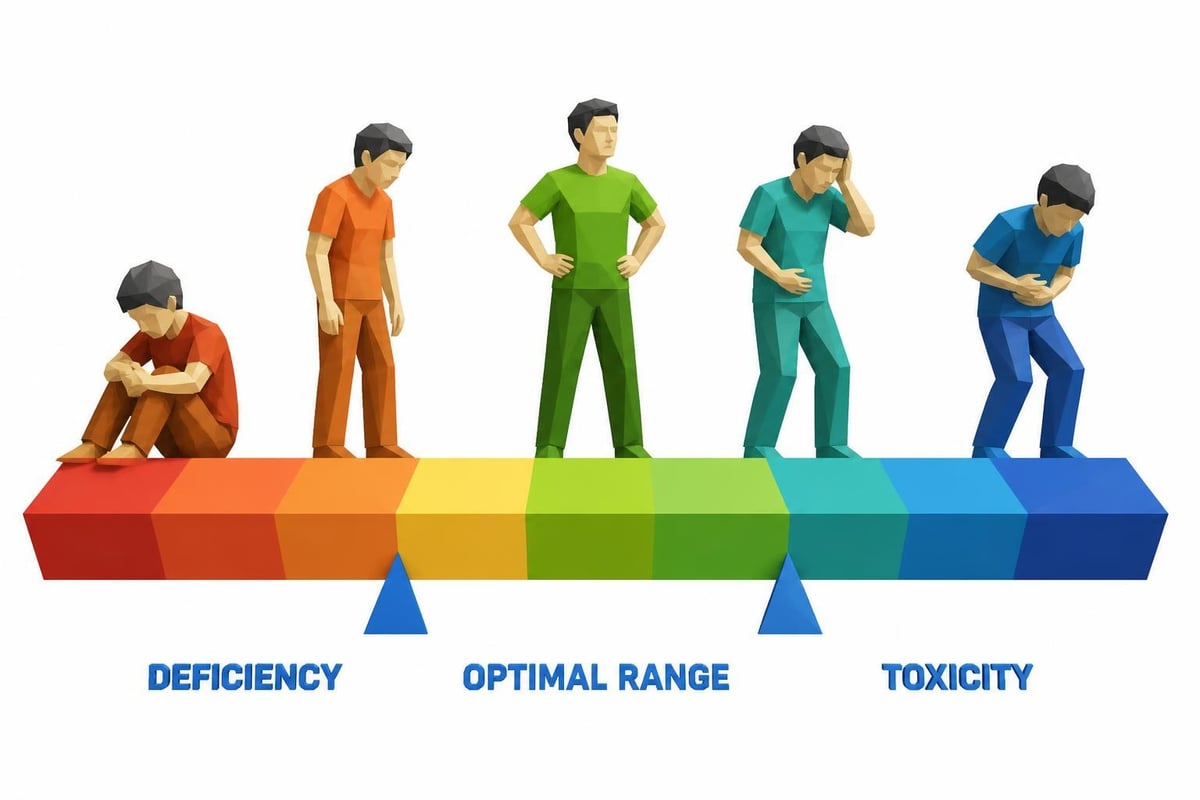
Because vitamin A accumulates in fatty tissues rather than being excreted, your body stores excess amounts. This storage capacity protects against short-term dietary fluctuations but creates risk for both ends of the spectrum:
Deficiency risks include:
- Impaired night vision and eventual blindness
- Weakened immune response
- Delayed growth in children
- Reproductive complications
- Increased infection susceptibility
Toxicity risks include:
- Liver damage and cirrhosis
- Bone fractures and decreased bone mineral density
- Birth defects when occurring during pregnancy
- Neurological symptoms including headaches
- Skin changes and hair loss
According to the Office of Dietary Supplements, serum retinol concentrations below 20 mcg/dL indicate moderate deficiency, while levels below 10 mcg/dL signal severe deficiency requiring immediate intervention.
Who Should Consider a Vitamin A Retinol Blood Test
Several populations face elevated risk for vitamin A imbalances and should discuss testing with their healthcare provider or order labs without a doctor through direct-access testing services.
High-Risk Groups for Deficiency
- Individuals with malabsorption disorders: Celiac disease, Crohn's disease, ulcerative colitis, and chronic diarrhea impair fat absorption, directly affecting vitamin A uptake
- People following restrictive diets: Strict vegans without proper beta-carotene sources or those with extremely low-fat diets
- Individuals with liver disease: Since the liver stores vitamin A and converts beta-carotene to retinol, hepatic dysfunction disrupts vitamin A metabolism
- Pregnant and lactating women: Increased demands during pregnancy and breastfeeding can deplete stores
- Chronic alcohol users: Alcohol interferes with vitamin A storage and metabolism while increasing liver breakdown
High-Risk Groups for Toxicity
The risk of vitamin A toxicity has increased significantly with the widespread availability of high-dose supplements and the popularity of retinoid medications.
| Risk Factor | Typical Exposure | Toxicity Mechanism |
|---|---|---|
| High-dose supplements | >10,000 IU daily | Direct accumulation exceeding liver storage capacity |
| Prescription retinoids | Isotretinoin (Accutane) | Synthetic vitamin A derivatives with prolonged half-life |
| Liver consumption | Regular intake of animal liver | Extremely high natural retinol content (>20,000 IU per serving) |
| Combination sources | Multiple fortified foods plus supplements | Cumulative intake exceeding upper limits |
Critical pregnancy warning: High-dose vitamin A supplementation during pregnancy, particularly in the first trimester, carries substantial risk for severe birth defects affecting the central nervous system, heart, and other organs. Pregnant women should never exceed 10,000 IU (3,000 mcg) daily from preformed vitamin A sources and should consult healthcare providers before taking any vitamin A supplements beyond standard prenatal vitamins.
Understanding Your Vitamin A Retinol Blood Test Results
The vitamin a retinol blood test measures serum or plasma retinol concentration, typically reported in micrograms per deciliter (mcg/dL) or micromoles per liter (μmol/L).
Normal Reference Ranges
Standard adult ranges:
- Normal: 30-80 mcg/dL (1.05-2.8 μmol/L)
- Marginal deficiency: 20-30 mcg/dL (0.70-1.05 μmol/L)
- Moderate deficiency: 10-20 mcg/dL (0.35-0.70 μmol/L)
- Severe deficiency: <10 mcg/dL (<0.35 μmol/L)
- Potential toxicity: >80-100 mcg/dL (>2.8-3.5 μmol/L)
Children and infants may have slightly different reference ranges. Values above 100 mcg/dL raise concern for hypervitaminosis A, though acute toxicity typically requires much higher levels.
Factors That Influence Results
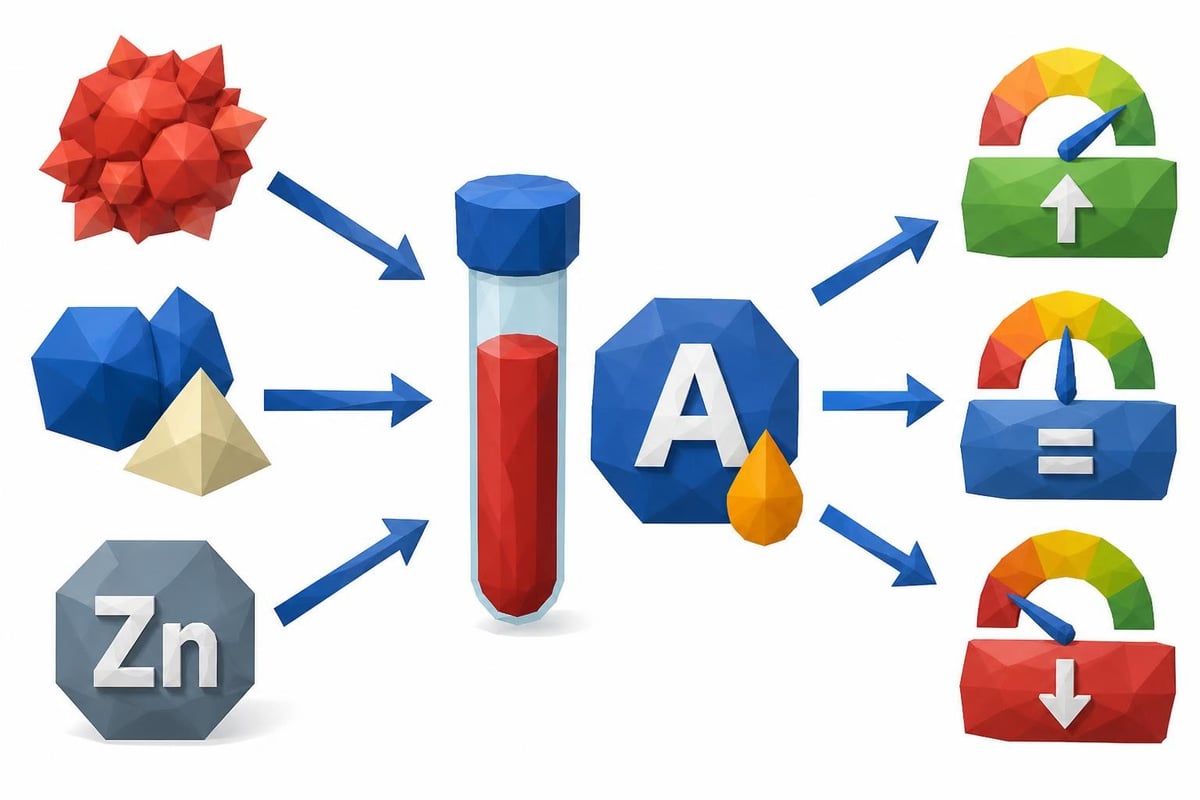
Several variables can affect your vitamin a retinol blood test accuracy and interpretation:
- Acute inflammation or infection: C-reactive protein elevation causes temporary decreases in serum retinol, potentially masking normal status or suggesting false deficiency
- Protein status: Since retinol binds to retinol-binding protein (RBP) for transport, protein malnutrition lowers measured retinol independent of liver stores
- Zinc deficiency: Zinc is required for RBP synthesis and vitamin A mobilization from the liver
- Recent dietary intake: Unlike some nutrients, vitamin A blood levels remain relatively stable day-to-day due to hepatic buffering
- Kidney disease: Can elevate retinol-binding protein and artificially increase measured retinol
The Testing Process and What to Expect
Obtaining a vitamin a retinol blood test has become increasingly accessible through direct-access laboratory services that streamline the traditional testing pathway.
Traditional vs. Direct-Access Testing
Traditional pathway:
- Schedule physician appointment
- Discuss symptoms and risk factors
- Receive test order
- Visit laboratory for blood draw
- Wait for results to return to physician
- Schedule follow-up appointment
- Receive results and interpretation
Direct-access pathway through services like Justlabs:
- Browse available tests online
- Select and purchase vitamin A testing
- Visit convenient lab location for blood draw
- Receive results digitally in 1-3 days
- Review results independently or with healthcare provider
Recommended Test
Vitamin A (Retinol)
Vitamin A is a fat-soluble vitamin essential for vision (especially night vision), immune function, skin health, cell growth, and reproduction.
Includes 1 biomarkers
$39
Sample Collection Requirements
The vitamin a retinol blood test requires a standard blood draw from a vein, typically in your arm. Most laboratories do not require fasting for this test, though your specific testing panel may include other markers with fasting requirements.
Preparation steps:
- Confirm whether fasting is needed for your complete test panel
- Stay well-hydrated before your appointment
- Inform the phlebotomist about medications, especially retinoids
- Wear clothing with sleeves that roll up easily
The blood sample is centrifuged to separate serum or plasma, then analyzed using high-performance liquid chromatography (HPLC) or other validated methods. Some laboratories protect samples from light exposure since retinol is photosensitive.
Interpreting Results Alongside Other Biomarkers
Vitamin A status rarely exists in isolation. Comprehensive assessment often benefits from evaluating related biomarkers that influence vitamin A metabolism or share similar risk factors.
Complementary Testing Panels
Nutritional assessment panel:
- Vitamin D (another fat-soluble vitamin with absorption links)
- Ferritin (iron stores, often depleted alongside vitamin A in malabsorption)
- Zinc (required for vitamin A metabolism)
- Comprehensive Metabolic Panel to assess liver and kidney function
Recommended Panel
Vitamin & Mineral Panel
Save $5This panel tests the most commonly deficient nutrients: Vitamin D, B12, Folate, Iron (with complete iron studies), Ferritin, and Magnesium - the building blocks your body needs to function optimally.
Includes 9 biomarkers
$64
Fasting required
Liver function evaluation:
When toxicity is suspected, a CMP provides essential information about liver enzymes and overall metabolic status. Elevated ALT, AST, and bilirubin alongside high retinol levels strengthen the case for hypervitaminosis A.
| Condition | Retinol Level | Supporting Labs | Clinical Picture |
|---|---|---|---|
| Dietary deficiency | Low | Normal CMP, low zinc | Poor intake, restrictive diet |
| Malabsorption | Low | Possible low vitamins D, E, K | GI symptoms, steatorrhea |
| Supplement toxicity | High | Elevated liver enzymes | High-dose supplement history |
| Liver disease | Variable | Abnormal CMP, elevated PT/INR | Known hepatic dysfunction |
Clinical Applications and Treatment Decisions
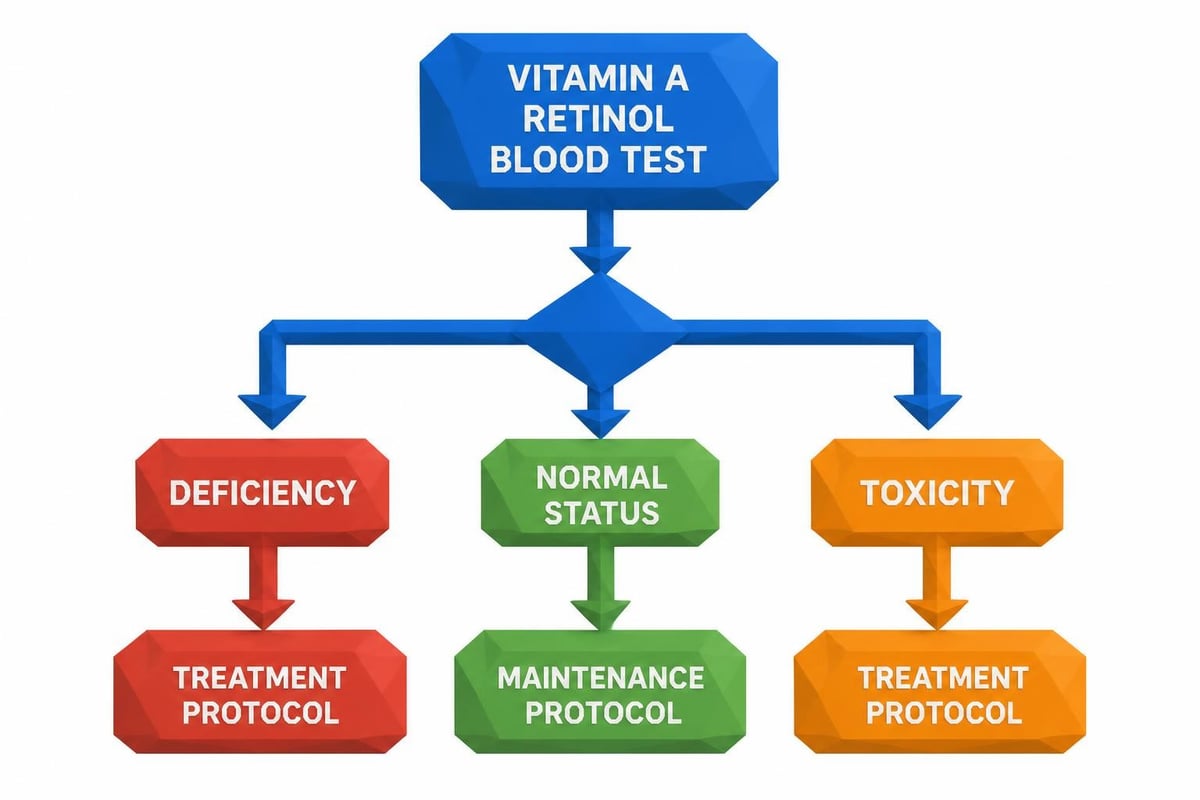
Results from a vitamin a retinol blood test guide specific interventions based on whether deficiency or excess is identified.
Addressing Deficiency
Mild to moderate deficiency (10-30 mcg/dL):
- Increase dietary sources: liver, fish oils, fortified dairy, eggs, orange and green vegetables
- Supplementation: 10,000-25,000 IU daily until levels normalize
- Address underlying causes like malabsorption
- Retest in 3-6 months
Severe deficiency (<10 mcg/dL):
- Immediate high-dose supplementation: 50,000-100,000 IU daily for several days, then maintenance
- Parenteral administration in severe malabsorption cases
- Treat acute manifestations like night blindness
- Close monitoring for rapid improvement
Managing Toxicity
When your vitamin a retinol blood test reveals elevated levels, immediate action focuses on eliminating excess intake:
- Discontinue all vitamin A supplements and retinoid medications (under physician supervision for prescriptions)
- Avoid high-retinol foods including liver and fish liver oils
- Monitor liver function regularly through metabolic panels
- Allow gradual depletion of hepatic stores (may take months)
- Address symptoms such as bone pain, headaches, or skin changes
Severe toxicity with acute symptoms may require hospitalization and supportive care, though this scenario is rare with supplement use alone.
Cost Considerations and Access to Testing
The financial aspect of obtaining a vitamin a retinol blood test varies considerably depending on your testing pathway and insurance status.
Pricing Transparency
Traditional laboratory testing through insurance often involves:
- Copays for physician visits ($25-100+)
- Deductibles before coverage begins ($500-5,000+)
- Coinsurance percentages after deductible (typically 20-30%)
- Surprise billing from out-of-network laboratories
- Denied claims for tests deemed "not medically necessary"
Direct-access laboratory services provide upfront, transparent pricing without insurance complications. When you compare Justlabs vs. LabCorp for direct-pay options, significant cost differences often emerge for identical tests.
Typical vitamin A testing costs:
- Direct-access services: $40-80
- Insurance-based with met deductible: $15-50 copay
- Insurance-based without met deductible: $100-200+ full cost
- Traditional lab retail pricing: $150-300+
Special Populations and Testing Considerations
Certain groups require modified interpretation or additional precautions when undergoing vitamin a retinol blood test evaluation.
Pediatric Testing
Children have different reference ranges and unique risk factors. Premature infants have minimal hepatic vitamin A stores and face higher deficiency risk. Conversely, well-meaning parents sometimes over-supplement, creating toxicity risk.
Pregnant and Planning Pregnancy
Beyond the critical warning about high-dose supplementation, pregnant women should undergo vitamin A assessment if:
- Using acne medications (isotretinoin is absolutely contraindicated)
- Following restrictive diets
- Experiencing hyperemesis gravidarum with poor intake
- Living in regions with endemic vitamin A deficiency
Preconception testing allows optimization before pregnancy begins, avoiding both deficiency risks and supplementation dangers during critical developmental windows.
Individuals with Chronic Conditions
People with cystic fibrosis, chronic pancreatitis, or bariatric surgery history often require routine vitamin A monitoring as part of comprehensive nutritional surveillance. These conditions impair fat-soluble vitamin absorption indefinitely, necessitating ongoing supplementation and periodic testing.
Frequency of Testing and Monitoring
Unlike some biomarkers requiring frequent assessment, vitamin A stores change slowly due to hepatic buffering capacity.
Recommended testing intervals:
- Initial assessment: Baseline testing when risk factors are identified
- Deficiency treatment monitoring: Retest 3-6 months after beginning supplementation
- Toxicity monitoring: Monthly liver function tests with retinol levels every 2-3 months during acute phase
- Maintenance monitoring: Annual testing for those with chronic malabsorption or ongoing supplementation
- Healthy individuals: Generally no routine screening unless symptoms develop or risk factors emerge
The stability of vitamin A levels means single tests provide reliable snapshots of status, unlike markers with significant diurnal or day-to-day variation.
Making Informed Decisions About Vitamin A Testing
Understanding when you need a vitamin a retinol blood test empowers proactive health management. Given vitamin A's role in vision, immunity, and reproduction, combined with real risks at both deficiency and toxicity extremes, appropriate testing serves as a valuable tool rather than unnecessary screening.
Key decision factors:
- Do you have symptoms suggesting imbalance (vision changes, bone pain, excessive hair loss)?
- Are you taking high-dose supplements or prescription retinoids?
- Do you have conditions affecting fat absorption?
- Are you pregnant, planning pregnancy, or have reproductive concerns?
- Have you made major dietary changes affecting vitamin A intake?
If any factors apply, testing provides objective data to guide supplementation decisions and avoid the dangers of guessing about your vitamin A status.
Related reading


Testing your vitamin A levels provides essential information for maintaining the delicate balance this fat-soluble vitamin requires, protecting against both deficiency and toxicity risks. Whether you're managing a chronic condition, taking supplements, or simply want to understand your nutritional status, accessible and affordable testing removes barriers to proactive health monitoring. Justlabs makes vitamin A testing straightforward with transparent pricing, convenient locations, and results delivered in 1-3 days-no insurance complications or physician visits required. Take control of your health data and make informed decisions about your vitamin A status today.
References
Tanumihardjo SA, Russell RM, Stephensen CB, Gannon BM, Craft NE, Haskell MJ, Lietz G, Schulze K, Raiten DJ. Biomarkers of Nutrition for Development (BOND)-Vitamin A Review. J Nutr. 2016 Sep;146(9):1816S-48S. doi: 10.3945/jn.115.229708. PMID: 27511929. https://pubmed.ncbi.nlm.nih.gov/27511929/
Chen G, Weiskirchen S, Weiskirchen R. Vitamin A: too good to be bad?. Front Pharmacol. 2023;14:1186336. doi: 10.3389/fphar.2023.1186336. PMID: 37284305. https://pubmed.ncbi.nlm.nih.gov/37284305/
Thurnham DI, Northrop-Clewes CA, Knowles J. The use of adjustment factors to address the impact of inflammation on vitamin A and iron status in humans. J Nutr. 2015 May;145(5):1137S-1143S. doi: 10.3945/jn.114.194712. PMID: 25833890. https://pubmed.ncbi.nlm.nih.gov/25833890/
Choi JS, Koren G, Nulman I. Pregnancy and isotretinoin therapy. CMAJ. 2013 Mar 19;185(5):411-3. doi: 10.1503/cmaj.120729. PMID: 23296582. https://pubmed.ncbi.nlm.nih.gov/23296582/
Whitcomb DC, Buchner AM, Forsmark CE. AGA Clinical Practice Update on the Epidemiology, Evaluation, and Management of Exocrine Pancreatic Insufficiency: Expert Review. Gastroenterology. 2023 Nov;165(5):1292-1301. doi: 10.1053/j.gastro.2023.07.007. PMID: 37737818. https://pubmed.ncbi.nlm.nih.gov/37737818/