Understanding the delicate interplay between essential minerals can transform your approach to health optimization. While most people focus on getting enough individual nutrients, the relationship between copper and zinc represents one of the most critical mineral balances in human physiology. These two trace elements compete for absorption in your digestive system, influence each other's storage and utilization, and work together to regulate hundreds of enzymatic processes. When this balance tilts too far in either direction, the consequences extend from persistent fatigue and weakened immunity to noticeable skin changes and cognitive disruption.
The Science Behind Copper and Zinc Interaction
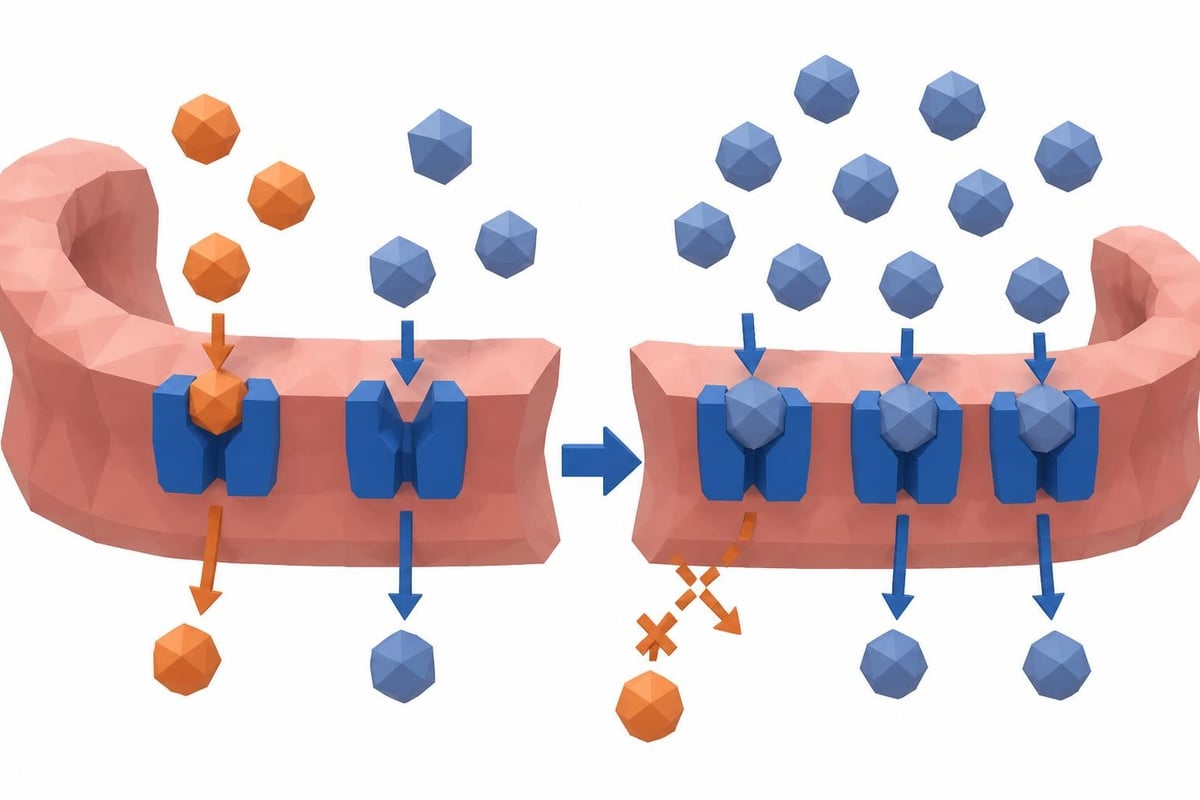
Copper and zinc share remarkably similar chemical properties, which explains why they compete for the same absorption mechanisms in your intestinal lining. Both minerals require specific transport proteins to enter your cells, and an excess of one can effectively block the uptake of the other.
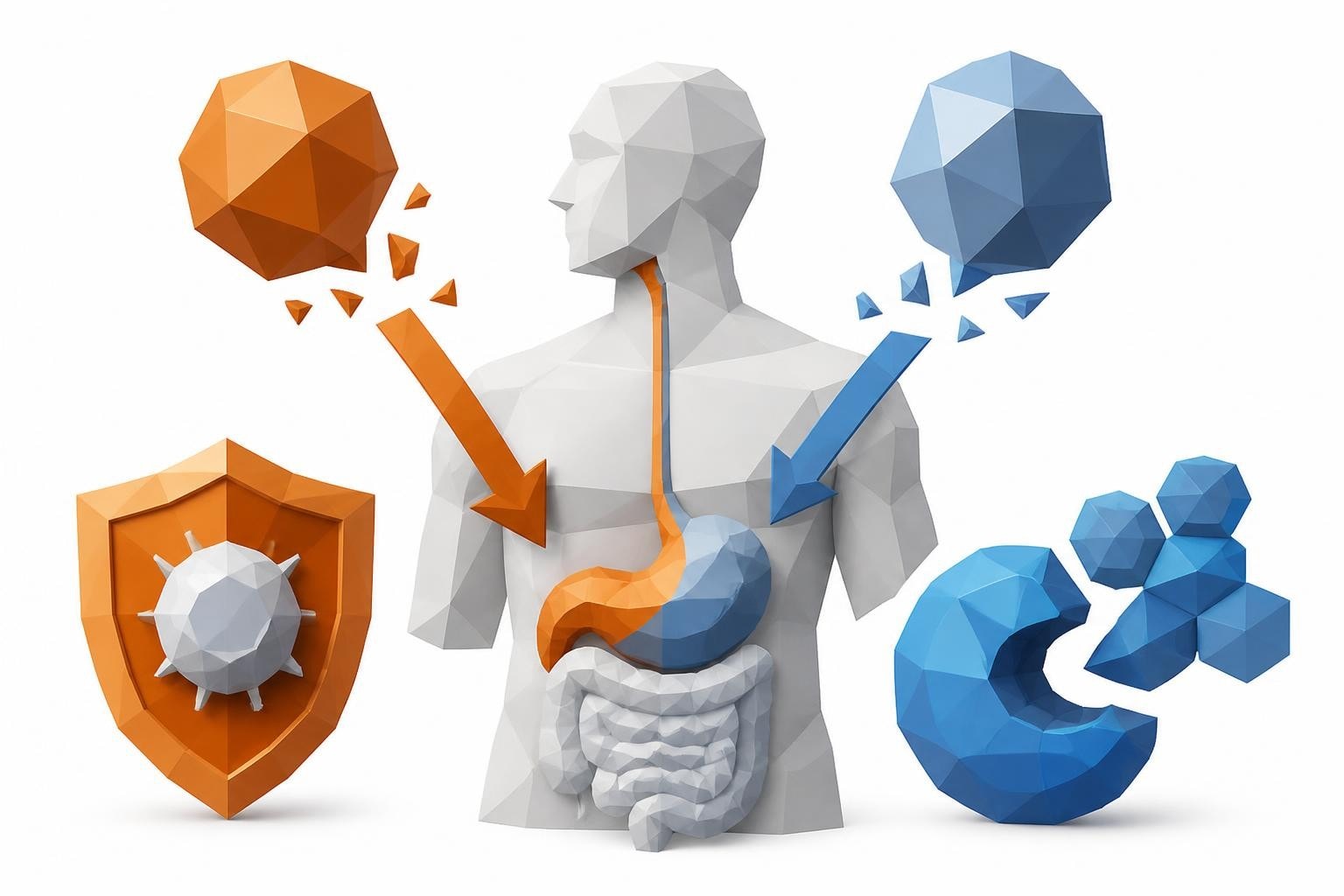
The body maintains copper and zinc balance through several regulatory mechanisms. Metallothionein, a binding protein in intestinal cells, has a higher affinity for copper than zinc. When zinc intake increases substantially, your body produces more metallothionein to manage the excess, which subsequently traps copper and prevents its absorption into the bloodstream.
Optimal Ratio Guidelines
Research indicates that the ideal copper-to-zinc ratio falls between 1:8 and 1:12 for most adults. This means for every milligram of copper you consume, you should intake approximately eight to twelve milligrams of zinc.
Recommended daily intake ranges:
- Copper: 900 micrograms (0.9 mg) for adults
- Zinc: 8-11 milligrams for adults (varying by sex)
- Ratio: Approximately 1:10 copper to zinc
However, studies examining zinc and copper absorption demonstrate that age affects how efficiently your body manages these minerals, with elderly individuals showing different absorption patterns than younger adults.
| Mineral | Primary Functions | Deficiency Symptoms | Excess Symptoms |
|---|---|---|---|
| Copper | Connective tissue formation, iron metabolism, nerve function | Anemia, bone abnormalities, fatigue, pale skin | Nausea, liver damage, neurological issues |
| Zinc | Immune function, protein synthesis, wound healing | Impaired immunity, hair loss, taste changes | Copper deficiency, reduced immunity, nausea |
How Imbalanced Ratios Affect Energy Levels
The connection between copper and zinc balance and fatigue operates through multiple physiological pathways. Copper serves as a cofactor for cytochrome c oxidase, an enzyme essential for cellular energy production in mitochondria. Without adequate copper, your cells cannot efficiently generate ATP, the energy currency your body requires for every biological process.
Conversely, zinc activates over 300 enzymes involved in metabolism, hormone production, and stress response. When zinc levels drop due to excessive copper, thyroid hormone conversion slows, adrenal function diminishes, and overall metabolic efficiency declines.
Energy-Related Consequences of Imbalance
Excess copper relative to zinc creates a state of oxidative stress. Unbound copper acts as a pro-oxidant, generating free radicals that damage mitochondrial membranes and impair energy production. People with copper dominance frequently report:
- Persistent fatigue despite adequate sleep
- Difficulty recovering from exercise
- Brain fog and reduced mental stamina
- Blood sugar fluctuations
- Anxiety with physical exhaustion
Meanwhile, zinc deficiency from overcorrection can equally drain your energy reserves by compromising thyroid function and testosterone production, both critical for maintaining vitality.
Immune System Dependencies on Proper Balance
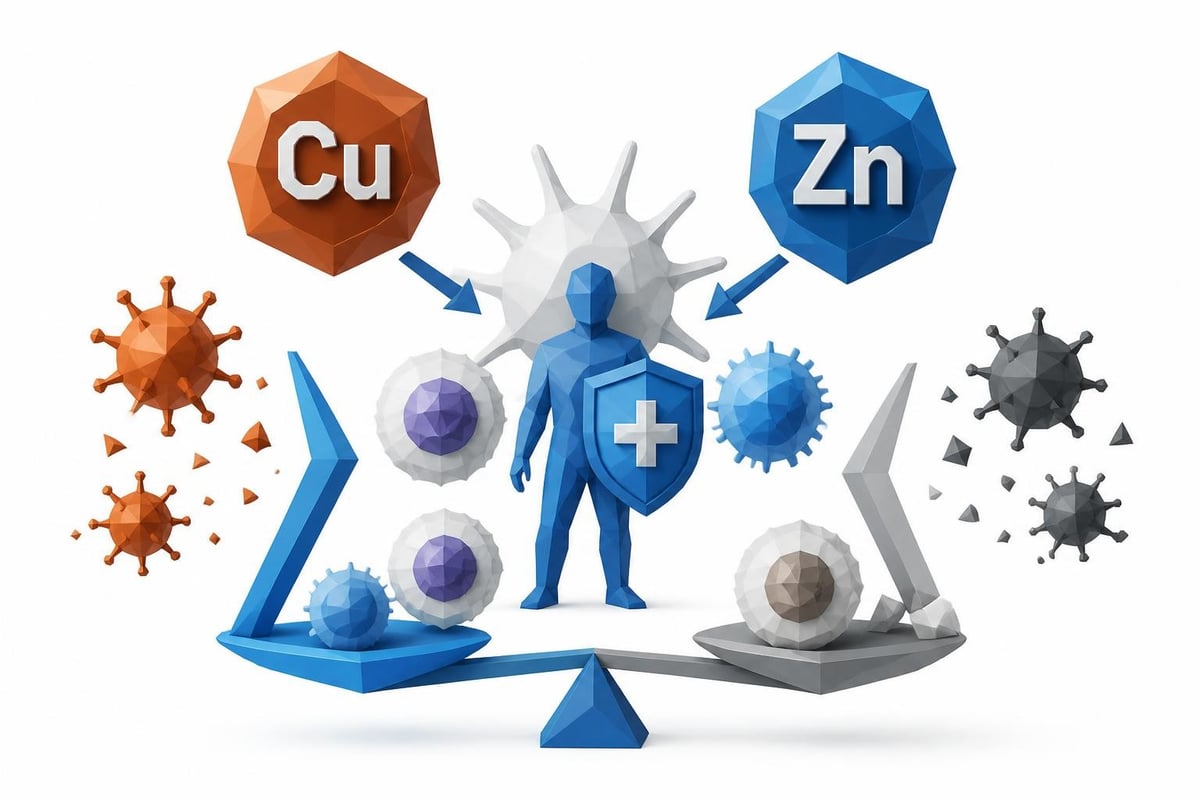
Your immune system relies heavily on maintaining the correct copper and zinc balance. These minerals influence both innate and adaptive immunity through distinct but complementary mechanisms.
Zinc supports the development and function of immune cells including neutrophils, natural killer cells, and T-lymphocytes. It also maintains the integrity of physical barriers like skin and mucosal membranes that prevent pathogen entry. The NIH Office of Dietary Supplements provides comprehensive information on how copper supports immune function through its role in white blood cell maturation.
Key immune functions dependent on proper ratios:
- Neutrophil activity – Zinc enables proper formation and deployment of these first-responder immune cells
- Antibody production – Both minerals support B-cell function and immunoglobulin synthesis
- Inflammatory regulation – Copper and zinc influence cytokine production and inflammatory response
- Antioxidant defense – Copper-zinc superoxide dismutase neutralizes harmful free radicals
When the ratio skews toward excess zinc, copper-dependent enzymes fail to function optimally, reducing your ability to neutralize pathogens. Conversely, copper excess with relative zinc deficiency impairs T-cell function and increases susceptibility to infections.
Skin Health Manifestations of Mineral Imbalance
The visible effects of disrupted copper and zinc balance often appear first in your skin, hair, and connective tissues. Both minerals play structural and enzymatic roles in maintaining skin integrity and appearance.
Copper enables the cross-linking of collagen and elastin through the enzyme lysyl oxidase. Without adequate copper, skin loses elasticity, wounds heal slowly, and connective tissue weakens. Zinc, meanwhile, regulates sebaceous gland activity, supports wound repair, and maintains the structural integrity of skin proteins.
Common Dermatological Signs
| Copper Excess/Zinc Deficiency | Zinc Excess/Copper Deficiency |
|---|---|
| Acne and oily skin | Pale, easily bruised skin |
| Hyperpigmentation | Poor wound healing |
| Premature graying | Thin, brittle hair |
| Intact skin elasticity | Wrinkles and sagging skin |
| Rapid wound healing | Stretch marks and varicose veins |
People experiencing skin issues often benefit from understanding their lab results to identify whether mineral imbalances contribute to their symptoms.
Testing Your Copper and Zinc Levels
Accurately assessing copper and zinc balance requires more than measuring serum levels alone. Standard blood tests reveal circulating minerals but may not reflect tissue stores or functional status.
The most comprehensive approach combines several testing methods. Serum copper and zinc provide baseline data, while ceruloplasmin (the primary copper-carrying protein) offers insight into copper metabolism. Red blood cell zinc gives a better indication of long-term zinc status than serum measurements.
Recommended testing panel for mineral balance:
- Serum copper
- Serum zinc
- Ceruloplasmin
- Red blood cell zinc
- Copper-to-zinc ratio calculation
Many individuals seeking convenient access to mineral testing can order labs without a doctor through direct-to-consumer services, receiving results within days rather than waiting for physician appointments.
Recommended Test
Copper
Copper is an essential trace mineral vital for iron metabolism, energy production, nerve health, and immune function. Testing helps identify deficiency or toxicity.
Includes 1 biomarkers
$18
Recommended Test
Zinc
Zinc is an essential trace mineral involved in over 300 enzymatic reactions, including immune function, wound healing, thyroid hormone production, and testosterone synthesis.
Includes 1 biomarkers
$20
Interpreting Your Results
Reference ranges vary between laboratories, but general guidelines suggest serum copper between 70-140 mcg/dL and serum zinc between 60-120 mcg/dL. However, optimal functional ranges often fall in the middle-to-upper portion of these broad ranges.
The calculated ratio matters more than absolute values. A serum copper-to-zinc ratio exceeding 1.2 suggests copper dominance, while ratios below 0.7 may indicate zinc excess relative to copper.
Common Causes of Disrupted Balance
Multiple dietary, environmental, and physiological factors can shift copper and zinc balance away from optimal ranges. Understanding these contributors helps identify personalized correction strategies.
Dietary factors creating imbalance:
- High-dose zinc supplementation without copper compensation
- Copper cookware or water pipes increasing copper intake
- Low protein intake reducing metallothionein production
- Vegetarian diets higher in copper-rich foods but lower in zinc-rich animal products
- Excessive consumption of phytate-containing grains that bind zinc
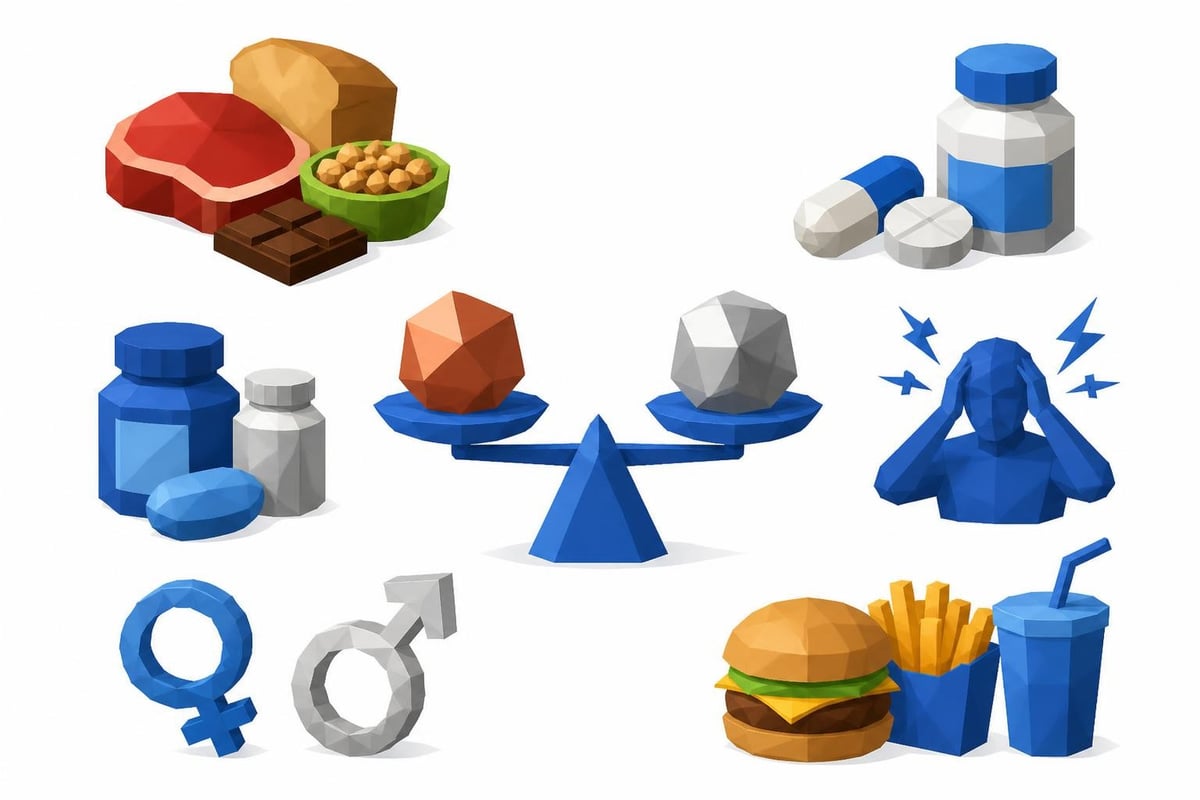
Hormonal contraceptives and hormone replacement therapy commonly elevate copper levels while depleting zinc. Estrogen increases ceruloplasmin production, raising copper retention. Recent research on copper-zinc balance highlights how stress depletes zinc through increased urinary excretion while simultaneously raising copper retention.
Environmental and Medical Factors
Chronic stress represents one of the most underappreciated drivers of copper-zinc imbalance. Stress hormones increase zinc excretion through urine while reducing its absorption. Simultaneously, cortisol elevates ceruloplasmin and copper retention.
Certain medications alter mineral status significantly. Proton pump inhibitors reduce zinc absorption, while penicillamine chelates copper. Even common antibiotics can temporarily shift mineral balances during treatment courses.
Correcting Imbalanced Ratios Safely
Restoring proper copper and zinc balance requires patience and careful monitoring. Aggressive supplementation often creates new imbalances rather than resolving existing ones.
For copper dominance (high copper-to-zinc ratio), the primary strategy involves moderate zinc supplementation paired with copper restriction. Most practitioners recommend 15-30 mg of zinc daily, always taken with 1-2 mg of copper to prevent complete copper depletion. Understanding why zinc and copper should be taken together prevents overcorrection.
Supplementation Protocols
When addressing zinc deficiency with copper excess, start conservatively:
- Begin with 15 mg zinc citrate or picolinate daily with food
- Add 1 mg copper after two weeks if taking zinc long-term
- Retest mineral levels after 8-12 weeks
- Adjust dosing based on symptoms and laboratory results
- Consider working with a practitioner for severe imbalances
For mild copper deficiency, increase dietary sources before resorting to supplements. Organ meats, shellfish, nuts, and seeds provide bioavailable copper. Zinc-rich foods include oysters, beef, pumpkin seeds, and legumes.
Dietary Strategies for Maintaining Balance
Food-based approaches to copper and zinc balance offer superior bioavailability and lower risk of overcorrection compared to supplements. Whole foods contain complementary nutrients that enhance mineral absorption and utilization.
Copper-rich foods (micrograms per serving):
- Beef liver, 3 oz: 12,400 mcg
- Oysters, 3 oz: 7,600 mcg
- Cashews, 1 oz: 629 mcg
- Dark chocolate, 1 oz: 501 mcg
- Shiitake mushrooms, 1 cup: 650 mcg
Zinc-rich foods (milligrams per serving):
- Oysters, 3 oz: 74 mg
- Beef chuck roast, 3 oz: 7 mg
- Pumpkin seeds, 1 oz: 2.2 mg
- Lentils, 1 cup: 2.5 mg
- Yogurt, 8 oz: 1.3 mg
Balancing your plate with appropriate portions of both copper and zinc sources naturally maintains healthy ratios. Most whole-food diets provide adequate copper, making zinc the mineral more likely to need attention through either diet or supplementation.
Special Considerations for Different Life Stages
Copper and zinc requirements and metabolism change throughout life, necessitating adjusted approaches for different age groups and physiological states.
Pregnant women require increased amounts of both minerals to support fetal development. The developing baby draws heavily on maternal zinc stores for rapid cell division and organ formation, while copper supports cardiovascular and nervous system development. Research exploring copper-zinc balance and health emphasizes the importance of adequate levels for immunity and longevity across all life stages.
Age-Specific Considerations
| Life Stage | Key Considerations | Recommended Adjustments |
|---|---|---|
| Children | Rapid growth increases mineral needs | Focus on whole foods; avoid high-dose supplements |
| Adolescents | Hormonal changes affect mineral metabolism | Monitor copper during hormonal contraceptive use |
| Adults | Stress and diet create most imbalances | Regular testing every 1-2 years if symptomatic |
| Elderly | Reduced absorption efficiency | Consider bioavailable forms; test more frequently |
Athletes and individuals with high physical demands deplete zinc more rapidly through sweat and increased metabolic turnover. These populations often benefit from slightly higher zinc intake to maintain optimal copper and zinc balance.
The Role of Testing in Personalized Optimization
Generic supplementation recommendations cannot account for individual biochemistry, genetic variations in mineral metabolism, or existing health conditions. Periodic testing transforms guesswork into precision.
Establishing your baseline mineral status before making dietary changes or starting supplements provides essential reference data. Follow-up testing after implementing interventions reveals whether your approach effectively corrects imbalances or requires adjustment.
Many people appreciate the convenience of affordable lab test pricing that removes insurance complexity and doctor visit requirements. Direct access to testing empowers informed decision-making about supplement protocols and dietary modifications.
Recommended testing frequency:
- Initial baseline when symptoms suggest imbalance
- Retest after 8-12 weeks of intervention
- Annual monitoring for those with corrected imbalances
- Every 6 months during active supplementation
The rapid turnaround time of modern lab services means you can adjust your approach quickly rather than continuing ineffective or potentially harmful protocols for months.
Avoiding Common Supplementation Mistakes
Well-intentioned supplementation frequently creates new problems when undertaken without proper knowledge. Several common errors perpetuate or worsen copper and zinc imbalances.
Taking high-dose zinc without copper represents the most frequent mistake. Zinc supplementation above 40 mg daily for extended periods induces copper deficiency even in individuals starting with adequate copper status. A comprehensive guide to copper-zinc balance explains how excessive intake of one mineral inevitably creates deficiency of the other.
Critical Supplementation Errors to Avoid
Never do these:
- Exceed 50 mg zinc daily without medical supervision
- Supplement copper alone without monitoring zinc status
- Use supplements as a substitute for testing and diagnosis
- Continue high-dose protocols indefinitely without retesting
- Mix multiple mineral supplements without considering interactions
Always do these:
- Start with the lowest effective dose
- Take zinc and copper separately from calcium and iron for optimal absorption
- Consume mineral supplements with food to reduce gastrointestinal irritation
- Track symptoms alongside laboratory values
- Adjust based on individual response rather than generic protocols
The widespread availability of tests without insurance requirements removes barriers to monitoring that previously led to unrecognized supplementation errors.
Beyond Copper and Zinc: Other Mineral Interactions
While copper and zinc balance deserves focused attention, these minerals exist within a broader network of mineral relationships. Iron, calcium, magnesium, and selenium all interact with copper and zinc metabolism.
Iron and copper work synergistically in red blood cell formation. Copper enables iron incorporation into hemoglobin, explaining why copper deficiency can manifest as anemia despite adequate iron intake. High zinc intake impairs both copper and iron absorption through competitive inhibition.
Calcium supplementation above 1,000 mg daily can reduce zinc absorption when taken simultaneously. Separating calcium and zinc supplements by several hours prevents this interaction. Magnesium supports hundreds of enzymatic reactions that indirectly influence mineral balance, making adequate magnesium status essential for optimizing copper and zinc metabolism.
Mineral interaction considerations:
- Take iron and zinc supplements at different times of day
- Separate calcium from zinc and copper by 2-3 hours
- Ensure adequate magnesium intake supports overall mineral metabolism
- Consider selenium status when addressing oxidative stress from copper excess
Comprehensive mineral panels available through convenient testing services reveal these broader patterns, enabling truly personalized optimization strategies.
Recommended Panel
Vitamin & Mineral Panel
Save $5This panel tests the most commonly deficient nutrients: Vitamin D, B12, Folate, Iron (with complete iron studies), Ferritin, and Magnesium - the building blocks your body needs to function optimally.
Includes 9 biomarkers
$64
Fasting required
When to Seek Professional Guidance
While many people successfully optimize copper and zinc balance through dietary adjustments and conservative supplementation, certain situations require professional evaluation and monitoring.
Persistent symptoms despite three months of intervention suggest underlying issues beyond simple nutritional deficiency. Genetic variations in mineral metabolism, undiagnosed absorption disorders, or chronic health conditions may prevent standard approaches from restoring balance.
Extreme laboratory values exceeding twice the upper reference range or falling below half the lower reference range warrant medical evaluation. Severe copper deficiency can cause neurological damage, while extreme copper toxicity affects liver function. Similarly, profound zinc deficiency impairs immunity dangerously, while excess zinc creates systemic inflammation.
Working with practitioners experienced in functional medicine or nutritional biochemistry provides valuable expertise in complex cases. These professionals interpret laboratory data within the context of comprehensive health assessment, genetic factors, and medication interactions.
Individuals taking multiple medications, managing chronic illnesses, or experiencing complex symptom patterns benefit most from professional guidance rather than self-directed protocols. The investment in expert consultation often prevents costly trial-and-error supplementation and accelerates progress toward optimal balance.
Maintaining proper copper and zinc balance profoundly influences your energy levels, immune resilience, and skin health through their complementary roles in hundreds of enzymatic processes. Rather than guessing whether your mineral ratios need attention, direct access to affordable lab testing through Justlabs provides the precise data needed to guide effective dietary and supplementation strategies, with results delivered in just 1-3 days without insurance hassles or doctor appointments.