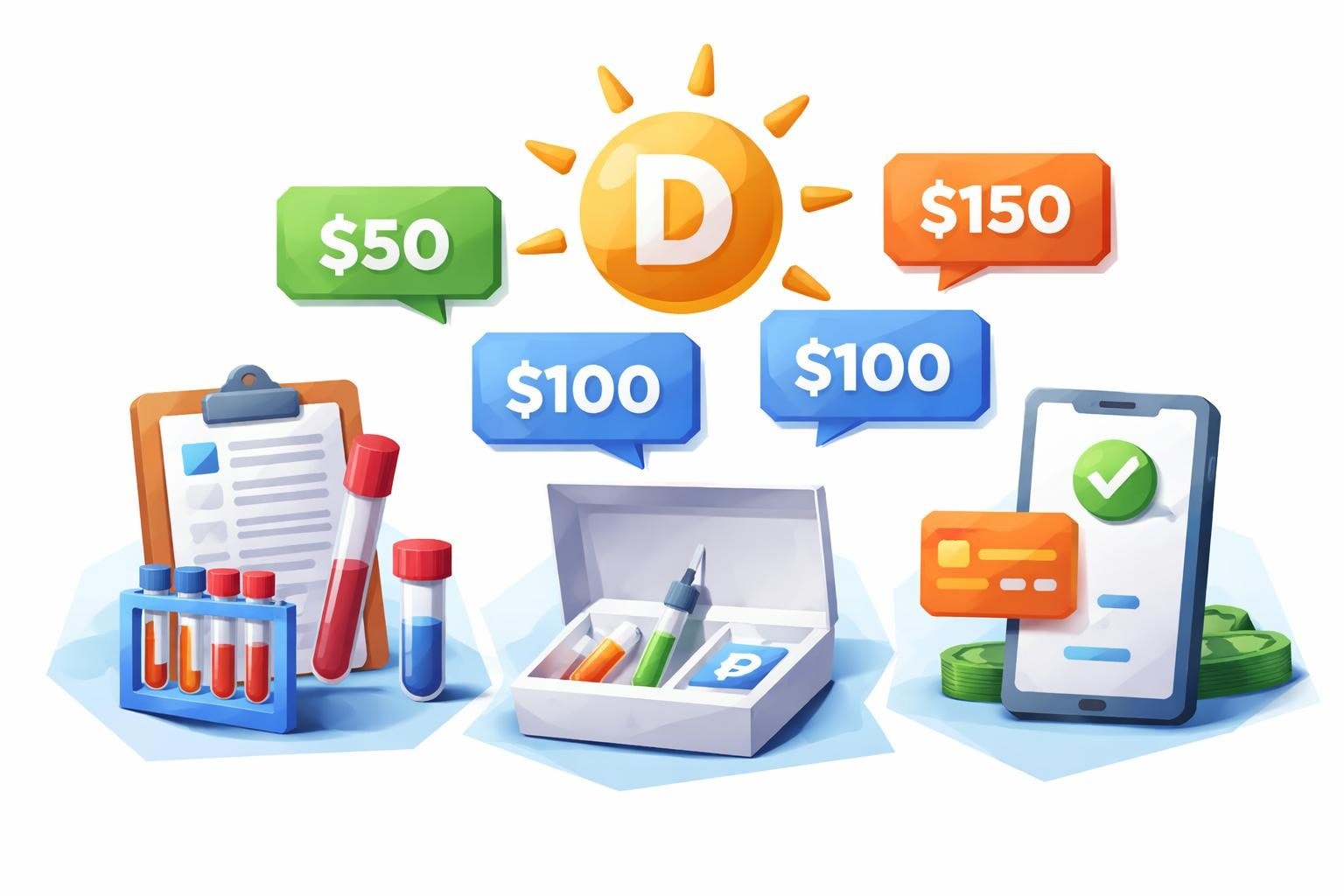
Feeling tired, achy, or run down more often than usual? You are not alone. Many people experience these symptoms and wonder if something as simple as a vitamin d3 blood test could reveal the answer.
This quick guide walks you through everything you need to know about the vitamin d3 blood test in 2026. You will learn why vitamin D is important, who should consider testing, how the process works, and what your results might mean for your health.
Whether you are concerned about your immunity, bone strength, or just want clarity, understanding your vitamin D status is a smart step. Discover how easy it is to take control of your health with clear, reliable testing options.
Vitamin D, 25-Hydroxy
2 biomarkers
Understanding Vitamin D and Its Role in Health
Many people turn to the vitamin d3 blood test when feeling tired or concerned about their bone or immune health. Understanding vitamin D, especially D3, is the first step toward knowing why this test is so important for overall wellness.

What Is Vitamin D?
Vitamin D is a fat-soluble vitamin that exists in two main forms: D2 (ergocalciferol) and D3 (cholecalciferol). The body makes vitamin D3 when skin is exposed to sunlight, but it can also be found in foods and supplements.
Common sources of vitamin D3 include fatty fish like salmon, egg yolks, and fortified milk. Since many people do not get enough sun or vitamin D-rich foods, checking your levels with a vitamin d3 blood test is often recommended, especially if you have health concerns.
Why Vitamin D3 Matters for Your Body
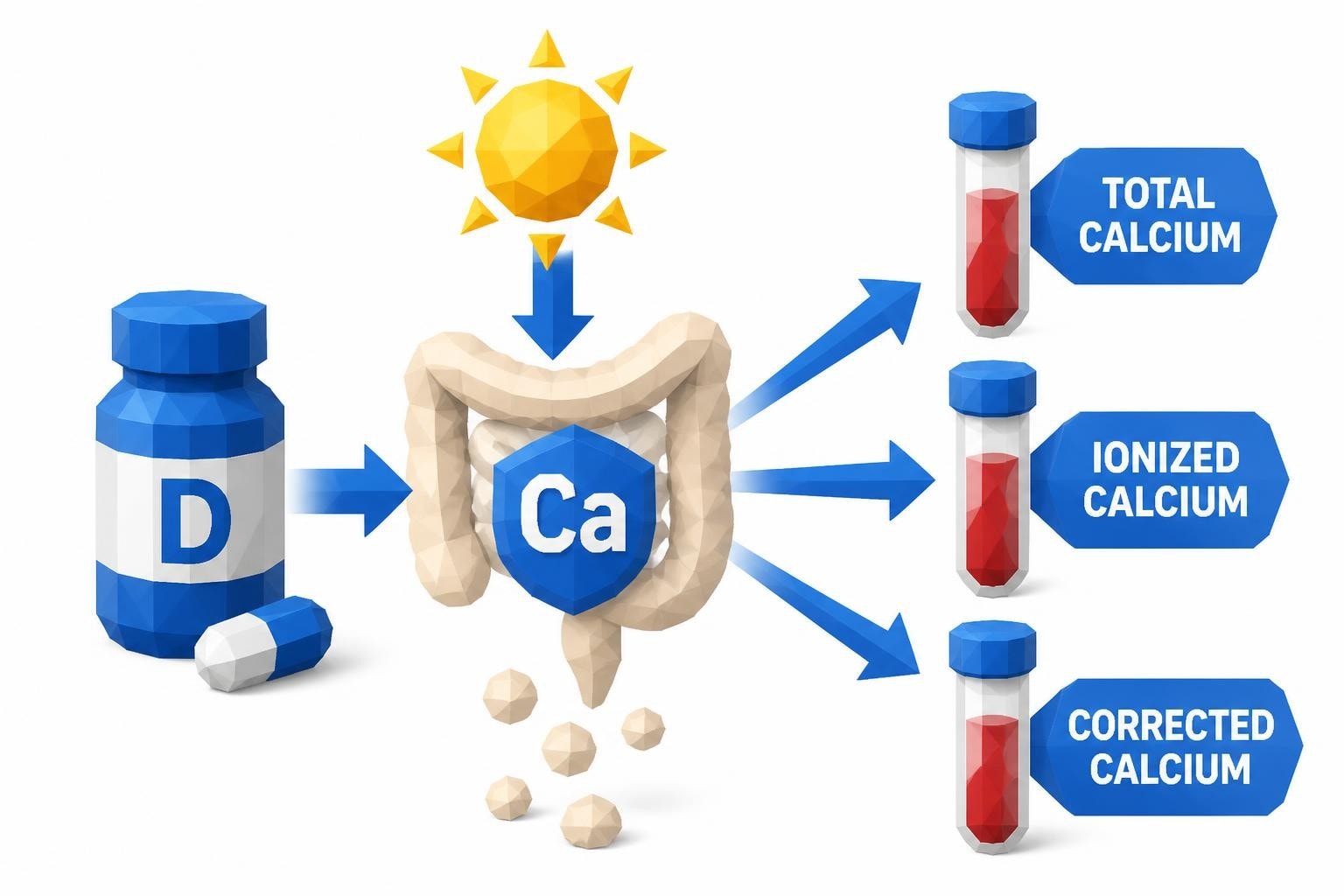
Vitamin D3 plays a vital role in helping your body absorb calcium, which supports strong bones and teeth. It also helps regulate the immune system, making it easier to fight infections. Muscle function and even mood are influenced by vitamin D3 levels.
Studies show that low vitamin D can increase the risk of osteoporosis and frequent infections. This is why the vitamin d3 blood test is an essential tool for those experiencing unexplained fatigue or bone pain, or who want to support their overall health. For more details about what this test measures, see the Vitamin D Blood Test Details.
Recommended Test
Vitamin D, 25-Hydroxy
Vitamin D deficiency affects over 40% of Americans. This test measures your vitamin D status, essential for bone health, immune function, mood, and much more.
Includes 2 biomarkers
$25
Common Reasons for Low Vitamin D Levels
There are several reasons why someone might have low vitamin D. Limited sun exposure, often due to indoor lifestyles or sunscreen use, can reduce vitamin D3 production. Age, skin pigmentation, obesity, and certain medical conditions also affect absorption.
According to CDC data, up to 42% of U.S. adults have insufficient vitamin D. Those most at risk include older adults and people living in northern climates. If you fall into a higher-risk group, a vitamin d3 blood test can help identify issues early.
Symptoms and Health Concerns Linked to Deficiency
Symptoms of vitamin D deficiency can include fatigue, bone pain, muscle weakness, and getting sick more often. Low levels are also linked to a higher risk of fractures, depression, and some autoimmune conditions.
Early detection with a vitamin d3 blood test allows you and your healthcare provider to address potential deficiencies before they lead to bigger health problems. If you prefer convenience and clear pricing, self-pay testing options like JustLabs make it easy to check your vitamin D status.
Vitamin D3 Blood Test Basics: What It Measures
If you are feeling tired, achy, or just curious about your bone and immune health, you might wonder what a vitamin d3 blood test actually checks. This test is a simple yet powerful way to get a snapshot of your body’s vitamin D status. Understanding exactly what this test measures can help you take charge of your well-being and make sense of your results.

Vitamin D, 25-Hydroxy
Vitamin D deficiency affects over 40% of Americans. This test measures your vitamin D status, essential for bone health, immune function, mood, and much more.
Includes 2 biomarkers
$25
The Difference Between Vitamin D and 25-Hydroxyvitamin D Tests
When you schedule a vitamin d3 blood test, your healthcare provider is usually ordering a 25-hydroxyvitamin D, or 25(OH)D, test. While "vitamin D" is a broad term, the 25(OH)D form is the best indicator of your body’s vitamin D stores. This marker reflects both the vitamin D you get from sunlight and food. Direct vitamin D tests are less helpful in practice, so the 25-hydroxyvitamin D test is the gold standard for detecting low or high levels.
How the Test Works
The vitamin d3 blood test is straightforward and not time-consuming. A technician will draw a small amount of blood from your arm, usually at a lab or clinic. The sample is analyzed to measure your 25-hydroxyvitamin D level. Results are typically available within 1 to 3 business days. There is no need for fasting, and you can continue most of your usual medications unless your provider advises otherwise. The process is quick, comfortable, and designed to give you reliable answers about your vitamin D status.
Typical Reference Ranges and What They Mean
After your vitamin d3 blood test, your results will fall within a reference range. For adults, levels below 20 ng/mL are considered deficient, 20–29 ng/mL are insufficient, and 30–50 ng/mL are generally seen as sufficient. If your numbers are outside these ranges, your provider may suggest follow-up or lifestyle changes. For help making sense of your results, resources like Understanding Lab Test Results can offer additional guidance in plain language.
Who Should Consider Testing?
A vitamin d3 blood test is recommended if you have symptoms like fatigue, bone pain, or frequent illness. It is also a good idea for people with risk factors such as older age, limited sun exposure, darker skin, or certain health conditions that affect absorption. Doctors may suggest routine testing for high-risk groups, but anyone interested in their bone or immune health can benefit from knowing their vitamin D status. Self-pay options like JustLabs also make testing accessible and affordable for those without insurance.
What to Expect: Step-by-Step Guide to Your Vitamin D3 Blood Test in 2026
Wondering what happens when you schedule a vitamin d3 blood test? This step-by-step guide will walk you through every stage, from considering if you need the test to understanding your results. Whether you are worried about fatigue, immunity, or bone health, this process is designed to be simple and reassuring.
Step 1: Deciding If You Need the Test
Start by considering your symptoms and risk factors. If you feel tired, experience bone or muscle aches, or get sick often, your provider may suggest a vitamin d3 blood test. People with little sun exposure, older adults, or those with certain medical conditions may also benefit. If you are unsure, talk with your healthcare provider to see if testing is right for you.
Step 2: Ordering the Test
You can get a vitamin d3 blood test through a traditional doctor’s order or by using a direct-to-consumer platform. If you opt for self-pay, check that the test specifically measures 25-hydroxyvitamin D, which is the most clinically useful form. Always review the cost and what is included before confirming your order.
Vitamin D, 25-Hydroxy
2 biomarkers
Step 3: Preparing for the Test
Most people do not need to fast before a vitamin d3 blood test. Inform your provider about any supplements or medications you are taking, as these can affect results. Bring a valid ID and your lab order or confirmation to your appointment to ensure a smooth process.
Step 4: Visiting the Lab
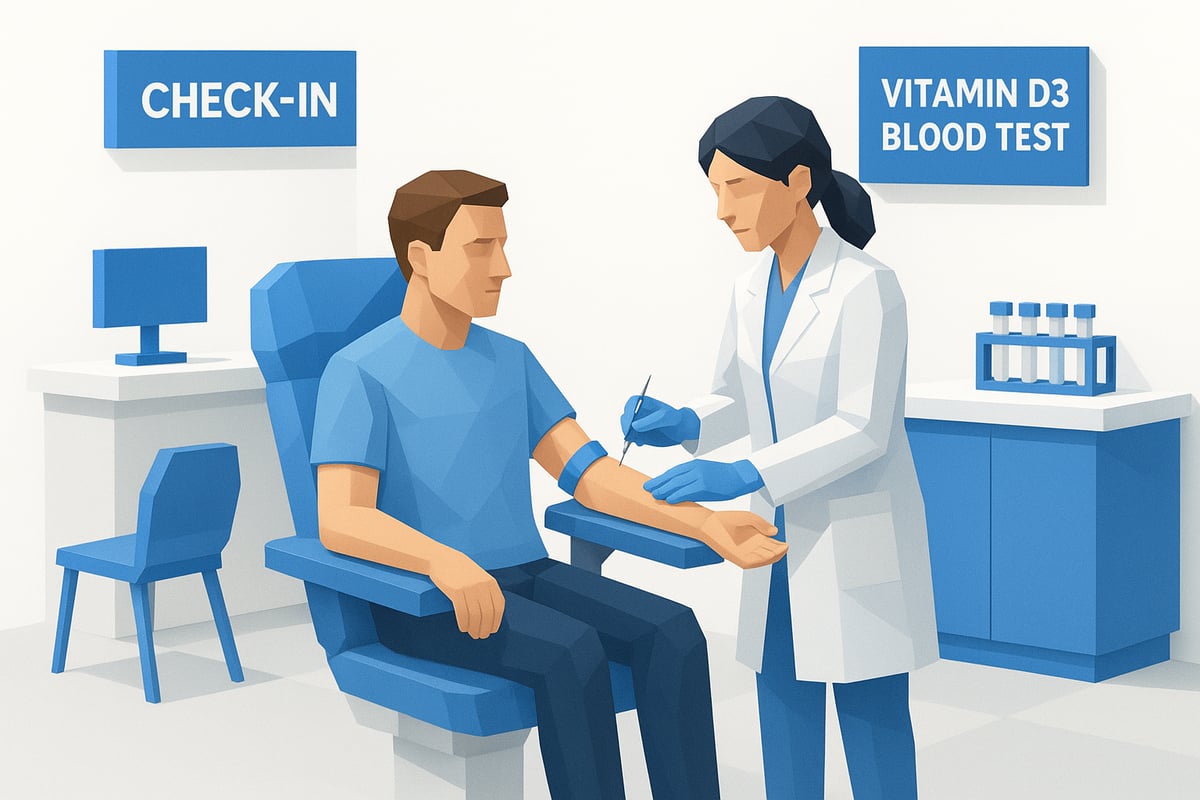
At the lab, you will check in, verify your information, and have your blood drawn—usually from a vein in your arm. The process is quick, often taking less than ten minutes. Labs prioritize safety and privacy, providing a comfortable environment for your vitamin d3 blood test.
Step 5: Waiting for Results
After your blood is collected, most labs process the vitamin d3 blood test within one to three business days. Results are often delivered securely via online portals or through your healthcare provider. Many direct-access labs offer dashboards where you can view your results as soon as they are ready.
Step 6: Understanding Your Results
Your vitamin d3 blood test report will list your 25-hydroxyvitamin D level and reference ranges for interpretation. If your numbers fall below, within, or above the recommended range, discuss the results with your provider. They can help you understand what your levels may mean for your health.
Step 7: Next Steps After Testing
Depending on your results, your provider might recommend lifestyle changes, follow-up testing, or supplements. If your vitamin d3 blood test shows low levels, you may be advised to re-test after making adjustments. Regular monitoring helps track your progress and maintain optimal vitamin D status.
Self-Pay Testing Options: Direct Access and Transparent Pricing
Self-pay lab testing makes it easy to order a vitamin d3 blood test without insurance or a doctor’s visit. This option is convenient, affordable, and private—ideal for those who prefer managing their health directly. For a detailed guide on how to access lab tests without insurance, visit the Lab Tests Without Insurance Guide.
Vitamin D, 25-Hydroxy
2 biomarkers
Interpreting Your Vitamin D3 Blood Test Results
Understanding your vitamin d3 blood test results is key to making informed decisions about your health. Whether you tested due to fatigue, bone health concerns, or frequent illness, knowing what your numbers mean can provide peace of mind and help guide your next steps.
What Your Numbers Mean: Deficiency, Insufficiency, and Optimal Levels
Your vitamin d3 blood test measures the level of 25-hydroxyvitamin D in your blood. This result helps determine if your body has enough vitamin D for bone strength, immune health, and overall well-being. Most labs use these reference ranges:
| Status | 25(OH)D Level (ng/mL) |
|---|---|
| Deficient | Less than 20 |
| Insufficient | 20–29 |
| Sufficient | 30–50 |
| Potentially High | Over 50 |
Levels below 20 ng/mL suggest deficiency, while 20–29 ng/mL is considered insufficient. Optimal levels are generally between 30 and 50 ng/mL, according to the Endocrine Society's 2024 Vitamin D Guidelines. Higher numbers may result from supplement overuse or rare medical conditions. Always review your vitamin d3 blood test results with your healthcare provider for personalized guidance.
Factors That Can Affect Your Results
Several factors can influence your vitamin d3 blood test results, even if your routine or diet has not changed. Sunlight exposure is a major contributor, so your levels may be higher in summer and lower in winter. Age is another factor, as older adults often make less vitamin D from sunlight.
Other influences include:
- Skin pigmentation (darker skin produces less vitamin D with the same sun exposure)
- Body weight (higher body fat can lower circulating vitamin D)
- Where you live (northern locations get less UVB light)
Certain medications or health conditions, such as malabsorption, liver, or kidney disease, can also impact your vitamin d3 blood test outcome.
Common Follow-Up Steps If Levels Are Low
If your vitamin d3 blood test shows low levels, your provider may suggest practical changes to help improve your status. These steps often include:
- Eating more vitamin D-rich foods, such as fatty fish, egg yolks, or fortified dairy
- Safely increasing sun exposure, if possible
- Considering vitamin D supplements, with medical supervision
It is common to repeat the vitamin d3 blood test after a few months to measure improvement. Recommendations from leading experts encourage ongoing monitoring if you are at risk of deficiency or starting new supplements.
When to Seek Medical Advice
Some symptoms and results from your vitamin d3 blood test mean you should check in with your provider soon. Seek advice if you experience:
- Persistent fatigue, bone pain, or muscle weakness
- Frequent infections or unexplained mood changes
- Unexpectedly high or very low vitamin D levels
Abnormal results may sometimes signal an underlying condition, so do not self-diagnose or begin high-dose supplementation without professional guidance. Your provider can help determine if further testing or treatment is needed.
How Results Can Guide Your Health Decisions
Your vitamin d3 blood test gives valuable insight into your bone health, immune function, and overall wellness. Use your results to:
- Adjust your diet and lifestyle to support healthy vitamin D levels
- Track changes over time, especially if you begin supplementation
- Discuss a personalized plan with your healthcare provider
Regular monitoring helps you stay proactive about your health. For those seeking convenience and clarity, self-pay options like JustLabs offer affordable vitamin D testing with transparent pricing, making it easier to check your levels whenever you need.
Frequently Asked Questions About Vitamin D3 Blood Testing in 2026
Do you have questions about the vitamin d3 blood test? You are not alone. Here are answers to some of the most common questions patients have about testing, preparation, accuracy, and next steps.
Is Fasting Required for a Vitamin D3 Blood Test?
Most people do not need to fast before a vitamin d3 blood test. This test measures the level of 25-hydroxyvitamin D in your blood, which is not affected by recent food intake for most individuals.
However, if your doctor has ordered other blood tests at the same time, such as cholesterol or glucose, they may recommend fasting. Always confirm with your provider if you are unsure about requirements for your vitamin d3 blood test.
For the most accurate results, let your healthcare provider know about any supplements or medications you are taking. This helps avoid confusion when interpreting your test.
How Often Should You Test Your Vitamin D Levels?
The frequency of vitamin d3 blood test repeats depends on your health status. If your first test shows low vitamin D, your provider may suggest re-testing in 6 to 12 months after making lifestyle or supplement changes.
If your levels are normal and you have no risk factors, routine testing is not always necessary. According to Harvard Health's new guidelines on vitamin D testing, testing is most helpful for people with symptoms, bone health concerns, or certain medical conditions.
Always follow your healthcare provider’s advice on when to repeat a vitamin d3 blood test.
Can I Take Supplements Before the Test?
If you take vitamin D supplements, mention this to your healthcare provider before your vitamin d3 blood test. Recent supplementation can temporarily raise your blood levels, which may affect the results.
In some cases, your provider may ask you to pause supplements for a few days before testing. This is not always necessary, so follow their instructions closely for the most accurate vitamin d3 blood test outcome.
If you are unsure, bring a list of all vitamins and medications to your appointment. Open communication helps ensure your results reflect your true vitamin D status.
Are At-Home Vitamin D Test Kits Accurate?
At-home vitamin d3 blood test kits offer convenience, but there are differences from lab-based testing. Most home kits use a fingerstick blood sample, which can be less precise than a laboratory venipuncture.
For best results, choose kits that are validated and follow guidelines from health authorities. The CDC's Vitamin D Standardization-Certification Program works to ensure accuracy and consistency in vitamin D testing.
Discuss your results with a healthcare provider, especially if your at-home test shows abnormal levels or you have ongoing symptoms.
What If My Results Are Borderline or Abnormal?
If your vitamin d3 blood test results are borderline or outside the normal range, do not panic. Many factors can influence your numbers, such as the season, your age, body weight, or medications.
Your provider may recommend lifestyle adjustments, changes in supplementation, or additional tests to check your bone health or overall wellness. For more detail on what causes low vitamin D and how to address it, see this Vitamin D Deficiency Overview.
Remember, early detection allows you to take steps for better health. If you want a convenient, self-pay option, JustLabs offers vitamin d3 blood test services with transparent pricing and no hidden fees.
The Future of Vitamin D3 Testing: Innovations and Trends for 2026
Technological progress is transforming the vitamin d3 blood test, making it more accessible, accurate, and patient-centered than ever before. As we look to 2026, several trends are shaping how individuals monitor and manage their vitamin D status.
Vitamin D, 25-Hydroxy
2 biomarkers
Advances in Testing Technology
The vitamin d3 blood test is benefiting from rapid advancements in laboratory science. New techniques are delivering results faster and with greater precision. Automated analyzers and improved reagents help reduce errors and provide more consistent findings.
Artificial intelligence is being used to interpret lab data, flagging unusual results and offering tailored insights. Some labs are even integrating results with wearable health devices, so you can see trends over time alongside your activity and wellness data.
For patients, these innovations mean a vitamin d3 blood test that is not only more reliable but also easier to fit into busy schedules. Faster turnaround and smarter interpretation help support timely decisions about your health.
Personalized Health Insights and Digital Platforms
In 2026, digital health platforms are transforming how you experience your vitamin d3 blood test results. Secure online dashboards make it easy to track your levels, receive educational resources, and get personalized recommendations.
Self-monitoring is more convenient, with reminders for follow-up testing and guidance based on your unique risk factors. Many platforms now offer integration with other wellness tools, giving you a holistic view of your bone health, immunity, and lifestyle.
These changes empower you to use your vitamin d3 blood test results as a foundation for better health choices. Digital access and tailored insights make it simple to stay informed and proactive.
Evolving Guidelines and Public Health Awareness
Guidelines for the vitamin d3 blood test are evolving as new research emerges. In 2026, organizations like the CDC and Endocrine Society are updating reference ranges and screening recommendations to reflect the latest science.
There is a stronger focus on preventive testing for at-risk groups, such as older adults and those with limited sun exposure. Public health campaigns are raising awareness about the importance of maintaining healthy vitamin D levels and encouraging routine monitoring.
By staying up to date with these guidelines, patients and providers can use the vitamin d3 blood test more effectively to support long-term wellness and early detection of deficiency.
The Expanding Role of Self-Pay and Direct Access Testing
Direct access to the vitamin d3 blood test is expanding, making it more convenient and affordable for everyone. Self-pay options allow you to order tests without insurance or a doctor’s visit, with clear pricing and fast results.
This approach is especially valuable for those who are uninsured, underinsured, or simply want more control over their health. Many companies, including JustLabs, are committed to Lab Test Pricing Transparency, so you know the cost upfront with no surprises.
As self-pay and direct access testing grow, the vitamin d3 blood test becomes an even more accessible tool for proactive health management. Transparent pricing and nationwide availability are helping more people take charge of their well-being.
If you’re ready to take control of your health and get clear answers about your vitamin D3 levels, you don’t have to wait for a doctor’s appointment or deal with confusing insurance rules. With direct access to affordable, transparent lab testing, you can check your vitamin D status on your own schedule and get results in just a few days. Whether you’re feeling run down or simply want peace of mind, it’s easy to get started. Explore the convenient options and Order Tests to start your journey toward better health today.