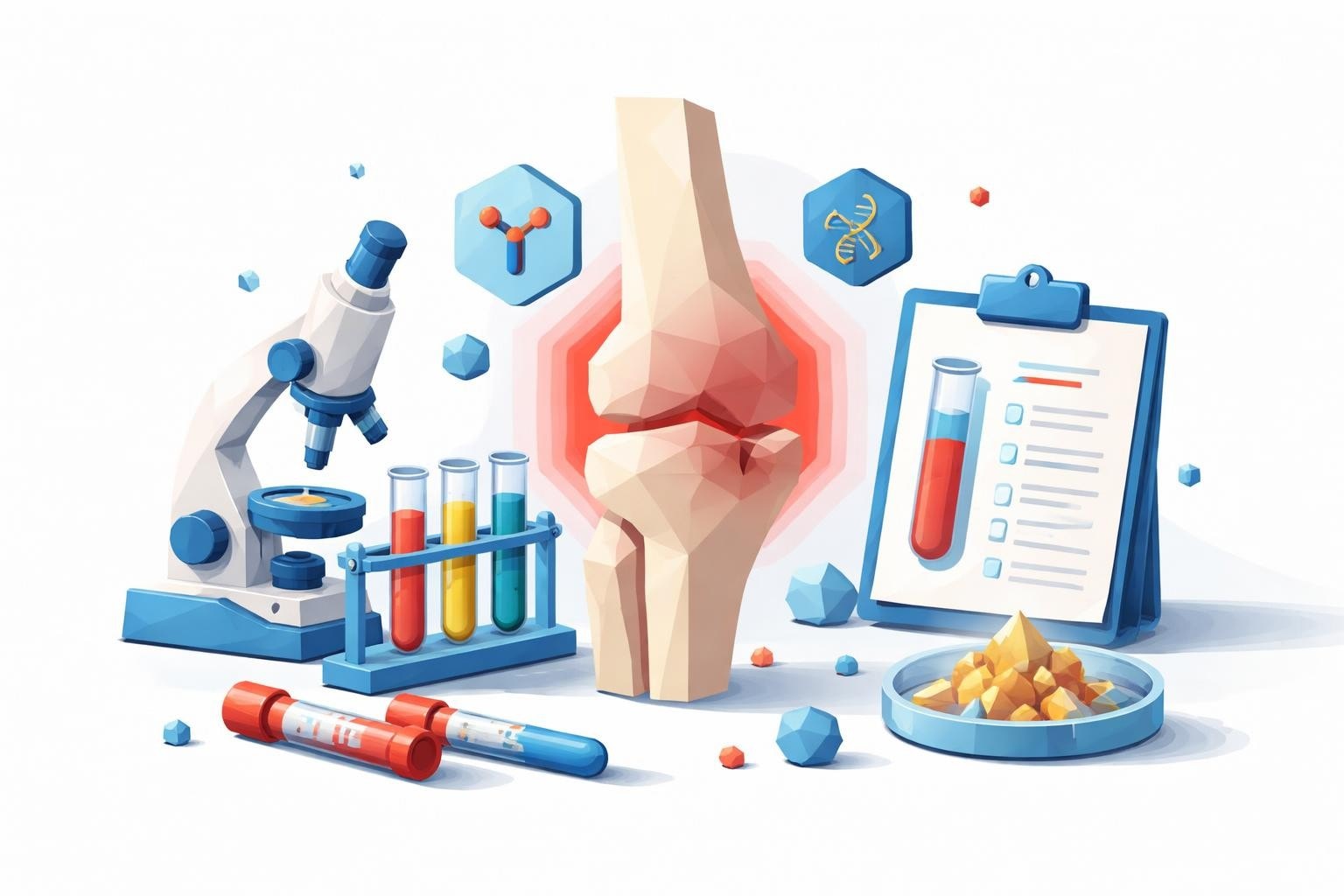
When sudden, excruciating pain strikes your big toe or other joints in the middle of the night, you might be experiencing gout-a condition directly linked to elevated uric acid levels in your bloodstream. Understanding the uric acid and gout lab behind joint pain is essential for proper diagnosis, treatment, and long-term management of this increasingly common form of inflammatory arthritis. Laboratory testing provides the critical insights needed to identify hyperuricemia (high uric acid) before it causes debilitating flares, track treatment effectiveness, and prevent permanent joint damage.
The Science Behind Uric Acid and Gout
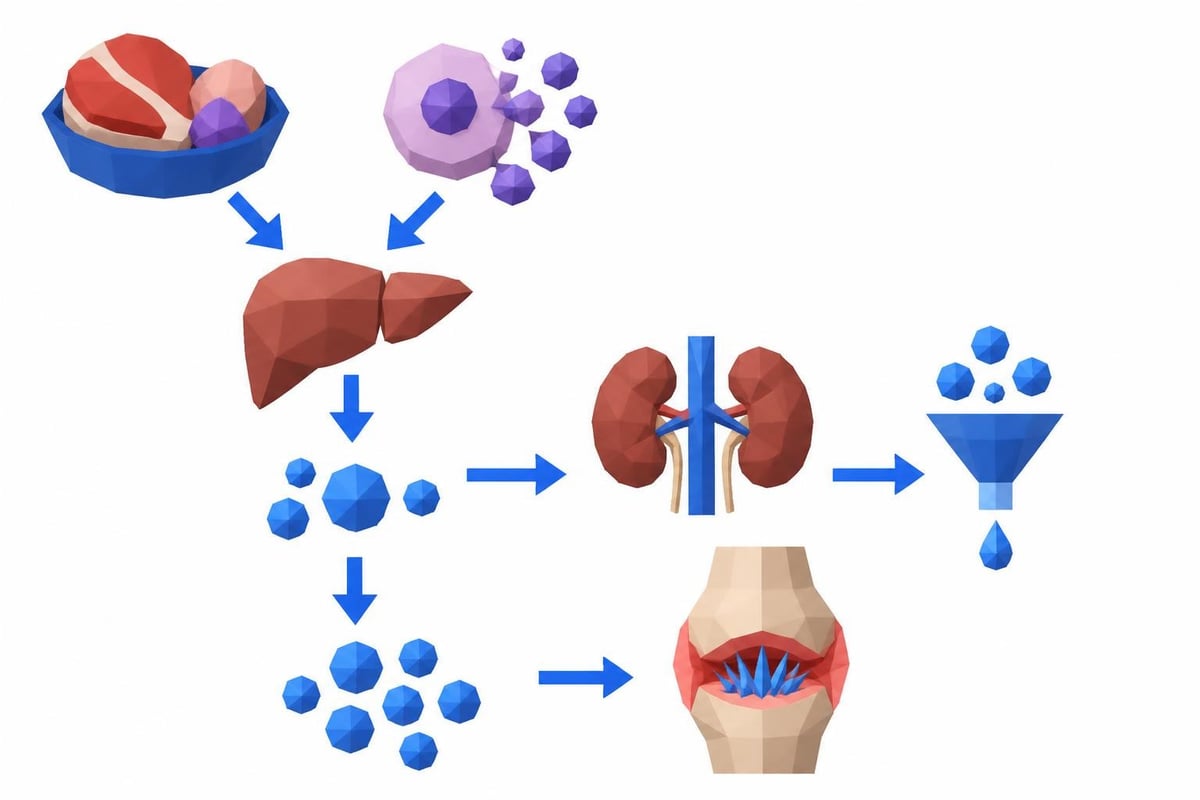
Uric acid forms as a natural byproduct when your body breaks down purines, organic compounds found in certain foods and produced by your cells. Under normal circumstances, your kidneys filter excess uric acid from your blood and eliminate it through urine. When this process fails-either because your body produces too much uric acid or your kidneys cannot remove it efficiently-hyperuricemia develops.
The connection between uric acid and gout lab behind joint pain becomes clear when you understand what happens next. When uric acid levels remain elevated over time, the substance crystallizes into needle-sharp urate crystals that accumulate in joints, tendons, and surrounding tissues. Your immune system recognizes these crystals as foreign invaders and launches an inflammatory response, triggering the intense pain, swelling, and redness characteristic of a gout attack.
Who Develops Elevated Uric Acid Levels
Several factors contribute to hyperuricemia and subsequent gout development:
- Dietary choices: Regular consumption of red meat, organ meats, shellfish, and alcohol (particularly beer) increases purine intake
- Metabolic conditions: Obesity, diabetes, and metabolic syndrome impair uric acid processing
- Kidney function: Reduced kidney efficiency decreases uric acid elimination
- Medications: Diuretics, aspirin, and certain immunosuppressants can elevate uric acid
- Genetic predisposition: Family history significantly increases risk
According to the Centers for Disease Control and Prevention, approximately 9.2 million American adults have experienced gout, with incidence rates rising over the past several decades. Men face higher risk than women, though post-menopausal women see increased susceptibility due to hormonal changes affecting uric acid metabolism.
Laboratory Testing for Uric Acid Levels
Understanding the uric acid and gout lab behind joint pain requires appropriate testing. Multiple laboratory assessments help diagnose gout, monitor treatment response, and predict future flare risk.
Primary Uric Acid Tests
The serum uric acid test measures the concentration of uric acid in your bloodstream. Healthcare providers typically order this test when patients present with joint pain symptoms or have risk factors for gout development.
| Test Parameter | Normal Range | Hyperuricemia Threshold | Gout Risk Level |
|---|---|---|---|
| Men | 3.4-7.0 mg/dL | >7.0 mg/dL | >9.0 mg/dL (high risk) |
| Women | 2.4-6.0 mg/dL | >6.0 mg/dL | >8.0 mg/dL (high risk) |
| Children | 2.0-5.5 mg/dL | >5.5 mg/dL | Varies by age |
Important testing considerations include timing. During an acute gout attack, uric acid levels may temporarily drop as crystals deposit into inflamed joints, potentially producing falsely normal results. For this reason, many physicians recommend testing uric acid levels either before symptoms begin or several weeks after a flare resolves.
Recommended Test
Uric Acid
Uric acid is a waste product from purine breakdown. Elevated levels can cause gout (painful joint inflammation) and may indicate kidney problems or increased cardiovascular risk.
Includes 1 biomarkers
$5
Additional Diagnostic Tests
Beyond basic uric acid measurement, several specialized tests provide comprehensive diagnostic information:
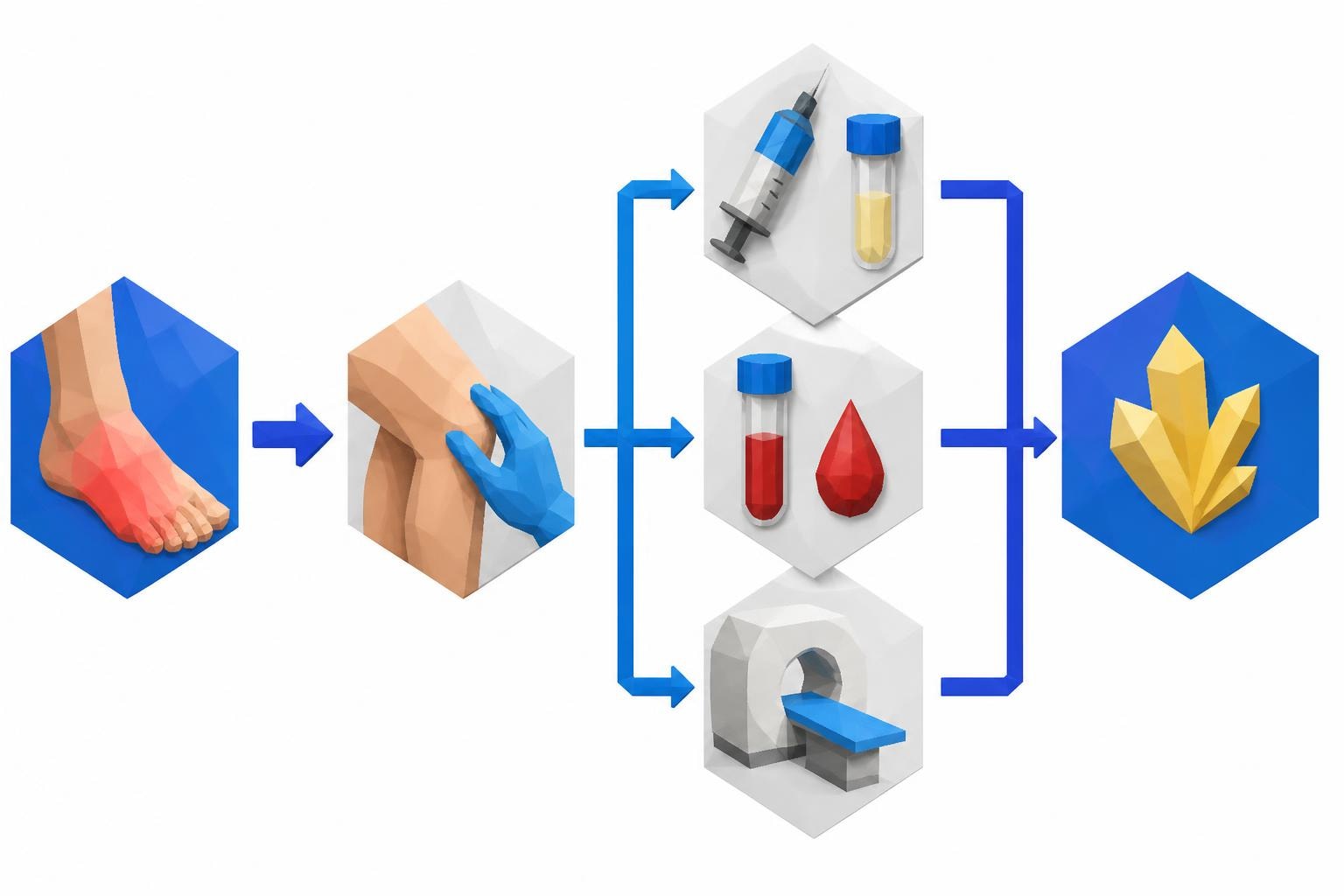
- Synovial fluid analysis: Doctors extract fluid from affected joints using a needle aspiration procedure and examine it under polarized light microscopy to identify characteristic monosodium urate crystals
- 24-hour urine collection: This test measures how much uric acid your kidneys eliminate daily, helping distinguish between overproduction and underexcretion
- Joint imaging: X-rays, ultrasound, or dual-energy CT scans can reveal urate crystal deposits and joint damage
- Kidney function panels: Creatinine and blood urea nitrogen tests assess how well your kidneys process waste products
Research from Harvard Health emphasizes that definitive gout diagnosis requires identifying urate crystals in joint fluid, though physicians often diagnose based on clinical presentation combined with elevated serum uric acid when joint aspiration is impractical.
Why Regular Monitoring Matters
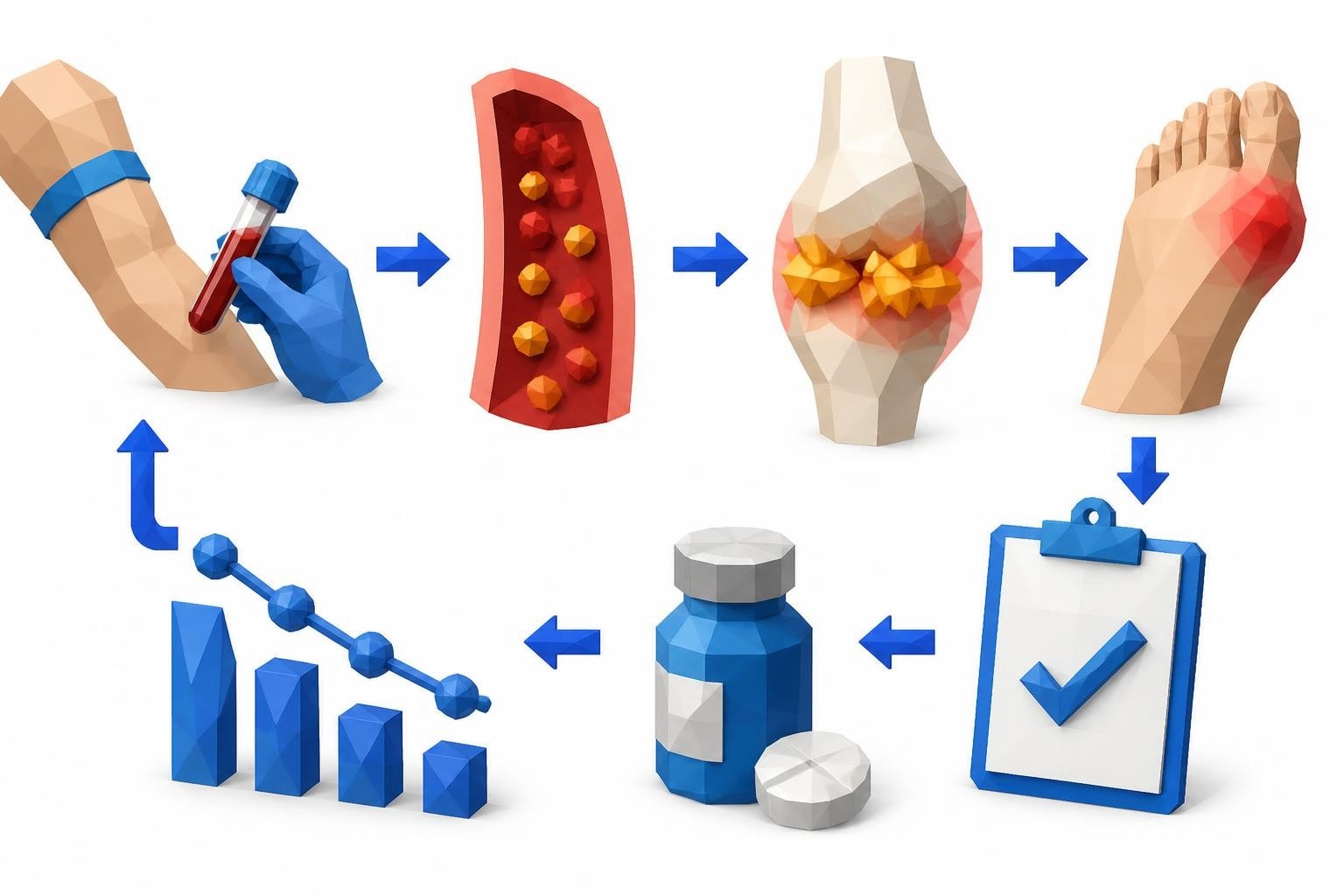
The relationship between uric acid and gout lab behind joint pain extends beyond initial diagnosis. Consistent monitoring serves several critical purposes for anyone diagnosed with hyperuricemia or gout.
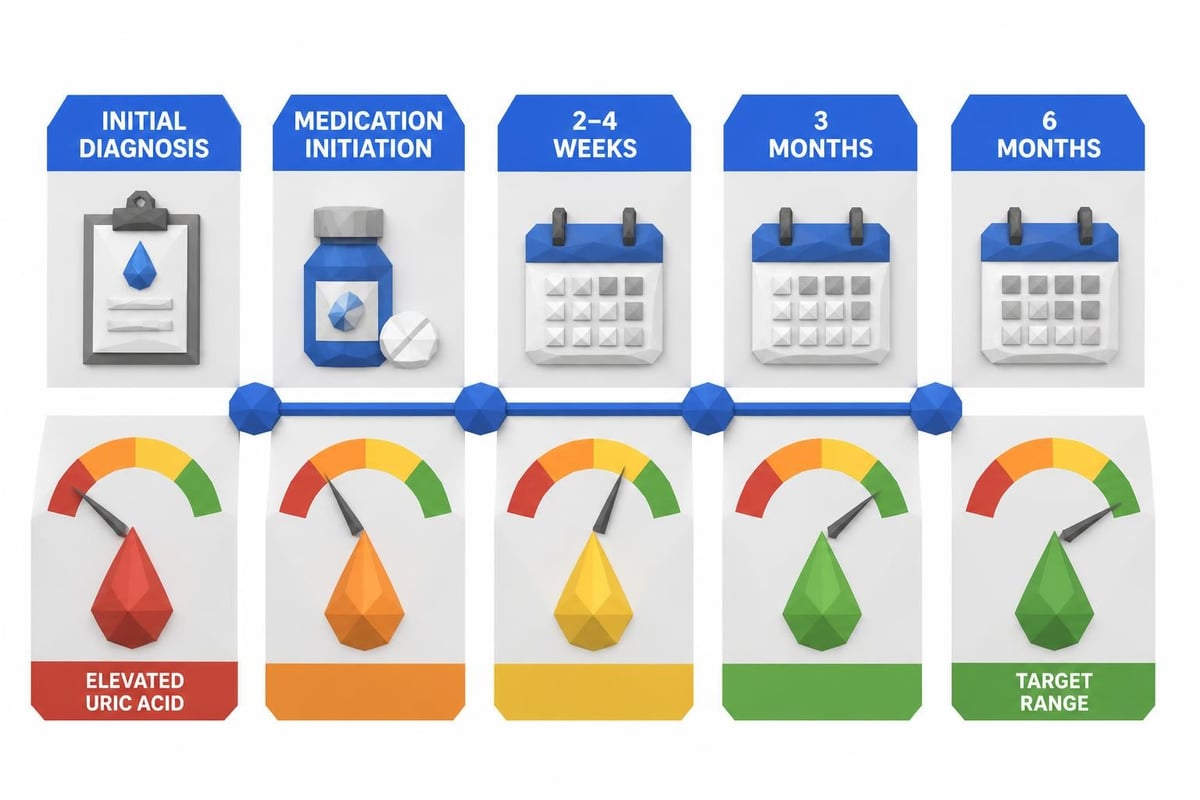
Treatment optimization represents the primary reason for regular testing. Uric acid-lowering medications like allopurinol or febuxostat require dosage adjustments based on lab results. Most rheumatologists target uric acid levels below 6.0 mg/dL for all gout patients, with some recommending levels below 5.0 mg/dL for those with severe disease or tophi (visible uric acid deposits under the skin).
Tracking your progress through periodic testing helps ensure medications work effectively without causing adverse effects. If you're managing gout through lab testing without insurance, regular monitoring becomes even more important for cost-effective treatment adjustment.
Preventing Long-Term Complications
Sustained hyperuricemia damages more than just joints. The National Kidney Foundation explains how chronic elevation of uric acid contributes to:
- Kidney stone formation (uric acid crystals can form stones)
- Chronic kidney disease progression
- Cardiovascular disease risk elevation
- Permanent joint destruction and deformity
Regular testing allows you to address these risks proactively rather than reactively. When you understand your specific uric acid patterns through consistent lab work, you and your healthcare provider can implement targeted interventions before irreversible damage occurs.
Interpreting Your Uric Acid Lab Results
The connection between uric acid and gout lab behind joint pain becomes personally relevant when you receive your test results. However, numbers on a lab report require context for meaningful interpretation.
What Elevated Levels Mean
An isolated elevated uric acid reading does not automatically indicate gout. According to MedlinePlus, only about 20% of people with hyperuricemia ever develop gout symptoms. Conversely, some individuals experience gout attacks while maintaining normal uric acid levels, particularly during acute flares when crystals shift from blood into joints.
Your healthcare provider considers multiple factors when interpreting results:
- Duration of elevation: Chronic hyperuricemia poses greater risk than temporary spikes
- Magnitude above threshold: Higher levels correlate with increased gout likelihood
- Symptom presence: Joint pain, swelling, or redness combined with elevated uric acid strengthens diagnosis
- Other health markers: Kidney function, inflammatory markers, and metabolic health provide context
For those ordering labs without a doctor, understanding lab results becomes particularly important for knowing when to seek professional medical consultation.
Tracking Trends Over Time
Single measurements provide snapshots, but trending data reveals patterns. When monitoring the uric acid and gout lab behind joint pain, consider:
| Monitoring Schedule | Purpose | Target Population |
|---|---|---|
| Every 2-4 weeks | Medication titration | Newly diagnosed, starting treatment |
| Every 3 months | Treatment stability assessment | Established patients on stable doses |
| Every 6-12 months | Long-term maintenance | Well-controlled gout with consistent levels |
| After flares | Post-attack evaluation | Anyone experiencing breakthrough symptoms |
Maintaining personal health records helps identify triggers, assess treatment effectiveness, and communicate effectively with healthcare providers. Digital tracking tools or simple spreadsheets work equally well for documenting test dates, results, medication changes, and symptom occurrences.
The Role of Accessible Lab Testing
Modern healthcare increasingly emphasizes patient empowerment through direct access to laboratory services. Understanding how uric acid and gout lab behind joint pain affects your health becomes more actionable when testing is convenient, affordable, and transparent.
Barriers to Regular Monitoring
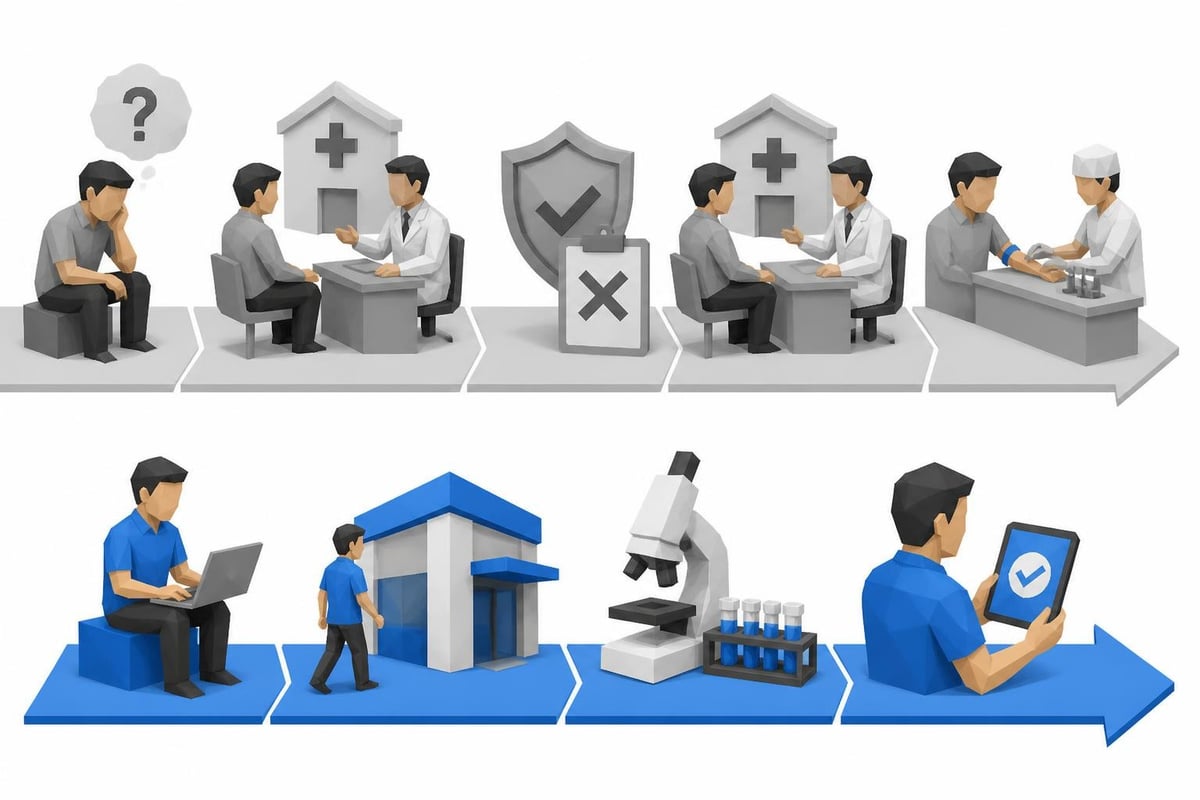
Traditional healthcare models create obstacles to consistent uric acid monitoring:
- Insurance requirements: Many plans require prior authorization for repeat testing
- Appointment availability: Scheduling doctor visits solely for lab orders delays testing
- Cost uncertainty: Patients often don't know testing expenses until after receiving care
- Time constraints: Multiple appointments for consultation, lab orders, and result review consume valuable time
These barriers particularly impact individuals managing chronic conditions requiring frequent monitoring. When you need to track treatment response or verify lifestyle modifications are working, waiting weeks for appointments and approvals interrupts optimal disease management.
Self-Directed Testing Advantages
Direct-access laboratory services address these challenges by allowing patients to order appropriate tests based on their health needs. The process of getting lab work done becomes streamlined when you can:
- Order tests online without requiring physician orders
- Access transparent pricing before testing occurs
- Visit convenient locations for sample collection
- Receive results within 1-3 days electronically
- Share results with your healthcare provider for treatment decisions
This model proves particularly valuable for the uric acid and gout lab behind joint pain, where regular monitoring directly influences treatment success and quality of life.
Beyond Testing: Managing Uric Acid Levels
Laboratory testing reveals your uric acid status, but effective gout management requires comprehensive lifestyle and medical interventions. The American College of Rheumatology emphasizes that understanding your numbers through testing should motivate appropriate action.
Dietary Modifications
Reducing purine intake significantly impacts uric acid production. While medications remain the primary treatment for most gout patients, dietary changes provide additional support:
Foods to minimize:
- Red meats (beef, lamb, pork)
- Organ meats (liver, kidneys, sweetbreads)
- Certain seafood (anchovies, sardines, mussels, scallops, trout, tuna)
- High-fructose corn syrup and sugary beverages
- Alcoholic beverages, especially beer
Beneficial dietary choices:
- Low-fat dairy products (appear to lower uric acid levels)
- Vegetables (even high-purine vegetables like spinach don't increase gout risk)
- Whole grains and complex carbohydrates
- Coffee (moderate consumption associated with lower uric acid)
- Cherries and cherry juice (may reduce inflammation)
Hydration plays a crucial role. Drinking adequate water helps kidneys eliminate uric acid more efficiently and reduces crystal formation risk.
Medical Treatment Options
When lifestyle modifications prove insufficient, medications effectively control hyperuricemia. Your physician may prescribe:
- Uric acid-lowering therapy: Allopurinol, febuxostat, or probenecid reduce production or increase excretion
- Anti-inflammatory medications: Colchicine, NSAIDs, or corticosteroids manage acute flares
- Prophylactic treatment: Low-dose colchicine prevents attacks when starting uric acid-lowering drugs
Emerging research, including studies on gene therapy approaches, suggests future treatments may address the genetic factors contributing to hyperuricemia. These potential therapies target the evolutionary loss of uricase, an enzyme that breaks down uric acid in most mammals but not humans.
Testing Frequency and Long-Term Strategy
Understanding the uric acid and gout lab behind joint pain requires commitment to long-term monitoring. Unlike acute conditions requiring temporary attention, gout management demands sustained vigilance.
For newly diagnosed patients, frequent testing during the first six months helps establish optimal medication dosing. Once stable, many individuals maintain control with testing every six to twelve months, though personal factors may necessitate more frequent assessment.
Several circumstances warrant increased testing frequency:
- Treatment changes: New medications or dosage adjustments require verification within 4-6 weeks
- Symptom recurrence: Breakthrough flares despite treatment suggest inadequate uric acid control
- Kidney function changes: Declining kidney efficiency affects uric acid elimination
- Significant weight loss or gain: Body composition changes influence uric acid metabolism
- New medication additions: Drugs like diuretics or aspirin can alter uric acid levels
Comprehensive testing options allow you to bundle uric acid measurement with kidney function panels, inflammatory markers, or metabolic assessments for complete health monitoring.
Special Considerations for Different Populations
The relationship between uric acid and gout lab behind joint pain manifests differently across demographic groups, influencing testing and treatment strategies.
Gender Differences
Men typically develop gout earlier in life, with peak incidence between ages 30 and 50. Women generally experience onset after menopause, when protective estrogen effects diminish and uric acid levels rise. These patterns suggest different testing timelines-men with risk factors benefit from earlier screening, while women may need increased vigilance after age 50.
Kidney Disease Patients
Individuals with chronic kidney disease face dual challenges. Reduced kidney function both elevates gout risk and complicates medication choices. Testing frequency increases for this population, with many nephrologists monitoring uric acid quarterly or more often. Coordinating care between rheumatology and nephrology specialists optimizes outcomes.
Recommended Test
Renal Function Panel
A comprehensive 11-biomarker panel that evaluates kidney health by measuring waste filtration, electrolyte balance, and mineral levels.
Includes 11 biomarkers
$11
Metabolic Syndrome Considerations
The cluster of conditions including obesity, high blood pressure, elevated blood sugar, and abnormal cholesterol levels strongly correlates with hyperuricemia. Patients with metabolic syndrome benefit from comprehensive testing that assesses uric acid alongside glucose markers, lipid panels, and inflammatory indicators. This holistic approach addresses interconnected health issues simultaneously.
Recommended Panel
Complete Metabolic Health Panel
Save $3.5This comprehensive panel evaluates all aspects of metabolic health: organ function, cholesterol, blood sugar, insulin resistance, and inflammation - the key drivers of chronic disease.
Includes 26 biomarkers
$50
Fasting required
Making Informed Testing Decisions
Taking control of your health through appropriate laboratory testing empowers better disease management. When considering uric acid testing, evaluate these factors:
Testing appropriateness: Order uric acid tests if you experience joint pain, have gout risk factors, need treatment monitoring, or want baseline health assessment.
Cost considerations: Understanding expenses before testing prevents surprise bills. Self-pay options often cost less than insurance copays and eliminate administrative hassles. Many testing services accept FSA and HSA funds, making testing more affordable through pre-tax healthcare accounts.
Result accessibility: Ensure you receive results in a format you understand and can share with healthcare providers. Digital access facilitates record-keeping and longitudinal tracking.
Follow-up planning: Laboratory results gain value when they inform action. Whether adjusting medications, modifying diet, or seeking specialist consultation, testing should connect to meaningful next steps.
The democratization of laboratory services means you no longer need to passively wait for healthcare systems to address your needs. Instead, you can actively participate in monitoring the uric acid and gout lab behind joint pain, making informed decisions about your health management.
Understanding the laboratory science behind gout empowers you to take proactive steps toward better joint health and overall wellness. Regular uric acid testing provides the critical data needed to prevent painful flares, protect your kidneys, and maintain quality of life. When you need convenient, affordable access to uric acid testing and other laboratory services, Justlabs offers transparent pricing and rapid results without requiring insurance or doctor's appointments. Take control of your health monitoring today and get the insights you need to manage gout effectively.