Gout Workup: The Tests Beyond Uric Acid
When sudden, intense joint pain strikes, many people assume a simple uric acid blood test will confirm or rule out gout. However, a comprehensive gout workup the tests beyond uric acid involves multiple diagnostic tools that work together to provide accurate diagnosis and guide treatment decisions. Understanding the full spectrum of available tests helps patients and healthcare providers distinguish gout from similar conditions and develop effective management strategies.
Big picture
- Gout diagnosis requires more than serum uric acid levels because approximately 30-40% of gout patients have normal uric acid during acute attacks
- Synovial fluid analysis remains the gold standard for confirming gout by identifying monosodium urate crystals under polarized light microscopy
- Imaging techniques including ultrasound and DECT can visualize urate crystal deposits in joints and soft tissues even between flare-ups
- Inflammatory markers and complete blood counts help distinguish gout from infectious arthritis and other inflammatory conditions
- Regular monitoring through comprehensive testing enables treatment adjustment and prevents long-term joint damage
- Accessible testing options through services like Justlabs make it easier to track uric acid levels and related markers without navigating insurance complexities
Why Uric Acid Testing Alone Falls Short
Serum uric acid measurement represents just one piece of the diagnostic puzzle. While elevated uric acid (hyperuricemia) increases gout risk, many individuals with high levels never develop symptoms, and conversely, normal readings don't exclude active disease.
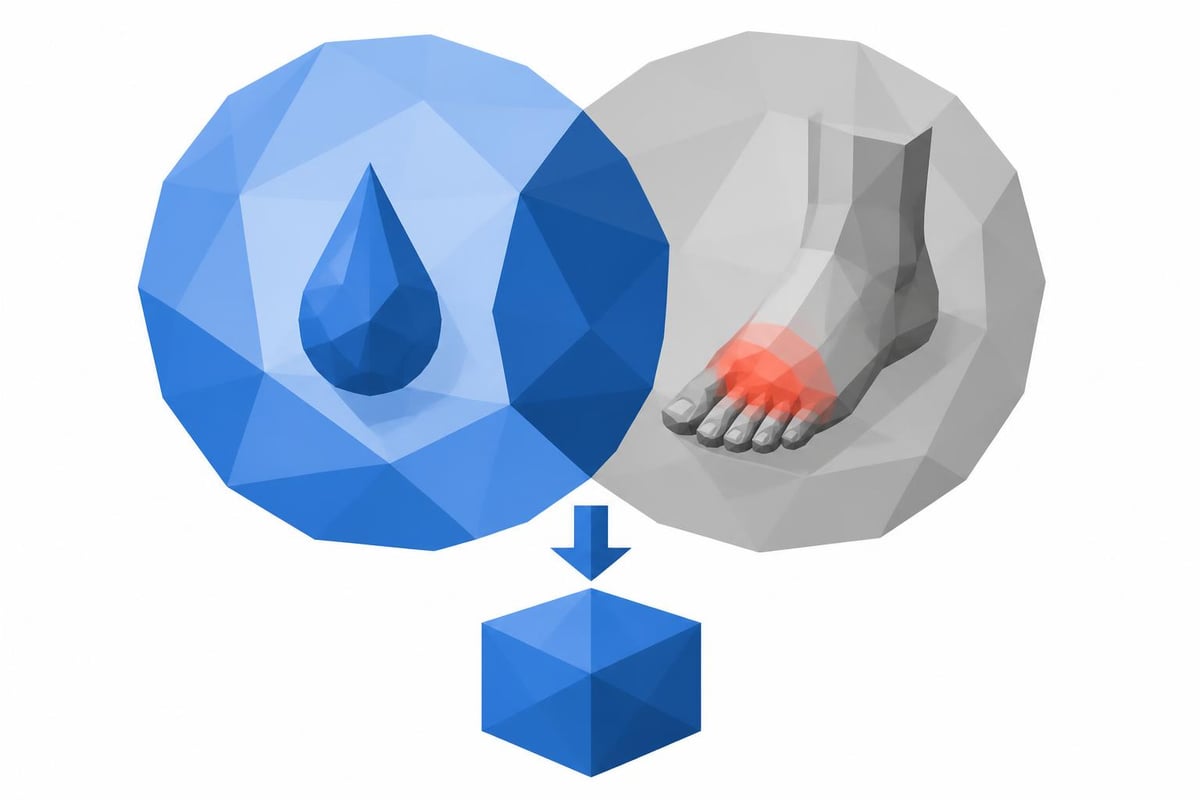
During acute gout attacks, serum uric acid levels can paradoxically drop into the normal range due to acute phase reactants and urinary excretion changes. This phenomenon misleads both patients and providers who rely exclusively on this single marker. The Arthritis Foundation notes that joint fluid analysis provides more definitive evidence than blood tests alone.
Timing Considerations for Uric Acid Testing
The timing of uric acid measurement significantly impacts results:
- During acute flares: Levels may decrease by 1-2 mg/dL
- Two weeks post-attack: More accurate baseline measurement
- Fasting vs. non-fasting: Minimal difference, though fasting preferred
- Medication effects: Diuretics, aspirin, and other drugs alter readings
Understanding these variables helps interpret results appropriately within the broader gout workup the tests beyond uric acid framework.
Synovial Fluid Analysis: The Diagnostic Gold Standard
Joint fluid examination provides direct evidence of gout through crystal identification. This procedure, called arthrocentesis, involves withdrawing fluid from the affected joint using a needle and analyzing it under specialized microscopy.
What Synovial Fluid Analysis Reveals
| Test Component | Gout Finding | Significance |
|---|---|---|
| Crystal type | Needle-shaped monosodium urate | Confirms diagnosis |
| Birefringence | Strongly negative under polarized light | Distinguishes from pseudogout |
| White blood count | 2,000-100,000 cells/μL | Rules out infection |
| Gram stain & culture | Negative | Excludes septic arthritis |
| Appearance | Cloudy to turbid | Indicates inflammation |
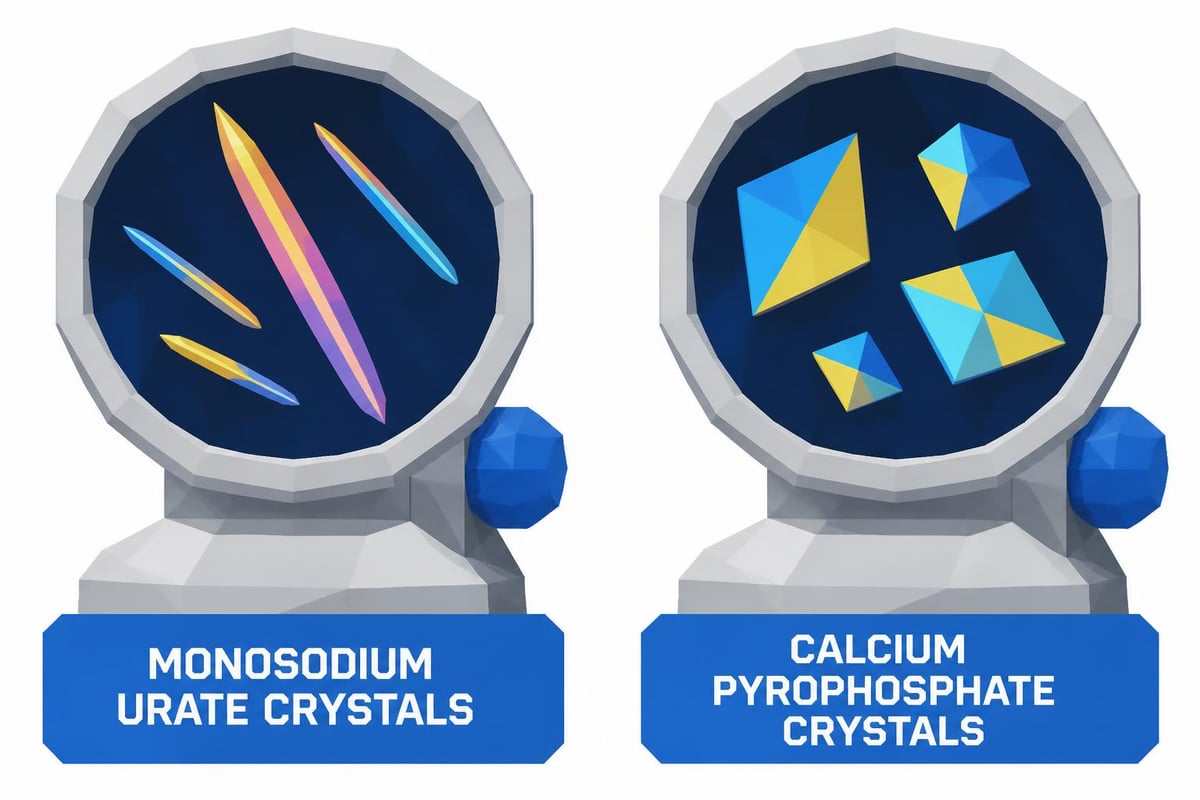
The identification of monosodium urate crystals with negative birefringence under compensated polarized light microscopy confirms gout with near certainty. These needle-shaped crystals appear yellow when parallel to the compensator axis, a distinctive feature trained laboratory professionals recognize.
Arthrocentesis serves dual purposes: diagnostic confirmation and immediate symptom relief through fluid removal. Despite being the gold standard, this test requires technical expertise and isn't always feasible for small joint involvement.
Comprehensive Blood Work Beyond Uric Acid
The complete gout workup the tests beyond uric acid incorporates multiple blood markers that assess inflammation, organ function, and metabolic status. These tests help evaluate disease severity and identify potential complications.
Essential Blood Panel Components
- Elevated white blood cells suggest infection or inflammation
- Helps differentiate gout from septic arthritis
- Monitors for medication side effects during treatment
Inflammatory Markers
- C-reactive protein (CRP) rises during acute attacks
- Erythrocyte sedimentation rate (ESR) indicates inflammation intensity
- Both markers track treatment response
- Serum creatinine and blood urea nitrogen (BUN)
- Glomerular filtration rate (GFR) calculation
- Critical for medication dosing and safety
Recommended Panel
Complete Metabolic Health Panel
Save $3.5This comprehensive panel evaluates all aspects of metabolic health: organ function, cholesterol, blood sugar, insulin resistance, and inflammation - the key drivers of chronic disease.
Includes 26 biomarkers
$50
Fasting required
Metabolic Assessment
A comprehensive metabolic panel provides essential context for gout management:
- Glucose levels: Diabetes increases gout risk
- Liver enzymes: Baseline before starting medications
- Electrolytes: Affected by diuretics and dehydration
- Calcium levels: Rules out other crystal arthropathies
These comprehensive panels help identify underlying conditions that contribute to hyperuricemia, such as metabolic syndrome, chronic kidney disease, or medication effects.
Advanced Imaging Studies
Modern imaging technologies revolutionize gout diagnosis by visualizing urate deposits directly, regardless of symptom presence. These non-invasive techniques complement laboratory testing.
Ultrasound Examination
Musculoskeletal ultrasound detects gout-specific features:
- Double contour sign: Urate coating on cartilage surfaces
- Tophi visualization: Soft tissue crystal aggregates
- Synovial inflammation: Increased blood flow and effusion
- Real-time assessment: Dynamic examination during movement
Ultrasound offers advantages including cost-effectiveness, radiation-free imaging, and point-of-care availability. Experienced operators achieve diagnostic accuracy approaching 80-90% in detecting urate deposits.
Dual-Energy Computed Tomography (DECT)
Research published in Frontiers in Medicine demonstrates DECT's exceptional capability in identifying monosodium urate crystals. This advanced technique uses two different X-ray energy spectra to differentiate urate from other tissues.
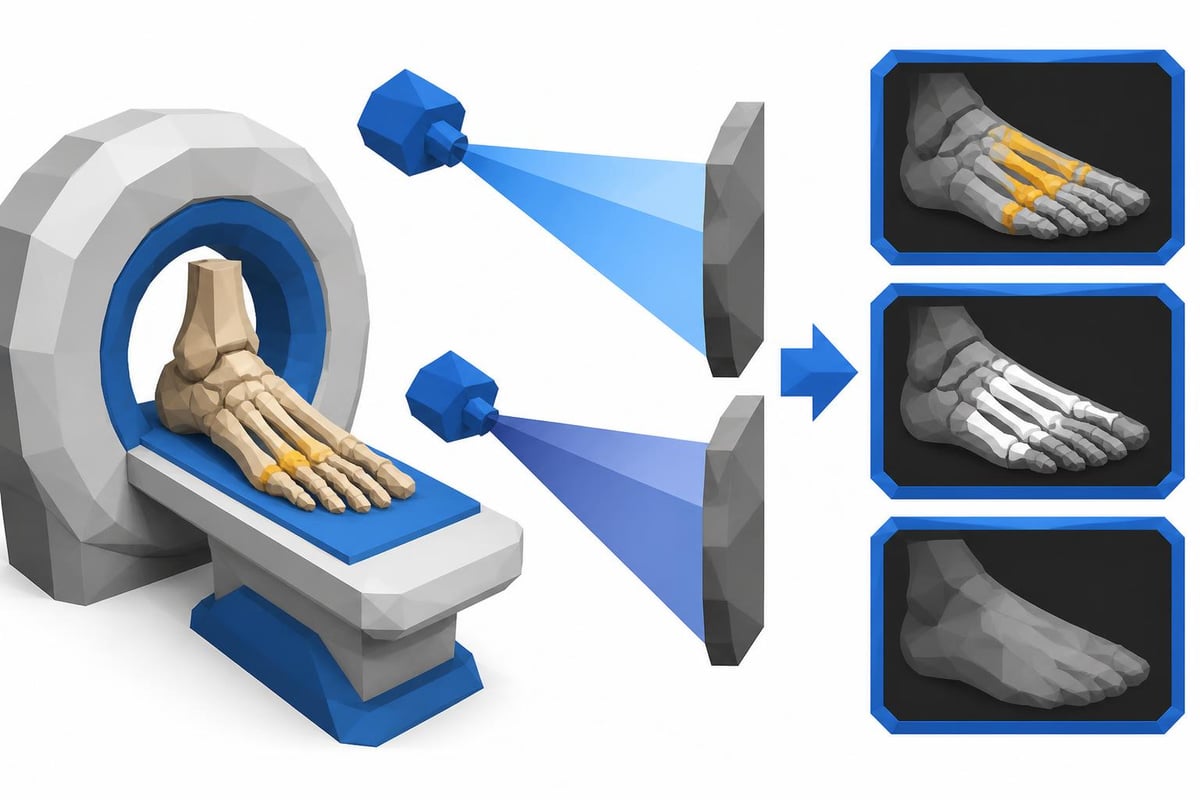
DECT Advantages:
- Detects subclinical urate deposits before symptom onset
- Quantifies total body urate burden
- Monitors treatment effectiveness over time
- Distinguishes urate from calcium deposits
DECT Limitations:
- Higher cost than conventional imaging
- Radiation exposure considerations
- Limited availability in some regions
- Not typically first-line diagnostic tool
Conventional X-Rays
While standard radiography doesn't detect urate crystals directly, it reveals:
- Chronic joint damage from long-standing gout
- Punched-out erosions with overhanging edges
- Joint space preservation until late disease
- Tophi appearing as soft tissue masses
X-rays primarily assess disease progression and complications rather than initial diagnosis.
Urine Testing in Gout Evaluation
Twenty-four-hour urine collection measures uric acid excretion, categorizing patients as underexcretors (most common) or overproducers. This classification guides medication selection.
Interpreting Urine Uric Acid Results
| Daily Excretion | Classification | Treatment Implications |
|---|---|---|
| <600 mg | Underexcretor | Uricosuric agents effective |
| >800 mg | Overproducer | Xanthine oxidase inhibitors preferred |
| >1100 mg | High overproducer | Risk of kidney stones increases |
Collection procedure accuracy matters: Incomplete collection invalidates results, and dietary purines during collection affect measurements. Patients should maintain normal diet and hydration throughout the 24-hour period.
Additional spot urine tests assess:
- Urine pH (low pH increases stone risk)
- Creatinine clearance (kidney function)
- Protein levels (identifies kidney disease)
Genetic and Specialized Testing
Certain clinical scenarios warrant additional specialized tests within the gout workup the tests beyond uric acid approach.
When to Consider Genetic Testing
Early-onset gout (before age 25) or strong family history suggests genetic predisposition. Testing identifies:
- URAT1 gene variants: Affect uric acid reabsorption
- ABCG2 mutations: Impair urate excretion
- Enzyme deficiencies: Rare hereditary conditions
- SLC2A9 polymorphisms: Influence uric acid transport
Secondary Causes Investigation
Hyperuricemia often results from underlying conditions requiring targeted testing:
Medication-Induced:
- Diuretic usage history
- Low-dose aspirin effects
- Immunosuppressant medications
- Chemotherapy agents
Metabolic Conditions:
- Thyroid function tests
- Lipid panel screening
- Insulin resistance markers
- Lead exposure assessment
The comprehensive diagnostic approach recommended by specialists ensures no underlying cause goes unidentified.
Differential Diagnosis Testing
Several conditions mimic gout presentations, necessitating tests to distinguish between them. According to Harvard Health, accurate differentiation prevents inappropriate treatment and delays in correct diagnosis.
Pseudogout (CPPD) Differentiation
| Feature | Gout | Pseudogout |
|---|---|---|
| Crystal type | Monosodium urate | Calcium pyrophosphate |
| Birefringence | Strongly negative | Weakly positive |
| Crystal shape | Needle | Rhomboid |
| Common joints | First toe, ankle, knee | Knee, wrist |
| X-ray findings | Erosions | Chondrocalcinosis |
Septic Arthritis Exclusion
Joint infection represents a medical emergency requiring immediate treatment. Synovial fluid analysis differentiates:
- Cell count: >50,000 WBC suggests infection
- Gram stain: Identifies bacteria directly
- Culture results: Confirms infectious organism
- Glucose level: Low in septic joints
Critical consideration: Gout and infection can coexist, particularly in immunocompromised patients or those with chronic tophaceous disease.
Monitoring Tests During Treatment
Once diagnosed, ongoing gout workup the tests beyond uric acid continues through treatment monitoring. Testing.com explains that regular follow-up ensures medications achieve therapeutic targets while avoiding adverse effects.
Treatment Monitoring Schedule
Initial Treatment Phase (First 3 months):
- Serum uric acid every 4-6 weeks
- Liver function tests monthly
- Complete blood count if on colchicine
- Creatinine monitoring
Maintenance Phase (After target achieved):
- Uric acid every 6 months
- Annual comprehensive metabolic panel
- Periodic CBC with certain medications
- Imaging if symptoms persist
Target Goals:
- Serum uric acid <6.0 mg/dL (mandatory)
- <5.0 mg/dL for tophaceous gout
- Normal inflammatory markers between attacks
- Stable kidney function
Services offering accessible lab testing without insurance barriers facilitate regular monitoring that prevents disease progression.
Recommended Test
Uric Acid
Uric acid is a waste product from purine breakdown. Elevated levels can cause gout (painful joint inflammation) and may indicate kidney problems or increased cardiovascular risk.
Includes 1 biomarkers
$5
Cost Considerations and Testing Access
Traditional medical testing involves multiple appointments, insurance preauthorization, and unpredictable costs. Understanding transparent lab test pricing empowers patients to pursue appropriate monitoring.
Typical Test Costs and Accessibility
Modern direct-access laboratory services eliminate common barriers:
- No physician visit required for most blood tests
- Transparent, upfront pricing replaces surprise bills
- Rapid results delivery (1-3 days typical)
- Convenient locations nationwide
Patients can order labs without a doctor for many screening and monitoring tests, though joint fluid analysis and advanced imaging still require specialist referral.
Coordinating Multiple Test Results
The gout workup the tests beyond uric acid approach generates substantial data requiring integration and interpretation. Understanding lab results helps patients participate actively in their care decisions.
Creating a Comprehensive Picture
Integrating test findings involves:
- Correlating symptoms with laboratory values - timing matters significantly
- Identifying patterns across multiple timepoints - trends reveal treatment effectiveness
- Recognizing medication effects on results - expected versus concerning changes
- Communicating findings clearly with providers - organized records facilitate decisions
Maintaining personal health records with all test results, imaging reports, and medication changes creates valuable longitudinal data that improves care quality.
Key Takeaways
- Gout diagnosis demands comprehensive evaluation beyond simple uric acid measurement, incorporating synovial fluid analysis, inflammatory markers, and imaging studies
- Synovial fluid crystal identification remains the definitive diagnostic test, though advanced imaging technologies increasingly complement traditional approaches
- Treatment monitoring requires regular uric acid testing plus periodic assessment of kidney and liver function to ensure safety and efficacy
- Direct-access laboratory services provide convenient, affordable options for monitoring uric acid and related markers throughout treatment
FAQ
Can I have gout with normal uric acid levels?
Yes, approximately 30-40% of patients experiencing acute gout attacks have normal serum uric acid levels. During flares, uric acid temporarily decreases due to inflammatory processes and increased urinary excretion. This is why comprehensive gout workup the tests beyond uric acid includes synovial fluid analysis and imaging studies rather than relying solely on blood uric acid measurements.
How often should I test uric acid levels during gout treatment?
During initial treatment, test every 4-6 weeks until reaching target levels below 6.0 mg/dL. Once stable at target for three consecutive measurements, reduce frequency to every 6 months. Additional testing becomes necessary when changing medications, experiencing new symptoms, or if kidney function changes. Regular monitoring through accessible services helps maintain treatment goals without excessive healthcare system navigation.
What's the difference between a gout test and a uric acid test?
A uric acid test measures blood levels of uric acid, while comprehensive gout testing includes multiple evaluations. Complete gout workup the tests beyond uric acid encompasses synovial fluid crystal analysis, inflammatory markers (CRP, ESR), complete blood count, kidney function tests, and potentially imaging studies. The uric acid test represents one component of thorough gout evaluation rather than a standalone diagnostic tool.
Do I need imaging tests if my joint fluid shows uric acid crystals?
Imaging isn't required for diagnosis when crystals confirm gout, but it provides valuable information about disease extent and complications. Ultrasound or DECT reveals crystal deposits in asymptomatic joints, quantifies total urate burden, and identifies tophi requiring aggressive treatment. Imaging particularly benefits patients with chronic or severe gout for treatment planning and monitoring.
Can I get gout testing without seeing a doctor first?
Many blood tests within the gout workup, including uric acid, inflammatory markers, and metabolic panels, are available through direct-access laboratory services. However, procedures like joint fluid aspiration and prescription imaging studies require physician orders. The testing process varies by test type and state regulations regarding laboratory access.
What blood tests should I get alongside uric acid for gout?
Essential companion tests include complete metabolic panel (kidney and liver function), complete blood count (inflammation and infection markers), C-reactive protein (inflammation severity), and creatinine (kidney health). Additional tests might include thyroid function, lipid panel, and glucose depending on your overall health status. These comprehensive panels identify contributing factors and medication contraindications.
How accurate is ultrasound compared to joint fluid analysis for gout?
Ultrasound achieves 80-90% accuracy in experienced hands, detecting the characteristic double contour sign and tophi. However, synovial fluid crystal identification remains superior at approximately 95% accuracy and provides definitive diagnosis. According to guidance from the Gout Education Society, ultrasound serves as an excellent complementary tool but doesn't fully replace arthrocentesis when fluid analysis is feasible.
Should I fast before gout blood tests?
Fasting isn't strictly required for uric acid testing, though an 8-hour fast may provide slightly more consistent results. Comprehensive metabolic panels often included in gout workup the tests beyond uric acid benefit from fasting for accurate glucose and lipid measurements. Follow specific instructions provided when ordering tests, as requirements vary by panel composition.
Comprehensive gout evaluation extends far beyond single uric acid measurements, incorporating multiple laboratory tests, imaging studies, and clinical assessments that work together for accurate diagnosis and effective treatment monitoring. Understanding the full scope of available diagnostic tools empowers patients to pursue appropriate testing and participate actively in their healthcare decisions. When you need accessible, affordable laboratory testing to monitor uric acid levels or track treatment progress, Justlabs provides transparent pricing and convenient access to the tests you need, with results delivered quickly so you can make informed health decisions without navigating insurance complexities or waiting for provider appointments.