
When most people hear about uric acid testing, they immediately think of gout and painful joint inflammation. While this association is certainly valid, emerging research reveals that uric acid more than just a gout marker deserves attention for its broader implications on cardiovascular health, metabolic function, and overall wellness. Understanding your uric acid levels can provide valuable insights into multiple aspects of your health that extend far beyond joint pain.
Big picture
- Uric acid is a natural byproduct of purine metabolism that serves as both an antioxidant and potential health risk depending on levels
- Elevated uric acid levels correlate with increased cardiovascular disease risk, including hypertension, heart failure, and mortality, not just gout
- Monitoring uric acid can reveal early metabolic dysfunction, helping identify risks for conditions like metabolic syndrome and kidney disease
- Testing is accessible and affordable through services like Justlabs, allowing you to track levels without insurance or doctor visits
- Normal ranges typically fall between 3.5-7.2 mg/dL for men and 2.6-6.0 mg/dL for women, but optimal ranges may be narrower for cardiovascular health
- Taking action involves testing regularly, understanding your personal trends, and discussing results with healthcare providers to address underlying causes
The Cardiovascular Connection Nobody Talks About
The relationship between uric acid and heart health represents one of the most significant developments in understanding this biomarker. Research examining cardiovascular mortality and serum uric acid levels analyzed data from over one million participants, revealing compelling associations that challenge the traditional view of uric acid as merely a gout indicator.
Understanding the Mechanisms
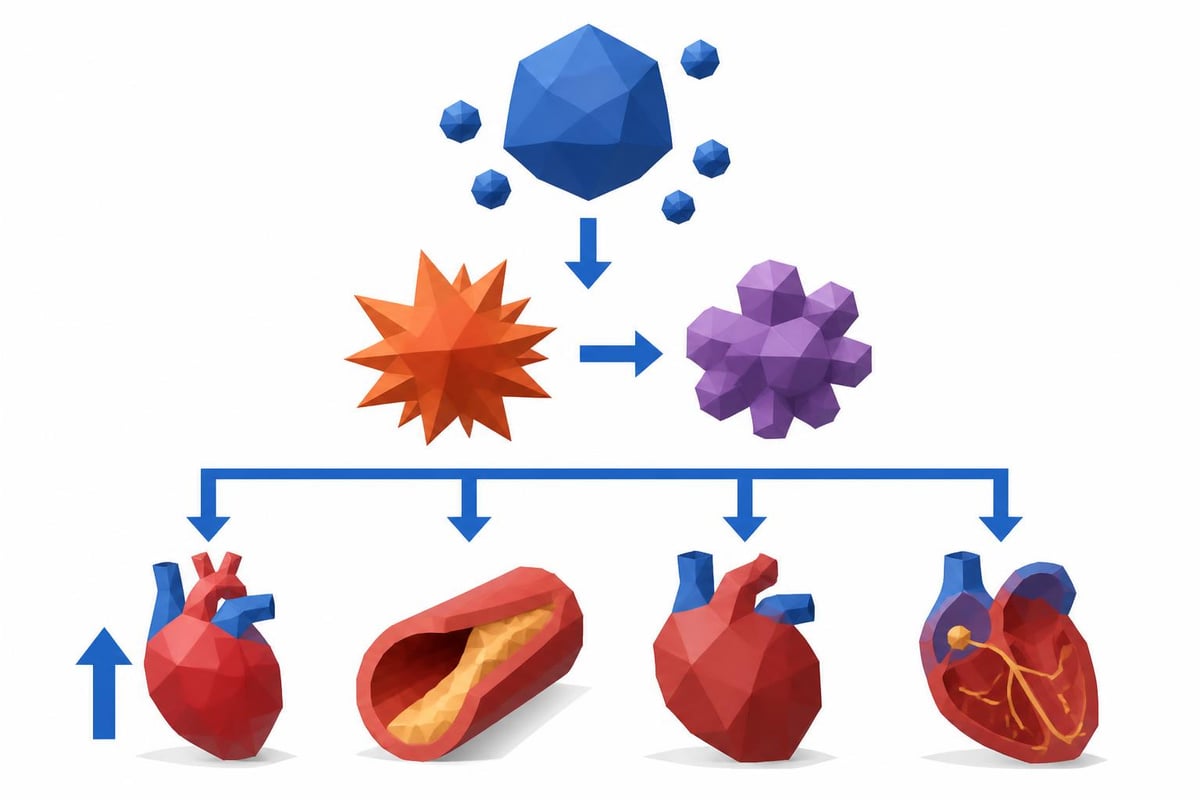
Uric acid influences cardiovascular health through multiple pathways. When levels become chronically elevated, this compound transitions from a protective antioxidant to a pro-inflammatory agent. The mechanisms include:
- Endothelial dysfunction affecting blood vessel health
- Increased oxidative stress despite uric acid's antioxidant properties
- Activation of inflammatory pathways that damage arterial walls
- Contribution to hypertension through effects on the renin-angiotensin system
- Promotion of smooth muscle cell proliferation in blood vessels
Studies have shown that uric acid's involvement in cardiovascular diseases extends to conditions such as atrial fibrillation, coronary artery disease, and heart failure. This makes monitoring uric acid levels particularly important for individuals with existing cardiovascular risk factors.
Risk Stratification Beyond Traditional Markers
Traditional cardiovascular risk assessment focuses on cholesterol, blood pressure, and blood sugar. However, uric acid provides an additional layer of risk stratification that can identify vulnerable individuals earlier.
Research indicates that even modestly elevated uric acid levels within the "normal" range may increase cardiovascular risk. This suggests that optimal levels for heart health might be lower than the standard laboratory reference ranges.
| Uric Acid Level | Cardiovascular Risk Category | Recommended Action |
|---|---|---|
| <5.0 mg/dL | Lower risk | Monitor annually |
| 5.0-6.0 mg/dL | Moderate risk | Address lifestyle factors |
| 6.0-7.0 mg/dL | Elevated risk | Evaluate with healthcare provider |
| >7.0 mg/dL | High risk | Comprehensive cardiovascular assessment |
Metabolic Syndrome and the Uric Acid Connection
Understanding that uric acid more than just a gout marker extends to metabolic health opens new avenues for preventive care. According to comprehensive research on uric acid's role in metabolic health, elevated levels often appear alongside insulin resistance, obesity, and dyslipidemia as components of metabolic syndrome.
The connection works bidirectionally. Insulin resistance can impair uric acid excretion through the kidneys, while elevated uric acid may promote insulin resistance by interfering with nitric oxide production in cells. This creates a vicious cycle that accelerates metabolic dysfunction.
Early Warning System
Monitoring uric acid levels can serve as an early warning system for metabolic problems:
- Detect insulin resistance before diabetes develops
- Identify kidney function decline affecting uric acid clearance
- Recognize dietary patterns contributing to purine overload
- Assess fructose metabolism issues that increase uric acid production
- Track effectiveness of lifestyle interventions
Many individuals discover metabolic issues through routine uric acid testing available through affordable lab testing services, enabling early intervention before conditions progress.
The Antioxidant Paradox
One of the most fascinating aspects of uric acid biology involves its dual nature as both protector and potential threat. At normal physiological levels, uric acid functions as a powerful antioxidant, accounting for approximately 60% of the antioxidant capacity in human blood plasma.

This antioxidant function helps neutralize harmful free radicals and may provide neuroprotective benefits. Some researchers theorize that evolutionary loss of uricase (the enzyme that breaks down uric acid) in primates allowed for higher uric acid levels that protected brain tissue and contributed to longer lifespans.
However, when uric acid levels exceed the body's capacity to maintain balance, it transforms into a danger signal. Research on uric acid as a danger signal demonstrates how elevated levels trigger inflammatory cascades through activation of the NLRP3 inflammasome, contributing to both gout and cardiovascular inflammation.
Finding Your Optimal Range
The optimal uric acid range depends on individual factors:
- Personal health history including cardiovascular and kidney disease
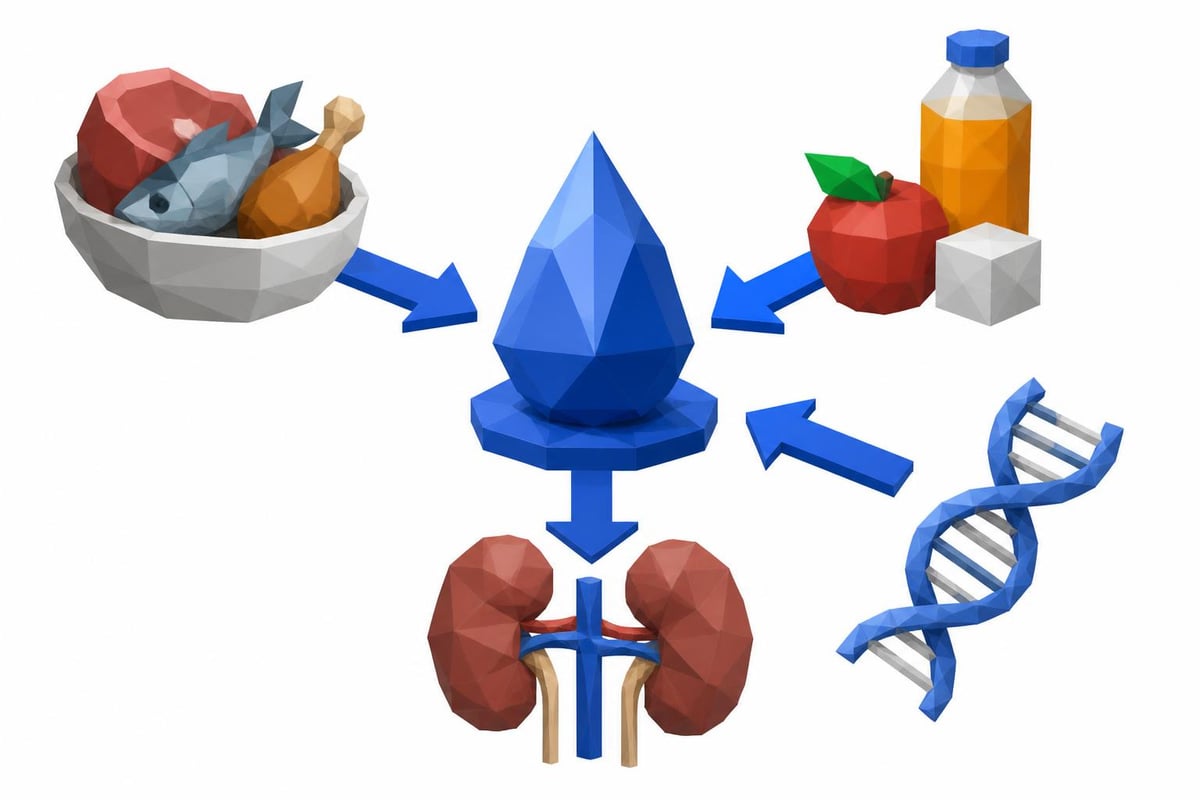
- Genetic factors affecting uric acid production and excretion
- Dietary habits influencing purine intake and fructose consumption
- Medication use that may increase or decrease levels
- Hydration status affecting concentration
Working with healthcare providers to identify your personal optimal range represents a more nuanced approach than simply staying within standard reference ranges.
Who Should Monitor Uric Acid Levels
While uric acid testing has traditionally been reserved for gout diagnosis, expanding awareness of its broader health implications suggests wider testing could benefit many individuals.
High-Priority Groups
Certain populations should prioritize regular uric acid monitoring:
- Individuals with family history of gout or cardiovascular disease
- People with metabolic syndrome components including obesity, hypertension, or prediabetes
- Those following high-protein or high-purine diets
- Patients taking diuretics or other medications affecting uric acid levels
- Individuals with chronic kidney disease at any stage
- People experiencing unexplained joint pain or inflammation
- Those with elevated cardiovascular risk scores
Getting tested has become increasingly accessible. Services offering labs without insurance enable proactive health monitoring without the barriers of traditional healthcare systems.
Recommended Panel
Complete Metabolic Health Panel
Save $3.5This comprehensive panel evaluates all aspects of metabolic health: organ function, cholesterol, blood sugar, insulin resistance, and inflammation - the key drivers of chronic disease.
Includes 26 biomarkers
$50
Fasting required
Factors Influencing Uric Acid Levels
Understanding what drives uric acid levels up or down empowers individuals to make informed health decisions. Multiple factors contribute to the complex regulation of this biomarker.
Dietary Influences
Food choices significantly impact uric acid production:
- High-purine foods like organ meats, certain seafood, and red meat increase production
- Fructose consumption from soft drinks and processed foods elevates levels
- Alcohol intake, particularly beer, reduces excretion and increases production
- Vitamin C supplementation may help lower levels moderately
- Cherry consumption has shown potential benefits in some studies
Lifestyle and Metabolic Factors
Beyond diet, various lifestyle elements affect uric acid:
- Hydration status - Dehydration concentrates uric acid in blood
- Body weight - Obesity increases production and decreases excretion
- Physical activity - Intense exercise temporarily raises levels
- Stress levels - Chronic stress affects metabolic regulation
- Sleep quality - Poor sleep correlates with metabolic dysfunction
Medical Conditions
Several health conditions directly influence uric acid metabolism:
| Condition | Effect on Uric Acid | Mechanism |
|---|---|---|
| Kidney disease | Increases levels | Reduced excretion capacity |
| Hypothyroidism | Increases levels | Slower metabolism |
| Psoriasis | Increases levels | Rapid cell turnover |
| Hypertension | Associated elevation | Complex bidirectional relationship |
| Diabetes | Variable effects | Depends on kidney function |
Testing and Interpretation Strategies
Obtaining and understanding uric acid test results requires knowing when to test, how to interpret results, and what follow-up actions to consider.
Optimal Testing Approach
Single measurements provide limited information. A more comprehensive strategy includes:
- Baseline testing to establish your normal range
- Fasting samples for consistency, though not always required
- Repeat testing to confirm abnormal results and track trends
- Comprehensive metabolic panels to assess related markers
- Timing consideration around diet changes or medication adjustments
Modern lab testing platforms allow individuals to order tests without a doctor, facilitating more frequent monitoring for those tracking health metrics or making lifestyle changes.
Recommended Test
Uric Acid
Uric acid is a waste product from purine breakdown. Elevated levels can cause gout (painful joint inflammation) and may indicate kidney problems or increased cardiovascular risk.
Includes 1 biomarkers
$5
Beyond the Numbers
Laboratory results typically indicate whether levels fall within reference ranges, but optimal interpretation requires context:
- Trend analysis matters more than single values
- Correlation with symptoms provides clinical relevance
- Comparison with other biomarkers like creatinine, glucose, and lipids
- Consideration of medications and supplements affecting levels
- Personal health goals and risk tolerance
Resources for understanding lab results can help individuals make sense of their values and prepare informed questions for healthcare providers.
Therapeutic Approaches and Lifestyle Modifications
When uric acid levels require intervention, multiple approaches exist ranging from lifestyle modifications to medical therapy. The choice depends on severity, symptoms, and overall health status.
First-Line Lifestyle Interventions
For many individuals with modestly elevated levels, lifestyle changes prove effective:
- Reduce high-purine foods while maintaining adequate protein intake
- Limit fructose consumption from sweetened beverages and processed foods
- Increase water intake to support kidney excretion
- Maintain healthy weight through balanced nutrition and regular activity
- Moderate alcohol consumption, especially beer and spirits
- Consider specific foods like cherries, coffee, and vitamin C-rich options
Medical Management
When lifestyle changes prove insufficient or levels pose significant risk, medical interventions become necessary:
- Uric acid-lowering medications like allopurinol or febuxostat
- Medications improving excretion such as probenecid
- Treatment of underlying conditions affecting uric acid metabolism
- Management of comorbidities including hypertension and diabetes
- Regular monitoring to assess treatment effectiveness
The concept that uric acid more than just a gout marker influences treatment decisions. Healthcare providers increasingly consider cardiovascular and metabolic benefits when deciding whether to initiate uric acid-lowering therapy, even in asymptomatic individuals.
The Research Frontier
Scientific understanding of uric acid's role in health continues evolving. Recent studies examining uric acid metabolism and health outcomes reveal new connections between this biomarker and diverse conditions.
Emerging areas of investigation include:
- Cognitive function and dementia risk related to uric acid levels
- Cancer associations with both high and low levels
- Aging and longevity implications
- Genetic factors determining individual responses to uric acid
- Therapeutic targets for cardiovascular disease prevention
Research on uric acid in coronary syndromes highlights potential applications as both a biomarker for risk stratification and a therapeutic target for intervention.
The question of whether uric acid represents merely a marker of disease or an active causative agent remains under investigation. Evidence from recent literature reviews suggests that uric acid likely plays both roles depending on context, making it a valuable target for health optimization.
Key Takeaways
Understanding that uric acid more than just a gout marker opens new possibilities for proactive health management. This biomarker provides insights into cardiovascular risk, metabolic health, kidney function, and inflammatory status. Regular monitoring allows individuals to detect potential problems early and track the effectiveness of interventions.
Testing uric acid has become increasingly accessible through direct-to-consumer lab services, removing traditional barriers of insurance requirements and doctor visits. Whether you're managing existing health conditions, optimizing wellness, or simply curious about your metabolic health, uric acid testing deserves consideration as part of a comprehensive health assessment strategy.
The relationship between uric acid levels and various health outcomes emphasizes the importance of personalized medicine. What's optimal for one person may differ for another based on genetics, lifestyle, medical history, and health goals. Working with healthcare providers who understand the broader implications of uric acid beyond gout ensures you receive appropriate guidance tailored to your individual situation.
FAQ
What is considered a normal uric acid level?
Standard reference ranges typically place normal uric acid between 3.5-7.2 mg/dL for men and 2.6-6.0 mg/dL for women. However, optimal levels for cardiovascular health may be lower, with some experts suggesting targets below 5.5-6.0 mg/dL. Individual optimal ranges depend on personal health factors, risk profiles, and medical history. Consulting with healthcare providers helps determine appropriate targets for your specific situation.
Can you have high uric acid without having gout?
Absolutely. Many people maintain elevated uric acid levels for years without developing gout symptoms. This condition, called asymptomatic hyperuricemia, affects approximately 20% of adults. While these individuals don't experience joint pain, research suggests they still face increased cardiovascular and metabolic risks. This reinforces why uric acid more than just a gout marker deserves attention in comprehensive health assessments.
How quickly can lifestyle changes lower uric acid levels?
Lifestyle modifications can begin reducing uric acid levels within 2-4 weeks, with more substantial changes appearing after 2-3 months of consistent effort. The speed of reduction depends on initial levels, the extent of dietary changes, weight loss achieved, and individual metabolic factors. Regular testing every 4-8 weeks helps track progress and refine strategies. Some individuals may require medication if lifestyle changes alone prove insufficient.
Does high uric acid always require medication?
Not necessarily. Treatment decisions depend on uric acid levels, presence of symptoms, cardiovascular risk factors, and other health conditions. Individuals with asymptomatic elevation may successfully manage levels through lifestyle modifications alone. However, those with very high levels (typically above 9-10 mg/dL), recurrent gout attacks, kidney stones, or significant cardiovascular disease may benefit from medication. Healthcare providers weigh benefits against potential side effects when making recommendations.
How often should I test my uric acid levels?
Testing frequency depends on your health status and goals. Individuals with normal levels and no risk factors might test annually as part of routine health screening. Those making lifestyle changes to reduce elevated levels should test every 2-3 months to assess progress. People taking uric acid-lowering medications typically need monitoring every 3-6 months once stable. Those with complex medical conditions may require more frequent testing as determined by their healthcare team.
Recognizing that uric acid more than just a gout marker represents an important shift in preventive health care, offering insights into cardiovascular risk, metabolic function, and overall wellness that extend far beyond joint health. Regular monitoring of this often-overlooked biomarker can reveal important health trends and guide lifestyle interventions before problems develop. Justlabs makes it easy to access uric acid testing and comprehensive metabolic panels without insurance hassles or doctor appointments, delivering results in 1-3 days so you can take charge of your health with transparent pricing and convenient testing locations nationwide.