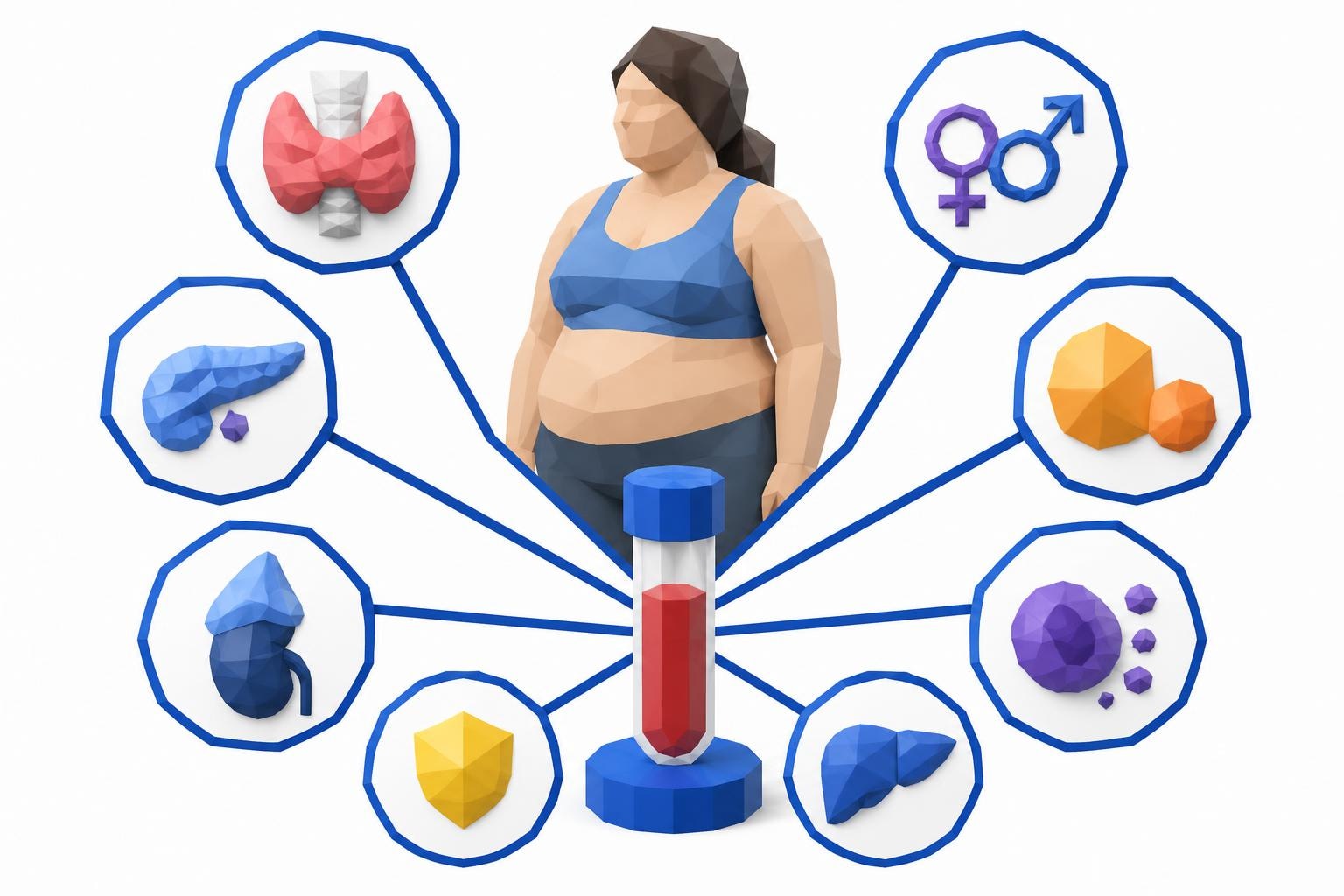
When the number on the scale keeps climbing despite your best efforts with diet and exercise, you're not imagining things. Unexplained weight gain affects millions of Americans each year, and the frustration of not understanding why your body is changing can be overwhelming. While lifestyle factors certainly play a role in weight management, underlying medical conditions often hide beneath the surface, silently disrupting your metabolism and hormonal balance. The good news is that specific blood tests can identify these hidden culprits, giving you the answers you need to address the root cause rather than just the symptoms.
Understanding Unexplained Weight Gain
Unexplained weight gain typically refers to weight increase that occurs without obvious changes in diet, exercise habits, or lifestyle factors. Medical professionals generally define it as gaining more than five pounds within six to twelve months without a clear reason.
Common characteristics of unexplained weight gain include:
- Sudden weight increase despite maintaining regular eating patterns
- Weight accumulation around specific body areas (abdomen, face, neck)
- Accompanying symptoms like fatigue, mood changes, or digestive issues
- Difficulty losing weight even with caloric restriction
The underlying health conditions that contribute to weight gain range from hormonal imbalances to metabolic disorders. Rather than guessing at the cause, targeted laboratory testing provides concrete data about what's happening inside your body.
Many people spend months or even years trying different diets and exercise programs without success, simply because they're addressing symptoms rather than causes. Blood tests eliminate this guesswork by measuring specific biomarkers that indicate metabolic dysfunction.
Test 1: Thyroid Panel (TSH, Free T4, Free T3)
Your thyroid gland serves as your body's metabolic thermostat, controlling how quickly you burn calories and use energy. When this small butterfly-shaped gland underperforms, a condition called hypothyroidism develops, and weight gain often follows.
Why Thyroid Testing Matters
A comprehensive thyroid panel measures three critical hormones:
| Test | What It Measures | Normal Range |
|---|---|---|
| TSH (Thyroid Stimulating Hormone) | Pituitary signal to thyroid | 0.4-4.0 mIU/L |
| Free T4 (Thyroxine) | Primary thyroid hormone | 0.8-1.8 ng/dL |
| Free T3 (Triiodothyronine) | Active thyroid hormone | 2.3-4.2 pg/mL |
Elevated TSH combined with low T4 and T3 indicates hypothyroidism, which slows metabolism and promotes fluid retention. According to Tampa General Hospital's research on endocrine disorders, thyroid dysfunction ranks among the most common medical causes of unexplained weight gain.
Additional symptoms suggesting thyroid issues:
- Persistent fatigue even after adequate sleep
- Cold sensitivity and difficulty staying warm
- Dry skin and brittle hair or nails
- Constipation and sluggish digestion
- Brain fog and difficulty concentrating
Some individuals have subclinical hypothyroidism, where TSH is slightly elevated but T4 remains normal. This subtle dysfunction can still impact weight, making comprehensive testing essential rather than TSH alone.
Recommended Panel
Complete Thyroid Panel
Save $3Our most comprehensive thyroid panel includes all 5 essential markers: TSH, Free T4, Free T3, Reverse T3, and both thyroid antibodies. Get the complete picture of your thyroid health.
Includes 6 biomarkers
$84
Test 2: Fasting Insulin and Glucose
Insulin resistance represents one of the most prevalent yet underdiagnosed causes of weight gain in 2026. This condition occurs when your cells become less responsive to insulin, forcing your pancreas to produce higher amounts to maintain normal blood sugar levels.
The Insulin-Weight Connection
High insulin levels actively promote fat storage, particularly around the abdomen. This creates a vicious cycle where weight gain worsens insulin resistance, which in turn promotes more weight gain.
Key tests for insulin resistance include:
- Fasting Glucose: Should be under 100 mg/dL
- Fasting Insulin: Optimal range is 2-5 μIU/mL
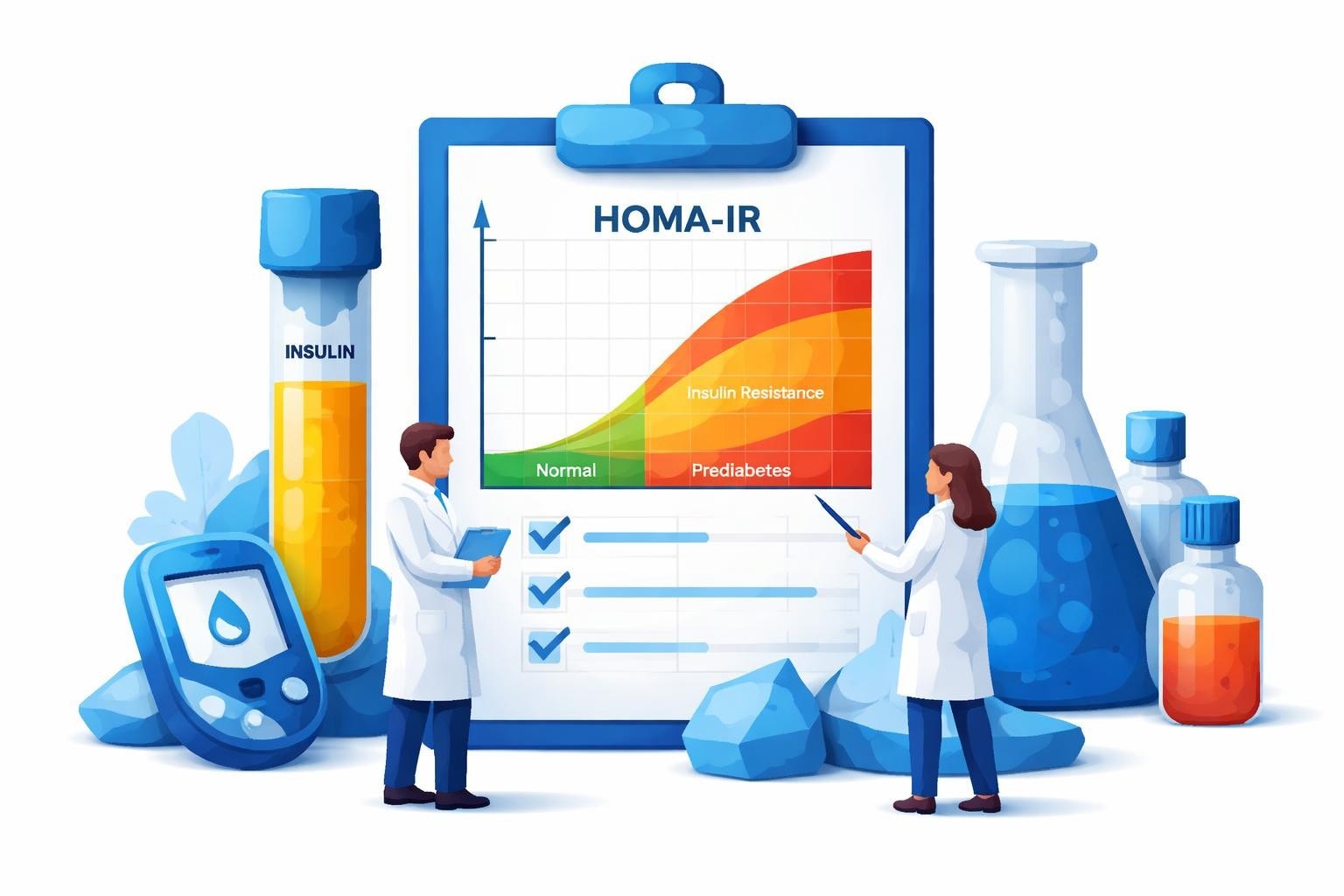
- HOMA-IR: Calculated index combining glucose and insulin (under 1.0 is ideal)
- Hemoglobin A1C: Three-month glucose average (under 5.7% is normal)
You can have normal fasting glucose while insulin levels are significantly elevated. This makes insulin testing crucial, as it detects metabolic dysfunction years before diabetes develops. The medical conditions associated with unexplained weight gain frequently involve some degree of insulin dysregulation.
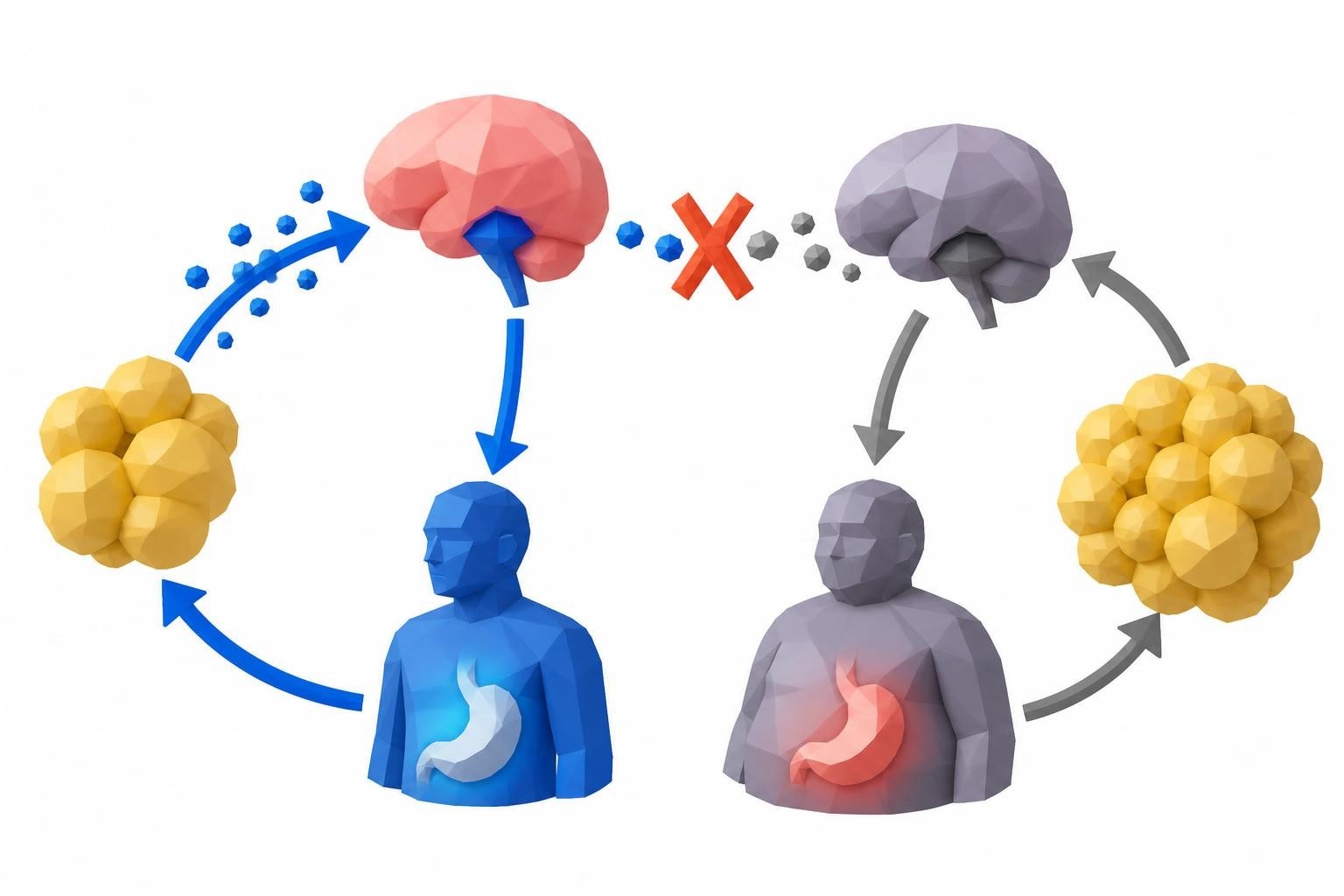
People with insulin resistance often experience intense carbohydrate cravings, energy crashes after meals, and difficulty feeling satisfied even after eating. These symptoms occur because elevated insulin interferes with hunger-regulating hormones like leptin.
Test 3: Cortisol Assessment
Cortisol, your primary stress hormone, influences weight in complex ways. Both excessively high and abnormally low cortisol levels can contribute to unexplained weight gain through different mechanisms.
Morning Cortisol Testing
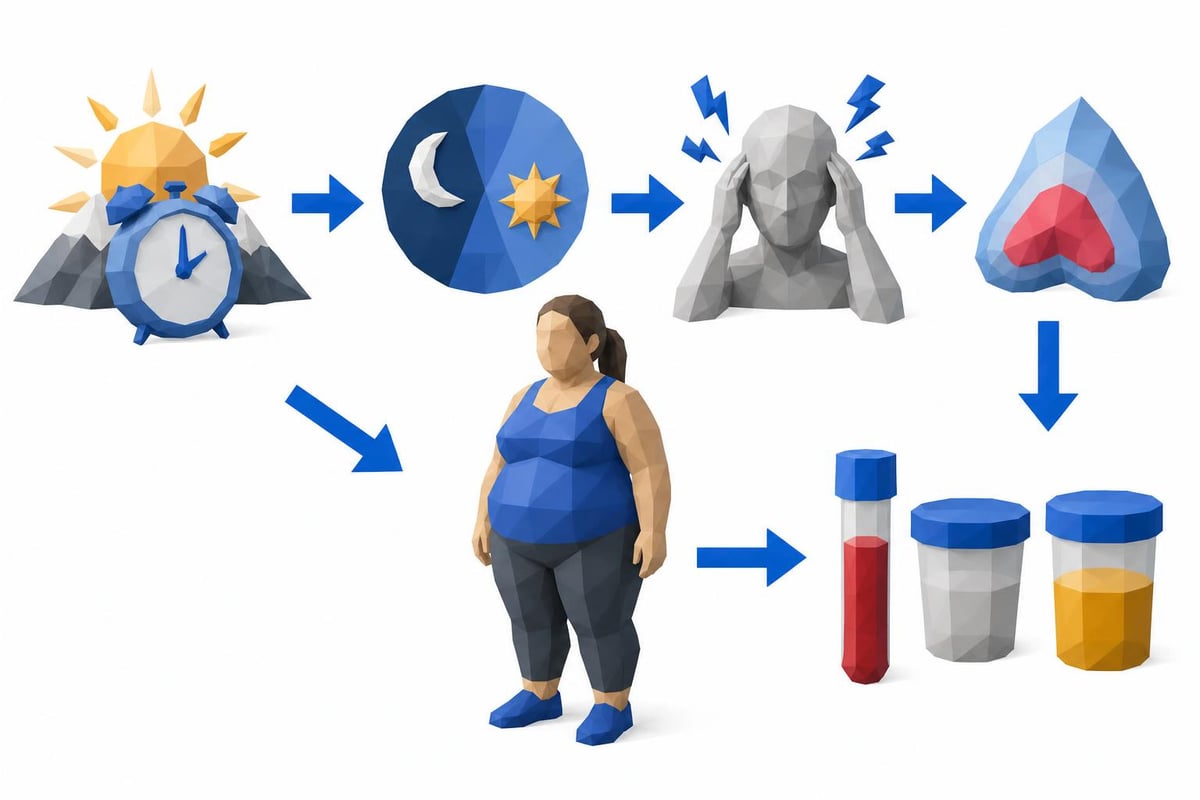
A single morning cortisol blood draw provides baseline information, but the full picture requires understanding your cortisol rhythm throughout the day.
- Morning cortisol (8 AM): Should peak between 10-20 μg/dL
- Evening cortisol: Should drop to 3-10 μg/dL
- 24-hour urinary free cortisol: Measures total daily production
Chronically elevated cortisol from stress, medication, or Cushing's syndrome promotes visceral fat accumulation, increases appetite, and impairs metabolism. This hormone also elevates blood sugar and can worsen insulin resistance.
Individuals taking corticosteroid medications like prednisone often experience rapid weight gain due to artificially elevated cortisol levels. However, chronic psychological stress can produce similar effects through sustained activation of your stress response system.
Recommended Test
Cortisol, Total
Cortisol is your body's primary stress hormone, produced by the adrenal glands. This test measures total cortisol levels to assess adrenal function and stress response.
Includes 1 biomarkers
$14.50
Test 4: Sex Hormones (Estrogen, Progesterone, Testosterone)
Hormonal balance plays a critical role in body composition and weight regulation for both women and men. Disruptions in sex hormones can trigger weight gain even when other factors remain constant.
Women's Hormone Testing
| Hormone | Function | Impact When Imbalanced |
|---|---|---|
| Estradiol | Primary estrogen | Low levels reduce metabolism; high levels cause fluid retention |
| Progesterone | Balances estrogen | Low levels allow estrogen dominance and weight gain |
| Testosterone | Maintains muscle mass | Low levels reduce metabolic rate |
Polycystic ovary syndrome (PCOS) affects approximately 10% of women and combines insulin resistance with hormonal imbalances, making weight gain particularly resistant to conventional diet and exercise approaches.
Men's Hormone Testing
Low testosterone in men correlates strongly with increased body fat, reduced muscle mass, and slowed metabolism. Testosterone levels naturally decline with age, but significant drops can occur due to stress, poor sleep, nutritional deficiencies, or underlying health conditions.
Perimenopause and menopause create hormonal shifts that frequently trigger weight gain, particularly around the midsection. Testing provides clarity about whether hormonal changes are contributing to your symptoms.
Test 5: Vitamin D Status
Vitamin D functions more like a hormone than a traditional vitamin, influencing over 200 genes throughout your body, including those involved in metabolism and weight regulation.
The Vitamin D-Weight Relationship
Research connections between vitamin D and weight:
- Low vitamin D levels correlate with higher body fat percentages
- Deficiency impairs insulin sensitivity
- Inadequate levels may reduce leptin sensitivity (satiety hormone)
- Supplementation in deficient individuals sometimes facilitates weight loss
Optimal vitamin D levels fall between 40-60 ng/mL, yet approximately 42% of Americans are deficient. This widespread deficiency means vitamin D could be a contributing factor in many cases of unexplained weight gain.
Beyond weight, vitamin D influences bone health, immune function, and mood. Deficiency often accompanies other metabolic issues, making it an important piece of the diagnostic puzzle. When you order lab tests without visiting a doctor, vitamin D assessment should be high on your priority list.
Test 6: Complete Blood Count and Iron Panel
Anemia and iron deficiency reduce your body's ability to transport oxygen to tissues, leading to fatigue that makes physical activity difficult. This decreased activity level can contribute to gradual weight gain over time.
What These Tests Reveal
- Hemoglobin: Oxygen-carrying protein in red blood cells
- Hematocrit: Percentage of blood volume made up of red blood cells
- Ferritin: Iron storage levels
- Serum iron: Circulating iron
- TIBC (Total Iron Binding Capacity): Iron transport capacity
Low ferritin levels can exist even when hemoglobin appears normal. This subtle iron deficiency reduces energy levels and metabolic efficiency without causing obvious anemia.
Symptoms suggesting iron issues:
- Persistent exhaustion unrelieved by rest
- Difficulty maintaining exercise routines
- Pale skin or conjunctiva
- Shortness of breath with minimal exertion
- Cold hands and feet
Women with heavy menstrual periods, vegetarians, and individuals with digestive conditions face higher risks of iron deficiency. According to MedlinePlus information on unintentional weight gain, addressing underlying nutritional deficiencies often improves metabolic function.
Test 7: High-Sensitivity C-Reactive Protein (hs-CRP)
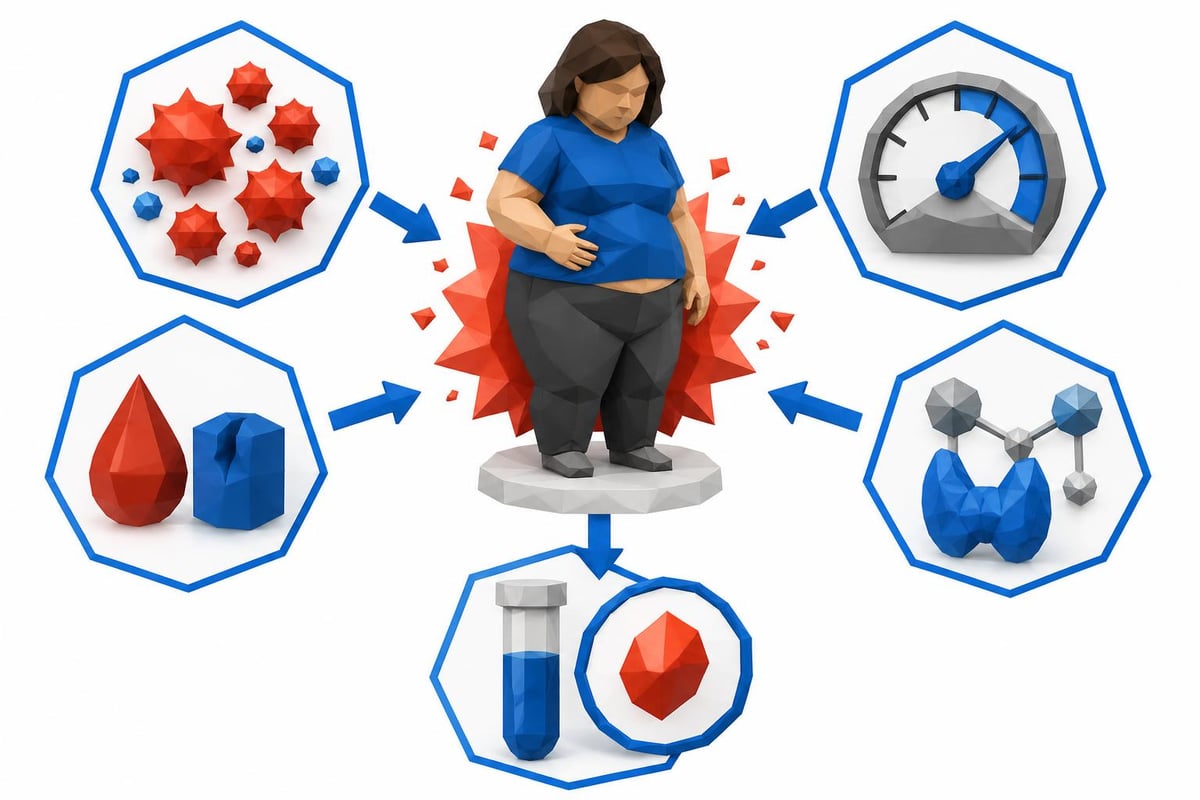
Chronic low-grade inflammation disrupts metabolic processes and promotes weight gain through multiple pathways. High-sensitivity C-reactive protein measures systemic inflammation and provides insight into this often-overlooked factor.
Inflammation and Metabolism
Elevated hs-CRP levels (above 3.0 mg/L) indicate chronic inflammation, which interferes with insulin signaling, promotes cortisol elevation, and disrupts appetite-regulating hormones. This inflammatory state makes weight loss significantly more challenging.
Sources of chronic inflammation include:
- Poor diet high in processed foods and sugar
- Chronic stress and inadequate sleep
- Underlying autoimmune conditions
- Gut dysbiosis and digestive issues
- Environmental toxins and pollutants
Inflammation also promotes fluid retention and can mask fat loss on the scale. Reducing inflammation through diet, lifestyle changes, and addressing underlying causes often facilitates weight normalization.
Taking Action on Your Test Results
Once you've identified potential causes through blood testing, working with healthcare providers to develop targeted interventions becomes possible. Different root causes require different approaches.
Next Steps After Testing
If thyroid dysfunction is identified:
- Thyroid hormone replacement therapy
- Nutritional support with selenium and zinc
- Regular monitoring to optimize medication dosing
If insulin resistance is present:
- Dietary modifications emphasizing protein and fiber
- Consistent physical activity, especially resistance training
- Potential medications like metformin when indicated
- Sleep optimization and stress management
If hormonal imbalances are discovered:
- Bioidentical hormone replacement when appropriate
- Lifestyle modifications to support hormone production
- Treatment of underlying conditions like PCOS
- Nutritional interventions targeting specific deficiencies
Understanding how lab testing works empowers you to take control of your health investigation without waiting for insurance approval or lengthy doctor appointments. The accessibility of self-directed testing in 2026 means you can pursue answers on your own timeline.
The Value of Comprehensive Testing
Single test results rarely tell the complete story. Unexplained weight gain typically involves multiple contributing factors working together to disrupt your metabolism.
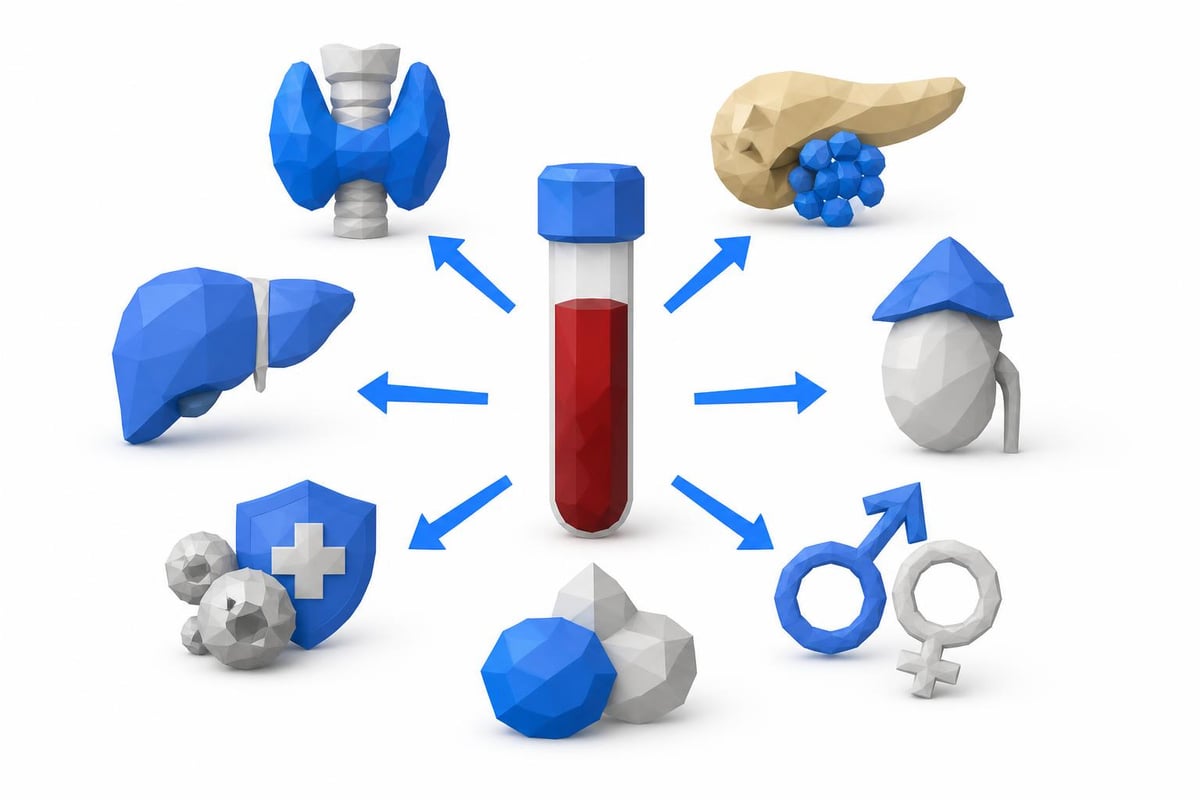
A comprehensive approach testing thyroid function, insulin metabolism, stress hormones, sex hormones, nutritional status, and inflammatory markers provides the full picture. This complete assessment allows you to address all contributing factors rather than just one piece of the puzzle.
Benefits of comprehensive testing include:
- Identifying multiple contributing factors simultaneously
- Establishing baseline values for future monitoring
- Avoiding trial-and-error approaches to treatment
- Empowering informed conversations with healthcare providers
- Tracking progress objectively over time
Many individuals discover that addressing nutritional deficiencies like vitamin D or iron significantly improves energy levels, making lifestyle changes more sustainable. Others find that thyroid optimization or hormone balancing makes weight loss possible where it was previously impossible despite their best efforts.
Recommended Panel
Complete Metabolic Health Panel
Save $3.50This comprehensive panel evaluates all aspects of metabolic health: organ function, cholesterol, blood sugar, insulin resistance, and inflammation - the key drivers of chronic disease.
Includes 26 biomarkers
$50
Fasting required
The care instructions for unexplained weight gain emphasize the importance of medical evaluation to identify treatable causes rather than assuming the problem is simply calories in versus calories out.
Accessibility and Affordability of Testing
The traditional healthcare model often creates barriers to obtaining comprehensive metabolic testing. Insurance requirements, referral processes, and limited appointment availability can delay diagnosis for months.
Modern lab testing without insurance removes these obstacles, providing transparent pricing and quick results. This direct-access model means you can order comprehensive panels today and receive results within days rather than weeks.
| Traditional Testing | Direct-Access Testing |
|---|---|
| Requires doctor visit | Order online directly |
| Insurance approval needed | Transparent self-pay pricing |
| Limited test selection | Comprehensive panels available |
| 1-2 week wait for appointment | Same or next-day testing |
| Results through provider | Direct result access in 1-3 days |
Cost concerns often prevent people from pursuing thorough testing, but affordable options now exist that make comprehensive evaluation accessible to most individuals seeking answers about unexplained weight gain.
Unexplained weight gain doesn't have to remain a mystery. The seven blood tests outlined above provide concrete data about thyroid function, insulin metabolism, stress hormones, sex hormones, nutritional status, and inflammation levels that commonly contribute to weight issues. Rather than continuing to struggle without answers, targeted testing reveals the specific factors affecting your body. JustLabs makes comprehensive metabolic testing accessible and affordable, allowing you to order the panels you need online with results delivered in 1-3 days, empowering you to take the first step toward understanding and addressing your unexplained weight gain.
Related Reading

References
Park HK, Ahima RS. Endocrine disorders associated with obesity. Best Pract Res Clin Obstet Gynaecol. 2023 Aug;90:102394. doi: 10.1016/j.bpobgyn.2023.102394. PMID: 37523934. https://pubmed.ncbi.nlm.nih.gov/37523934/
Yavuz S, Salgado Nunez Del Prado S, Celi FS. Thyroid Hormone Action and Energy Expenditure. J Endocr Soc. 2019 Jul 1;3(7):1345-1356. doi: 10.1210/js.2018-00423. PMID: 31286098. https://pubmed.ncbi.nlm.nih.gov/31286098/
Reincke M, Fleseriu M. Cushing Syndrome: A Review. JAMA. 2023 Jul 11;330(2):170-181. doi: 10.1001/jama.2023.11305. PMID: 37432427. https://pubmed.ncbi.nlm.nih.gov/37432427/
Samuel VT, Shulman GI. The pathogenesis of insulin resistance: integrating signaling pathways and substrate flux. J Clin Invest. 2016 Jan;126(1):12-22. doi: 10.1172/JCI77812. PMID: 26727229. https://pubmed.ncbi.nlm.nih.gov/26727229/