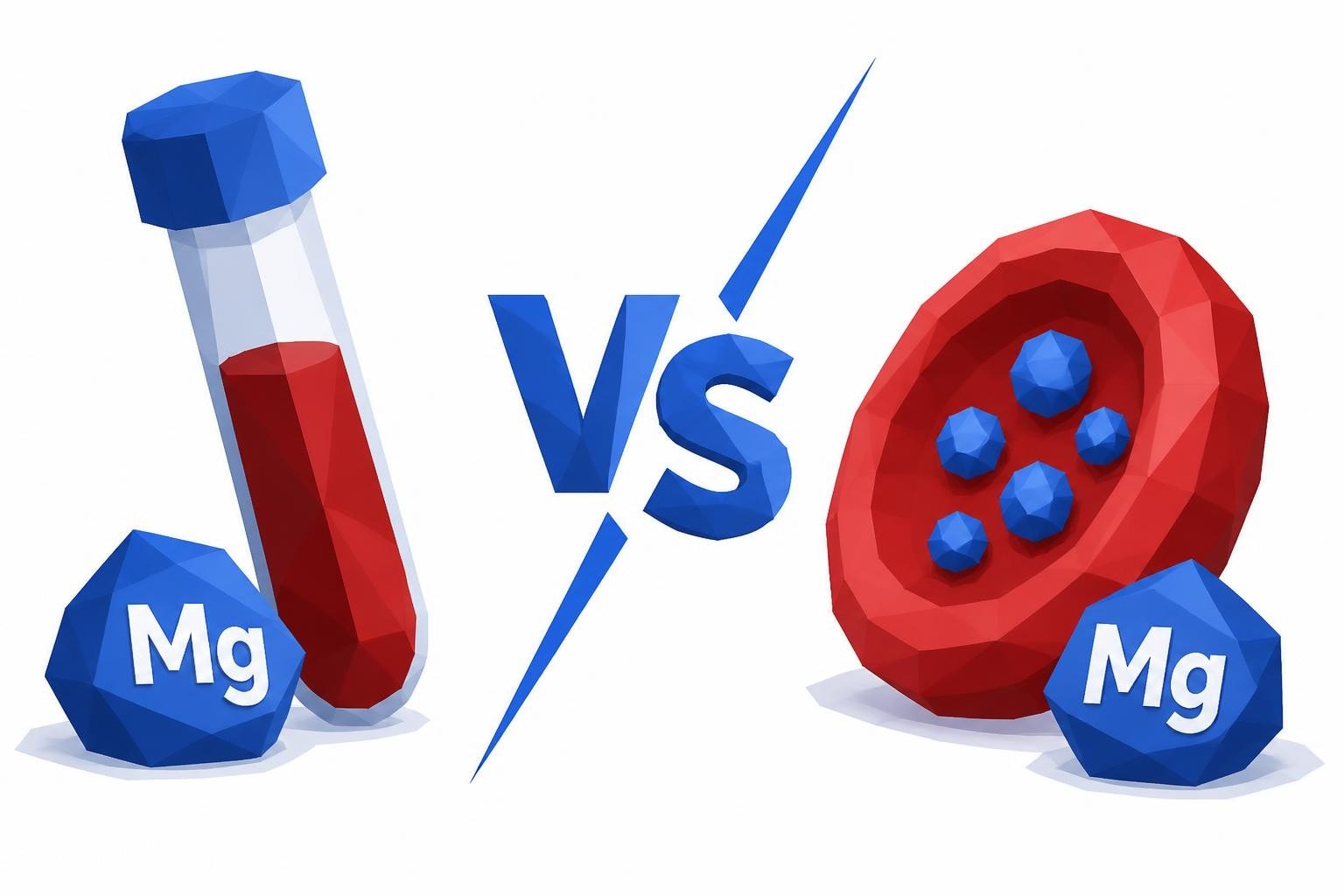
Magnesium deficiency affects millions of Americans, yet conventional testing often misses this critical mineral imbalance. When you order a magnesium test, you'll typically encounter two distinct options: serum magnesium and red blood cell (RBC) magnesium. Understanding the rbc vs serum magnesium test comparison is essential for accurate diagnosis, especially since these two tests measure magnesium in different biological compartments and can yield dramatically different results. While serum testing remains the clinical standard, mounting evidence suggests it may not capture the full picture of your magnesium status.
Understanding Magnesium Distribution in Your Body
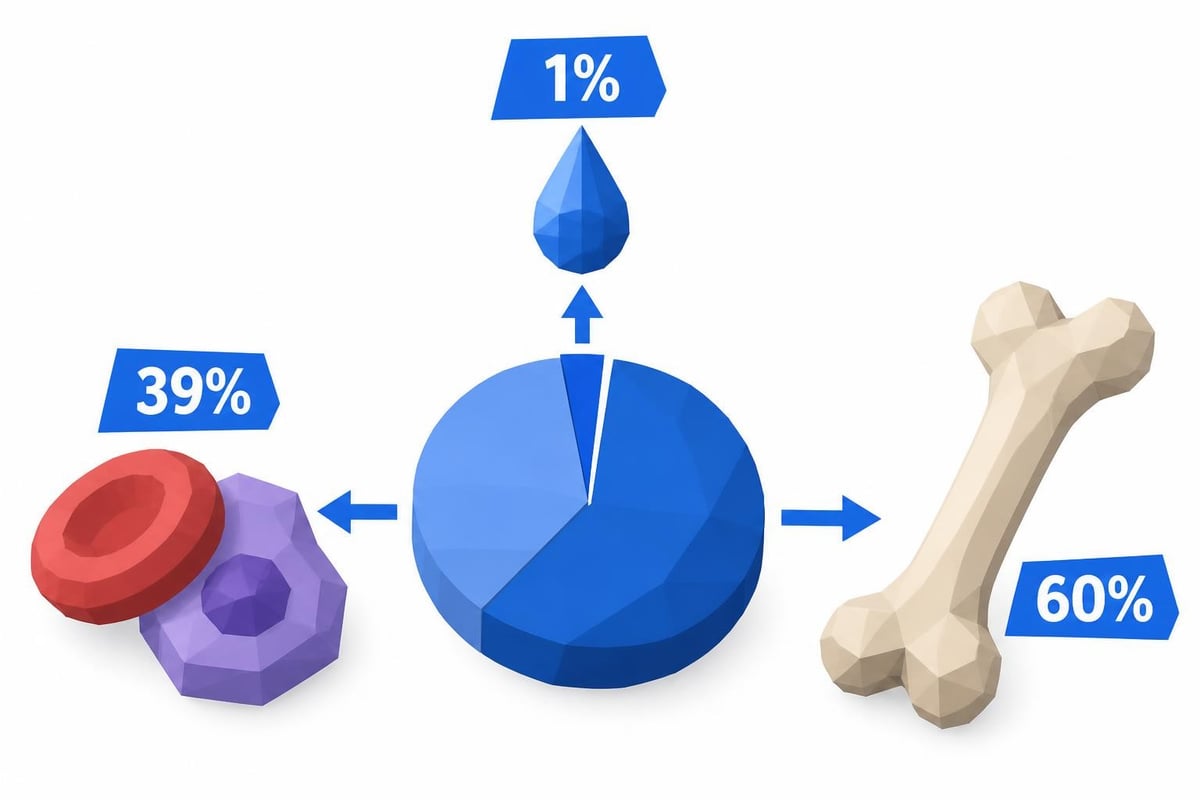
Magnesium operates across multiple biological compartments, making it challenging to assess with a single measurement. Only about 1% of total body magnesium circulates in blood serum, where tight homeostatic mechanisms maintain remarkably stable concentrations. The remaining 99% resides in bones, muscles, and soft tissues, particularly inside cells.
This distribution creates a fundamental problem for testing. Your body prioritizes serum magnesium levels to support critical functions like nerve transmission and cardiac rhythm. When dietary intake drops, your body mobilizes magnesium from bone and cellular stores to maintain normal serum concentrations. This protective mechanism means serum levels can appear normal even when tissue stores are severely depleted.
The Serum Magnesium Compartment
Serum magnesium represents the extracellular pool, which your body regulates within a narrow range. Current reference ranges typically span 1.6 to 2.6 mg/dL (0.66 to 1.07 mmol/L), though recent research suggests these thresholds may be set too low to prevent disease.
The kidneys serve as the primary regulator, adjusting magnesium excretion in response to serum levels. When serum magnesium rises, the kidneys eliminate excess. When it falls, renal reabsorption increases to conserve magnesium. This tight control means serum values remain relatively constant until deficiency becomes severe.
The Intracellular Magnesium Pool
Red blood cells contain significantly higher magnesium concentrations than serum, typically ranging from 4.0 to 6.5 mg/dL. This intracellular magnesium serves as a cofactor for hundreds of enzymatic reactions essential for energy production, protein synthesis, and DNA repair.
RBC magnesium levels change more slowly than serum, reflecting longer-term magnesium status over weeks to months. Because red blood cells have a lifespan of approximately 120 days, their magnesium content represents an integrated measure of cellular magnesium availability during that period.
Serum Magnesium Test: The Clinical Standard
The serum magnesium test measures total magnesium concentration in the liquid portion of blood after cells have been removed. Healthcare providers have relied on this test for decades due to its widespread availability, low cost, and established reference ranges.
How Serum Magnesium Testing Works
A phlebotomist draws blood into a standard collection tube, which is then centrifuged to separate serum from cellular components. Laboratory analyzers measure total magnesium using colorimetric or atomic absorption methods. Standardized analytical protocols ensure consistent results across facilities.
The test provides results quickly, typically within 24 hours. Most laboratories include serum magnesium as part of comprehensive metabolic panels, making it convenient and affordable. Through platforms like Justlabs, patients can access serum magnesium testing without insurance or physician referrals.
When Serum Magnesium Proves Useful
Serum magnesium excels at detecting:
- Acute, severe magnesium depletion
- Hypomagnesemia caused by medications (diuretics, proton pump inhibitors)
- Kidney disease affecting magnesium handling
- Acute gastrointestinal losses from diarrhea or malabsorption
- Monitoring during intravenous magnesium therapy
Medical professionals use serum values to guide emergency treatment decisions. When serum magnesium drops below 1.6 mg/dL, clinicians recognize significant deficiency requiring immediate intervention. Severely low values below 1.2 mg/dL indicate critical deficiency with cardiac and neurological risks.
Limitations of Serum Magnesium Measurement
The primary weakness of serum testing lies in its poor sensitivity for chronic, subclinical deficiency. Research on magnesium biomarkers demonstrates that serum concentrations remain within normal ranges until tissue stores become severely depleted.
| Limitation | Clinical Impact |
|---|---|
| Homeostatic regulation | Masks early deficiency by drawing from tissue stores |
| Low sensitivity | Up to 50% of deficient patients show normal serum levels |
| Acute fluctuations | Can vary with recent meals, stress, or exercise |
| Does not reflect intracellular status | Poor correlation with tissue magnesium content |
Studies examining patients with documented deficiency symptoms found that 40-60% maintained normal serum magnesium levels. This phenomenon occurs because homeostatic mechanisms sacrifice tissue stores to preserve serum concentrations, potentially for months or years before serum values finally drop.
RBC Magnesium Test: Measuring Cellular Status
The RBC magnesium test analyzes magnesium content within red blood cells, providing insight into intracellular magnesium status. Proponents argue this test better reflects tissue magnesium stores and identifies deficiency missed by serum testing.
RBC Magnesium Testing Methodology
Laboratory technicians isolate red blood cells from whole blood, then lyse the cells to release their contents. Magnesium concentration is measured and reported per volume of packed red blood cells, typically in mg/dL with reference ranges from 4.0 to 6.5 mg/dL.
The test requires specialized handling to prevent hemolysis during collection and processing. Contamination with serum can artificially lower results, while excessive hemolysis may elevate them. These technical considerations demand rigorous quality control.
Advantages of RBC Magnesium Testing
RBC magnesium testing offers several theoretical advantages over serum measurement. Because intracellular magnesium concentrations exceed serum levels by threefold to fivefold, the test provides a larger dynamic range for detecting variations.
Key benefits include:
- Earlier detection of chronic magnesium depletion before serum drops
- Better correlation with tissue magnesium stores in muscle and bone
- Reduced interference from acute dietary intake or renal regulation
- Functional assessment of magnesium available for cellular metabolism
- Longitudinal tracking reflecting 3-4 months of magnesium status
Patients with chronic conditions like diabetes, hypertension, or migraines often show low RBC magnesium despite normal serum levels. In these cases, the rbc vs serum magnesium test comparison reveals discordance that suggests tissue depletion.

Challenges and Controversies
Despite its apparent advantages, RBC magnesium testing faces significant limitations. Standardization remains problematic, with different laboratories using varying methodologies and reference ranges. This inconsistency complicates result interpretation and clinical decision-making.
The test also shows greater variability than serum measurement. Red blood cell magnesium concentrations can fluctuate based on cell age, hemolysis, and analytical technique. Some studies report coefficients of variation exceeding 10%, compared to 3-5% for serum magnesium.
Evidence supporting RBC magnesium's clinical utility remains limited. While theoretical arguments favor cellular measurement, large-scale clinical trials demonstrating superior diagnostic performance are scarce. Most clinical guidelines for magnesium deficiency detection still recommend serum testing as the initial approach.
Direct Comparison: RBC vs Serum Magnesium Test
Understanding the practical differences between these two tests helps determine which best serves your diagnostic needs. The rbc vs serum magnesium test decision depends on your symptoms, risk factors, and whether you're screening for deficiency or monitoring treatment.
Side-by-Side Test Comparison
Recommended Test
Magnesium, Serum
Serum magnesium measures the level of magnesium in your blood. While useful for detecting severe deficiency, it may not reflect your true magnesium status since most magnesium is stored in cells and bones.
Includes 1 biomarkers
$7
Recommended Test
Magnesium, RBC
RBC (red blood cell) magnesium measures magnesium inside your cells, providing a more accurate assessment of your true magnesium status than standard serum magnesium tests.
Includes 1 biomarkers
$15
| Feature | Serum Magnesium | RBC Magnesium |
|---|---|---|
| What it measures | Extracellular magnesium in blood plasma | Intracellular magnesium in red blood cells |
| Reference range | 1.6-2.6 mg/dL (0.66-1.07 mmol/L) | 4.0-6.5 mg/dL |
| Reflects status over | Hours to days | Weeks to months (3-4 months) |
| Sensitivity for chronic deficiency | Low to moderate | Moderate to high |
| Regulatory mechanisms | Tightly regulated by kidneys | Less tightly regulated |
| Best for detecting | Severe, acute deficiency | Chronic, subclinical deficiency |
| Standardization | Excellent across labs | Variable between labs |
| Cost | Lower ($15-30) | Higher ($50-150) |
| Clinical acceptance | Universal standard | Emerging, not universally accepted |
When to Choose Serum Magnesium
Serum magnesium testing serves as the appropriate first-line test for most clinical scenarios. Order serum magnesium when you need to:
- Screen for magnesium deficiency in high-risk populations
- Evaluate acute symptoms like muscle cramps, tremors, or cardiac arrhythmias
- Monitor patients taking medications that deplete magnesium
- Assess severe gastrointestinal or renal losses
- Guide emergency or inpatient treatment decisions
The test's widespread availability and acceptance make it practical for initial assessment. Understanding lab test pricing helps you access affordable serum magnesium testing without insurance complications.
When to Choose RBC Magnesium
Consider RBC magnesium testing in specific situations where serum testing may prove inadequate. This test makes sense when:
- Normal serum magnesium conflicts with clear deficiency symptoms (chronic fatigue, persistent muscle spasms, migraines)
- You have chronic conditions associated with magnesium depletion (type 2 diabetes, metabolic syndrome)
- Previous serum testing showed borderline-low results requiring clarification
- You're monitoring long-term magnesium supplementation effectiveness
- You want to assess tissue magnesium stores before beginning aggressive supplementation
Patients pursuing lab testing without insurance should weigh the higher cost of RBC testing against its potential to reveal hidden deficiency. The additional expense may prove worthwhile if serum results seem inconsistent with symptoms.
Interpreting Results and Clinical Significance
Understanding what your test results mean requires context beyond simply comparing values to reference ranges. Research on interpreting magnesium status emphasizes that "normal" ranges may not represent optimal levels for health.
Serum Magnesium Result Interpretation
Traditional reference ranges classify serum magnesium below 1.6 mg/dL as deficient. However, newer evidence suggests that optimal health requires levels at or above 2.07 mg/dL (0.85 mmol/L). Values in the 1.6-2.0 mg/dL range may represent subclinical insufficiency.
Serum magnesium categories:
- Severe deficiency: <1.2 mg/dL (requires urgent treatment)
- Moderate deficiency: 1.2-1.6 mg/dL (clinical symptoms likely)
- Insufficient: 1.6-2.0 mg/dL (may benefit from supplementation)
- Adequate: 2.0-2.6 mg/dL (optimal range)
- Elevated: >2.6 mg/dL (investigate kidney function)
Symptoms rarely appear until serum magnesium drops below 1.4 mg/dL, though subtle signs may emerge at higher levels. When evaluating results, consider concurrent calcium and potassium and vitamin D status, as these nutrients interact with magnesium metabolism.
RBC Magnesium Result Interpretation
RBC magnesium interpretation proves more challenging due to variable reference ranges across laboratories. Most labs use 4.0-6.5 mg/dL, but some report different units or ranges entirely.
Values below 4.0 mg/dL suggest intracellular magnesium depletion. Unlike serum testing, no emergency threshold exists for RBC magnesium since it reflects chronic rather than acute status. Results in the lower half of the reference range (4.0-5.0 mg/dL) may indicate suboptimal cellular magnesium despite falling within "normal" limits.
Clinical updates on hypomagnesemia recommend correlating RBC results with clinical symptoms, dietary intake assessment, and response to supplementation trials rather than relying solely on numerical thresholds.
Discordant Results: When Tests Disagree
The most clinically interesting scenario occurs when serum and RBC magnesium tests yield contradictory results. Approximately 20-40% of patients show this pattern, typically with normal serum but low RBC magnesium.
This discordance suggests chronic tissue depletion with compensatory mechanisms still maintaining serum homeostasis. Your body has successfully defended serum concentrations by mobilizing magnesium from cells and bone, but cellular function may already be compromised.
Less commonly, low serum with normal RBC magnesium may indicate acute magnesium wasting that hasn't yet depleted cellular stores. This pattern can occur with recent medication changes or acute illness affecting renal magnesium handling.
Testing Access and Practical Considerations
Obtaining magnesium testing has become increasingly accessible, particularly through direct-to-consumer laboratory services. The rbc vs serum magnesium test decision involves not just clinical factors but also practical considerations like availability, cost, and turnaround time.
Ordering Tests Without Insurance or Referrals
Traditional healthcare requires physician orders for laboratory testing, creating barriers for patients seeking to monitor their own health. Services offering lab tests without requiring doctor visits eliminate these obstacles, providing direct access to both serum and RBC magnesium testing.
Self-pay testing offers several advantages:
- Transparent pricing without insurance complications or surprise bills
- No referral required from physicians who may dismiss subtle symptoms
- Faster results without waiting for appointment scheduling
- Privacy for health information you prefer to keep confidential
- Convenience with multiple testing locations and online ordering
When comparing costs, serum magnesium typically ranges from $15-30 through direct-pay services, while RBC magnesium costs $50-150. Our breakdown of what a magnesium test costs compares self-pay and insurance pricing in more detail. These prices often prove lower than insurance copays and eliminate deductible concerns.
Preparing for Your Magnesium Test
Both serum and RBC magnesium tests require minimal preparation. Most laboratories recommend fasting for 8-12 hours before collection to reduce dietary interference, though this requirement varies by facility.
Pre-test considerations:
- Avoid magnesium supplements for 24 hours before testing
- Maintain normal hydration (dehydration can falsely elevate results)
- Schedule morning collection when possible for consistency
- Inform the phlebotomist if you've had recent intravenous fluids or magnesium
- Continue regular medications unless instructed otherwise
Blood draw procedures are identical for both tests, requiring only a single venipuncture. Some laboratories can perform both serum and RBC magnesium from the same blood sample, making simultaneous testing convenient if you want comprehensive assessment.
Understanding Results Timeline
Serum magnesium results typically return within 24-48 hours through most laboratory networks. RBC magnesium may require 2-5 business days since fewer laboratories offer this specialized test. When you explore available tests, turnaround times are clearly specified.
Results arrive through secure patient portals, often with reference ranges and basic interpretation guidance. However, understanding the nuances of magnesium testing benefits from additional research or consultation with healthcare providers knowledgeable about functional medicine and nutrition.
Beyond Testing: The Complete Magnesium Assessment
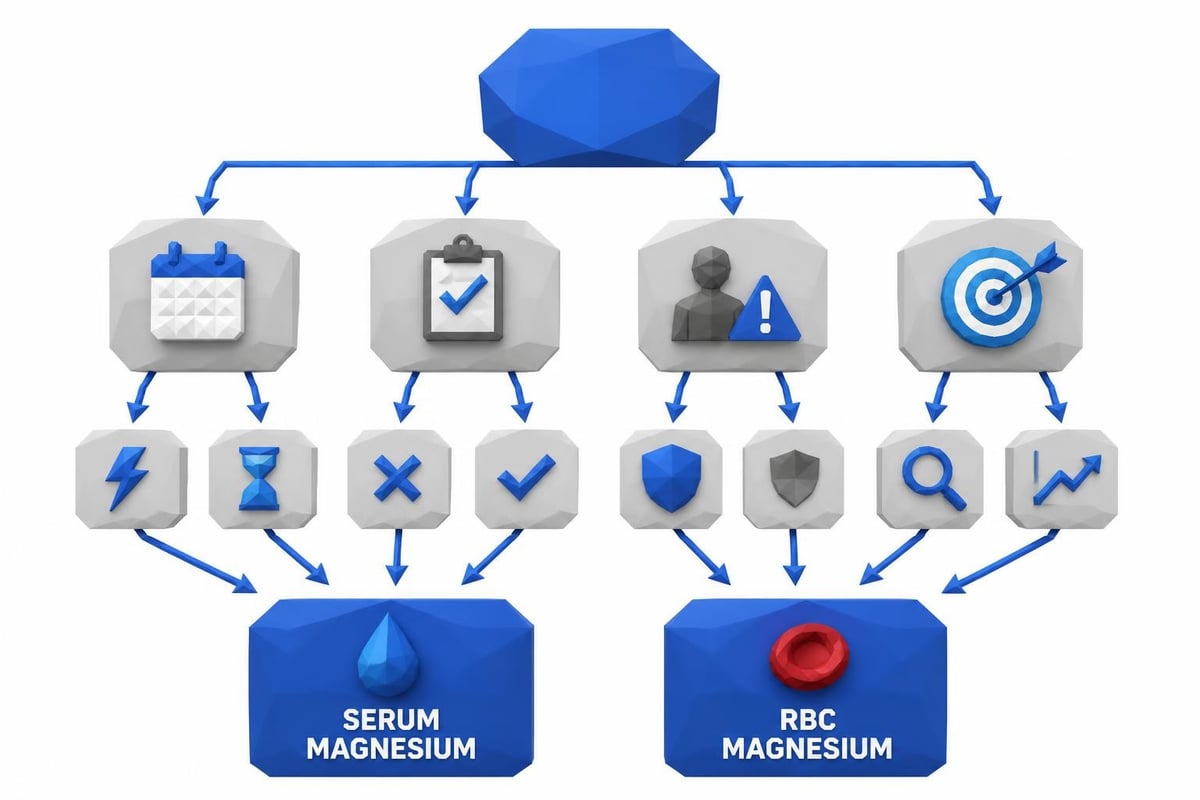
While laboratory testing provides objective data, comprehensive magnesium assessment incorporates multiple factors beyond blood values. The rbc vs serum magnesium test comparison represents just one piece of a larger diagnostic puzzle.
Clinical Signs and Symptoms
Magnesium deficiency manifests through diverse symptoms affecting multiple body systems. Common presentations include:
- Muscle cramps, spasms, or twitching (particularly legs and feet)
- Chronic fatigue and weakness
- Migraine headaches
- Anxiety, irritability, or mood changes
- Irregular heartbeat or palpitations
- Insomnia or poor sleep quality
- Constipation
- High blood pressure
None of these symptoms is specific to magnesium deficiency, but their combination with risk factors and low test results strengthens diagnostic confidence.
Risk Factor Assessment
Certain populations face elevated deficiency risk regardless of test results. High-risk groups include:
| Risk Factor | Mechanism |
|---|---|
| Diabetes | Increased urinary magnesium losses |
| Chronic alcohol use | Reduced absorption, increased excretion |
| Gastrointestinal disorders | Malabsorption (Crohn's, celiac disease) |
| Proton pump inhibitor use | Impaired intestinal absorption |
| Diuretic medications | Increased renal magnesium wasting |
| Advanced age | Reduced absorption, increased requirements |
| Poor dietary intake | Inadequate magnesium consumption |
If you belong to multiple risk categories, consider RBC magnesium testing even if serum results appear normal, since you're more likely to have tissue depletion despite preserved serum concentrations. Because the same conditions that waste magnesium also deplete other nutrients, a broader micronutrient screen is often the more efficient starting point.
Recommended Panel
Vitamin & Mineral Panel
Save $5This panel tests the most commonly deficient nutrients: Vitamin D, B12, Folate, Iron (with complete iron studies), Ferritin, and Magnesium - the building blocks your body needs to function optimally.
Includes 9 biomarkers
$64
Fasting required
Dietary Intake Evaluation
Assessing dietary magnesium intake provides context for test interpretation. The recommended dietary allowance ranges from 310-420 mg daily depending on age and gender, yet surveys show most Americans consume only 50-60% of this amount.
Magnesium-rich foods include:
- Dark leafy greens (spinach, Swiss chard)
- Nuts and seeds (almonds, pumpkin seeds)
- Legumes (black beans, chickpeas)
- Whole grains (brown rice, quinoa)
- Dark chocolate (70% cacao or higher)
- Avocados
- Fatty fish (salmon, mackerel)
If dietary analysis reveals intake below 300 mg daily combined with borderline test results, increasing magnesium-rich foods or supplementation becomes reasonable even without definitive laboratory evidence of deficiency.
Response to Supplementation
A therapeutic trial of magnesium supplementation serves as a functional test. If symptoms improve significantly within 4-8 weeks of adequate supplementation (300-400 mg elemental magnesium daily), this response supports the diagnosis regardless of laboratory values.
Document baseline symptoms before supplementation, then reassess after 2 months. Repeat RBC magnesium testing after 3-4 months allows verification that supplementation is effectively replenishing cellular stores.
Choosing Your Testing Strategy
The optimal approach to magnesium testing depends on your individual circumstances. Rather than viewing the rbc vs serum magnesium test as an either/or decision, consider how each fits into a comprehensive assessment strategy.
Sequential Testing Approach
For most patients, starting with serum magnesium makes practical sense. If serum results show clear deficiency, begin treatment immediately. If serum magnesium appears normal but symptoms persist, proceed to RBC testing to evaluate cellular stores.
This stepwise approach minimizes cost while ensuring appropriate diagnosis. Only about 20-30% of patients require RBC testing under this protocol, as many will show definitive results on initial serum measurement.
Simultaneous Testing Approach
Patients with high clinical suspicion for deficiency despite prior normal serum results may benefit from ordering both tests simultaneously. This strategy provides immediate comprehensive assessment without delays from sequential ordering.
Simultaneous testing proves particularly valuable when:
- Previous serum testing was borderline (1.6-1.9 mg/dL)
- Symptoms are severe and affecting quality of life
- Multiple risk factors suggest high probability of tissue depletion
- You're initiating aggressive supplementation and want baseline data
While more expensive initially, concurrent testing avoids multiple blood draws and provides complete information for treatment planning.
Monitoring Strategy
After identifying deficiency and beginning treatment, periodic retesting helps verify adequacy of intervention. Serum magnesium responds quickly to supplementation, often normalizing within 2-4 weeks. RBC magnesium changes more slowly, requiring 3-4 months to reflect improved cellular status.
Consider retesting serum magnesium after 4-6 weeks of supplementation, then RBC magnesium at 3-4 months. This timeline allows both compartments adequate time to respond to treatment while preventing unnecessary testing.
Related reading


Understanding the rbc vs serum magnesium test differences empowers you to make informed decisions about assessing your magnesium status. Serum testing offers a reliable, cost-effective screening tool for acute deficiency, while RBC testing provides insight into chronic tissue depletion that serum values may miss. When you're ready to take control of your health with accessible, affordable testing, Justlabs offers both serum and RBC magnesium tests with transparent pricing, no insurance hassles, and results delivered in 1-3 days-giving you the data you need to optimize your magnesium status and overall wellness.
References
de Baaij JH, Hoenderop JG, Bindels RJ. Magnesium in man: implications for health and disease. Physiol Rev. 2015 Jan;95(1):1-46. doi: 10.1152/physrev.00012.2014. PMID: 25540137. https://pubmed.ncbi.nlm.nih.gov/25540137/
Rondón LJ, Marín R. Biomarkers for assessing magnesium status. Adv Clin Chem. 2026;134:201-230. doi: 10.1016/bs.acc.2026.03.006. PMID: 42336500. https://pubmed.ncbi.nlm.nih.gov/42336500/
Costello RB, Nielsen F. Interpreting magnesium status to enhance clinical care: key indicators. Curr Opin Clin Nutr Metab Care. 2017 Nov;20(6):504-511. doi: 10.1097/MCO.0000000000000410. PMID: 28806179. https://pubmed.ncbi.nlm.nih.gov/28806179/
Weisser H, Kisters K, Vormann J, von Ehrlich B, Micke O. Serum magnesium concentration: time for a standardised and evidence-based reference range. Magnes Res. 2024 Nov 1;38(2):41-44. doi: 10.1684/mrh.2025.0548. PMID: 41003542. https://pubmed.ncbi.nlm.nih.gov/41003542/
DiNicolantonio JJ, O'Keefe JH, Wilson W. Subclinical magnesium deficiency: a principal driver of cardiovascular disease and a public health crisis. Open Heart. 2018;5(1):e000668. doi: 10.1136/openhrt-2017-000668. PMID: 29387426. https://pubmed.ncbi.nlm.nih.gov/29387426/
Piuri G, Zocchi M, Della Porta M, Ficara V, Manoni M, Zuccotti GV, Pinotti L, Maier JA, Cazzola R. Magnesium in Obesity, Metabolic Syndrome, and Type 2 Diabetes. Nutrients. 2021 Jan 22;13(2). doi: 10.3390/nu13020320. PMID: 33499378. https://pubmed.ncbi.nlm.nih.gov/33499378/