Trying to figure out your magnesium test cost can feel overwhelming. Many patients are left wondering why prices seem to change from one provider to another, or why insurance does not always mean lower bills. This uncertainty can add stress to an already confusing healthcare experience.
This guide is designed to give you clear answers about magnesium test cost in 2026. You will learn what a magnesium blood test is, why it is often ordered, typical price ranges, and what factors influence the amount you pay. We will also compare self-pay and insurance options, plus show you how to find affordable testing.
With the right information, you can make smart choices about your health and your wallet. Discover how transparent pricing, like that offered by self-pay options such as JustLabs, can help you avoid surprises and get the care you need.
Understanding the Magnesium Test: What It Is and Why It’s Ordered
Trying to understand what a magnesium blood test involves, when you might need one, and how it ties into the magnesium test cost can feel overwhelming. By breaking down the essentials, you can make informed decisions about your health and your wallet.

What Is a Magnesium Test?
A magnesium test measures the amount of magnesium in your blood serum. A second version measures magnesium inside your red blood cells instead, and the two can disagree — our comparison of serum vs. RBC magnesium testing explains which one fits your situation and why the prices differ. Magnesium is a vital mineral that supports heart rhythm, nerve function, muscle contraction, bone strength, and immune health. Doctors often order this test if you show symptoms that may relate to a magnesium imbalance, such as muscle cramps, weakness, irregular heartbeat, or confusion.
Common reasons for testing include ongoing conditions like kidney disease or diabetes, as well as unexplained fatigue. The process is straightforward: a healthcare professional draws a small blood sample, typically from your arm. For those with chronic health issues, your provider may recommend magnesium testing several times a year. If you want a deeper explanation of the procedure, the Magnesium Blood Test Overview offers a helpful summary.
When Is a Magnesium Test Recommended?
Understanding when a doctor might suggest this test is important for managing magnesium test cost expectations. Medical scenarios often include suspected electrolyte imbalances, chronic kidney disease, diabetes management, or monitoring certain heart conditions.
Some medications—like diuretics, proton pump inhibitors, or chemotherapy drugs—can affect magnesium levels, making regular monitoring necessary. Preventive testing is sometimes advised for those at risk, while diagnostic testing is used to investigate specific symptoms or complications.
What Does the Test Involve?
Knowing what happens during a magnesium test can help reduce anxiety and clarify the magnesium test cost breakdown. Your doctor or lab will order the test, and you’ll visit a blood draw site. A quick needle stick, a few minutes of your time, and your sample goes to the lab for analysis.
Most patients describe minimal discomfort, just a pinch during the blood draw. Results are typically ready within one to three days. Unless your provider instructs otherwise, there’s usually no special preparation—though you should confirm any fasting or medication instructions beforehand.
Why Accurate Magnesium Levels Matter
Accurate results are crucial, since both low and high magnesium can lead to serious health issues. Low levels may cause muscle spasms, seizures, or abnormal heart rhythms. High levels could result in weakness, breathing difficulties, or even cardiac arrest.
Your magnesium test cost is an investment in actionable health information. Test results help your doctor fine-tune treatments, adjust medications, or recommend dietary changes. For those with ongoing conditions, regular monitoring supports long-term care planning and peace of mind.
How Much Does a Magnesium Test Cost in 2026?
Trying to understand the magnesium test cost in 2026 can feel overwhelming. Prices can change depending on where you go, how you pay, and even how quickly you need results. This section breaks down what you can expect to pay, what influences the cost, and how to compare options with confidence.

Typical Price Range for Self-Pay Patients
If you are paying out of pocket, the magnesium test cost can vary widely. On a national scale, prices typically range from $8 to $151, with most independent labs offering tests at the lower end and hospital labs charging more. This range reflects differences in location, provider type, and what is included in the fee. For more details and real-time averages, you can check the Magnesium Test Cost Range page. Usually, the price covers the lab fee and blood draw, but always confirm before booking.
Factors That Influence Magnesium Test Pricing
Several factors can impact your magnesium test cost. First, your location matters, as tests in urban areas or certain states may be more expensive. Next, the type of lab—hospital-based labs tend to charge more than independent or retail chains. Additional fees may apply if your blood is drawn at a clinic rather than the main lab. Finally, urgent or "stat" orders can increase the price. Always ask providers about these influences so you know what to expect when budgeting for a magnesium test cost.
Insurance Pricing vs. Self-Pay: What’s the Real Cost?
Many assume insurance always lowers the magnesium test cost, but this is not always true. With high deductibles, coinsurance, and copays, some insured patients pay more out of pocket than self-pay patients. Insurance billing is complex and can lead to surprise bills if a test is processed out of network or not covered as expected. Checking your plan’s details and asking for the self-pay rate upfront can help you avoid unexpected magnesium test cost surprises and make informed choices.
Real-World Cost Examples by Setting
The magnesium test cost can change dramatically depending on where you go. Here’s a quick comparison:
| Setting | Typical Price Range |
|---|---|
| Hospital Outpatient | $100 – $150+ |
| Independent Lab | $15 – $40 |
| Walk-in Clinic/Urgent | $40 – $80 |
Hospitals generally have the highest prices, while independent labs usually offer the most affordable magnesium test cost. Walk-in clinics and urgent care centers fall somewhere in between. Always confirm the full price before scheduling your test.
What’s Included in the Test Price?
When considering magnesium test cost, it helps to know what the fee covers. Most prices include the blood draw (venipuncture), lab processing, and result delivery. Some providers may charge extra for administrative fees, rush processing, or delivery of results by mail. Be sure to ask if your quoted magnesium test cost is all-inclusive or if there are add-on charges. Knowing exactly what you are paying for helps you avoid unexpected expenses.
How to Compare and Shop for the Best Price
To get the best value for your magnesium test cost, compare prices before booking. Use online price tools, provider directories, and patient testimonials to find affordable options. Ask each lab for an all-in quote, including any possible fees. Many have found significant savings by choosing transparent, self-pay options. Services like JustLabs offer upfront pricing, so you know your magnesium test cost before you commit, making it easier to plan for your health needs.
Common Scenarios: Who Pays What for a Magnesium Test?
Understanding who pays what for a magnesium test cost can help you avoid surprises and plan ahead. Your out-of-pocket costs depend on your insurance status, provider, and where you get tested. Let us break down the most common scenarios so you can make the best choice for your needs.

Cash-Pay and Uninsured Patients
For self-pay and uninsured individuals, finding the lowest magnesium test cost is often a top priority. Prices vary widely, with independent labs usually charging $15 to $40, while hospitals can exceed $150. Always ask about total charges up front to avoid unexpected fees. Many labs offer payment plans or discounts for cash payments. If you want step-by-step guidance on how to get affordable testing without insurance, check out the Labs without insurance guide. Comparing prices before booking can save you significant money.
High Deductible Insurance Plan Holders
If you have a high deductible health plan, you may pay the full magnesium test cost out of pocket until your deductible is met. In this case, insurance-negotiated rates may still be higher than self-pay rates at some labs. For example, you might pay $80 at a hospital-affiliated lab, but only $30 at an independent site. To minimize expenses, ask your insurer what the contracted rate is and shop around for self-pay options. Prioritize transparency and be sure to confirm all fees before testing.
Medicare, Medicaid, and Government Insurance
Medicare, Medicaid, and other government plans generally cover magnesium testing when medically necessary. Your magnesium test cost will typically be limited to a small copay or coinsurance amount, often under $20. However, coverage may require a doctor’s order and documentation of need. Some services might not be covered if the test is considered preventive rather than diagnostic. Always check with your plan and the lab to confirm what is included and if any prior authorization is required.
Patients with Traditional Insurance
With traditional insurance, your magnesium test cost is affected by your copay, coinsurance, and whether the lab is in-network. Some plans require pre-authorization, so contact your insurer and the laboratory ahead of time. Out-of-network testing can result in higher bills, and sometimes insured patients pay more than self-pay rates due to complex billing practices. Reviewing your benefits and asking about all possible charges will help you avoid surprise bills and ensure you know what to expect.
Special Considerations for Chronic Condition Management
If you need frequent magnesium testing for chronic conditions like kidney disease, cumulative magnesium test cost can add up over time. Planning ahead is key—ask about package rates or recurring patient discounts. Some labs and self-pay options offer bundled pricing for patients requiring regular monitoring. Budgeting for ongoing expenses and tracking your results will help you manage both your health and your finances with confidence.
Step-by-Step Guide: Getting a Magnesium Test in 2026
Navigating the magnesium test cost in 2026 can feel overwhelming, but breaking it down step by step helps provide clarity. Whether you are uninsured, have a high-deductible plan, or simply want clear pricing, knowing each stage of the process is essential. This guide walks you through everything from deciding if you need testing to understanding your results, ensuring you feel confident and informed about your magnesium test cost.
Step 1: Determine If You Need a Magnesium Test
Start by discussing your symptoms or risk factors with your healthcare provider. Common reasons for ordering a magnesium blood test include muscle cramps, irregular heartbeat, or chronic conditions like diabetes or kidney disease. If you are experiencing unexplained fatigue or weakness, a test may be recommended.
Consider how the magnesium test cost fits into your overall care plan, especially if you need regular monitoring. Some patients choose to self-order if they have a history of low magnesium, but always consult a professional if unsure. Understanding the reason for testing helps you make informed decisions about your health and expenses.
Step 2: Explore Testing Options (Doctor, Lab, Online)
There are several ways to access a magnesium test in 2026. You can go the traditional route, with your doctor ordering the test at a hospital or local lab. Many patients now opt for direct-to-consumer services, which allow you to purchase tests online and visit a participating draw site. Walk-in clinics and urgent care centers also offer testing, often at mid-range prices.
If you are curious about ordering your own lab work, resources like Ordering lab tests without a doctor explain the process and requirements. Comparing these options helps you choose the most convenient path while staying aware of your magnesium test cost.
Step 3: Compare Prices and Locations
Magnesium test cost can vary significantly depending on where you go. Research local labs, clinics, and online providers to find the best price. Use online price comparison tools and provider directories to avoid hidden fees or surprise charges.
Look for all-inclusive pricing that covers the blood draw, lab analysis, and results. Some providers display transparent pricing upfront, while others may require a phone call for details. Patient reviews can also guide you to affordable, reputable testing sites. Taking time to compare ensures you get the best value for your magnesium test cost.
Step 4: Understand the Ordering and Payment Process
Once you have chosen a provider, the next step is ordering your magnesium test. This can usually be done online, by phone, or in person. Be prepared to provide basic identification and any paperwork required by the lab. Payment methods typically include credit card, cash, or health accounts like FSA or HSA.
Ask upfront about what your magnesium test cost includes, such as administrative or rush fees. Some labs offer payment plans or discounts for self-pay patients. Understanding these details helps you avoid unexpected expenses and ensures a smooth process from start to finish.
Step 5: Complete Your Blood Draw
On the day of your appointment, bring your ID, order confirmation, and any required forms. The blood draw is quick and usually takes just a few minutes. You may feel a slight pinch or brief discomfort, but the process is safe and straightforward.
Staff will label your sample and send it for analysis. The location and type of provider can impact your magnesium test cost, so confirm that all fees are included before proceeding. Knowing what to expect helps reduce anxiety and makes the experience more comfortable.
Step 6: Accessing and Understanding Your Results
Most patients receive magnesium test results within one to three days, often through a secure online portal or by email. Review your results carefully and note the reference ranges provided. If your numbers are outside the normal limits, contact your healthcare provider for guidance.
Understanding your magnesium test cost is important, but interpreting results is just as crucial for your health. Use available resources to make sense of your numbers and plan next steps. Self-pay options like JustLabs deliver transparent pricing and convenient access, making it easier to manage your magnesium testing journey.
Self-Pay Lab Testing: A Transparent, Affordable Solution
In recent years, more patients are seeking out self-pay lab options to control their magnesium test cost and avoid the confusion tied to insurance billing. With rising deductibles and unpredictable copays, many people want upfront answers on what they will pay. This shift toward direct-to-consumer testing reflects a growing demand for price transparency and convenience across the healthcare landscape.
The Rise of Direct-to-Consumer Lab Testing
Direct-to-consumer lab services have transformed how people manage their health, especially for routine blood work like magnesium testing. Patients can now compare magnesium test cost across multiple providers online, without the need for a doctor’s referral or insurance paperwork.
This model helps eliminate hidden fees and allows you to see exactly what you will pay before your blood draw. For those frustrated by surprise bills or unclear pricing, self-pay lab testing is an empowering alternative. If you want to learn more about how test pricing is determined, see How lab test pricing works for a detailed breakdown.
Benefits of Ordering Magnesium Tests Directly
Choosing a direct lab service to manage your magnesium test cost offers several benefits:
- Transparent, upfront pricing with no hidden charges
- No insurance required or waiting for approvals
- Convenient online ordering and flexible appointment scheduling
- Nationwide access to partner draw sites
Typical magnesium test cost for self-pay patients ranges from $15 to $40 at independent labs, compared to $100 or more at hospital outpatient facilities. Self-pay options make it easier to budget for your health and avoid the stress of unexpected medical expenses.
Magnesium Testing with JustLabs: Affordable, Convenient, and Fast
JustLabs makes it simple to access affordable magnesium testing with clear pricing. The magnesium test cost is posted upfront, so there are no surprise bills or complicated insurance claims. Ordering is easy: choose your test online, pay securely, and visit any of the national Quest Diagnostics locations for your blood draw.
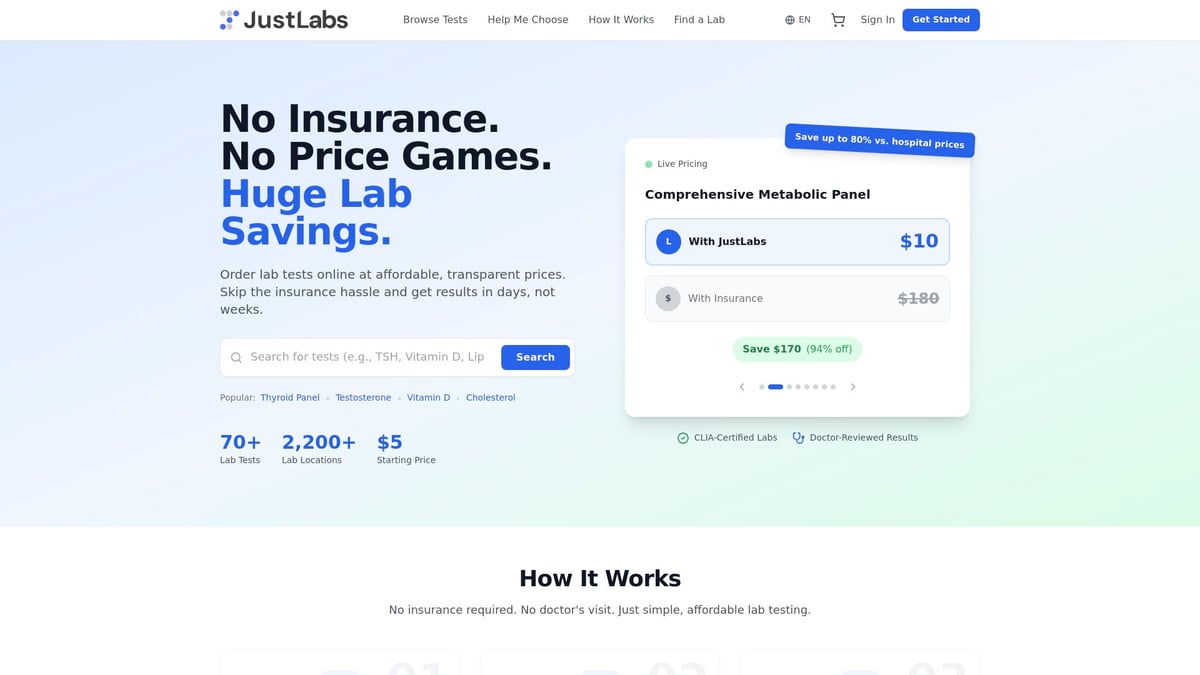
Most patients receive results within 1–3 days through a secure, HIPAA-compliant portal. JustLabs accepts FSA and HSA payments, and the process is designed for privacy and convenience. If you are searching for a reliable way to manage your magnesium test cost, JustLabs offers a stress-free solution.
What Patients Say: Real Experiences with Self-Pay Testing
Patients often report positive experiences when managing their magnesium test cost through self-pay lab services. Many appreciate the simple ordering process, quick turnaround for results, and ability to avoid the confusion of insurance billing.
One patient shared, “I saved over $100 by using a self-pay lab, and the entire process took less than a week from ordering to results.” Others highlight the peace of mind that comes from knowing exactly what they will pay. For those who value transparency and control, self-pay options are a welcome change.
What to Expect During and After Your Magnesium Test
Preparing for your magnesium blood test can help ensure you get accurate results and a smooth experience. Whether you are concerned about magnesium test cost or simply want to be prepared, a few steps can make a difference.
Preparing for Your Test
Before your appointment, verify if you need to fast or pause any medications. Most magnesium blood tests do not require fasting, but your healthcare provider may give you specific instructions based on your health needs.
Bring a government-issued ID, your insurance card (if applicable), and payment method. Staying hydrated can make the blood draw easier. Double-check the appointment details and arrive a few minutes early to allow time for check-in.
Following these steps helps ensure your magnesium test cost is clear and you avoid any unnecessary retesting due to errors. Always confirm any instructions with your provider to maximize the accuracy of your results.
The Blood Draw Experience
On test day, you will check in at the lab or clinic and be called back for your blood draw. The phlebotomist will ask you to sit comfortably, then clean your arm with an alcohol wipe. A small needle will be inserted into a vein, usually in your arm, to collect the sample.
You may feel a quick pinch or mild discomfort, but the process is brief and safe. Labs use sterile equipment and follow strict hygiene protocols to protect your health.
If you have concerns about the magnesium test cost, ask the staff to confirm all fees before your blood is drawn. This helps avoid unexpected charges and ensures you are fully informed about your visit.
After the Test: Getting and Understanding Results
Most magnesium blood test results are available within one to three days. You may receive results through a secure online portal, by email, or in person, depending on the lab’s process.
Your report will show your magnesium level and indicate whether it falls within the normal reference range. If you are unsure what your numbers mean, resources like Understanding lab test results can help you interpret your outcome and prepare questions for your provider.
Keep in mind that the magnesium test cost typically covers the blood draw, lab processing, and result delivery. Always review your results promptly to stay on top of your health.
Next Steps Based on Your Results
If your magnesium levels are outside the typical range, your healthcare provider may recommend follow-up tests or changes to your care plan. In some cases, you might need to re-test after starting supplements or adjusting medications.
Patients with chronic conditions may require regular monitoring, so tracking magnesium test cost over time is important for budgeting. Share your results with your care team and ask about the best steps for your situation.
For those seeking clarity and savings, self-pay options like JustLabs make magnesium testing straightforward with transparent, upfront pricing and no surprise bills.
Now that you understand what a magnesium test is, why it matters for your health, and how pricing works in 2026, you’re ready to take the next step with confidence. If you value transparency, convenience, and affordable self-pay options—without the hassle of insurance or surprise bills—exploring your test choices is a smart move. With Justlabs, you can quickly see upfront pricing, order online, and get results in just a few days. You deserve to make informed decisions about your care and your wallet. Ready to see your options?
Browse Tests