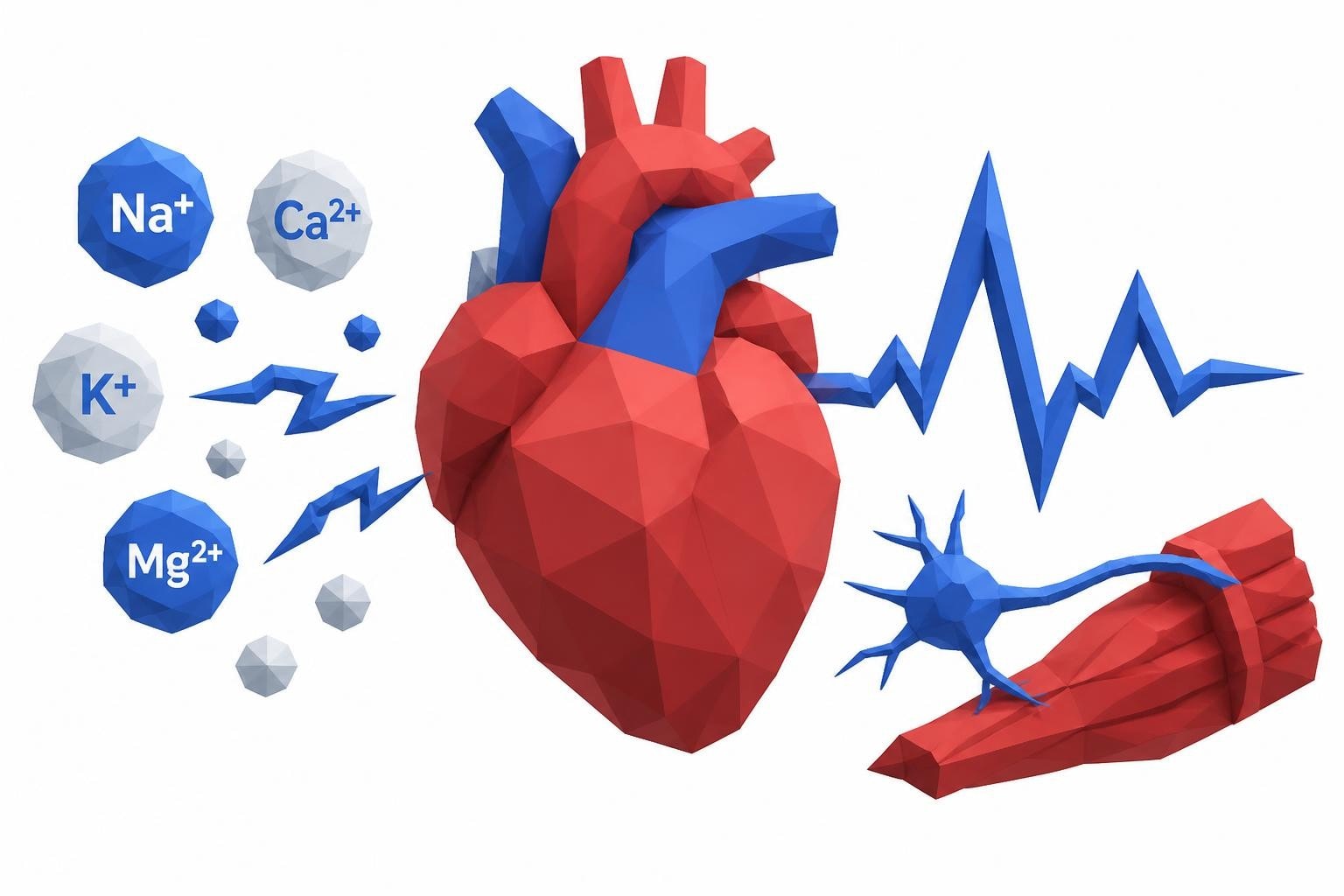
When your heart skips a beat or races unexpectedly, the culprit might be microscopic minerals flowing through your bloodstream. These essential substances, known as electrolytes, play a critical role in maintaining everything from your heartbeat to your hydration levels. Understanding how these charged particles function in your body can help you recognize warning signs of imbalance and take proactive steps to maintain optimal health.
What Are Electrolytes and Why Do They Matter
Electrolytes are minerals that carry an electrical charge when dissolved in bodily fluids like blood, urine, and sweat. These charged particles enable your body to perform countless vital functions every second of every day.
The primary electrolytes in your body include:
- Sodium - regulates fluid balance and blood pressure
- Potassium - controls heart rhythm and muscle contractions
- Calcium - supports bone health and cellular signaling
- Magnesium - manages enzyme reactions and muscle function
- Chloride - maintains acid-base balance
- Phosphate - enables energy production and bone formation
- Bicarbonate - regulates blood pH levels
According to MedlinePlus, these minerals must remain within specific concentration ranges for your body to function properly. Even slight deviations can trigger symptoms ranging from mild discomfort to life-threatening complications.
How Electrolytes Control Your Heart Rhythm
Your heart depends on precise electrical signals to maintain its steady beat. Potassium and magnesium work together to regulate the electrical impulses that coordinate each heartbeat, while calcium triggers the muscle contractions that pump blood throughout your body.
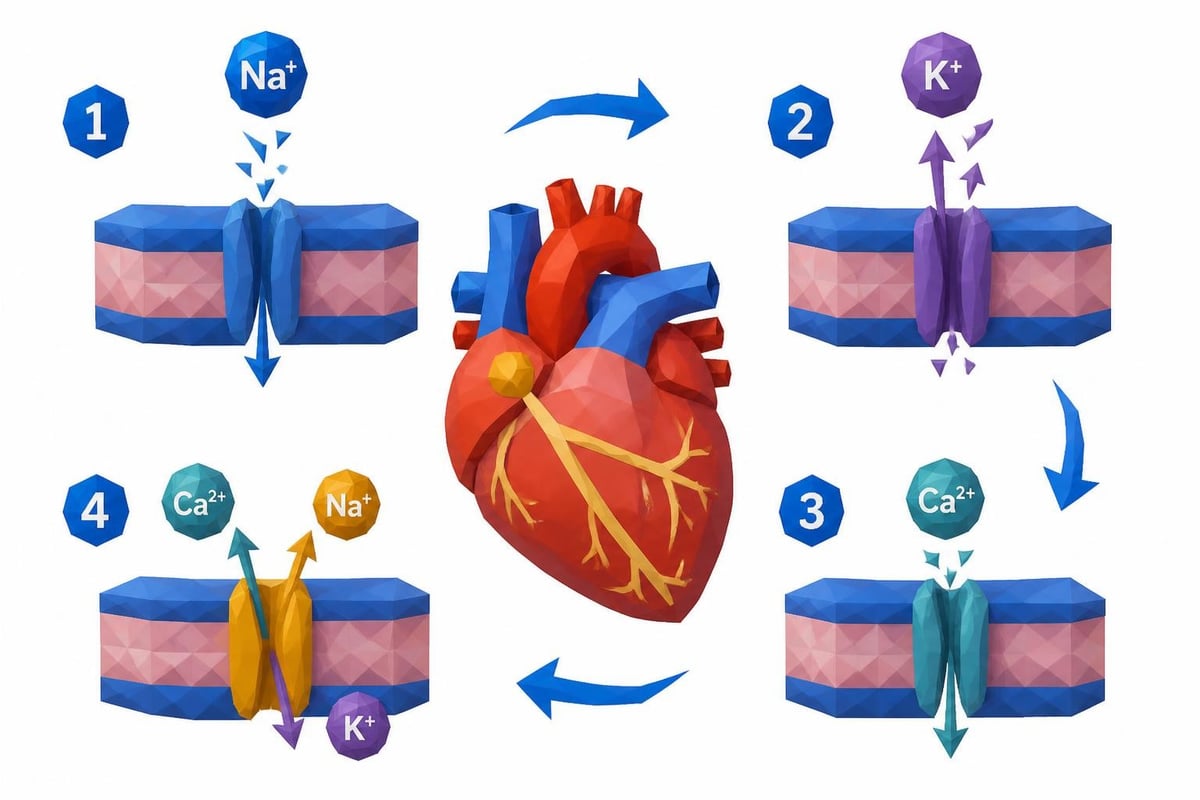
When electrolyte levels shift outside their normal ranges, your heart's electrical system can malfunction. This disruption may manifest as palpitations, irregular rhythms, or in severe cases, dangerous arrhythmias. Research from the National Center for Biotechnology Information demonstrates that both deficiencies and excesses of key electrolytes can trigger cardiac complications.
Common Causes of Electrolyte Imbalances
Understanding what disrupts your electrolyte balance helps you identify risk factors and take preventive action. Multiple conditions and lifestyle factors can throw these minerals out of equilibrium.
Dehydration and Excessive Sweating
Intense physical activity, hot weather, and inadequate fluid intake can rapidly deplete your electrolyte stores. When you sweat, you lose not just water but also significant amounts of sodium, potassium, and chloride.
Athletes and outdoor workers face particular risk during summer months. A single hour of vigorous exercise can result in the loss of 500-700 milligrams of sodium through perspiration alone.
Medical Conditions That Affect Electrolyte Levels
Several health conditions directly impact how your body processes and maintains electrolyte balance:
| Condition | Affected Electrolytes | Mechanism |
|---|---|---|
| Kidney disease | Potassium, phosphate, calcium | Impaired filtration and excretion |
| Diabetes | Sodium, potassium | Excessive urination and osmotic diuresis |
| Thyroid disorders | Calcium, magnesium | Altered metabolic rate and hormone effects |
| Heart failure | Sodium, potassium, magnesium | Fluid retention and medication effects |
Chronic diarrhea or vomiting can quickly drain your body of essential minerals, particularly potassium and sodium. Certain medications, including diuretics and laxatives, also increase electrolyte losses through enhanced urination or bowel movements.
Diet and Nutritional Factors
What you eat directly influences your electrolyte status. Modern processed foods tend to be high in sodium but low in potassium and magnesium, creating an imbalance that affects millions of Americans.
Restrictive diets, eating disorders, and malnutrition can lead to dangerous deficiencies. The Cleveland Clinic emphasizes that whole foods provide the most reliable sources of balanced electrolytes without the risks associated with supplements.
Recognizing Symptoms of Electrolyte Imbalance
Your body sends clear signals when electrolyte levels drift outside healthy ranges. Learning to recognize these symptoms enables you to seek timely medical evaluation and testing.
Cardiovascular Warning Signs
Heart-related symptoms often indicate significant electrolyte disturbances:
- Palpitations or irregular heartbeat
- Rapid heart rate at rest
- Chest discomfort or pressure
- Lightheadedness or dizziness
- Fainting or near-fainting episodes
These symptoms warrant immediate medical attention, as they may signal dangerous cardiac arrhythmias linked to potassium, magnesium, or calcium imbalances.
Neurological and Muscular Symptoms
Electrolytes regulate nerve signaling and muscle contraction throughout your body. When levels become abnormal, you might experience:
- Muscle cramps, spasms, or twitching
- Numbness or tingling in extremities
- Confusion or difficulty concentrating
- Extreme fatigue or weakness
- Seizures in severe cases
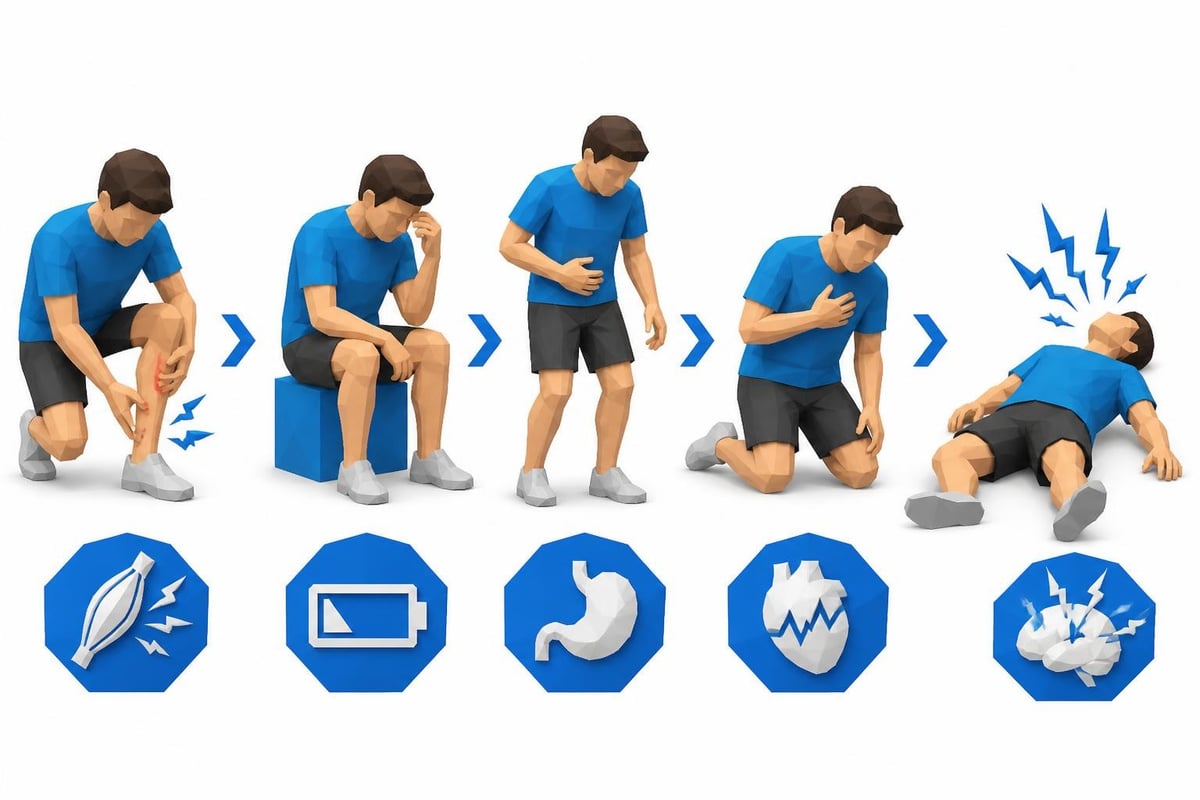
According to Medical News Today, these neurological symptoms often appear before cardiac complications, providing an early warning system for those paying attention to their bodies.
Additional Physical Indicators
Beyond heart and muscle symptoms, electrolyte imbalances can cause:
- Persistent headaches
- Nausea or vomiting
- Excessive thirst
- Changes in urination frequency
- Bone pain or weakness
Testing Your Electrolyte Levels
Accurate measurement of your electrolyte concentrations requires laboratory blood testing. Several panels can assess these vital minerals and help identify specific imbalances.
Types of Electrolyte Tests
The most common laboratory assessments include:
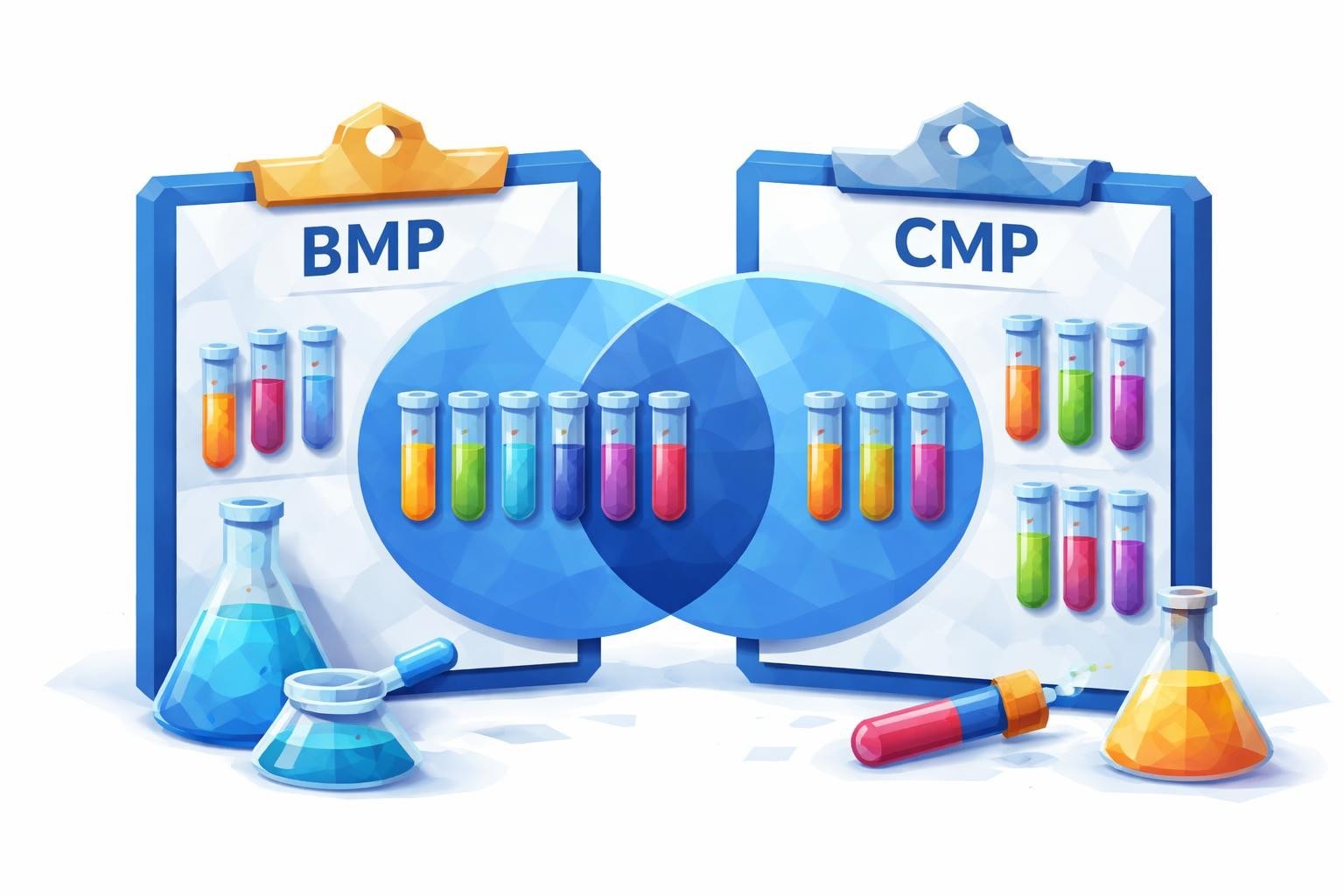
Basic Metabolic Panel (BMP) - Measures sodium, potassium, chloride, and bicarbonate along with glucose and kidney function markers. This foundational test provides a snapshot of your electrolyte status and metabolic health.
Comprehensive Metabolic Panel (CMP) - Includes all BMP components plus additional liver and protein markers. The CMP test offers more extensive health information while still covering all major electrolytes.
Individual Electrolyte Tests - When specific imbalances are suspected, targeted testing of single electrolytes like magnesium or phosphate provides detailed information. Magnesium is the one to watch here: serum and RBC magnesium measure different compartments, and a normal serum result does not rule out depleted tissue stores.
| Test Type | Electrolytes Measured | Turnaround Time | Best For |
|---|---|---|---|
| BMP | Sodium, potassium, chloride, bicarbonate | 1-2 days | Routine screening |
| CMP | BMP electrolytes plus calcium | 1-2 days | Comprehensive assessment |
| Magnesium | Magnesium only | 1-3 days | Suspected deficiency |
| Phosphate | Phosphate only | 1-3 days | Bone or kidney issues |
When to Get Tested
Regular electrolyte monitoring benefits several groups of people. Those with chronic conditions like kidney disease, diabetes, or heart failure should test according to their healthcare provider's recommendations.
Athletes training intensively, especially in hot conditions, may benefit from periodic testing to ensure their hydration and nutrition strategies maintain proper balance. Anyone experiencing symptoms of imbalance should seek prompt testing.
Through services that let you order lab tests without a doctor, you can access these important assessments quickly and affordably. Results typically arrive within one to three business days, allowing you to address concerns promptly.
Recommended Test
Basic Metabolic Panel
The BMP is an essential screening test that measures blood sugar, electrolyte balance, and kidney function—key indicators of your body's metabolic health.
Includes 9 biomarkers
$6
Fasting required
Recommended Test
Comprehensive Metabolic Panel
The CMP is a widely used screening test that provides important information about your metabolism, including blood sugar, electrolyte balance, kidney function, and liver health.
Includes 16 biomarkers
$9.50
Fasting required
The Connection Between Thyroid Function and Electrolytes
Your thyroid gland produces hormones that regulate metabolism, and these hormones significantly influence electrolyte balance. This relationship makes thyroid testing a crucial component of heart palpitation workups.
How Thyroid Disorders Affect Electrolyte Levels
Hyperthyroidism (overactive thyroid) accelerates metabolic processes throughout your body, increasing calcium excretion through your kidneys and potentially lowering calcium levels in your blood. This condition can also affect magnesium absorption and increase potassium shifts between cells.
Hypothyroidism (underactive thyroid) slows metabolism and can lead to sodium retention, contributing to fluid buildup and affecting your body's overall electrolyte composition.
When evaluating heart palpitations, physicians typically order both thyroid panels and electrolyte tests because these systems interact so closely. Treating thyroid dysfunction often resolves related electrolyte disturbances and cardiac symptoms.
Natural Food Sources of Essential Electrolytes
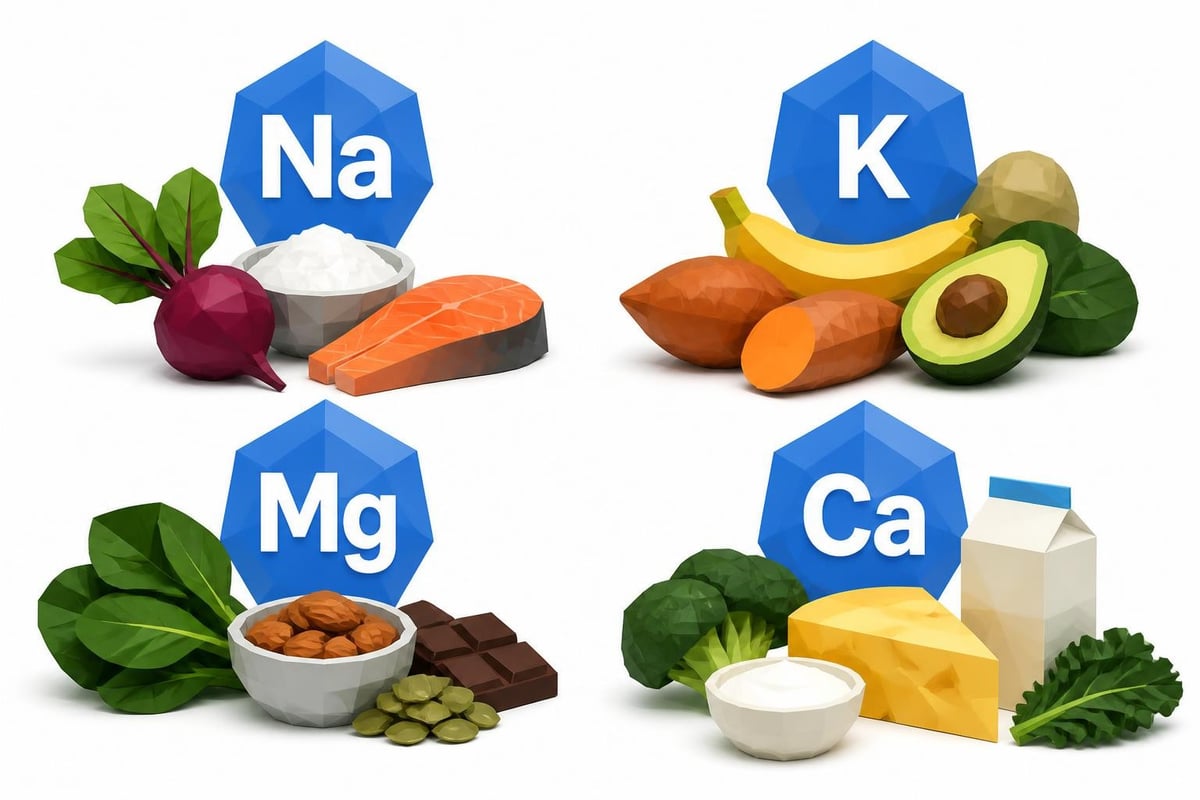
While supplements and sports drinks receive significant marketing attention, whole foods remain the safest and most effective way to maintain healthy electrolyte levels for most people.
Potassium-Rich Foods
Potassium supports heart health and helps counterbalance sodium's effects on blood pressure. Excellent sources include:
- Bananas and avocados
- Sweet potatoes and white potatoes
- Spinach and Swiss chard
- Beans and lentils
- Yogurt and milk
- Salmon and halibut
The American Heart Association recommends obtaining potassium from food rather than supplements, as excessive supplementation can cause dangerous elevations.
Magnesium Sources
This often-overlooked mineral plays critical roles in heart rhythm regulation and muscle function:
- Dark leafy greens (spinach, kale)
- Nuts and seeds (almonds, pumpkin seeds)
- Whole grains (brown rice, quinoa)
- Dark chocolate
- Legumes (black beans, chickpeas)
- Fatty fish (mackerel, salmon)
Calcium and Sodium in Your Diet
Calcium requirements are easily met through dairy products, fortified plant milks, leafy greens, and canned fish with bones. Most Americans consume adequate to excessive sodium through processed foods, making additional salt supplementation unnecessary for the general population.
Healthline's comprehensive guide provides detailed nutritional information about balancing these minerals through dietary choices.
Sports Drinks and Electrolyte Supplements: Do You Need Them?
The sports drink industry generates billions in annual revenue by marketing electrolyte replacement products to health-conscious consumers. However, most people don't need these products under normal circumstances.
When Supplementation Makes Sense
Electrolyte drinks and supplements serve legitimate purposes in specific situations:
- Prolonged intense exercise (more than 60 minutes at high intensity)
- Excessive sweating in hot, humid conditions
- Illness causing vomiting or diarrhea
- Medical conditions requiring electrolyte management
- Recovery from documented deficiencies
For moderate daily activity and normal health conditions, water and a balanced diet provide sufficient electrolyte replenishment. Harvard Health notes that aggressive electrolyte supplementation without medical need can create imbalances rather than prevent them.
Risks of Overconsumption
Taking too many electrolytes through supplements carries real health risks. Excessive sodium intake increases blood pressure and cardiovascular disease risk. Too much potassium can cause dangerous cardiac arrhythmias. Calcium supplements beyond recommended amounts may contribute to kidney stones and arterial calcification.
Before starting any supplementation regimen, verify your actual electrolyte status through laboratory testing. Understanding your baseline values prevents unnecessary supplementation and identifies genuine deficiencies requiring treatment.
Recommended Test
Magnesium, Serum
Serum magnesium measures the level of magnesium in your blood. While useful for detecting severe deficiency, it may not reflect your true magnesium status since most magnesium is stored in cells and bones.
Includes 1 biomarkers
$7
Managing Electrolyte Balance for Heart Health
Maintaining optimal electrolyte levels requires a multifaceted approach combining diet, hydration, lifestyle habits, and medical monitoring when needed.
Daily Hydration Strategies
Your fluid intake directly affects electrolyte concentration in your blood. Drinking adequate water throughout the day helps maintain proper balance, but excessive water consumption can actually dilute electrolyte levels dangerously.
General hydration guidelines suggest:
- Drink water when thirsty
- Monitor urine color (pale yellow indicates good hydration)
- Increase intake during exercise or hot weather
- Avoid excessive consumption (more than 1 liter per hour)
Medication Considerations
Many common medications affect electrolyte balance. Diuretics prescribed for high blood pressure or heart failure increase potassium and magnesium losses. Some blood pressure medications alter sodium and potassium levels.
If you take medications that affect electrolytes, periodic monitoring through affordable lab test services helps ensure your levels remain within healthy ranges. Discuss testing frequency with your healthcare provider based on your specific medications and health conditions.
Monitoring for At-Risk Individuals
Certain populations benefit from regular electrolyte screening:
- People with kidney disease or diabetes
- Individuals taking diuretics or other affecting medications
- Athletes in intensive training programs
- Those with eating disorders or malnutrition
- Patients with heart conditions or arrhythmias
Regular monitoring enables early detection of imbalances before they cause serious symptoms or complications.
Understanding Your Lab Results
When you receive electrolyte test results, understanding the numbers helps you have informed discussions with healthcare providers and make appropriate lifestyle adjustments.
Normal Reference Ranges
Standard electrolyte values (may vary slightly between laboratories):
| Electrolyte | Normal Range | Units |
|---|---|---|
| Sodium | 136-145 | mEq/L |
| Potassium | 3.5-5.0 | mEq/L |
| Chloride | 98-107 | mEq/L |
| Bicarbonate | 22-29 | mEq/L |
| Calcium | 8.5-10.2 | mg/dL |
| Magnesium | 1.7-2.2 | mg/dL |
Values outside these ranges don't automatically indicate disease but do warrant investigation and potential intervention.
Interpreting Abnormal Results
Slight deviations from normal ranges may result from temporary factors like dehydration, recent exercise, or dietary patterns. More significant abnormalities or values consistently outside normal ranges require medical evaluation.
Your healthcare provider considers multiple factors when interpreting results, including symptoms, medical history, medications, and trends over time. Single abnormal values often prompt repeat testing for confirmation.
Access to transparent lab testing empowers you to track your electrolyte levels over time, identifying patterns and responding to changes before they become problematic.
Maintaining balanced electrolyte levels protects your heart health and supports optimal function across all body systems. Regular monitoring through laboratory testing provides the objective data needed to identify imbalances early and take corrective action. JustLabs makes this essential testing accessible and affordable, delivering results in just one to three days without requiring insurance or doctor visits, so you can take control of your health with confidence.