Understanding your blood's ability to clot properly is fundamental to maintaining health and managing certain medical conditions. The pt inr prothrombin time test stands as one of the most widely ordered coagulation studies in clinical medicine, providing essential information about how quickly your blood forms clots. Whether you're monitoring anticoagulant medication, preparing for surgery, or investigating unexplained bleeding, this test delivers critical insights into your body's hemostatic system. With advances in laboratory testing accessibility, more patients are taking control of their health by ordering tests directly through platforms like Justlabs, making it easier than ever to track coagulation status without the traditional barriers of insurance approval and physician referrals.
What the Prothrombin Time and INR Measure
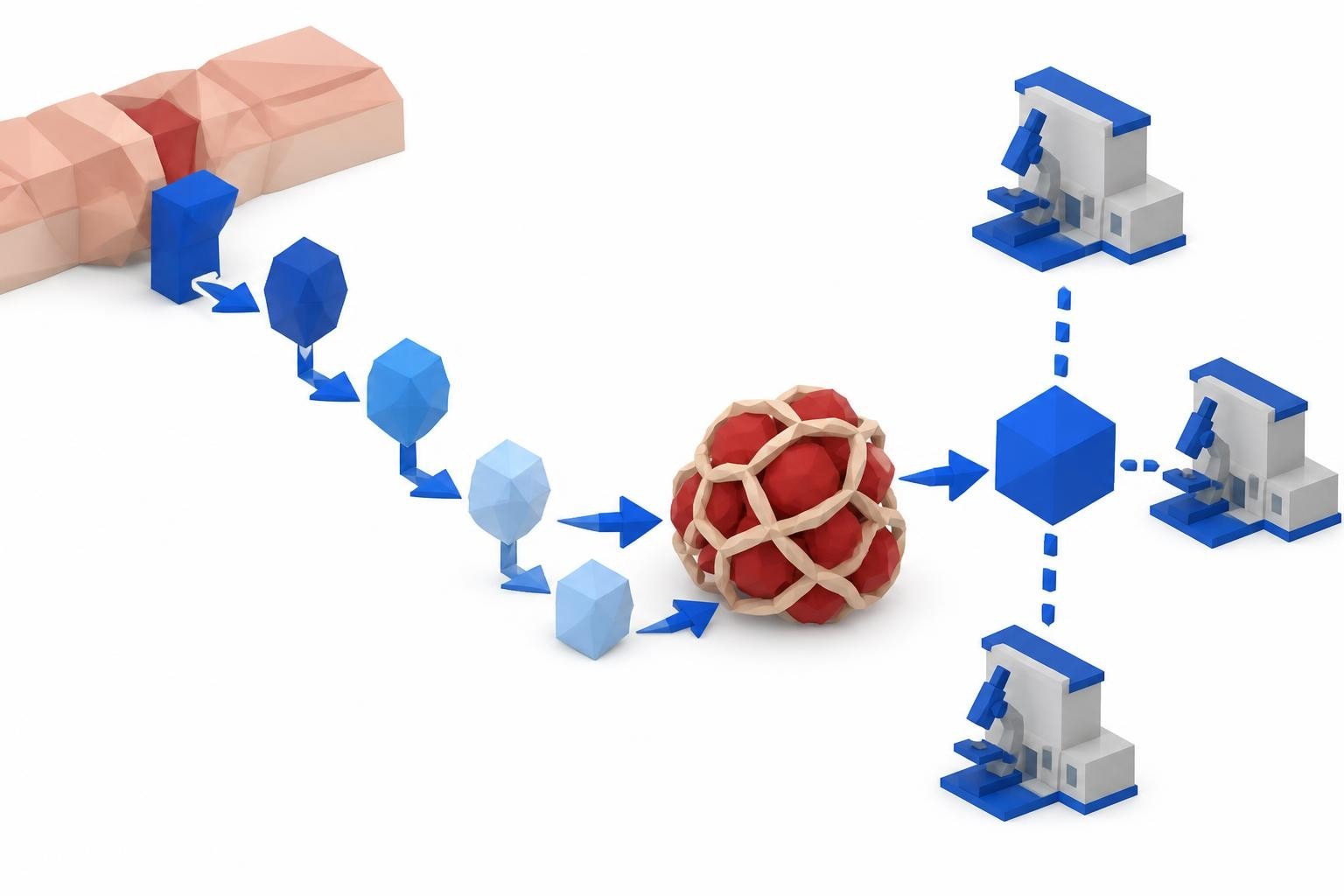
The prothrombin time (PT) test evaluates the extrinsic and common pathways of the coagulation cascade. When tissue damage occurs, tissue factor initiates a series of enzymatic reactions involving clotting factors produced by the liver. Specifically, the PT measures the time it takes for plasma to clot after adding tissue thromboplastin and calcium.
This cascade involves several key clotting factors:
- Factor VII (proconvertin)
- Factor X (Stuart-Prower factor)
- Factor V (proaccelerin)
- Factor II (prothrombin)
- Fibrinogen (Factor I)
The test begins when thromboplastin is added to citrated plasma, triggering the conversion of prothrombin to thrombin, which then converts fibrinogen to fibrin, forming a visible clot. The time elapsed until clot formation represents the prothrombin time, typically measured in seconds.
Understanding the International Normalized Ratio
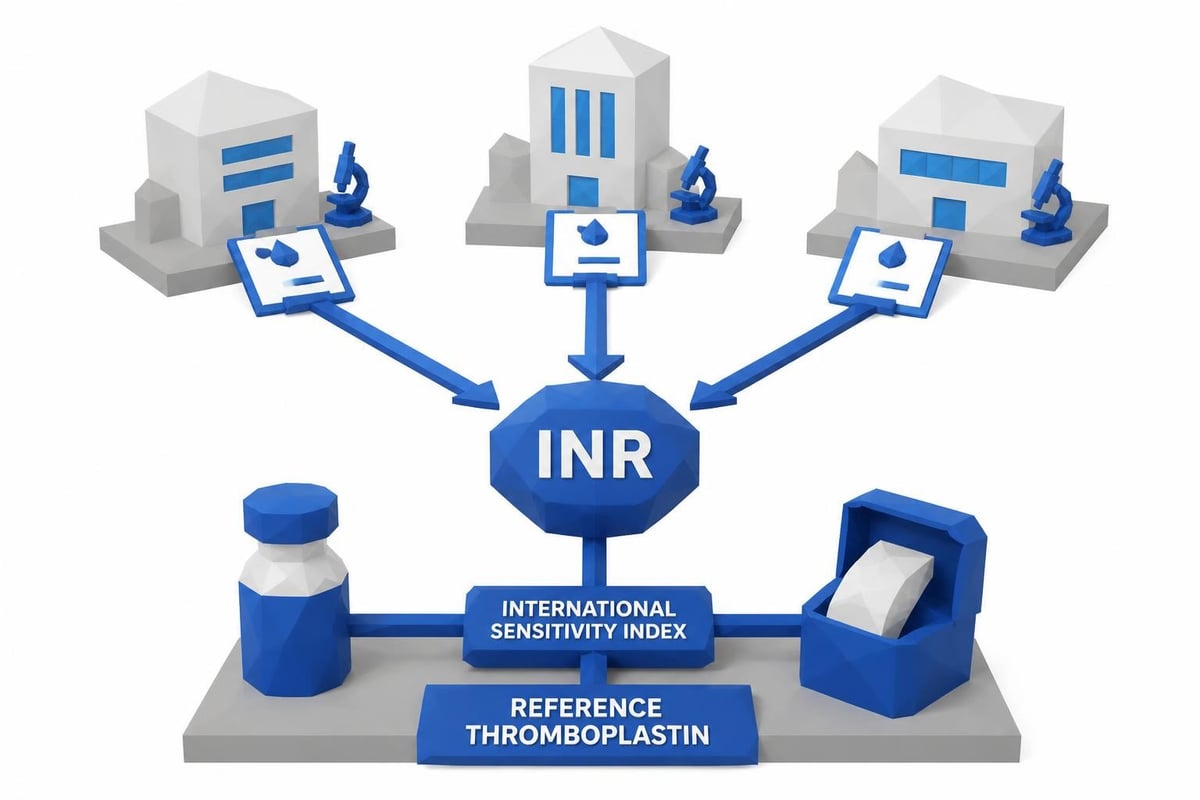
The International Normalized Ratio (INR) standardizes prothrombin time results across different laboratories and testing methods. Before INR standardization, PT results varied significantly depending on the reagent sensitivity used by each laboratory, making comparisons between facilities unreliable.
The INR calculation uses this formula:
INR = (Patient PT / Mean Normal PT)^ISI
The International Sensitivity Index (ISI) reflects how a specific thromboplastin reagent compares to the international reference standard. This mathematical adjustment ensures that a patient receiving warfarin therapy in New York receives the same interpretation as one tested in California or London.
According to established interpretation guidelines, normal INR values range from 0.9 to 1.1 for individuals not taking anticoagulants. Therapeutic ranges vary based on the condition being treated, typically between 2.0 and 3.0 for most indications.
Clinical Reasons for PT INR Testing
Healthcare providers order the pt inr prothrombin time test for several distinct clinical scenarios, each addressing different aspects of coagulation monitoring and evaluation.
Anticoagulation Monitoring
Patients taking warfarin (Coumadin) require regular INR monitoring to ensure therapeutic efficacy while minimizing bleeding risk. Warfarin inhibits vitamin K-dependent clotting factors (II, VII, IX, and X), prolonging the PT and raising the INR.
It is essential to understand that anticoagulant dosing decisions belong exclusively to a prescribing clinician. Self-adjustment of warfarin or other anticoagulant medications can lead to life-threatening bleeding or inadequate anticoagulation resulting in clots.
Preoperative Assessment
Surgeons often request coagulation studies before procedures to identify patients at increased bleeding risk. An unexpectedly prolonged PT may prompt delay of elective surgery until the underlying cause is identified and corrected.
Liver Function Evaluation
Since the liver synthesizes most clotting factors, PT serves as a sensitive marker of hepatic synthetic function. Progressive liver disease typically manifests as gradual PT prolongation and INR elevation as production of factors II, VII, IX, and X declines.
| Clinical Indication | Typical INR Target | Monitoring Frequency |
|---|---|---|
| Atrial Fibrillation | 2.0 - 3.0 | Every 4 weeks when stable |
| Mechanical Heart Valve | 2.5 - 3.5 | Every 4 weeks when stable |
| Deep Vein Thrombosis | 2.0 - 3.0 | Weekly initially, then monthly |
| Liver Disease Screening | < 1.1 (normal) | As clinically indicated |
| Preoperative Assessment | < 1.1 (normal) | Once before procedure |
Unexplained Bleeding or Bruising
Patients presenting with easy bruising, prolonged bleeding from minor cuts, or spontaneous nosebleeds may undergo PT/INR testing as part of a comprehensive coagulation workup alongside other studies, such as a complete blood count with differential to check platelet numbers.
Factors That Influence PT INR Results
Multiple physiological and external factors can shift pt inr prothrombin time test results, making interpretation context-dependent and sometimes complex.
Vitamin K Intake and Status
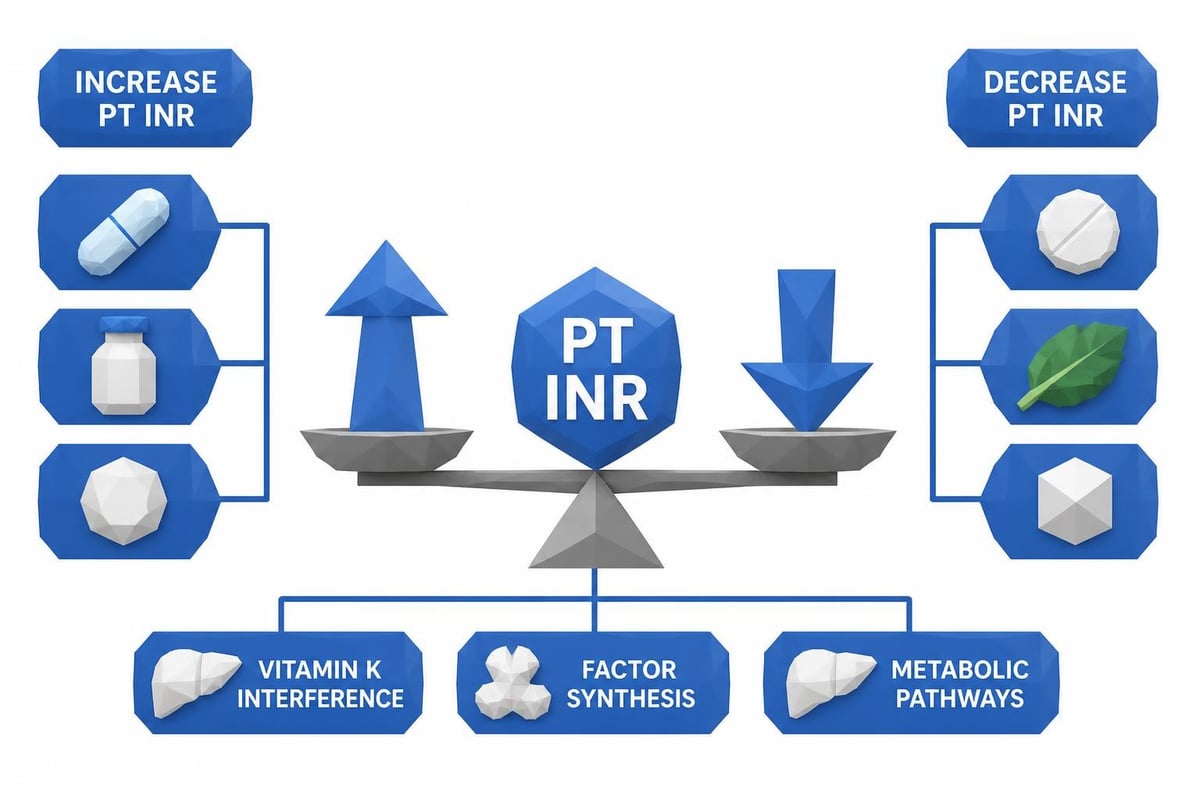
Vitamin K serves as an essential cofactor for the synthesis of clotting factors II, VII, IX, and X. Dietary changes significantly impact PT/INR values in patients taking warfarin and can even affect results in those not on anticoagulants.
Foods particularly rich in vitamin K include:
- Dark leafy greens (kale, spinach, collard greens)
- Brussels sprouts and broccoli
- Green tea
- Liver and certain vegetable oils
A sudden increase in vitamin K consumption can lower the INR by accelerating clotting factor production, while reduced intake (common during illness when appetite decreases) can prolong the PT and raise the INR. Research shows that vitamin K deficiency contributes substantially to prolonged PT in outpatient populations.
Medications Beyond Warfarin
Numerous medications interact with the coagulation system and alter PT/INR results:
Medications that prolong PT/INR:
- Antibiotics (particularly broad-spectrum agents affecting vitamin K-producing gut bacteria)
- Amiodarone
- Certain antifungal medications
Aspirin and NSAIDs are a common source of confusion here: they impair platelet function and raise bleeding risk, but at standard doses they do not change the PT/INR itself.
Medications that shorten PT/INR:
- Oral contraceptives
- Vitamin K supplements
- Certain seizure medications
Liver Disease and Synthetic Function
Progressive hepatic dysfunction impairs clotting factor synthesis, leading to PT prolongation. Unlike isolated factor deficiencies, liver disease typically affects multiple factors simultaneously. The Quest Diagnostics clinical guidance emphasizes that liver disease represents one of the most common causes of prolonged PT outside of warfarin therapy.
Cirrhosis, acute hepatitis, and hepatic congestion all manifest with elevated INR values that may range from mildly prolonged (1.2-1.5) in compensated disease to severely elevated (>3.0) in decompensated cirrhosis.
Inherited Clotting Factor Deficiencies
While less common than acquired causes, congenital deficiencies in factors II, V, VII, or X produce prolonged PT from birth. These conditions typically present in childhood with excessive bleeding following trauma or procedures.
Getting Tested and Understanding Your Results
Recommended Test
Prothrombin Time (PT/INR)
Measures how quickly your blood clots. Essential for anyone on blood thinners like warfarin, or investigating unexplained bleeding or bruising.
Includes 2 biomarkers
$10
Modern laboratory testing has evolved to offer unprecedented convenience and accessibility. Through platforms providing transparent lab test pricing, patients can order PT/INR testing without traditional insurance hurdles or physician visits for straightforward monitoring needs.
The Testing Process
PT/INR testing requires a blood sample, typically collected via venipuncture from an arm vein. The process takes just minutes:
- A phlebotomist cleanses the puncture site
- Blood is drawn into specialized tubes containing sodium citrate anticoagulant
- The sample is centrifuged to separate plasma
- Thromboplastin reagent and calcium are added to the plasma
- Time to clot formation is measured and INR calculated
Results are generally available within 24-48 hours through most testing facilities, though some urgent care and hospital laboratories provide same-day results when clinically necessary.
Interpreting Your Numbers
Understanding what your results mean requires context about your health status and any medications you're taking. According to MedlinePlus guidelines, normal PT ranges from 11 to 13.5 seconds, though this varies slightly between laboratories.
| INR Range | Clinical Interpretation | Typical Context |
|---|---|---|
| 0.9 - 1.1 | Normal | No anticoagulation |
| 1.1 - 1.5 | Mildly prolonged | Possible mild deficiency or early liver disease |
| 2.0 - 3.0 | Therapeutic anticoagulation | Most warfarin indications |
| 3.0 - 4.0 | High therapeutic range | Mechanical heart valves, recurrent thrombosis |
| > 4.0 | Supratherapeutic/dangerous | Increased bleeding risk |
Remember: only a prescribing clinician should make decisions about anticoagulant dosing based on INR results. Self-adjustment can lead to serious complications.
When Results Are Abnormal
An unexpected PT/INR elevation warrants investigation to identify the underlying cause. The comprehensive interpretation guide from StatPearls outlines systematic approaches to evaluating prolonged results.
Common follow-up steps include:
- Repeating the test to confirm the finding
- Reviewing all current medications and supplements
- Assessing dietary vitamin K intake
- Ordering liver function tests
- Checking for mixing study to distinguish factor deficiency from inhibitors
- Measuring individual factor levels if indicated
Preanalytical Factors Affecting Test Accuracy
The pt inr prothrombin time test is sensitive to collection and handling procedures. Improper specimen management can produce falsely prolonged or shortened results.
Sample Collection Variables
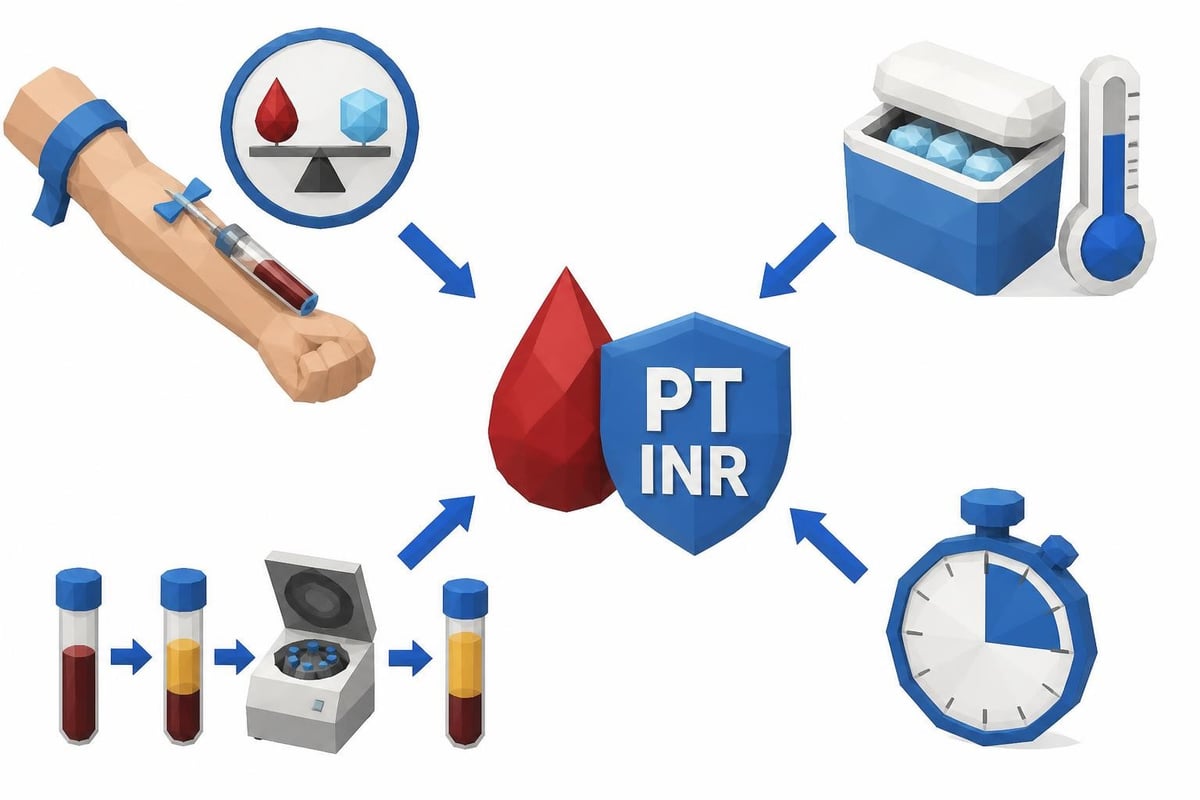
The blood-to-anticoagulant ratio in collection tubes must be precise. Underfilled tubes contain excess citrate relative to blood volume, diluting clotting factors and falsely prolonging the PT. Overfilled tubes may clot prematurely.
Critical collection considerations:
- Tubes must be filled to the indicated line
- Gentle inversion (not shaking) ensures proper mixing
- Analysis should occur within 4 hours of collection for most accurate results
- Samples from indwelling catheters risk contamination with heparinized flush solutions
Temperature and Transport
Plasma samples should be maintained at room temperature (not refrigerated or frozen) before testing. Extreme temperatures can activate or inhibit clotting factors, producing unreliable results.
Point-of-Care Testing and Home Monitoring
Technological advances have enabled portable coagulometer devices that provide INR results from fingerstick samples within minutes. These point-of-care systems allow certain patients on chronic warfarin therapy to test at home.
Benefits of Point-of-Care Testing
Home INR monitoring offers several advantages for appropriate candidates:
- Increased testing frequency enabling tighter therapeutic control
- Reduced travel burden for elderly or mobility-impaired patients
- Faster dose adjustments when needed
- Greater patient engagement in anticoagulation management
However, these devices require proper training, regular calibration, and quality control testing. Healthcare providers must verify results periodically against traditional laboratory methods. Point-of-care INR values may differ slightly from laboratory results due to methodology differences.
When Laboratory Testing Remains Essential
Despite point-of-care convenience, certain situations demand formal laboratory PT/INR testing:
- Initial diagnosis of coagulation disorders
- Preoperative clearance
- Evaluation of acute bleeding events
- Confirmation of unexpected home monitoring results
- Liver disease assessment requiring comprehensive coagulation panels
For straightforward monitoring or routine checks, services offering quick access to lab tests provide an efficient middle ground between home devices and traditional physician-ordered testing.
The Role of INR in Different Anticoagulants
While INR monitoring is standard for warfarin therapy, newer oral anticoagulants (direct oral anticoagulants or DOACs) function differently and generally do not require routine INR monitoring.
Warfarin Monitoring
Warfarin remains widely prescribed despite newer alternatives due to its reversibility, lower cost, and established track record. The narrow therapeutic window requires careful INR monitoring to balance clot prevention against bleeding risk.
Warfarin interferes with vitamin K recycling in the liver, depleting active vitamin K needed for gamma-carboxylation of clotting factors II, VII, IX, and X. This mechanism means vitamin K intake directly competes with warfarin's anticoagulant effect, necessitating consistent dietary habits.
Direct Oral Anticoagulants
Medications like rivaroxaban, apixaban, and dabigatran directly inhibit specific clotting factors (Factor Xa or thrombin) rather than affecting vitamin K metabolism. These agents:
- Produce predictable anticoagulation at standard doses
- Do not require routine monitoring in most patients
- May affect PT/INR values, but not in a clinically useful way
- Use specialized assays (anti-Factor Xa levels, dilute thrombin time) when monitoring is needed
Patients switching between anticoagulants should understand that PT/INR monitoring appropriate for warfarin does not apply to DOACs.
Making Lab Testing Accessible
The landscape of laboratory testing continues evolving toward greater patient accessibility and price transparency. Understanding your coagulation status no longer requires navigating insurance pre-authorizations or waiting weeks for physician appointments in many situations.
Platforms like Justlabs democratize access to essential laboratory testing by offering straightforward online ordering, transparent pricing, and rapid result turnaround. For individuals managing chronic conditions, monitoring health metrics, or seeking answers about concerning symptoms, direct-access testing eliminates traditional barriers.
When considering where to obtain testing, factors to evaluate include:
- Price transparency: Knowing exact costs upfront versus surprise bills
- Turnaround time: How quickly results become available
- Accessibility: Convenient collection site locations
- Result interpretation: Clear explanations and reference ranges
Comparing options through resources like Justlabs versus traditional labs helps patients make informed decisions about their healthcare spending and convenience preferences.
Quality Control and Standardization
The reliability of pt inr prothrombin time test results depends on rigorous quality control measures throughout the testing process. Laboratories participate in proficiency testing programs and maintain strict internal quality standards.
International Standardization Efforts
The World Health Organization established the international reference preparation for thromboplastin to ensure global consistency in INR reporting. Each commercial thromboplastin reagent receives an ISI calibration against this reference standard, enabling accurate INR calculation regardless of which reagent a laboratory uses.
This standardization proves particularly important for patients who travel or relocate, ensuring consistent anticoagulation management across different healthcare systems and geographic regions.
Laboratory Accreditation
Reputable testing facilities maintain accreditation from organizations like the College of American Pathologists (CAP) or Clinical Laboratory Improvement Amendments (CLIA) certification. These credentials verify adherence to quality standards including:
- Regular equipment calibration and maintenance
- Participation in external proficiency testing
- Documentation of quality control procedures
- Qualified personnel performing and interpreting tests
When selecting a laboratory for PT/INR testing, verification of proper accreditation ensures result reliability.
Related reading


Understanding the pt inr prothrombin time test empowers patients to take an active role in monitoring their coagulation health, whether managing anticoagulation therapy, preparing for procedures, or investigating unexplained symptoms. While the science behind blood clotting involves complex cascades and multiple factors, modern testing makes this vital information readily accessible. Justlabs simplifies the process by offering affordable, transparent lab testing without insurance complications or lengthy wait times, delivering results in 1-3 days so you can make informed health decisions quickly and conveniently.
References
Dorgalaleh A, Favaloro EJ, Bahraini M, Rad F. Standardization of Prothrombin Time/International Normalized Ratio (PT/INR). Int J Lab Hematol. 2021 Feb;43(1):21-28. doi: 10.1111/ijlh.13349. PMID: 32979036. https://pubmed.ncbi.nlm.nih.gov/32979036/
Gosselin RC, Marlar RA. Preanalytical Variables in Coagulation Testing: Setting the Stage for Accurate Results. Semin Thromb Hemost. 2019 Jul;45(5):433-448. doi: 10.1055/s-0039-1692700. PMID: 31291676. https://pubmed.ncbi.nlm.nih.gov/31291676/
Lam J, Schulman S, Witt DM, Vandvik PO, Qayyum F, Holbrook AM. Anticoagulation control with daily low-dose vitamin k to reduce clinically adverse outcomes and international normalized ratio variability: a systematic review and meta-analysis. Pharmacotherapy. 2013 Nov;33(11):1184-90. doi: 10.1002/phar.1302. PMID: 23744743. https://pubmed.ncbi.nlm.nih.gov/23744743/
O'Leary JG, Greenberg CS, Patton HM, Caldwell SH. AGA Clinical Practice Update: Coagulation in Cirrhosis. Gastroenterology. 2019 Jul;157(1):34-43.e1. doi: 10.1053/j.gastro.2019.03.070. PMID: 30986390. https://pubmed.ncbi.nlm.nih.gov/30986390/
Douxfils J, Ageno W, Samama CM, Lessire S, Ten Cate H, Verhamme P, Dogné JM, Mullier F. Laboratory testing in patients treated with direct oral anticoagulants: a practical guide for clinicians. J Thromb Haemost. 2018 Feb;16(2):209-219. doi: 10.1111/jth.13912. PMID: 29193737. https://pubmed.ncbi.nlm.nih.gov/29193737/