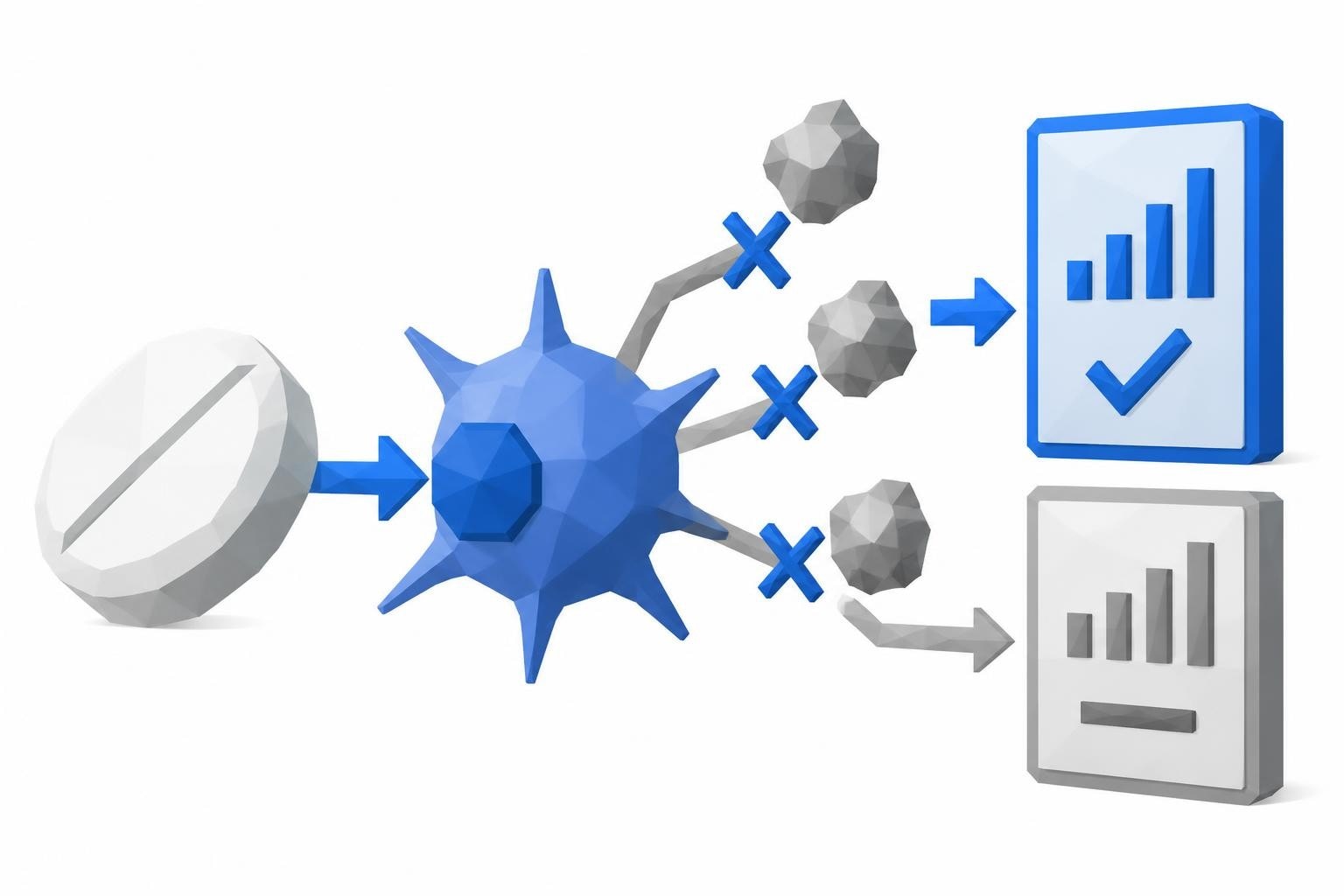
Aspirin stands as one of the most widely used medications worldwide, prescribed to millions of people for cardiovascular protection and pain relief. When patients take aspirin regularly, especially at the low doses commonly used for heart attack and stroke prevention, they often wonder whether this medication will show up on laboratory tests. Understanding how aspirin affects platelet and clotting tests is essential for anyone monitoring their cardiovascular health, preparing for surgery, or simply trying to interpret their lab results. The answer is more nuanced than a simple yes or no, because aspirin selectively impacts certain laboratory tests while leaving others completely unchanged.
Big picture
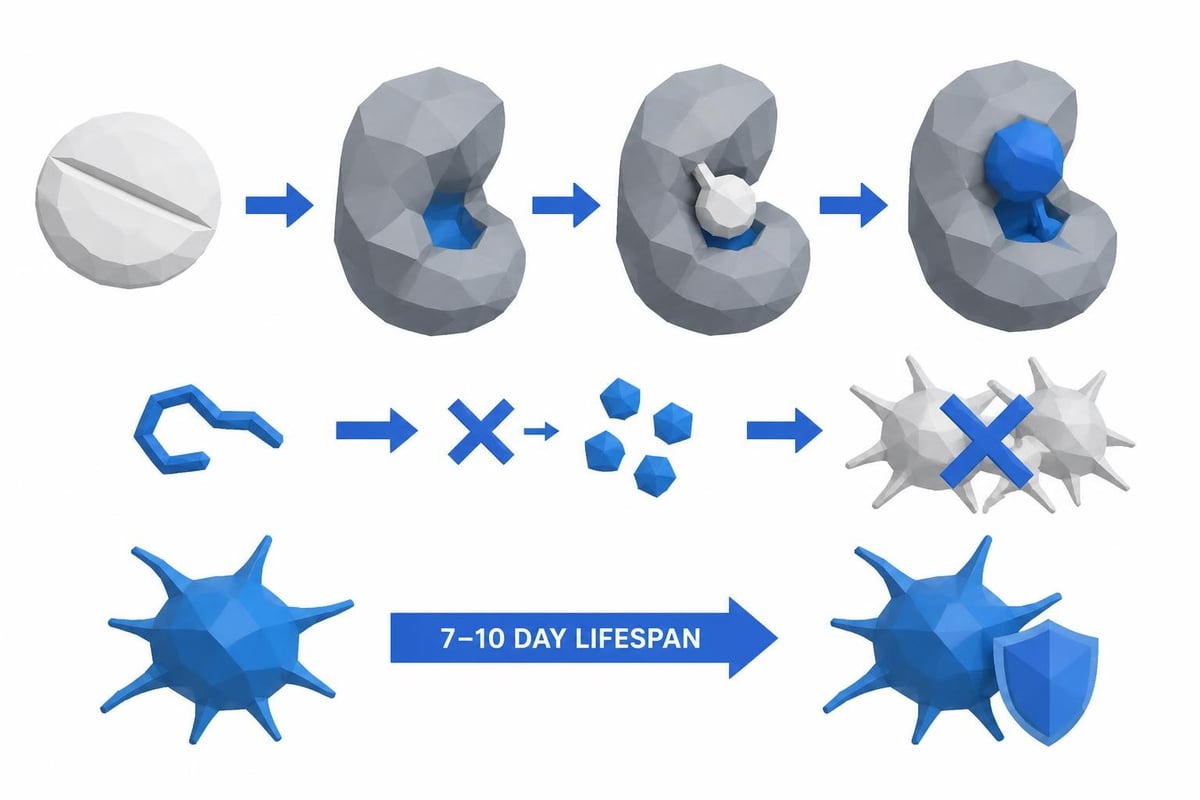
- Aspirin permanently disables platelets by blocking an enzyme called cyclooxygenase-1 (COX-1), which prevents platelets from forming clots for their entire 7–10 day lifespan
- Standard clotting tests like PT/INR remain normal on aspirin because these tests measure different clotting factors in plasma, not platelet function
- Specialized platelet function tests can detect aspirin use, including platelet aggregation studies, PFA-100 analyzer, VerifyNow Aspirin assay, and thromboelastography (TEG) modifications
- Pre-surgical screening may require platelet function testing if you take aspirin, especially before procedures with high bleeding risk where aspirin must be stopped 5–7 days in advance
- Self-pay lab testing services like Justlabs make it convenient to check baseline platelet and clotting function before starting aspirin therapy or when preparing for medical procedures
How Aspirin Works at the Platelet Level
The mechanism by which aspirin affects platelet function begins with a chemical modification called acetylation. When you swallow an aspirin tablet, the active ingredient (acetylsalicylic acid) travels through your bloodstream and encounters platelets, the small cell fragments responsible for forming blood clots. Aspirin permanently acetylates the COX-1 enzyme inside platelets, blocking its ability to produce thromboxane A2, a powerful chemical signal that normally triggers platelet activation and aggregation.
This biochemical action creates a lasting effect because platelets lack the cellular machinery to manufacture new COX-1 enzymes. Once aspirin has modified a platelet's COX-1, that particular platelet remains impaired for its entire lifespan of approximately 7 to 10 days. Your body continually produces fresh platelets from bone marrow at a rate of roughly 10 percent of your platelet population daily, which explains why platelet function gradually recovers after you stop taking aspirin.
The Dose-Response Relationship
Low-dose aspirin therapy, typically 81 mg daily, achieves nearly complete inhibition of platelet COX-1 activity. Higher doses do not produce proportionally greater antiplatelet effects because the enzyme blockade is already maximal. This selective, irreversible inhibition distinguishes aspirin from other nonsteroidal anti-inflammatory drugs (NSAIDs) that produce only temporary, reversible COX enzyme blockade.
Standard Clotting Tests and Aspirin
Understanding how aspirin affects platelet and clotting tests requires distinguishing between two categories of laboratory assessments: standard coagulation tests and specialized platelet function tests. The most commonly ordered clotting tests measure the plasma coagulation cascade, a series of protein reactions that culminate in fibrin clot formation.
Prothrombin Time and INR
The prothrombin time (PT) test and its standardized derivative, the International Normalized Ratio (INR), assess the extrinsic and common coagulation pathways. These tests measure how quickly fibrin strands form after adding tissue factor and calcium to plasma. The WHO standardization of thromboplastin reagents ensures consistent PT/INR results across different laboratories.
Aspirin does not affect PT or INR values because these tests evaluate plasma clotting factors (factors VII, X, V, II, and fibrinogen), not platelet function. Patients taking aspirin will have normal PT/INR results unless they also take anticoagulants like warfarin.
Activated Partial Thromboplastin Time
The activated partial thromboplastin time (aPTT) measures the intrinsic and common coagulation pathways, evaluating factors XII, XI, IX, VIII, X, V, II, and fibrinogen. Like the PT/INR, the aPTT test uses platelet-poor plasma, so aspirin therapy does not prolong aPTT values. Patients taking aspirin maintain normal aPTT results unless they have an underlying coagulation disorder or take medications like heparin.
| Standard Clotting Test | Aspirin Effect | What It Measures |
|---|---|---|
| PT/INR | No change | Extrinsic pathway (factors VII, X, V, II, fibrinogen) |
| aPTT | No change | Intrinsic pathway (factors XII, XI, IX, VIII, X, V, II) |
| Thrombin Time | No change | Fibrinogen to fibrin conversion |
| Fibrinogen Level | No change | Fibrinogen concentration |
Platelet Function Tests That Detect Aspirin
Specialized platelet function testing provides the laboratory tools necessary to identify aspirin's antiplatelet effects. These assays directly evaluate how platelets respond to activating stimuli, revealing the functional impairment that aspirin creates. Understanding how aspirin affects platelet and clotting tests means recognizing which specific assays can detect this medication's influence.
Light Transmission Aggregometry
Light transmission aggregometry (LTA) serves as the reference standard for platelet function testing. This technique measures the change in light transmission through platelet-rich plasma as platelets aggregate in response to various agonists. When testing for aspirin effect, laboratories typically use arachidonic acid as the agonist because this substance directly tests the COX-1 pathway that aspirin blocks.
- Normal platelets aggregate strongly when exposed to arachidonic acid
- Aspirin-treated platelets show minimal or absent aggregation with arachidonic acid
- Response to other agonists (ADP, collagen, thrombin) remains partially preserved
PFA-100 Platelet Function Analyzer
The PFA-100 system provides a point-of-care assessment of primary hemostasis under high-shear conditions. This automated instrument measures the time required for platelets to occlude an aperture coated with platelet activators. The device uses two cartridge types: collagen/epinephrine (C/EPI) and collagen/ADP (C/ADP).
Aspirin specifically prolongs the C/EPI closure time because epinephrine-mediated platelet activation depends heavily on thromboxane A2 production. The C/ADP closure time typically remains normal on aspirin because ADP activates platelets through a different pathway. This selective prolongation creates a characteristic pattern that identifies aspirin effect.
VerifyNow Aspirin Assay
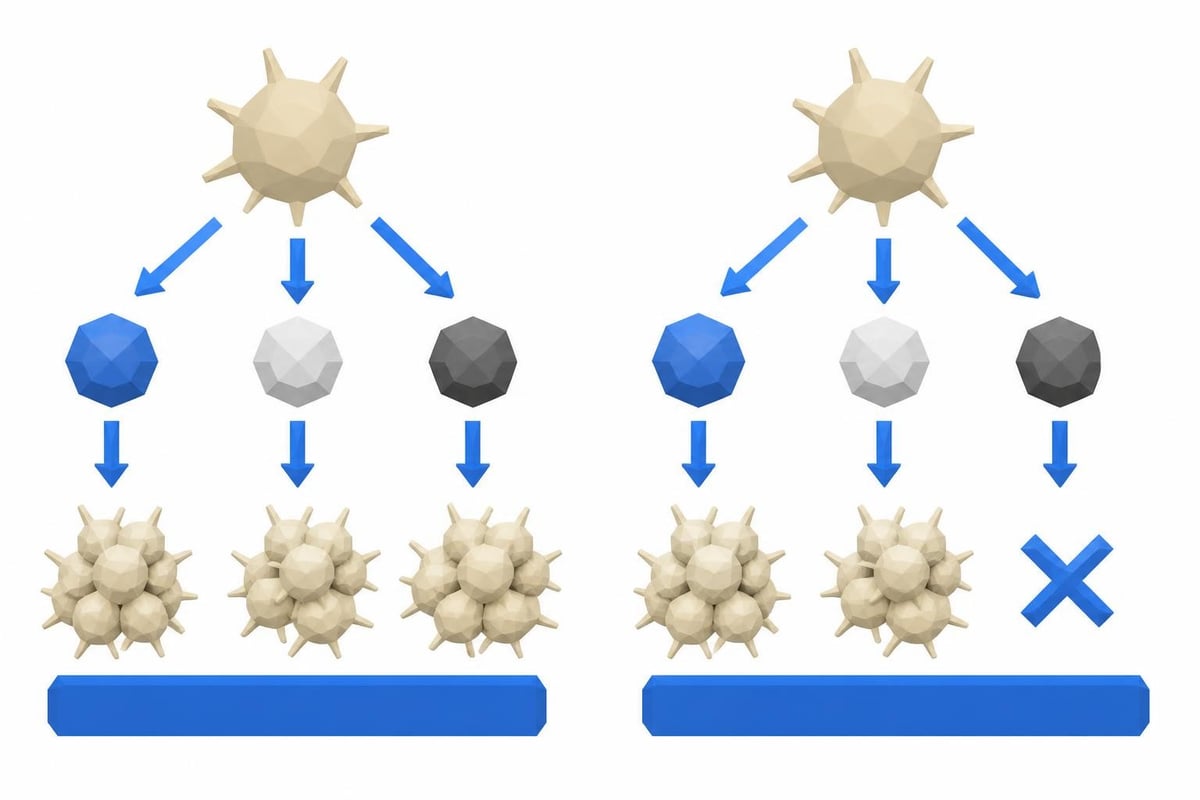
The VerifyNow system offers a rapid, cartridge-based platform specifically designed to assess aspirin responsiveness. This test measures platelet aggregation induced by arachidonic acid using optical detection of platelet clumping. Results are reported in Aspirin Reaction Units (ARU), with values below 550 ARU indicating aspirin effect and values above 550 ARU suggesting aspirin resistance or non-compliance.
Healthcare providers often use this test to:
- Verify patient adherence to prescribed aspirin therapy
- Identify aspirin resistance in high-risk cardiovascular patients
- Guide antiplatelet therapy adjustments before interventional procedures
- Monitor platelet function recovery after stopping aspirin
Thromboelastography and ROTEM
Thromboelastography (TEG) and rotational thromboelastometry (ROTEM) provide comprehensive assessments of whole blood coagulation, including platelet contribution to clot strength. Standard TEG/ROTEM profiles may show subtle changes with aspirin, but specialized modifications using arachidonic acid activation (TEG Platelet Mapping or ROTEM ARATEM) specifically quantify aspirin's antiplatelet effect.
Pre-Analytical Considerations and Test Interpretation
Pre-analytical factors significantly influence hemostasis testing, particularly when evaluating how aspirin affects platelet and clotting tests. Proper specimen collection, handling, and timing determine whether test results accurately reflect in vivo platelet function or introduce artifacts that complicate interpretation.
Timing of Blood Collection
Platelet function tests should ideally be performed 2 to 4 hours after aspirin ingestion for steady-state aspirin therapy, though the irreversible nature of aspirin's effect means timing is less critical than with reversible antiplatelet agents. For patients taking once-daily aspirin, testing can occur at any time during the dosing interval.
Sample Handling Requirements
Platelet function testing demands careful attention to collection technique:
- Use appropriate anticoagulant tubes (citrate for most platelet tests, hirudin for some specialized assays)
- Avoid excessive tourniquet time that might pre-activate platelets
- Gentle mixing prevents mechanical platelet activation
- Process samples promptly, typically within 4 hours of collection
- Maintain room temperature for platelet-rich plasma samples
Factors That Interfere With Testing
Several variables beyond aspirin use can affect platelet function test results. Recent consumption of foods rich in omega-3 fatty acids, other medications (NSAIDs, antibiotics, selective serotonin reuptake inhibitors), hematocrit extremes, and underlying platelet disorders all potentially influence results. When interpreting tests, laboratories must consider these confounding factors.
Recommended Panel
Advanced Heart Health Panel
Save $6Go beyond basic cholesterol testing. This advanced panel includes the markers cardiologists use to assess true cardiovascular risk: ApoB, Lp(a), homocysteine, and inflammation.
Includes 10 biomarkers
$86
Fasting required
Clinical Applications and Monitoring Scenarios
Understanding how aspirin affects platelet and clotting tests becomes practically important in several clinical situations. Patients and healthcare providers rely on this knowledge to make informed decisions about medication management, surgical timing, and cardiovascular risk assessment.
Pre-Operative Evaluation
Surgical teams frequently need to assess whether aspirin therapy should continue or stop before procedures. For surgeries with high bleeding risk (neurosurgery, ophthalmologic procedures, major orthopedic operations), aspirin is typically discontinued 5 to 7 days preoperatively to allow platelet function recovery. Platelet function testing can confirm adequate recovery before proceeding.
Comparison of platelet function tests helps clinicians select the most appropriate monitoring tool for specific clinical scenarios.
| Clinical Scenario | Preferred Test | Typical Timeline |
|---|---|---|
| Pre-surgical clearance | PFA-100 or LTA | 7 days after stopping aspirin |
| Aspirin resistance screening | VerifyNow Aspirin | Any time during therapy |
| Post-cardiac event monitoring | LTA with multiple agonists | 2-4 hours after dose |
| Bleeding disorder workup | Comprehensive LTA panel | Before starting aspirin |
Aspirin Resistance and Non-Responsiveness
A small percentage of patients demonstrate persistent platelet reactivity despite aspirin therapy, a phenomenon termed "aspirin resistance." Platelet function testing identifies these individuals, though the clinical significance and optimal management strategy remain subjects of ongoing research. Some apparent resistance actually reflects non-adherence rather than true pharmacologic resistance.
Dual Antiplatelet Therapy Monitoring
Patients receiving both aspirin and a P2Y12 inhibitor (clopidogrel, prasugrel, or ticagrelor) after acute coronary syndrome or coronary stent placement may undergo platelet function testing to optimize therapy. These tests assess both the aspirin effect and the P2Y12 inhibitor effect simultaneously, using agonists that target different platelet activation pathways.

Accessing Platelet and Coagulation Testing
For individuals taking aspirin or considering starting therapy, understanding baseline platelet function and coagulation status provides valuable health information. Traditional testing routes through physician referrals and insurance networks can introduce delays and complexity, while self-pay options offer streamlined access.
Direct access lab testing eliminates the need for physician appointments before ordering tests. This approach works well for health-conscious individuals monitoring their cardiovascular status or anyone preparing for upcoming medical procedures who wants to verify their clotting function.
Cost Transparency and Accessibility
When evaluating how aspirin affects platelet and clotting tests, cost considerations influence testing decisions. Insurance coverage for platelet function testing varies widely, often requiring specific clinical indications and prior authorization. Transparent lab test pricing allows patients to compare costs and make informed decisions about which tests provide the most value for their specific situation.
Self-pay laboratory services typically offer:
- Upfront pricing without surprise bills
- No insurance denials or authorization delays
- Rapid appointment scheduling at convenient locations
- Online results access within 1 to 3 days
- Direct billing without involving insurance networks
Which Tests to Consider
For someone taking aspirin who wants to verify the medication's effect, the most practical options include:
- Complete Blood Count (CBC) with platelet count to ensure adequate platelet numbers
- PT/INR and aPTT to establish normal baseline coagulation (these should be normal on aspirin)
- Specialized platelet function test (if available through your testing provider) to confirm aspirin effect
- Bleeding time (rarely performed now due to poor standardization)
Many testing services allow customers to order comprehensive panels that bundle related tests, providing a complete hemostasis profile at a package price. However, specialized platelet function tests like PFA-100 or VerifyNow may not be available through all self-pay platforms and might require traditional laboratory referrals.
Interpreting Your Results
When you receive test results showing how aspirin affects platelet and clotting tests, interpretation requires understanding reference ranges and clinical context. Standard coagulation tests (PT/INR, aPTT) should fall within normal ranges even when taking aspirin. Values outside normal limits suggest either laboratory error, interfering substances, or an underlying coagulation disorder unrelated to aspirin use.
Normal Versus Abnormal Patterns
Expected results on aspirin therapy:
- PT/INR: Within normal range (0.9 to 1.1 for INR)
- aPTT: Within normal range (25 to 35 seconds, laboratory-dependent)
- Platelet count: Within normal range (150,000 to 400,000/μL)
- Platelet function tests: Abnormal, showing impaired aggregation to arachidonic acid
Unexpected results requiring investigation:
- Prolonged PT/INR or aPTT (suggests additional anticoagulant effect or deficiency)
- Low platelet count (thrombocytopenia from other causes)
- Normal platelet function tests despite reported aspirin use (non-adherence or aspirin resistance)
- Excessive prolongation of multiple platelet function parameters (combined antiplatelet therapy or platelet disorder)
When to Seek Medical Guidance
While understanding your laboratory results empowers informed health decisions, certain findings warrant professional medical evaluation. Unexplained prolongation of PT/INR or aPTT, platelet counts below 100,000/μL, or history of excessive bleeding despite normal test results all merit consultation with a healthcare provider. Understanding lab results helps you recognize when additional evaluation is necessary.
Key Takeaways
- Aspirin creates permanent platelet dysfunction by blocking COX-1, but this effect does not appear on standard PT/INR or aPTT coagulation tests
- Specialized platelet function tests (LTA with arachidonic acid, PFA-100 C/EPI closure time, VerifyNow Aspirin) can detect aspirin's antiplatelet effect
- Pre-surgical planning may require stopping aspirin 5 to 7 days before procedures and confirming platelet function recovery through testing
- Self-pay lab testing provides affordable access to baseline coagulation and platelet counts without insurance complexity
- Normal PT/INR and aPTT results while taking aspirin confirm that the medication affects only platelet function, not plasma coagulation factors
FAQ
Does aspirin show up on routine blood work?
Aspirin does not show up on standard blood chemistry panels or complete blood counts. Routine PT/INR and aPTT coagulation tests also remain normal on aspirin because these tests measure plasma clotting factors, not platelet function. Only specialized platelet function tests specifically designed to detect antiplatelet effects will identify aspirin use.
How long does aspirin affect platelet function tests?
Aspirin permanently disables platelets for their entire 7 to 10 day lifespan. After stopping aspirin, platelet function gradually recovers as your bone marrow produces fresh, unaffected platelets at approximately 10 percent of your total platelet population daily. Complete recovery of platelet function typically requires 7 to 10 days after the last aspirin dose.
Can I take aspirin before a blood test?
You can take aspirin before most routine blood tests without affecting results. Standard tests like comprehensive metabolic panels, lipid panels, thyroid function, and even PT/INR and aPTT are not influenced by aspirin. However, if you are specifically having platelet function testing, follow your provider's instructions about whether to take or hold aspirin before the test.
What is aspirin resistance and how is it tested?
Aspirin resistance describes the phenomenon where patients taking aspirin still demonstrate normal or near-normal platelet aggregation in response to arachidonic acid stimulation. This condition is detected through platelet function tests showing inadequate suppression of platelet activity. Tests like VerifyNow Aspirin (with results above 550 ARU) or light transmission aggregometry showing preserved arachidonic acid-induced aggregation can identify aspirin resistance.
Will aspirin thin my blood on a blood test?
The term "blood thinner" is somewhat misleading for aspirin. Aspirin does not actually thin blood or reduce its viscosity. Standard tests like hematocrit, hemoglobin, and blood viscosity remain completely normal on aspirin. The medication prevents platelets from clumping together to form clots, but this antiplatelet effect only shows up on specialized platelet function tests, not routine blood work.
Should I stop aspirin before having lab tests done?
For routine laboratory work including chemistry panels, complete blood counts, and standard coagulation tests, there is no need to stop aspirin. These tests are unaffected by aspirin therapy. However, if you are having specialized platelet function testing and your healthcare provider wants to assess your baseline (pre-aspirin) platelet function, you may be instructed to stop aspirin 7 to 10 days before testing.
Can lab tests tell if I am taking too much aspirin?
Standard laboratory tests cannot determine aspirin dosage or identify aspirin overdose in the chronic low-dose range used for cardiovascular protection. Platelet function tests show maximal suppression with as little as 81 mg daily, so they cannot distinguish between low-dose and higher-dose aspirin therapy. For suspected acute aspirin toxicity, serum salicylate levels (not platelet tests) are measured.
Understanding how aspirin affects platelet and clotting tests helps you make informed decisions about cardiovascular health monitoring and surgical preparation. While aspirin leaves standard coagulation tests unchanged, specialized platelet function assays reveal its antiplatelet effects. Whether you are starting aspirin therapy, preparing for a procedure, or simply want to verify your baseline clotting function, Justlabs offers convenient access to essential coagulation and blood count testing with transparent pricing and rapid results. Order your tests online today and receive results in 1 to 3 days without the complexity of insurance approvals or physician appointments.