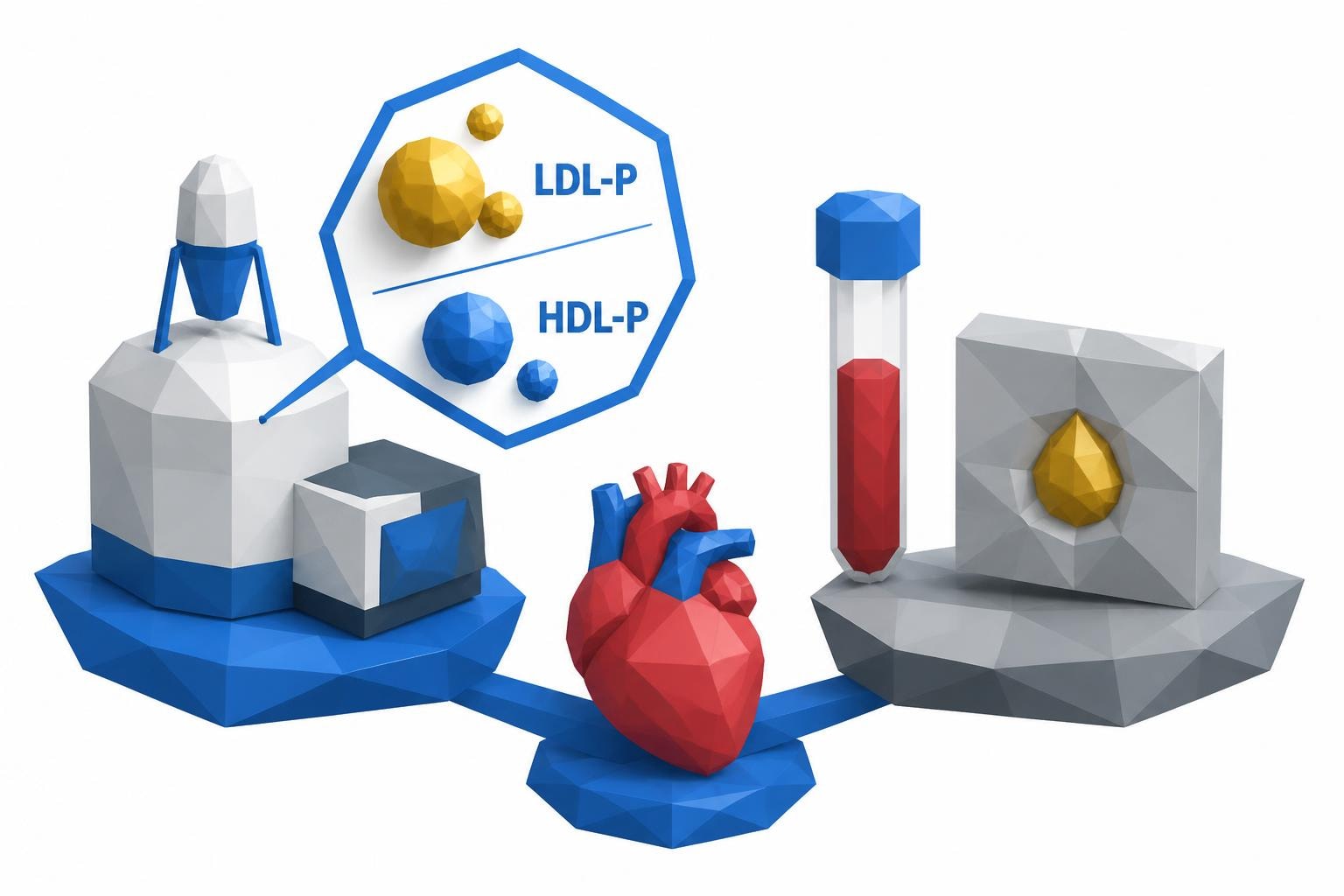
When it comes to assessing your cardiovascular health, the test you choose matters more than you might think. Traditional cholesterol testing has been the standard for decades, but it only tells part of the story. Modern technology has introduced a more sophisticated approach that measures what truly matters for heart disease risk. Understanding the differences between advanced testing methods and conventional approaches can help you make informed decisions about your health monitoring strategy.
Understanding the Fundamental Difference
The key distinction between advanced lipoprotein testing and traditional cholesterol panels lies in what each method actually measures. A standard lipid panel quantifies the concentration of cholesterol carried within lipoproteins, providing measurements for total cholesterol, LDL cholesterol, HDL cholesterol, and triglycerides. This approach assumes that cholesterol concentration directly correlates with cardiovascular risk.
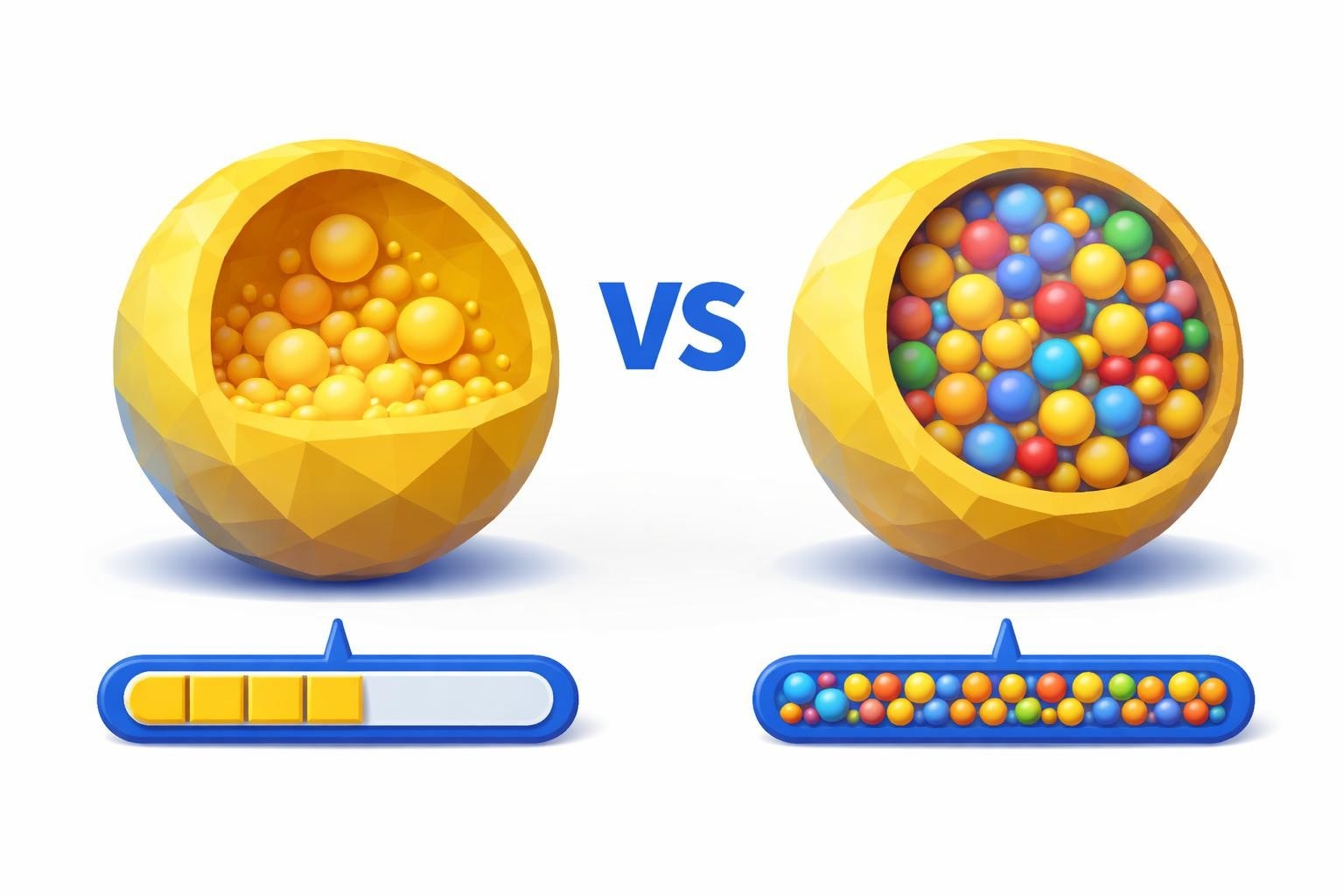
In contrast, NMR LipoProfile measures lipoprotein particle number and size, which provides fundamentally different information. Rather than measuring how much cholesterol is present, it counts how many lipoprotein particles exist and determines their individual sizes. This distinction is critical because research has demonstrated that particle number is a stronger predictor of cardiovascular events than cholesterol concentration alone.
Why Particle Number Matters
Two individuals can have identical LDL cholesterol levels yet possess vastly different cardiovascular risk profiles. One person might have many small, dense LDL particles, while another has fewer large, fluffy LDL particles. The person with more particles faces higher risk, even if their cholesterol numbers match.
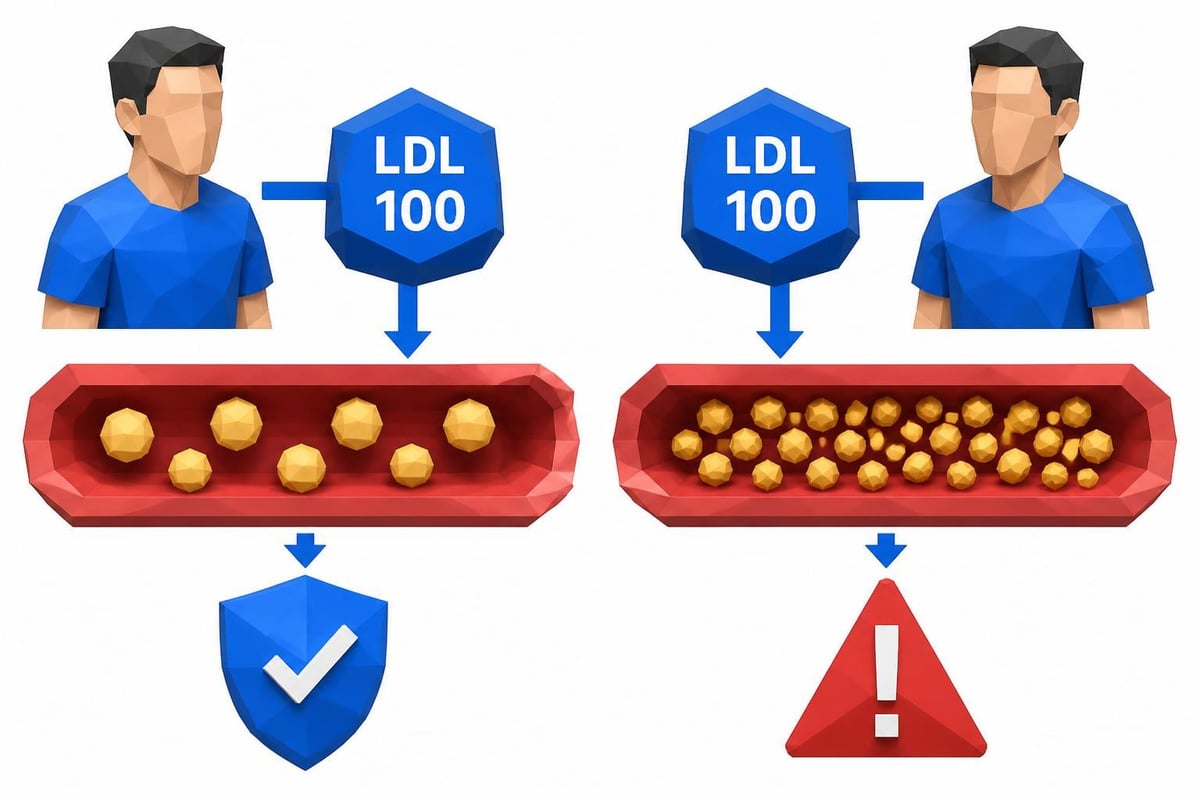
This scenario reveals why nmr lipoprofile beats a standard lipid panel in clinical utility. Small, dense LDL particles penetrate arterial walls more easily and are more susceptible to oxidation, both of which accelerate atherosclerosis development. Standard panels cannot detect these dangerous particles because they only measure total cholesterol content.
The Technology Behind Nuclear Magnetic Resonance
Nuclear magnetic resonance spectroscopy represents a significant technological advancement in lipid testing. This sophisticated methodology applies magnetic fields and radio waves to blood plasma samples, causing different lipoprotein particles to emit unique signals based on their size and composition. The technology simultaneously measures multiple lipoprotein subclasses in a single analysis.
The NMR method delivers comprehensive data including:
- LDL particle number (LDL-P)
- Small LDL particle concentration
- LDL particle size
- HDL particle number (HDL-P)
- HDL particle size
- VLDL and IDL particle counts
- Lipoprotein insulin resistance score (LP-IR)
Standard enzymatic and chemical methods used in conventional panels cannot provide this level of detail. They measure cholesterol mass without differentiating between particle sizes or counting individual particles.
Clinical Scenarios Where Advanced Testing Excels
Certain patient populations benefit substantially from the enhanced information that advanced particle testing provides. People with metabolic syndrome often display a characteristic pattern of high triglycerides, low HDL cholesterol, and normal LDL cholesterol on standard panels. However, these individuals typically have elevated small LDL particles that standard testing misses entirely.
Discordant Results
Medical professionals encounter situations where LDL cholesterol and LDL particle number disagree. When these measurements are discordant, the particle number proves more predictive of cardiovascular events. A patient might have acceptable LDL cholesterol levels but dangerously high particle counts, or vice versa.
| Clinical Scenario | Standard Panel Finding | NMR LipoProfile Finding | Risk Assessment |
|---|---|---|---|
| Metabolic Syndrome | Normal LDL-C | High small LDL-P | Underestimated risk |
| Familial Hypercholesterolemia | Very high LDL-C | High large LDL-P | Better risk stratification |
| Triglyceride-Rich State | Normal LDL-C | Elevated remnant particles | Hidden atherogenic risk |
| Statin Therapy | Low LDL-C | Residual elevated LDL-P | Incomplete treatment |
These scenarios demonstrate why nmr lipoprofile beats a standard lipid panel for personalized risk assessment. Comparing the detailed cardiovascular risk insights reveals how particle measurement changes clinical decision-making.
Treatment Optimization and Monitoring
Lipid-lowering therapy requires monitoring to ensure effectiveness. Standard panels track cholesterol reduction, but this metric may not reflect actual risk reduction if particle numbers remain elevated. Some patients achieve target LDL cholesterol levels while maintaining high particle counts, leaving significant residual risk.
NMR testing guides treatment optimization by revealing whether therapy has successfully reduced atherogenic particle burden. Different medications affect particle size and number differently. Statins generally reduce both cholesterol and particle number, while niacin increases LDL particle size. Fibrates primarily impact triglyceride-rich particles.
Physicians can adjust treatment strategies based on particle response rather than cholesterol response alone. This precision approach ensures that therapy addresses the actual mechanism driving cardiovascular risk in each individual patient.
Monitoring Lifestyle Interventions
Diet and exercise interventions also produce variable effects on lipid parameters. A patient might lose weight and improve their standard lipid panel without substantially changing their particle profile, or they might achieve significant particle reductions with modest cholesterol changes.
Advanced testing reveals:
- Whether dietary modifications reduce small, dense LDL particles
- If exercise increases beneficial large HDL particles
- How weight loss impacts insulin resistance markers
- Whether intermittent fasting affects remnant lipoprotein particles
Cost Considerations and Accessibility
The enhanced information from NMR testing comes at a higher price point than traditional panels. Standard lipid panels typically cost between $20 and $50 through self-pay services, while advanced particle testing ranges from $100 to $200. This price difference raises questions about value and appropriate utilization.

For individuals with average cardiovascular risk and normal standard panel results, routine NMR testing may not be cost-effective. However, several populations gain substantial value from the additional information:
- Patients with family history of premature heart disease
- Individuals with metabolic syndrome or diabetes
- People with discordant risk factors (high risk score but normal cholesterol)
- Those not responding adequately to standard therapy
- Patients requesting comprehensive risk assessment
Accessing affordable lab testing options makes advanced cardiovascular screening more feasible for self-directed health monitoring. When you can order lab tests without visiting a doctor, you gain control over your health assessment choices.
Insurance Coverage Versus Self-Pay Options
Insurance coverage for advanced lipoprotein testing varies considerably. Many insurers restrict NMR testing to specific clinical indications, requiring prior authorization and documented medical necessity. Patients wanting comprehensive testing for prevention often face denials or high out-of-pocket costs through insurance channels.
Self-pay laboratory services provide an alternative pathway. Direct-access testing eliminates authorization requirements and often delivers results faster than insurance-based ordering. Transparent lab test pricing allows you to make informed decisions about which tests provide the best value for your specific situation and health goals.
The self-pay approach offers several advantages:
- No prior authorization delays preventing timely testing
- Direct result access without waiting for physician review
- Privacy protection with results not entering insurance records
- Freedom to choose advanced testing regardless of insurance restrictions
- Transparent costs known upfront without surprise bills
Interpreting Your Results Effectively
Understanding NMR results requires familiarity with particle count reference ranges and risk thresholds. Unlike standard cholesterol measurements that most people recognize, particle numbers use different units and benchmarks. LDL particle number below 1,000 nmol/L indicates low risk, while levels above 1,600 nmol/L suggest high risk.
| Measurement | Optimal | Borderline | High Risk |
|---|---|---|---|
| LDL-P (nmol/L) | <1,000 | 1,000-1,299 | ≥1,600 |
| Small LDL-P (nmol/L) | <527 | 527-644 | ≥645 |
| LDL Size (nm) | >21.2 | 20.6-21.2 | <20.5 |
| HDL-P (μmol/L) | >34.9 | 26.8-34.9 | <26.8 |
Small LDL particle concentration deserves particular attention. Elevated small LDL-P indicates an atherogenic particle pattern associated with insulin resistance and increased cardiovascular events. Preparing properly for testing ensures accurate results that reflect your true metabolic state.
The Lipoprotein Insulin Resistance Score
NMR testing includes a unique metric called the LP-IR score, which reflects insulin resistance based on lipoprotein particle characteristics. This score ranges from zero to 100, with higher numbers indicating greater insulin resistance. The LP-IR score predicts diabetes risk and helps identify individuals who would benefit from metabolic interventions.
This biomarker demonstrates another way nmr lipoprofile beats a standard lipid panel by providing metabolic insights beyond cardiovascular risk alone. Standard panels cannot assess insulin sensitivity or predict diabetes development through lipid measurements.
Making the Decision for Your Health
Choosing between testing options depends on your individual risk factors, health goals, and budget considerations. People seeking basic screening for average-risk populations may find standard panels sufficient. Those wanting comprehensive risk assessment or facing elevated cardiovascular risk should consider advanced particle testing.

Consider advanced testing if you experience:
- Persistent borderline standard lipid results
- Strong family history of heart disease before age 55
- Metabolic syndrome components including abdominal obesity or high blood pressure
- Suboptimal response to cholesterol-lowering medications
- Desire for comprehensive cardiovascular risk profiling
The evidence consistently shows that nmr lipoprofile beats a standard lipid panel for risk prediction and treatment guidance in these scenarios. While the initial cost exceeds basic testing, the actionable information often justifies the investment through improved disease prevention strategies.
Recommended Test
Lipoprotein Fractionation (NMR)
Goes beyond standard cholesterol testing to measure the actual size and number of your LDL and HDL particles. Small, dense LDL particles are far more dangerous than large, fluffy ones.
Includes 5 biomarkers
$52
Fasting required
Scientific Evidence Supporting Particle Testing
Multiple large-scale clinical trials have validated the superior predictive value of particle measurements over cholesterol concentration. The Multi-Ethnic Study of Atherosclerosis (MESA) demonstrated that LDL particle number predicts cardiovascular events better than LDL cholesterol. The Framingham Offspring Study confirmed these findings across diverse populations.
Research published in major cardiology journals consistently shows that particle number remains predictive even after adjusting for standard lipid measurements. This statistical independence proves that particle testing provides unique information not captured by conventional panels. Comprehensive NMR lipid analysis enables more accurate cardiovascular risk stratification.
The American Diabetes Association recognizes LDL particle number as an alternative treatment target for individuals with diabetes. This endorsement reflects growing acceptance that nmr lipoprofile beats a standard lipid panel for certain patient populations where cholesterol measurements prove inadequate.
Emerging Applications and Future Directions
Advanced lipoprotein testing continues evolving with new research applications. Scientists are investigating how particle characteristics relate to conditions beyond cardiovascular disease, including:
- Alzheimer's disease and cognitive decline
- Chronic kidney disease progression
- Autoimmune conditions with inflammatory components
- Cancer risk assessment and metabolism
Apolipoprotein B measurement provides an alternative particle marker that correlates closely with LDL-P. Some experts advocate for ApoB testing as a more accessible and less expensive option than full NMR analysis while still capturing particle information. However, NMR technology offers comprehensive particle sizing data that ApoB measurements cannot provide.
Future iterations may integrate genetic information with particle profiles to create personalized risk algorithms. Combining polygenic risk scores with detailed lipoprotein particle data could enable truly individualized prevention strategies.
Practical Implementation Strategies
If you decide to pursue advanced lipoprotein testing, proper timing and preparation optimize result accuracy. Fasting for 12 to 14 hours before blood collection ensures triglyceride measurements reflect your baseline state rather than recent food intake. Consistent testing conditions allow meaningful comparison of serial results over time.
Testing frequency depends on your risk level and treatment status. Low-risk individuals might test annually or biannually, while high-risk patients or those adjusting therapy benefit from quarterly monitoring. This schedule balances information value against testing costs.
Schedule testing at consistent times of day when possible. Diurnal variations in lipid metabolism can affect results, though these effects are generally small. Morning collection after overnight fasting remains the standard protocol for most lipid testing scenarios.
| Risk Category | Initial Testing | Follow-Up Frequency | Special Considerations |
|---|---|---|---|
| Low Risk | Standard panel | Every 2-5 years | Consider NMR if family history present |
| Moderate Risk | NMR LipoProfile | Annually | Monitor particle patterns |
| High Risk | NMR LipoProfile | Every 3-6 months | Track treatment response |
| On Therapy | NMR LipoProfile | 3 months after changes | Assess particle reduction |
Understanding your lab results becomes easier when you track trends over time rather than focusing on single data points. Sequential testing reveals whether your lifestyle changes or medications are moving particle counts in the right direction.
The Role of Self-Directed Testing
Healthcare is increasingly shifting toward patient empowerment and self-directed wellness. Direct-access laboratory testing enables individuals to monitor their health proactively without waiting for annual physician visits or dealing with insurance barriers. This model particularly benefits people optimizing their health through lifestyle interventions who want frequent feedback on their progress.
Getting lab tests through accessible channels supports informed self-care while maintaining medical oversight when appropriate. You can use results to guide conversations with healthcare providers or to verify that your prevention strategies are working effectively. The combination of advanced testing technology and convenient access creates unprecedented opportunities for personalized health management.
Many individuals use self-pay testing to establish baseline measurements before implementing major lifestyle changes. Documenting your starting point with comprehensive particle analysis provides motivation and accountability as you work toward health goals. Subsequent testing demonstrates concrete improvements that standard panels might miss.
When Standard Panels Remain Appropriate
Despite the advantages of advanced testing, traditional lipid panels retain important roles in cardiovascular screening. Initial population screening, routine monitoring of low-risk individuals, and basic treatment response assessment often require only standard measurements. The American Heart Association guidelines still recommend standard panels for initial cardiovascular risk assessment in most adults.
Standard panels provide excellent value for:
- Young adults without risk factors establishing baseline measurements
- Previously tested individuals with consistently optimal results
- Budget-conscious screening when advanced testing isn't financially feasible
- Insurance-required testing for medication coverage documentation
The relationship between standard and advanced testing is complementary rather than competitive. Most experts recommend starting with standard panels and advancing to particle testing when specific indications arise. This tiered approach balances cost-effectiveness with comprehensive risk assessment.
Recommended Test
Lipid Panel (Standard)
The standard lipid panel measures your cholesterol and triglyceride levels - essential markers for assessing your risk of heart disease and stroke.
Includes 6 biomarkers
$8
Fasting required
However, for those situations where particle information matters, the evidence clearly demonstrates that nmr lipoprofile beats a standard lipid panel for clinical decision-making and accurate risk prediction.
Advanced lipoprotein particle testing provides cardiovascular risk insights that standard cholesterol measurements simply cannot deliver, particularly for individuals with metabolic syndrome, family history, or discordant risk factors. Whether you choose basic or comprehensive testing depends on your unique health profile and prevention goals. Justlabs makes both options accessible through transparent pricing and convenient self-pay testing, delivering results in just 1-3 days without the delays and restrictions of traditional healthcare channels.
Recommended Panel
Advanced Heart Health Panel
Save $6Go beyond basic cholesterol testing. This advanced panel includes the markers cardiologists use to assess true cardiovascular risk: ApoB, Lp(a), homocysteine, and inflammation.
Includes 10 biomarkers
$86
Fasting required