Getting your cholesterol checked shouldn't require navigating insurance complexities or waiting weeks for a doctor's appointment. Understanding lipid panel self-pay options empowers you to take control of your cardiovascular health while managing costs transparently and efficiently.
Big picture
- What it is: A lipid panel self-pay arrangement means you pay directly for cholesterol testing without involving insurance companies, typically at predetermined transparent prices
- Why it matters: Self-pay options eliminate insurance billing confusion, reduce costs for many patients, and provide faster access to essential heart health screening
- Who it affects: Uninsured individuals, people with high-deductible plans, those seeking privacy, and anyone wanting transparent pricing before testing
- Cost range: Lipid panel self-pay prices typically range from $25 to $150 depending on the provider and location
- Next step: Compare self-pay prices from multiple providers, including online lab testing services, to find the most affordable option for your situation
Understanding Lipid Panel Self-Pay Testing
A lipid panel measures cholesterol levels in your blood, providing critical insights into cardiovascular health risks. When you choose lipid panel self-pay testing, you're opting to pay the full cost directly rather than submitting claims through health insurance.
This approach has gained significant traction as healthcare consumers seek more control over medical expenses. The traditional insurance-based system often obscures actual costs until after services are rendered, leaving patients with unexpected bills. Self-pay pricing eliminates this uncertainty.
What a Lipid Panel Measures
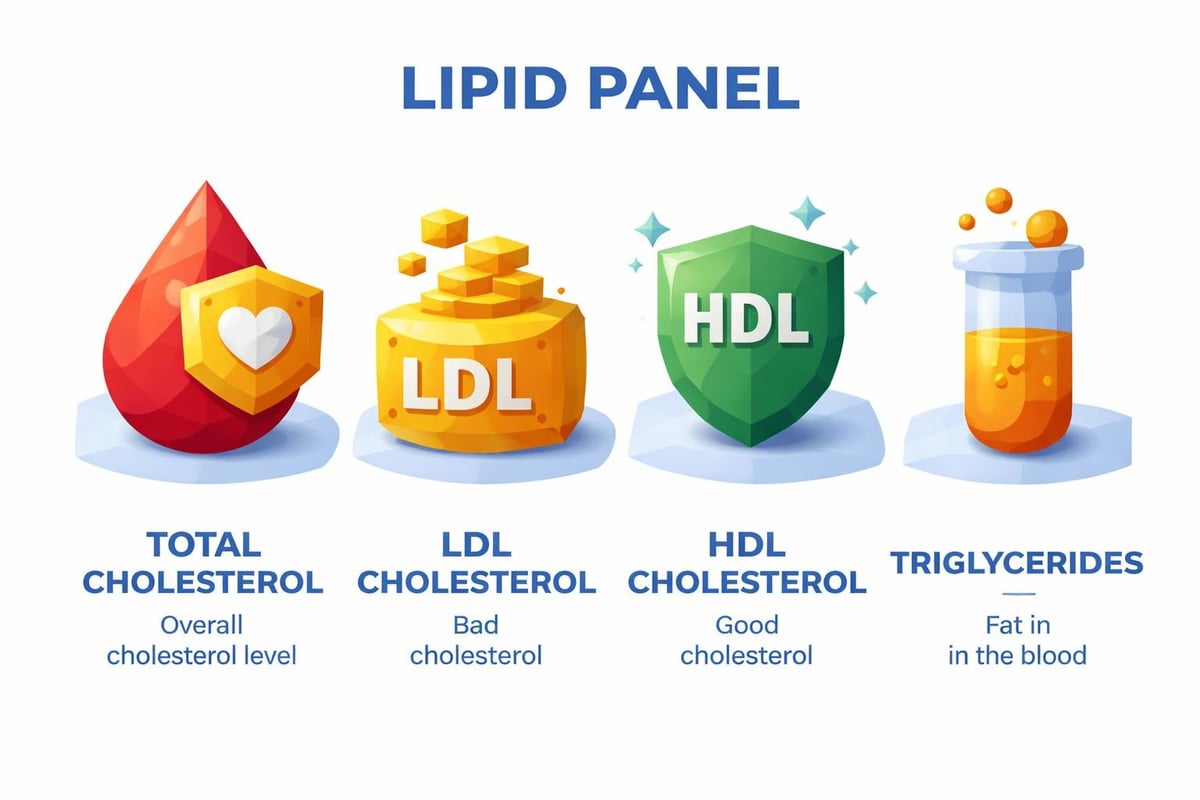
The standard lipid panel includes four key measurements:
- Total cholesterol: Overall cholesterol level in your bloodstream
- LDL cholesterol: "Bad" cholesterol that contributes to arterial plaque
- HDL cholesterol: "Good" cholesterol that helps remove LDL
- Triglycerides: Fat molecules that affect heart disease risk
Some comprehensive panels include additional markers like VLDL cholesterol or cholesterol ratios, which provide deeper insights into cardiovascular risk profiles.
Why Choose Self-Pay for Lipid Testing
Several compelling reasons drive patients toward lipid panel self-pay options rather than traditional insurance-based testing.
Cost transparency stands out as the primary advantage. When you know the exact price upfront, you can budget accordingly and compare options. Many self-pay lab testing services publish their prices openly, allowing informed decisions before committing.
Speed and convenience represent another significant benefit. Traditional routes require scheduling doctor appointments, getting referrals, and navigating insurance authorization processes. Self-pay testing often allows you to walk into a lab or order online and get tested within days.
Common Self-Pay Scenarios
- High-deductible health plans: When your deductible exceeds several thousand dollars, self-pay prices often cost less than your insurance "discounted" rate
- No insurance coverage: Uninsured individuals need accessible testing options at predictable prices
- Privacy concerns: Some patients prefer keeping certain health information outside insurance records
- Routine monitoring: Athletes, health enthusiasts, or those managing chronic conditions may test frequently and find self-pay more economical
Insurance companies negotiate rates with labs, but these "negotiated" prices don't always benefit patients who haven't met their deductibles. In many cases, self-pay pricing proves more affordable than insurance-processed testing.
Lipid Panel Self-Pay Price Comparison
Understanding the pricing landscape helps you identify the best value for your lipid panel testing needs.
| Provider Type | Typical Price Range | Results Timeframe | Appointment Required |
|---|---|---|---|
| Hospital labs | $80-$150 | 3-7 days | Usually yes |
| Independent labs | $40-$100 | 2-5 days | Sometimes |
| Urgent care centers | $50-$120 | 2-4 days | Walk-in available |
| Online lab services | $25-$60 | 1-3 days | No |
These ranges reflect current market conditions across various regions. At JustLabs, a standard lipid panel is $8 plus the one $18 order fee ($26 all-in). Direct pay lab pricing varies by geographic location, with urban areas generally offering more competitive rates due to higher provider density.
Factors Affecting Self-Pay Prices
Multiple variables influence what you'll actually pay for lipid panel self-pay testing:
- Geographic location: Coastal cities and competitive markets typically feature lower prices
- Provider overhead: Hospital-based labs carry higher operational costs than standalone facilities
- Test comprehensiveness: Basic four-component panels cost less than expanded cardiovascular profiles
- Volume discounts: Some providers offer reduced rates for multiple tests or family testing
Comparing options requires looking beyond the sticker price. Consider total convenience, results delivery speed, and whether follow-up consultations are included or available at additional cost.
How to Access Lipid Panel Self-Pay Testing
Getting your lipid panel through self-pay channels follows a straightforward process, though specific steps vary by provider type.
Online Lab Testing Services
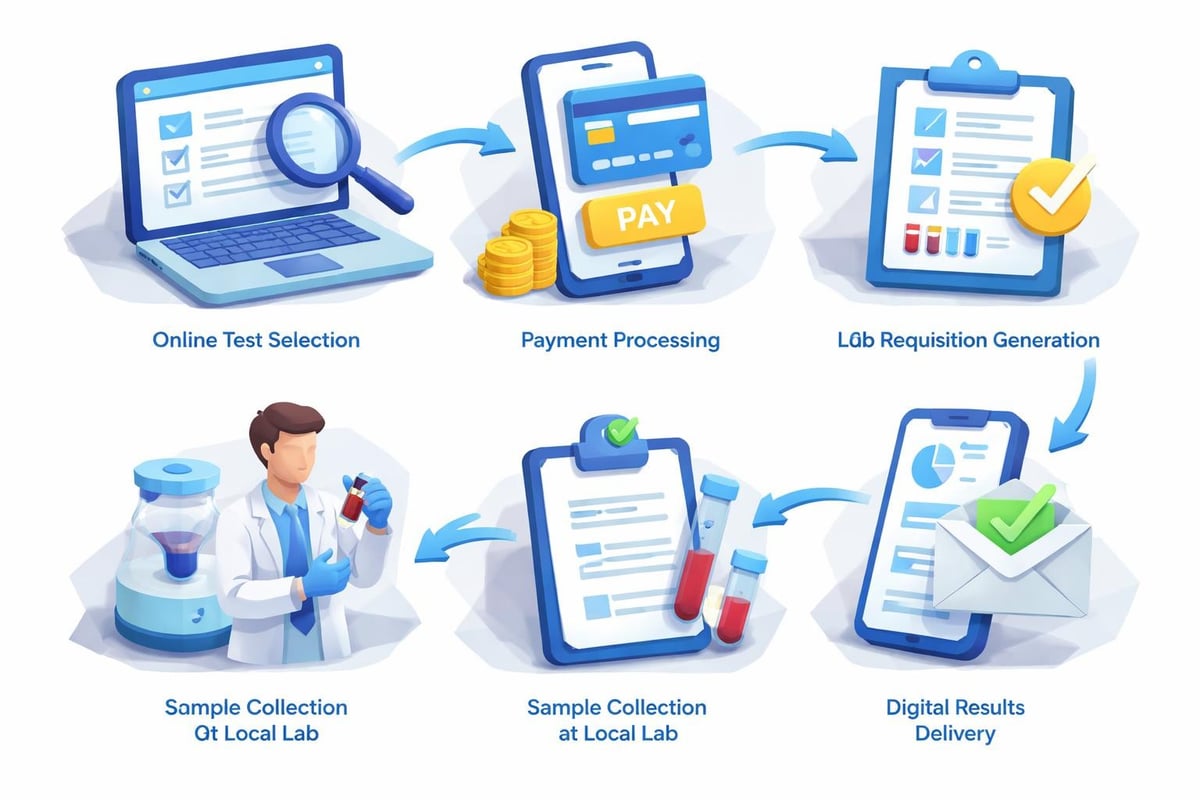
Modern lab testing platforms have revolutionized access to labs without insurance. These services typically follow this workflow:
- Select your test from an online menu with transparent pricing
- Complete payment upfront through a secure checkout process
- Receive lab requisition via email within minutes
- Visit a nearby lab from the provider's network at your convenience
- Access results through an online portal within 1-3 days
This approach eliminates doctor visits and insurance paperwork entirely. You maintain complete control over when and where you test.
Traditional Lab Facilities
If you prefer working directly with a physical lab location, self-pay lab testing options at urgent care centers and independent laboratories offer another route.
Call ahead to confirm self-pay pricing and whether appointments are necessary. Some facilities welcome walk-ins, while others require scheduling. Bring a photo ID and payment method (most accept credit cards, debit cards, and sometimes cash).
Request a detailed receipt for your records, especially if you plan to submit for potential insurance reimbursement later or need documentation for health savings account (HSA) or flexible spending account (FSA) claims.
Comparing Value Beyond Price
While cost matters significantly in lipid panel self-pay decisions, several other factors contribute to overall value.
Results quality and accuracy should never be compromised for savings. Verify that testing facilities are CLIA-certified (Clinical Laboratory Improvement Amendments), which ensures quality standards. Reputable providers prominently display their certifications.
Support and consultation availability varies widely. Some self-pay services include access to healthcare professionals who can explain results, while others simply deliver raw data. Consider whether you'll need guidance interpreting your numbers.
What to Look for in Self-Pay Providers
| Feature | Why It Matters | Questions to Ask |
|---|---|---|
| CLIA certification | Ensures quality and accuracy | Is your lab CLIA-certified? |
| Transparent pricing | No surprise charges | Are there any additional fees? |
| Results portal | Convenient access | How do I access my results? |
| Network size | Lab location convenience | How many locations are available? |
| Customer support | Help when needed | What support is available? |
Affordable self-pay options should balance cost with quality and convenience rather than sacrificing essential standards for minimal savings.
Insurance vs Self-Pay: Making the Right Choice
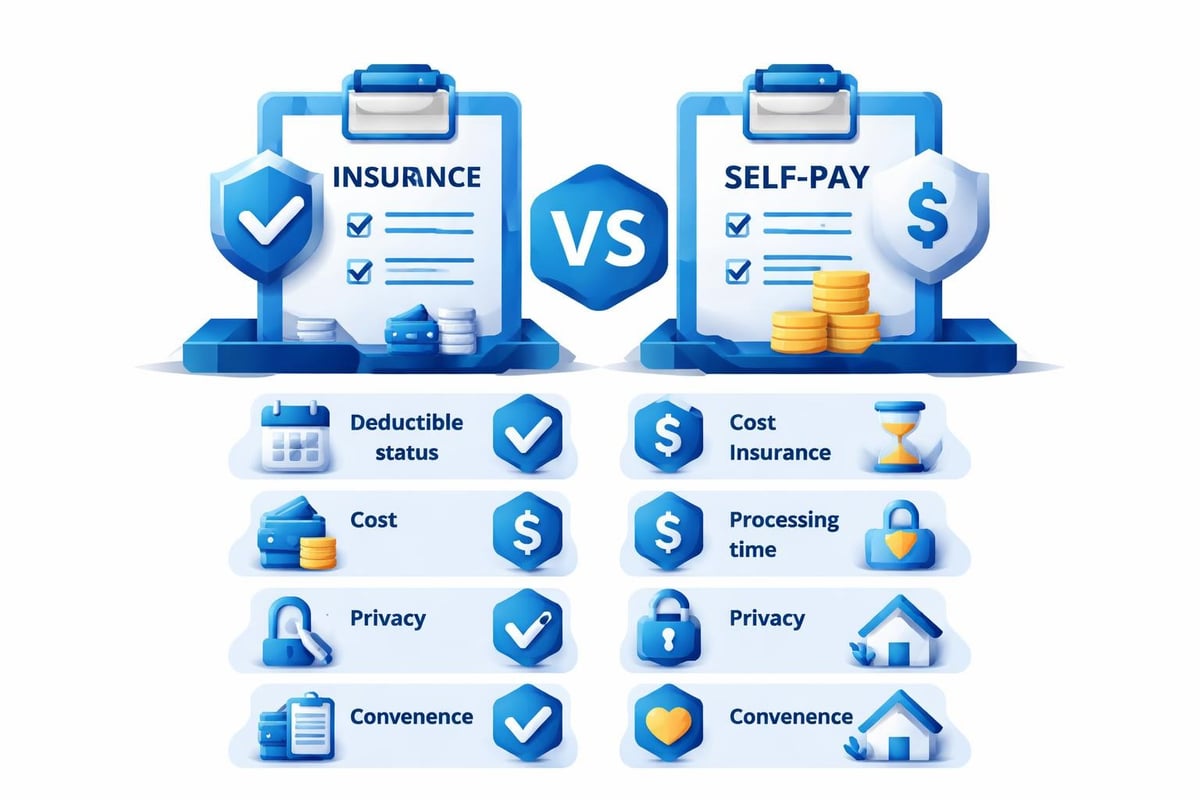
Deciding between insurance-processed testing and lipid panel self-pay requires examining your specific situation.
Calculate your actual insurance cost by adding copays, deductibles, and coinsurance. If you haven't met your annual deductible, you're likely paying full price anyway, but at the insurance-negotiated rate rather than the potentially lower self-pay price.
When Insurance Makes Sense
- Your deductible is already met for the year
- Your plan has a low copay (under $20) for lab work
- You're scheduling multiple tests that might trigger coverage thresholds
- Your doctor requires test results for ongoing treatment covered by insurance
When Self-Pay Offers Better Value
- You have a high deductible ($2,000 or more)
- Self-pay prices are lower than your insurance-negotiated rates
- You want results quickly without authorization delays
- Privacy is a priority for this specific test
Many patients discover that discounted lab prices through self-pay channels actually cost less than their insurance "discount" when deductibles haven't been met.
Maximizing Your Lipid Panel Investment
Getting tested represents just the first step. Maximizing the value of your lipid panel self-pay investment involves proper preparation and follow-through.
Fasting requirements typically call for 9-12 hours without food or beverages (except water) before testing. Non-fasting lipid panels are becoming more common, but fasting tests remain the gold standard for accuracy. Confirm requirements with your testing provider.
Preparing for Accurate Results
Follow these guidelines for optimal test accuracy:
- Avoid alcohol for 24 hours before testing
- Maintain normal diet in the days leading up to the test (don't suddenly change eating patterns)
- Stay hydrated with water, which makes blood draws easier
- List medications you're taking, as some affect lipid levels
- Schedule consistently if monitoring trends over time
Consistency in testing conditions allows for meaningful comparisons when you retest in the future to track changes.
Understanding Your Results
Receiving your lipid panel results marks the beginning of taking action on the information. Self-pay testing puts you in control, but you're also responsible for understanding what the numbers mean.
Reference ranges appear on lab reports, showing "normal" values. However, optimal ranges for cardiovascular health may differ from laboratory reference ranges. Total cholesterol under 200 mg/dL is generally desirable, LDL under 100 mg/dL is optimal for most people, HDL above 40 mg/dL for men and 50 mg/dL for women is protective, and triglycerides under 150 mg/dL are preferred.
Taking Action on Results
| Result Pattern | Typical Recommendation | Next Steps |
|---|---|---|
| All values optimal | Maintain current lifestyle | Retest annually |
| Borderline high LDL | Dietary modifications | Retest in 3-6 months |
| High triglycerides | Reduce sugar/alcohol | Retest in 2-3 months |
| Very high LDL or total | Medical evaluation | Consult healthcare provider |
Many self-pay medical services include optional consultations with healthcare professionals to discuss results and develop action plans.
Frequency and Follow-Up Testing
How often should you invest in lipid panel self-pay testing? Guidelines vary based on age, risk factors, and previous results.
Healthy adults with no risk factors typically need testing every 4-5 years. Adults over 40 or those with risk factors benefit from annual testing. People managing high cholesterol may need quarterly monitoring to assess treatment effectiveness.
Self-pay options make frequent monitoring more feasible financially. When you're tracking the impact of dietary changes, exercise programs, or medications, the ability to test affordably without insurance authorization streamlines the process.
Building a Testing Schedule
- Establish baseline: Get initial testing to understand your starting point
- Implement changes: Modify diet, exercise, or other lifestyle factors
- Monitor progress: Retest after 2-3 months to assess impact
- Adjust approach: Refine strategies based on results
- Maintain routine: Continue regular testing to ensure sustained improvement
University medical center self-pay pricing schedules often provide bulk discounts for patients committing to regular monitoring programs.
Self-Pay Testing for Different Populations
Lipid panel self-pay testing serves diverse groups with varying needs and priorities.
Young adults establishing health baselines benefit from affordable access without requiring full insurance activation. Many people in their twenties and thirties are healthy enough to choose high-deductible plans but still want occasional health monitoring.
Seniors on Medicare may face gaps in coverage or prefer supplementing Medicare testing with more frequent self-pay panels. Medicare covers screening once every five years, but individuals managing cardiovascular conditions often want more frequent monitoring.
Small business owners and freelancers frequently choose high-deductible plans or health sharing ministries that don't cover routine screening. Self-pay options provide predictable costs for preventive care.
Common Questions About Payment Methods
Most providers accepting lipid panel self-pay offer flexible payment options to accommodate different preferences.
Health savings accounts (HSAs) and flexible spending accounts (FSAs) cover lipid panels as qualified medical expenses. Save receipts for reimbursement or use HSA debit cards directly at many facilities.
Credit and debit cards are universally accepted at online platforms and most physical locations. Some independent labs also accept cash payments, though this is becoming less common.
Payment plans are rarely necessary for single lipid panels due to relatively low costs, but some providers offer them for comprehensive testing packages or family testing.
Key Takeaways
- Lipid panel self-pay pricing typically ranges from $25-$150, often costing less than insurance-processed testing when deductibles aren't met
- Online lab services provide the most convenient and affordable self-pay options, with results in 1-3 days and no doctor visit required
- Compare total value beyond price alone, including results speed, support availability, and lab certification
- HSA and FSA accounts cover lipid panel self-pay costs as qualified medical expenses
- Regular monitoring (annually for most adults, more frequently when managing high cholesterol) helps track cardiovascular health trends effectively
FAQ
What is a lipid panel self-pay test?
A lipid panel self-pay test is cholesterol screening that you pay for directly without involving insurance. You receive transparent pricing upfront and access results quickly without needing doctor referrals or insurance authorization.
How much does a lipid panel cost without insurance?
Lipid panel self-pay costs typically range from $25 to $150 depending on the provider. Online lab testing services generally offer the lowest prices (at JustLabs, a standard lipid panel is $8 plus the one $18 order fee, $26 all-in), while hospital-based labs charge more ($80-$150). Geographic location and test comprehensiveness also affect pricing.
Can I use my HSA or FSA for self-pay lipid testing?
Yes, lipid panels qualify as medical expenses for both health savings accounts (HSA) and flexible spending accounts (FSA). Keep your receipt for documentation, or pay directly with your HSA debit card if the provider accepts it.
Do I need a doctor's order for self-pay lipid testing?
No doctor's order is required for most self-pay lipid panel services. Online lab platforms provide the necessary requisition when you place your order. Some traditional lab facilities may require physician orders, so confirm beforehand.
How accurate are self-pay lipid panel tests?
Self-pay lipid panels use the same CLIA-certified laboratories and equipment as insurance-processed tests. Accuracy depends on lab certification and proper fasting preparation, not on payment method. Verify that your chosen provider uses CLIA-certified facilities.
When will I receive my lipid panel results?
Most self-pay services deliver results within 1-3 days through secure online portals. Traditional lab facilities may take 3-7 days. Turnaround time varies by provider and testing volume but is typically faster with self-pay than insurance-processed testing.
Is self-pay cheaper than using insurance for lipid panels?
Self-pay often costs less than insurance if you haven't met your annual deductible. Compare the self-pay price to your out-of-pocket insurance cost (deductible plus copay). Many patients with high-deductible plans save money with self-pay options.
How often should I get a lipid panel?
Healthy adults should test every 4-5 years, while those over 40 or with cardiovascular risk factors benefit from annual testing. People actively managing high cholesterol may need testing every 2-3 months to monitor treatment effectiveness.
Understanding lipid panel self-pay options empowers you to access essential cardiovascular screening affordably and conveniently. Whether you're uninsured, have a high-deductible plan, or simply want transparent pricing and faster results, self-pay testing puts you in control of your health monitoring. JustLabs offers straightforward lipid panel testing with transparent pricing, convenient lab locations nationwide, and results delivered securely within 1-3 days-no insurance hassles, no doctor visits required. Take charge of your heart health today with accessible, affordable testing designed for your needs.