Wondering what your FT4 blood test results mean, or why your doctor ordered this thyroid test? The FT4 blood test is central to understanding your thyroid health, especially if you have symptoms or are managing a known thyroid disorder. Knowing what FT4 measures, how it differs from other thyroid tests, and what to expect during the testing process is key for confident health decisions. This article explains what FT4 is, why it matters, how testing works, how to interpret your results, and how to access affordable FT4 testing.
Understanding the FT4 Blood Test
The FT4 blood test is a crucial tool for anyone monitoring their thyroid health or trying to understand unexplained symptoms like fatigue or changes in weight. FT4 stands for free thyroxine, which is one of the primary hormones produced by the thyroid gland. This hormone plays a significant role in regulating how your body uses energy and supports the function of many organs.

What is FT4 and Why is It Important?
FT4, or free thyroxine, is the portion of thyroxine hormone that is not bound to proteins in your blood. Only the "free" hormone can enter cells and help control your body's metabolism, temperature, and energy levels. The ft4 blood test measures this active hormone, giving doctors a direct look at how your thyroid is working.
When comparing FT4 to total T4, the difference comes down to what is measured. Total T4 includes both hormone bound to proteins and the free, active form. FT4 focuses only on the unbound hormone, which is why it is often the preferred test for getting a clear picture of thyroid function. For more details on the differences and what FT4 shows, you can visit the Free T4 blood test details page.
| Aspect | FT4 (Free T4) | Total T4 |
|---|---|---|
| Measures | Unbound hormone | Bound + Unbound |
| Affected by Proteins | No | Yes |
| Clinical Use | More specific | Sometimes less clear |
FT4, TSH, and Free T3: A Complete Thyroid Picture
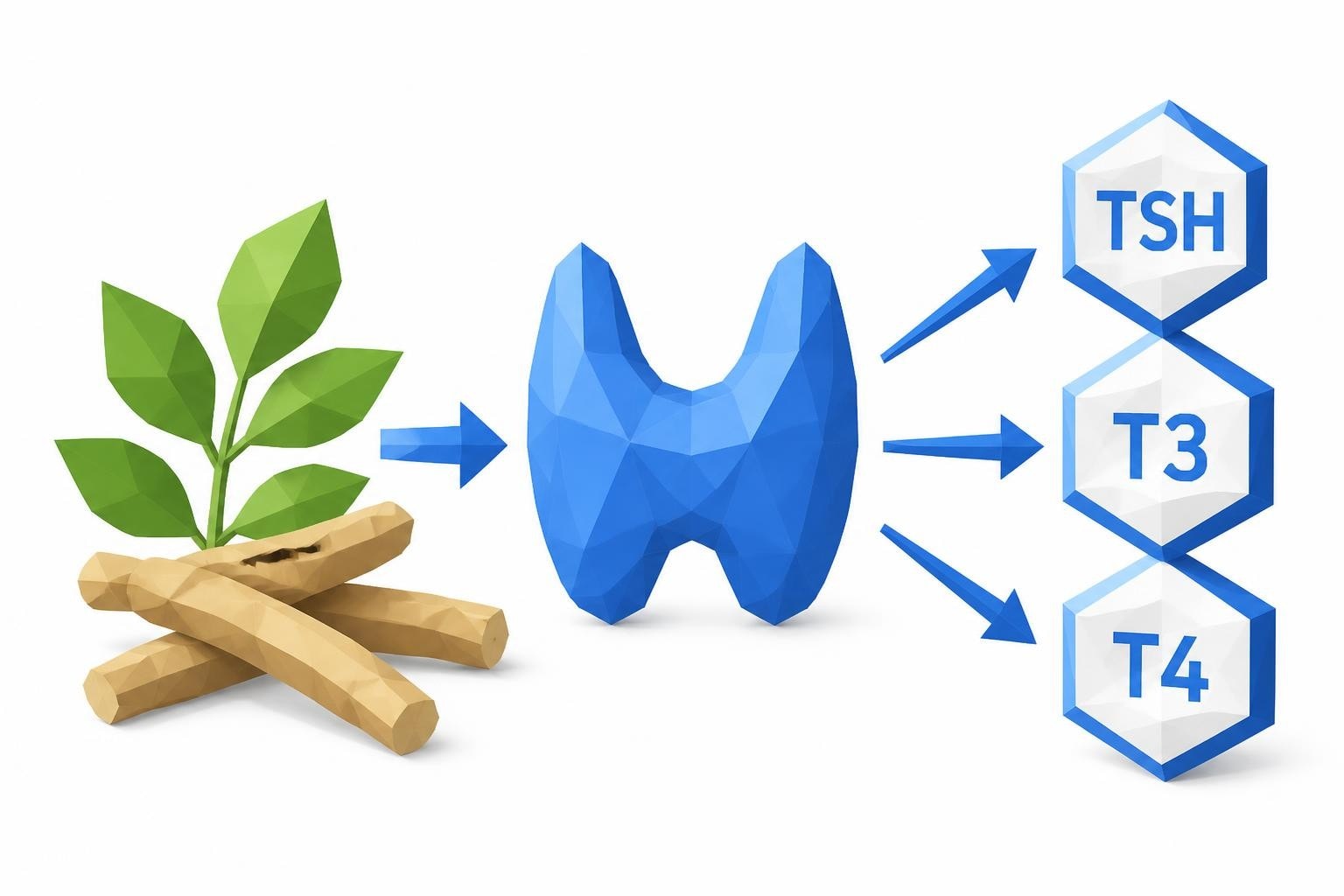
The ft4 blood test is often ordered alongside TSH (thyroid-stimulating hormone) and sometimes Free T3. TSH is produced by the pituitary gland and signals your thyroid to release hormones. If TSH is high and FT4 is low, it may suggest an underactive thyroid. If TSH is low and FT4 is high, it may suggest an overactive thyroid.
Doctors look at all these hormone levels together, since changes in one can affect the others. FT4 is a key marker because it reflects how much active hormone is available to your body's tissues.
Symptoms and Conditions That Prompt FT4 Testing
Doctors may suggest an ft4 blood test if you are experiencing symptoms such as:
- Unexplained tiredness or low energy
- Sudden weight gain or loss
- Changes in mood, like depression or anxiety
- Feeling unusually cold or hot
- Hair loss or dry skin
FT4 testing is also important for people with known thyroid disorders, such as hypothyroidism or hyperthyroidism. It is used to monitor how well treatment is working and to guide any medication adjustments.
FT4 Testing Trends and Global Insights
Thyroid disorders are common worldwide. Millions of people get an ft4 blood test each year, whether for initial diagnosis or for ongoing monitoring. According to recent data, thyroid issues affect about 5% of the global population, with higher rates in women and older adults.
Testing rates have increased as awareness of thyroid health grows and as more people seek proactive care. In many countries, FT4 is a standard part of thyroid panels, especially for those with symptoms or a family history of thyroid disease.
What to Expect and the Value of Accessible Testing
The ft4 blood test does not usually require fasting, but you should always check with your provider about any special instructions. The best time for testing is typically in the morning. Let your healthcare team know about any medications or supplements, as these can affect your results.
If your FT4 is abnormal, your doctor may suggest further testing to understand the full picture. Self-pay platforms like JustLabs make it easy to access FT4 testing with transparent pricing, ideal for those without insurance or looking for privacy and convenience.
What to Expect When Getting an FT4 Blood Test
Preparing for an ft4 blood test can feel daunting, especially if it is your first time. Understanding each step helps you feel more in control and ensures accurate results. Here is what you need to know so you can approach your test with confidence.

Preparing for the Test
For most people, fasting is not required before an ft4 blood test. However, it is always wise to double-check with your healthcare provider, since some labs or doctors may have specific requests based on your overall health or other tests being performed at the same time.
Timing can play a role in your test results. Blood samples for the ft4 blood test are typically collected in the morning, when hormone levels are most stable. This helps ensure consistency if you have repeated testing over time.
Medications and supplements can impact your ft4 blood test results. For example, biotin, a common supplement found in hair, skin, and nail products, can interfere with thyroid test accuracy. It is important to inform your provider about all medications and supplements you take, including over-the-counter vitamins. If you use biotin, your doctor may recommend pausing it before your test. You can learn more about biotin interference in FT4 testing to understand its effects and why disclosure matters.
If you have had a recent illness, surgery, or any major change in your health, share this information with your provider before your ft4 blood test. Acute illnesses, infections, or even stress can temporarily influence thyroid hormone levels.
Before heading to the lab, bring a list of your current medications and supplements, photo ID, and your test order or lab slip. Arrive a few minutes early to complete any paperwork, and wear clothing with sleeves that can be easily rolled up for the blood draw. These simple steps help keep your ft4 blood test process smooth and stress-free.
The Blood Draw Process
When you arrive at the lab for your ft4 blood test, a technician will check your identity and confirm your test order. You will be seated comfortably, and a tourniquet will be placed on your upper arm to make your veins easier to access.
The technician will clean the area, usually at the inside of your elbow, and use a small needle to draw a blood sample. The process is quick, often taking less than five minutes. Most people experience only mild discomfort or a brief pinch.
After the sample is collected, it is labeled and sent to the laboratory for analysis. Modern labs in 2026 use advanced technology to ensure accuracy and timely results. You can expect results to be available within a few days, sometimes even faster if your lab offers online access.
To make your experience more comfortable, stay hydrated before your appointment and try to relax your arm during the draw. If you feel anxious, let the technician know so they can guide you through the process.
Labs now follow strict safety and hygiene protocols. All equipment is single-use or thoroughly sterilized, and staff wear gloves and masks to protect you and themselves. These measures help minimize infection risks and ensure your ft4 blood test is performed safely.
After your test, apply gentle pressure to the site for a few minutes to prevent bruising. You can usually return to your daily activities right away. If you have any concerns about your results or experience symptoms, reach out to your healthcare provider for advice.
Remember that self-pay options, such as those offered by JustLabs, make it easy to access an ft4 blood test with transparent pricing and no hidden fees.
Interpreting FT4 Results in 2026
When you receive your FT4 blood test results, it is natural to have questions about what the numbers mean and how they relate to your thyroid health. Understanding these results is key to working with your provider and making informed decisions about next steps.
Reference Ranges and Units
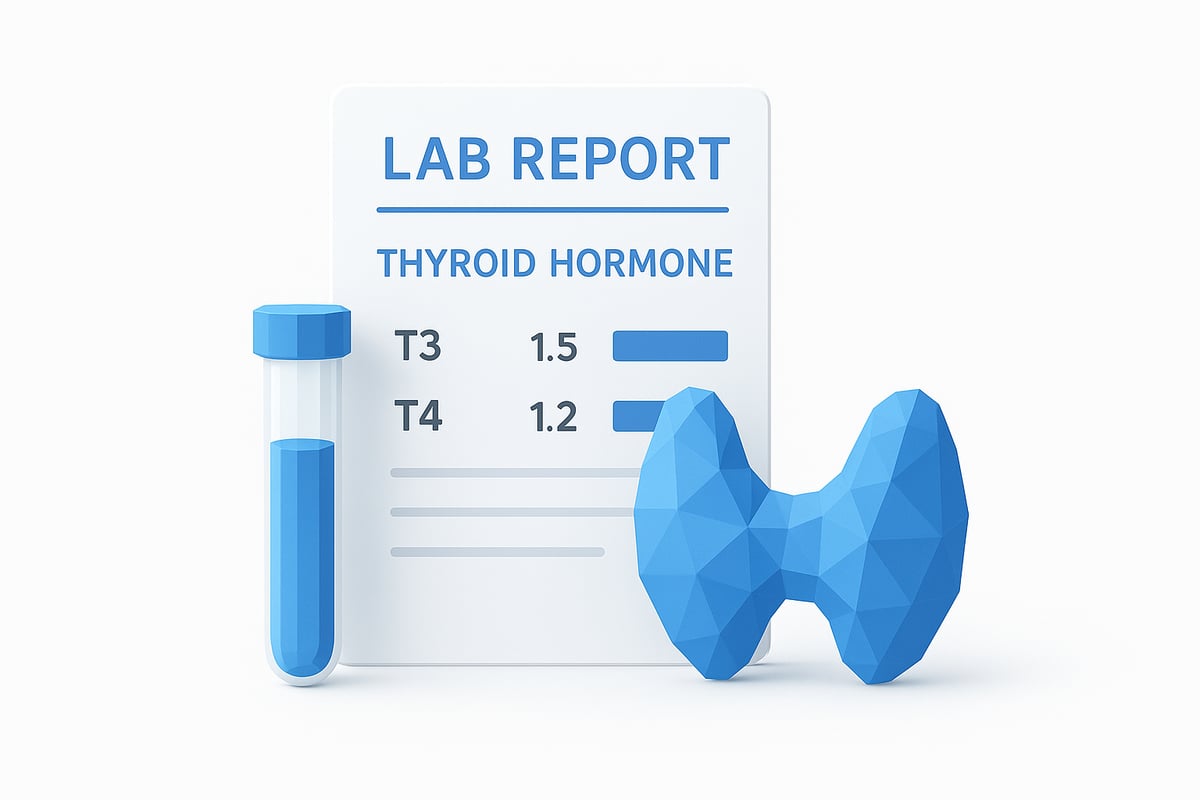
The FT4 blood test measures the amount of free thyroxine in your blood. This is the active form of the hormone, not bound to proteins. Most labs report FT4 in either nanograms per deciliter (ng/dL) or picomoles per liter (pmol/L). Reference ranges can vary slightly between labs, but typical adult values are:
| Unit | Typical Reference Range |
|---|---|
| ng/dL | 0.8 – 1.8 |
| pmol/L | 10 – 23 |
Your FT4 blood test report will show your result, the unit, and the lab’s reference range for comparison. Some labs may use slightly different cutoffs, especially for children, pregnant individuals, or older adults.
Interpreting where your FT4 falls within this range is important. A result in the middle usually suggests normal thyroid function, but context matters. For example, a value just outside the range may not always signal a problem if TSH and Free T3 are normal.
If you want practical tips on how to read your FT4 blood test and other labs, you can also visit How to interpret lab results for more details.
Understanding High and Low FT4 Levels
A high FT4 blood test result may suggest your thyroid is producing too much hormone. This can be seen in conditions like Graves’ disease or an overactive thyroid. Symptoms might include:
- Unexplained weight loss
- Rapid heartbeat
- Feeling anxious or jittery
Sometimes, medications or supplements can temporarily increase FT4 levels. Your healthcare provider will consider these factors when reviewing your results.
A low FT4 blood test result can indicate an underactive thyroid, also called hypothyroidism. This may cause:
- Fatigue and sluggishness
- Weight gain
- Sensitivity to cold
Other times, a low FT4 may result from pituitary issues that affect thyroid hormone production, or from certain medications. FT4 is always interpreted alongside TSH and Free T3. For instance, a high TSH and low FT4 typically point to primary hypothyroidism, while a low TSH and high FT4 suggest hyperthyroidism.
It is also important to remember that FT4 levels alone do not always tell the full story. Changes in age, pregnancy, or other health conditions can influence what is considered “normal.” In 2026, updated guidelines emphasize the importance of looking at the full thyroid panel and individual circumstances.
When to Seek Further Testing or Medical Advice
Sometimes, your FT4 blood test may not provide a clear answer. If you have symptoms like significant fatigue, mood changes, or rapid weight changes, talk to your provider even if your results are “borderline.” Red flags that require prompt follow-up include:
- Severe or worsening symptoms
- Heart palpitations or chest pain
- Unexplained swelling in the neck
Your provider may recommend repeat testing or add other thyroid tests, such as TSH, Free T3, or thyroid antibodies, to get a clearer picture. If you are pregnant, have a known thyroid condition, or take medications that affect thyroid hormones, regular monitoring with an FT4 blood test may be important.
Discuss any recent illnesses, changes in medication, or supplements with your provider, as these can impact results. If your FT4 blood test result is abnormal, do not panic. Many factors can cause temporary fluctuations, and your provider will guide you on the best next steps.
For those interested in affordable and accessible FT4 blood test options, self-pay platforms like JustLabs offer transparent pricing and quick turnaround, making it easier to stay on top of your thyroid health.
Common Reasons Your Doctor May Order an FT4 Test
Many people are surprised when their doctor recommends an FT4 blood test. Yet, this simple lab test can reveal a lot about your thyroid health. If you are experiencing symptoms like unexplained fatigue, sudden weight changes, or mood swings, your provider may order an FT4 blood test to help pinpoint the underlying cause.
The FT4 blood test is often included in a wider thyroid panel, which helps evaluate your body's thyroid hormone levels. If you are curious about the components of a thyroid panel and how FT4 fits in, you can learn more from Understanding thyroid panel tests.
Doctors frequently request this test when patients report:
- Persistent tiredness or low energy
- Unexplained weight gain or loss
- Anxiety, depression, or mood fluctuations
- Changes in hair, skin, or nail texture
These symptoms can signal a thyroid imbalance, making the FT4 blood test a valuable starting point for diagnosis.
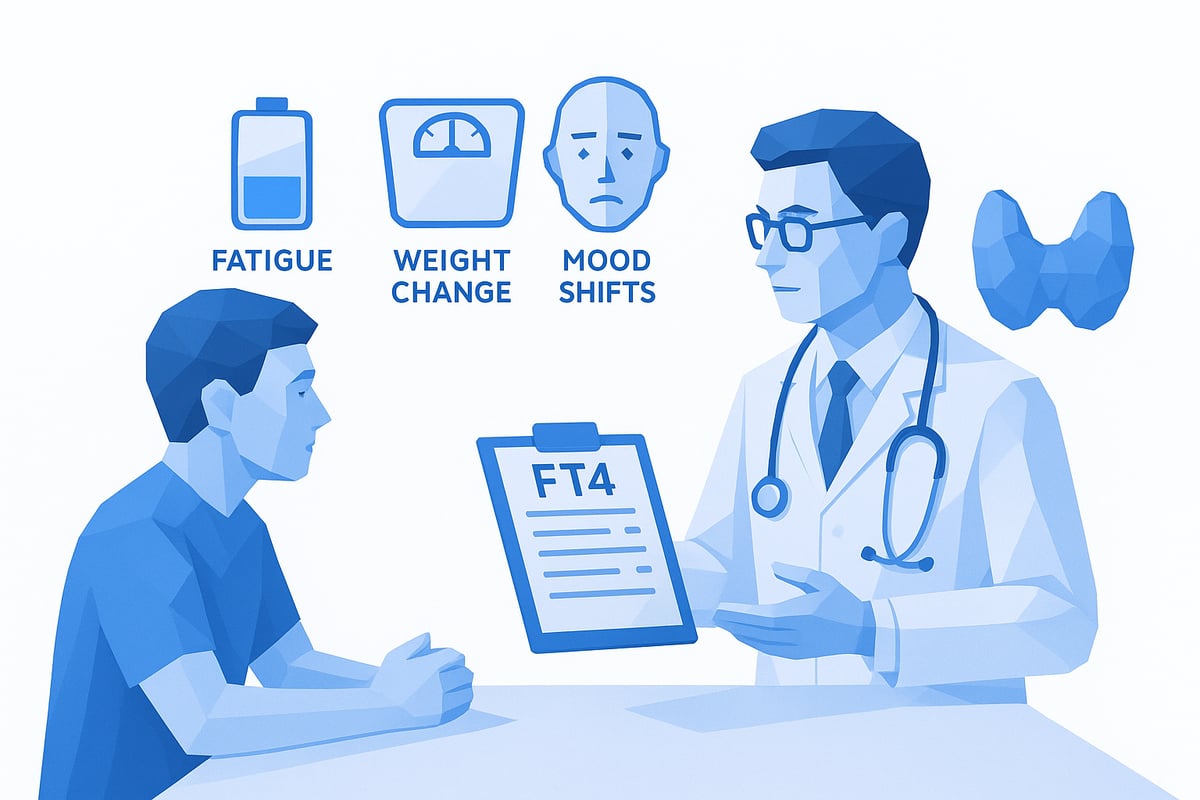
FT4 Blood Test for Monitoring and Special Situations
Beyond investigating new symptoms, the FT4 blood test is crucial for ongoing management of known thyroid disorders. Patients with conditions like Hashimoto’s thyroiditis or Graves’ disease often need regular FT4 checks to ensure their treatment is working. This test also plays a vital role in adjusting thyroid hormone replacement medication, helping providers find the right dose for each patient.
Special populations, such as pregnant individuals or newborns, may require FT4 blood test screening. Pregnancy can affect thyroid hormone levels, so close monitoring of FT4 helps safeguard both maternal and fetal health. In newborns, early FT4 testing can detect congenital thyroid issues before symptoms appear.
For anyone managing a thyroid condition, the FT4 blood test provides peace of mind and guides long-term care.
Medications, Family History, and Real-World Examples
Certain medications can impact thyroid hormone levels, making routine FT4 blood test monitoring essential. Common examples include amiodarone, lithium, and some psychiatric medications. If you have a family history of thyroid disease, your doctor may suggest an FT4 blood test even if you feel well, as early detection is key to prevention and prompt treatment.
Physical findings like an enlarged thyroid (goiter), nodules, or abnormal neck exams often prompt an FT4 blood test as well. Sometimes, the test is ordered as part of routine screening, while in other cases it follows specific symptoms or abnormal TSH results.
Whether you are managing a thyroid disorder or simply checking in on your health, the FT4 blood test offers valuable insight. If you are interested in convenient, transparent testing, self-pay options like JustLabs make it easy to access FT4 blood test services without insurance hassles.
How FT4 Differs from Other Thyroid Tests
Understanding the differences between the ft4 blood test and other thyroid tests is essential for anyone trying to make sense of their lab results. Each test provides unique insights into thyroid function, and knowing how they work together can help you and your healthcare provider get a clearer picture of your thyroid health.
FT4 vs. Total T4
The ft4 blood test measures the amount of free thyroxine, the form of thyroid hormone not attached to proteins in your blood. Free T4 is the active hormone available to enter cells and support metabolism. In contrast, total T4 measures both free and protein-bound thyroxine. The majority of T4 in your blood is bound to proteins and not immediately available for use.
Binding proteins can fluctuate due to pregnancy, medications, or certain health conditions. Changes in these proteins may cause total T4 levels to rise or fall, even if your thyroid function remains steady. This is why the ft4 blood test is often preferred for evaluating thyroid health, as it gives a more accurate reflection of the hormone your body can actually use.
Here's a quick comparison:
| Feature | FT4 (Free T4) | Total T4 |
|---|---|---|
| What it measures | Unbound T4 hormone | Bound + unbound T4 |
| Affected by proteins? | No | Yes |
| Clinical usefulness | Higher | Lower if proteins change |
In clinical practice, the ft4 blood test is especially valuable when protein levels might be abnormal, such as during pregnancy or when taking hormone therapy. For more on test accuracy, see the CDC's Thyroid Hormone Standardization Program, which works to improve consistency and reliability of thyroid hormone measurements.
FT4, TSH, and Free T3: The Thyroid Panel
The ft4 blood test is rarely interpreted alone. Instead, it is part of a wider thyroid panel that includes TSH (thyroid stimulating hormone) and sometimes Free T3. TSH reflects how hard your pituitary gland is working to signal your thyroid. Free T3 is the active form of triiodothyronine, another thyroid hormone.
Doctors look at the ft4 blood test together with these other markers to get a complete picture. For example, a low FT4 and a high TSH might suggest an underactive thyroid, while a high FT4 and low TSH could point to an overactive thyroid. Sometimes FT4 is normal but TSH is abnormal, so both results matter. You can learn more about TSH and its role by visiting the TSH blood test information page.
Sometimes, additional tests like thyroid antibodies are ordered if autoimmune thyroid disease is suspected. The ft4 blood test, as part of this panel, helps clarify the diagnosis and guides follow-up steps.
In summary, understanding how the ft4 blood test compares to total T4, and how it is interpreted alongside TSH and Free T3, empowers you to have informed discussions with your provider. If you need a convenient, transparent way to access FT4 testing, self-pay platforms like JustLabs make it simple.
Accessing FT4 Testing in 2026: Options and Innovations
Navigating the world of thyroid health in 2026 is easier than ever. The ft4 blood test is now accessible through a variety of innovative pathways, giving patients more control and flexibility. Whether you prefer working closely with a healthcare provider or want a direct, self-service option, understanding your choices helps ensure you get the right care at the right time.
Recent advancements in diagnostic technology, along with growing awareness of thyroid conditions, have expanded the landscape of thyroid testing. According to Thyroid Function Test Market Growth Projections, the demand for thyroid function tests continues to rise worldwide, reflecting both physician and patient interest in proactive health management.
Traditional Testing Through Healthcare Providers
For many, the ft4 blood test is still ordered during a routine doctor visit. Your provider evaluates symptoms, reviews your medical history, and determines which thyroid tests are appropriate. This approach is ideal for those who value clinical guidance or have complex health needs.
A typical process includes scheduling an appointment, discussing symptoms such as fatigue or weight changes, and then receiving a lab order. Insurance often covers the ft4 blood test, especially when medically indicated, but coverage can vary. Some patients may encounter barriers like high deductibles, limited lab networks, or lengthy wait times for appointments and results.
Pros of traditional testing:
- Personalized medical oversight
- Coordination with other health screenings
- Easier integration with insurance coverage
Cons:
- Potential delays due to scheduling or insurance approvals
- Less flexibility for those wanting more frequent or private testing
Despite some challenges, traditional testing remains a trusted route for many, especially when ongoing thyroid management or complex diagnoses are involved.
Direct-Access and Self-Pay Lab Testing
A growing trend in 2026 is the rise of direct-access lab services. These platforms allow individuals to order an ft4 blood test online without a doctor’s visit. Patients appreciate the speed, privacy, and control this model offers.
Here’s how the process usually works:
- Visit a reputable direct-access lab website
- Select the ft4 blood test and pay upfront
- Schedule a convenient time at a partner laboratory
- Receive results securely online, often within days
Transparent pricing is a major advantage, as patients know the cost before booking. This is especially helpful for those without insurance or with high out-of-pocket costs. Privacy is another benefit, since no doctor’s note is required and results are delivered directly to you.
Case Example: A patient monitoring mild thyroid symptoms chooses a self-pay ft4 blood test every six months. They appreciate the ability to track changes over time and share results with their provider if needed.
Direct-access testing empowers people to be proactive about their thyroid health, supplementing traditional medical care as desired.
Affordable FT4 Testing with JustLabs
For those seeking an accessible and affordable ft4 blood test, JustLabs offers a streamlined solution. With JustLabs, you can order your test online—no insurance or doctor’s visit necessary. The process is simple and confidential.
Tests are processed by accredited labs, ensuring accuracy and reliability. Results are typically available online within one to three days, allowing you to review your thyroid status quickly and from the comfort of your home.
This option is ideal for self-pay patients, individuals without insurance, or anyone who values privacy and convenience. Transparent, upfront pricing means there are no hidden fees or surprises. You can take charge of your thyroid health on your own terms, whether you need routine monitoring or want to check your levels for peace of mind.
If you are curious about this approach, learn more about FT4 testing at JustLabs.
As you now understand, getting an FT4 blood test in 2026 is more convenient and accessible than ever, especially if you want to take control of your thyroid health without the hurdles of insurance or lengthy doctor visits. With JustLabs, you gain the freedom to order your test online, see transparent pricing, and receive results quickly—empowering you to make informed decisions about your wellbeing. If you’re ready to take the next step or simply want to explore your options, you can Browse Tests to find the right fit for your needs.