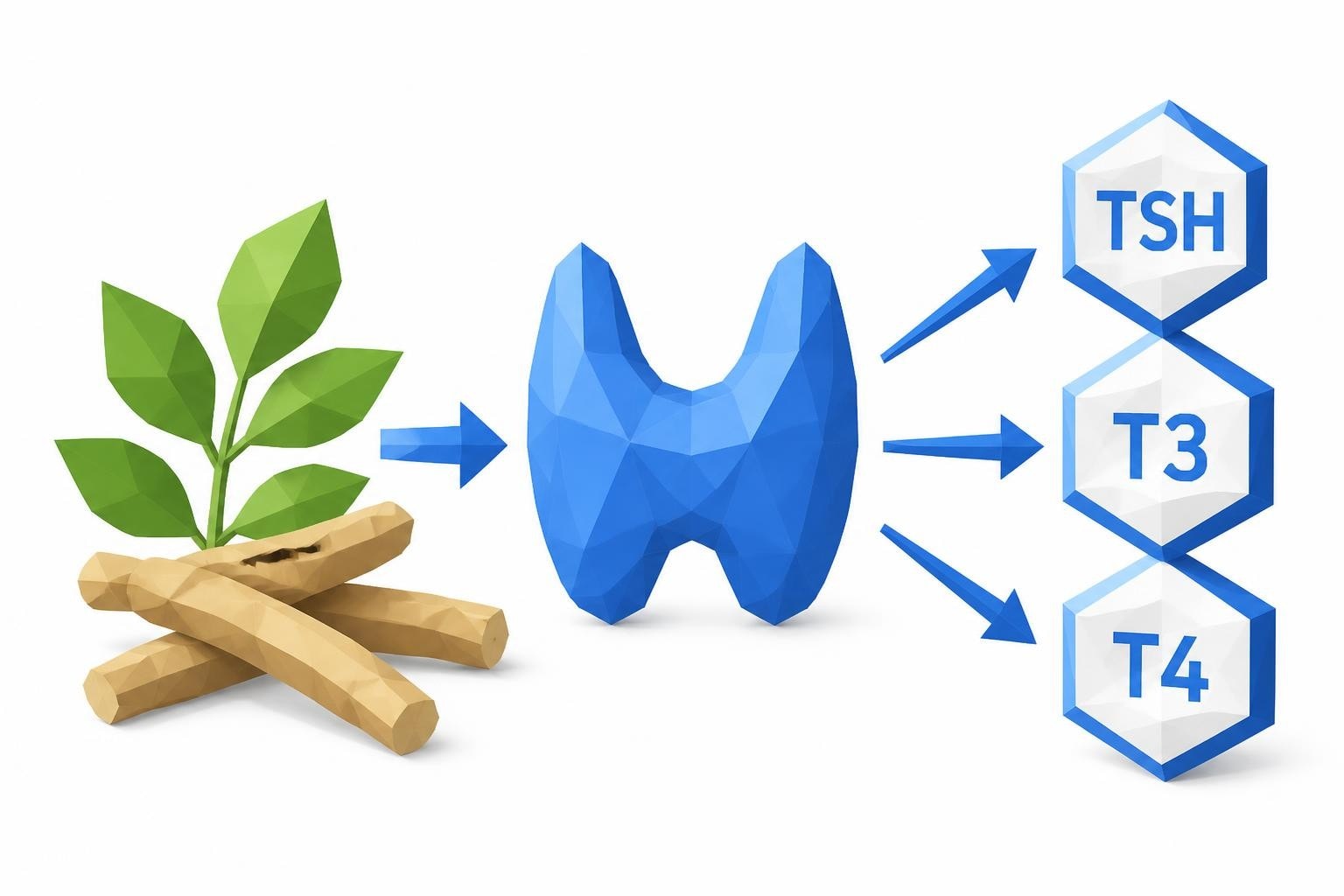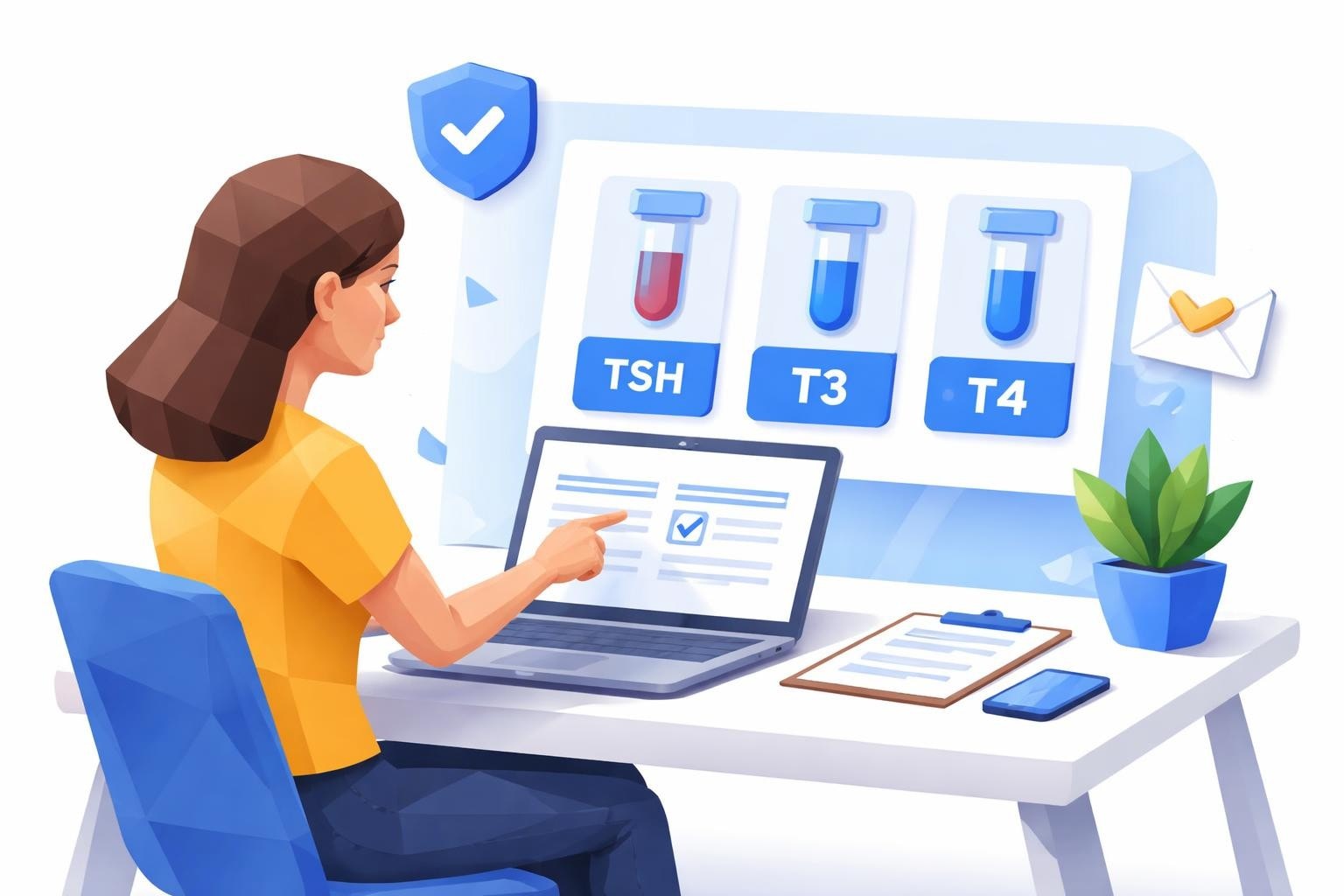
Managing your thyroid health shouldn't require lengthy doctor appointments or navigating insurance complexities. A thyroid function test self-pay option allows you to take control of your health screening, order tests directly, and receive results quickly without traditional healthcare barriers. This approach has become increasingly popular among individuals who want affordable, transparent pricing and immediate access to their health information.
Big Picture
- What it is: Self-pay thyroid testing allows you to order blood tests that measure thyroid hormone levels directly from a lab without requiring a doctor's referral or insurance approval.
- Why it matters: Thyroid disorders affect millions of Americans, but many people experience symptoms for months or years before getting diagnosed due to healthcare access barriers and costs.
- Who it affects: Anyone experiencing fatigue, weight changes, temperature sensitivity, or other thyroid-related symptoms can benefit, especially those without insurance, with high-deductible plans, or seeking privacy.
- Cost benefits: Self-pay pricing is often significantly lower than insurance-negotiated rates, with transparent, upfront costs that eliminate surprise bills.
- Speed advantage: Results typically arrive within 1-3 days, allowing you to make informed decisions about your health quickly.
- Next step: Identify which thyroid markers you need tested based on your symptoms, then compare self-pay prices across reputable lab testing services.
Understanding Thyroid Function Tests
Thyroid function tests measure specific hormones and antibodies that reveal how well your thyroid gland is working. The thyroid produces hormones that regulate metabolism, energy levels, body temperature, and countless other bodily functions.
Core Thyroid Markers
The most common thyroid blood tests examine several key markers:
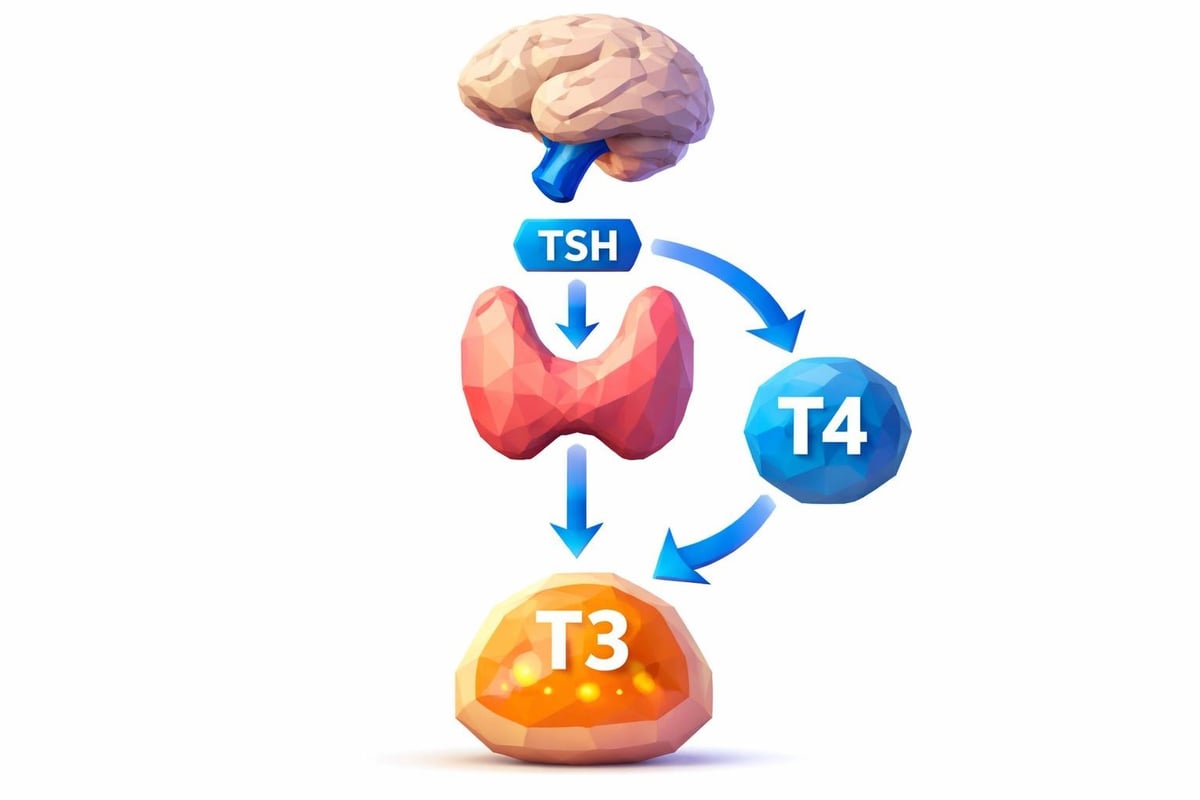
Thyroid-Stimulating Hormone (TSH) serves as the primary screening tool. Your pituitary gland releases TSH to signal the thyroid to produce more hormones. High TSH typically indicates hypothyroidism (underactive thyroid), while low TSH suggests hyperthyroidism (overactive thyroid).
Recommended Test
TSH (Thyroid Stimulating Hormone)
The TSH test is the gold standard for evaluating thyroid function. It's the first test doctors order when thyroid problems are suspected.
Includes 1 biomarkers
$9
Free T4 (thyroxine) represents the actual thyroid hormone circulating in your bloodstream. This test provides direct measurement of what your thyroid produces, offering critical information beyond TSH alone.
Recommended Test
Free T4 (Thyroxine)
Free T4 measures the unbound, active form of thyroxine - the main hormone produced by your thyroid gland. Unlike total T4, free T4 is not affected by protein levels and gives a more accurate picture of thyroid function.
Includes 1 biomarkers
$9
Free T3 (triiodothyronine) is the active form of thyroid hormone that your cells actually use. Some people convert T4 to T3 poorly, making this test essential for comprehensive assessment.
Recommended Test
Free T3 (Triiodothyronine)
Free T3 measures the unbound, most active form of thyroid hormone. T3 is 3-4 times more potent than T4 and directly affects metabolism, heart rate, body temperature, and energy levels.
Includes 1 biomarkers
$14
Specialized Thyroid Tests
Beyond basic screening, additional tests help diagnose specific conditions:
| Test Type | Purpose | When Needed |
|---|---|---|
| Reverse T3 | Measures inactive T3 form | Suspected conversion issues |
| TPO Antibodies | Detects autoimmune activity | Hashimoto's diagnosis |
| Thyroglobulin Antibodies | Identifies autoimmune markers | Comprehensive autoimmune screening |
Recommended Test
TPO Antibodies (Thyroid Peroxidase)
TPO antibodies are markers of autoimmune thyroid disease. Elevated levels indicate Hashimoto's thyroiditis, the most common cause of hypothyroidism in the United States.
Includes 1 biomarkers
$13.50
Understanding these markers helps you choose the right thyroid function test self-pay panel for your specific needs.
Why Choose Self-Pay Thyroid Testing
Traditional healthcare routes often create unnecessary barriers to thyroid testing. Insurance requirements, referral processes, and opaque pricing structures delay diagnosis and treatment.
Direct Access Benefits
Self-pay testing eliminates the middleman entirely. You don't need to schedule a doctor's appointment, explain your symptoms multiple times, or wait weeks for authorization. Services like MDsave provide transparent pricing that makes budgeting straightforward.
Insurance doesn't always save money. Many people discover their insurance-negotiated lab prices exceed self-pay rates, especially when factoring in copays, deductibles, and out-of-network charges. High-deductible health plans often leave patients paying full price anyway, but at inflated insurance rates rather than competitive self-pay prices.
Privacy and Control
Some individuals prefer keeping thyroid testing private. Self-pay options allow you to monitor your health without creating insurance records that might affect future coverage or employment situations. This autonomy matters to people tracking subclinical conditions or optimizing wellness rather than treating diagnosed diseases.
Speed matters for peace of mind. When you're experiencing concerning symptoms like unexplained weight gain, constant fatigue, or mood changes, waiting weeks for appointments and results feels unbearable. Self-pay services typically deliver results within 1-3 days, allowing faster decision-making.
Comparing Thyroid Function Test Self-Pay Costs
Pricing transparency represents one of the biggest advantages of self-pay thyroid testing. Understanding typical cost ranges helps you identify fair pricing and avoid overcharges.
Price Range Breakdown
Basic thyroid panels typically include TSH and Free T4, providing essential screening information:
- Basic TSH only: $9 at JustLabs ($27 all-in)
- TSH + Free T4: $18 ($36 all-in)
- Comprehensive panel (TSH, Free T4, Free T3): $30 as the Basic Thyroid Panel ($48 all-in)
- Complete thyroid panel with antibodies: $84 as the Complete Thyroid Panel ($102 all-in)
All-in prices include the one $18 order fee, charged once per order however many tests you add.
Recommended Panel
Basic Thyroid Panel
Save $2This panel includes the 3 essential thyroid markers: TSH, Free T4, and Free T3. The perfect starting point for evaluating thyroid function without unnecessary tests.
Includes 3 biomarkers
$30
Price sheets from various providers demonstrate significant variation in self-pay costs. Shopping around can save you hundreds of dollars, especially for comprehensive panels.
What Affects Pricing
Several factors influence thyroid function test self-pay costs:
- Geographic location: Urban areas with more competition typically offer lower prices
- Lab network size: Larger networks negotiate better rates with testing facilities
- Test complexity: Antibody tests and specialty markers cost more than basic hormone measurements
- Panel bundling: Ordering multiple tests together usually reduces per-test costs
Insurance comparison reality: A patient with a $3,000 deductible might pay $400 for insurance-billed thyroid testing that costs $48 all-in at JustLabs (Basic Thyroid Panel). The insurance "discount" only applies after meeting the deductible, making self-pay the practical choice for many people.

Choosing the Right Thyroid Panel
Selecting appropriate tests depends on your symptoms, health history, and monitoring needs. Over-testing wastes money, while under-testing might miss critical information.
For Initial Screening
If you're experiencing general symptoms like fatigue, weight changes, or temperature sensitivity without previous thyroid testing, start with a basic panel:
Recommended Panel
Complete Thyroid Panel
Save $3Our most comprehensive thyroid panel includes all 5 essential markers: TSH, Free T4, Free T3, Reverse T3, and both thyroid antibodies. Get the complete picture of your thyroid health.
Includes 6 biomarkers
$84
This provides comprehensive baseline data without unnecessary expense. Most thyroid function tests follow this approach for initial screening.
For Suspected Hashimoto's
When you have family history of autoimmune conditions or symptoms suggesting Hashimoto's thyroiditis, antibody testing becomes essential:
Recommended Panel
Hashimoto's Panel
Save $2The definitive panel for diagnosing Hashimoto's thyroiditis - the #1 cause of hypothyroidism. Tests both major thyroid antibodies that indicate autoimmune thyroid disease.
Includes 5 biomarkers
$58
Antibody tests identify autoimmune activity before it significantly damages your thyroid, enabling earlier intervention.
For Monitoring Treatment
People already diagnosed with thyroid conditions need regular testing to ensure medication effectiveness. Your specific monitoring needs depend on:
- Medication type: Levothyroxine requires different monitoring than natural desiccated thyroid
- Dosage stability: New medications need more frequent testing than stable doses
- Symptom changes: New or worsening symptoms warrant comprehensive retesting
Monitoring frequency: Most healthcare providers recommend testing every 6-8 weeks when adjusting medication, then every 6-12 months once stable. Self-pay options make this regular monitoring affordable without repeated doctor visits.
How to Order Thyroid Function Test Self-Pay
The ordering process for thyroid function test self-pay services is straightforward and typically takes just minutes online.
Step-by-Step Process
- Select your tests: Choose individual markers or comprehensive panels based on your needs
- Complete checkout: Pay upfront with transparent pricing and no hidden fees
- Receive lab order: Get a requisition form via email immediately
- Visit the lab: Go to a convenient location in the testing network
- Provide sample: Quick blood draw takes just minutes
- Access results: Review detailed results online within 1-3 days
Most services maintain extensive networks of patient service centers, making it easy to find convenient locations. Some providers offer discounted thyroid tests through promotional pricing.
What to Expect at the Lab
Blood draws for thyroid testing require minimal preparation. Most thyroid tests don't require fasting, though some providers recommend morning testing for TSH accuracy since levels fluctuate throughout the day.
Bring identification and your lab order. The patient service center needs to verify your identity and link your sample to the correct order. The entire visit typically takes 10-15 minutes, including check-in and the blood draw itself.
Understanding Your Results
Receiving thyroid test results without a doctor's interpretation might feel overwhelming, but understanding the basics helps you make informed decisions.
Reference Ranges Explained
Lab results include reference ranges showing what laboratories consider normal. However, "normal" doesn't always mean "optimal" for your individual health.
| Marker | Standard Range | Optimal Range |
|---|---|---|
| TSH | 0.4-4.0 mIU/L | 0.5-2.5 mIU/L |
| Free T4 | 0.8-1.8 ng/dL | 1.0-1.5 ng/dL |
| Free T3 | 2.3-4.2 pg/mL | 3.0-4.0 pg/mL |
Individual variation matters. Some people feel optimal at different points within the reference range. Tracking how you feel at specific values helps identify your personal targets.
When to Seek Medical Care
Self-pay testing provides valuable information, but certain results require professional medical evaluation:
- TSH above 10 or below 0.1
- Extremely low or high Free T4 or Free T3
- Positive antibody tests suggesting autoimmune disease
- Results that don't match your symptoms
Specialty thyroid testing providers can help interpret complex results and determine appropriate next steps. Many people use self-pay testing for screening and monitoring, then consult healthcare providers when results indicate treatment needs.
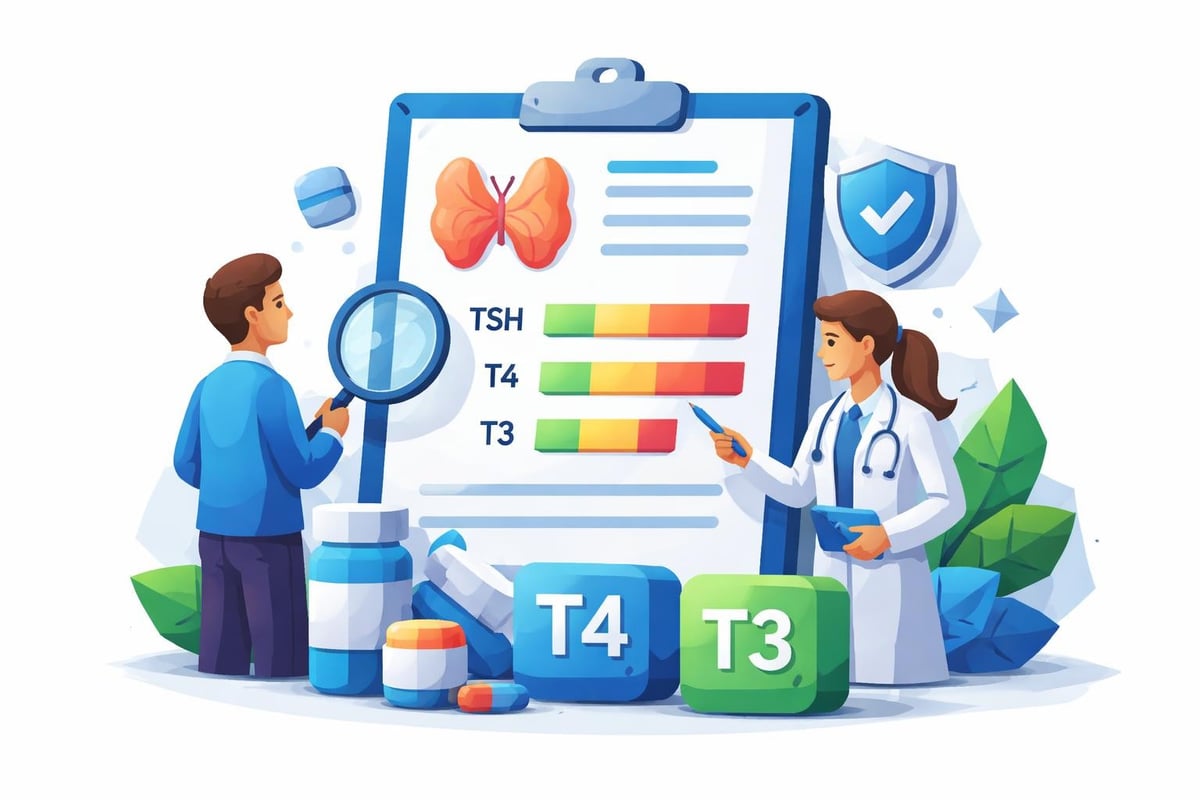
Insurance vs Self-Pay Comparison
Understanding when insurance helps versus when self-pay makes more sense requires examining your specific coverage and deductible status.
When Insurance Makes Sense
Use insurance for thyroid testing when you:
- Have already met your annual deductible
- Carry low or zero copay plans
- Need extensive testing requiring prior authorization
- Want your primary care provider managing all records
When Self-Pay Wins
Choose thyroid function test self-pay when you:
- Haven't met high deductibles ($1,500+)
- Need faster results than insurance authorization allows
- Want to avoid insurance records
- Seek better pricing than insurance-negotiated rates
- Prefer direct access without doctor appointments
Real-world example: A comprehensive thyroid panel billed through insurance might cost $340 before your deductible. At JustLabs, the Complete Thyroid Panel is $84 plus the one $18 order fee ($102 all-in). You save $238 and get results days faster without appointment delays.
Frequency and Follow-Up Testing
Regular thyroid monitoring helps track changes over time and assess treatment effectiveness. Self-pay options make consistent testing financially feasible.
Recommended Testing Schedules
For undiagnosed symptoms: Test baseline, then retest in 3 months if symptoms persist but initial results appear normal. Thyroid conditions can develop gradually.
For new diagnoses: Test every 6-8 weeks when starting medication or adjusting doses. Thyroid hormones take 4-6 weeks to reach stable blood levels.
For stable conditions: Annual testing suffices for most people on stable medication doses without new symptoms.
For optimization: Some people test quarterly when fine-tuning wellness protocols, tracking how lifestyle changes affect thyroid function.
Questions about testing frequency and protocol? The JustLabs FAQ addresses common concerns about ordering, timing, and interpreting results.
Additional Health Markers
Thyroid function doesn't exist in isolation. Other biomarkers often affect or reflect thyroid health, making comprehensive testing valuable.
Complementary Panels
Consider adding these tests to understand the full picture:
Recommended Panel
Vitamin & Mineral Panel
Save $5This panel tests the most commonly deficient nutrients: Vitamin D, B12, Folate, Iron (with complete iron studies), Ferritin, and Magnesium - the building blocks your body needs to function optimally.
Includes 9 biomarkers
$64
Fasting required
Vitamin D, B12, and iron deficiencies often accompany thyroid disorders and cause similar symptoms. Testing these markers helps distinguish between multiple contributing factors.
Metabolic connections: Thyroid hormones significantly influence metabolism, blood sugar regulation, and cardiovascular health. A comprehensive metabolic panel provides additional context for understanding energy, weight, and overall wellness.
Hormone Interactions
For women experiencing fatigue, mood changes, or weight issues, thyroid problems often overlap with other hormonal imbalances:
Recommended Panel
Female Hormone Panel
Save $7This comprehensive panel measures all major female hormones: estrogen, progesterone, reproductive hormones (FSH/LH), and androgens (testosterone/DHEA-S) - essential for understanding hormonal balance.
Includes 7 biomarkers
$105
Testing sex hormones alongside thyroid markers helps identify whether symptoms stem from thyroid dysfunction, hormonal changes, or both.
Key Takeaways
- Self-pay thyroid testing provides direct access to comprehensive screening without insurance barriers or doctor appointments
- At JustLabs, costs range from $9 for basic TSH to $84 for complete panels with antibodies, plus one $18 order fee per order, often significantly less than insurance-negotiated rates
- Results arrive within 1-3 days, enabling faster health decisions than traditional healthcare routes
- Basic panels (TSH, Free T4, Free T3) suit initial screening, while antibody tests help diagnose autoimmune conditions
- Regular monitoring every 6-12 months helps track thyroid health over time and assess treatment effectiveness
- Understanding reference ranges versus optimal ranges helps interpret results meaningfully
- Combining thyroid tests with vitamin, mineral, and hormone panels provides comprehensive health insights
FAQ
How accurate are self-pay thyroid tests compared to doctor-ordered tests?
Self-pay thyroid tests use the exact same laboratories, equipment, and processes as doctor-ordered tests. Labs like Quest Diagnostics and LabCorp process both types identically. The only difference is who orders the test, not the testing methodology or accuracy. Self-pay options simply bypass the requirement for a physician's requisition, giving you direct access to the same high-quality testing.
Do I need to fast before a thyroid function test?
Most thyroid tests don't require fasting. TSH, Free T4, Free T3, and antibody tests produce accurate results regardless of recent food intake. However, some providers recommend testing in the morning for TSH since levels naturally peak early in the day and decline by afternoon. If you're ordering multiple tests beyond thyroid markers, such as glucose or lipid panels, fasting requirements for those additional tests may apply.
Can I use thyroid function test self-pay results with my doctor?
Yes, self-pay lab results are identical in format and validity to doctor-ordered tests. You can share results with any healthcare provider for interpretation, diagnosis, or treatment planning. Many people use self-pay testing for initial screening or regular monitoring, then consult physicians when results indicate treatment needs. Physicians generally accept results from certified laboratories like Quest and LabCorp regardless of who ordered them.
What's the difference between basic and comprehensive thyroid panels?
Basic thyroid panels typically include TSH and Free T4, providing essential screening for hypo- or hyperthyroidism. Comprehensive panels add Free T3 for conversion assessment and may include Reverse T3, TPO antibodies, and thyroglobulin antibodies for complete evaluation. Choose basic panels for initial screening or simple monitoring. Select comprehensive options when symptoms persist despite normal basic tests, when family history suggests autoimmune conditions, or when optimizing treatment protocols.
How often should I test my thyroid function?
Testing frequency depends on your situation. For initial screening without diagnosed conditions, test when symptoms appear, then recheck in 3-6 months if borderline results need monitoring. When starting new thyroid medication or adjusting doses, test every 6-8 weeks until stabilized. Once stable on treatment, annual testing suffices for most people. Increase frequency if experiencing new symptoms or making significant lifestyle, medication, or supplement changes affecting thyroid function.
Are there any risks to self-pay thyroid testing?
The blood draw itself carries minimal risks (slight bruising, rare infection). The primary consideration is ensuring you understand when professional medical evaluation becomes necessary. Abnormal results, especially significantly elevated or suppressed values, warrant physician consultation. Self-pay testing works excellently for screening and monitoring, but shouldn't replace medical care when treatment or diagnosis is needed. Review results carefully and consult healthcare providers for abnormal findings.
What if my thyroid results are abnormal?
Abnormal results don't necessarily mean disease. Borderline values might simply require retesting in a few months. Significantly abnormal results warrant medical consultation. Schedule an appointment with your primary care provider or an endocrinologist to discuss findings. Bring your complete lab results, including reference ranges. Many people discover thyroid issues through self-pay screening, then work with physicians for diagnosis and treatment while continuing to use self-pay testing for ongoing monitoring.
Taking control of your thyroid health through accessible, affordable testing empowers you to make informed decisions about your wellness. Self-pay options remove traditional barriers while delivering the same high-quality results you'd receive through conventional healthcare channels. Whether you're screening for potential issues, monitoring existing conditions, or optimizing your health, transparent pricing and fast results make regular testing practical and sustainable. JustLabs makes thyroid function testing simple with online ordering, convenient lab locations nationwide, and results delivered in 1-3 days, all at prices that won't surprise you. Take the first step toward understanding your thyroid health today.