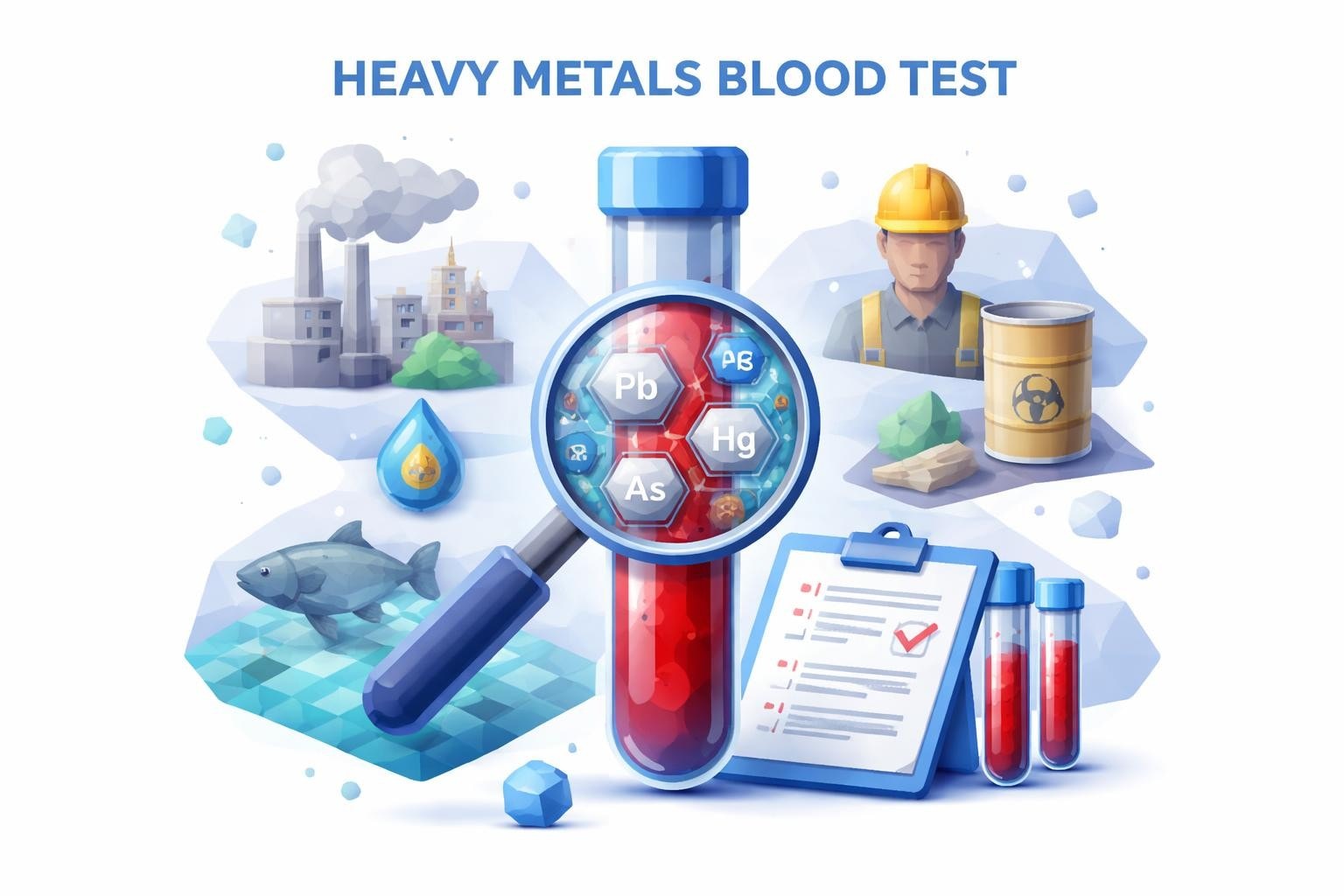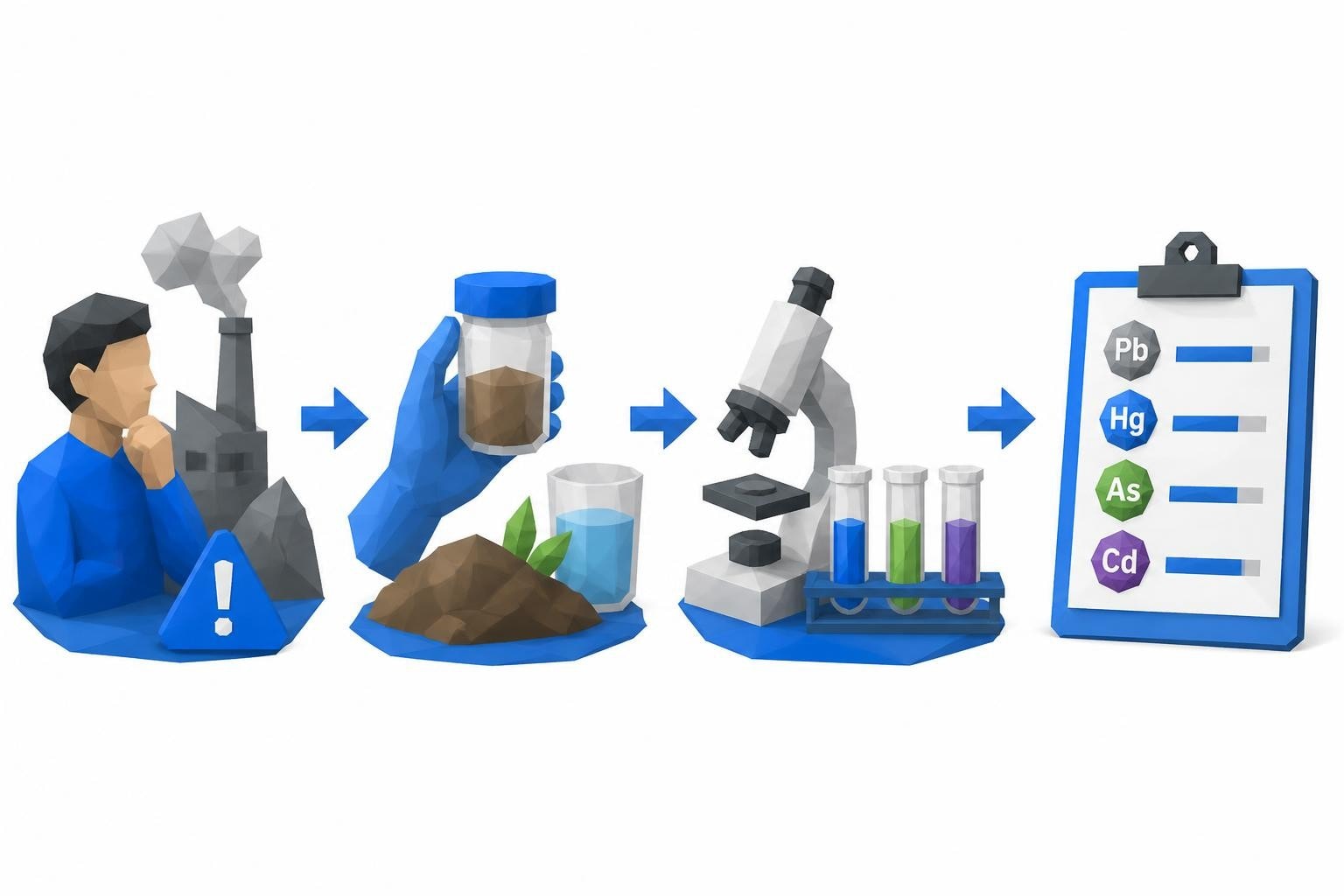
Heavy metal exposure remains a serious health concern in 2026, affecting millions of Americans through contaminated water, occupational hazards, and everyday consumer products. Understanding heavy metal testing when you face potential exposure can make the difference between early intervention and long-term health complications. While many people assume they need a doctor's referral and insurance coverage for such testing, self-pay lab services now make it easier than ever to monitor your exposure to toxic metals like lead, mercury, arsenic, and cadmium.
Understanding Heavy Metals and Their Health Impact
Heavy metals are naturally occurring elements with high atomic weights that can be toxic to humans even at low concentrations. Unlike nutrients your body needs, these metals accumulate in tissues and organs, causing progressive damage over time.
The Most Dangerous Heavy Metals
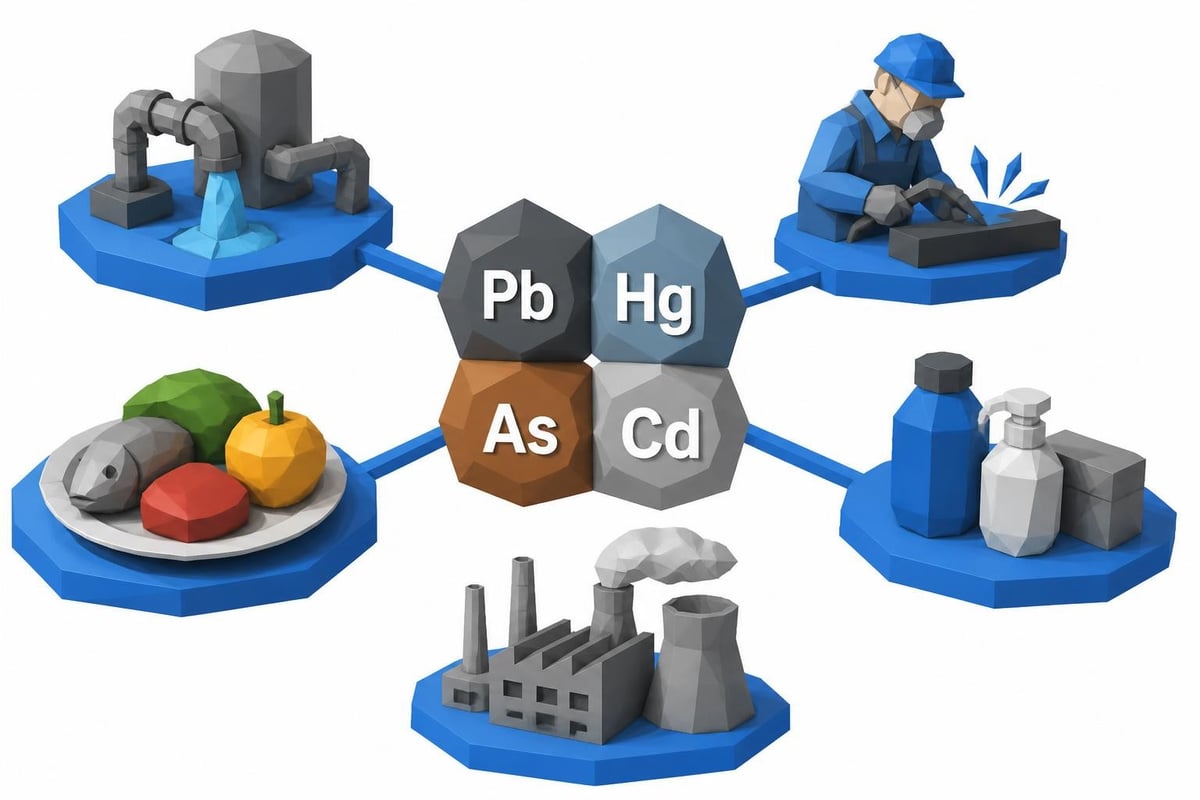
The primary heavy metals of concern include lead, mercury, arsenic, and cadmium. Each presents unique exposure pathways and health risks that determine heavy metal testing when exposure is suspected.
Lead remains problematic despite decades of regulation. It damages the nervous system, particularly in children, and can cause cardiovascular issues, kidney damage, and reproductive problems in adults. Common sources include old paint, contaminated soil, certain pottery, and aging water pipes.
Mercury exists in multiple forms, with methylmercury from fish consumption being the most common exposure route. It affects the nervous system, kidneys, and cardiovascular health. Dental amalgam fillings and certain occupations also present exposure risks.
Arsenic contaminates groundwater in many regions and appears in some foods, particularly rice products. Chronic exposure increases cancer risk and damages multiple organ systems.
Cadmium exposure typically occurs through smoking, certain foods, and industrial processes. It accumulates in kidneys and bones, potentially causing kidney disease and bone demineralization.
Heavy Metal Testing When Symptoms Appear
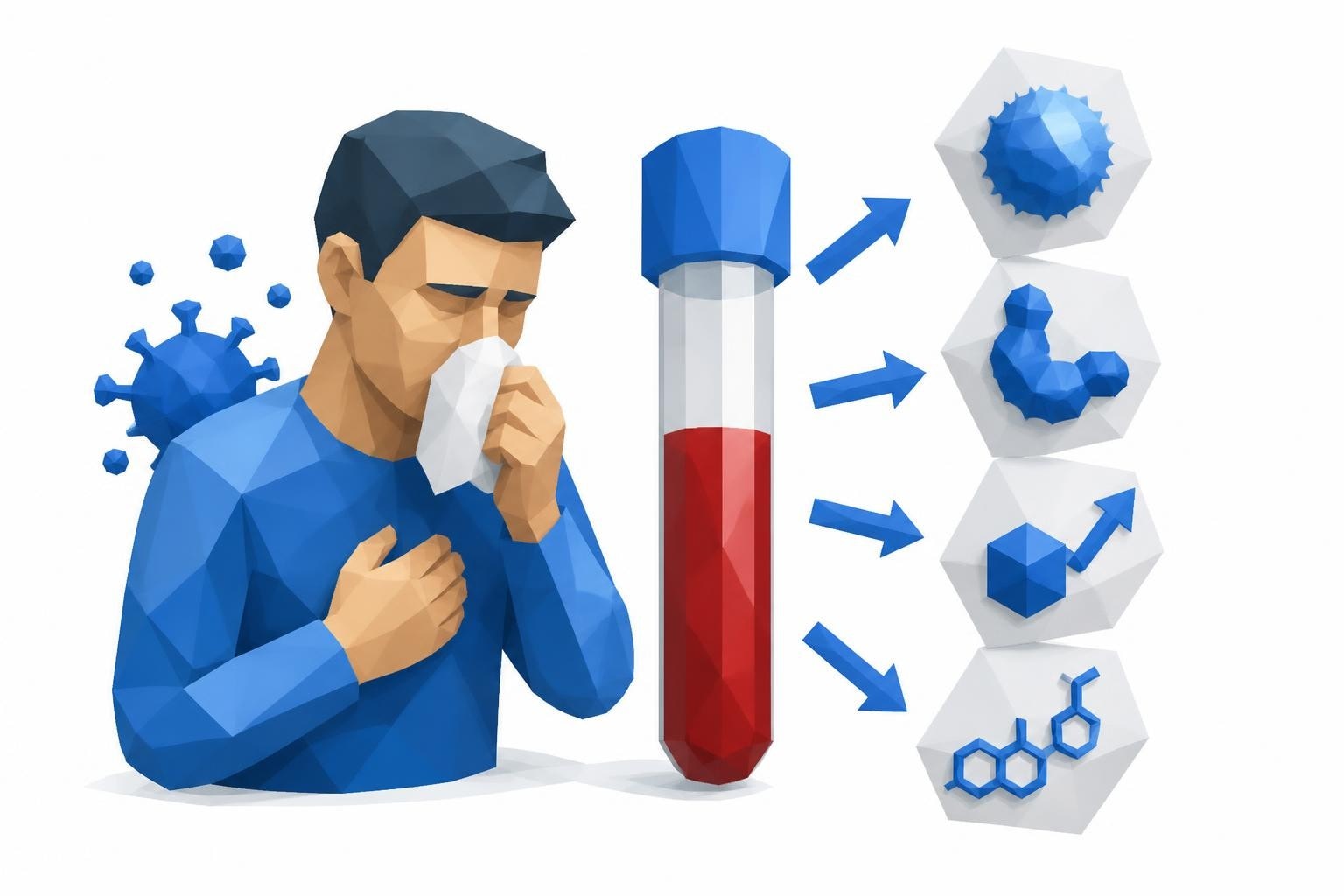
Many people don't realize they need testing until symptoms develop. However, heavy metal poisoning often presents vague symptoms that mimic other conditions, making diagnosis challenging without proper testing.
Recognizing Warning Signs
Early symptoms of heavy metal toxicity include:
- Persistent fatigue and weakness
- Cognitive difficulties and memory problems
- Gastrointestinal issues including nausea and abdominal pain
- Headaches and dizziness
- Numbness or tingling in extremities
- Joint and muscle pain
More severe exposure can cause:
- Significant neurological impairment
- Kidney or liver dysfunction
- Cardiovascular complications
- Reproductive issues
- Developmental delays in children
The challenge with symptom-based testing is that by the time symptoms appear, significant accumulation may have already occurred. According to MedlinePlus guidance on heavy metal blood tests, testing should occur before severe symptoms develop when exposure is suspected.
Occupational Exposure and Testing Requirements
Certain professions carry significantly higher risks of heavy metal exposure, making routine monitoring essential for worker safety and health.
High-Risk Occupations
| Occupation | Primary Metal(s) | Exposure Source |
|---|---|---|
| Construction workers | Lead, arsenic | Old paint removal, treated lumber |
| Welders and metalworkers | Cadmium, lead, chromium | Metal fumes and dust |
| Battery manufacturers | Lead, cadmium | Raw materials and production |
| Dental professionals | Mercury | Amalgam preparation |
| Electronics recyclers | Lead, cadmium, mercury | E-waste processing |
| Agricultural workers | Arsenic | Pesticides and soil |
Workers in these fields should consider heavy metal testing when starting a new position, annually during employment, and after significant exposure incidents. Many employers provide testing, but workers can also access affordable lab testing without insurance to monitor their exposure independently.
OSHA Requirements and Personal Testing
While OSHA mandates testing for some occupations, these requirements represent minimum standards. Proactive workers often choose additional testing to ensure their safety, particularly when changing jobs or experiencing symptoms.
Environmental and Residential Risk Factors
Your home and neighborhood environment can expose you to heavy metals daily without your knowledge. Understanding these risks helps determine heavy metal testing when environmental factors suggest potential exposure.
Home-Based Exposure Risks
Homes built before 1978 likely contain lead-based paint, which deteriorates over time, creating toxic dust. Renovation projects in older homes significantly increase exposure risk. Water systems with lead pipes or fixtures can leach metal into drinking water, particularly in areas with acidic or soft water.
Well water users face particular risks from naturally occurring arsenic and other metals. Unlike municipal water systems that undergo regular testing, private well owners bear responsibility for monitoring water quality.
Older ceramics, particularly those from certain countries with less stringent regulations, may contain lead in glazes. Regular use of these items for food and beverages creates ongoing exposure.
Community-Level Concerns
Living near current or former industrial sites, mining operations, or hazardous waste sites increases exposure risk. The National Library of Medicine's detailed analysis of heavy metal pathophysiology emphasizes how proximity to contaminated sites correlates with elevated body burdens of toxic metals.

Heavy Metal Testing When Pregnancy Is Planned or Occurring
Pregnant women and those planning pregnancy should consider heavy metal testing as part of comprehensive prenatal care. Heavy metals cross the placental barrier and can cause severe developmental problems.
Fetal Development Risks
Lead exposure during pregnancy affects fetal brain development and can cause:
- Reduced birth weight
- Premature delivery
- Developmental delays
- Behavioral problems in childhood
- Reduced cognitive function
Mercury, particularly methylmercury from fish consumption, poses significant risks to developing nervous systems. Pregnant women should balance fish consumption for omega-3 benefits against mercury exposure risks.
Preconception Testing Benefits
Testing before conception allows time for metal levels to decrease before pregnancy begins. Since heavy metals can take months or years to clear from the body, early testing provides valuable lead time for intervention.
Women who lived in older homes, worked in high-risk occupations, or have other exposure risk factors should prioritize testing. Understanding current levels allows healthcare providers to make informed recommendations about pregnancy timing and monitoring.
Dietary and Supplement-Related Testing Needs
Recent research has revealed concerning levels of heavy metals in various foods and dietary supplements, creating exposure risks many people don't anticipate.
Food-Based Exposure
Rice and rice products concentrate arsenic from soil and water. Regular consumption of rice-based foods, particularly in children, warrants consideration of testing.
Large predatory fish accumulate mercury through biomagnification. Frequent consumers of tuna, swordfish, shark, and king mackerel face elevated exposure risks.
The Environmental Defense Fund's testing recommendations highlight how manufacturers should test products, but consumers often lack information about actual contamination levels in their purchased foods.
Supplement Contamination Concerns
Independent testing has found heavy metals in various dietary supplements, including protein powders, herbal remedies, and traditional medicine preparations. Regular supplement users should consider heavy metal testing when consuming products daily, particularly those sourced internationally or made from herbs known to accumulate metals.
Testing Methods and Sample Types
Understanding the different testing approaches helps you choose the most appropriate method for your situation and exposure concerns.
Blood Testing
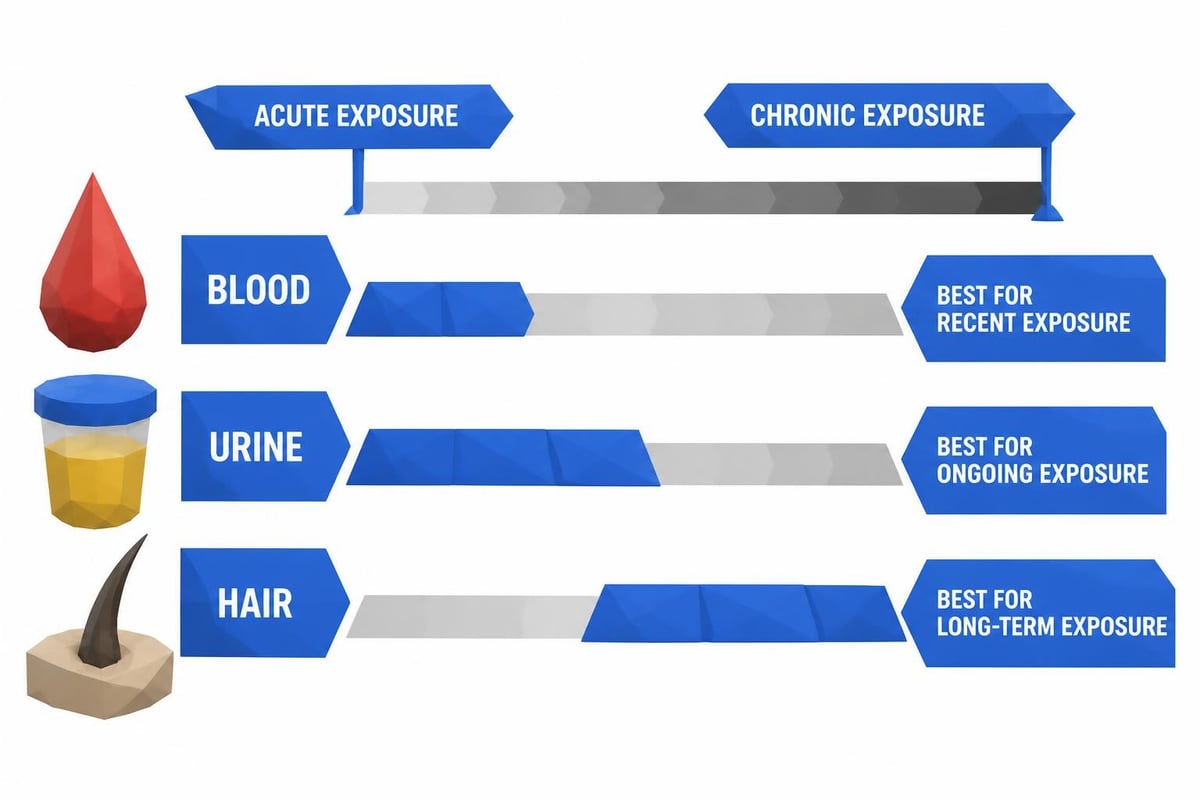
Blood tests measure recent exposure to heavy metals, typically reflecting the past few weeks to months depending on the specific metal. According to information on lab draws for heavy metals, blood testing works best for assessing acute exposure or monitoring ongoing exposure reduction efforts.
Advantages of blood testing:
- Accurately reflects current exposure levels
- Standardized reference ranges available
- Relatively quick sample collection
- Suitable for monitoring treatment progress
Limitations include:
- May miss chronic, lower-level exposure
- Requires venipuncture
- Timing matters for accuracy
Recommended Test
Heavy Metals Panel (Blood)
This panel tests for three common toxic heavy metals - lead, mercury, and arsenic - that can accumulate in the body from environmental exposure, contaminated food or water, and occupational hazards.
Includes 3 biomarkers
$35
Urine Testing
Twenty-four-hour urine collection provides information about the body's ability to excrete heavy metals. This method often reveals chronic exposure better than blood testing for certain metals.
Some practitioners use provocation testing, administering chelating agents before urine collection to measure total body burden. However, this approach remains controversial and isn't appropriate for routine screening.
Hair Analysis
Hair testing shows long-term exposure patterns, as metals incorporate into hair as it grows. Each centimeter of hair represents approximately one month of exposure.
| Testing Method | Best For | Time Frame | Sample Collection |
|---|---|---|---|
| Blood | Recent/acute exposure | Days to months | Venipuncture |
| 24-hour urine | Ongoing excretion | Weeks to months | Timed collection |
| Hair analysis | Historical exposure | Months to years | Hair sample |
| Spot urine | Quick screening | Recent days | Single sample |
Various heavy metal testing methods each provide different insights into exposure timing and body burden.
Children and Heavy Metal Testing Protocols
Children face unique vulnerability to heavy metal toxicity due to their developing nervous systems, higher absorption rates, and behaviors that increase exposure risk.
Pediatric Testing Recommendations
The Centers for Disease Control and Prevention recommends lead testing for all children at ages one and two in high-risk areas. However, parents should consider heavy metal testing when additional risk factors exist, regardless of routine screening schedules.
Risk factors requiring pediatric testing:
- Living in or regularly visiting homes built before 1978
- Living with adults whose occupations involve heavy metal exposure
- Siblings or playmates with elevated lead levels
- Using imported cosmetics, toys, or remedies
- Consuming well water not regularly tested
- Living near industrial facilities or contaminated sites
Children absorb lead up to five times more efficiently than adults, and their developing brains are far more susceptible to damage. Even low levels previously considered safe are now known to affect cognitive development and behavior.
Behavioral Indicators in Children
Parents should consider testing if children exhibit:
- Developmental delays or regression
- Learning difficulties or declining academic performance
- Behavioral changes or attention problems
- Unexplained abdominal pain or constipation
- Unusual irritability or mood changes
Accessing Heavy Metal Testing Without Insurance
Many people delay testing due to concerns about cost, insurance coverage, or the need for doctor appointments. However, ordering labs without a doctor has become increasingly accessible.
Self-Pay Testing Benefits
Direct-access laboratory testing eliminates several barriers to getting tested. You can order tests online, visit a collection facility at your convenience, and receive results within days.
Advantages of self-pay testing:
- No insurance authorization delays
- Transparent, affordable pricing
- No doctor visit required for ordering
- Quick turnaround times
- Convenient scheduling options
Understanding lab test pricing upfront removes financial uncertainty and allows you to budget for testing when you determine it's necessary.
When to Choose Direct Access Testing
Self-pay options work particularly well for:
- Routine occupational monitoring
- Screening before pregnancy
- Follow-up after known exposure
- Periodic monitoring for high-risk individuals
- Second opinions or additional testing
After receiving results, you can share them with your healthcare provider for interpretation and treatment recommendations if levels are elevated.
Interpreting Results and Next Steps
Understanding what your test results mean requires context about reference ranges, exposure pathways, and individual factors.
Reference Ranges and Action Levels
Laboratory reports include reference ranges representing typical population levels. However, "typical" doesn't mean "safe," as no amount of lead or mercury is beneficial to health.
For lead, previous action levels of 10 μg/dL in children have been revised downward as research reveals harm at lower concentrations. Current guidance emphasizes that no safe level exists, though intervention protocols typically begin at 3.5 μg/dL or higher.
Mercury levels vary based on fish consumption patterns. Understanding your dietary habits helps contextualize results.
Follow-Up Actions for Elevated Levels
If testing reveals elevated heavy metal levels:
- Identify and eliminate exposure sources
- Consult with a healthcare provider experienced in toxicology
- Consider repeat testing to confirm results
- Implement dietary changes to support metal elimination
- Evaluate household members who may share exposures
- Investigate chelation therapy for severe cases
Reducing exposure typically allows levels to decrease over time, though the process varies by metal and body burden.
Frequency of Testing for At-Risk Populations
Determining how often to test depends on your specific risk factors and previous results.
Ongoing Monitoring Schedules
Occupational exposure: Annual testing minimum, with quarterly monitoring for high-exposure positions or after significant incidents.
Post-exposure: Monthly or quarterly testing after confirmed exposure until levels normalize and remain stable.
Chronic exposure risk: Annual screening for those living in high-risk environments or consuming potentially contaminated water or food regularly.
Pregnancy planning: Test 6-12 months before attempting conception if risk factors exist, allowing time for intervention.
Children in high-risk areas: Annual testing through age six, with more frequent testing if initial levels are elevated.
Making Testing Accessible and Affordable
The evolution of direct-access laboratory services has transformed how people approach health monitoring. Rather than waiting for symptoms to worsen or exposure to become severe, proactive individuals can now take charge of their health through convenient, affordable testing.
Modern testing platforms provide transparency in pricing and process, removing traditional barriers that prevented people from getting tested. Whether you're monitoring occupational exposure, investigating symptoms, or screening before pregnancy, access to testing should be straightforward and affordable.
The ability to explore available tests online, understand pricing upfront, and schedule at your convenience represents a significant improvement in healthcare accessibility. Results typically arrive within 1-3 days, allowing quick action if intervention is needed.
Understanding heavy metal testing when various risk factors apply empowers you to protect your health and that of your family through timely screening and intervention. Whether you face occupational hazards, live in an older home, plan to start a family, or simply want peace of mind about your exposure levels, testing provides concrete information to guide your decisions. Justlabs makes this process simple by offering transparent pricing, convenient online ordering, and fast results delivery without the need for insurance or doctor visits, putting comprehensive health monitoring directly in your hands.