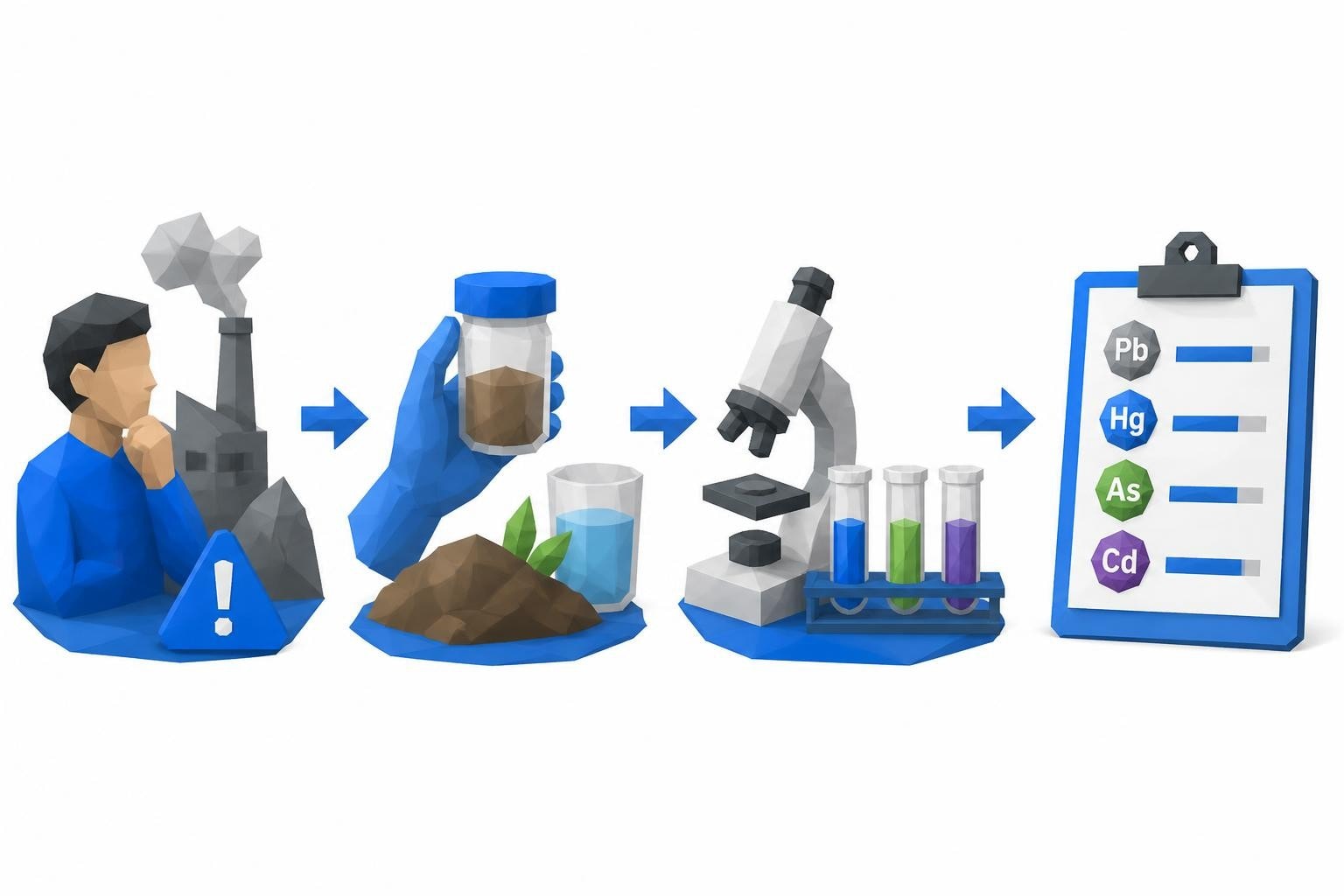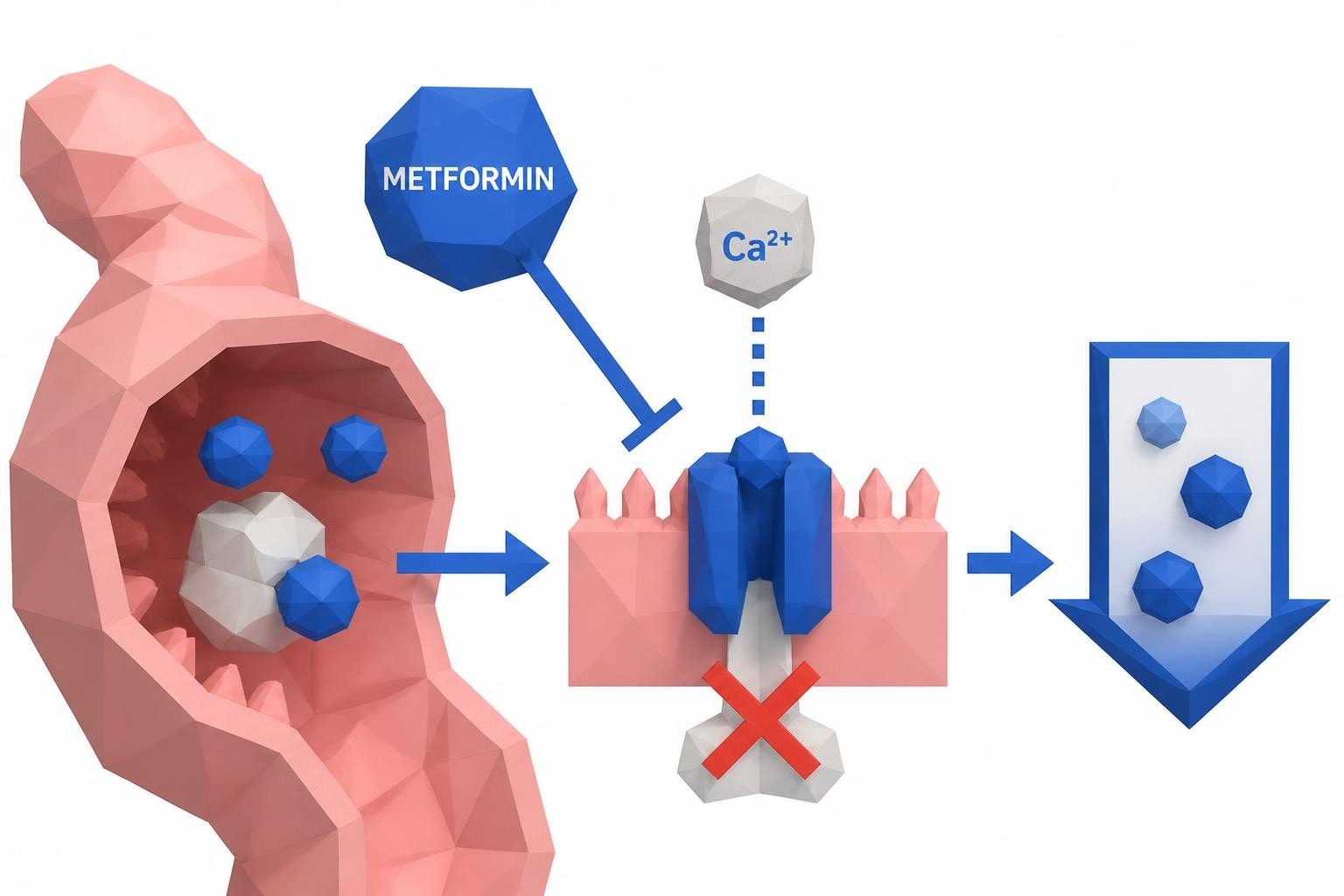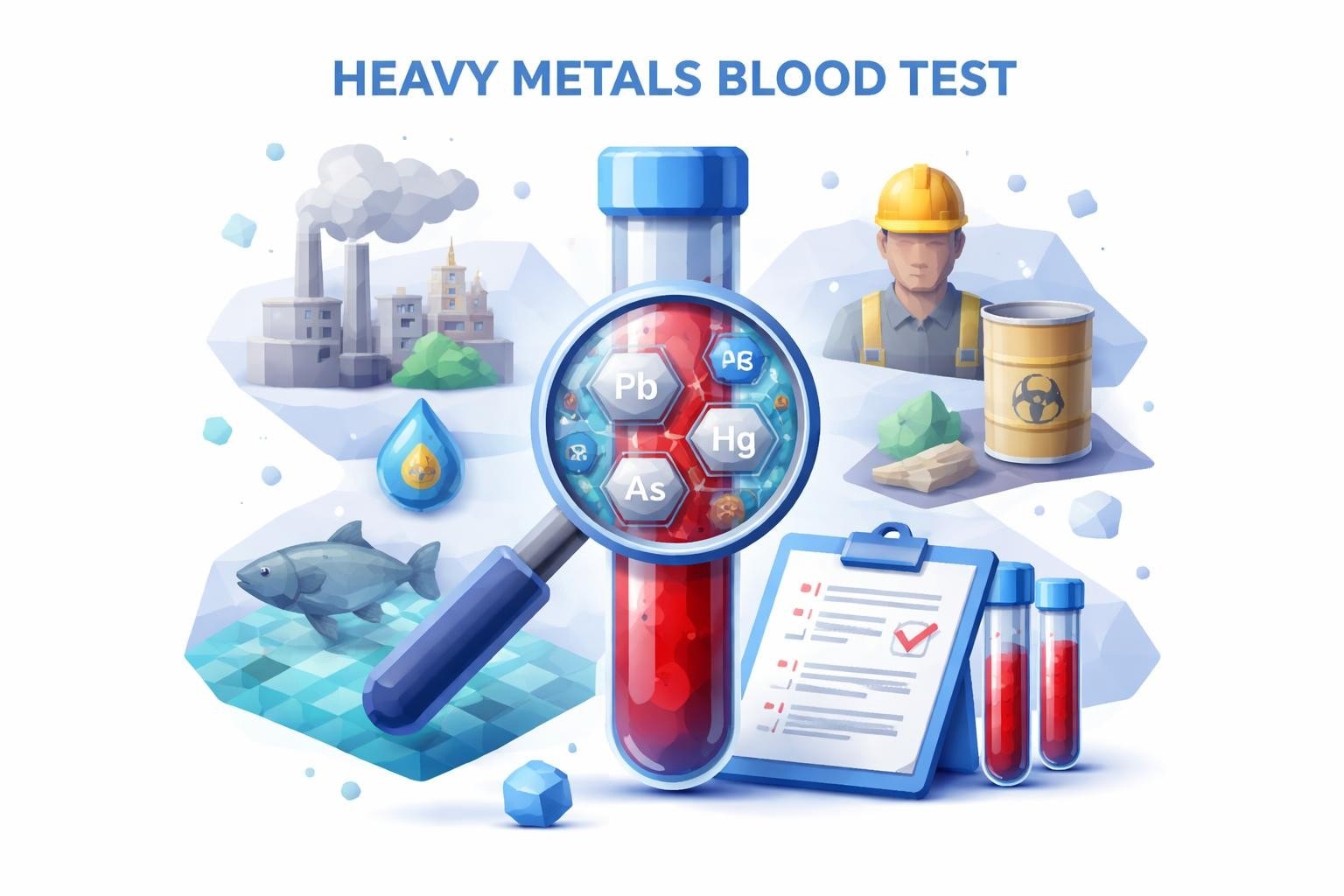
Heavy metal exposure represents a growing health concern in our modern world, with toxic metals infiltrating our environment through industrial pollution, contaminated water supplies, and even everyday consumer products. A heavy metals blood test provides critical insights into whether your body has accumulated dangerous levels of metals like lead, mercury, arsenic, or cadmium, allowing you to take action before serious health complications develop.
Big Picture
- What it is: A heavy metals blood test measures the concentration of potentially toxic metals in your bloodstream, including lead, mercury, arsenic, cadmium, and sometimes aluminum or thallium
- Why it matters: Chronic exposure to heavy metals can damage the nervous system, kidneys, liver, and cardiovascular system, often without obvious symptoms until significant harm has occurred
- Who needs testing: People with occupational exposure, those living near industrial sites, individuals experiencing unexplained symptoms, children with developmental concerns, and anyone concerned about environmental exposure
- Cost considerations: Lab testing without insurance makes heavy metals screening accessible at transparent prices, typically ranging from $150 to $400 depending on the number of metals tested
- Quick results: Most heavy metals blood tests provide results within 1-3 days, enabling prompt medical intervention when elevated levels are detected
- Take action: If you have reason to suspect exposure, order testing directly to establish a baseline or confirm your concerns
Understanding Heavy Metals and Health Risks
Heavy metals are naturally occurring elements with high atomic weights and densities at least five times greater than water. While some metals like iron, zinc, and copper are essential nutrients in trace amounts, others have no biological function and accumulate in body tissues over time.
Which Metals Are Tested
The most common heavy metals blood test screens for several key toxins:
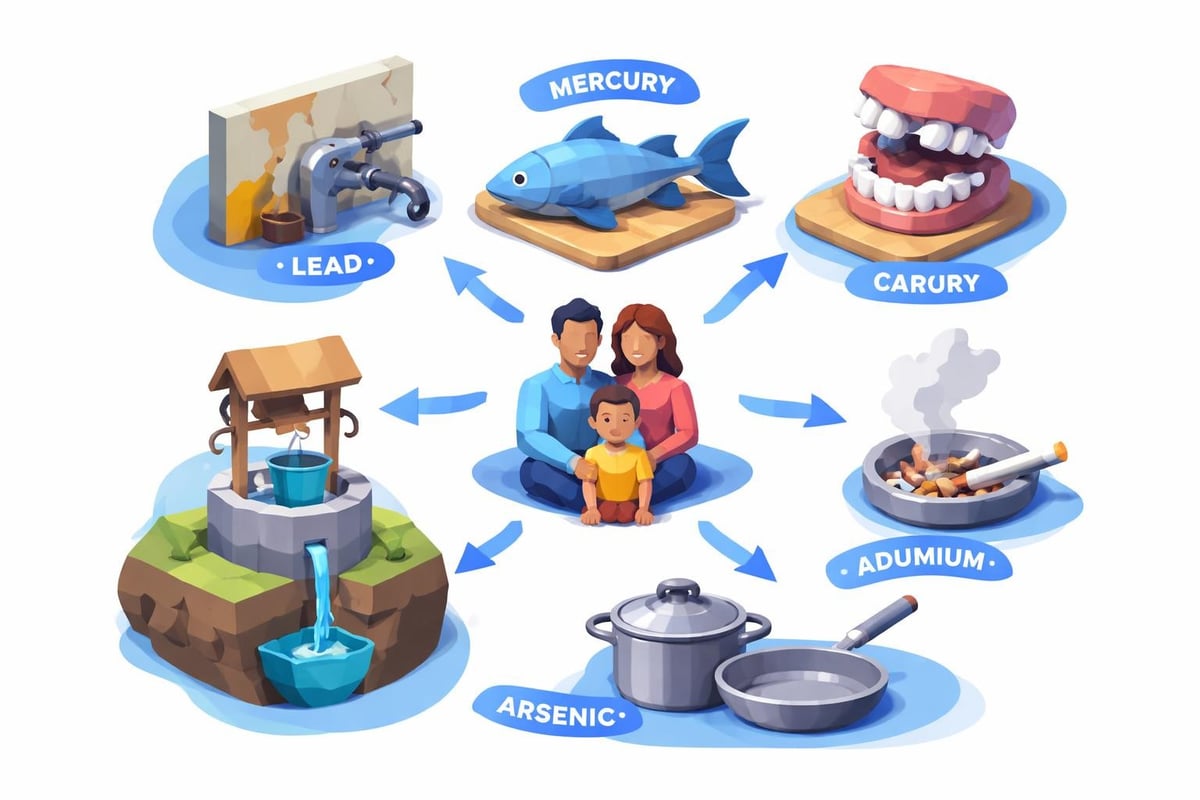
- Lead: Found in old paint, contaminated soil, pipes, and some imported products
- Mercury: Present in certain fish, dental amalgams, and industrial emissions
- Arsenic: Occurs in contaminated groundwater, rice, and some pesticides
- Cadmium: Released from cigarette smoke, batteries, and industrial processes
- Aluminum: Found in cookware, antacids, and processed foods
- Thallium: Used in electronics manufacturing and certain pesticides
According to MedlinePlus, these metals can cause serious health problems even at low levels, making early detection crucial.
Recommended Test
Heavy Metals Panel (Blood)
This panel tests for three common toxic heavy metals - lead, mercury, and arsenic - that can accumulate in the body from environmental exposure, contaminated food or water, and occupational hazards.
Includes 3 biomarkers
$35
How Toxic Exposure Occurs
Environmental contamination represents the primary route for heavy metal exposure in most individuals. Industrial facilities, mining operations, and aging infrastructure contribute to widespread contamination of air, water, and soil.
Occupational exposure affects workers in manufacturing, construction, mining, battery production, and electronics assembly. These individuals face significantly higher risks and often require regular monitoring through blood testing.
Dietary sources also contribute to metal accumulation. Large predatory fish concentrate mercury, rice absorbs arsenic from soil and water, and certain imported foods may contain lead contamination. Research on environmental heavy metal exposure demonstrates how groundwater contamination affects entire communities.
Symptoms That Warrant Testing
Heavy metal toxicity often develops gradually, making symptom recognition challenging. Early signs may be subtle and easily attributed to other conditions.
Neurological and Cognitive Signs
- Memory problems and difficulty concentrating
- Numbness or tingling in extremities
- Headaches and dizziness
- Mood changes including depression or anxiety
- Developmental delays in children
Physical Health Indicators
Gastrointestinal symptoms such as nausea, vomiting, and abdominal pain frequently accompany heavy metal exposure. Chronic fatigue, muscle weakness, and joint pain may develop as toxicity progresses.
Cardiovascular effects include high blood pressure and irregular heartbeat. Kidney dysfunction often appears as decreased urine output or changes in urination patterns. These symptoms justify immediate testing, which you can order without a doctor's visit through direct-access laboratory services.
High-Risk Populations
Children face particular vulnerability to heavy metal toxicity because their developing nervous systems absorb metals more readily than adults. Pregnant women require careful monitoring since metals cross the placental barrier and affect fetal development.
Workers in high-exposure industries should undergo regular screening regardless of symptoms. Residents of older homes with lead paint or plumbing, individuals living near industrial facilities, and those consuming well water from contaminated aquifers all warrant baseline testing.
How the Test Works
The heavy metals blood test requires a simple blood draw, typically from a vein in your arm. The procedure takes just a few minutes at any certified laboratory location.
Sample Collection and Preparation
Proper sample collection ensures accurate results. Phlebotomists use special metal-free collection tubes to prevent contamination. Some tests require fasting beforehand, though many heavy metals tests do not have this restriction.
| Preparation Step | Requirement | Reason |
|---|---|---|
| Fasting | Usually not required | Heavy metals accumulate in tissues, not affected by recent meals |
| Timing | Morning preferred | Standardizes collection conditions |
| Medications | Continue as prescribed | Most medications don't interfere with testing |
| Water intake | Allowed | Hydration helps with blood draw |
The laboratory analyzes your sample using sophisticated techniques such as inductively coupled plasma mass spectrometry (ICP-MS) or atomic absorption spectroscopy. These methods detect metal concentrations with extreme precision, measuring levels in micrograms per deciliter or parts per billion.
Understanding Test Results
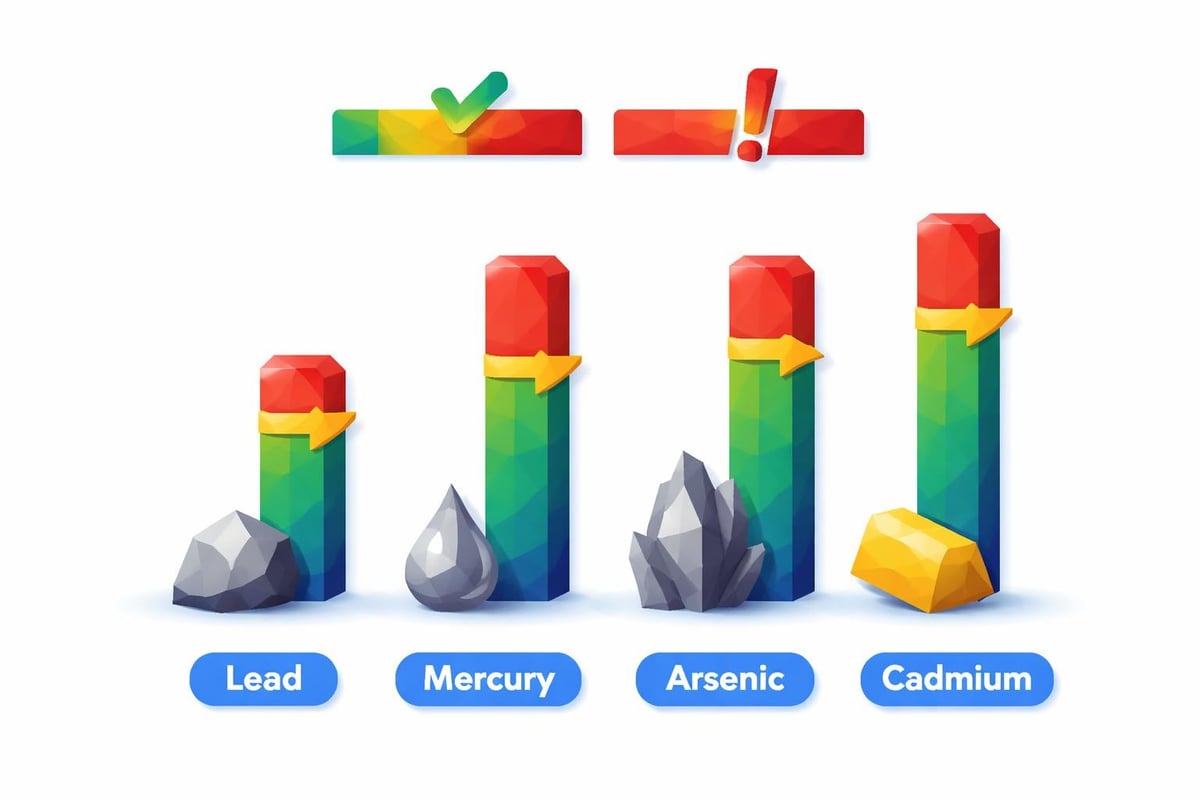
Results indicate the concentration of each metal tested compared to established reference ranges. Elevated levels trigger recommendations for follow-up testing, source identification, and potential treatment.
Normal vs. Elevated Levels:
Different metals have different threshold values. For lead, any detectable level in children warrants concern, while adults can tolerate slightly higher concentrations before intervention becomes necessary. Mercury toxicity depends on exposure type, with organic mercury (from fish) being more toxic than inorganic forms.
The Oregon Public Health Division guidelines emphasize that testing should occur in context of known or suspected exposure rather than routine screening without clinical indication.
Specialized Testing Approaches
Beyond standard blood tests, alternative methods assess heavy metal burden through different biological samples or immune responses.
Blood vs. Urine Testing
Blood tests measure recent or ongoing exposure to heavy metals, reflecting what's currently circulating in your system. This makes them ideal for detecting acute exposure or monitoring occupational risks.
Urine testing, particularly provoked urine testing using chelating agents, reveals total body burden by mobilizing metals stored in tissues. This approach provides different information than blood testing and may be recommended for suspected chronic exposure.
Hair and Tissue Analysis
Hair mineral analysis detects long-term exposure patterns since metals incorporate into hair as it grows. However, external contamination from hair products or environmental sources can compromise accuracy, making interpretation challenging.
Tissue biopsies rarely occur except in research settings or when investigating specific organ damage. These invasive procedures aren't practical for routine screening.
Immune Response Testing
The MELISA test (Memory Lymphocyte Immunostimulation Assay) measures immune system reactions to specific metals rather than metal concentrations. This specialized test identifies metal hypersensitivity, which can cause symptoms even when blood levels appear normal.
Who Should Get Tested
Several scenarios justify heavy metals blood test screening, ranging from environmental concerns to occupational requirements.
Occupational Exposure
Manufacturing workers handling batteries, electronics, pigments, or metal products face daily exposure risks. Construction workers renovating older buildings encounter lead paint and asbestos. Welders, smelters, and miners work directly with metal ores and alloys.
OSHA regulations require employers to provide testing for workers with significant exposure potential. However, independent testing through services offering transparent lab test pricing allows workers to verify their safety between mandatory screenings.
Environmental Concerns
Living near industrial facilities, waste sites, or mining operations increases exposure risk through contaminated air, soil, and groundwater. The general overview of toxic heavy metals illustrates how these substances persist in the environment for decades.
Homes built before 1978 likely contain lead paint. Properties with copper pipes joined by lead solder or older lead service lines contribute to water contamination. Well water users should test both their water supply and blood levels if contamination is suspected.
Medical Indications
Unexplained neurological symptoms, kidney problems, anemia, or developmental delays warrant investigation for heavy metal toxicity. Certain medical treatments, such as traditional medicines or supplements from unregulated sources, may introduce metal contamination.
Individuals planning pregnancy or currently pregnant should consider baseline testing if they have exposure risk factors, ensuring they can address contamination before conception or early in pregnancy.
Treatment and Follow-Up
Discovering elevated heavy metal levels requires prompt action to prevent further exposure and eliminate stored metals from the body.
Source Elimination
Identifying and removing the exposure source represents the most critical intervention. This might involve:
- Occupational changes: Improved workplace ventilation, protective equipment, or job modification
- Home remediation: Lead paint abatement, water filtration systems, or pipe replacement
- Dietary modifications: Limiting high-mercury fish consumption or avoiding contaminated water sources
- Product substitution: Replacing aluminum cookware or avoiding certain cosmetics and traditional medicines
Chelation Therapy
For significantly elevated levels, chelation therapy uses medications that bind to heavy metals, allowing their excretion through urine. This treatment requires medical supervision due to potential side effects and the risk of removing essential minerals alongside toxic metals.
Common chelating agents include EDTA for lead, DMSA for mercury and lead, and DMPS for mercury. Treatment protocols vary based on which metals are elevated and by how much.
Supportive Measures
Nutritional support helps the body naturally eliminate metals and repair damage:
- Antioxidants: Vitamin C, vitamin E, and selenium protect against oxidative stress
- Essential minerals: Adequate calcium, iron, and zinc reduce toxic metal absorption
- Hydration: Proper fluid intake supports kidney function and metal excretion
- Fiber: Dietary fiber binds metals in the digestive tract
Testing Access and Cost Considerations
Obtaining a heavy metals blood test has become more accessible through direct-to-consumer laboratory services that eliminate traditional barriers.
Traditional vs. Direct-Access Testing
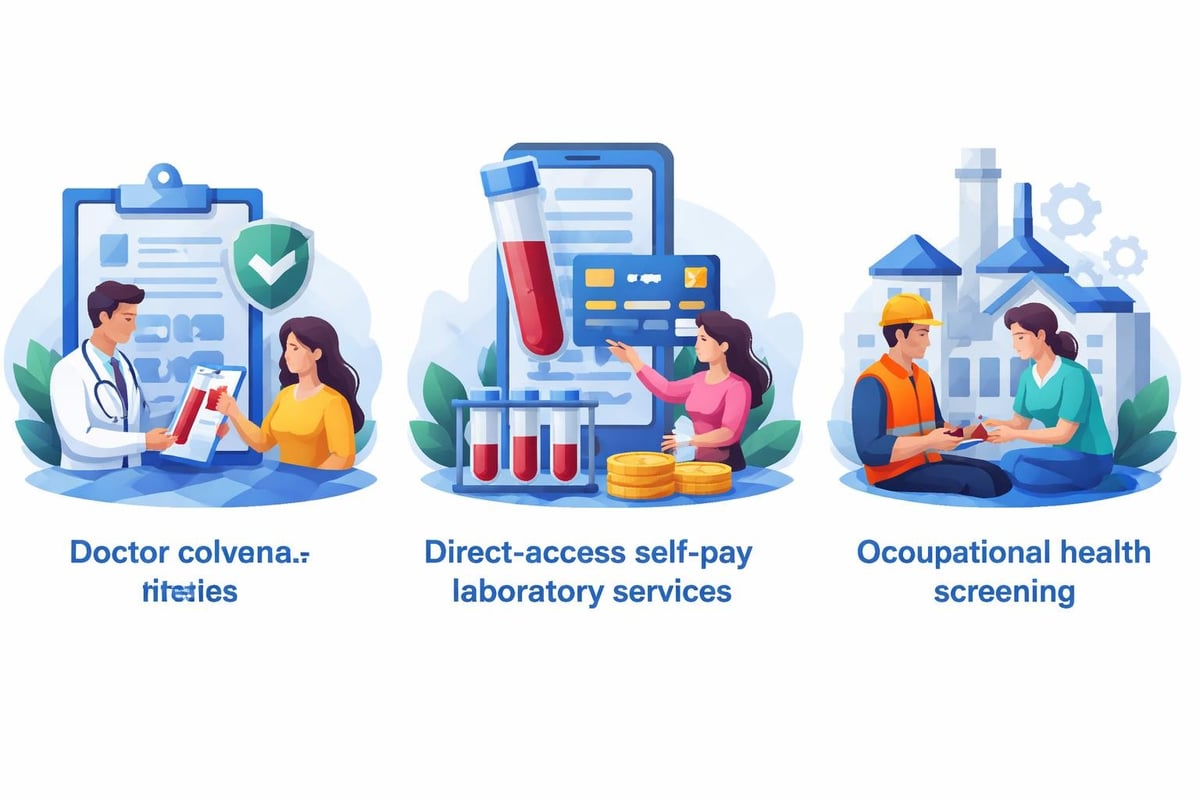
Conventional testing requires a physician's order following a medical consultation. This approach involves insurance pre-authorization, copays, and potential delays. The total cost often remains unclear until after testing when explanation of benefits statements arrive.
Direct-access testing allows individuals to order lab tests online without doctor visits or insurance involvement. Transparent pricing, rapid scheduling, and quick results make this option increasingly popular for health-conscious consumers.
| Testing Approach | Pros | Cons |
|---|---|---|
| Traditional (Insurance) | May have lower out-of-pocket costs | Requires doctor visit, unclear pricing, insurance limitations |
| Direct-Access | Transparent costs, no doctor needed, fast results | Self-pay, no insurance billing |
| Occupational | Employer-paid, OSHA compliance | Limited to work exposure, may not test all metals |
Insurance and HSA/FSA Coverage
Many health insurance plans cover heavy metals testing when medically necessary, though defining "medical necessity" varies by carrier. Policies typically require documented exposure risk or clinical symptoms before approving testing.
For self-pay testing, FSA and HSA eligible tests allow you to use pre-tax health savings accounts to cover costs, reducing the effective price by your tax rate.
Timing and Frequency
Initial testing establishes your baseline metal levels. If elevated results appear, follow-up testing occurs every 1-3 months during treatment to monitor progress. After levels normalize, annual testing may continue for individuals with ongoing exposure risk.
Prevention Strategies
Reducing heavy metal exposure requires awareness of contamination sources and proactive protective measures in daily life.
Home and Water Safety
Test your drinking water, especially if using private wells or living in areas with known contamination. Install appropriate filtration systems certified to remove specific metals of concern. Replace lead pipes or fixtures, and always run cold water briefly before using it for drinking or cooking.
Address lead paint safely in homes built before 1978. Never sand or scrape old paint without proper containment and respiratory protection. Hire certified lead abatement professionals for major renovations.
Dietary Choices
Select seafood wisely, choosing smaller fish like sardines, anchovies, and wild salmon over large predatory species like swordfish, shark, and king mackerel. Vary rice consumption and rinse rice thoroughly before cooking to reduce arsenic content.
Buy produce from trusted sources and wash fruits and vegetables thoroughly. Consider testing soil before planting edible gardens, especially in urban areas or near industrial sites.
Occupational Protection
Workers with potential exposure should use all provided protective equipment consistently. Wash hands thoroughly before eating, drinking, or smoking. Change clothes before leaving work to avoid bringing contamination home to family members.
Request regular monitoring from employers and maintain personal records of all test results. Understanding how lab results are interpreted empowers workers to recognize concerning trends before they become serious.
Alternative Testing Considerations
While blood testing remains the standard approach for heavy metals assessment, awareness of limitations and alternatives helps individuals make informed decisions.
Test Sensitivity and Timing
Blood tests detect recent exposure most reliably. Metals clear from blood relatively quickly as they redistribute to organs and bones. A negative blood test doesn't necessarily mean no exposure occurred, particularly if testing happens weeks after acute exposure ended.
For chronic, low-level exposure assessment, combination testing using both blood and urine samples provides more complete information. ZRT Laboratory's approach includes testing both toxic metals and essential elements to understand nutritional status alongside toxicity.
Comprehensive vs. Targeted Panels
Comprehensive panels test for 10-15 different metals, while targeted panels focus on 3-5 of the most common toxic metals. Choosing between them depends on exposure suspicion.
Known occupational exposure to specific metals warrants targeted testing for those particular elements. Environmental concerns or unexplained symptoms justify comprehensive screening to avoid missing unexpected contamination sources.
Key Takeaways
- Heavy metals blood tests measure toxic metal concentrations in your bloodstream, detecting exposure to lead, mercury, arsenic, cadmium, and other harmful elements before serious health damage occurs
- Testing is recommended for individuals with occupational exposure, residents of older homes or contaminated areas, people with unexplained neurological or physical symptoms, and anyone concerned about environmental metal exposure
- The test requires a simple blood draw with results typically available within 1-3 days, providing rapid answers about your exposure status
- Direct-access laboratory services offer transparent pricing and eliminate the need for doctor visits or insurance pre-authorization, making testing more accessible and affordable
- Elevated results require immediate action to identify and eliminate exposure sources, possibly followed by chelation therapy and supportive nutritional interventions under medical supervision
FAQ
How accurate are heavy metals blood tests?
Heavy metals blood tests using ICP-MS or atomic absorption spectroscopy are highly accurate, detecting metal concentrations at parts per billion levels. Laboratory quality control standards ensure reliability, though proper sample collection technique is essential to prevent contamination. Blood tests excel at detecting recent or ongoing exposure but may miss chronic exposure if metals have already cleared from circulation into tissues.
Can I get tested without symptoms or known exposure?
Yes, baseline testing is available even without symptoms or documented exposure, though medical necessity criteria for insurance coverage typically require either symptoms or exposure risk. Direct-access laboratory services allow anyone to order testing for peace of mind or health optimization purposes. However, unexplained elevated results require medical follow-up to identify sources and determine appropriate interventions.
How long do heavy metals stay in the blood?
The duration varies by metal type and exposure pattern. Lead remains in blood for approximately 30 days before redistributing to bones, where it can persist for decades. Mercury clears from blood within days to weeks but accumulates in brain tissue. Arsenic clears from blood within hours to days, making blood testing useful only for recent exposure detection. This variability explains why some cases require urine testing or provoked chelation testing instead of or in addition to blood tests.
What's the difference between blood and hair testing for heavy metals?
Blood testing measures current circulating metal levels, reflecting recent or ongoing exposure within the past days to weeks. Hair testing theoretically shows long-term exposure patterns since metals incorporate into hair as it grows over months. However, hair testing faces accuracy challenges from external contamination, variable growth rates, and lack of standardization. Blood testing remains the gold standard for clinical decision-making, while hair analysis serves as a supplementary tool in specific circumstances.
Will my insurance cover heavy metals testing?
Insurance coverage depends on medical necessity criteria established by your specific plan. Most insurers cover testing when documented exposure occurred, clinical symptoms suggest toxicity, or occupational health requirements mandate screening. Routine screening without symptoms or exposure history typically isn't covered. Direct-access self-pay testing provides an alternative with transparent pricing, and many heavy metals tests qualify for HSA or FSA reimbursement even when insurance doesn't provide coverage.
How much does a heavy metals blood test cost?
Pricing varies based on how many metals are tested and whether you use insurance or self-pay. Comprehensive panels testing 10-15 metals typically cost $300-$400 through direct-access services, while targeted panels testing 3-5 common metals range from $150-$250. Insurance-covered testing involves copays, deductibles, and coinsurance that vary widely by plan. Direct-access pricing provides cost certainty, eliminating surprise bills that sometimes occur with insurance-based testing.
Should children be tested for heavy metals?
Children warrant testing more readily than adults due to their increased vulnerability to metal toxicity and higher absorption rates. Testing is recommended for children living in homes built before 1978, those with developmental delays or behavioral problems, kids living near industrial sites, and children with pica (eating non-food items). Blood lead testing specifically is recommended for all children at ages 1 and 2 years in high-risk communities. Parents can arrange testing through pediatricians or direct-access services.
What happens if my test shows elevated levels?
Elevated results require immediate steps to identify and eliminate ongoing exposure sources. Your healthcare provider may recommend repeat testing to confirm results, additional tests to assess organ function, and investigation of home, occupational, or environmental sources. Treatment options include chelation therapy for significantly elevated levels, nutritional support, and close monitoring. The specific intervention depends on which metals are elevated, the degree of elevation, and whether symptoms are present.
Understanding your heavy metal exposure status provides valuable health information in our increasingly contaminated world, empowering you to take protective action before toxicity causes irreversible damage. Whether you face occupational risks, live in an older home, or simply want to optimize your health through comprehensive testing, accessing a heavy metals blood test has never been easier. Justlabs offers convenient, affordable heavy metals testing with transparent pricing, no insurance hassles, and results in just 1-3 days, putting you in control of your health monitoring without unnecessary delays or costs.