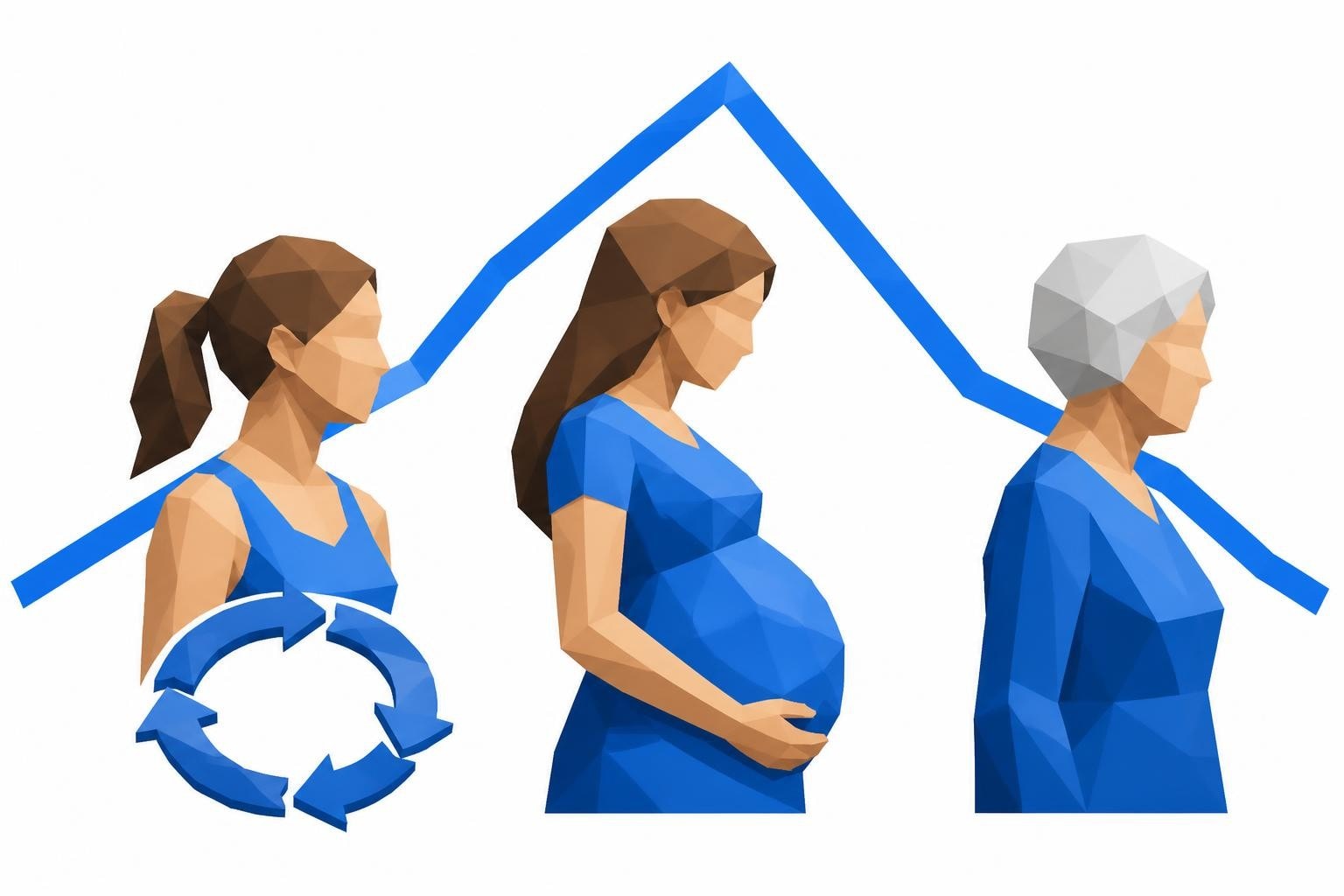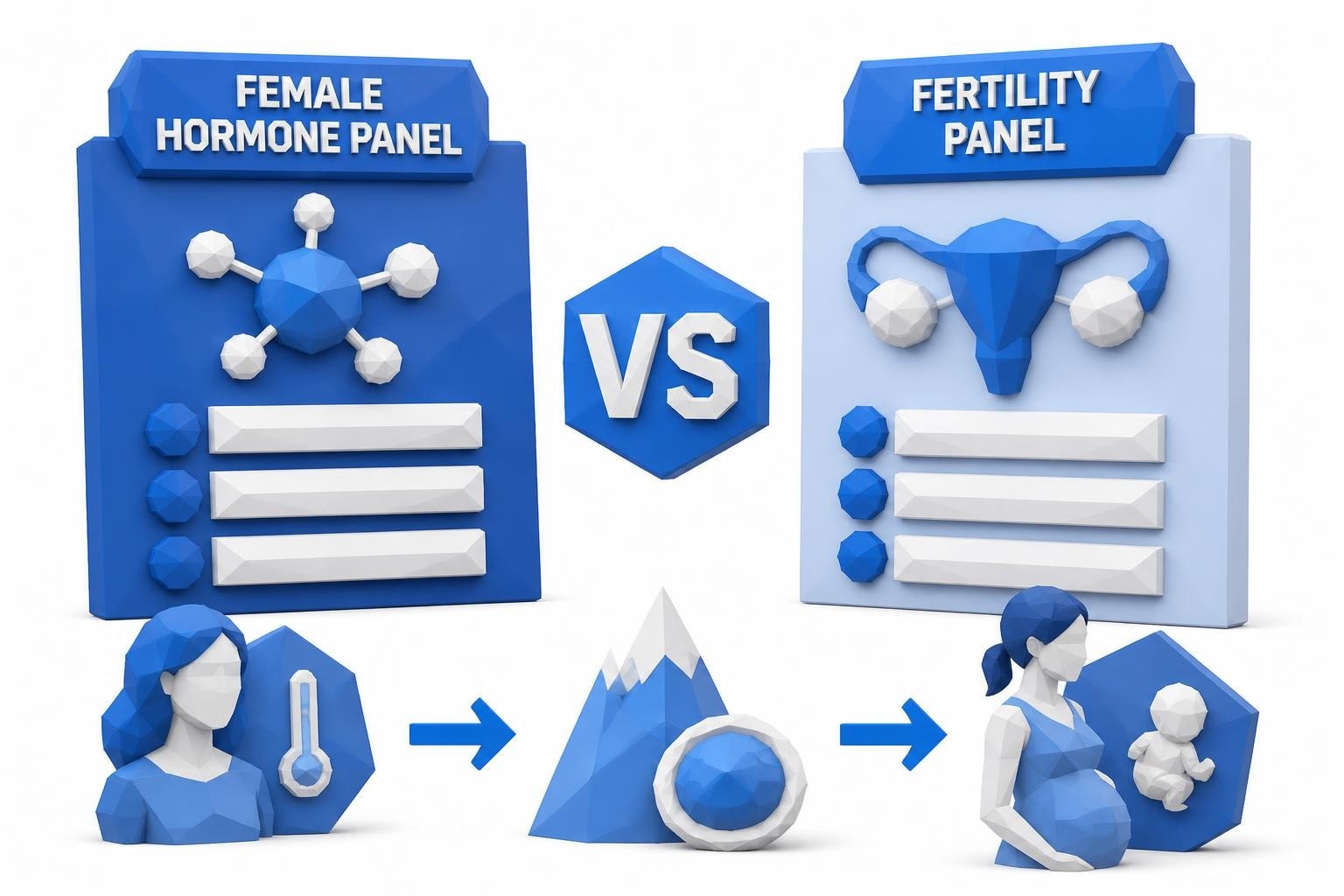
Understanding the difference between female hormone versus fertility panels is essential for women seeking clarity about their reproductive health. Both testing options measure hormone levels through blood work, but they serve distinct purposes and include different biomarker combinations. Making an informed choice depends on your specific health goals, whether you're evaluating menstrual cycle irregularities, investigating menopause symptoms, assessing ovarian reserve, or planning for pregnancy. With accessible self-pay options available through services that let you order labs without a doctor, you can take a proactive approach to understanding your hormonal health.
Understanding Female Hormone Panels
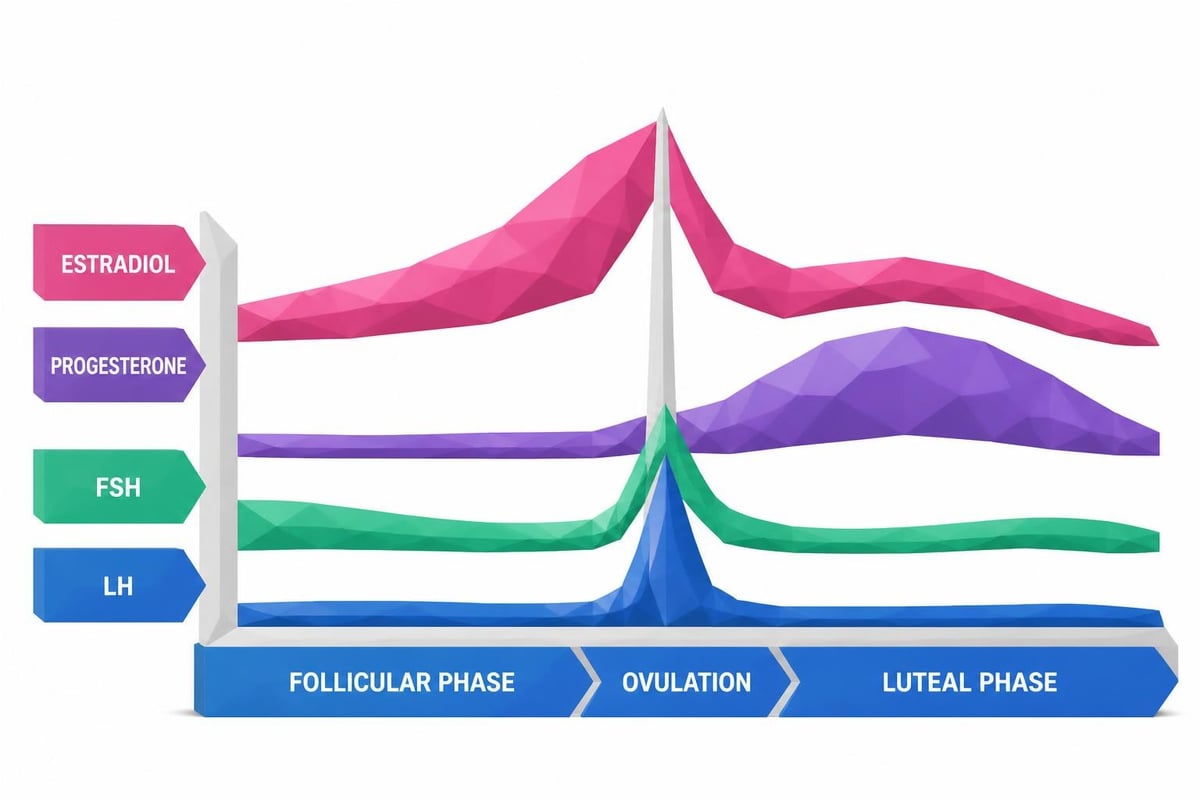
Female hormone panels provide a comprehensive snapshot of the endocrine system's reproductive hormones. These tests typically measure estradiol, progesterone, follicle-stimulating hormone (FSH), luteinizing hormone (LH), and sometimes testosterone and DHEA-S. The primary focus centers on evaluating overall hormonal balance and identifying irregularities that may affect menstrual cycles, mood, energy levels, and general wellbeing.
Core Biomarkers in Female Hormone Testing
The standard female hormone panel test includes several critical markers that work together to paint a complete picture of hormonal health. Estradiol represents the primary form of estrogen in reproductive-age women and plays crucial roles in regulating menstrual cycles, bone density, and cardiovascular health.
Key hormones typically measured:
- Estradiol: The dominant estrogen form that fluctuates throughout the menstrual cycle
- Progesterone: Essential for preparing the uterine lining and maintaining early pregnancy
- FSH (Follicle-Stimulating Hormone): Stimulates egg development in ovaries
- LH (Luteinizing Hormone): Triggers ovulation and regulates testosterone production
- Testosterone: Influences libido, muscle mass, and energy levels
- DHEA-S: An adrenal hormone that serves as a precursor to other sex hormones
These measurements help healthcare providers assess conditions like polycystic ovary syndrome (PCOS), hypothalamic amenorrhea, perimenopause, and hormonal imbalances affecting quality of life.
When to Consider a Female Hormone Panel
Women experiencing irregular periods, unexplained weight changes, persistent fatigue, mood fluctuations, or decreased libido often benefit from hormone panel testing. This comprehensive approach identifies patterns that might indicate underlying endocrine disorders. Timing matters significantly when conducting these tests, as hormone levels fluctuate throughout the menstrual cycle.
For accurate interpretation, many providers recommend testing on specific cycle days. Day 3 testing (early follicular phase) provides baseline FSH and estradiol levels, while day 21 testing (mid-luteal phase) evaluates progesterone production. Women with irregular cycles may need multiple draws to capture meaningful data.
Fertility Panel Components and Purpose
Female fertility panels specifically target biomarkers that predict reproductive potential and identify obstacles to conception. While there's overlap with general hormone panels, fertility testing includes specialized markers like anti-Müllerian hormone (AMH) and often provides more detailed analysis of ovulation-related hormones. The female hormonal assays used in fertility evaluation follow strict timing protocols to ensure accurate ovarian reserve assessment.
Specialized Fertility Biomarkers
The distinction between female hormone versus fertility panels becomes most apparent when examining specialized markers unique to fertility assessment. AMH testing has revolutionized how clinicians evaluate ovarian reserve, providing insight into the remaining egg supply regardless of cycle day.
| Biomarker | Purpose | Timing Requirement |
|---|---|---|
| AMH (Anti-Müllerian Hormone) | Measures ovarian reserve and egg supply | Any cycle day |
| FSH | Evaluates ovarian function and reserve | Cycle day 2-4 |
| Estradiol | Assesses baseline ovarian activity | Cycle day 2-4 |
| LH | Checks ovulation function and PCOS risk | Cycle day 2-4 |
| Progesterone | Confirms ovulation occurred | Cycle day 21 (or 7 days post-ovulation) |
| TSH (Thyroid-Stimulating Hormone) | Rules out thyroid dysfunction affecting fertility | Any cycle day |
| Prolactin | Identifies hyperprolactinemia that may prevent ovulation | Any cycle day |
Understanding Ovarian Reserve Testing
Ovarian reserve testing answers crucial questions about reproductive timeline and fertility treatment options. The combination of AMH, FSH, and estradiol on cycle day 3 provides the most comprehensive picture of remaining egg quantity and quality. High FSH levels combined with low AMH suggest diminished ovarian reserve, while elevated LH with normal or low FSH may indicate PCOS.
Women planning to delay childbearing, those over 35, or individuals with family history of early menopause particularly benefit from these assessments. Understanding your lab test pricing upfront helps you budget for the appropriate panel based on your specific reproductive goals.
Comparing Panel Selection Based on Your Goals
Choosing between female hormone versus fertility panels requires careful consideration of your current health objectives and reproductive timeline. The decision impacts which biomarkers you'll measure, the timing of blood draws, and ultimately the information you'll receive about your hormonal health.
Cycle Evaluation and Menstrual Health
Women experiencing irregular periods, heavy bleeding, or painful menstruation often start with a comprehensive hormone panel rather than fertility-specific testing. This broader approach captures hormonal imbalances affecting cycle regularity, including thyroid dysfunction, excess androgens, or progesterone deficiency.
Standard hormone panels typically cost less than comprehensive fertility workups and provide sufficient information for diagnosing common menstrual disorders. However, if pregnancy is a near-term goal, investing in a complete fertility panel from the start may prevent the need for additional testing later.
Indicators you need cycle evaluation testing:
- Periods occurring more frequently than every 21 days or less than every 35 days
- Absent periods for three or more consecutive cycles
- Breakthrough bleeding or spotting between periods
- Severe PMS or mood changes correlating with cycle phases
Menopause Symptom Assessment
Perimenopause and menopause evaluation represents another distinct use case for hormone testing. Women typically between ages 45-55 experiencing hot flashes, night sweats, vaginal dryness, or cognitive changes benefit from hormone panels that emphasize FSH and estradiol measurements. The female hormone tests guide explains how elevated FSH combined with low estradiol confirms menopausal transition.
For perimenopausal women still experiencing irregular periods, standard hormone panels provide more relevant information than fertility-focused testing. AMH levels naturally decline with age, making this marker less informative for menopause evaluation compared to FSH patterns.
Pregnancy Planning and Preconception Health
Women actively trying to conceive or planning pregnancy within the next year should prioritize fertility panels over basic hormone testing. These comprehensive assessments identify potential obstacles before they delay conception, allowing time for intervention if needed.
Fertility panels typically include everything in a standard hormone panel plus AMH, prolactin, and sometimes thyroid antibodies. This thorough approach uncovers issues like subclinical hypothyroidism, which affects 2-4% of reproductive-age women and can impair conception and early pregnancy health.
The investment in complete fertility testing pays dividends by establishing baseline ovarian reserve, confirming ovulation, and identifying treatable conditions. Women can then make informed decisions about their reproductive timeline and whether interventions like fertility preservation might be appropriate.
Timing Considerations for Accurate Results
Proper test timing dramatically influences the accuracy and interpretability of hormone measurements. Understanding when to schedule your blood draw ensures you receive clinically meaningful information rather than confusing or misleading results.
Follicular Phase Testing Requirements
Early follicular phase testing (cycle days 2-4) captures baseline hormone levels before ovarian follicle development begins. This window provides the most reliable FSH and estradiol measurements for assessing ovarian reserve. Testing too late in the follicular phase, when follicles are already growing and producing estrogen, can mask underlying ovarian dysfunction.
Women using labs without insurance should carefully track their cycles to ensure proper timing. Starting day one represents the first day of full menstrual flow, not spotting. Counting accurately helps you schedule within the narrow day 2-4 window.
Luteal Phase Progesterone Testing
Confirming ovulation requires progesterone measurement during the mid-luteal phase, typically cycle day 21 in women with 28-day cycles. However, this timing must adjust based on individual cycle length. The goal is testing approximately 7 days after ovulation occurs.
For women with irregular cycles or uncertain ovulation timing, using ovulation predictor kits helps identify the LH surge. Schedule progesterone testing 6-8 days after detecting this surge to capture peak luteal levels. Values above 10 ng/mL generally confirm ovulation occurred, though optimal levels for pregnancy support may be higher.
| Cycle Length | Ovulation Day | Progesterone Test Day |
|---|---|---|
| 24 days | Day 10 | Day 17 |
| 28 days | Day 14 | Day 21 |
| 32 days | Day 18 | Day 25 |
| 35 days | Day 21 | Day 28 |
Testing Without Regular Cycles
Women with irregular or absent cycles face unique timing challenges. In these cases, AMH and thyroid testing can proceed any time, while FSH and estradiol measurements may require multiple draws or hormone supplementation to induce a withdrawal bleed first.
Consulting with a healthcare provider about timing optimizes result accuracy even when using direct-access testing services. Many providers offer guidance on when to schedule blood draws based on individual circumstances.
Interpretation and Clinical Context
Raw hormone values mean little without proper clinical interpretation considering age, cycle timing, symptoms, and reproductive goals. The difference between female hormone versus fertility panels extends beyond which markers are measured to how results are analyzed and applied to individual health situations.
Understanding Reference Ranges
Laboratory reference ranges represent values found in the general population, but "normal" doesn't always mean "optimal" for fertility or specific health goals. For instance, AMH levels naturally decline with age, so a value that's normal for a 40-year-old might indicate diminished reserve for someone at 30.
Age-adjusted AMH interpretation:
- Under 1.0 ng/mL: Low ovarian reserve
- 1.0-3.5 ng/mL: Normal ovarian reserve
- Over 3.5 ng/mL: High ovarian reserve, possible PCOS
Similarly, progesterone values above 10 ng/mL confirm ovulation, but levels above 15-20 ng/mL better support early pregnancy. Context matters tremendously when evaluating whether your results indicate healthy function or require intervention.
When to Seek Professional Interpretation
While direct-access testing provides convenience and affordability, professional interpretation ensures you understand what your results mean for your specific situation. Complex patterns like elevated LH-to-FSH ratios, discordant FSH and AMH values, or unexpected hormone levels warrant expert analysis.
Healthcare providers specializing in reproductive endocrinology can identify subtle patterns that might escape notice in self-interpretation. They also recommend appropriate follow-up testing or treatment based on your complete clinical picture, not just isolated values.
Understanding your understanding lab results becomes easier when you know which questions to ask and what patterns to look for in your personal data.
Cost and Accessibility Considerations
The financial aspect of choosing between female hormone versus fertility panels influences many women's testing decisions. Understanding what each panel costs and what you receive for that investment helps maximize value while getting the information you need.
Price Differences Between Panel Types
At JustLabs, the Female Hormone Panel and the Female Fertility Panel are each $105, plus the one $18 order fee ($123 all-in). The difference is in the markers, not the price: the fertility panel includes AMH, which is also available on its own for $62 ($80 all-in).
For women uncertain about which panel to choose, starting with a basic hormone panel and adding AMH testing separately can provide a cost-effective middle ground. This approach works well if you're primarily concerned about cycle irregularities but want baseline ovarian reserve information.
Insurance Versus Self-Pay Options
Traditional insurance coverage for hormone and fertility testing varies dramatically by plan and often requires extensive documentation of infertility (typically defined as 12 months of unsuccessful conception attempts, or 6 months for women over 35). Many insurance plans also mandate healthcare provider orders and may limit testing frequency.
Self-pay testing through services offering affordable lab testing eliminates these barriers, providing faster access without the need for preliminary appointments or insurance pre-authorization. For women who want information before meeting insurance criteria for infertility diagnosis, self-pay often proves more practical.
The transparent pricing structure of direct-access testing also eliminates surprise bills common with insurance-based testing, where copays, deductibles, and out-of-network fees can exceed quoted estimates.
Making Your Panel Selection
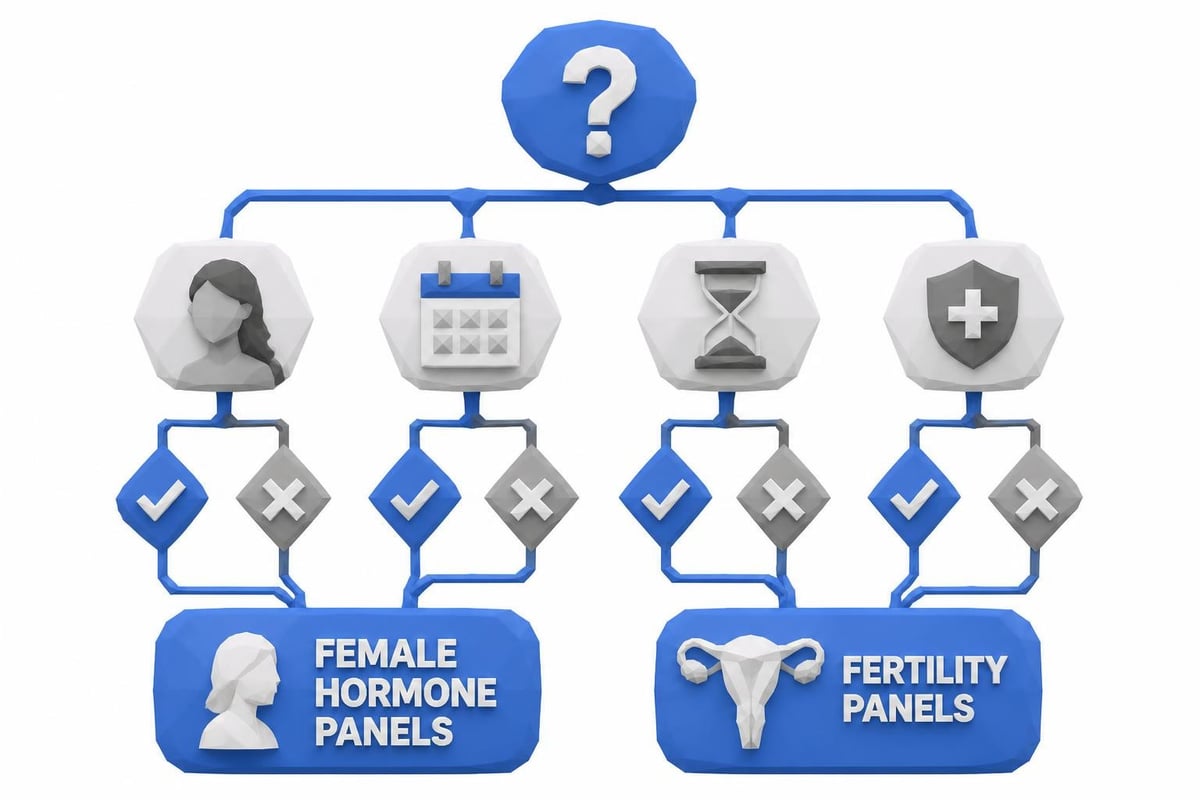
Armed with information about biomarkers, timing, interpretation, and costs, you can now make an informed decision about which testing approach suits your needs. Consider your primary health concern, reproductive timeline, budget, and whether you have access to clinical interpretation when making your choice.
Decision Framework
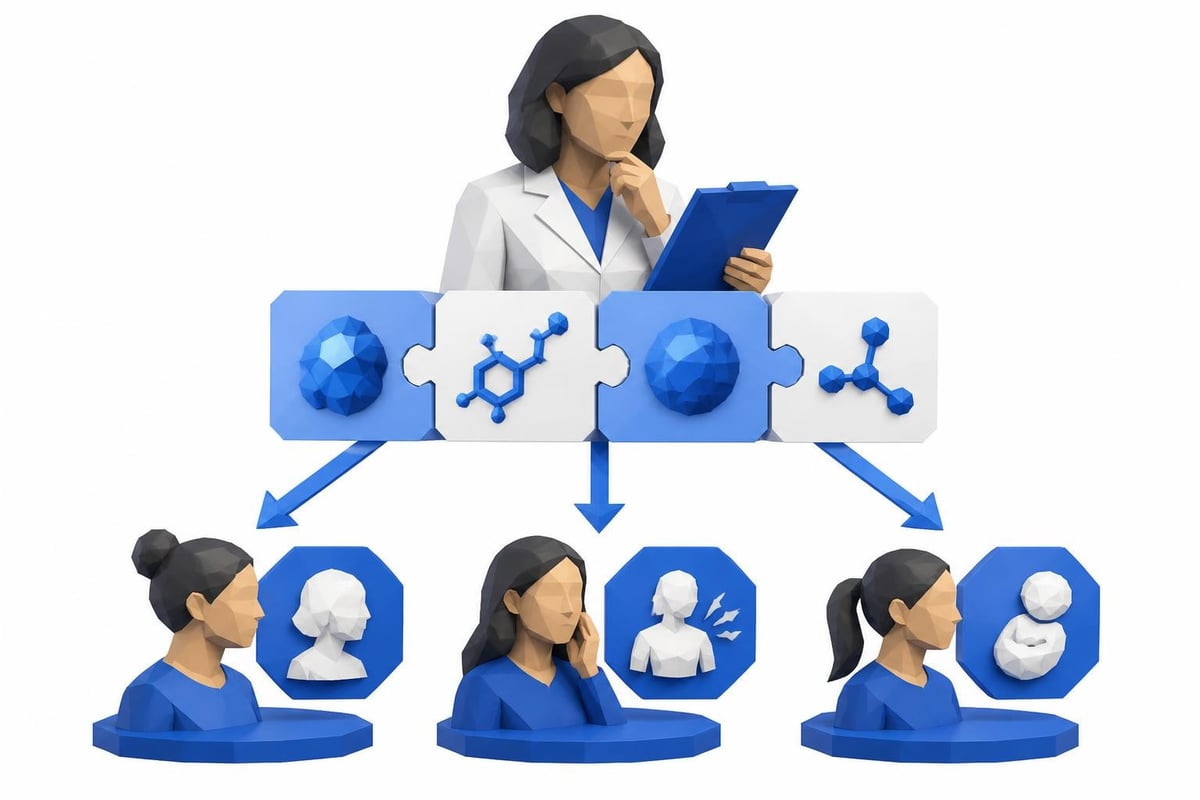
Start by identifying your primary goal: Are you investigating irregular periods, evaluating fertility potential, planning pregnancy timing, or assessing menopausal status? Your answer guides which biomarkers matter most.
Next, consider your age and reproductive timeline. Women under 35 without immediate pregnancy plans may find basic hormone panels sufficient, while those over 35 or planning pregnancy within the year benefit from comprehensive fertility testing including AMH.
Finally, evaluate whether you have a healthcare provider who can interpret results and guide next steps. If not, consider partnering with a provider before testing or choosing services that offer result interpretation support.
Combining Testing Approaches
Some women benefit from sequential testing rather than choosing one panel exclusively. Starting with basic hormone testing to establish cycle function, then adding AMH and additional fertility markers later if pregnancy becomes a priority, spreads costs over time while still gathering necessary information.
This staged approach works particularly well for women in their early 30s who want baseline health information but aren't immediately trying to conceive. Establishing initial hormone levels creates a reference point for future comparison as reproductive goals evolve.
The availability of various lab tests through accessible platforms means you can customize your testing strategy rather than accepting one-size-fits-all panel options.
Optimizing Your Testing Experience
Regardless of which panel you choose, several strategies enhance the value and accuracy of your hormone testing. Proper preparation, accurate cycle tracking, and thoughtful result review ensure you extract maximum benefit from your investment.
Pre-Test Preparation
Most hormone tests require fasting for 8-12 hours, though water is permitted. Schedule morning appointments when possible, as hormone levels fluctuate throughout the day and morning draws provide the most standardized results. Avoid strenuous exercise for 24 hours before testing, as physical stress can temporarily alter hormone levels.
Document any medications or supplements you're taking, including birth control, as these significantly impact hormone measurements. If you're using hormonal contraception, basic hormone testing provides limited value since exogenous hormones override natural production.
Tracking for Better Context
Maintaining a simple cycle calendar helps you identify patterns and optimize testing timing. Note period start dates, cycle length, any unusual symptoms, and stress or lifestyle factors that might influence hormones. This information proves invaluable when interpreting results with a healthcare provider.
Apps and paper charts both work well for tracking. The key is consistency and noting details beyond just period dates. Mood changes, energy levels, sleep quality, and physical symptoms all reflect underlying hormonal shifts.
Follow-Up Testing Strategy
Single hormone measurements provide snapshots, but trends over time reveal more meaningful information. If initial results show borderline values or unexpected patterns, repeat testing after 2-3 months confirms whether findings represent stable conditions or temporary fluctuations.
Women tracking fertility should expect to repeat testing periodically, as ovarian reserve naturally declines over time. Annual AMH testing provides valuable trend data, while FSH and other markers may need more frequent monitoring if abnormalities are detected.
Understanding the difference between female hormone versus fertility panels empowers you to choose testing that aligns with your specific health goals and reproductive timeline. Whether you're evaluating cycle irregularities, assessing ovarian reserve, or planning for pregnancy, selecting the appropriate biomarker combination ensures you receive actionable information about your hormonal health. JustLabs makes this process accessible and affordable by offering transparent pricing and convenient online ordering, delivering comprehensive lab results within 1-3 days without the need for insurance or preliminary doctor visits. Take control of your reproductive health journey with testing that fits your needs and timeline.