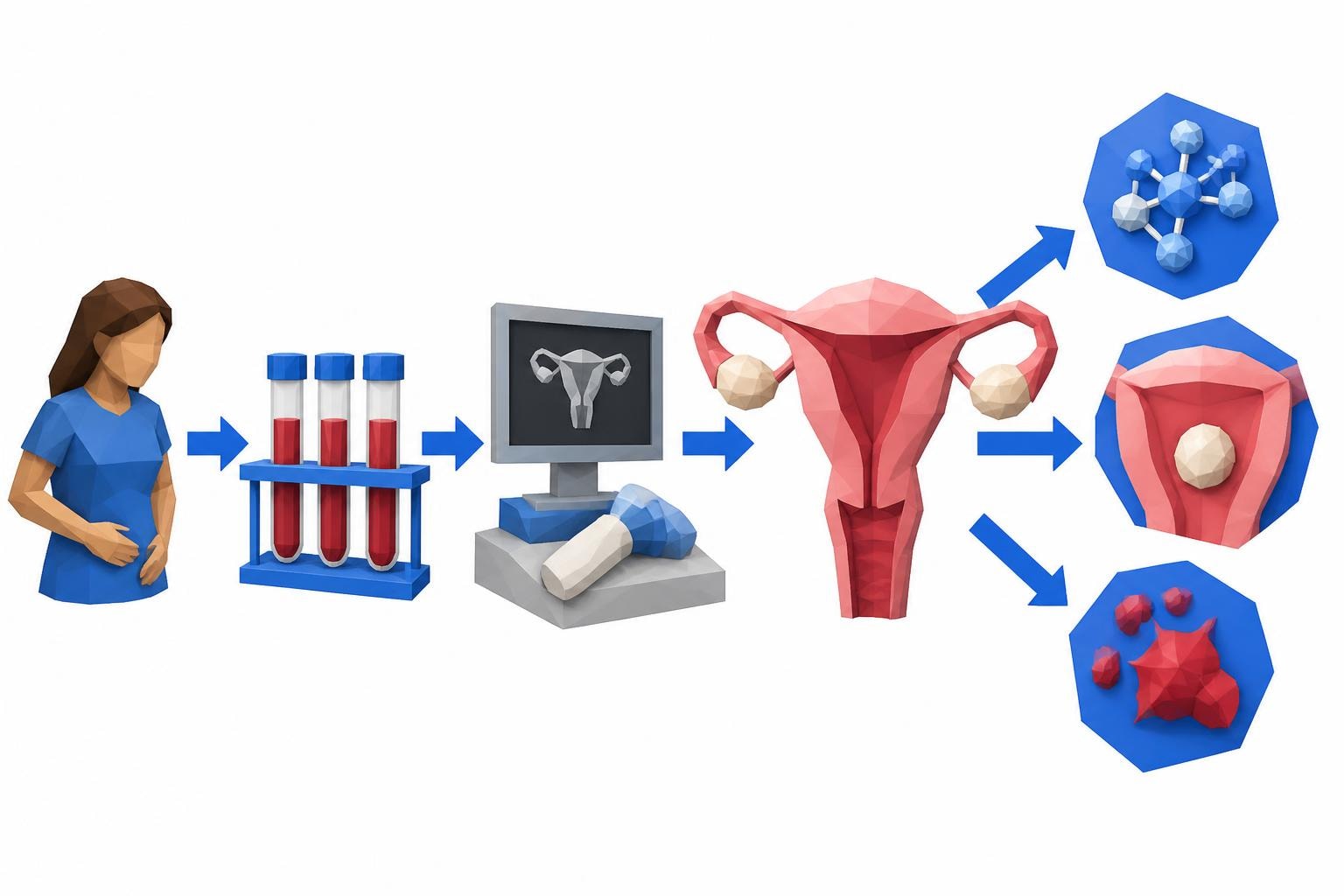
Heavy menstrual bleeding affects millions of women each year, causing not only physical discomfort but also significant disruptions to daily life. Understanding which diagnostic tests can identify the underlying causes is essential for finding effective treatment solutions. From basic blood work to advanced imaging techniques, medical professionals use a comprehensive range of heavy menstrual bleeding tests to uncover hormonal imbalances, structural abnormalities, and blood disorders that contribute to excessive menstrual flow.
Big picture
- Heavy menstrual bleeding (also called menorrhagia) is defined as bleeding lasting more than seven days or requiring you to change tampons or pads every hour for several consecutive hours
- Multiple underlying causes exist, including hormonal imbalances, uterine fibroids, bleeding disorders, thyroid problems, and endometrial issues, making proper testing essential
- Blood tests form the foundation of diagnosis, checking for anemia, hormone levels, thyroid function, and clotting disorders that commonly cause excessive bleeding
- Imaging studies like ultrasound help identify structural problems such as fibroids, polyps, or adenomyosis that contribute to heavy flow
- Early testing prevents complications like severe anemia, improves quality of life, and helps determine the most effective treatment approach
- Direct-access lab testing through services that allow you to order lab tests without a doctor provides a convenient starting point for initial assessment before specialist consultation
Understanding What Qualifies as Heavy Menstrual Bleeding
Not all heavy periods require extensive testing, but recognizing when bleeding crosses into abnormal territory helps determine when diagnostic evaluation becomes necessary. The CDC defines heavy menstrual bleeding as bleeding that lasts more than seven days or is so heavy that you soak through one or more tampons or pads every hour for several hours in a row.
Quantifying Blood Loss
Medical professionals use several methods to assess menstrual blood loss:
- Needing to change protection during the night
- Passing blood clots larger than a quarter
- Bleeding that interferes with normal activities
- Symptoms of anemia such as fatigue, shortness of breath, or dizziness
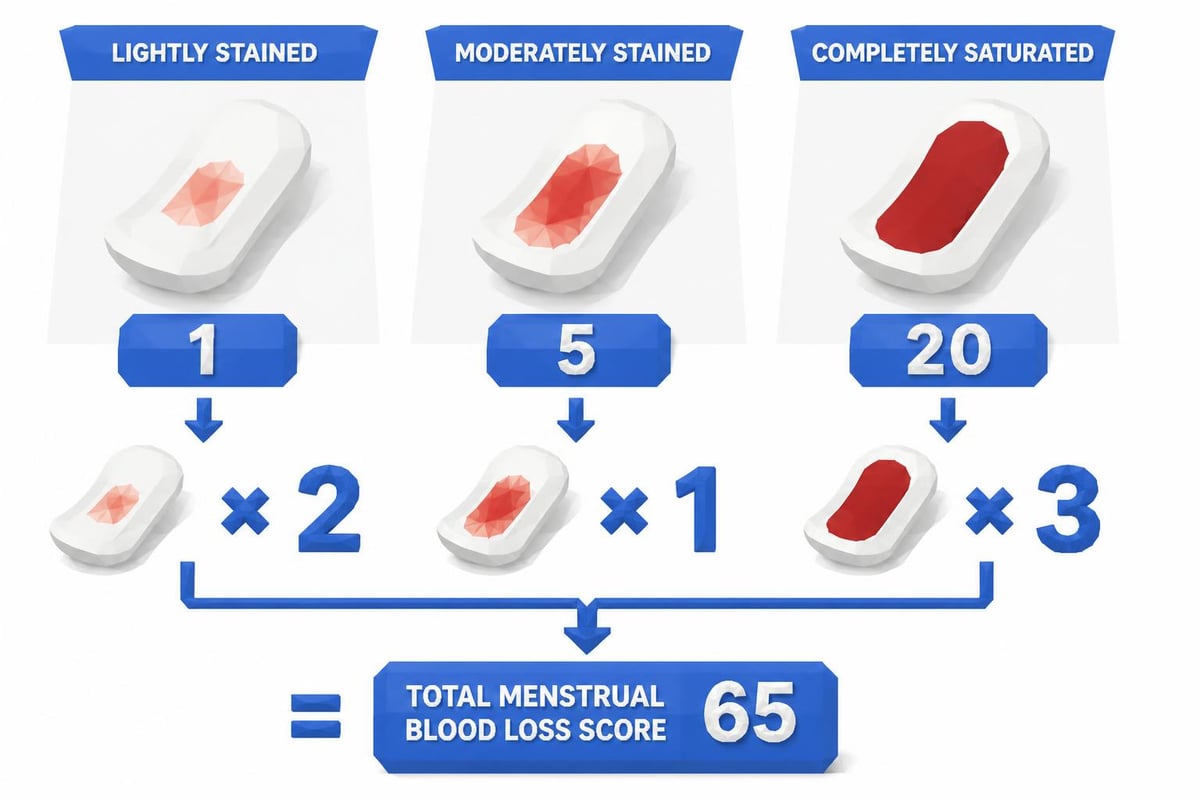
Research shows that objective assessment tools like the pictorial blood assessment chart help women and healthcare providers accurately evaluate bleeding severity. This standardized approach assigns scores to different levels of saturation on menstrual products, providing a more reliable measure than subjective estimates alone.
Essential Blood Tests for Heavy Menstrual Bleeding
Blood tests represent the cornerstone of diagnosing heavy menstrual bleeding, offering insights into both the effects of excessive bleeding and its potential causes. These laboratory evaluations can reveal anemia, hormonal imbalances, thyroid dysfunction, and bleeding disorders.
Complete Blood Count and Iron Studies
A complete blood count (CBC) measures your red blood cell levels, hemoglobin, and hematocrit to detect anemia resulting from chronic blood loss. Understanding your CBC with automated differential results helps identify how heavy bleeding has affected your overall health.
The test reveals:
- Hemoglobin levels below 12 g/dL indicating anemia in women
- Mean corpuscular volume (MCV) showing whether anemia is related to iron deficiency
- Platelet counts that may suggest bleeding disorders
Iron studies complement the CBC by measuring ferritin, serum iron, total iron-binding capacity, and transferrin saturation. These markers identify iron deficiency even before anemia develops, allowing for earlier intervention.
Hormone Testing Panels
Recommended Panel
Female Hormone Panel
Save $7This comprehensive panel measures all major female hormones: estrogen, progesterone, reproductive hormones (FSH/LH), and androgens (testosterone/DHEA-S) - essential for understanding hormonal balance.
Includes 7 biomarkers
$105
Hormonal imbalances frequently drive heavy menstrual bleeding, making hormone testing a critical component of diagnosis. Key hormones to evaluate include:
| Hormone | What It Reveals | Normal Range (approx.) |
|---|---|---|
| Estradiol | Estrogen levels throughout cycle | 30-400 pg/mL (varies by phase) |
| Progesterone | Ovulation and luteal phase function | 1-20 ng/mL (varies by phase) |
| FSH | Ovarian function and reserve | 4-13 mIU/mL (follicular phase) |
| LH | Ovulation patterns | 2-15 mIU/mL (follicular phase) |
Anovulatory cycles, where ovulation doesn't occur, can lead to unopposed estrogen stimulation of the uterine lining, resulting in heavy, irregular bleeding.
Thyroid Function Tests
Recommended Panel
Complete Thyroid Panel
Save $3Our most comprehensive thyroid panel includes all 5 essential markers: TSH, Free T4, Free T3, Reverse T3, and both thyroid antibodies. Get the complete picture of your thyroid health.
Includes 6 biomarkers
$84
Thyroid disorders affect menstrual patterns in multiple ways. Both hypothyroidism and hyperthyroidism can cause heavy menstrual bleeding through their effects on hormonal regulation and coagulation factors.
Essential thyroid tests include:
- Thyroid-stimulating hormone (TSH)
- Free T4 (thyroxine)
- Free T3 (triiodothyronine)
- Thyroid antibodies (if autoimmune thyroid disease is suspected)
Research indicates that approximately 20-30% of women with heavy menstrual bleeding have underlying thyroid dysfunction.
Coagulation Studies
Screening for bleeding disorders becomes particularly important for adolescents with heavy menstrual bleeding and women with a personal or family history of bleeding problems.
Standard coagulation tests include:
- Prothrombin time (PT)
- Activated partial thromboplastin time (aPTT)
- Fibrinogen levels
- Von Willebrand factor antigen and activity
- Factor VIII levels
Von Willebrand disease, the most common inherited bleeding disorder, affects approximately 1% of the population but may be present in up to 13% of women with heavy menstrual bleeding.
Imaging Studies and Diagnostic Procedures
While blood tests identify systemic causes of heavy bleeding, imaging studies reveal structural abnormalities within the reproductive organs. The American College of Obstetricians and Gynecologists recommends transvaginal ultrasound as the initial imaging study for most women with heavy menstrual bleeding.
Transvaginal Ultrasound
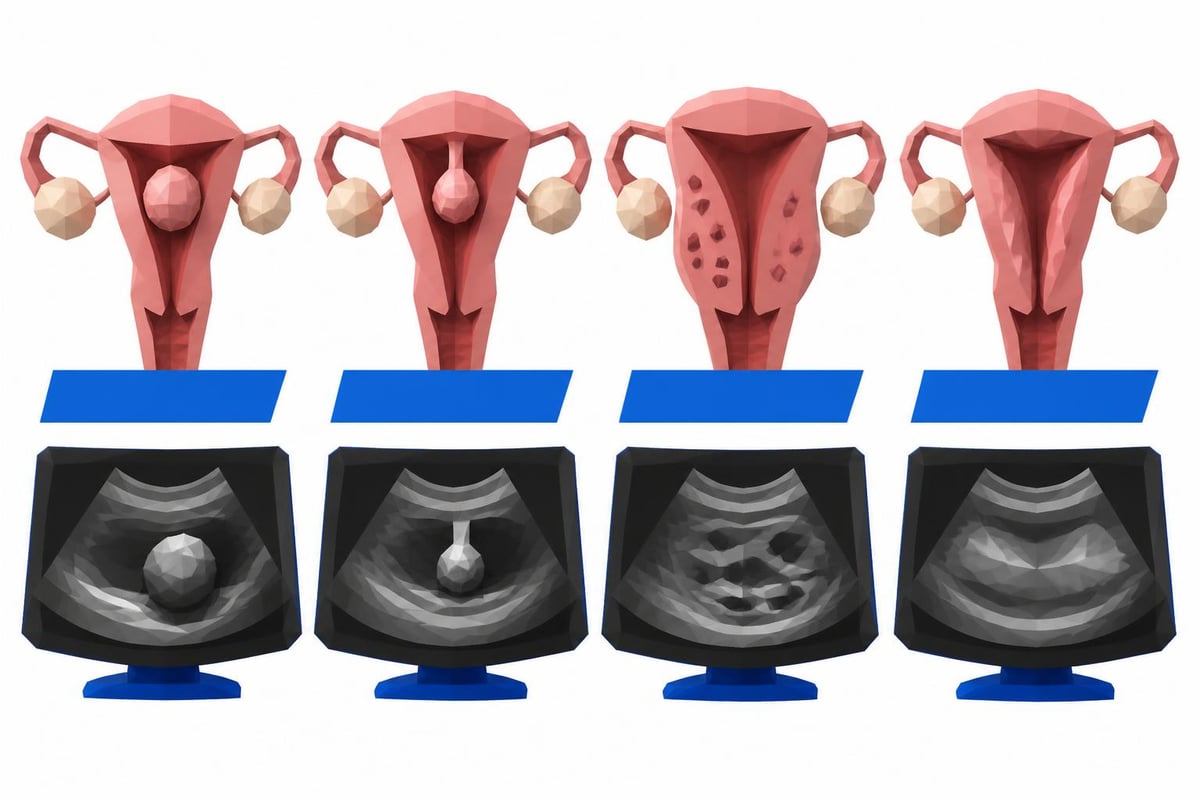
This non-invasive imaging technique uses sound waves to create detailed pictures of the uterus, ovaries, and endometrium. Ultrasound can identify:
- Uterine fibroids (leiomyomas)
- Endometrial polyps
- Adenomyosis
- Endometrial thickness abnormalities
- Ovarian cysts or masses
Transvaginal ultrasound offers superior resolution compared to abdominal ultrasound, making it the preferred initial imaging modality for evaluating pelvic structures.
Sonohysterography
Also called saline infusion sonography, this specialized ultrasound technique involves instilling sterile saline into the uterine cavity to better visualize the endometrial lining. This enhanced visualization helps detect:
- Small polyps missed on standard ultrasound
- Submucosal fibroids protruding into the uterine cavity
- Endometrial abnormalities
- Uterine septum or other congenital anomalies
Sonohysterography demonstrates higher sensitivity than standard ultrasound for detecting intracavitary lesions, making it valuable when initial imaging is inconclusive.
Endometrial Biopsy
This procedure involves collecting a small tissue sample from the uterine lining for microscopic examination. Endometrial biopsy helps rule out:
- Endometrial hyperplasia
- Endometrial cancer
- Chronic endometritis
- Hormonal effects on the endometrium
Guidelines recommend endometrial sampling for women over 45 with heavy menstrual bleeding, younger women with risk factors for endometrial cancer, and those who don't respond to initial treatment.
Advanced Imaging Options
When standard imaging doesn't provide adequate answers, additional studies may include:
Hysteroscopy - This minimally invasive procedure uses a thin, lighted scope to directly visualize the inside of the uterus. It allows for both diagnosis and treatment of polyps, fibroids, and adhesions during the same procedure.
MRI - Magnetic resonance imaging provides the most detailed view of uterine anatomy, particularly useful for mapping fibroids before treatment, evaluating adenomyosis, or investigating complex pelvic masses.
Specialized Testing Considerations
Different populations and clinical scenarios require tailored approaches to heavy menstrual bleeding tests, recognizing that causes and risk factors vary across age groups and individual circumstances.
Adolescent Screening
Young women experiencing heavy menstrual bleeding since their first period (menarche) require particular attention to bleeding disorders. Approximately 5-20% of adolescents with heavy menstrual bleeding have an underlying bleeding disorder.
Priority tests for adolescents include:
- Complete blood count with platelets
- Ferritin levels
- Von Willebrand factor testing
- Coagulation studies (PT, aPTT)
- Thyroid function tests
Structural causes are less common in this age group, so imaging typically occurs only if initial testing is normal or if physical examination suggests abnormalities.
Perimenopausal Women
Women approaching menopause face unique diagnostic considerations, as both hormonal fluctuations and increased risk of endometrial pathology become relevant. Testing priorities shift to:
- Endometrial assessment (biopsy or ultrasound)
- FSH and estradiol levels
- Thyroid function
- Complete blood count
The risk of endometrial cancer increases with age, making thorough evaluation of the endometrium essential in this population.
Women with Risk Factors
Certain medical conditions and risk factors necessitate expanded testing protocols:
| Risk Factor | Additional Tests to Consider |
|---|---|
| Obesity | Fasting glucose, insulin, endometrial biopsy |
| PCOS | Testosterone, DHEA-S, glucose tolerance test |
| Family history of bleeding disorders | Extended coagulation panel, genetic testing |
| Liver disease | Comprehensive metabolic panel, hepatic function |
| Anticoagulant use | PT/INR, aPTT, drug levels |
Interpreting Test Results and Next Steps
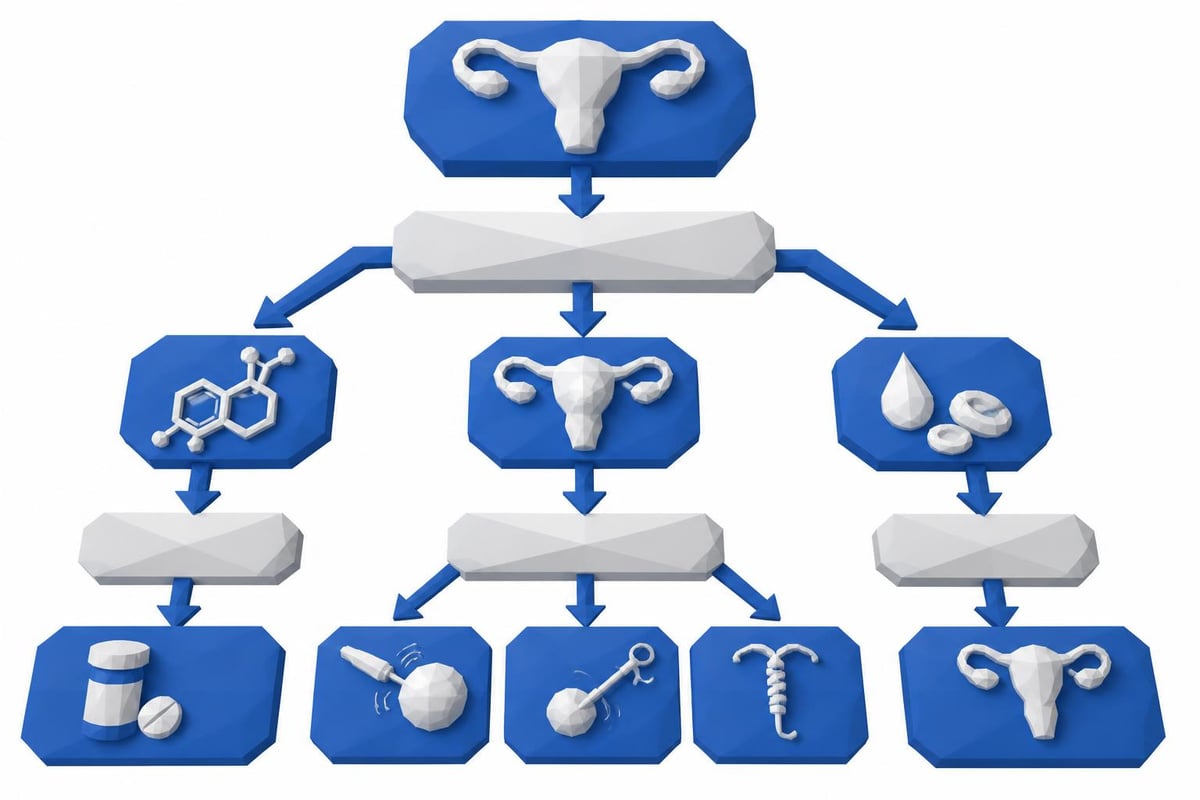
Understanding your heavy menstrual bleeding tests results empowers you to make informed decisions about treatment options. Results typically fall into several categories that guide treatment approaches.
Normal Test Results
When comprehensive testing reveals no abnormalities, the diagnosis may be "dysfunctional uterine bleeding" or "heavy menstrual bleeding of unknown cause." This doesn't mean treatment isn't available; rather, it guides toward hormonal management options rather than surgical interventions.
Anemia and Iron Deficiency
Low hemoglobin or ferritin levels require:
- Iron supplementation (oral or intravenous)
- Treatment of the underlying cause
- Follow-up testing to confirm improvement
- Dietary modifications to increase iron absorption
Severe anemia may necessitate blood transfusion in acute cases.
Hormonal Imbalances
Abnormal hormone levels indicate specific treatment pathways:
Low progesterone/anovulation - Cyclic progestin therapy or combined hormonal contraceptives
Thyroid dysfunction - Thyroid hormone replacement or anti-thyroid medication
PCOS - Metformin, hormonal contraceptives, lifestyle modifications
Structural Abnormalities
Imaging findings determine procedural interventions:
- Fibroids - Medications, uterine artery embolization, myomectomy, or hysterectomy depending on size and symptoms
- Polyps - Hysteroscopic polypectomy
- Adenomyosis - Hormonal suppression, uterine artery embolization, or hysterectomy
- Endometrial hyperplasia - Progestin therapy or hysterectomy depending on type
Bleeding Disorders
Confirmed coagulation abnormalities require:
- Hematology consultation
- Specific factor replacement therapy
- Desmopressin (DDAVP) for mild von Willebrand disease
- Tranexamic acid for acute bleeding episodes
- Hormonal suppression to reduce menstrual bleeding
Accessing Heavy Menstrual Bleeding Tests
The diagnostic journey for heavy menstrual bleeding traditionally begins with a primary care physician or gynecologist visit. However, modern healthcare options provide alternative pathways for initial assessment.
Traditional Healthcare Pathway
The conventional route involves:
- Scheduling an appointment with your doctor (often weeks of waiting)
- Initial consultation and physical examination
- Laboratory test orders
- Separate lab visit for blood draws
- Follow-up appointment to discuss results
- Referrals for imaging or procedures
- Additional appointments with specialists
This process can take months and involves multiple copays, even with insurance coverage.
Direct-Access Testing Options
Self-pay laboratory services offer a streamlined alternative for initial blood work. When you need lab tests without insurance, you can order comprehensive panels online, visit a nearby collection site, and receive results within 1-3 days.
Benefits of direct-access testing include:
- Transparent pricing - Know costs upfront without surprise bills
- No appointments needed - Walk into thousands of collection sites nationwide
- Quick results - Most tests return within 1-3 days
- Privacy - Results delivered directly to you
- Convenience - Order online 24/7 from home
This approach works particularly well for baseline hormone panels, thyroid testing, and complete blood counts that help you understand your situation before investing time and money in specialist consultations.
When to Consult Healthcare Providers
While direct-access testing provides valuable information, certain situations require physician involvement:
- Interpretation of complex results
- Physical examinations and imaging studies
- Endometrial biopsies
- Prescription medications
- Surgical consultations
- Bleeding emergencies
Consider starting with basic blood work through accessible testing services, then using those results to have more informed conversations with healthcare providers about next steps.
Cost Considerations for Testing
Understanding the financial aspects of heavy menstrual bleeding tests helps you plan your diagnostic journey effectively. Costs vary dramatically based on whether you use insurance, pay out-of-pocket, or utilize direct-access laboratory services.
Insurance-Based Testing
Traditional insurance billing for heavy menstrual bleeding evaluation includes:
- Office visit copays ($20-75 per visit)
- Deductibles (often $1,000-5,000 annually)
- Coinsurance (typically 10-30% after deductible)
- Unknown costs until after service
Many patients face substantial out-of-pocket expenses even with insurance coverage, particularly early in the year before meeting deductibles.
Direct-Pay Pricing
Transparent lab test pricing through self-pay services typically costs significantly less than insurance-based testing for common panels. For example:
| Test Type | Typical Insurance-Based Cost | Direct-Pay Cost |
|---|---|---|
| Complete Blood Count | $50-200 | $15-40 |
| Thyroid Panel | $100-300 | $30-80 |
| Female Hormone Panel | $200-500 | $60-150 |
| Iron Studies | $80-250 | $25-60 |
The predictable pricing model eliminates surprise bills and allows better budget planning.
Maximizing Testing Value
Strategic approaches to minimize costs while obtaining necessary information include:
- Starting with the most relevant tests based on your symptoms
- Using direct-access testing for initial blood work
- Consulting with providers for imaging and procedures
- Timing tests appropriately within your menstrual cycle
- Avoiding duplicate testing by maintaining personal health records
Key takeaways
- Heavy menstrual bleeding tests include blood work (CBC, hormones, thyroid, coagulation), imaging studies (ultrasound, MRI), and procedures (endometrial biopsy, hysteroscopy) that identify causes ranging from hormonal imbalances to structural abnormalities
- Complete blood counts and iron studies reveal anemia severity, while hormone panels and thyroid tests uncover common endocrine causes affecting menstrual flow patterns
- Coagulation studies are essential for adolescents and women with personal or family bleeding disorder history, as von Willebrand disease and other clotting abnormalities affect up to 13% of women with heavy periods
- Transvaginal ultrasound serves as the initial imaging test for detecting fibroids, polyps, and adenomyosis, with advanced options like MRI reserved for complex cases requiring detailed anatomical mapping
- Direct-access laboratory testing provides affordable, transparent pricing for initial blood work, allowing faster assessment before specialist consultations while avoiding insurance-related delays and unpredictable costs
- Test interpretation guides treatment selection: hormonal imbalances respond to medication, structural problems may require procedures, and bleeding disorders need specialized hematology management
FAQ
How long does it take to get results from heavy menstrual bleeding tests?
Blood test results typically return within 1-3 days when using modern laboratory services, though some specialized tests like extensive coagulation panels may take 5-7 days. Imaging studies like ultrasound usually provide immediate preliminary findings, with formal reports available within 24-48 hours. Endometrial biopsy pathology generally takes 3-5 business days. The total time from initial testing to complete diagnosis varies based on whether you need multiple test types and follow-up evaluations.
Do I need a doctor's order to get heavy menstrual bleeding tests?
Traditional laboratory testing requires a physician's order, but direct-access testing services allow you to order many relevant blood tests independently. You can self-order complete blood counts, hormone panels, thyroid tests, and iron studies through platforms that provide physician authorization as part of their service. However, imaging studies, endometrial biopsies, and certain specialized coagulation tests still require consultation with a healthcare provider who can perform physical examinations and interpret findings in your clinical context.
Which blood tests are most important for diagnosing heavy menstrual bleeding?
The most essential blood tests include a complete blood count with differential to assess anemia, ferritin to evaluate iron stores, TSH and free T4 for thyroid function, and coagulation studies (PT, aPTT) particularly for younger women or those with bleeding history. Hormone testing including FSH, LH, estradiol, and progesterone helps identify ovulatory dysfunction. Women under 45 without risk factors may not need all these tests initially, while those over 45 or with concerning symptoms require more comprehensive evaluation including consideration for endometrial assessment.
Can I have heavy menstrual bleeding with normal test results?
Yes, approximately 40-50% of women with heavy menstrual bleeding have no identifiable abnormality on standard testing, a condition sometimes called dysfunctional uterine bleeding or heavy menstrual bleeding of unknown cause. Normal results don't invalidate your symptoms or eliminate treatment options. Hormonal therapies, tranexamic acid, and minimally invasive procedures like endometrial ablation remain effective treatments even without a specific identifiable cause. Normal baseline testing also provides valuable information by ruling out serious conditions like bleeding disorders or thyroid disease.
How much do heavy menstrual bleeding tests cost without insurance?
Costs vary significantly by testing approach. Direct-access laboratory services offer transparent pricing with complete blood counts typically $15-40, comprehensive thyroid panels $30-80, and female hormone panels $60-150. Traditional hospital-based testing without insurance may charge 2-5 times these amounts. Imaging studies range from $200-400 for transvaginal ultrasound to $500-1,500 for pelvic MRI when paying out-of-pocket. Endometrial biopsy performed in-office costs $200-500, while hysteroscopy ranges from $1,500-5,000 depending on whether it's diagnostic or operative. Starting with affordable direct-pay blood work helps identify issues before investing in more expensive procedures.
Should I test during a specific time in my menstrual cycle?
Timing depends on which tests you're performing. Baseline hormone testing (FSH, LH, estradiol) is typically done on days 2-4 of your cycle for accurate assessment of ovarian reserve and baseline function. Progesterone testing occurs during the luteal phase (days 19-22 of a 28-day cycle) to confirm ovulation. Thyroid tests, complete blood counts, and coagulation studies can be performed anytime. If you're experiencing active heavy bleeding, testing during or immediately after your period provides the most accurate picture of how bleeding affects your blood counts. Discuss timing with your healthcare provider or check testing requirements before scheduling.
Understanding which heavy menstrual bleeding tests can identify the root causes of excessive bleeding empowers you to take control of your health and pursue effective solutions. Whether you start with baseline blood work through accessible testing or proceed directly to specialist consultation, comprehensive evaluation remains essential for proper diagnosis and treatment planning. Justlabs provides convenient access to essential blood tests for heavy menstrual bleeding assessment, offering transparent pricing, quick results within 1-3 days, and the ability to order comprehensive panels online without insurance requirements. Taking that first step toward understanding your condition through testing can lead to answers and relief from symptoms that have been disrupting your daily life.