Open enrollment season arrives each October and November, bringing the annual decision of which health plan best fits your needs and budget. For millions of Americans choosing high deductible health plans (HDHPs), understanding when to use insurance versus when to pay cash for services like laboratory testing can mean the difference between hundreds or even thousands of dollars in annual healthcare spending. The relationship between cash pay labs and high deductible plans is more nuanced than most people realize, and strategic consumers are discovering that direct payment often delivers better value than filing through insurance.
Understanding High Deductible Health Plans in 2026
High deductible health plans have grown significantly in popularity over the past decade. According to the KFF 2024 Employer Health Benefits Survey, these plans now represent a substantial portion of employer-sponsored coverage, particularly when paired with Health Savings Accounts (HSAs).
For 2026, the IRS defines a qualifying HDHP as a plan with a minimum annual deductible of $1,650 for individual coverage and $3,300 for family coverage. Maximum out-of-pocket expenses, including deductibles and copayments, cannot exceed $8,300 for self-only coverage and $16,600 for family coverage. These thresholds increase slightly each year to account for inflation.
The Financial Reality of HDHPs
The appeal of high deductible plans centers on lower monthly premiums. Employers and individuals save money upfront, making these plans attractive for healthy individuals who rarely need medical services. However, the structure creates a financial challenge when healthcare needs arise.
Key characteristics of HDHPs:
- Substantially lower monthly premiums compared to traditional plans
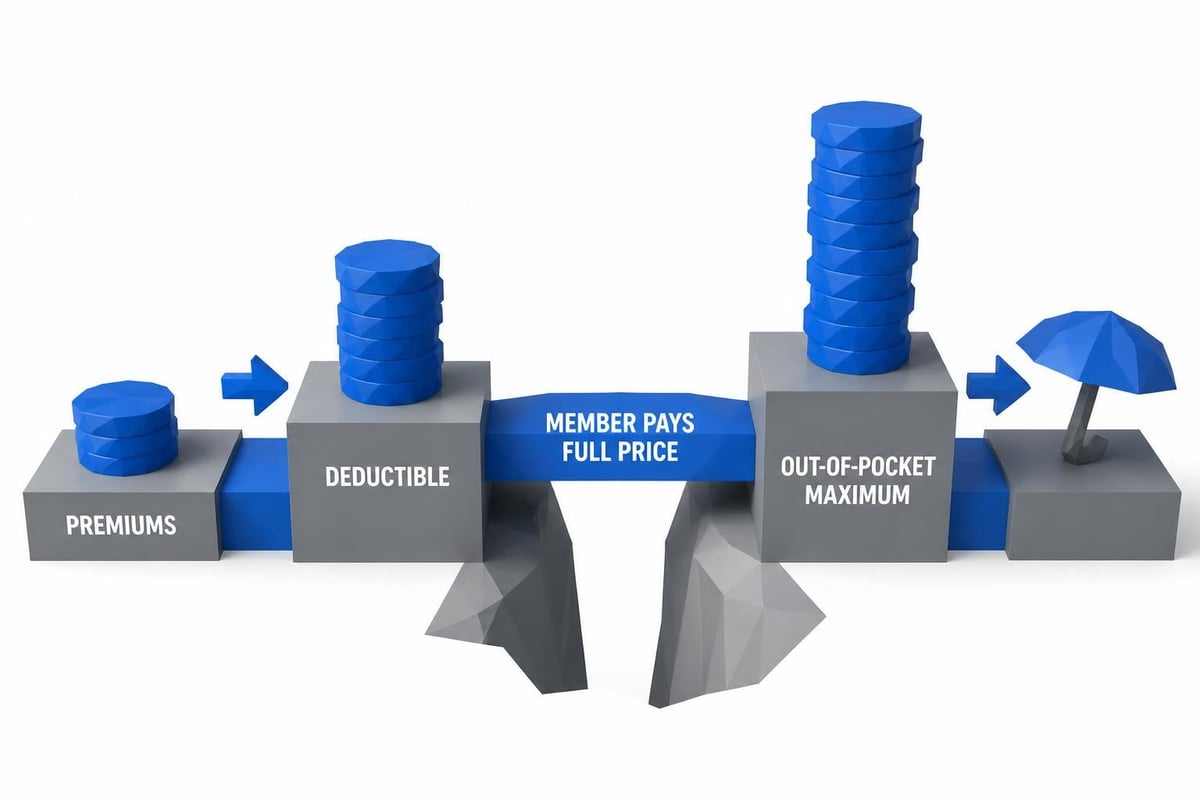
- Higher deductibles that must be met before insurance coverage begins
- Eligibility to contribute to tax-advantaged HSAs
- Responsibility for 100% of costs until reaching the deductible
- Potential for significant out-of-pocket expenses during the deductible period
Most HDHP enrollees must pay the full negotiated insurance rate for services until meeting their deductible. This is where the relationship between a cash pay labs high deductible plan strategy becomes financially relevant.
Why Insurance Pricing Often Exceeds Cash Pay Rates
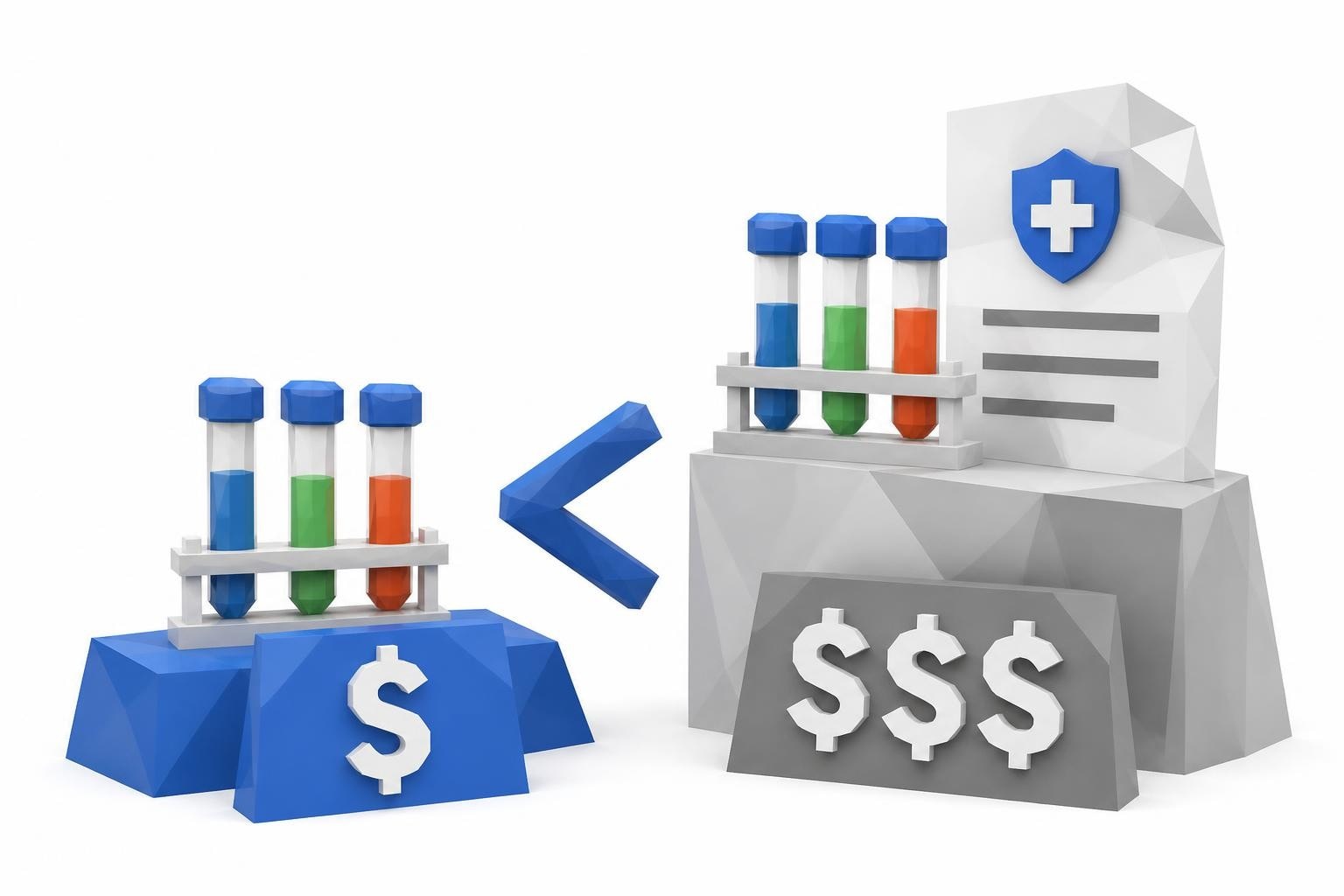
The assumption that insurance always provides the best price is fundamentally flawed, particularly for laboratory testing. Insurance-negotiated rates for lab work frequently exceed what cash-pay providers charge, creating a counterintuitive situation where your insurance actually costs you more.
This pricing paradox stems from several factors within the healthcare billing system. Insurance companies negotiate rates with large laboratory networks and hospitals, but these negotiated rates include administrative overhead, billing complexity, and profit margins built into the system. Research published in peer-reviewed studies examining HDHP impact demonstrates how these plans affect utilization of diagnostic services and patient decision-making around testing.
The Hidden Cost of Insurance-Based Lab Work
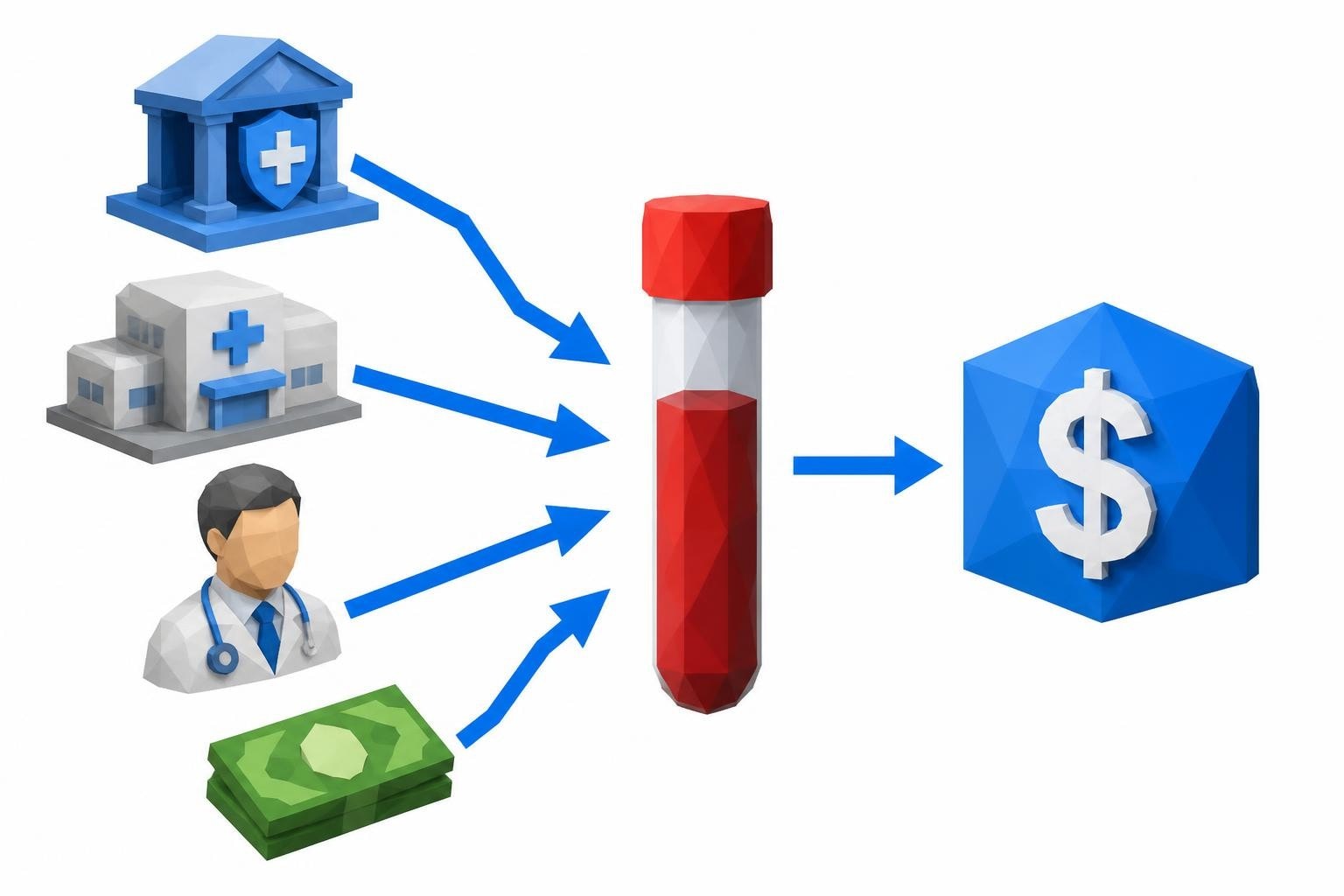
When you order lab tests through your insurance while under your deductible, you receive the insurance-negotiated rate, which the plan counts toward your deductible. That sounds beneficial until you compare actual prices.
Consider these typical scenarios:
| Test Type | Insurance-Negotiated Price | Cash Pay Price | Savings |
|---|---|---|---|
| Comprehensive Metabolic Panel | $85-$120 | $28-$45 | $40-$75 |
| Lipid Panel | $75-$95 | $24-$38 | $51-$57 |
| Thyroid Panel (TSH, T3, T4) | $180-$240 | $49-$79 | $131-$161 |
| Vitamin D Test | $90-$150 | $35-$48 | $55-$102 |
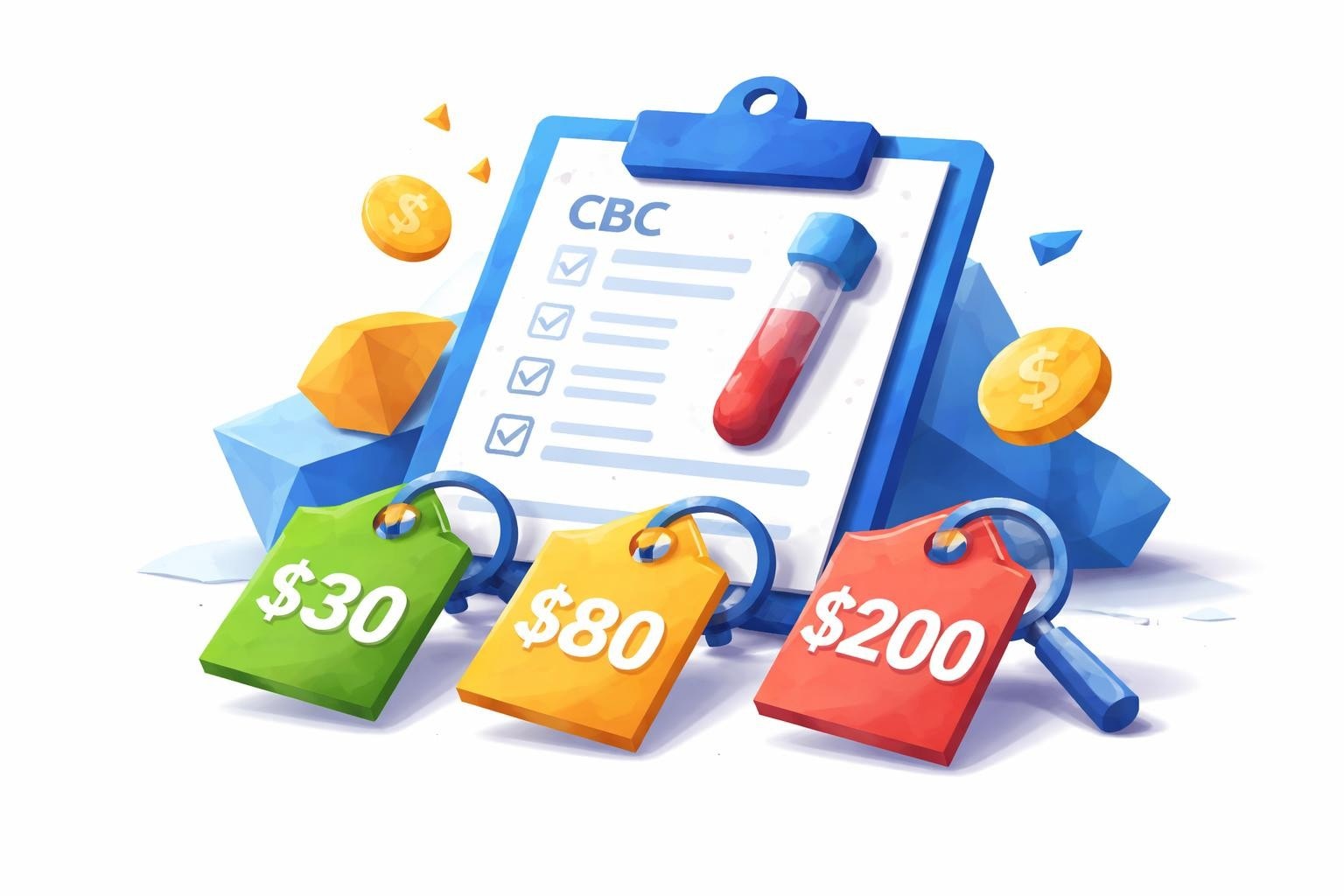
These price differences are not anomalies. Direct-pay providers operate with lower overhead, transparent pricing models, and streamlined processes that eliminate insurance billing departments, claim processing, and negotiation intermediaries.
The Cash Pay Labs High Deductible Plan Strategy
Smart HDHP enrollees have discovered a powerful cost-saving approach: using their high deductible plan for catastrophic coverage while paying cash for routine services, including laboratory testing. This cash pay labs high deductible plan combination delivers the premium savings of an HDHP while avoiding inflated insurance prices for common services.
The strategy works because HDHP members already pay out-of-pocket until reaching their deductible. Choosing the lower cash price instead of the higher insurance-negotiated price simply makes financial sense. The only trade-off is that cash payments typically don't count toward your deductible, but when cash prices are 40-70% lower, this becomes irrelevant for most routine testing.
Making the Math Work: A Real-World Example
Let's examine a concrete scenario to demonstrate how a cash pay labs high deductible plan approach saves money during the 2026 plan year.
Sarah's Situation:
- Individual HDHP with $3,000 deductible
- Monthly premium: $285 ($3,420 annually)
- Employer contributes $1,200 to her HSA
- She needs routine lab work for annual wellness and symptom management
Sarah's Annual Lab Needs:
- Annual wellness panel (comprehensive metabolic panel, lipid panel, CBC): 1x yearly
- Thyroid monitoring (she has hypothyroidism): 2x yearly
- Vitamin D check: 2x yearly
- Hormone panel for fatigue symptoms: 1x yearly
Insurance Route (Under Deductible):
| Test | Frequency | Insurance Price | Annual Cost |
|---|---|---|---|
| Wellness Panel | 1 | $285 | $285 |
| Thyroid Panel | 2 | $210 | $420 |
| Vitamin D | 2 | $120 | $240 |
| Hormone Panel | 1 | $320 | $320 |
| Total | $1,265 |
Cash Pay Route with Direct Testing:
| Test | Frequency | Cash Price | Annual Cost |
|---|---|---|---|
| Wellness Panel | 1 | $89 | $89 |
| Thyroid Panel | 2 | $65 | $130 |
| Vitamin D | 2 | $42 | $84 |
| Hormone Panel | 1 | $125 | $125 |
| Total | $428 |
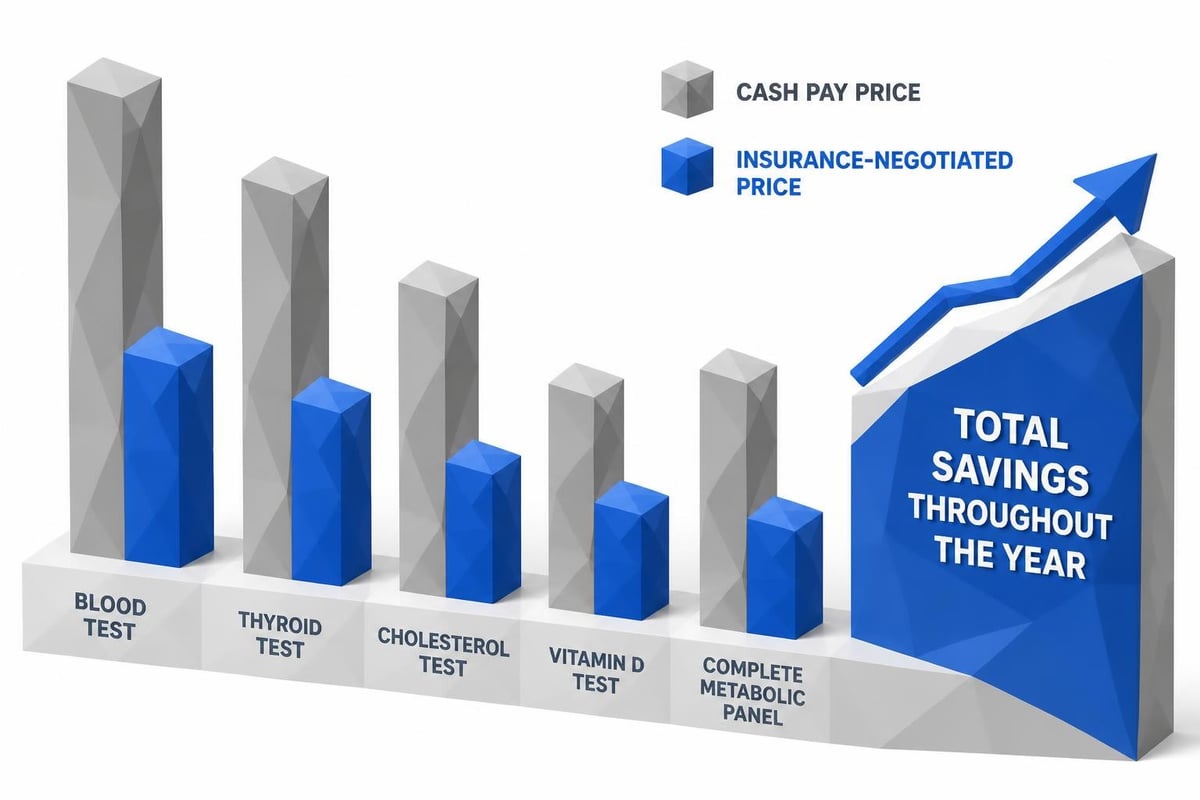
Sarah's Savings: $837 annually by choosing cash pay over insurance-negotiated rates. She keeps her HDHP for major medical coverage, catastrophic events, and preventive care (which HDHPs cover at 100%). For routine lab work, she uses transparent lab test pricing that costs less than her insurance would charge.
HSA Advantages with Cash Pay Laboratory Testing
One of the most powerful benefits of pairing a cash pay labs high deductible plan strategy with Health Savings Accounts is the ability to use pre-tax HSA funds for cash-pay laboratory services. This creates a triple tax advantage while accessing lower prices.
HSA Tax Benefits:
- Contributions are tax-deductible (or pre-tax if through payroll)
- Funds grow tax-free with investment options
- Withdrawals for qualified medical expenses are tax-free
For 2026, individuals can contribute up to the annual limits established by the IRS, with catch-up contributions available for those 55 and older. The current contribution limits and HDHP qualifications are updated annually to reflect inflation adjustments.
Laboratory testing qualifies as an HSA-eligible medical expense, meaning you can use your HSA debit card or reimburse yourself for cash-pay lab work. When Sarah in our earlier example uses HSA funds for her $428 in annual lab costs, she's paying with pre-tax dollars, effectively reducing the real cost by her marginal tax rate (22-37% for most middle-to-upper income earners).
Maximizing Your HSA Strategy
To optimize the intersection of HSAs and cash-pay laboratory testing, consider these approaches:
- Contribute the maximum to your HSA each year, especially if your employer offers matching contributions
- Pay cash for routine services like lab work where direct pricing beats insurance rates
- Save receipts for all cash medical expenses, even if you don't reimburse immediately
- Let your HSA grow by paying out-of-pocket now and reimbursing yourself years later (no time limit on reimbursements)
- Compare prices before every service to ensure cash beats your insurance rate
Understanding which lab tests qualify for HSA and FSA reimbursement helps you plan your healthcare spending strategically throughout the year.
Price Transparency and the Cash Pay Advantage
Federal regulations have pushed healthcare providers toward greater price transparency. The CMS health plan price transparency requirements mandate that insurers provide price comparison tools and machine-readable files showing negotiated rates. Similarly, the Medicare Clinical Laboratory Fee Schedule establishes benchmark pricing frameworks that influence commercial rates.
Despite these transparency efforts, navigating insurance pricing remains complex. Cash-pay laboratory providers simplified this equation by posting clear, upfront prices accessible to anyone. You know the exact cost before ordering, eliminating surprise bills and making budgeting straightforward.
When Insurance Makes Sense vs. Cash Pay
Not every situation calls for the cash pay labs high deductible plan approach. Understanding when to use each payment method optimizes your healthcare spending.
Use Insurance When:
- You've already met or nearly met your annual deductible
- Your plan has already covered enough to make cost-sharing favorable
- The service requires pre-authorization or specialist referral
- You're approaching your out-of-pocket maximum
- The insurance-negotiated rate is genuinely lower (rare for labs, but verify)
Use Cash Pay When:
- You're early in your plan year with your full deductible remaining after the annual reset
- Cash prices are 30%+ lower than insurance rates
- You want to avoid insurance paperwork and billing delays
- You're ordering lab tests without a doctor's visit
- Speed and convenience matter (1-3 day results vs. longer insurance processing)
Common Lab Tests Where Cash Pay Wins
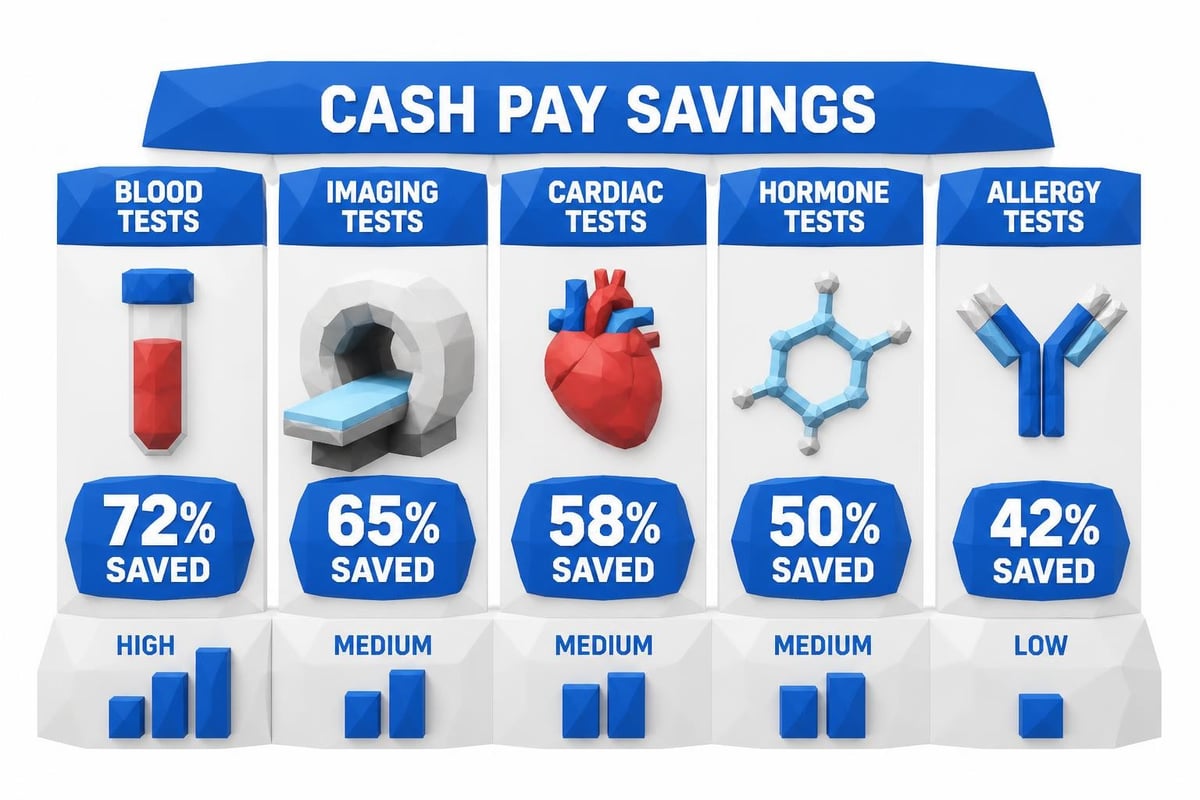
Certain categories of laboratory testing consistently show dramatic price advantages for cash-pay options versus insurance-negotiated rates under high deductible plans. Knowing which tests fall into this category helps you make informed decisions during open enrollment and throughout your plan year.
Routine wellness and preventive panels often cost significantly less through direct payment. Basic metabolic panels, complete blood counts, and standard lipid profiles represent the foundation of annual check-ups and routine monitoring, making them frequent expenses for HDHP members.
Recommended Panel
Basic Wellness Panel
Save $2.50Our most affordable comprehensive screening includes the 4 tests doctors order most: CBC, Comprehensive Metabolic Panel, Lipid Panel, and TSH. Covers 30+ biomarkers in one blood draw.
Includes 37 biomarkers
$30
Fasting required
Hormone testing for conditions like thyroid disorders, testosterone levels, or reproductive health typically carries high insurance prices but reasonable cash rates. If you're investigating symptoms like those requiring an adult acne hormone workup, cash pricing may save hundreds.
Specialized biomarkers for metabolic health, inflammation, or nutritional status demonstrate particularly large price gaps. Tests like adiponectin for metabolic syndrome assessment or advanced cardiovascular markers often cost three to four times more through insurance channels.
Open Enrollment Decision Framework for 2026
As you evaluate plan options this enrollment season, incorporate laboratory testing costs into your decision framework. The cash pay labs high deductible plan strategy may influence which plan tier provides the best value for your situation.
Calculate Your Total Healthcare Costs
Building a comprehensive cost model helps identify the optimal plan choice:
Step 1: Estimate Annual Medical Needs
- List expected doctor visits, specialist consultations, and procedures
- Identify routine lab work based on chronic conditions or preventive care
- Account for prescription medication costs
- Include any planned surgeries or major treatments
Step 2: Price Each Scenario
- Calculate total costs under each available plan option
- Include monthly premiums multiplied by 12
- Add deductible spending up to the maximum
- Factor in coinsurance and copayments after deductible
Step 3: Incorporate Cash Pay Options
- Research actual cash prices for your expected lab work
- Compare against insurance-negotiated rates (available through transparency tools)
- Substitute cash prices where advantageous
- Recalculate total annual spending
Step 4: Factor HSA Contributions
- Include employer HSA contributions if offered
- Add your planned personal contributions
- Calculate tax savings based on your marginal rate
- Subtract HSA value from gross costs to find net spending
This analysis reveals your true out-of-pocket costs under each plan scenario, accounting for the cash pay labs high deductible plan optimization strategy.
Practical Implementation Tips
Transitioning to a strategic approach that combines high deductible coverage with cash-pay laboratory testing requires some planning, but the process is straightforward once you understand the mechanics.
Before Open Enrollment:
- Review your past year's medical claims and laboratory utilization
- Calculate what you actually paid versus what cash prices would have been
- Verify your expected health needs for the coming year
- Research how much lab tests really cost in both insurance and cash-pay markets
During Enrollment:
- Compare HDHP premium savings against other plan options
- Evaluate employer HSA contribution offers
- Calculate break-even points for different health scenarios
- Choose the HDHP if math supports it based on your usage patterns
Throughout the Year:
- Check cash prices before ordering any lab work
- Use available tests online to understand direct pricing
- Keep detailed records of all healthcare spending for HSA reimbursement
- Monitor your progress toward deductible if relevant for major services
When Ordering Tests:
- Determine what laboratory testing you need
- Compare insurance-negotiated rates (via plan transparency tools) with cash prices
- Choose the lower-cost option
- If paying cash, find a convenient lab location near you
- Complete testing and receive results (typically 1-3 days)
- Pay with HSA funds if available or save receipt for future reimbursement
Real-World Considerations and Limitations
While the cash pay labs high deductible plan strategy delivers substantial savings for many people, certain situations require careful consideration before implementing this approach.
Chronic Condition Management: If you have complex chronic conditions requiring extensive specialist care, expensive medications, or frequent hospitalizations, you might meet your HDHP deductible early in the year. In these cases, a traditional lower-deductible plan could provide better value despite higher premiums.
Family Coverage Dynamics: Families must consider aggregate deductibles and the likelihood that multiple members will need care. If you consistently meet family deductibles, the cash-pay advantage for lab work diminishes after that threshold.
Access to HSA Funding: The strategy works best when you can fully fund an HSA, either through employer contributions, personal savings, or both. Without HSA funds, you're paying cash post-tax, reducing (but not eliminating) the savings advantage.
Geographic Price Variation: Laboratory pricing varies by region and provider. Always verify local cash prices match the national trends showing cash advantages. What holds true in one market may differ in another.
Making Your Decision This Enrollment Season
October and November represent your annual opportunity to align your health coverage with your actual needs and spending patterns. For appropriate candidates, combining an HDHP with strategic cash payment for laboratory services creates meaningful savings while maintaining comprehensive coverage for serious health events.
The decision ultimately depends on your individual circumstances: overall health status, expected medical needs, financial reserves, and comfort with managing healthcare spending strategically. For many Americans, particularly healthy individuals and families who need routine monitoring but not extensive medical intervention, the cash pay labs high deductible plan approach optimizes both coverage and costs.
Understanding getting blood tests without insurance pricing versus with-insurance pricing empowers better decisions regardless of which plan you ultimately select. Armed with transparent pricing information and clear cost comparisons, you can confidently navigate open enrollment with a strategy that serves your health and your budget.
Recommended Panel
Comprehensive Wellness Panel
Save $4.50Our most thorough health screening covers blood cells, organ function, cholesterol, thyroid, blood sugar, vitamin D, inflammation, and iron - everything you need for a complete health picture.
Includes 44 biomarkers
$94
Fasting required
Related reading

High deductible health plans paired with strategic cash payment for laboratory testing deliver significant savings for informed consumers who understand pricing dynamics and make deliberate choices about when to use insurance versus direct payment. The combination of lower premiums, HSA tax advantages, and cash-pay pricing that often beats insurance rates creates a powerful financial strategy. When you need affordable, transparent laboratory testing, JustLabs provides online ordering with clear upfront pricing, convenient locations nationwide, and results delivered in 1-3 days, helping you maximize the value of your high deductible plan while maintaining access to the diagnostic testing you need.
References
Khanijahani A, Akinci N, Iezadi S, Priore D. Impacts of high-deductible health plans on patients with diabetes: A systematic review of the literature. Prim Care Diabetes. 2021 Dec;15(6):948-957. doi: 10.1016/j.pcd.2021.07.015. PMID: 34400113. https://pubmed.ncbi.nlm.nih.gov/34400113/
Jiang DH, Mundell BF, Shah ND, McCoy RG. Impact of High Deductible Health Plans on Diabetes Care Quality and Outcomes: Systematic Review. Endocr Pract. 2021 Nov;27(11):1156-1164. doi: 10.1016/j.eprac.2021.07.001. PMID: 34245911. https://pubmed.ncbi.nlm.nih.gov/34245911/
Mazurenko O, Buntin MJB, Menachemi N. High-Deductible Health Plans and Prevention. Annu Rev Public Health. 2019 Apr 1;40:411-421. doi: 10.1146/annurev-publhealth-040218-044225. PMID: 30403558. https://pubmed.ncbi.nlm.nih.gov/30403558/
Wu J, Moss H. Financial Toxicity in the Post-Health Reform Era. J Am Coll Radiol. 2023 Jan;20(1):10-17. doi: 10.1016/j.jacr.2022.09.036. PMID: 36509218. https://pubmed.ncbi.nlm.nih.gov/36509218/
Muris DMJ, Molenaers M, Nguyen T, Bergmans PWMP, van Acker BAC, Krekels MME, Cals JWL. Effect of a price display intervention on laboratory test ordering behavior of general practitioners. BMC Fam Pract. 2021 Dec 3;22(1):242. doi: 10.1186/s12875-021-01591-w. PMID: 34861828. https://pubmed.ncbi.nlm.nih.gov/34861828/