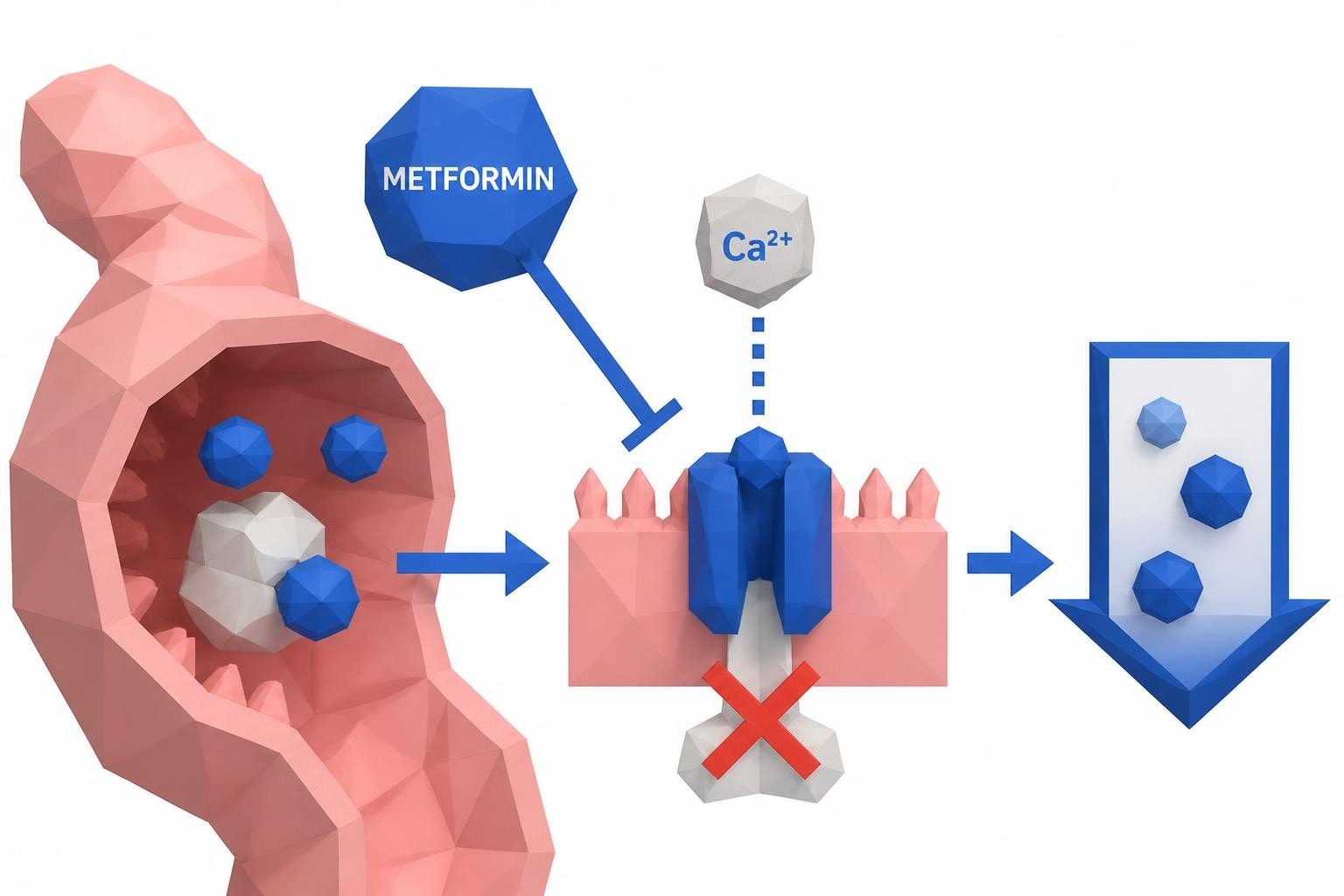
Managing fatty liver disease requires ongoing surveillance through targeted laboratory testing. Whether you've recently received a diagnosis or you're working to reverse metabolic dysfunction-associated steatotic liver disease (MASLD), understanding which blood tests to track after a fatty liver can help you monitor disease progression, assess treatment effectiveness, and catch complications early. Regular monitoring empowers you to make informed decisions about your health without the delays and costs traditionally associated with insurance-based testing.
Big picture
- Fatty liver affects roughly 25% of American adults, making it one of the most common liver conditions. Most cases stem from metabolic factors like obesity, diabetes, and high cholesterol rather than alcohol consumption.
- Standard liver enzyme tests (ALT, AST) show liver inflammation but can't distinguish between simple fat accumulation and progressive scarring (fibrosis), which is why specialized blood-based fibrosis scores have become essential monitoring tools.
- Regular blood work helps catch the transition from benign fat storage to metabolic dysfunction-associated steatohepatitis (MASH), the inflammatory form that can lead to cirrhosis if left unchecked.
- Your monitoring schedule depends on disease severity: simple steatosis may require annual checks, while intermediate fibrosis risk warrants testing every 6-12 months with sequential testing pathways.
- Many routine panels (liver function, metabolic, lipid) are now accessible without insurance or doctor referrals, allowing you to track trends affordably and respond quickly to changes.
- Start by establishing baseline values for liver enzymes, glucose metabolism, and platelet counts, then calculate composite fibrosis scores to guide the intensity and frequency of your monitoring program.
Understanding Core Liver Function Tests
The foundation of blood tests to track after a fatty liver diagnosis begins with standard liver function panels. These measure enzyme levels that indicate hepatocyte damage and overall liver synthetic function.
Alanine Aminotransferase and Aspartate Aminotransferase
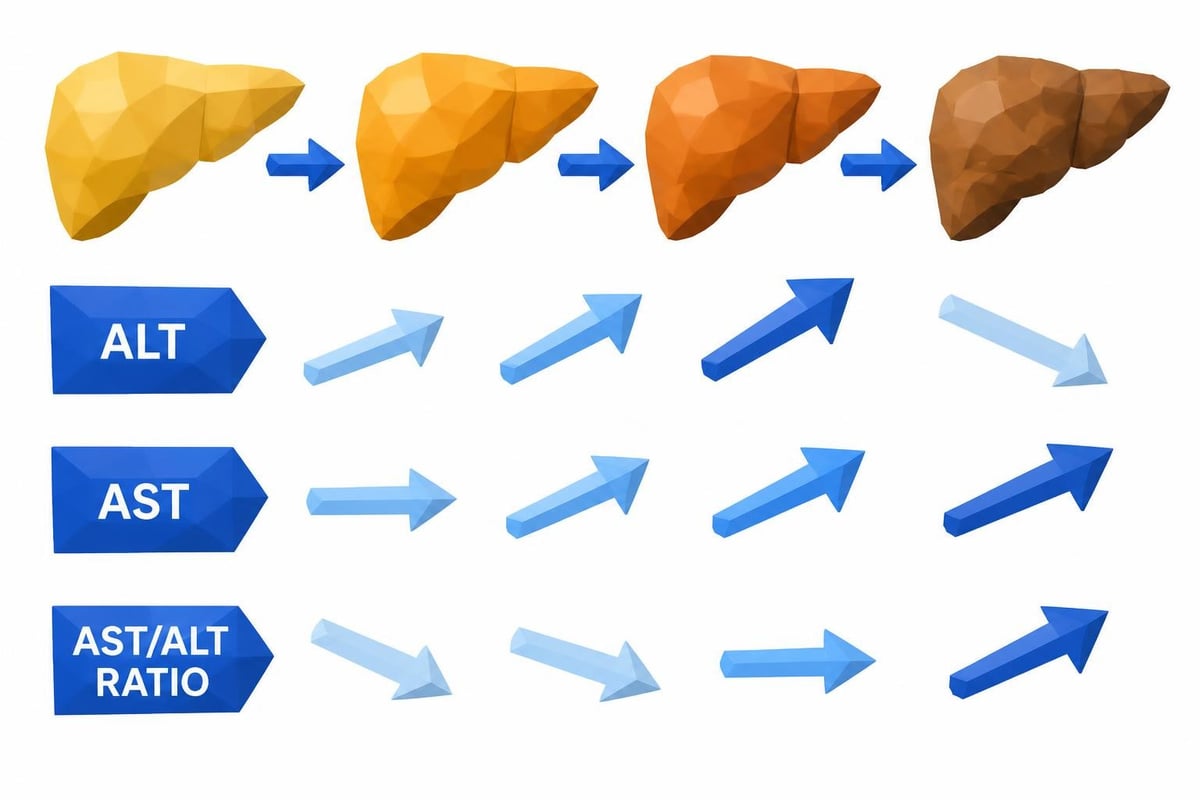
ALT and AST are enzymes released when liver cells become damaged. In fatty liver disease, ALT typically rises higher than AST in the early stages. The AST/ALT ratio becomes particularly important as the disease progresses because advancing fibrosis often causes this ratio to increase above 1.0.
Monitoring these enzymes every 3-6 months during active weight loss or treatment provides feedback on whether interventions are working. According to AASLD clinical practice guidance, even patients with normal ALT values can have significant liver disease, so these tests should never be used in isolation.
Alkaline Phosphatase and Bilirubin
ALP elevation suggests bile duct involvement or concurrent conditions, while bilirubin measures the liver's ability to process waste products. Rising bilirubin in someone with known fatty liver may signal progression toward decompensated cirrhosis.
Albumin and Total Protein
These markers reflect the liver's synthetic capacity. Declining albumin levels over time suggest worsening liver function and warrant more intensive investigation. Most people with uncomplicated fatty liver maintain normal albumin, making serial measurements useful for detecting deterioration.
Blood-Based Fibrosis Scoring Systems
Simple liver enzymes can't quantify scarring severity, which is why composite scores combining multiple blood markers have become critical blood tests to track after a fatty liver diagnosis.
FIB-4 Index
The Fibrosis-4 (FIB-4) index combines age, AST, ALT, and platelet count into a single calculation that estimates fibrosis probability. Values below 1.3 typically indicate low fibrosis risk, while scores above 2.67 suggest high probability of advanced scarring.
| FIB-4 Score | Interpretation | Recommended Action |
|---|---|---|
| < 1.3 | Low fibrosis risk | Recheck annually; focus on metabolic control |
| 1.3 - 2.67 | Indeterminate | Second-line test (ELF, elastography) recommended |
| > 2.67 | High fibrosis risk | Specialist referral; enhanced surveillance |
Calculate FIB-4 every 6-12 months to track trajectory. According to EASL-EASD-EASO consensus guidelines, FIB-4 serves as the preferred first-line screening tool due to its accessibility and validation across diverse populations.
NAFLD Fibrosis Score
The NFS incorporates age, BMI, diabetes status, AST/ALT ratio, platelets, and albumin. This score performs particularly well at excluding advanced fibrosis when values fall below -1.455. Testing intervals should mirror FIB-4 monitoring, with more frequent assessment for those in the intermediate zone.
Enhanced Liver Fibrosis Test
The ELF test directly measures three fibrosis markers: hyaluronic acid, PIIINP (procollagen III N-terminal peptide), and TIMP-1 (tissue inhibitor of metalloproteinase 1). While more expensive than calculated scores, ELF provides superior accuracy for detecting moderate to advanced fibrosis.
ELF scores above 9.8 suggest significant fibrosis warranting specialist evaluation. This test works particularly well as a second-tier assessment when FIB-4 or NFS fall in the indeterminate range, creating a sequential testing pathway that balances cost and accuracy.
Metabolic and Cardiovascular Markers
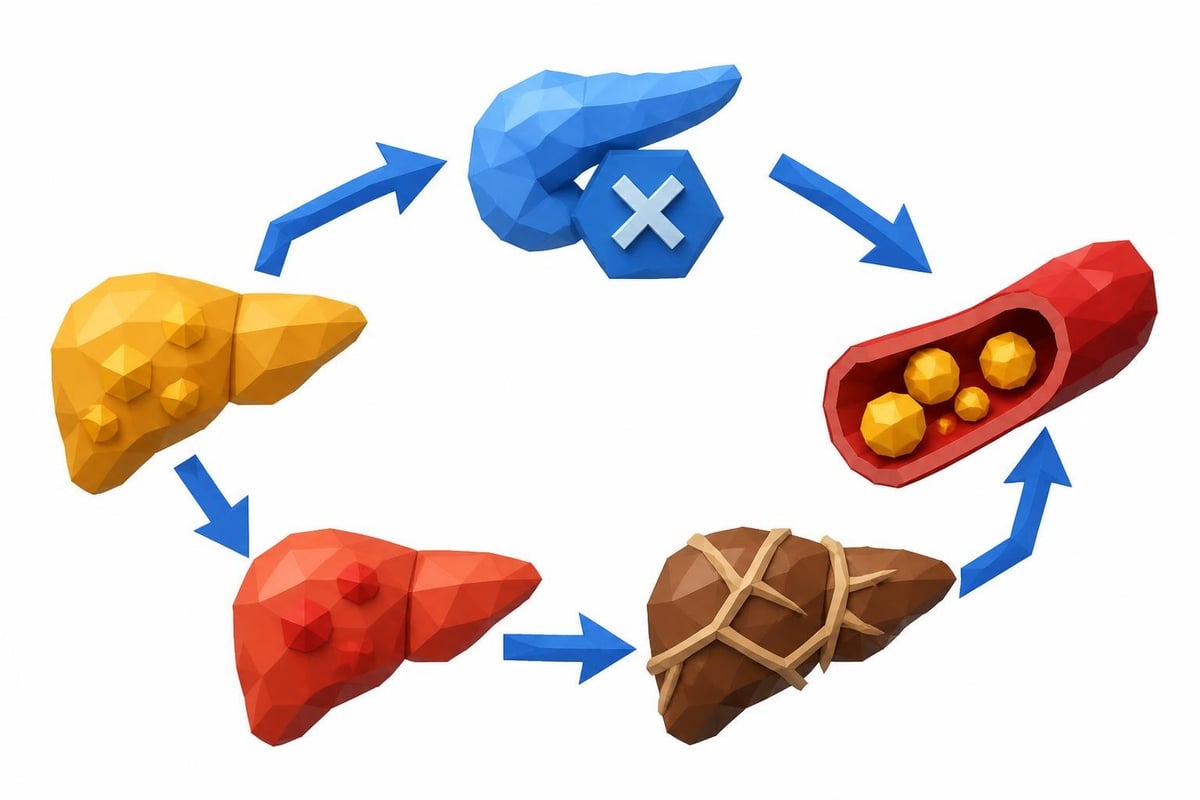
Fatty liver rarely exists in isolation. The metabolic dysfunction driving liver fat accumulation also affects glucose regulation, lipid metabolism, and cardiovascular risk, making these blood tests to track after a fatty liver essential components of comprehensive monitoring.
Hemoglobin A1c and Fasting Glucose
HbA1c provides a 3-month average of blood sugar control, while fasting glucose offers a snapshot of current glycemic status. Both correlate strongly with fatty liver severity and progression risk.
Target HbA1c below 5.7% (or below 7% for those with diagnosed diabetes) to minimize hepatic inflammation. Many patients see liver enzyme improvements simply by optimizing glucose control. Transparent lab test pricing makes it feasible to check these markers every 3 months during active intervention phases.
Lipid Panel Components
Track total cholesterol, LDL, HDL, and triglycerides every 3-6 months. Elevated triglycerides (above 150 mg/dL) directly promote liver fat accumulation, while low HDL (below 40 mg/dL in men, 50 mg/dL in women) indicates metabolic syndrome.
The combination of high triglycerides and low HDL creates particularly aggressive fatty liver disease. Monitoring response to dietary changes, medications, or supplements helps fine-tune your intervention strategy.
Insulin and HOMA-IR
While not always included in standard panels, fasting insulin and the calculated Homeostatic Model Assessment of Insulin Resistance (HOMA-IR) quantify insulin resistance severity. HOMA-IR above 2.5 suggests significant resistance driving liver fat deposition.
These markers respond quickly to lifestyle changes, providing early evidence that interventions are working even before liver enzymes normalize. Understanding what changes your blood test results helps you interpret fluctuations and maintain realistic expectations during treatment.
Complete Blood Count Components
The CBC might seem unrelated to liver health, but specific components provide crucial information about fibrosis progression and portal hypertension development.
Platelet Count
Platelets typically decline as liver scarring advances and the spleen enlarges (hypersplenism). Progressive drops in platelet count over 6-12 months may indicate worsening fibrosis even when liver enzymes appear stable.
- Normal range: 150,000-400,000/μL
- Mild concern: 100,000-150,000/μL
- Significant concern: Below 100,000/μL
Serial platelet monitoring every 6 months catches this trend early. The CBC with differential provides platelet counts along with other valuable hematologic markers that may reveal systemic effects of advancing liver disease.
Mean Platelet Volume
MPV often increases as platelet count falls in chronic liver disease. This inverse relationship provides additional context for interpreting declining platelets, whether they represent increased consumption or splenic sequestration.
Kidney Function and Related Markers
Creatinine and eGFR
Fatty liver disease frequently coexists with chronic kidney disease, particularly in patients with diabetes or hypertension. Monitor creatinine and estimated glomerular filtration rate (eGFR) every 6-12 months to catch declining kidney function early.
Note that creatine supplementation raises creatinine levels without indicating true kidney dysfunction. Always inform your testing provider about supplements that might affect interpretation.
Uric Acid
Elevated uric acid independently predicts fatty liver development and correlates with disease severity. Values above 7 mg/dL in men or 6 mg/dL in women warrant attention, especially when combined with other metabolic abnormalities.
Inflammation and Specialty Markers
Beyond routine chemistry panels, several specialized blood tests to track after a fatty liver help assess inflammatory activity and cardiovascular risk.
High-Sensitivity C-Reactive Protein
hs-CRP measures systemic inflammation. Values consistently above 3 mg/L indicate high cardiovascular risk and often correlate with more aggressive liver inflammation. Track this every 6-12 months alongside standard metabolic markers.
Ferritin and Iron Studies
Elevated ferritin occurs in about 30% of fatty liver patients, sometimes indicating true iron overload but more often reflecting inflammation. Complete iron studies (serum iron, TIBC, transferrin saturation) distinguish between these scenarios.
True iron overload accelerates fibrosis progression and requires specific intervention. Monitor ferritin every 6-12 months, with full iron panels when ferritin exceeds 300 ng/mL in men or 200 ng/mL in women.
Vitamin D
Low vitamin D levels (below 30 ng/mL) associate with worse fatty liver outcomes. Supplementation may improve metabolic parameters and potentially slow disease progression, making this worth tracking annually.
Creating Your Monitoring Schedule
The optimal frequency for blood tests to track after a fatty liver depends on disease severity, treatment intensity, and individual risk factors.
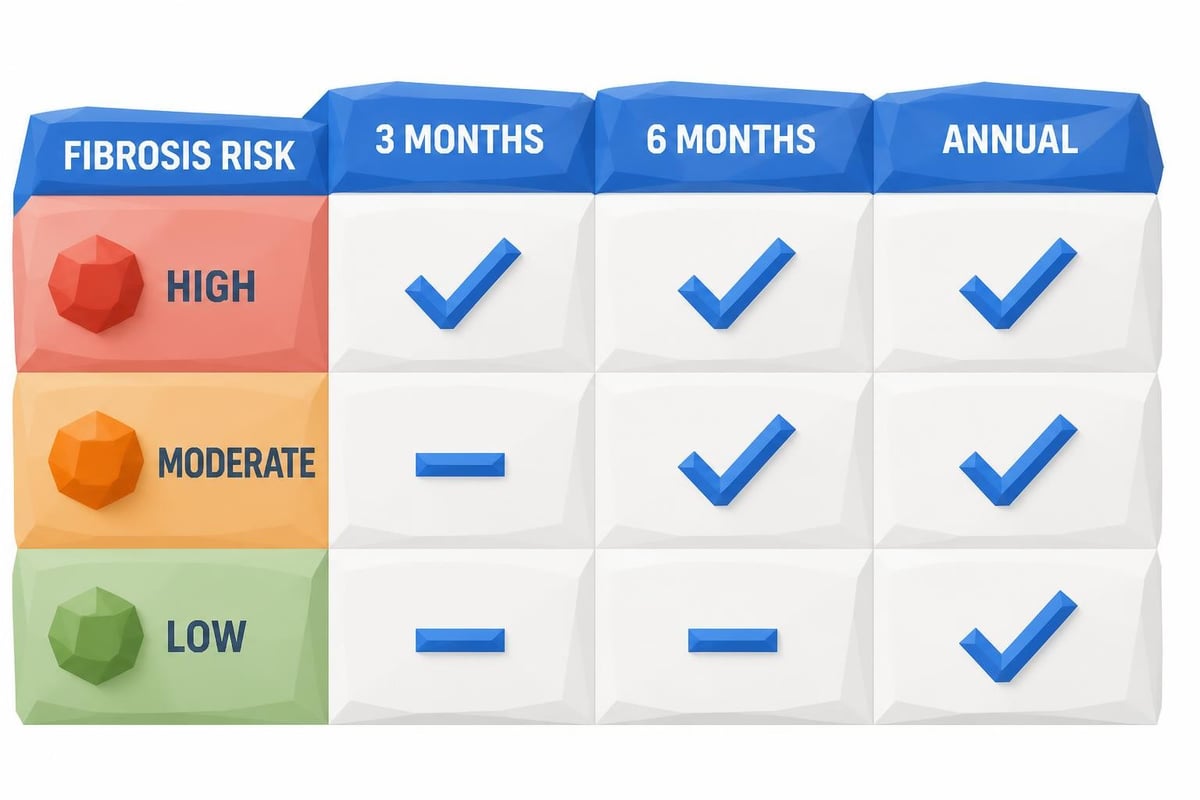
For simple steatosis without fibrosis (FIB-4 < 1.3):
- Complete metabolic panel with liver enzymes: every 6-12 months
- Lipid panel and HbA1c: every 6-12 months
- CBC with platelets: annually
- FIB-4 calculation: annually
For indeterminate fibrosis risk (FIB-4 1.3-2.67):
- Liver function tests: every 3-6 months
- Metabolic and lipid panels: every 3-6 months
- CBC: every 6 months
- FIB-4 or NFS: every 6 months
- Consider ELF test or elastography for definitive staging
For confirmed advanced fibrosis (FIB-4 > 2.67 or ELF > 9.8):
- Complete panels: every 3-4 months
- Close specialist supervision with potential addition of portal hypertension screening
- Enhanced surveillance for hepatocellular carcinoma
According to NICE guidance on NAFLD assessment, testing intervals should be individualized based on trajectory and treatment response rather than following rigid protocols.
Interpreting Trends Over Time
Single test results provide limited information. The real power of blood tests to track after a fatty liver emerges when you analyze trends across multiple time points.
Rising vs. Falling Enzyme Patterns
Declining ALT and AST over 6-12 months indicates successful treatment response, even if values haven't reached the normal range. Conversely, steadily climbing enzymes despite lifestyle modifications warrant investigation for alternative causes or consideration of pharmacologic therapy.
Fibrosis Score Trajectories
FIB-4 and NFS can fluctuate due to their reliance on age, weight, and transient factors. Focus on 12-month trends rather than 3-month variations. According to comprehensive reviews of non-invasive scores, these calculated indices show best performance when monitored longitudinally rather than as single-point assessments.
Metabolic Marker Coordination
Improvements in HbA1c, triglycerides, and body weight should accompany falling liver enzymes. Discordance such as improving glucose control but worsening liver inflammation might indicate alcohol use, medication toxicity, or progressive disease requiring different interventions.
Sequential Testing Strategies
Modern guidelines recommend sequential or tiered testing approaches that maximize accuracy while controlling costs. This pathway-based strategy proves particularly relevant for those using accessible lab testing without insurance.
Tier 1: Calculate FIB-4 or NFS from routine blood work
- Low risk: annual monitoring with basic panels
- High risk: proceed to specialist referral
- Indeterminate: advance to Tier 2
Tier 2: Enhanced Liver Fibrosis test or transient elastography
- ELF < 9.8 and elastography < 8 kPa: likely minimal fibrosis, monitor every 6-12 months
- ELF > 10.5 or elastography > 12 kPa: likely advanced fibrosis, specialist management
- Intermediate values: consider liver biopsy for definitive staging
This approach, detailed in EASL clinical practice guidelines, minimizes unnecessary testing while ensuring high-risk patients receive appropriate evaluation.
Coordinating Testing with Lifestyle Interventions
Blood tests to track after a fatty liver should align with your treatment timeline to assess intervention effectiveness.
During active weight loss (targeting 7-10% body weight reduction):
- Test every 3 months to document improvements in ALT, AST, triglycerides, and HbA1c
- Expect liver enzymes to normalize after 6-12 months of sustained weight loss
- Recalculate fibrosis scores after achieving target weight to assess structural improvement
While on medication therapy (vitamin E, pioglitazone, GLP-1 agonists):
- Baseline panel before starting medication
- Follow-up at 3 months to assess response and detect side effects
- If responding, continue monitoring every 3-6 months
During maintenance phase:
- Once metabolic control is stable and liver enzymes normalized, extend testing intervals to every 6-12 months
- Continue annual fibrosis score calculation indefinitely
- Remain vigilant for recurrence if weight or metabolic control deteriorates
Recommended Panel
Complete Metabolic Health Panel
Save $3.5This comprehensive panel evaluates all aspects of metabolic health: organ function, cholesterol, blood sugar, insulin resistance, and inflammation - the key drivers of chronic disease.
Includes 26 biomarkers
$50
Fasting required
Key Takeaways
Regular monitoring through targeted blood work forms the cornerstone of effective fatty liver management. Establishing baseline values for liver enzymes, composite fibrosis scores, and metabolic markers enables you to track disease trajectory and treatment response objectively. The combination of calculated scores like FIB-4 with direct markers through panels such as ELF creates a cost-effective surveillance strategy that catches progression early while avoiding unnecessary testing in stable patients. Coordinate your testing schedule with intervention intensity, checking more frequently during active treatment phases and spacing intervals wider once you've achieved metabolic control. Modern testing accessibility removes traditional barriers, allowing you to maintain consistent surveillance regardless of insurance status or provider availability.
FAQ
How often should I get blood tests to track after a fatty liver diagnosis?
Testing frequency depends on disease severity. Simple steatosis requires liver function panels every 6-12 months, while indeterminate fibrosis risk warrants testing every 3-6 months. Those with confirmed advanced fibrosis need quarterly monitoring under specialist guidance. Adjust intervals based on whether you're actively losing weight, starting new medications, or maintaining stable metabolic control.
Can normal liver enzymes mean my fatty liver has resolved?
Normal ALT and AST indicate reduced inflammation but don't confirm complete resolution of fat accumulation or scarring. The NHS overview of fatty liver disease explains that imaging studies or specialized biomarkers better assess actual fat content and fibrosis reversal. Continue monitoring even after enzymes normalize, as metabolic factors driving the condition may persist.
What is the most important blood test for fatty liver progression?
No single test provides complete information. FIB-4 score offers the best first-line assessment of fibrosis risk, combining age, platelets, and liver enzymes into a validated calculation. For those in the indeterminate range, the Enhanced Liver Fibrosis (ELF) test provides superior accuracy for detecting advancing scarring. Metabolic markers like HbA1c and triglycerides address underlying drivers of disease progression.
Do I need a doctor's order to get these blood tests?
Many services now allow direct access to comprehensive lab panels without requiring a physician's order. Justlabs enables you to order liver function tests, metabolic panels, and complete blood counts online with results typically available within 1-3 days. This approach facilitates consistent monitoring even between scheduled doctor appointments.
How do I calculate my FIB-4 score?
FIB-4 uses this formula: (Age × AST) ÷ (Platelet count × √ALT). You'll need results from a recent comprehensive metabolic panel and CBC to obtain the required values. Online calculators simplify this computation, though understanding the components helps you interpret how changes in individual markers affect your score over time.
Should I fast before getting blood tests for fatty liver monitoring?
Fasting for 8-12 hours improves accuracy for glucose, insulin, and lipid measurements that accompany liver function monitoring. Liver enzymes themselves don't require fasting, but comprehensive panels typically include metabolic markers best measured after an overnight fast. Plan testing for morning appointments to simplify fasting logistics and ensure consistent conditions across serial measurements.
Can supplements or medications affect my liver function test results?
Numerous substances influence liver enzyme levels. Acetaminophen, statins, and many antibiotics can elevate transaminases. Some herbal supplements may cause enzyme elevations or interfere with liver function. Always provide complete medication and supplement lists when ordering tests and maintain consistency in supplementation status between serial measurements for accurate trend analysis.
Monitoring fatty liver disease through strategic blood testing empowers you to track disease progression, optimize treatment strategies, and catch complications before they become irreversible. By combining routine liver function panels with specialized fibrosis scores and metabolic markers, you create a comprehensive surveillance program tailored to your individual risk profile. Justlabs makes it simple to order the blood tests to track after a fatty liver diagnosis online at transparent prices, with results delivered in 1-3 days so you can maintain consistent monitoring without the delays and costs of traditional testing pathways.