
Bariatric surgery represents a life-changing intervention for individuals struggling with obesity, but the journey doesn't end in the operating room. Post-surgical success depends heavily on consistent laboratory monitoring to prevent nutritional deficiencies and ensure optimal health outcomes. Understanding which labs to monitor after bariatric surgery, along with appropriate testing frequency, empowers patients to take control of their long-term wellness and avoid potentially serious complications.
Big picture
- Bariatric procedures alter nutrient absorption, making regular lab monitoring essential for detecting deficiencies before they cause symptoms or permanent damage.
- Different surgery types carry different risks: gastric bypass creates higher malabsorption risk than sleeve gastrectomy, requiring more intensive monitoring protocols.
- Most deficiencies are preventable through proper supplementation guided by laboratory results, not just generic vitamin regimens.
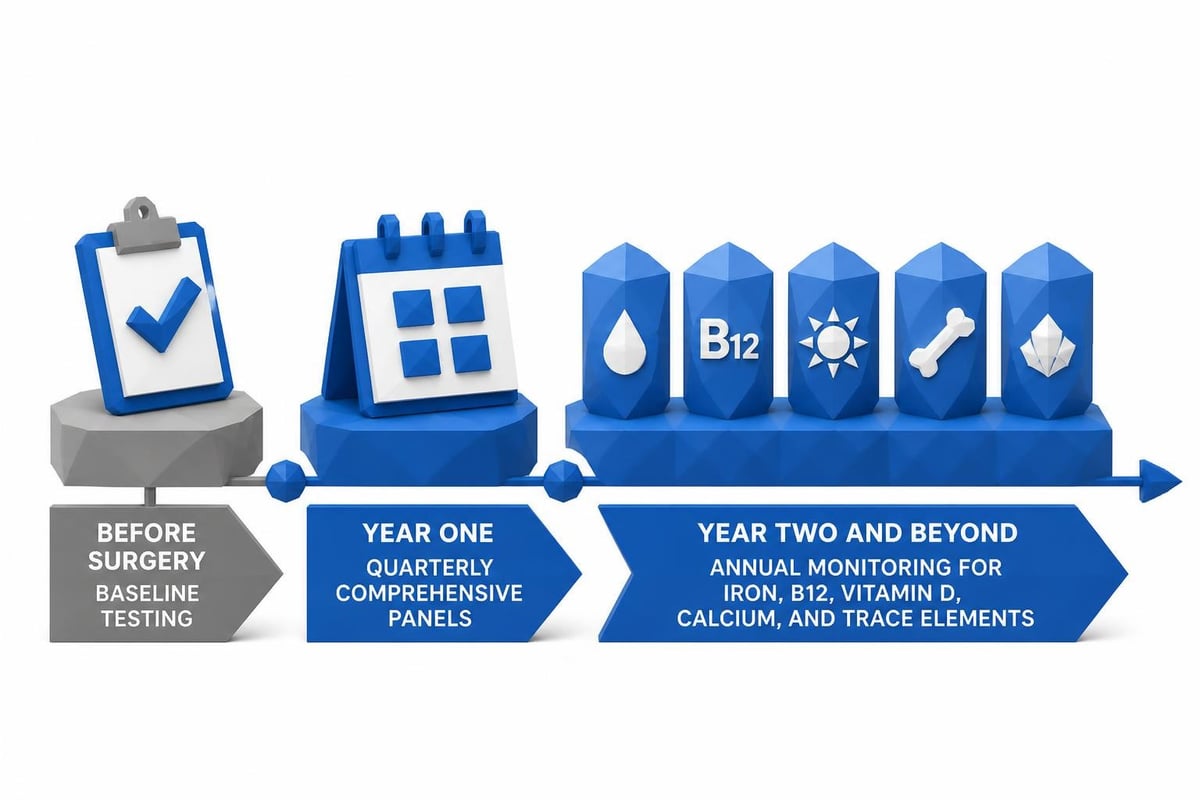
- Testing frequency matters: baseline labs before or shortly after surgery, frequent monitoring during the first year, then annual testing for life.
- Actionable step: Schedule comprehensive metabolic and nutritional lab panels at recommended intervals, adjusting supplements based on results rather than waiting for symptoms to appear.
Understanding Why Laboratory Monitoring Matters
Bariatric surgery fundamentally changes how your body processes and absorbs nutrients. Procedures like Roux-en-Y gastric bypass and sleeve gastrectomy reduce stomach size and, in some cases, bypass portions of the small intestine where critical vitamins and minerals are absorbed. This anatomical restructuring creates a lifelong risk for nutritional deficiencies that can develop silently over months or years.
The comprehensive UK guideline on biochemical monitoring after bariatric surgery emphasizes that systematic laboratory surveillance represents the cornerstone of post-operative care. Without regular testing, deficiencies in iron, vitamin B12, vitamin D, calcium, and other nutrients can progress to irreversible neurological damage, bone disease, or severe anemia.
The Cost of Inadequate Monitoring
Many patients assume that taking a daily multivitamin eliminates the need for laboratory testing. This misconception proves dangerous because individual absorption varies dramatically after bariatric procedures. Standard supplementation may be insufficient for some patients while others require higher doses or alternative forms of nutrients.
Laboratory results provide objective data that guides personalized supplementation strategies. Ordering labs without a doctor visit has become increasingly accessible, removing barriers that previously prevented consistent monitoring.
Essential Labs to Monitor After Bariatric Surgery
The specific laboratories required depend on the type of bariatric procedure performed, time elapsed since surgery, and individual patient factors. However, certain core panels form the foundation of post-operative monitoring for all bariatric patients.
Complete Blood Count and Iron Studies
Anemia represents one of the most common complications following bariatric surgery, particularly after gastric bypass procedures. A complete blood count (CBC) reveals changes in red blood cell counts, hemoglobin, and hematocrit that indicate developing anemia before patients experience fatigue or weakness.
Iron studies provide deeper insight into iron status:
- Ferritin: measures iron storage and typically declines first in iron deficiency
- Serum iron: reflects circulating iron levels
- Total iron-binding capacity (TIBC): indicates the blood's capacity to bind iron
- Transferrin saturation: shows the percentage of transferrin saturated with iron
These markers help distinguish iron deficiency anemia from other forms and guide appropriate supplementation. The American Society for Metabolic and Bariatric Surgery guidelines recommend checking these labs every 3-6 months during the first year, then annually.

Vitamin B12 and Folate
Vitamin B12 absorption requires intrinsic factor produced in the stomach, making deficiency nearly universal without proper supplementation after gastric bypass. Sleeve gastrectomy patients also face elevated risk due to reduced stomach acid production. B12 deficiency can cause irreversible neurological damage if left untreated, making monitoring critical.
Testing should include:
- Serum vitamin B12 levels
- Methylmalonic acid (MMA) for functional B12 status
- Homocysteine levels
- Serum folate
Folate deficiency, while less common than B12 deficiency, can occur and causes similar hematological changes. Combined testing ensures accurate diagnosis and appropriate treatment.
Vitamin D and Calcium Metabolism
Vitamin D deficiency affects the majority of bariatric surgery patients, with prevalence rates exceeding 50% even with standard supplementation. This deficiency impairs calcium absorption, leading to secondary hyperparathyroidism and progressive bone loss.
| Test | Purpose | Target Range |
|---|---|---|
| 25-hydroxyvitamin D | Measures vitamin D status | 30-50 ng/mL |
| Calcium (total and ionized) | Assesses calcium levels | 8.5-10.5 mg/dL |
| Parathyroid hormone (PTH) | Detects secondary hyperparathyroidism | 15-65 pg/mL |
| Alkaline phosphatase | Screens for bone turnover abnormalities | 30-120 U/L |
The recent review of follow-up strategies highlights that calcium and vitamin D monitoring should occur every 3-6 months initially, with ongoing annual surveillance to prevent metabolic bone disease.
Comprehensive Metabolic Panel Essentials
A comprehensive metabolic panel (CMP) evaluates kidney function, liver function, electrolytes, and glucose metabolism. These baseline parameters help identify complications related to rapid weight loss, dehydration, or medication adjustments.
Recommended Panel
Complete Metabolic Health Panel
Save $3.5This comprehensive panel evaluates all aspects of metabolic health: organ function, cholesterol, blood sugar, insulin resistance, and inflammation - the key drivers of chronic disease.
Includes 26 biomarkers
$50
Fasting required
Protein and Albumin Status
Protein malnutrition can develop after malabsorptive procedures if dietary protein intake proves insufficient. While rare with appropriate nutritional counseling, monitoring ensures early detection:
- Total protein: general protein status
- Albumin: long-term protein marker
- Prealbumin: sensitive marker for recent changes in protein status
Low protein levels may indicate inadequate dietary intake, malabsorption, or other metabolic issues requiring intervention.
Liver Function Tests
Rapid weight loss following bariatric surgery can paradoxically worsen fatty liver disease in some patients or create new hepatic complications. Regular monitoring of liver enzymes (ALT, AST), bilirubin, and albumin helps identify these issues early.
Trace Elements and Micronutrients
Beyond the commonly monitored vitamins and minerals, several trace elements require periodic assessment, particularly in patients who underwent malabsorptive procedures.
Critical trace elements include:
- Zinc: essential for immune function and wound healing; deficiency causes hair loss and skin problems
- Copper: necessary for red blood cell formation and neurological function
- Selenium: supports thyroid function and antioxidant systems
- Thiamine (vitamin B1): critical for neurological health; deficiency can cause Wernicke's encephalopathy
Recommended Test
Zinc
Zinc is an essential trace mineral involved in over 300 enzymatic reactions, including immune function, wound healing, thyroid hormone production, and testosterone synthesis.
Includes 1 biomarkers
$20
The consensus guideline from AACE/TOS/ASMBS recommends annual monitoring of these trace elements, with more frequent testing if deficiencies are identified or symptoms develop.
Vitamin A and E Status
Fat-soluble vitamins require bile acids and pancreatic enzymes for absorption, making them vulnerable to deficiency after procedures that bypass the duodenum. Vitamin A deficiency can cause night blindness and dry eyes, while vitamin E deficiency may contribute to neurological problems.
Testing every 6-12 months helps maintain optimal levels through targeted supplementation when needed.
Testing Frequency and Timing Protocols
Understanding when to perform labs to monitor after bariatric surgery matters as much as knowing which tests to order. The intensity of monitoring decreases over time but never stops entirely, as nutritional risks persist throughout life.
First Year Post-Surgery Schedule
The initial 12 months represent the highest risk period for developing deficiencies. Most protocols recommend:
- Baseline testing: within 2 weeks before surgery or immediately post-operatively
- 3-month follow-up: comprehensive metabolic panel, CBC, iron studies, B12, folate, vitamin D, calcium, PTH
- 6-month follow-up: repeat all baseline tests
- 12-month follow-up: complete nutritional panel including trace elements
This aggressive schedule catches deficiencies early when they respond most effectively to intervention. Understanding lab results becomes crucial as patients receive multiple reports during this period.
Long-Term Surveillance After Year One
Following the first year, annual monitoring typically suffices for stable patients with normal laboratory values and adherence to supplementation. This schedule includes:
- Complete blood count
- Comprehensive metabolic panel
- Iron studies (ferritin, iron, TIBC, transferrin saturation)
- Vitamin B12 and folate
- 25-hydroxyvitamin D
- Calcium and PTH
- Annual trace element panel
Patients with documented deficiencies require more frequent monitoring until levels normalize and stabilize on appropriate supplementation.
Procedure-Specific Monitoring Considerations
Different bariatric procedures carry varying risks for specific nutritional deficiencies, requiring tailored monitoring approaches.
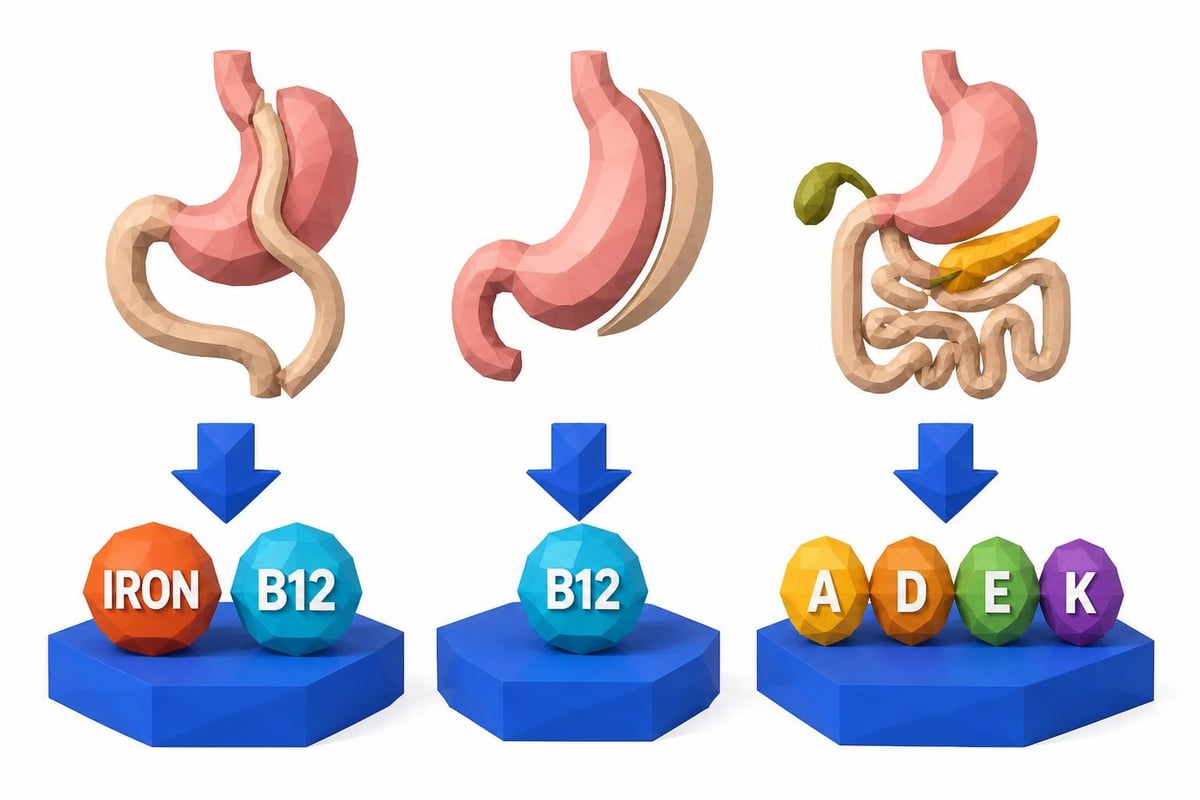
Roux-en-Y Gastric Bypass
This malabsorptive procedure creates the highest risk for deficiencies across all nutrients. The bypassed duodenum and proximal jejunum are primary absorption sites for iron, calcium, vitamin D, and other nutrients.
Enhanced monitoring should include:
- More frequent iron studies (every 3 months for the first two years)
- Calcium and vitamin D every 3-6 months indefinitely
- Annual bone density scanning starting 1-2 years post-surgery
- Thiamine monitoring every 3-6 months, especially if vomiting occurs
Sleeve Gastrectomy
While primarily restrictive rather than malabsorptive, sleeve gastrectomy removes the gastric fundus where intrinsic factor is produced, increasing B12 deficiency risk. Reduced stomach acid also impairs iron absorption.
Standard monitoring protocols apply, with particular attention to B12 and iron status. The lower overall malabsorption risk compared to bypass procedures allows slightly less intensive surveillance in stable patients.
Biliopancreatic Diversion and Duodenal Switch
These highly malabsorptive procedures require the most intensive nutritional monitoring, often including quarterly comprehensive panels indefinitely. Fat-soluble vitamins (A, D, E, K) demand particular attention due to significant fat malabsorption.
Accessing Convenient Laboratory Testing
Traditional barriers to consistent monitoring include insurance requirements, physician visit scheduling, and uncertainty about costs. These obstacles contribute to inadequate surveillance and preventable complications.
Modern lab testing services address these challenges by offering direct-to-consumer access to comprehensive panels. Patients can order appropriate tests online, visit convenient laboratory locations, and receive results quickly without insurance involvement or physician appointments for each test.
This model proves particularly valuable for bariatric patients requiring frequent monitoring. Transparent lab test pricing eliminates surprise bills, while rapid turnaround times ensure timely intervention when deficiencies are detected.
Recommended Panel
Vitamin & Mineral Panel
Save $5This panel tests the most commonly deficient nutrients: Vitamin D, B12, Folate, Iron (with complete iron studies), Ferritin, and Magnesium - the building blocks your body needs to function optimally.
Includes 9 biomarkers
$64
Fasting required
Interpreting Results and Taking Action
Laboratory monitoring only provides value when results guide appropriate interventions. Understanding normal ranges, trends over time, and when to adjust supplementation requires partnership between patients and healthcare providers.
When Results Fall Outside Normal Range
Abnormal laboratory values require systematic evaluation:
- Confirm the finding: repeat unexpected or borderline results before making major changes
- Assess clinical context: consider symptoms, dietary intake, and supplement adherence
- Adjust supplementation: increase doses, change formulations, or add new supplements
- Recheck within 6-12 weeks: verify that interventions are effective
- Consider specialist referral: for persistent deficiencies despite appropriate supplementation
The NICE guidance on post-bariatric care emphasizes that ongoing nutritional monitoring and management represent essential components of long-term follow-up, not optional additions.
Working With Your Healthcare Team
While direct-access testing provides convenience, maintaining communication with your bariatric surgery team remains important. Share laboratory results with your surgeon, dietitian, and primary care provider to ensure coordinated care.
Many patients benefit from establishing care with healthcare providers familiar with bariatric nutrition who can interpret results in context and recommend evidence-based interventions.
Key Takeaways
Regular laboratory monitoring after bariatric surgery prevents serious nutritional deficiencies that can cause irreversible complications. Essential labs to monitor after bariatric surgery include complete blood counts, iron studies, vitamin B12, folate, vitamin D, calcium, PTH, comprehensive metabolic panels, and trace elements like zinc and copper.
Testing frequency should be intensive during the first year post-surgery with quarterly comprehensive panels, transitioning to annual monitoring for stable patients thereafter. Different procedures carry varying risks, with gastric bypass requiring more aggressive surveillance than sleeve gastrectomy.
Access to convenient, affordable laboratory testing removes barriers to consistent monitoring. Direct-to-consumer services enable patients to maintain recommended surveillance schedules without insurance complications or excessive costs.
Interpreting results and adjusting supplementation based on objective laboratory data, rather than relying solely on symptoms or standard vitamin regimens, optimizes long-term health outcomes after bariatric surgery.
Frequently Asked Questions
How soon after bariatric surgery should I have my first lab work done?
Most protocols recommend baseline testing within 2 weeks before surgery or immediately post-operatively, with the first comprehensive follow-up panel at 3 months. Early testing establishes baselines for comparison and catches any rapidly developing deficiencies.
Can I use my health savings account (HSA) or flexible spending account (FSA) for post-bariatric lab monitoring?
Yes, laboratory testing related to medical care, including post-surgical monitoring, typically qualifies for HSA and FSA reimbursement. Keep receipts and documentation showing the medical necessity of testing.
What happens if I skip regular lab monitoring after bariatric surgery?
Skipping labs to monitor after bariatric surgery allows deficiencies to progress undetected until symptoms develop. By that point, some damage may be irreversible, particularly neurological complications from B12 or thiamine deficiency. Regular monitoring catches problems early when simple supplementation adjustments prevent serious issues.
Do I need different lab tests after gastric bypass versus sleeve gastrectomy?
The core monitoring panels remain similar, but gastric bypass patients typically require more frequent testing and closer surveillance of iron, calcium, and fat-soluble vitamins due to higher malabsorption. Your surgical team can provide procedure-specific recommendations.
How much does comprehensive post-bariatric lab monitoring cost without insurance?
Costs vary by location and specific tests ordered, but comprehensive panels typically range from $150-400 when ordered directly through self-pay services. Labs without insurance often cost less than insurance co-pays and deductibles while providing transparent, upfront pricing.
Will my vitamin and mineral needs change over time after bariatric surgery?
Yes, supplementation requirements often increase during rapid weight loss phases and may decrease somewhat after weight stabilizes. However, most patients require lifelong supplementation above standard multivitamin levels. Regular laboratory monitoring guides appropriate dose adjustments over time.
Can I order my own lab tests for post-bariatric monitoring?
Many states allow direct-access laboratory testing without a physician order. Services that enable you to order tests online provide convenient access to the specific panels needed for bariatric surgery follow-up without requiring separate doctor visits for each test.
Consistent laboratory surveillance after bariatric surgery represents the foundation of long-term health and success. By monitoring essential nutritional markers at appropriate intervals and adjusting supplementation based on objective results, you can prevent deficiencies and optimize your post-surgical outcomes. Justlabs makes this critical monitoring accessible and affordable, offering transparent pricing on comprehensive lab panels with results delivered in 1-3 days, helping you stay on track with your post-bariatric care plan without the hassle of insurance or unnecessary doctor visits for routine testing.