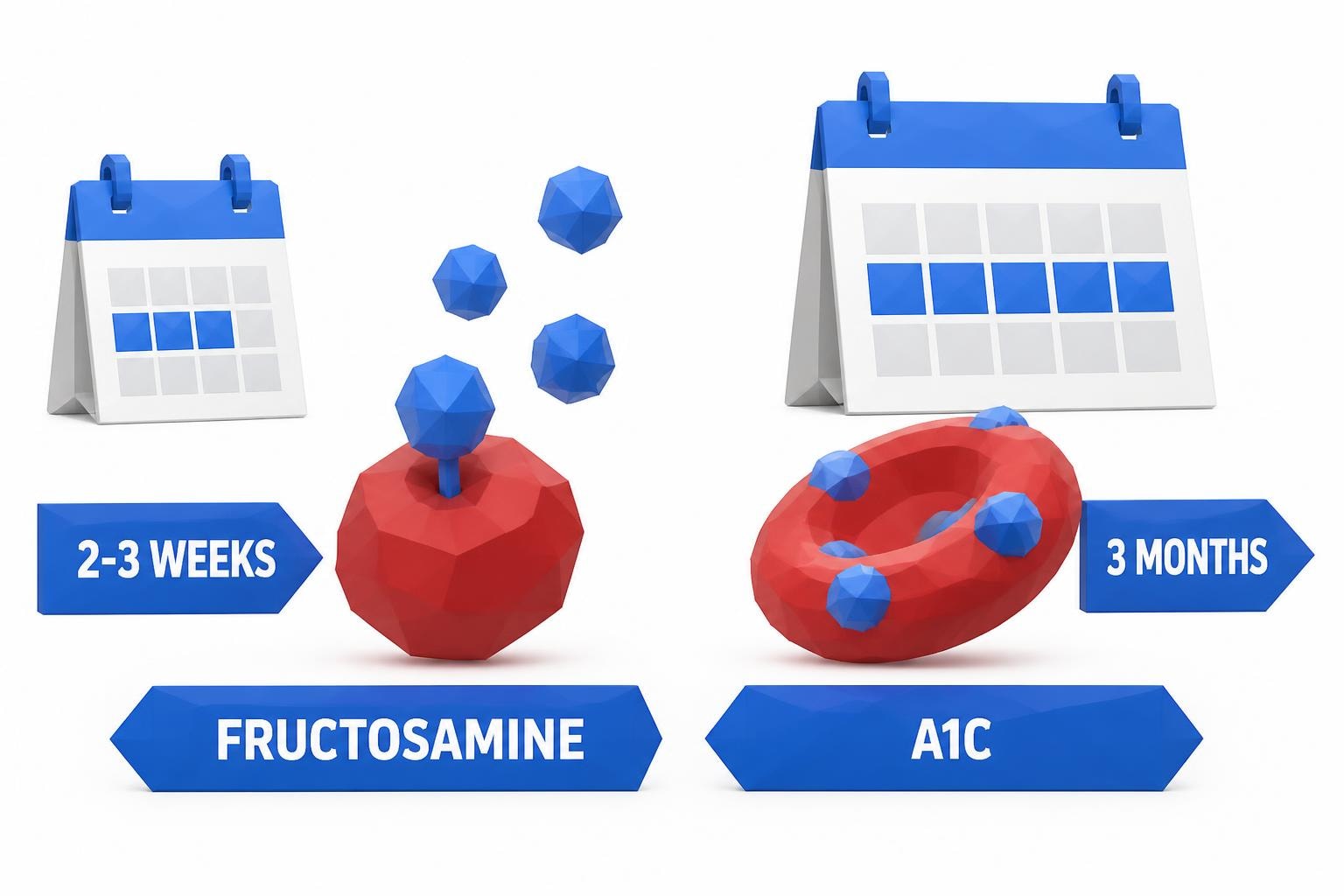
Understanding what is a normal a1c leve is essential for anyone monitoring their blood sugar or assessing their diabetes risk. The A1C test, also known as hemoglobin A1C or HbA1C, measures your average blood glucose levels over the past two to three months. This simple blood test has become the gold standard for both diagnosing diabetes and monitoring how well treatment plans are working. Whether you're getting your first A1C test or tracking your progress, knowing how to interpret your results empowers you to make informed decisions about your health.
Understanding the A1C Test
The A1C test measures the percentage of your red blood cells that have glucose-coated hemoglobin attached to them. When glucose circulates in your bloodstream, it binds to hemoglobin, the protein in red blood cells that carries oxygen throughout your body. The higher your blood sugar levels, the more glucose attaches to your hemoglobin.
Since red blood cells live for approximately three months, the A1C test provides a long-term view of your blood sugar control. This makes it more reliable than daily glucose monitoring, which can fluctuate based on recent meals, stress, or physical activity.
How A1C Testing Works
The testing process is straightforward and requires minimal preparation. A healthcare provider or lab technician draws a small blood sample from your arm, and no fasting is required beforehand. The American Diabetes Association provides detailed guidelines on A1C testing protocols and interpretation.
Unlike daily finger-stick tests that show your blood sugar at a single moment, A1C reveals patterns over time. This comprehensive view helps healthcare providers identify trends and adjust treatment strategies accordingly.

Normal A1C Level Ranges
When people ask what is a normal a1c leve, the answer depends on several factors including overall health status and diabetes risk. The medical community has established clear ranges to categorize A1C results.
Standard A1C Categories
| A1C Range | Category | What It Means |
|---|---|---|
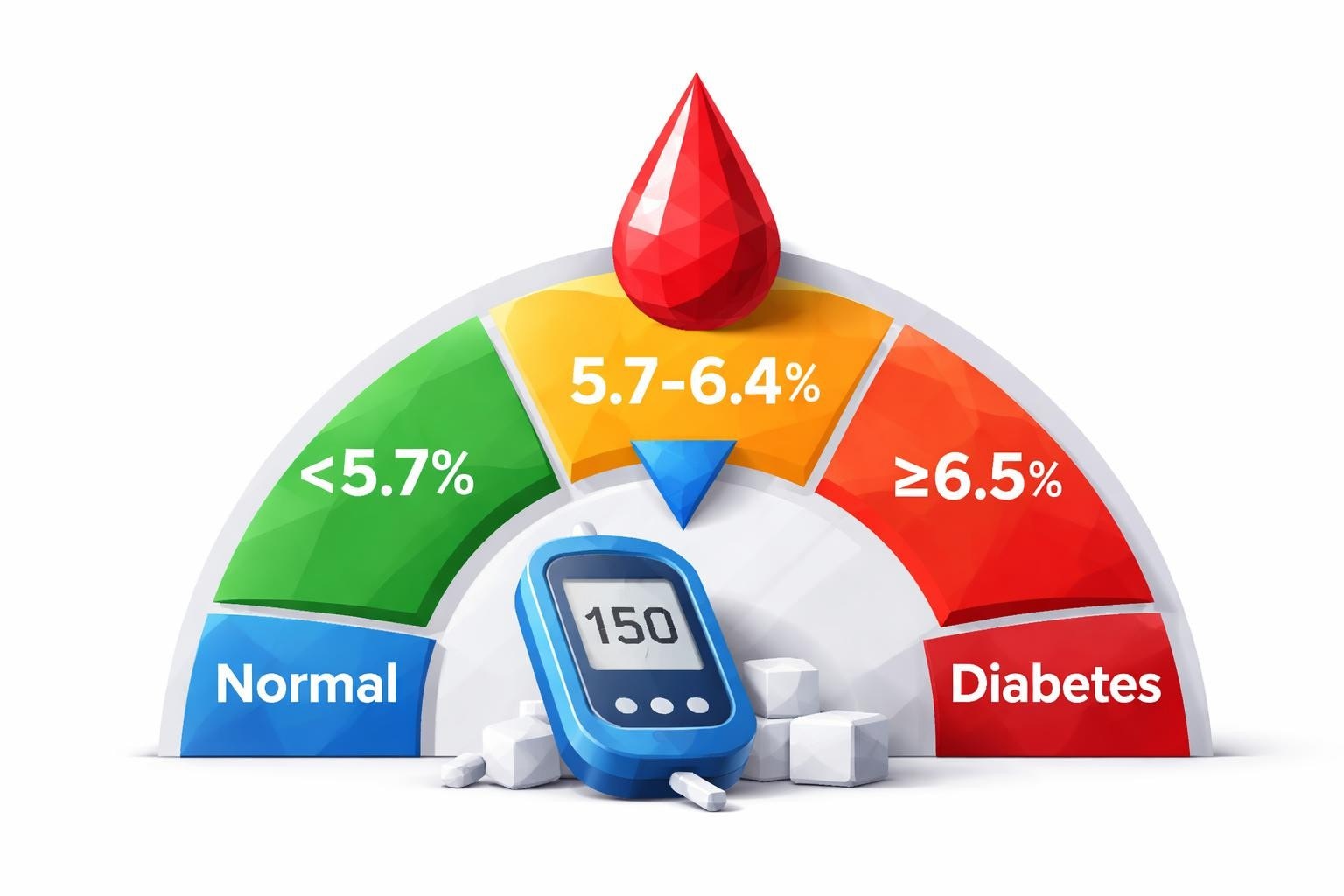
| Below 5.7% | Normal | No diabetes, low risk |
| 5.7% to 6.4% | Prediabetes | Higher risk, intervention recommended |
| 6.5% or above | Diabetes | Diagnosis threshold (requires confirmation) |
Normal Range: An A1C below 5.7% indicates that your blood sugar levels fall within the healthy range. This corresponds to an average blood glucose level of approximately 117 mg/dL or lower.
Prediabetes Range: Results between 5.7% and 6.4% signal prediabetes, a condition where blood sugar is elevated but not yet high enough for a diabetes diagnosis. According to WebMD's comprehensive guide on the glycated hemoglobin test, approximately 96 million American adults have prediabetes.
Recommended Test
Hemoglobin A1c (HbA1c)
The HbA1c test shows your average blood sugar over the past 2-3 months - like a "blood sugar GPA" that reveals your overall glucose control.
Includes 2 biomarkers
$7
Diabetes Range: An A1C of 6.5% or higher on two separate tests indicates diabetes. This threshold represents an average blood glucose level of 140 mg/dL or higher over the past three months.
Individual Target Variations
While these ranges provide general guidelines, individual targets may vary. Healthcare providers often customize A1C goals based on:
- Age and life expectancy
- Presence of other medical conditions
- Risk of hypoglycemia (dangerously low blood sugar)
- Duration of diabetes
- Individual treatment preferences
For many people with diabetes, the target A1C is below 7%. However, more stringent goals (such as 6.5% or lower) might be appropriate for younger individuals without complications, while less strict targets (7.5% to 8%) may be safer for older adults or those with severe hypoglycemia risk.
Converting A1C to Average Blood Glucose
Understanding what is a normal a1c leve becomes clearer when you see how A1C percentages translate to daily blood sugar numbers. Each A1C percentage corresponds to an estimated average glucose (eAG) level.
A1C to eAG Conversion Table
| A1C (%) | eAG (mg/dL) | Status |
|---|---|---|
| 5.0% | 97 | Normal |
| 5.7% | 117 | Normal upper limit |
| 6.0% | 126 | Prediabetes |
| 6.5% | 140 | Diabetes threshold |
| 7.0% | 154 | Common treatment target |
| 8.0% | 183 | Needs improvement |
| 9.0% | 212 | Requires intervention |
This conversion helps bridge the gap between the A1C test and daily glucose monitoring. If your A1C is 7%, your average blood glucose over the past three months has been approximately 154 mg/dL, regardless of the individual daily fluctuations you might have experienced.
Factors That Affect A1C Results
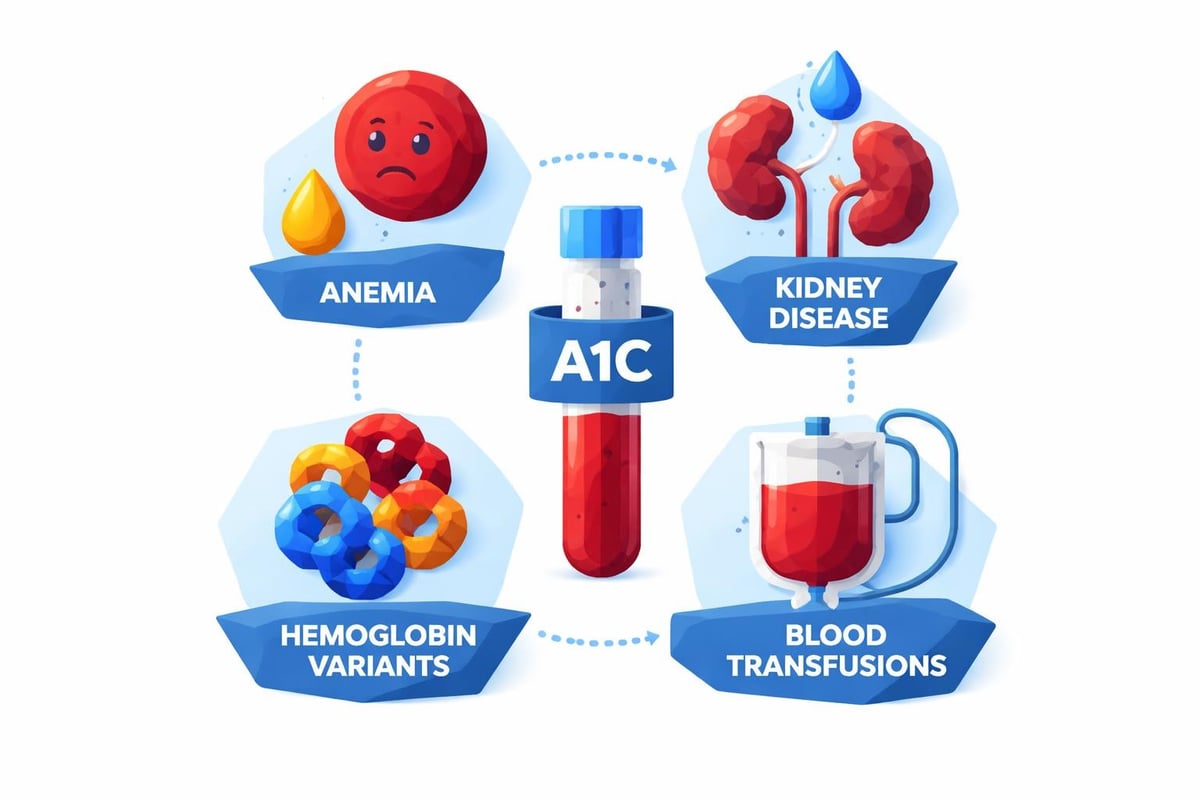
Several conditions and situations can influence A1C test accuracy. Understanding these factors ensures you interpret your results correctly when determining what is a normal a1c leve for your specific situation.
Medical Conditions Affecting Results
Anemia and Blood Disorders: Conditions that affect red blood cell turnover can skew A1C results. Iron deficiency anemia may falsely elevate A1C levels, while conditions causing rapid red blood cell turnover (like hemolytic anemia) may lower them.
Kidney Disease: Chronic kidney disease can affect A1C accuracy, sometimes showing falsely low or high results depending on the stage and associated complications.
Recent Blood Loss or Transfusion: Significant blood loss or transfusions introduce younger red blood cells that haven't been exposed to glucose for three months, potentially lowering A1C results artificially.
Hemoglobin Variants
Some people have genetic variations in their hemoglobin structure. According to research on glycated hemoglobin, certain hemoglobin variants can interfere with specific A1C testing methods, though modern laboratory techniques account for most common variants.
When to Get Tested
Knowing when to check your A1C helps you stay proactive about your health. Testing frequency depends on your current health status and risk factors.
Testing Recommendations by Category
For People Without Diabetes:
- Adults age 45 and older: Every three years
- Adults with overweight/obesity and additional risk factors: Every three years or as recommended
- Anyone with prediabetes: Annually or as advised by healthcare provider
For People with Diabetes:
- Well-controlled diabetes meeting treatment goals: Twice yearly
- Recently changed treatment or not meeting goals: Quarterly
- Pregnant women with pre-existing diabetes: More frequently as directed
Risk Factors Requiring Earlier Testing
You should consider A1C testing before age 45 if you have risk factors including:
- Family history of type 2 diabetes
- Physical inactivity
- High blood pressure (140/90 mmHg or higher)
- HDL cholesterol below 35 mg/dL or triglycerides above 250 mg/dL
- Polycystic ovary syndrome (PCOS)
- History of gestational diabetes
- Cardiovascular disease
Many people wonder what is a normal a1c leve when they have these risk factors. Even if your A1C falls in the normal range, having multiple risk factors warrants more frequent monitoring.
What High A1C Levels Mean
An elevated A1C indicates that glucose has been consistently high in your bloodstream, which requires attention and usually lifestyle changes or medical intervention.
Short-Term Implications
High blood sugar levels can cause immediate symptoms such as:
- Increased thirst and frequent urination
- Fatigue and weakness
- Blurred vision
- Slow-healing wounds
- Frequent infections
Long-Term Health Risks
Persistently elevated A1C levels increase the risk of serious complications:
Cardiovascular Disease: High blood sugar damages blood vessels and increases heart attack and stroke risk. Studies show that each 1% increase in A1C above normal raises cardiovascular risk significantly.
Nerve Damage (Neuropathy): Elevated glucose levels can damage nerves throughout your body, particularly in your feet and hands, causing pain, tingling, or loss of sensation.
Kidney Disease: High A1C levels strain the kidneys' filtering system, potentially leading to chronic kidney disease or kidney failure over time.
Eye Damage (Retinopathy): Diabetes-related eye complications can lead to vision loss or blindness if left untreated.
Foot Problems: Nerve damage combined with poor circulation increases the risk of serious foot infections and complications.
Lowering Your A1C Level
If your test reveals what is not a normal a1c leve, you can take concrete steps to bring your numbers down. Most people can reduce their A1C by 1-2% through dedicated lifestyle changes.
Dietary Strategies
Reduce Refined Carbohydrates: Limiting white bread, sugary drinks, and processed foods helps stabilize blood sugar throughout the day.
Increase Fiber Intake: Foods high in fiber slow glucose absorption. Aim for:
- Vegetables (especially non-starchy varieties)
- Whole grains
- Legumes
- Nuts and seeds
- Berries and other low-glycemic fruits
Watch Portion Sizes: Even healthy carbohydrates can raise blood sugar if consumed in large quantities. Learning appropriate portion sizes helps maintain steady glucose levels.
Time Your Meals Consistently: Eating at regular intervals prevents blood sugar spikes and crashes.
Physical Activity Guidelines
Exercise helps your body use insulin more effectively and lowers blood glucose levels. The National Institute of Diabetes and Digestive and Kidney Diseases recommends at least 150 minutes of moderate-intensity aerobic activity weekly.
Effective Exercise Types:
- Brisk walking
- Swimming
- Cycling
- Dancing
- Resistance training
Even short 10-15 minute walks after meals can significantly impact your average blood sugar levels over time.

Medication Options
When lifestyle changes alone don't achieve target A1C levels, medications become necessary. Your healthcare provider might prescribe:
- Metformin: Usually the first medication for type 2 diabetes
- Insulin: May be necessary for type 1 diabetes or advanced type 2 diabetes
- GLP-1 receptor agonists: Injectable medications that help control blood sugar and may promote weight loss
- SGLT2 inhibitors: Pills that help kidneys remove excess glucose through urine
- DPP-4 inhibitors: Medications that help the body produce more insulin when needed
Stress Management and Sleep
Chronic stress and poor sleep quality can raise blood sugar levels. Managing stress through meditation, yoga, or counseling, and prioritizing 7-9 hours of quality sleep nightly supports better A1C control.
A1C Testing Limitations
While A1C provides valuable information, it's not perfect. Understanding its limitations helps you get the complete picture of your blood sugar control.
What A1C Doesn't Show
The A1C test reveals your average blood glucose but doesn't indicate:
- Daily blood sugar fluctuations
- How often you experience highs or lows
- Patterns related to specific foods or activities
- Episodes of hypoglycemia (dangerously low blood sugar)
Someone with an A1C of 7% might have relatively stable blood sugar throughout the day, while another person with the same A1C might experience dramatic swings between very high and very low levels.
Complementary Testing
For comprehensive blood sugar management, consider combining A1C testing with:
- Daily glucose monitoring: Finger-stick tests or continuous glucose monitors (CGM)
- Fasting blood glucose tests: Measures blood sugar after overnight fasting
- Oral glucose tolerance test: Checks how your body processes a standard glucose dose
- Time in range metrics: For those using CGM, shows percentage of time glucose stays in target range
Getting lab tests conveniently is easier than ever. You can explore available tests without needing insurance or a doctor's referral.
Prediabetes: A Critical Warning
When discussing what is a normal a1c leve, the prediabetes range (5.7% to 6.4%) deserves special attention. This condition affects nearly one in three American adults, yet most don't know they have it.
Why Prediabetes Matters
Prediabetes is reversible. With appropriate lifestyle changes, many people can return their A1C to normal ranges and significantly reduce their diabetes risk. Without intervention, 15-30% of people with prediabetes develop type 2 diabetes within five years.
Evidence-Based Interventions
Research shows that specific programs can reduce diabetes risk by up to 58%:
- Losing 5-7% of body weight if overweight
- Engaging in 150 minutes of moderate physical activity weekly
- Following a structured nutrition plan
- Participating in diabetes prevention programs
- Regular monitoring and follow-up testing
Early detection through A1C testing provides the opportunity to take action before diabetes develops.
Recommended Panel
Comprehensive Diabetes Panel
This panel detects diabetes and prediabetes at every stage. Includes lipids because diabetes dramatically increases heart disease risk.
Includes 10 biomarkers
$35
Fasting required
Special Populations and A1C
Different groups may have unique considerations when interpreting what is a normal a1c leve for their circumstances.
Pregnancy and A1C
Pregnant women metabolize glucose differently, and A1C targets are typically lower during pregnancy. Healthcare providers often rely more heavily on daily glucose monitoring rather than A1C alone during pregnancy.
Women with gestational diabetes should have A1C testing 6-12 weeks after delivery and every 1-3 years thereafter, as they face increased risk of developing type 2 diabetes.
Children and Adolescents
A1C testing in children follows similar diagnostic criteria as adults, though management approaches may differ. Growing children with diabetes require careful monitoring to balance blood sugar control with normal growth and development.
Older Adults
For seniors, especially those with limited life expectancy or multiple health conditions, A1C targets may be less stringent. The focus often shifts from preventing long-term complications to avoiding hypoglycemia and maintaining quality of life.
Getting Your A1C Tested
Access to A1C testing has expanded significantly, making it easier to monitor your health proactively. Understanding your options helps you choose the most convenient and affordable approach.
Testing Options
Traditional Healthcare Settings: Your primary care physician can order A1C testing as part of routine care or based on symptoms and risk factors.
Direct-Access Laboratory Testing: Services like Justlabs eliminate the need for a doctor's visit, allowing you to order lab tests directly at transparent prices. Results typically arrive within 1-3 days.
Pharmacy and Retail Clinics: Many pharmacies now offer point-of-care A1C testing with immediate results.
Home Testing Kits: FDA-approved home A1C tests are available, though laboratory testing generally provides more accurate results.
Understanding Your Results
When you receive your A1C results, they should include:
- Your specific A1C percentage
- The corresponding estimated average glucose
- Reference ranges indicating normal, prediabetes, and diabetes thresholds
- Comparison to previous results if applicable
Don't hesitate to discuss your results with a healthcare provider, especially if they fall outside the normal range or show significant changes from previous tests.
Taking Action Based on Your Results
Knowing what is a normal a1c leve is just the first step. Acting on your results determines your long-term health outcomes.
If Your A1C Is Normal
Maintain your healthy habits and continue regular screening based on your age and risk factors. Even with normal results, lifestyle choices matter for long-term health.
If Your A1C Shows Prediabetes
This is your wake-up call and opportunity to prevent diabetes. Schedule a follow-up with a healthcare provider to:
- Develop a personalized prevention plan
- Set realistic weight loss goals if needed
- Create an exercise routine you can maintain
- Consider diabetes prevention programs
- Schedule annual A1C monitoring
If Your A1C Indicates Diabetes
A diabetes diagnosis requires comprehensive medical care. Your action plan should include:
- Consultation with an endocrinologist or diabetes specialist
- Creation of a diabetes management plan
- Medication evaluation if needed
- Regular A1C monitoring (quarterly initially)
- Education about diabetes complications and prevention
- Connection with diabetes support resources
The NIDDK's guide to the A1C test provide additional guidance for interpreting results and next steps.
The Role of Regular Monitoring
Consistent A1C testing creates a roadmap of your blood sugar control over time. This longitudinal view helps identify trends, measure intervention effectiveness, and motivate continued healthy behaviors.
Tracking Progress
Keep a personal health record that includes:
- All A1C results with dates
- Associated estimated average glucose levels
- Lifestyle changes implemented between tests
- Medications and dosage changes
- Notes about how you felt during each testing period
This information helps you and your healthcare provider make informed decisions about your treatment plan.
Setting Realistic Expectations
A1C levels don't change overnight. Most interventions require 2-3 months to show measurable impact on A1C results. Set incremental goals, celebrate small improvements, and maintain patience with the process.
Understanding what is a normal a1c leve empowers you to take control of your metabolic health and make informed decisions about testing and treatment. Whether your results fall in the normal range or indicate a need for intervention, regular monitoring provides the information necessary for optimal health management. If you're ready to check your A1C without the hassle of insurance paperwork or doctor's appointments, Justlabs offers convenient, affordable testing with fast results delivered directly to you.