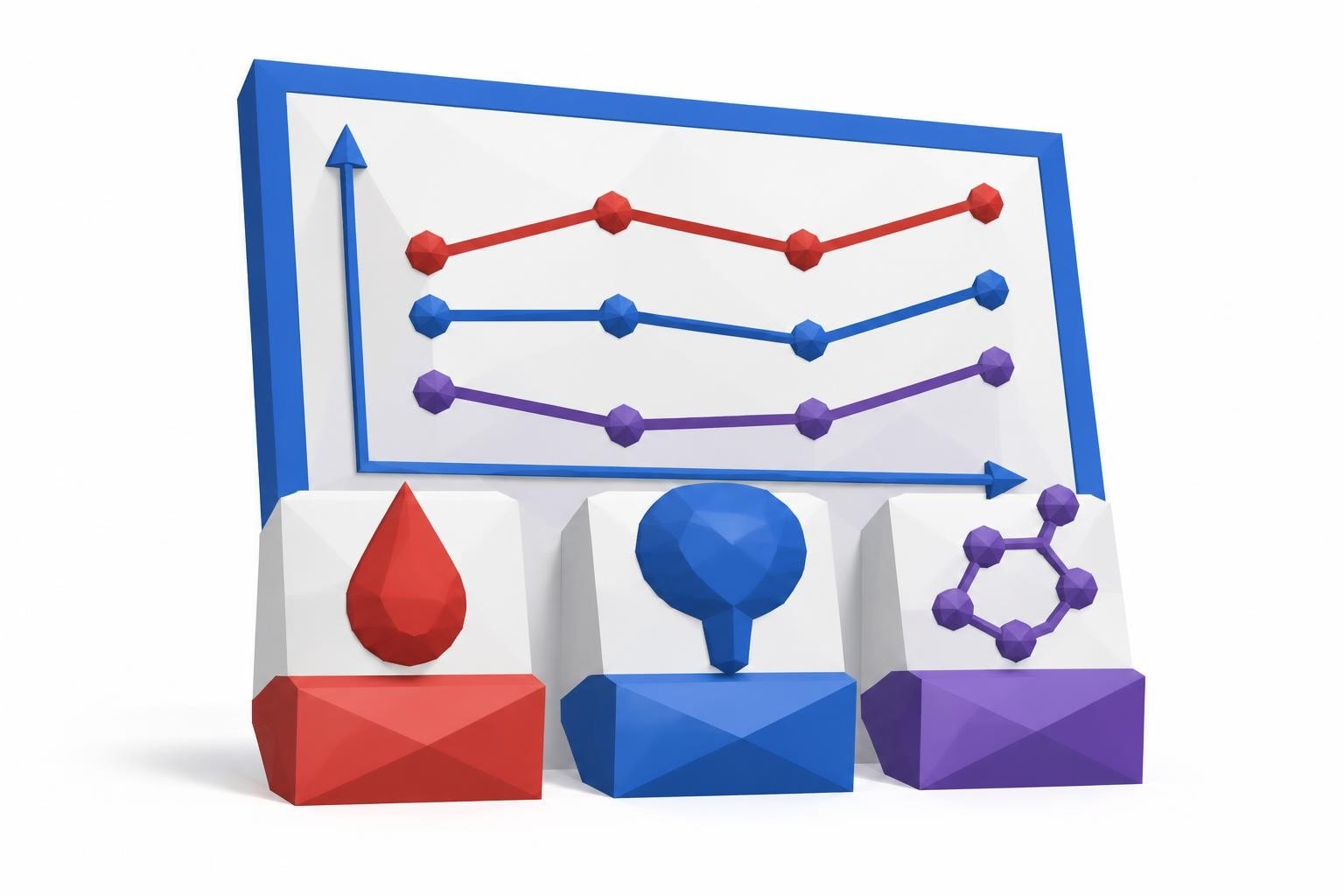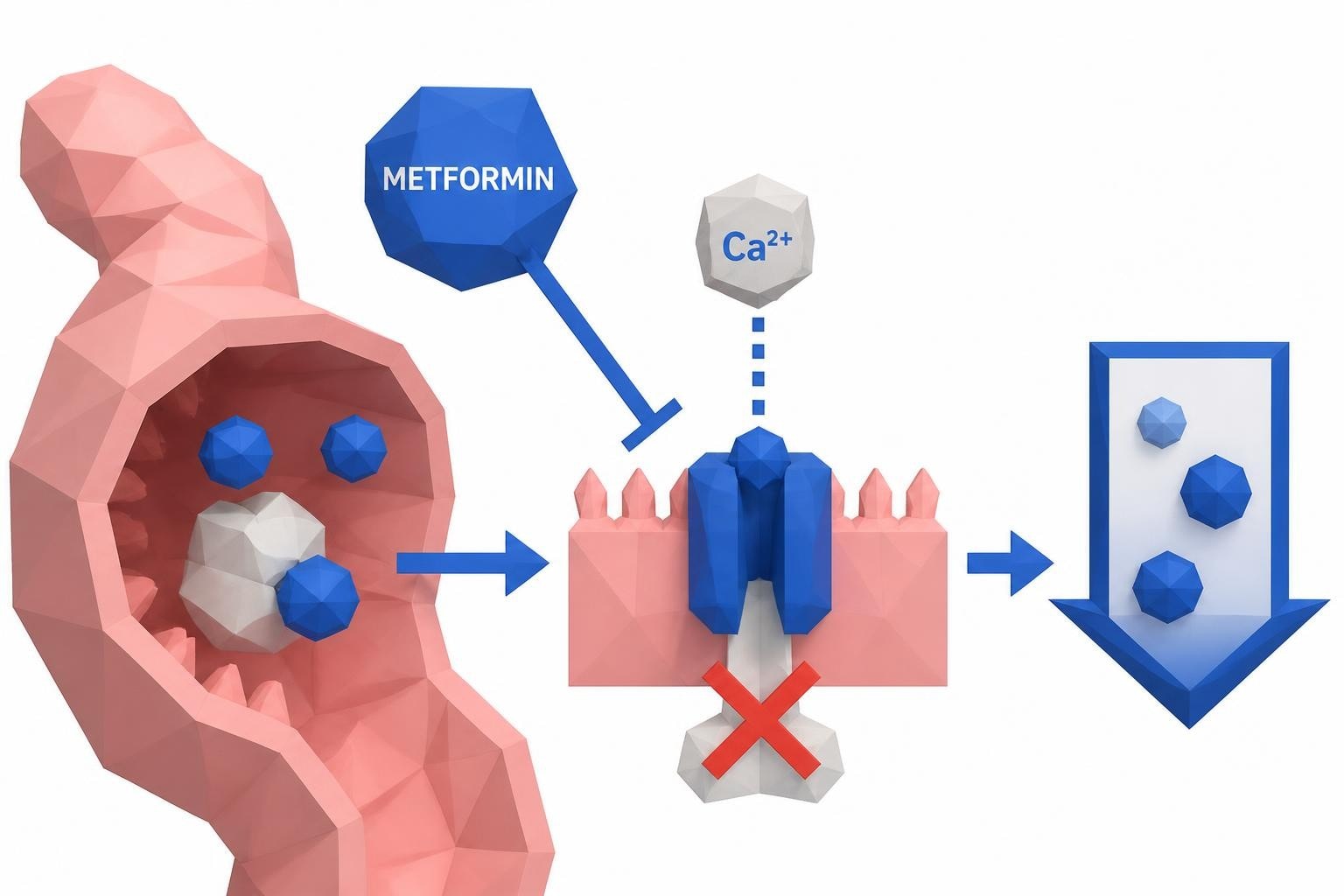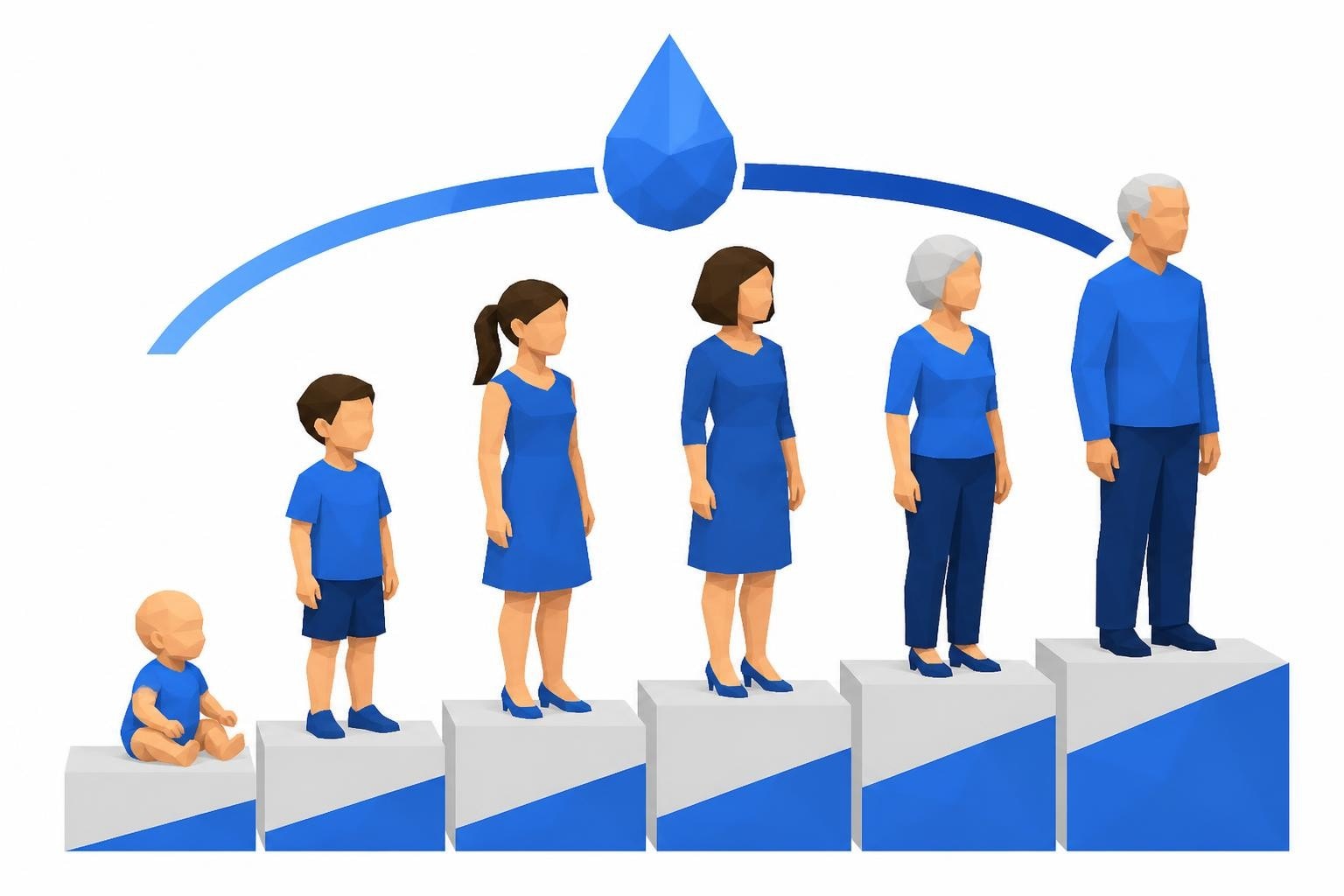
Ferritin is a protein that stores iron in your body, making ferritin blood tests one of the most reliable ways to assess your iron status. Understanding normal ferritin levels by age and sex is essential because these values change significantly throughout life due to hormonal shifts, growth demands, menstruation, pregnancy, and metabolic changes associated with aging. Whether you're experiencing fatigue, investigating anemia, or monitoring chronic conditions, knowing what ferritin levels are appropriate for your demographic helps you and your healthcare provider interpret test results accurately.
Big picture
- Ferritin measures your iron stores, not just circulating iron, making it the gold standard for detecting both iron deficiency and iron overload conditions
- Normal ranges vary dramatically by biological sex and age, with premenopausal women typically having lower levels than men due to menstrual blood loss
- Children and infants have different thresholds because rapid growth increases iron demands, while elderly adults often show higher baseline ferritin due to inflammation and metabolic changes
- Low ferritin indicates depleted iron stores even before anemia develops, while elevated levels can signal inflammation, infection, metabolic syndrome, or iron-loading disorders
- Testing your ferritin level without waiting for a doctor's appointment gives you actionable information about your iron status, especially if you're experiencing unexplained fatigue or have risk factors for deficiency
- Getting tested is straightforward: order lab tests online through services that provide transparent pricing and rapid results
Understanding Ferritin and Why Age and Sex Matter
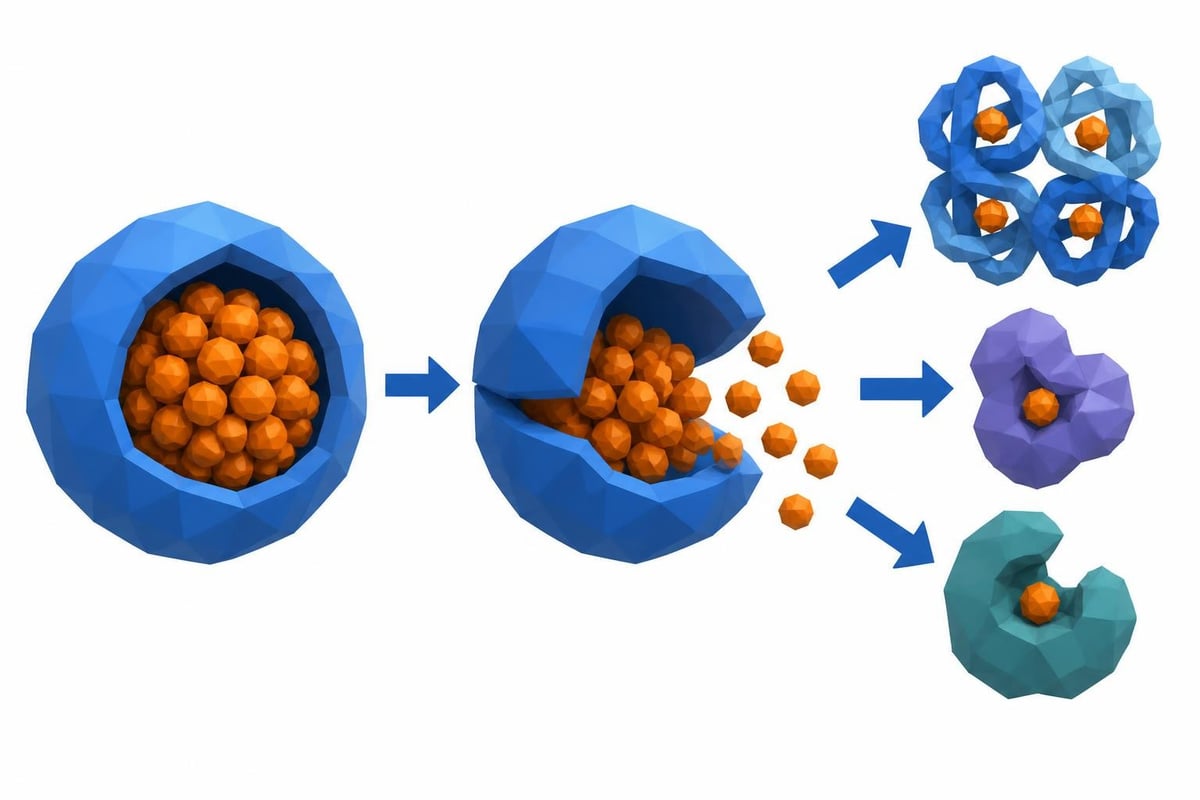
Ferritin functions as your body's iron storage depot. Each ferritin molecule can hold up to 4,500 iron atoms, releasing them when your body needs to produce hemoglobin, myoglobin, and other iron-dependent proteins. When healthcare providers want to assess iron status comprehensively, measuring ferritin levels by age and sex provides far more insight than checking hemoglobin or serum iron alone.
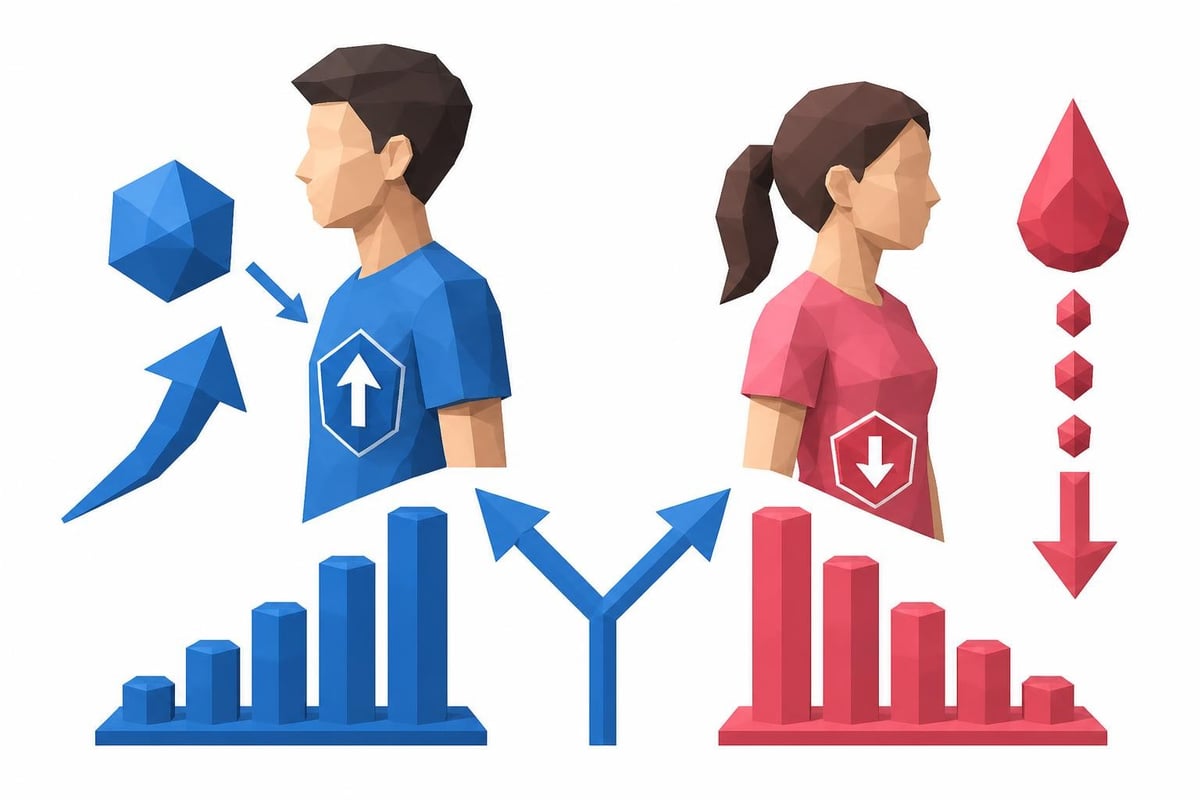
Biological sex creates one of the most significant variables in ferritin interpretation. Premenopausal women lose approximately 30-40 mg of iron annually through menstruation, resulting in lower ferritin stores compared to men of the same age. This gap narrows substantially after menopause when monthly blood loss stops. Men and postmenopausal women accumulate iron more readily, which is why their reference ranges shift upward.
Age influences ferritin in multiple ways. Infants are born with iron stores from maternal transfer but deplete these reserves quickly during rapid growth phases. Adolescents experience increased iron demands during puberty, with girls facing the additional challenge of menstruation. Older adults often show elevated ferritin not from excess iron but from chronic low-grade inflammation that accompanies aging.
Ferritin Levels by Age and Sex: Reference Ranges
The following table shows typical ferritin reference ranges across different demographics. These values represent general guidelines, and specific laboratories may use slightly different cutoffs based on their testing methodology and population data.
| Age Group | Male Range (ng/mL) | Female Range (ng/mL) |
|---|---|---|
| Newborns (0-1 month) | 25-200 | 25-200 |
| Infants (2-5 months) | 50-200 | 50-200 |
| Children (6 months-15 years) | 7-140 | 7-140 |
| Adults (15-40 years) | 30-400 | 15-150 |
| Adults (40-60 years) | 30-400 | 15-200 |
| Adults (60+ years) | 40-500 | 20-300 |
Infants and Young Children
Newborns typically have elevated ferritin levels reflecting iron stores transferred from their mothers during the third trimester. These levels decline during the first year as growth accelerates and dietary iron becomes the primary source. By six months, exclusively breastfed infants may develop low ferritin if iron-rich complementary foods aren't introduced.
Children from six months through adolescence show relatively stable ferritin ranges, though individual needs vary based on growth rate, diet, and overall health. The WHO recommendations on ferritin concentrations emphasize that ferritin below 12 ng/mL in children under five years indicates depleted iron stores requiring intervention.
Parents concerned about their child's iron status can access testing through convenient lab testing services that eliminate the need for insurance authorization or extended wait times for pediatric appointments.
Adolescents and Young Adults
Puberty creates divergent ferritin trajectories for males and females. Teenage boys experience rising ferritin levels as testosterone stimulates red blood cell production and muscle mass increases. Teenage girls, however, face declining ferritin once menstruation begins, with average monthly losses of 20-40 mg of iron.
Young women aged 15-40 commonly present with ferritin levels between 15-50 ng/mL, which, while technically within the reference range, may still cause symptoms like fatigue, hair loss, and exercise intolerance. The American Society of Hematology notes that functional iron deficiency can occur even when ferritin exceeds the traditional deficiency threshold of 15 ng/mL, particularly in individuals with high iron demands.
Athletes, vegetarians, and women with heavy menstrual periods represent high-risk groups during these years. Regular monitoring helps catch declining trends before they progress to iron deficiency anemia.
Middle Age and Hormonal Transitions
For women, perimenopause and menopause mark significant shifts in ferritin levels by age and sex patterns. As menstrual cycles become irregular and eventually cease, iron losses decrease dramatically. Many women see their ferritin levels rise from the 20-50 ng/mL range to 50-150 ng/mL or higher within a few years of their final period.
Men in their 40s and 50s typically maintain stable ferritin levels unless underlying conditions develop. However, this is the age when metabolic syndrome, fatty liver disease, and inflammatory conditions become more prevalent. The Nature Reviews Endocrinology consensus on metabolic hyperferritinaemia discusses how these metabolic conditions can elevate ferritin independent of true iron overload, complicating interpretation.
When Elevated Ferritin Isn't Iron Overload
Not all high ferritin indicates excessive iron storage. Ferritin is an acute-phase reactant, meaning inflammation, infection, liver disease, alcohol consumption, and certain cancers can raise levels significantly. When evaluating ferritin levels by age and sex in middle-aged and older adults, clinicians often measure additional markers like transferrin saturation and C-reactive protein to distinguish true iron overload from inflammation-driven elevation.
Older Adults and Aging
Adults over 60 often show higher ferritin ranges than younger demographics. This reflects multiple factors:
- Chronic inflammation: Age-related inflammatory processes elevate ferritin even without iron accumulation
- Reduced iron utilization: Decreased red blood cell turnover means less iron gets incorporated into hemoglobin
- Metabolic changes: Insulin resistance and fatty liver become more common with age, both associated with higher ferritin
- Medication effects: Many medications taken by older adults influence iron metabolism
Women's ferritin levels often approach or match men's ranges after several years of menopause. A 70-year-old woman might have a ferritin of 150-200 ng/mL, which would have been unusually high during her reproductive years but is now entirely normal.
Despite generally higher ferritin, older adults aren't immune to iron deficiency. Gastrointestinal blood loss from medications like aspirin or NSAIDs, poor dietary intake, and absorption issues can still deplete iron stores. This makes periodic testing valuable for this demographic.
| Age 60+ Consideration | Impact on Ferritin |
|---|---|
| Chronic inflammation | Raises ferritin 50-200 ng/mL above baseline |
| Metabolic syndrome | Commonly shows ferritin 200-500 ng/mL |
| GI bleeding | Can lower ferritin despite older age |
| Reduced absorption | May prevent replenishment of stores |
What Low Ferritin Means Across Demographics
Iron deficiency progresses through stages, with falling ferritin as the earliest marker. Understanding ferritin levels by age and sex helps identify deficiency at different life stages:
Premenopausal women with ferritin below 15 ng/mL have depleted iron stores. However, many functional medicine practitioners consider levels below 30 ng/mL suboptimal for this group, particularly for those experiencing fatigue, restless legs, or hair loss.
Men and postmenopausal women with ferritin below 30 ng/mL warrant investigation for underlying blood loss, as they shouldn't be depleting iron stores without an identifiable cause. Common culprits include gastrointestinal bleeding from ulcers, gastritis, polyps, or malignancy.
Children showing ferritin below 12 ng/mL need iron supplementation and dietary counseling. Untreated iron deficiency during critical developmental periods can affect cognitive development and growth.
Athletes of any age may require higher ferritin levels (50-100 ng/mL) for optimal performance, as intense training increases iron demands through multiple mechanisms including increased red blood cell production, muscle development, and microscopic GI bleeding.
For anyone concerned about low iron stores, accessing affordable lab testing without insurance makes it easy to check levels and monitor response to treatment.
What High Ferritin Indicates
Elevated ferritin requires context. A healthy 25-year-old man with ferritin of 450 ng/mL needs evaluation for hemochromatosis, while a 65-year-old with metabolic syndrome and the same level may simply reflect his metabolic state.
Primary Iron Overload
Hereditary hemochromatosis causes excessive iron absorption and storage. Men typically develop symptoms earlier than women because women's menstrual losses provide partial protection until menopause. Ferritin often exceeds 1,000 ng/mL in untreated cases, accompanied by high transferrin saturation.
Secondary Causes of Elevated Ferritin
- Inflammation and infection: Acute or chronic inflammatory conditions
- Liver disease: Hepatitis, cirrhosis, fatty liver disease
- Metabolic syndrome: Insulin resistance, obesity, type 2 diabetes
- Alcohol consumption: Both acute and chronic intake raises ferritin
- Malignancy: Some cancers release ferritin or cause inflammation
- Repeated transfusions: Each unit of blood delivers substantial iron
Testing Your Ferritin Levels
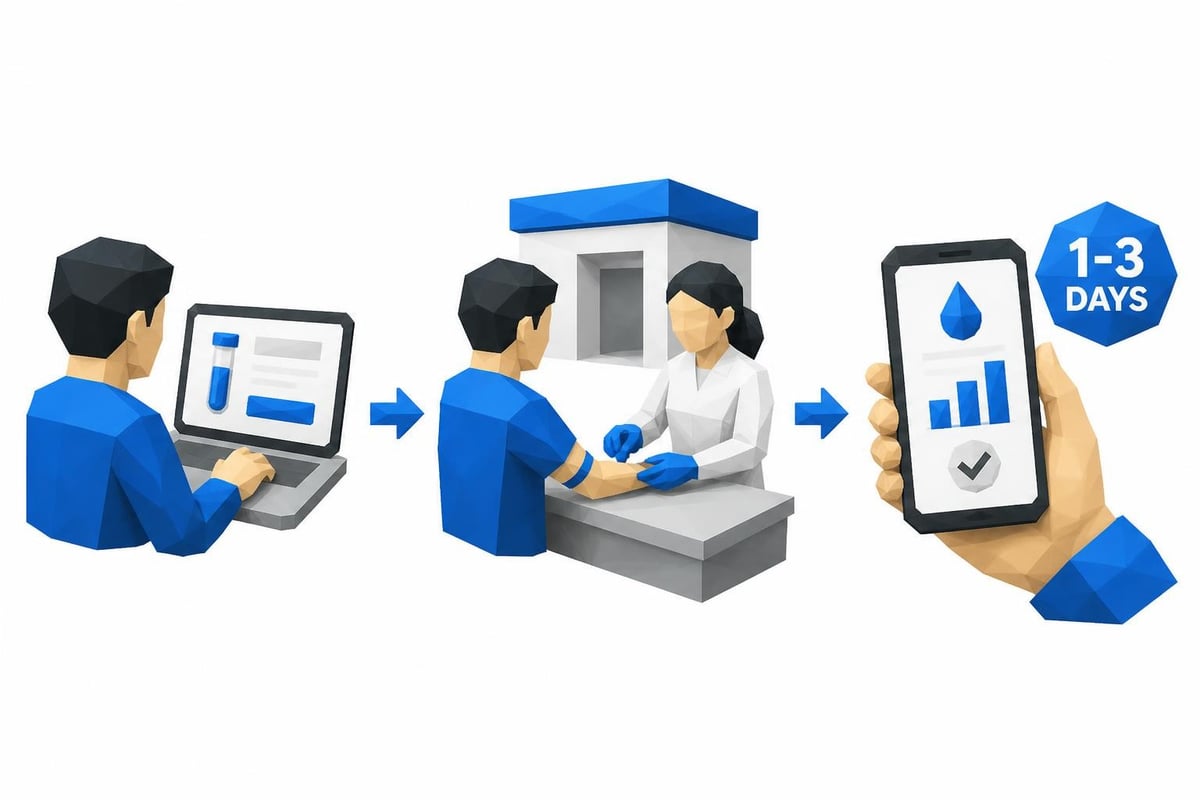
Traditional healthcare pathways often require scheduling a doctor's appointment, obtaining a lab order, and waiting days or weeks for results. Modern lab testing services streamline this process by allowing you to order tests directly, visit a nearby collection facility, and receive results within 1-3 days.
Testing ferritin is particularly valuable if you experience:
- Persistent fatigue unresponsive to sleep
- Hair thinning or loss
- Restless leg syndrome
- Frequent infections
- Difficulty concentrating or brain fog
- Known risk factors for deficiency or overload
When to Retest
After starting iron supplementation for deficiency, retest ferritin after 8-12 weeks to assess response. For monitoring iron overload conditions, frequency depends on treatment intensity and clinical goals. Annual screening makes sense for individuals with risk factors like family history of hemochromatosis or metabolic syndrome.
Interpreting Results in Clinical Context
No single ferritin value tells the complete story. Clinicians interpret ferritin levels by age and sex alongside:
- Complete blood count: Hemoglobin, hematocrit, and red blood cell indices
- Iron studies: Serum iron, transferrin, and transferrin saturation
- Inflammatory markers: C-reactive protein or erythrocyte sedimentation rate
- Liver function tests: Since liver disease affects ferritin
- Medical history: Symptoms, diet, medications, and family history
A woman with ferritin of 10 ng/mL and microcytic anemia clearly has iron deficiency anemia. However, a man with ferritin of 400 ng/mL needs further evaluation to determine if this represents normal variation, metabolic hyperferritinaemia, or true iron overload.
Special Populations and Considerations
Pregnancy
Pregnant women have unique iron needs. Ferritin typically declines during pregnancy as maternal iron supports fetal development and increases maternal blood volume. Values below 15 ng/mL indicate deficiency requiring supplementation, while many experts recommend maintaining ferritin above 30 ng/mL for optimal maternal and fetal outcomes.
Vegetarians and Vegans
Plant-based diets contain non-heme iron, which is less bioavailable than heme iron from animal products. Vegetarians and vegans of all ages tend toward lower ferritin levels and should monitor their status regularly. Pairing iron-rich plant foods with vitamin C enhances absorption.
Athletes and Active Individuals
Exercise increases iron demands through multiple pathways. Endurance athletes, particularly female runners, commonly develop low ferritin even with adequate hemoglobin. Maintaining ferritin above 50 ng/mL often improves performance and recovery.
For athletes seeking to optimize their health metrics, comprehensive panels that include ferritin alongside other nutritional markers provide valuable insights. You can explore options through transparent lab test pricing that makes routine monitoring affordable.
Optimizing Your Ferritin Level
Once you understand where your ferritin falls within the ranges for your age and sex, you can take targeted action.
For Low Ferritin
Dietary approaches:
- Increase heme iron sources: red meat, poultry, fish
- Include non-heme iron foods: legumes, fortified cereals, dark leafy greens
- Pair iron-rich foods with vitamin C sources
- Avoid tea and coffee with iron-rich meals (tannins inhibit absorption)
- Consider cast-iron cookware for cooking acidic foods
Supplementation:
- Work with a healthcare provider to determine appropriate dosing
- Take iron supplements on an empty stomach if tolerated
- Expect GI side effects; slow-release formulations may help
- Monitor ferritin every 8-12 weeks until replenished
For High Ferritin
If due to iron overload:
- Therapeutic phlebotomy removes excess iron
- Avoid iron supplements and highly fortified foods
- Limit vitamin C supplements (enhances iron absorption)
- Moderate alcohol consumption
If due to inflammation or metabolic factors:
- Address underlying conditions (metabolic syndrome, liver disease)
- Weight loss and exercise often reduce metabolic ferritin elevation
- Anti-inflammatory dietary patterns may help
- Regular monitoring ensures levels don't continue rising
Key Takeaways
Understanding ferritin levels by age and sex empowers you to interpret your results accurately and take appropriate action. Remember that reference ranges are guidelines, not absolute thresholds, and optimal levels depend on individual circumstances including activity level, health status, and symptoms. Women of childbearing age typically maintain lower ferritin than men due to menstrual losses, while postmenopausal women's levels often rise to match men's ranges. Both deficiency and overload carry health consequences, making periodic testing valuable across all life stages. When results fall outside normal ranges or you experience unexplained symptoms, follow up with appropriate medical evaluation to identify and address underlying causes.
FAQ
What is a normal ferritin level for a 40-year-old woman?
A premenopausal 40-year-old woman typically has ferritin levels between 15-150 ng/mL, though many functional medicine practitioners consider 30-50 ng/mL optimal for preventing symptoms like fatigue and hair loss. Postmenopausal women at 40 (rare but possible with premature menopause) may show higher levels approaching 15-200 ng/mL as they no longer experience monthly iron losses.
How do ferritin levels differ between men and women?
Men maintain higher ferritin levels than premenopausal women throughout adulthood, typically 30-400 ng/mL versus 15-150 ng/mL, because women lose iron through menstruation. After menopause, women's ferritin levels gradually rise and often approach male ranges within several years of their final period, as they no longer experience monthly blood loss.
At what ferritin level should I be concerned?
Ferritin below 15 ng/mL indicates depleted iron stores requiring treatment, while levels below 30 ng/mL may cause symptoms in some individuals despite being technically "normal." Ferritin above 300 ng/mL in premenopausal women or above 400-500 ng/mL in men or postmenopausal women warrants investigation for iron overload, inflammation, liver disease, or metabolic conditions.
Do ferritin levels increase with age?
Yes, ferritin levels generally trend upward with age due to chronic low-grade inflammation, reduced iron utilization, metabolic changes, and (in women) cessation of menstruation. Adults over 60 commonly show ferritin 50-100 ng/mL higher than their levels at age 30-40, though this varies significantly based on individual health status and concurrent medical conditions.
Can I test my ferritin level without a doctor's order?
Yes, direct-access lab testing services allow you to order ferritin tests without a doctor's visit or prescription. These services provide transparent pricing, convenient collection sites, and results typically within 1-3 days, making it easy to monitor your iron status proactively or follow up on concerning symptoms without waiting for appointments.
What causes high ferritin besides iron overload?
Inflammation from infection, chronic disease, or autoimmune conditions frequently elevates ferritin as it acts as an acute-phase reactant. Liver disease, alcohol consumption, metabolic syndrome, obesity, certain cancers, and some medications also raise ferritin levels independent of iron stores, which is why additional testing helps distinguish true iron overload from these secondary causes.
How often should I check my ferritin?
Testing frequency depends on your situation: annually for general wellness monitoring, every 8-12 weeks when treating deficiency with supplementation, every 3-6 months when managing iron overload with phlebotomy, and whenever symptoms like unexplained fatigue, hair loss, or exercise intolerance develop regardless of previous results.
Ferritin levels by age and sex provide critical insights into your iron status, with normal ranges varying significantly across life stages and between males and females. Whether you're dealing with low iron stores causing fatigue or elevated levels requiring investigation, understanding your ferritin in context helps guide appropriate next steps. JustLabs makes ferritin testing accessible and affordable with transparent pricing, no insurance requirements, and results in 1-3 days, empowering you to take control of your health monitoring without the hassle of traditional healthcare barriers.