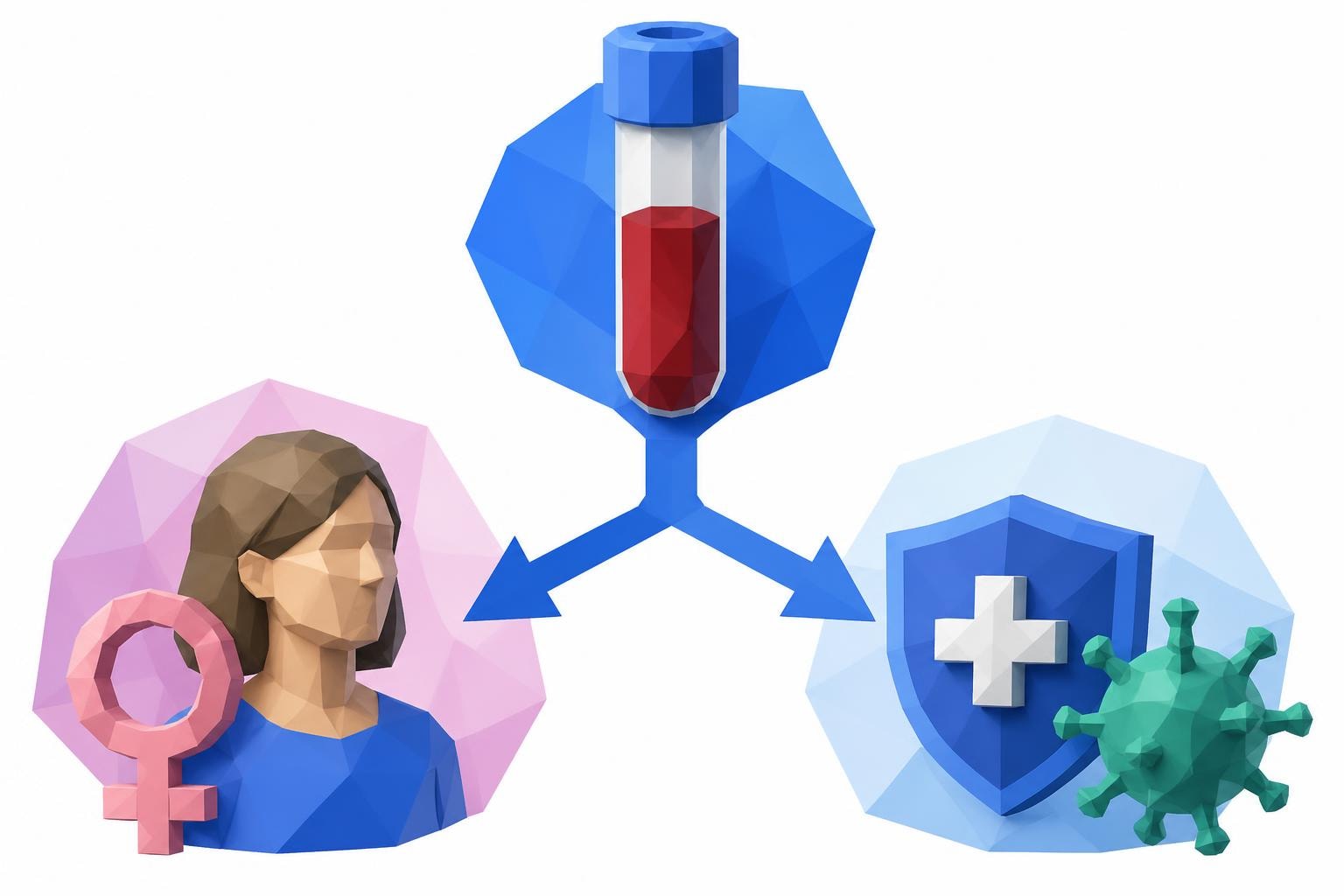
Waking up drenched in sweat night after night can be more than just uncomfortable-it may signal an underlying health condition that requires medical attention. Night sweats and blood tests often go hand in hand in the diagnostic process, as laboratory testing provides crucial insights into what's causing your nocturnal perspiration. While occasional night sweats can result from environmental factors like room temperature or heavy bedding, persistent episodes warrant investigation, particularly when determining whether hormonal changes or infections are the root cause.
Understanding Night Sweats as a Clinical Symptom
Night sweats differ significantly from simply feeling warm during sleep. These episodes involve profuse sweating that can soak through nightclothes and bedding, often requiring changes of clothing or sheets. Medical professionals define true night sweats as repeated episodes of extreme perspiration that occur during sleep, unrelated to an overheated bedroom environment.
The causes of night sweats span a wide spectrum of conditions. Hormonal fluctuations, particularly during perimenopause and menopause, represent one of the most common triggers. Infections, both acute and chronic, frequently manifest with night sweats as the body's immune response elevates core temperature. Other potential causes include medication side effects, thyroid disorders, certain cancers, and autoimmune conditions.
When to Seek Blood Testing
Determining when night sweats require medical investigation depends on several factors. You should consider blood testing if you experience:
- Night sweats persisting for more than two weeks
- Episodes occurring multiple times per week
- Accompanying symptoms like fever, unexplained weight loss, or fatigue
- Sweating severe enough to disrupt sleep quality regularly
The Sleep Foundation discusses the relationship between night sweats and sleep disorders, emphasizing how persistent symptoms can significantly impact overall health and well-being.
Essential Blood Tests for Night Sweats
When investigating night sweats and blood tests, healthcare providers typically start with a comprehensive panel to rule out the most common causes. The specific tests ordered depend on your age, gender, medical history, and accompanying symptoms.
Hormone Panel Testing
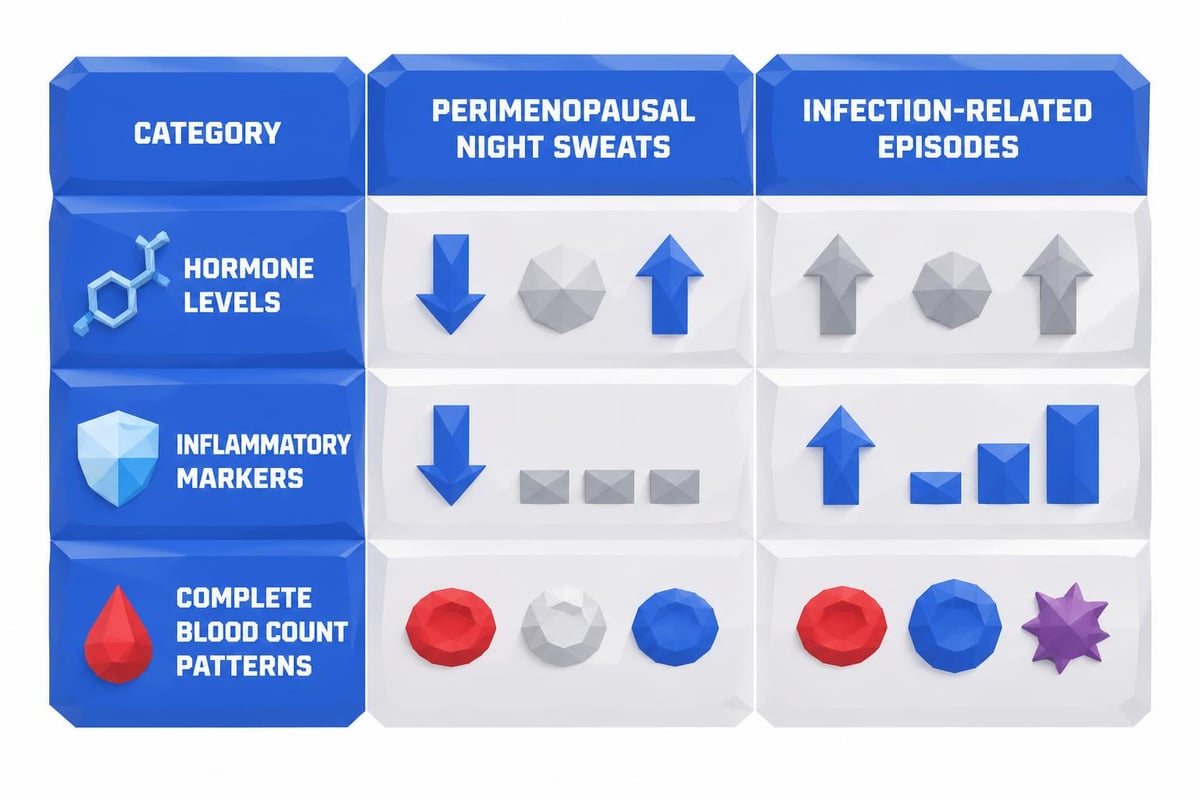
Hormonal imbalances frequently trigger night sweats, making hormone testing a priority for many patients. For women experiencing perimenopausal symptoms, follicle-stimulating hormone (FSH) and estradiol levels help confirm hormonal transitions. Elevated FSH combined with low estradiol strongly suggests perimenopause or menopause.
Thyroid function tests are essential for everyone experiencing unexplained night sweats. Both hyperthyroidism and hypothyroidism can disrupt temperature regulation. The standard thyroid panel includes:
| Test | What It Measures | Normal Range |
|---|---|---|
| TSH | Thyroid-stimulating hormone | 0.4-4.0 mIU/L |
| Free T4 | Thyroxine hormone | 0.8-1.8 ng/dL |
| Free T3 | Triiodothyronine | 2.3-4.2 pg/mL |
For men, testosterone levels may need evaluation. Low testosterone levels in men can cause night sweats, along with other symptoms like fatigue, decreased libido, and mood changes.
Recommended Panel
Complete Thyroid Panel
Save $3Our most comprehensive thyroid panel includes all 5 essential markers: TSH, Free T4, Free T3, Reverse T3, and both thyroid antibodies. Get the complete picture of your thyroid health.
Includes 6 biomarkers
$84
Infection and Inflammation Markers
When infection is suspected, several blood tests help identify inflammatory processes and specific pathogens. A complete blood count (CBC) with differential provides crucial information about white blood cell counts, which elevate during infections.
The C-reactive protein (CRP) and erythrocyte sedimentation rate (ESR) measure inflammation levels in the body. Elevated values suggest an active inflammatory or infectious process requiring further investigation.
Blood cultures become necessary when bacterial infections are suspected, particularly in cases of persistent fever accompanying night sweats. These tests identify specific bacteria circulating in the bloodstream, guiding targeted antibiotic therapy.
Differentiating Perimenopause from Infection
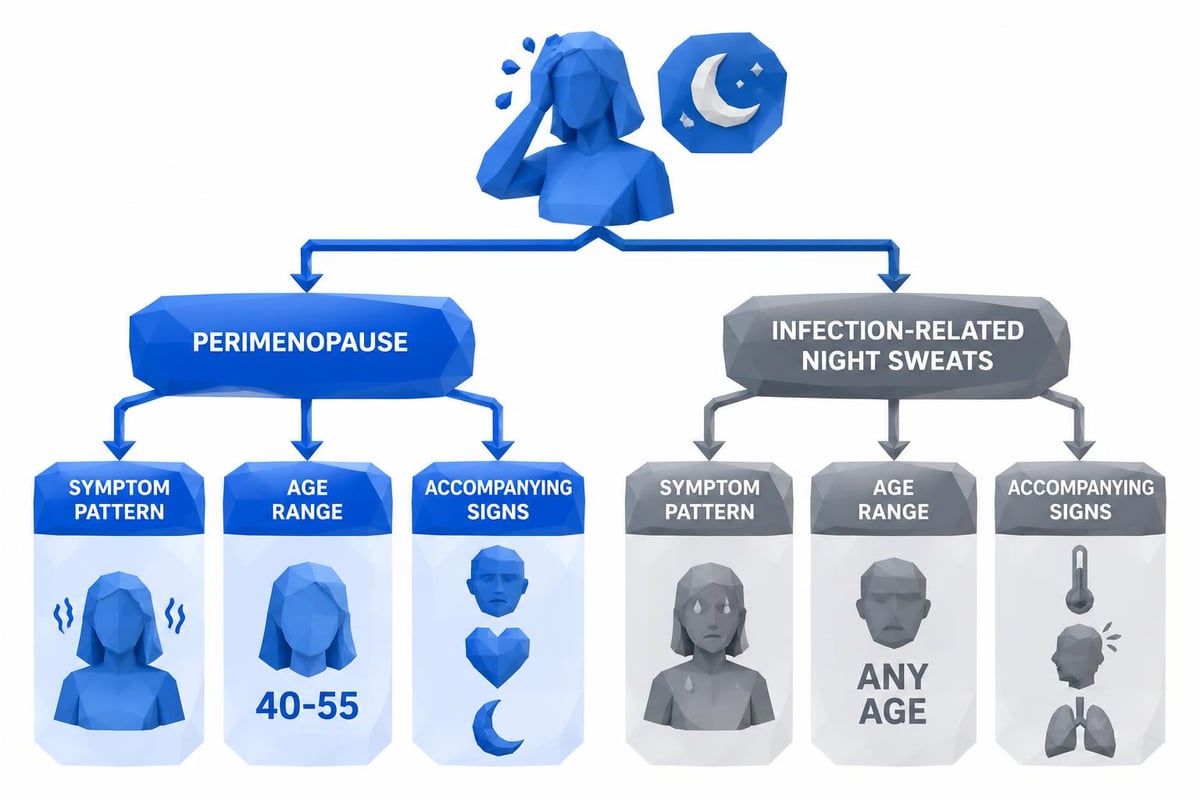
The diagnostic challenge with night sweats and blood tests often lies in distinguishing between perimenopausal hormonal changes and underlying infections. Both conditions can present with similar symptoms, but key differences help clinicians make accurate diagnoses.
Perimenopausal night sweats typically occur in women aged 45-55, though onset can vary. These episodes often accompany other menopausal symptoms like irregular periods, mood changes, and hot flashes during daytime hours. Blood tests revealing elevated FSH levels (typically above 30 mIU/mL) with declining estradiol confirm the hormonal transition.
Infection-related night sweats, conversely, usually present with additional symptoms pointing toward an infectious process. Fever, chills, body aches, localized pain, or respiratory symptoms suggest infection rather than hormonal changes. The examination of night sweats cancer symptoms highlights how certain conditions require immediate medical evaluation.
Age and Gender Considerations
Patient demographics significantly influence the diagnostic approach to night sweats. Women in their late forties and early fifties experiencing night sweats without other concerning symptoms often undergo hormone testing first. Men of any age with persistent night sweats typically require more extensive evaluation, as hormonal causes are less common.
Children and young adults with night sweats warrant particularly careful assessment, as hormonal causes are unlikely. Infectious diseases, including tuberculosis and other chronic infections, require consideration in these age groups.
Recommended Panel
Female Hormone Panel
Save $5This comprehensive panel measures all major female hormones: estrogen, progesterone, reproductive hormones (FSH/LH), and androgens (testosterone/DHEA-S) - essential for understanding hormonal balance.
Includes 7 biomarkers
$105
Comprehensive Metabolic and Specialized Testing
Beyond initial hormone and infection screening, night sweats and blood tests may extend to more comprehensive metabolic panels and specialized testing based on clinical findings.
Metabolic Panel Analysis
A comprehensive metabolic panel (CMP) evaluates kidney function, liver enzymes, electrolyte balance, and blood glucose levels. These parameters help identify metabolic disorders that might contribute to night sweats. Diabetes, for instance, can cause nocturnal hypoglycemia leading to sweating episodes.
Liver function abnormalities sometimes indicate chronic infections like hepatitis or other liver disorders. Elevated liver enzymes combined with night sweats may prompt additional hepatitis screening or autoimmune liver disease testing.
Autoimmune Disease Screening
Certain autoimmune conditions manifest with night sweats as part of their symptom complex. Rheumatoid arthritis, lupus, and other connective tissue diseases may require evaluation through antinuclear antibody (ANA) testing and rheumatoid factor measurement.
These specialized tests become relevant when patients present with joint pain, skin changes, or other systemic symptoms alongside nocturnal sweating. According to Patient.info's overview of night sweats, comprehensive evaluation ensures accurate diagnosis and appropriate treatment.
Tuberculosis and Chronic Infection Testing
Tuberculosis (TB) remains an important consideration when evaluating persistent night sweats, particularly in high-risk populations or those with relevant exposure history. TB classically presents with the triad of night sweats, weight loss, and chronic cough.
QuantiFERON-TB Gold or tuberculin skin testing (PPT) screens for TB exposure. Positive results require chest X-rays and possibly sputum cultures for confirmation. HIV testing may also be recommended, as immunocompromised individuals face higher risks for various infections causing night sweats.
Other chronic infections warranting investigation include:
- Infectious mononucleosis (Epstein-Barr virus)
- Cytomegalovirus (CMV)
- Toxoplasmosis
- Brucellosis in those with animal exposure
- Fungal infections in immunocompromised patients
Cancer Screening Considerations
While most night sweats result from benign causes, certain cancers can present with nocturnal sweating as an early symptom. Lymphomas, particularly Hodgkin's lymphoma, commonly cause drenching night sweats along with fever and weight loss-the classic "B symptoms."
Blood tests for cancer screening might include:
| Test Category | Specific Tests | Purpose |
|---|---|---|
| General screening | CBC with differential, LDH | Detect abnormal cell counts and tissue breakdown |
| Tumor markers | Depending on clinical suspicion | Identify specific cancer-associated proteins |
| Protein studies | Serum protein electrophoresis | Screen for blood cancers like multiple myeloma |
Early detection through appropriate blood testing significantly improves outcomes for treatable cancers. The decision to pursue cancer-specific testing depends on individual risk factors, symptoms, and initial screening results.
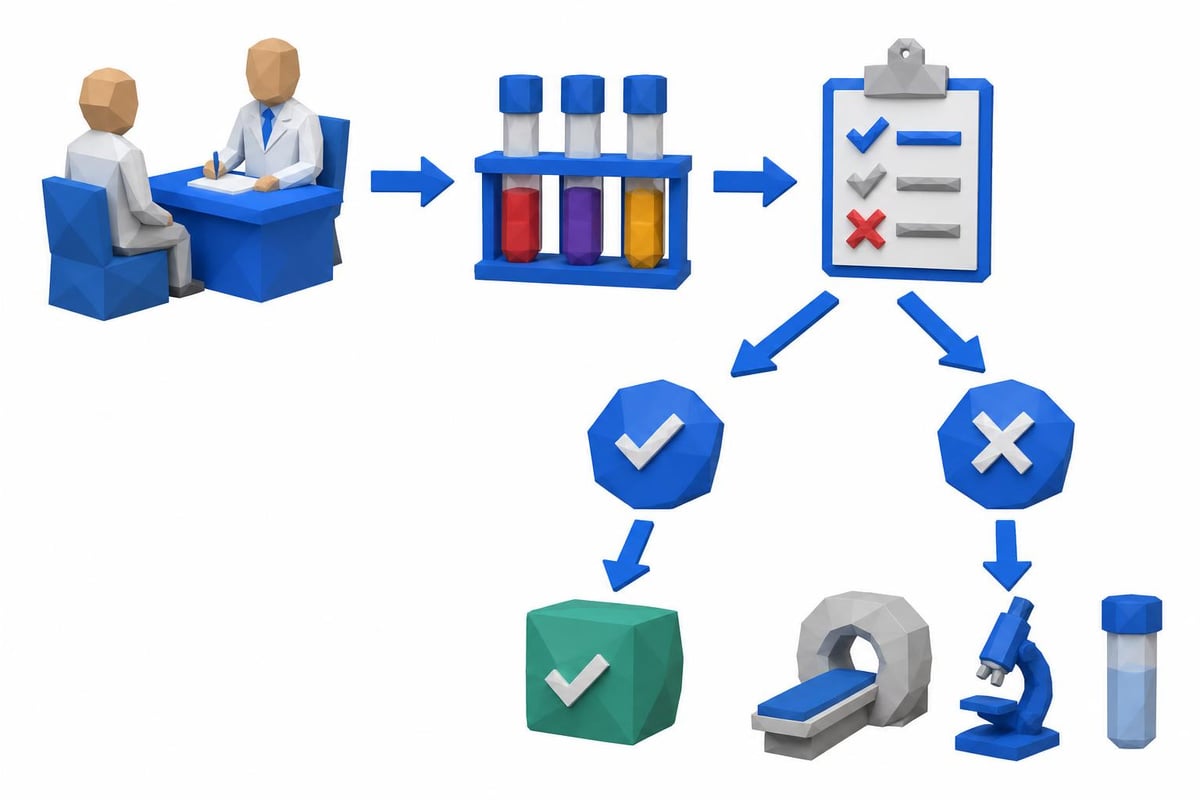
Accessing Convenient Blood Testing
Understanding which tests you need represents only part of the solution. Accessing timely, affordable laboratory testing can prove challenging when navigating traditional healthcare systems. Many people experience delays waiting for doctor appointments, insurance authorization, and laboratory scheduling.
The landscape of laboratory testing has evolved significantly, with labs without insurance becoming increasingly accessible. Self-pay testing services eliminate many barriers that previously prevented people from obtaining needed diagnostic information. This approach particularly benefits those investigating night sweats and blood tests, where timely results can guide treatment decisions or provide reassurance.
Understanding lab results becomes crucial once you receive your test values. Many testing platforms now provide reference ranges and educational resources to help patients interpret their results, though clinical correlation with symptoms remains essential for accurate diagnosis.
Interpreting Results and Next Steps
Receiving blood test results represents just the beginning of the diagnostic process. Proper interpretation requires consideration of symptoms, medical history, and the complete clinical picture. Normal test results don't always rule out significant conditions, particularly in early disease stages.
Working with Healthcare Providers
Even when using self-pay testing services, sharing results with healthcare providers ensures comprehensive care. Physicians can interpret findings within the context of your complete medical history and physical examination findings. Abnormal results typically require follow-up testing or specialist referrals.
For hormone-related night sweats, treatment options range from lifestyle modifications to hormone replacement therapy. Infection-related causes demand pathogen-specific treatment, whether antibiotics for bacterial infections or antiviral medications for certain viral illnesses.
Follow-Up Testing Protocols
Initial screening may not provide definitive answers, necessitating additional testing. Serial measurements often prove valuable for tracking disease progression or treatment response. For example, trending thyroid hormone levels helps adjust medication dosages, while repeated inflammatory markers monitor infection resolution.
Testing frequency depends on your specific situation:
- Hormone monitoring during perimenopause: Every 3-6 months
- Active infection treatment: Weekly or as clinically indicated
- Chronic condition management: Quarterly to annually
- Cancer surveillance: Per oncologist recommendations
Lifestyle Factors and Prevention
While blood testing identifies medical causes of night sweats, addressing lifestyle factors can reduce symptom frequency and severity. Tom's Guide offers expert advice on preventing night sweats, including environmental modifications and behavioral changes.
Room temperature, bedding materials, and pre-sleep routines significantly impact nocturnal sweating. Maintaining bedroom temperatures between 60-67°F, using moisture-wicking sleepwear, and avoiding alcohol or spicy foods before bedtime can help minimize episodes.
Regular exercise supports hormonal balance and metabolic health, potentially reducing night sweats in some individuals. However, timing matters-exercising too close to bedtime may trigger sweating episodes in sensitive individuals.
Cost Considerations and Testing Strategy
The financial aspect of night sweats and blood tests concerns many patients, particularly those without insurance coverage or with high-deductible plans. Lab test pricing varies significantly between facilities and payment methods, making price comparison valuable.
Strategic testing approaches can optimize both diagnostic accuracy and cost-effectiveness. Starting with essential first-line tests-CBC, CMP, and relevant hormone panels-typically provides sufficient information to guide initial management. More specialized testing follows only when clinically indicated based on these results.
Bundled test panels often cost less than ordering individual tests separately. Many laboratories offer hormone panels, metabolic panels, and wellness packages at discounted rates compared to individual test pricing. How it works explanations from testing services help patients understand the ordering process and expected timelines.
Taking Control of Your Diagnostic Journey
Persistent night sweats deserve proper medical evaluation, and blood testing provides essential diagnostic information to identify underlying causes. Whether hormonal changes, infections, or other conditions trigger your symptoms, appropriate laboratory testing guides effective treatment.
The relationship between night sweats and blood tests involves systematic evaluation, starting with common causes and progressing to more specialized testing when needed. Understanding which tests provide relevant information empowers you to participate actively in your healthcare decisions.
Modern laboratory testing options offer unprecedented convenience and accessibility. Rather than waiting weeks for appointments and results, many patients now obtain comprehensive blood testing within days, enabling faster diagnosis and treatment initiation.
Identifying the cause of night sweats starts with the right blood tests, whether you're dealing with hormonal changes or potential infections. When you need answers quickly without navigating insurance complexities or waiting for doctor referrals, Justlabs provides direct access to comprehensive laboratory testing with transparent pricing and results available in 1-3 days. Take control of your health by ordering the tests you need when you need them.