Wondering what your potassium blood test means or what to expect from the process in 2026? You’re not alone. The potassium blood test is a simple but vital tool for understanding your heart, muscle, and nerve health. In this guide, you’ll learn what potassium does in your body, who should get tested, how to interpret your results, and what might cause abnormal levels. We’ll also cover how to prepare for accurate results and explore new, patient-friendly testing options. Take charge of your health by understanding your potassium blood test and the steps you can take next.
Understanding Potassium: Why This Mineral Matters
Potassium is a vital mineral that plays a central role in your overall health. If you have ever received a potassium blood test, you might wonder why this number matters so much, especially when reviewing your lab results or managing a chronic condition. Understanding potassium’s importance can help you take an active role in your heart, muscle, and nerve health.

The Role of Potassium in the Body
Potassium is one of the body’s most important electrolytes. This mineral helps regulate fluid balance, supports nerve signal transmission, and enables muscle contraction. Without enough potassium, your body struggles to keep the heart beating steadily and blood pressure under control.
Most of your body’s potassium is stored inside cells, with only a small fraction circulating in the blood. This delicate balance is crucial for energy production and proper cell function.
Here’s a quick overview of potassium’s main functions and what a potassium blood test measures:
| Function | Why It Matters |
|---|---|
| Heartbeat regulation | Prevents arrhythmias |
| Nerve signal transmission | Supports muscle and reflex control |
| Fluid and pH balance | Maintains cell hydration |
| Blood pressure control | Works with sodium to balance fluids |
| Energy production | Powers cell activity |
A normal potassium blood test result usually falls between 3.6 and 5.2 mmol/L. Results outside this range can signal an underlying issue, such as dehydration or medication side effects. For more detailed information about what your potassium blood test involves and what the results mean, you can visit the Potassium test overview.
Potassium’s relationship with sodium is especially important. While sodium pulls water into cells, potassium helps move it out, keeping everything in balance. This teamwork supports healthy blood pressure and heart rhythms.
For example, people with low potassium can develop irregular heartbeats, known as arrhythmias. This is one reason why your provider may order a potassium blood test as part of routine care or if you have symptoms like fatigue or muscle weakness.
Basic Metabolic Panel
9 biomarkers
Potassium and Chronic Conditions
Potassium levels are especially important for those managing chronic health conditions. If you have kidney disease, high blood pressure, heart disease, or diabetes, your doctor may recommend regular potassium blood tests to monitor your health.
Certain conditions and medications can disrupt potassium balance. For example, diuretics (water pills), some blood pressure medications, and even antibiotics can lower or raise potassium in your blood. Kidney disease is a leading cause of high potassium, since the kidneys are responsible for filtering excess potassium out of the body.
Common causes of potassium imbalance include:
- Dehydration from vomiting, diarrhea, or sweating
- Overuse of supplements or laxatives
- Changes in diet, especially very high or low potassium intake
- Age or chronic illness
Symptoms of abnormal potassium levels range from mild fatigue or muscle cramps to more serious issues like heart rhythm changes. If your potassium blood test is outside the normal range, your provider may recommend repeat testing, especially if you are taking new medications or have had recent illness.
Preparing for a potassium blood test is simple. Fasting is rarely required, but you should always tell your provider about any supplements or medications you are taking. Sometimes, your doctor may ask you to pause certain medicines before the test to ensure accurate results.
If you want a convenient, transparent way to check your potassium, self-pay lab options like JustLabs make it easy to order tests and review your results online.
Renal Function Panel
11 biomarkers
Who Needs a Potassium Blood Test?
Understanding who should get a potassium blood test helps patients and caregivers make informed choices about their health. This test is a routine part of many checkups, yet it is especially important for certain groups and situations.

Common Indications for Testing
A potassium blood test is often included in routine health screenings, especially within comprehensive metabolic panels. Many people have this test during annual physicals or before starting new medications.
Doctors may order a potassium blood test if you experience symptoms such as:
- Muscle cramps or weakness
- Irregular heartbeat or palpitations
- Fatigue or unexplained tiredness
- Numbness or tingling
This test is also vital for those managing chronic conditions. Patients with kidney disease, high blood pressure, heart problems, diabetes, or adrenal disorders are regularly monitored. Certain medications, including diuretics, ACE inhibitors, and specific antibiotics, can affect potassium levels and prompt more frequent testing.
For example, individuals with diabetic ketoacidosis need close potassium monitoring to avoid complications. If you want a broader understanding of how potassium fits within regular bloodwork, you can read this comprehensive blood testing overview.
Comprehensive Metabolic Panel
16 biomarkers
Risk Factors for Potassium Imbalance
Some people are more likely to need a potassium blood test due to higher risk for imbalance. Conditions and lifestyle factors that increase this risk include:
- Dehydration from illness, vomiting, or diarrhea
- Excessive sweating, especially in athletes or during heat waves
- Overuse of laxatives or potassium supplements
- Diets extremely high or low in potassium-rich foods
Older adults and those with multiple health issues are at greater risk for abnormal potassium results. Changes in medication, recent illness, or drastic shifts in diet can also trigger the need for a potassium blood test.
If you have experienced symptoms, take medications that impact potassium, or fall into any of these risk categories, discuss testing with your healthcare provider. Remember, self-pay options like JustLabs make potassium testing convenient and transparent for anyone who prefers to manage their own health monitoring.
What to Expect During a Potassium Blood Test in 2026
Getting a potassium blood test is a straightforward process, but knowing what to expect can help you feel more prepared and confident. In 2026, advances in digital healthcare and lab technology have made testing more accessible, efficient, and patient-friendly than ever before.

Step-by-Step Process
Scheduling a potassium blood test is easier than it used to be. Most people can book an appointment at their doctor’s office, a local outpatient lab, or even through direct-access lab services online. With digital platforms, you can often select the time and location that suits you best.
On testing day, a trained phlebotomist will collect a small blood sample using a quick venipuncture, usually from your arm. The actual blood draw takes less than five minutes. It’s important to relax your arm and avoid squeezing your fist too much, as this can affect potassium levels in your sample.
Once collected, your blood sample is labeled and processed at the lab. Technicians use advanced analyzers to measure your potassium concentration. In 2026, many labs have streamlined their workflows, so results are available faster than ever. Some clinics now offer same-day or next-day reporting.
If you’d like to learn more about each stage of the process, visit How lab testing works for a detailed overview.
Innovations in 2026 include secure digital ordering, transparent pricing, and expanded access for self-pay patients. These improvements help make the potassium blood test a simple and accessible part of routine health monitoring.
Patient Experience and Comfort
Most people find the potassium blood test quick and only mildly uncomfortable. You might feel a brief pinch or sting when the needle enters your skin, but this sensation lasts just a moment. Some people notice a small bruise or tenderness afterward, which typically fades within a couple of days.
Serious complications from the potassium blood test are rare. Very occasionally, patients may feel faint during or after the blood draw. Infection or significant bleeding is extremely uncommon when proper technique is used. If you have a history of fainting during blood tests, let your technician know beforehand.
To ensure a smooth experience, try these tips:
- Stay well hydrated before your appointment unless told otherwise.
- Take slow, deep breaths to stay calm.
- Follow all instructions given by lab staff.
- Wear clothing with sleeves that are easy to roll up.
Let your healthcare provider know about any concerns or previous issues with blood draws. The potassium blood test is a routine procedure, and staff are trained to support your comfort and safety every step of the way.
When and How You’ll Get Results
After your potassium blood test, most labs provide results within one to three days. In some cases, especially with advanced digital systems, you may receive your results even sooner through a secure online portal or mobile app. Some clinics may also call you or schedule an in-person review.
Your lab report will show your potassium level, usually measured in millimoles per liter (mmol/L). Standard reference ranges help your provider interpret whether your level is normal or if further evaluation is needed. Remember, it’s important to discuss your potassium blood test results with a healthcare professional who can put them in context with your overall health, symptoms, and any medications you take.
If your results are abnormal or if you are managing a chronic condition, your provider may recommend repeat testing or additional follow-up. Self-pay options like JustLabs make it easy to access potassium blood test services with clear pricing, whether you have insurance or not.
Understanding Your Potassium Blood Test Results
Learning to interpret your potassium blood test results is an empowering step toward understanding your health. Potassium is essential for your heart, muscles, and nerves, and knowing what your test numbers mean can help you make informed decisions, especially if you are managing a chronic condition or reviewing abnormal labs.
Reference Ranges and What They Mean
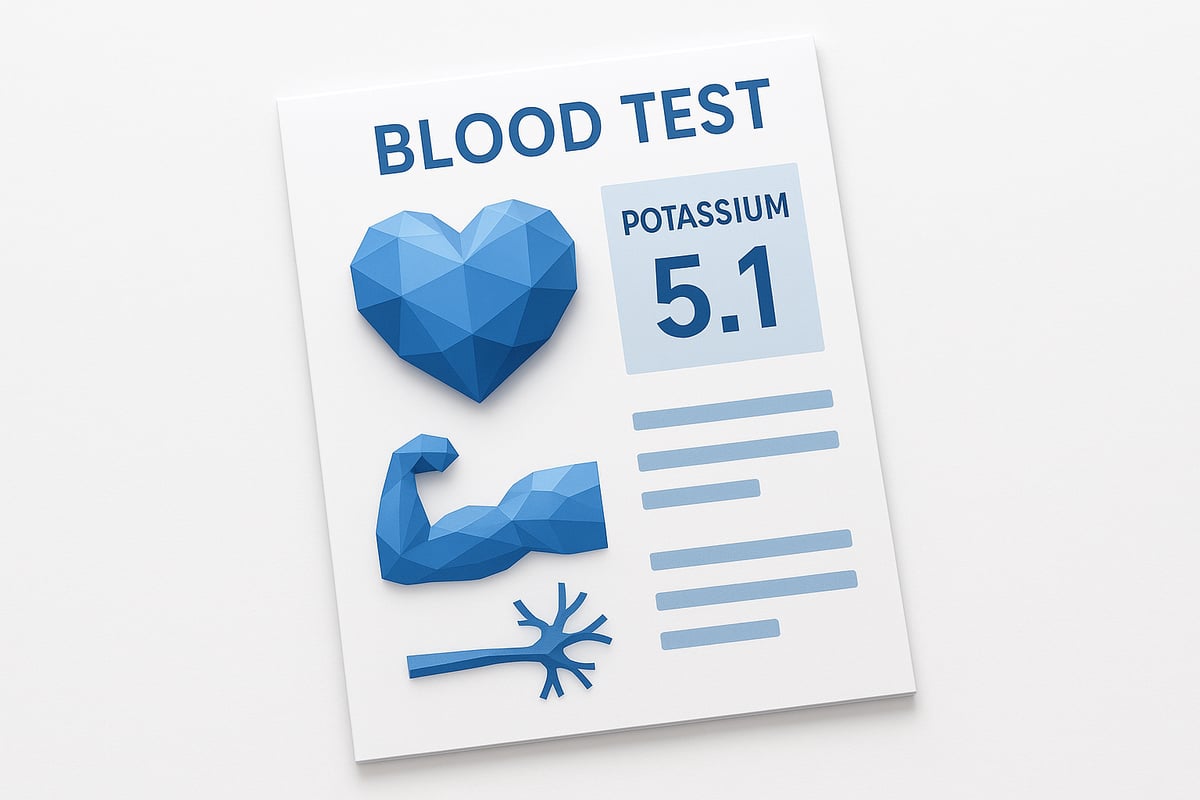
A potassium blood test measures the amount of potassium circulating in your blood. Most potassium in your body is stored inside cells, while a small portion is present in the bloodstream. This balance is crucial for proper muscle contraction, nerve signaling, and heart rhythm.
Here’s a quick overview of common potassium reference ranges:
| Classification | Potassium Level (mmol/L) |
|---|---|
| Low (Hypokalemia) | Below 3.6 |
| Normal | 3.6–5.2 |
| High (Hyperkalemia) | Above 5.2 |
Keep in mind that reference ranges can vary slightly between labs. Always review your potassium blood test results in the context of your lab’s specific reference and your overall health. For more details on interpreting your results and understanding lab values, visit the Understanding lab test results page.
Slightly abnormal results do not always indicate a serious problem. Your healthcare provider will consider factors like medications, recent illness, or dehydration when explaining your potassium blood test outcome.
What Low Potassium Means (Hypokalemia)
If your potassium blood test shows a value below the normal range, this is called hypokalemia. Low potassium can affect how your muscles and nerves work, sometimes leading to:
- Muscle cramps or weakness
- Fatigue or feeling unusually tired
- Irregular heartbeat or palpitations
- Constipation
Common causes of low potassium include:
- Diuretic medications (often prescribed for blood pressure)
- Vomiting or diarrhea
- Excessive sweating or dehydration
- Some adrenal gland disorders
- Not eating enough potassium-rich foods
Severe hypokalemia can disrupt your heart’s rhythm or even cause temporary muscle paralysis. If you notice muscle weakness, heart fluttering, or ongoing fatigue, let your provider know. Your potassium blood test is a useful tool for monitoring these health changes.
Magnesium, Serum
1 biomarkers
What High Potassium Means (Hyperkalemia)
A potassium blood test result above the normal range is called hyperkalemia. High potassium can be dangerous, especially for your heart and muscles. Symptoms may include:
- Irregular or slow heartbeat
- Muscle weakness or numbness
- Nausea or feeling lightheaded
- Fatigue
Some common causes of high potassium are:
- Chronic kidney disease or acute kidney injury
- Certain blood pressure or heart medications
- Adrenal insufficiency
- Tissue breakdown from injury or burns
High potassium levels can be life-threatening if not addressed. If your potassium blood test comes back high, your provider may repeat the test or suggest additional checks, especially if you have kidney or heart problems.
Renal Function Panel
11 biomarkers
Cystatin C with eGFR
2 biomarkers
When to Repeat or Confirm Testing
Sometimes, potassium blood test results may be unexpectedly high or low due to factors unrelated to your health. For example, squeezing your fist tightly during the blood draw or certain handling issues at the lab can affect results.
Your provider may recommend repeating the potassium blood test if:
- The result is much different from your previous values
- You have ongoing or new symptoms
- You are starting or adjusting medications that impact potassium
In some cases, a urine potassium test can help clarify the cause of abnormal results. Always discuss your potassium blood test results with your provider before making any changes to your diet, medications, or supplements.
If you are preparing for a repeat test, follow your provider’s instructions. This may include pausing certain medicines, avoiding strenuous exercise beforehand, and staying hydrated. Fasting is usually not required for a potassium blood test alone.
For those who want convenience, self-pay options like JustLabs offer potassium testing with transparent pricing and quick results, so you can stay informed about your health status.
Causes and Management of Potassium Imbalance
Understanding the results of your potassium blood test can feel overwhelming, especially when numbers fall outside the normal range. Potassium imbalances are common, particularly for those managing chronic conditions or taking specific medications. Knowing what causes these changes and how to address them is vital for maintaining heart, muscle, and nerve health.
Common Causes of Abnormal Potassium
A potassium blood test is designed to detect both high and low potassium levels, each with unique underlying causes. Several everyday factors can lead to an imbalance. Dehydration, vomiting, diarrhea, and excessive sweating all contribute to potassium loss through fluids. People with chronic kidney disease are especially vulnerable, as the kidneys control how much potassium stays in the blood.
Medications are another frequent cause. Diuretics, often prescribed for high blood pressure or heart failure, can lower potassium. ACE inhibitors, ARBs, certain antibiotics, and NSAIDs may also affect potassium levels, sometimes raising, sometimes lowering them.
Hormonal disorders, such as Addison’s or Cushing’s disease, disrupt the body’s ability to maintain a healthy potassium balance. Dietary extremes also play a role. Consuming too many potassium-rich foods or supplements can cause levels to spike, while very restrictive diets may lead to deficiency.
Rarely, severe burns, trauma, or muscle breakdown release large amounts of potassium into the blood. In these cases, prompt medical attention is essential.
Below is a comparison of common causes:
| Cause | Low Potassium (Hypokalemia) | High Potassium (Hyperkalemia) |
|---|---|---|
| Dehydration | Yes | Possible |
| Vomiting/Diarrhea | Yes | No |
| Kidney Disease | Sometimes | Yes (most common) |
| Diuretics | Yes | No |
| ACE Inhibitors/ARBs | No | Yes |
| Hormonal Disorders | Yes (Cushing’s) | Yes (Addison’s) |
| Excessive Supplements | Rare | Yes |
If you want to learn more about the symptoms and causes of hypokalemia, WebMD offers a thorough overview.
Managing Potassium Imbalance
If your potassium blood test shows abnormal results, the next steps focus on identifying and addressing the underlying cause. Never attempt to self-treat a potassium imbalance, as sudden changes can be dangerous.
First, your healthcare provider may review your medications. Sometimes, an adjustment or substitution is enough to restore balance. Always discuss changes with your provider before stopping or starting any medication.
Hydration is a key factor. If your imbalance is due to fluid loss from illness or exercise, rehydrating and treating the underlying condition often helps. In cases related to kidney disease or adrenal disorders, ongoing monitoring is crucial.
Dietary changes are often recommended. Increasing or limiting potassium-rich foods depends on whether levels are too low or too high. Bananas, potatoes, spinach, and beans are high in potassium, while processed foods are often lower.
Regular re-testing may be required, especially for those with chronic kidney disease, heart failure, or diabetes. Your provider will set a schedule based on your needs and risk factors.
Preparation for repeat potassium blood test appointments may include avoiding certain supplements, informing your provider of any new medications, and following any specific instructions about fasting or exercise.
For those seeking convenience or without insurance, self-pay options like JustLabs make it easy to order a potassium blood test with transparent pricing and rapid results. This supports ongoing monitoring and peace of mind.
Complete Metabolic Health Panel
26 biomarkers
Preparing for Your Potassium Blood Test: Do’s and Don’ts
Getting ready for your potassium blood test is a simple process, but a little preparation can help ensure your results are as accurate as possible. Whether you are monitoring a chronic condition or checking your levels for the first time, following the right steps can make a difference. Let’s break down exactly how to prepare and what to share with your healthcare team.
Preparation Steps for Accurate Results
Proper preparation can help your potassium blood test reflect your true health status. In most cases, fasting is not needed if you’re only having a potassium blood test. However, if your doctor orders a full metabolic panel, you may need to fast for 8–12 hours. Always confirm instructions with your provider.
Hydration matters. Drink water before your test unless told otherwise. Being well-hydrated helps make blood draws easier and can improve sample quality. Avoid strenuous exercise before your test, as it can temporarily affect potassium levels. Also, do not repeatedly clench your fist during the blood draw, as this can falsely raise your result.
Some foods and supplements can influence your potassium blood test. For example, avoid natural black licorice for at least two weeks before testing, since it can falsely lower potassium levels. If you take potassium supplements or certain medications, consult your provider before the test. They may advise you to pause or adjust these temporarily.
Here’s a quick table to summarize key do’s and don’ts:
| Do’s | Don’ts |
|---|---|
| Drink water | Skip prescribed instructions |
| Follow provider advice | Overexert right before testing |
| Inform about all meds | Eat black licorice |
| Rest before the test | Ignore recent symptoms |
Following these steps can help your potassium blood test provide the most reliable results.
What to Tell Your Lab or Provider
Sharing accurate information with your healthcare team is essential for correct interpretation of your potassium blood test. Make sure to mention any recent illnesses, especially if you have had vomiting, diarrhea, or dehydration. These can all impact your potassium levels.
List all medications and supplements you are taking, including over-the-counter products and herbal remedies. Some medicines may affect your potassium blood test and might need to be paused before testing, but always follow your provider’s guidance.
If you have changed your diet recently or started new supplements, let your provider know. Report any symptoms like muscle cramps, weakness, irregular heartbeat, or fatigue, as these can be related to potassium imbalance. If you have had abnormal potassium results before, mention this as well.
Repeat testing may be recommended if your results are unexpected or if you have ongoing symptoms. Your provider might also suggest follow-up tests if you start new medications or experience changes in health.
For those seeking affordable testing without insurance, you can learn more about options in our Labs without insurance guide. Services like JustLabs offer transparent pricing and self-pay potassium blood test options, making it easier to take charge of your health.
When to Seek Further Medical Advice
Worried about your potassium blood test results or feeling unusual symptoms? Recognizing when to reach out for medical advice is essential for your health and peace of mind. Whether you are managing a chronic condition or reviewing new lab results, knowing what symptoms to watch for and when to act can make a real difference.
Recognizing Concerning Symptoms
It is important to know which symptoms may signal a problem with your potassium blood test results. Both low and high potassium levels can affect the body in serious ways. Early recognition lets you act quickly and avoid complications.
Common warning signs include:
- Severe muscle weakness or sudden paralysis
- Irregular or racing heartbeat
- Chest pain or palpitations
- Numbness, tingling, or confusion
- Fainting or feeling lightheaded
If you notice any of these symptoms, contact your healthcare provider without delay. Even mild symptoms such as fatigue or muscle cramps should prompt you to review your potassium blood test results and discuss next steps with your provider.
Repeat Testing and Ongoing Monitoring
Sometimes, a single potassium blood test is not enough to provide the full picture. Repeat testing may be needed if your results are unexpectedly high or low, if you have ongoing symptoms, or if your treatment changes.
Chronic health conditions like kidney disease, heart failure, or diabetes often require regular potassium blood test monitoring. Your provider will decide how often you need testing based on your health status and medications.
Keep in mind that certain factors, such as dehydration or recent illnesses, can temporarily affect your potassium blood test results. Always share this information with your provider for the most accurate assessment.
Advanced Heart Health Panel
10 biomarkers
Communicating With Your Healthcare Team
Open communication with your healthcare team is essential when managing potassium blood test results. Be ready to share any new symptoms and ask questions about what your results mean for your health.
If your potassium blood test shows high levels, your provider may use additional tests or review your medications to find the cause. Understanding the Hyperkalemia diagnosis process can help you prepare for these discussions.
Do not hesitate to advocate for yourself if you have ongoing symptoms or are unsure about next steps. Your provider is there to guide you and ensure your care is tailored to your needs.
Empowering Yourself With Knowledge
Taking charge of your health means understanding your potassium blood test results and knowing where to find reliable information. Use patient portals to track your labs and note any trends over time.
Ask your provider about reputable resources, such as MedlinePlus or the World Health Organization’s potassium intake guidelines, for more insights.
Self-pay options like JustLabs make it easier to monitor your potassium blood test on your own schedule, with transparent pricing and fast results. Staying informed and proactive supports better long-term health outcomes.
As you’ve seen throughout this guide, understanding your potassium levels is key to managing heart, muscle, and nerve health—especially as we head into 2026 with more convenient testing options than ever. If you’re ready to take control of your well-being, you don’t have to wait for a doctor’s appointment or navigate confusing insurance policies. With Justlabs, you can quickly and affordably order your potassium blood test online, get transparent pricing, and view your results within days. Start your journey to better health today—Order Tests.
Basic Metabolic Panel
The BMP is an essential screening test that measures blood sugar, electrolyte balance, and kidney function—key indicators of your body's metabolic health.
Includes 9 biomarkers
$6
Fasting required