Lab tests have become an essential tool for understanding your health, especially in 2026 as more people take an active role in wellness. The basic metabolic panel blood test is one of the most common tests used to check your body’s key functions and help detect potential health issues early.
In this guide, you will learn what a basic metabolic panel blood test is, what it measures, why your doctor might order it, how to prepare, how to interpret your results, and the latest ways to access testing. By the end, you will feel confident navigating your results and taking charge of your health decisions.
What is a Basic Metabolic Panel (BMP) Blood Test?
Understanding your health often starts with a blood test. One of the most common and informative is the basic metabolic panel blood test. This routine screening helps both patients and healthcare providers quickly check essential aspects of your body’s chemistry and organ function.
The basic metabolic panel blood test has evolved over decades. By 2026, it remains a cornerstone of preventive and diagnostic medicine, valued for its ability to provide a reliable snapshot of your metabolic health. Its popularity is no surprise—it is frequently included in annual physicals, hospital admissions, and chronic disease monitoring.
What sets the basic metabolic panel blood test apart from other panels? While a comprehensive metabolic panel includes a few extra tests, the BMP focuses on eight core measurements. Its concise nature means it is often the first test ordered when someone has unexplained symptoms or needs a general health check.
Why do doctors and patients trust this test? The BMP offers rapid insights into how well your kidneys, blood sugar, and electrolytes are functioning. For example, if you are being treated for high blood pressure or diabetes, your provider may use a BMP to monitor your response to medication. Its results guide next steps, whether that means further testing or peace of mind.
The basic metabolic panel blood test is not just for sick visits. Many people include it in their regular wellness screenings to catch early changes before symptoms develop. According to national data, the BMP ranks among the top-ordered blood tests in the United States.
If you want to learn more about this vital test and its role in routine care, the Basic Metabolic Panel (BMP) Overview offers a helpful summary.
Recommended Test
Basic Metabolic Panel
The BMP is an essential screening test that measures blood sugar, electrolyte balance, and kidney function—key indicators of your body's metabolic health.
Includes 9 biomarkers
$6
Fasting required
Core Components Measured by a BMP
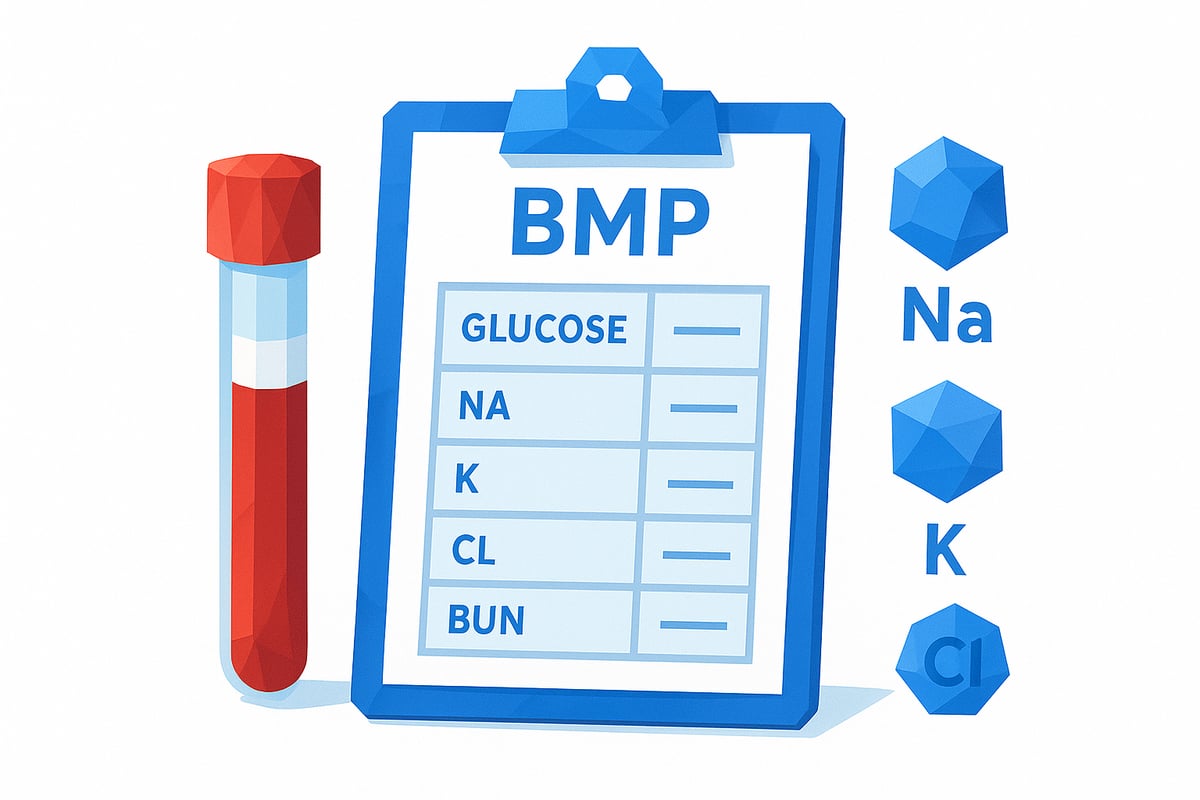
The heart of the basic metabolic panel blood test lies in its eight key measurements. Each analyte reflects a specific aspect of your body’s internal balance. Here’s a quick overview:
| Analyte | Reference Range (2026) | What High May Suggest | What Low May Suggest |
|---|---|---|---|
| Glucose | 70–99 mg/dL | Diabetes, stress, certain medications | Insulin issues, not eating enough |
| Sodium | 135–145 mmol/L | Dehydration, adrenal problems | Fluid overload, kidney/adrenal issues |
| Potassium | 3.5–5.1 mmol/L | Kidney problems, medication effects | Diuretics, vomiting, poor intake |
| Chloride | 98–107 mmol/L | Dehydration, metabolic imbalance | Vomiting, chronic lung disease |
| CO₂ (Bicarbonate) | 22–29 mmol/L | Breathing disorders, metabolic alkalosis | Kidney disease, metabolic acidosis |
| BUN | 7–20 mg/dL | Kidney dysfunction, dehydration | Malnutrition, liver disease |
| Creatinine | 0.6–1.3 mg/dL | Kidney issues, muscle breakdown | Low muscle mass, liver disease |
| Calcium | 8.6–10.2 mg/dL | Parathyroid issues, cancer, medications | Vitamin D deficiency, kidney disease |
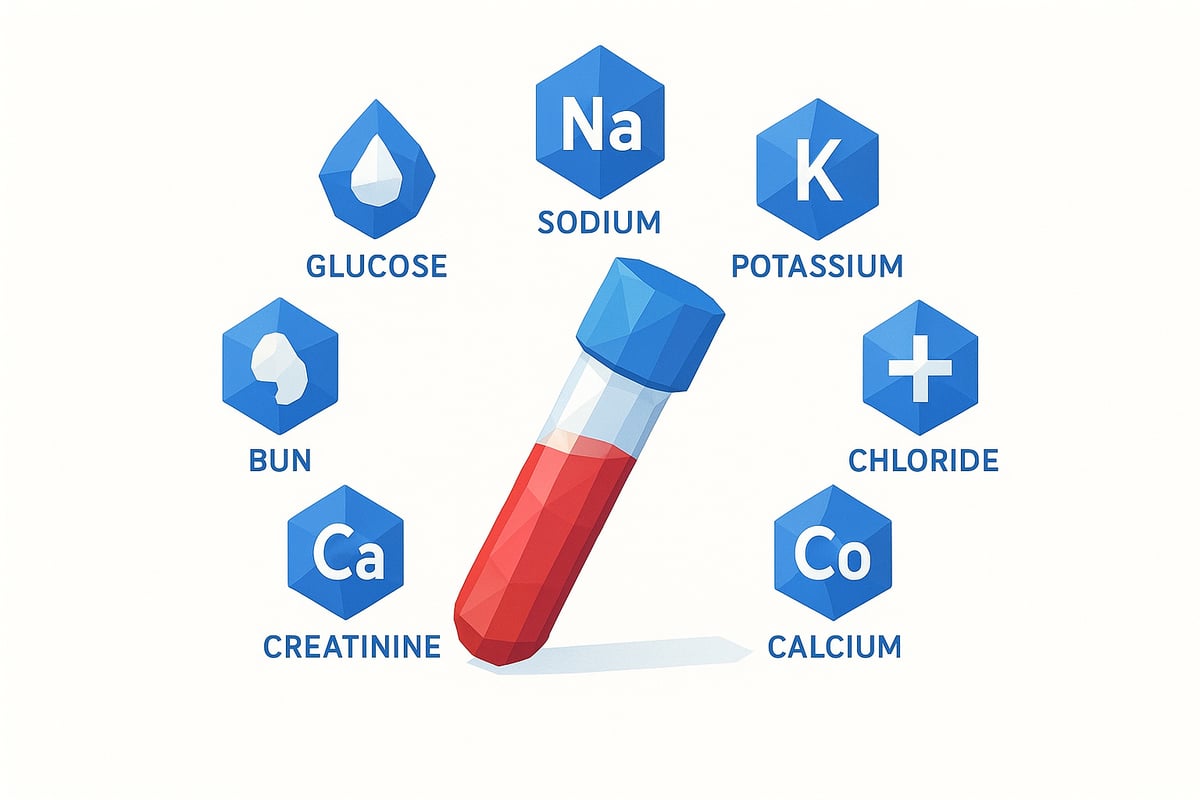
Each result in the basic metabolic panel blood test offers a clue. Glucose shows how your body manages energy. Sodium and potassium are essential for nerve and muscle function. Chloride and CO₂ help maintain your body’s acid-base balance. BUN and creatinine are markers of kidney health. Calcium is crucial for bones, nerves, and muscles.
High or low values do not always mean disease. For example, a low potassium level can be due to diuretic use, while a high BUN may reflect dehydration rather than kidney disease. Doctors interpret these results together, considering your symptoms and medical history.
Most people preparing for a basic metabolic panel blood test may be asked to fast for 8 to 12 hours, especially if glucose levels are a focus. Always let your provider know about any medications, as some can affect results.
The BMP provides a big-picture view of your health. It guides decisions, but usually does not diagnose specific conditions on its own. If you want affordable access with transparent pricing, platforms like JustLabs let you order a BMP and review your results conveniently and securely.
Why is a BMP Ordered? Common Reasons and Clinical Uses
Understanding why your provider might recommend a basic metabolic panel blood test can help you feel more confident about your care. The BMP is one of the most commonly ordered blood tests in the United States. It is valued for its ability to quickly assess your body’s overall metabolic health and guide further medical decisions.

Medical Reasons for Ordering a BMP
The basic metabolic panel blood test is a powerful tool in both preventive and diagnostic medicine. Doctors rely on the BMP to screen for, monitor, and manage a wide range of health conditions. Here are some of the most common reasons a BMP may be ordered:
- Screening for metabolic or kidney disorders: The BMP can detect early signs of diabetes, kidney disease, or electrolyte imbalances before symptoms appear.
- Monitoring chronic conditions: If you have diabetes, high blood pressure, or kidney issues, the BMP helps track how well your body is functioning over time.
- Evaluating unexplained symptoms: Fatigue, confusion, irregular heartbeat, or dehydration are just a few symptoms that could prompt a basic metabolic panel blood test to identify underlying causes.
- Checking medication effects: Certain drugs, such as diuretics or blood pressure medications, can affect your body’s balance of salts and kidney function. The BMP helps ensure these treatments remain safe.
- Pre-surgical and hospital admissions: Before surgery or during hospital stays, the BMP provides a quick overview of your organ health and metabolic state.
For example, someone starting a new medication that affects kidney function may have a BMP ordered to check their baseline values. In fact, studies show that a BMP is included in over 70% of hospital admissions, reflecting its importance in acute care.
Both patients and providers benefit from the BMP’s ability to deliver a snapshot of your health. If you want to explore how the BMP fits into the bigger picture of blood testing, you might find our Comprehensive blood testing guide helpful for broader context.
Who Should Consider a BMP?
A basic metabolic panel blood test is not just for those who are ill. Many people can benefit from this test, especially if they have certain risk factors or health goals. Consider a BMP if you fall into one of these groups:
- Adults with risk factors: High blood pressure, diabetes, heart disease, or a family history of kidney problems are good reasons to get a BMP.
- Children with specific symptoms: If a child is experiencing unexplained fatigue, vomiting, or changes in urination, a doctor may recommend a BMP to rule out metabolic issues.
- People taking certain medications: Drugs that affect electrolyte balance or kidney function, such as ACE inhibitors or diuretics, often require regular BMP monitoring.
- Anyone seeking routine wellness screening: A BMP is frequently included in annual checkups to catch potential problems early, even before symptoms arise.
For instance, someone starting a diuretic for high blood pressure might have a BMP both before and during treatment to monitor for low potassium or kidney changes. Early detection through the basic metabolic panel blood test can prevent complications and lead to better outcomes.
Ultimately, the BMP is a first-line test for many situations. Whether you are managing a chronic condition, starting a new medication, or simply want peace of mind, this test provides valuable information. Self-pay platforms like JustLabs allow you to access BMP testing with transparent pricing, making it easier to take charge of your health.
Basic Wellness Panel
37 biomarkers
Understanding Each BMP Component: What High or Low Values May Indicate
When you receive results from a basic metabolic panel blood test, it can be overwhelming to see so many numbers. Understanding what each component means is key to using your BMP as a tool for better health. Each part of your basic metabolic panel blood test offers unique insight into how your body is functioning. Let’s break down each component, what it measures, and what high or low values might suggest.
Glucose
Glucose is the main sugar found in your blood and a critical energy source for your body. The basic metabolic panel blood test measures your glucose level to check how well your body is managing energy.
Normal glucose range (fasting): 70–99 mg/dL
- High glucose (hyperglycemia): May indicate diabetes, stress, or certain medications.
- Low glucose (hypoglycemia): Can be caused by skipping meals, certain medications, or underlying health conditions.
For example, if your basic metabolic panel blood test shows high glucose, your provider may want to screen for diabetes or review your current medications.
Sodium, Potassium, and Chloride (Major Electrolytes)
Electrolytes are minerals that help regulate nerve and muscle function, hydration, and acid-base balance. The basic metabolic panel blood test checks three key electrolytes:
| Electrolyte | Normal Range | Main Role |
|---|---|---|
| Sodium | 135–145 mmol/L | Fluid balance, nerve/muscle function |
| Potassium | 3.5–5.1 mmol/L | Heart rhythm, muscle contraction |
| Chloride | 98–107 mmol/L | Acid-base and fluid balance |
- High sodium: May result from dehydration or certain kidney/adrenal issues.
- Low sodium: Could be due to overhydration, heart failure, or kidney problems.
- High potassium: May signal kidney dysfunction or medication effects.
- Low potassium: Often caused by diuretics, vomiting, or poor intake.
- High/low chloride: Can indicate issues with hydration, kidney function, or acid-base balance.
A basic metabolic panel blood test revealing low potassium is common in people taking water pills (diuretics) for blood pressure.
Carbon Dioxide (CO₂/Bicarbonate)
CO₂, measured as bicarbonate, helps keep your blood at the right pH. The basic metabolic panel blood test uses this value to check acid-base balance.
Normal CO₂ (bicarbonate) range: 22–30 mmol/L
- High CO₂: May suggest breathing issues, vomiting, or metabolic alkalosis.
- Low CO₂: Could point to metabolic acidosis, chronic kidney disease, or severe infection.
For example, a low CO₂ result on your basic metabolic panel blood test might be seen in someone with uncontrolled diabetes (diabetic ketoacidosis).
Blood Urea Nitrogen (BUN) and Creatinine
BUN and creatinine are wastes filtered by your kidneys. The basic metabolic panel blood test uses these markers to assess kidney function.
| Test | Normal Range | What It Reflects |
|---|---|---|
| BUN | 7–20 mg/dL | Protein breakdown, kidney function |
| Creatinine | 0.6–1.3 mg/dL | Kidney filtration efficiency |
- High BUN/creatinine: May indicate kidney dysfunction, dehydration, or high protein intake.
- Low BUN/creatinine: Less common, may be related to liver disease or malnutrition.
If you have chronic kidney disease, your provider will often use the basic metabolic panel blood test to monitor these numbers over time.
Renal Function Panel
11 biomarkers
Cystatin C with eGFR
2 biomarkers
Calcium
Calcium is vital for bones, nerves, and muscles. The basic metabolic panel blood test measures total calcium to help spot problems with bones, kidneys, or certain hormones.
Normal calcium range: 8.5–10.5 mg/dL
- High calcium: May occur with parathyroid gland issues, cancer, or medications.
- Low calcium: Could result from vitamin D deficiency or chronic kidney disease.
Symptoms of abnormal calcium from a basic metabolic panel blood test can include muscle cramps, numbness, or confusion.
Vitamin D, 25-Hydroxy
2 biomarkers
Interpreting Results Together
Doctors rarely look at one number in isolation. Instead, they interpret the pattern of your basic metabolic panel blood test results, considering your symptoms and medical history.
For example, both high BUN and creatinine suggest kidney issues, while an isolated abnormal value might be due to a temporary factor like dehydration.
It’s important to remember that reference ranges may vary slightly by laboratory and that results must be interpreted in context. If you want to learn more about your results, you can visit Understanding lab test results for a detailed guide.
Most abnormal results on a basic metabolic panel blood test are not emergencies. Your provider will help you understand what your numbers mean and if further testing is needed. Self-pay services like JustLabs make it easy to access BMP testing with clear, upfront pricing, so you can stay informed and proactive about your health.
How to Prepare for a BMP: Fasting, Medications, and What to Expect
Preparing for a basic metabolic panel blood test is an important step in ensuring you get accurate, reliable results. Knowing what to expect and how to get ready can help you feel confident before your appointment.
Fasting and Preparation Requirements
For many people, fasting is recommended before a basic metabolic panel blood test, especially if glucose is a primary concern. Fasting typically involves not eating or drinking anything except water for 8 to 12 hours before your appointment. Your healthcare provider will let you know if fasting is needed for your specific test.
It is important to mention all medications and supplements you are taking when preparing for your basic metabolic panel blood test. Certain medications, such as diuretics, steroids, or ACE inhibitors, can affect your results. Always ask your provider if you should temporarily stop or adjust any medications before the test.
Here are tips to help you prepare:
- Confirm with your provider if fasting is required.
- Drink water to stay hydrated, unless instructed otherwise.
- Avoid strenuous exercise before your appointment.
- Make a list of all medications and supplements.
If you have questions about preparation or possible medication effects, consider reviewing this BMP Test Procedure and Preparation guide for more detailed information.
Sharing your health history and current medications with your provider supports the accuracy of your basic metabolic panel blood test.
The BMP Test Procedure
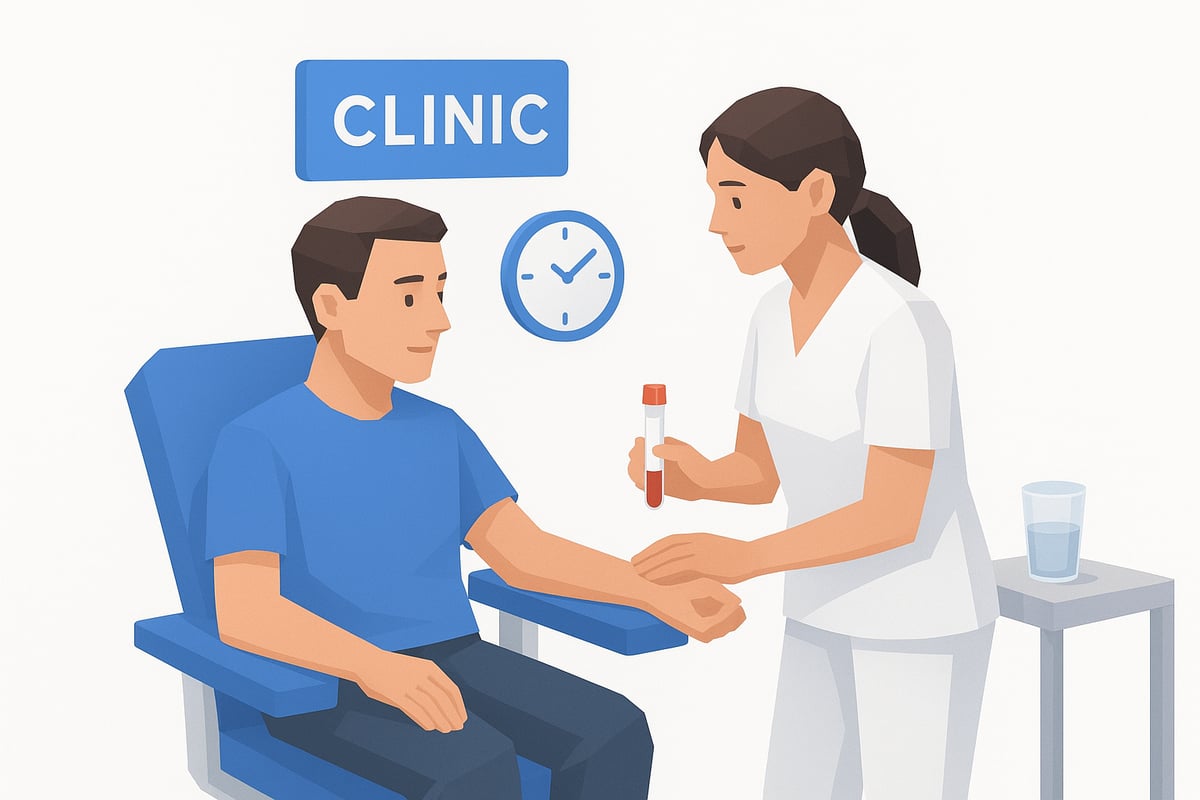
On the day of your basic metabolic panel blood test, you will check in at the lab or clinic. The process is simple and usually takes just a few minutes. A phlebotomist will use a small needle to draw blood from a vein in your arm. You may feel a brief pinch, but the procedure is quick and safe.
To help reduce anxiety during your basic metabolic panel blood test, try these techniques:
- Take slow, deep breaths.
- Stay well-hydrated if allowed.
- Bring a book, music, or a support person for distraction.
- For children, use comforting words or small rewards.
After the blood draw, you can resume normal activities right away. Mild bruising or tenderness at the site is possible but usually fades quickly. No special aftercare is needed for most people.
Many clinics now offer same-day appointments, and self-pay platforms like JustLabs provide basic metabolic panel blood test services with transparent pricing, making access simple and affordable.
Accessing BMP Testing in 2026: Options for Patients
In 2026, patients have more choices than ever when it comes to accessing a basic metabolic panel blood test. Whether you prefer a traditional route through your healthcare provider or want the convenience of self-service options, there is a solution that fits your needs.
Traditional Doctor-Ordered Testing
For decades, the standard way to get a basic metabolic panel blood test was through your doctor’s office or local clinic. Your healthcare provider would order the test, and you would visit a laboratory or hospital for the blood draw. Insurance typically covers these tests when medically necessary, but you may face copays or deductibles.
This process is still common, especially for those managing chronic illnesses or working closely with a provider. The doctor interprets your results, discusses them with you, and recommends next steps. However, some patients encounter delays, paperwork, or high costs if they lack insurance coverage.
Modern: Self-Pay and Direct-to-Consumer Testing
Today, self-pay and direct-to-consumer lab testing platforms have made it possible to order a basic metabolic panel blood test online, often without needing a doctor’s visit or insurance. These services offer transparent pricing, simple ordering, and fast results.
Here is a quick comparison of both approaches:
| Feature | Traditional Doctor-Ordered | Self-Pay/Direct-to-Consumer |
|---|---|---|
| Doctor’s order required | Yes | No |
| Insurance needed | Usually | No |
| Upfront pricing | Rare | Yes |
| Typical cost | $100–$200+ | $40–$60 |
| Speed of results | 2–5 days | 1–3 days |
| Location flexibility | Provider’s lab | Nationwide lab network |
Self-pay options can be especially helpful for patients without insurance, those with high deductibles, or anyone seeking privacy and convenience. You can learn more about how to order labs without a doctor and what to expect from the process.
Benefits of Self-Pay Testing
- No insurance or doctor visit required
- Transparent, upfront pricing with no hidden fees
- Easy online ordering and scheduling
- Nationwide access to participating labs
- Results delivered securely and quickly
If you are concerned about cost, platforms like JustLabs provide detailed information on labs without insurance information to help you make an informed choice.
Why Are These Options Growing?
Since 2020, the self-pay lab testing market has expanded rapidly. Patients want more control over their health, and direct-to-consumer platforms have responded by offering affordable, accessible testing. Many people use these services for routine wellness checks, to monitor ongoing conditions, or to get baseline results before seeing a doctor.
Empowering Patients in 2026
Accessing a basic metabolic panel blood test has never been easier or more flexible. Whether you choose to go through your healthcare provider or order directly online, you can take charge of your health on your own terms. Transparent pricing and modern technology make it possible for everyone to monitor their well-being, regardless of insurance status.
Interpreting Your BMP Results: Next Steps and When to Seek Medical Advice
Understanding your basic metabolic panel blood test results can feel overwhelming, especially if you are not familiar with medical terms. The good news is that your BMP provides valuable clues about your health, and knowing what to do next can help you feel more confident and prepared.
What to Do When You Receive Your Results
When you get your basic metabolic panel blood test report, start by reviewing the normal reference ranges for each component. Most reports highlight any values that fall outside the expected range, making it easier to spot potential concerns.
Do not panic if you see an abnormal value. Many factors, including temporary illness or medications, can influence your results. It is important to discuss your findings with a healthcare professional who can interpret the numbers in the context of your overall health and symptoms. For detailed guidance on understanding each component, you can visit the Interpreting BMP Results page.
In some cases, abnormal results need quick attention. For example, a very high potassium level can be dangerous and may require immediate medical care. Always contact your provider promptly if your results are marked as “critical” or if you feel unwell.
Common Scenarios and What They Mean
BMP results can vary widely, and context is key. Here are typical scenarios you may encounter:
| Scenario | What It Might Mean | Recommended Action |
|---|---|---|
| All values normal | No immediate concern | Routine follow-up |
| One abnormal value | Possible lab error, medication effect | Recheck or discuss with provider |
| Multiple abnormal | Higher chance of underlying condition | Further testing, clinical evaluation |
If all your basic metabolic panel blood test values are within range, this is reassuring, and you will likely continue with routine checkups. A single abnormal value might result from a minor factor, such as dehydration or a recent change in medication. Multiple abnormal results are more likely to signal a health issue that needs further evaluation.
Always look at patterns, not just single numbers. For example, both high BUN and creatinine may suggest kidney problems, especially if you also have symptoms such as fatigue or swelling.
Questions to Ask Your Healthcare Provider
It is a good idea to come prepared with questions for your healthcare visit. Consider asking:
- What could be causing my abnormal basic metabolic panel blood test results?
- Do I need additional tests to clarify the findings?
- Should I make any changes to my diet, lifestyle, or medications?
- When should I repeat the basic metabolic panel blood test?
- Are there any symptoms I should watch for in the meantime?
Open communication helps you and your provider create a clear plan for next steps. Do not hesitate to ask for clarification on any part of your report.
Limitations of the BMP
Remember that the basic metabolic panel blood test offers a snapshot of your health, but it is not designed to diagnose specific diseases. It provides important clues that your provider uses along with your symptoms and history.
Occasionally, results can be affected by temporary conditions, lab errors, or even the way your blood was drawn. For instance, dehydration might temporarily elevate certain values. False positives or negatives can occur, so your provider may order a repeat test or additional panels for confirmation. For a deeper dive into what BMP can and cannot tell you, the BMP Test Guide by UW Medicine can be a helpful resource.
Tips for Ongoing Health Monitoring
If you have a chronic condition such as diabetes or kidney disease, regular basic metabolic panel blood test checks are important for tracking changes over time. Keep a record of your results and share them with your healthcare team at each visit.
Self-pay lab services, like JustLabs, make it easier and more affordable to monitor your health without needing insurance. You can order repeat BMPs as recommended, helping you catch changes early and make informed decisions about your care.
Comprehensive Metabolic Panel
16 biomarkers
Complete Metabolic Health Panel
26 biomarkers
Reassurance and Next Steps
Most abnormal basic metabolic panel blood test results are not emergencies. Your provider will help you interpret the numbers and decide if further action is needed. Use your BMP as a proactive tool for understanding your body and maintaining your well-being.
If you need regular monitoring, consider transparent, self-pay options like JustLabs for convenience and peace of mind. Taking charge of your health starts with understanding your results and knowing when to seek guidance.
Comprehensive Wellness Panel
44 biomarkers
Understanding your health starts with having access to the right information and tools—something we’ve explored throughout this guide to the Basic Metabolic Panel blood test. If you feel ready to take control of your wellness and want a straightforward way to check your metabolic health, you don’t need to wait for a doctor’s appointment or navigate insurance hurdles. With transparent pricing and easy online ordering, you can choose the tests that matter most to you and get accurate results in just a few days.
Ready to take the next step? Order Tests
Basic Metabolic Panel
The BMP is an essential screening test that measures blood sugar, electrolyte balance, and kidney function—key indicators of your body's metabolic health.
Includes 9 biomarkers
$6
Fasting required